
















Enquiry by Design (EbD) is a community-led urban planning methodology that involves three key components: public consultation sessions, technical briefings, and site tours, followed by collaborative workshops and consolidation planning sessions; this approach extracts local intelligence from residents who understand their neighborhoods best, combines it with placemaking theory, and creates development solutions that benefit the entire community while ensuring residents feel genuine ownership and involvement in the planning process.
Enquiry by Design: Methods and Community Engagement in Placemaking
Added:Introduction to Placemaking Theory: Understanding the core concepts of creating quality public spaces that contribute to community health, happiness, and well-being.
Fundamentals of Participatory Design: Familiarity with the principles and ethical importance of active stakeholder and citizen participation in the planning process.
Basic Urban Planning and Spatial Design Vocabulary: Understanding fundamental terms such as the public realm, mixed-use development, scale, and spatial layout.
Traditional Planning Frameworks: Understanding the distinction between traditional top-down master planning and collaborative, bottom-up design methodologies.
Facilitating Design Charrettes: Developing the practical workshop facilitation skills required to lead multi-stakeholder, hands-on design sessions.
Translating Qualitative Feedback into Spatial Plans: Methods for converting community narratives, values, and ideas into technical design guidelines and masterplans.
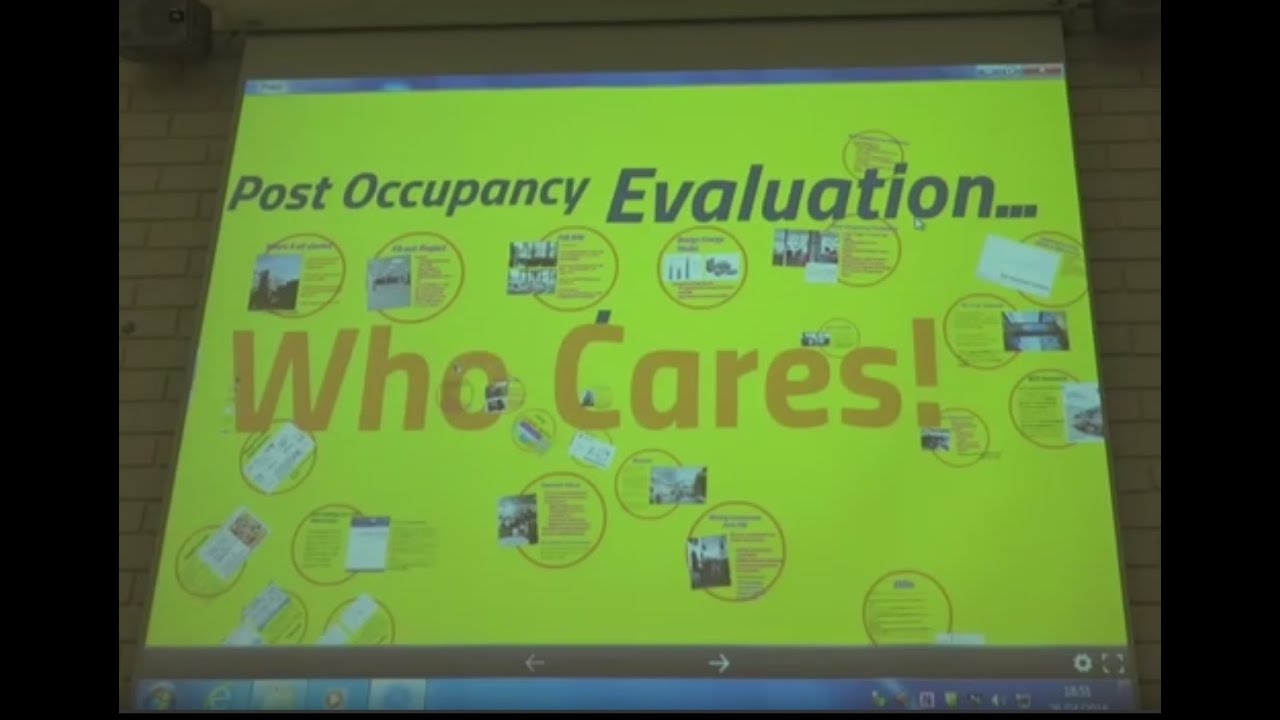
Post-Occupancy Evaluation (POE) in Placemaking: Learning how to systematically assess and measure the long-term success and usage of co-designed public spaces.
Digital Placemaking and Civic Tech: Exploring online participation platforms, GIS mapping, and virtual reality tools to scale up and diversify community engagement.
Statutory Planning and Policy Integration: Understanding how to successfully embed informal Enquiry by Design outcomes into formal municipal zoning laws and local development policies.
643 views8likes4:51Original Release: 2012-09-11
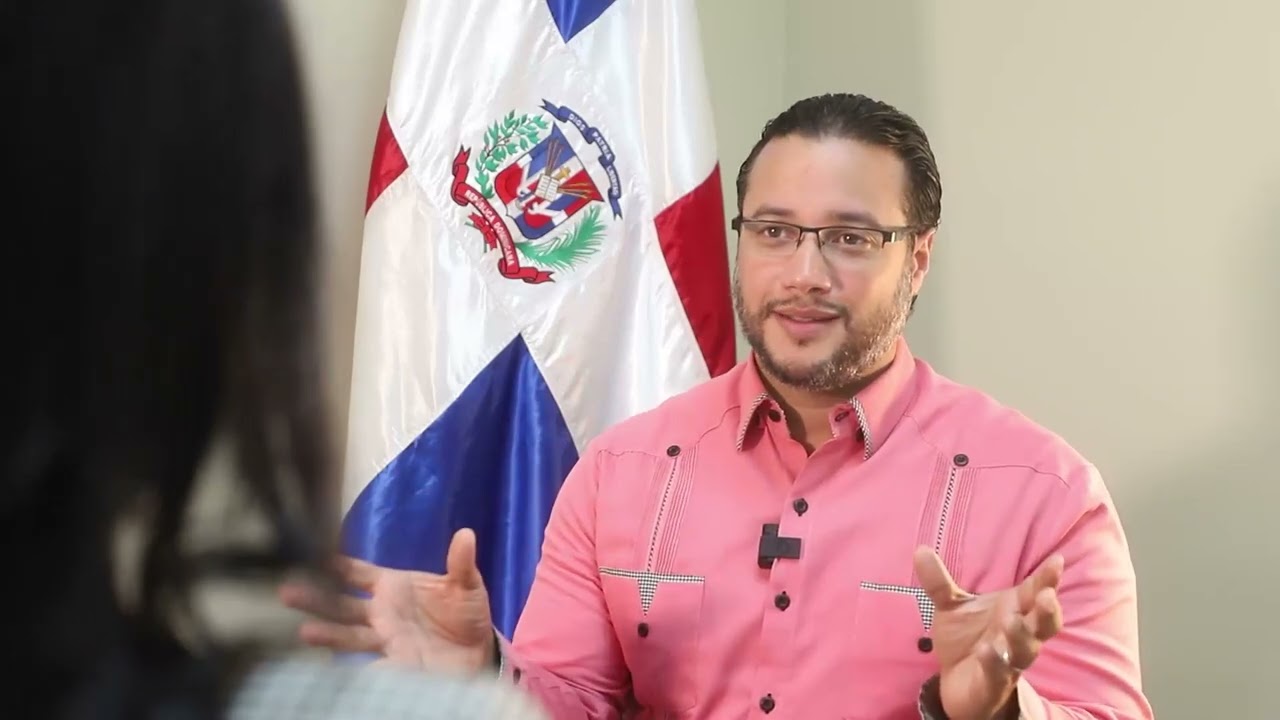
[Music] I think it's it's absolutely critical um to work with communities from our perspective because you learn so much more and your uh responses are that much more sophisticated. Well, inquiry by design is a way of engaging uh with local communities about issues affecting where they live. So, it's really uh um an organized way of getting to tens and hundreds of people uh and finding out really what they think about a particular place, extracting that local intelligence because they know the area particularly well and then combining that with a theory about placemaking which we have and coming to solutions which are beneficial for local people.
Well, I think we're moving towards articulating a vision for the town. Once you have a vision for the town, you understand how development would contribute to that vision and make sure it doesn't detect detract from it. And I guess that's what we're all trying to do really. Uh I was uh quite skeptical when I first had the letter for the post. So and what what the state themselves were trying to do. Uh but after today and last night things are starting to open up and quite enjoying it.
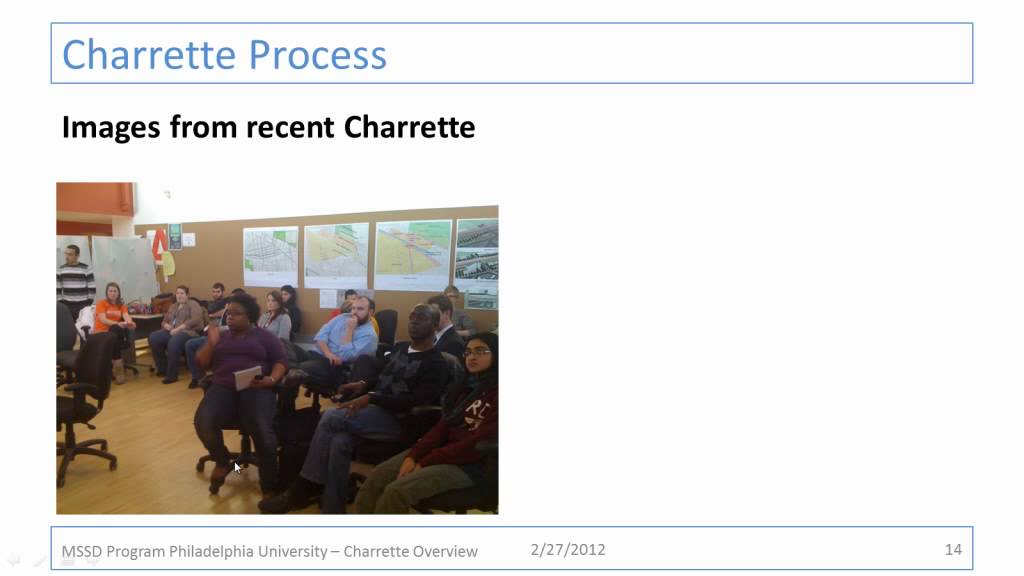
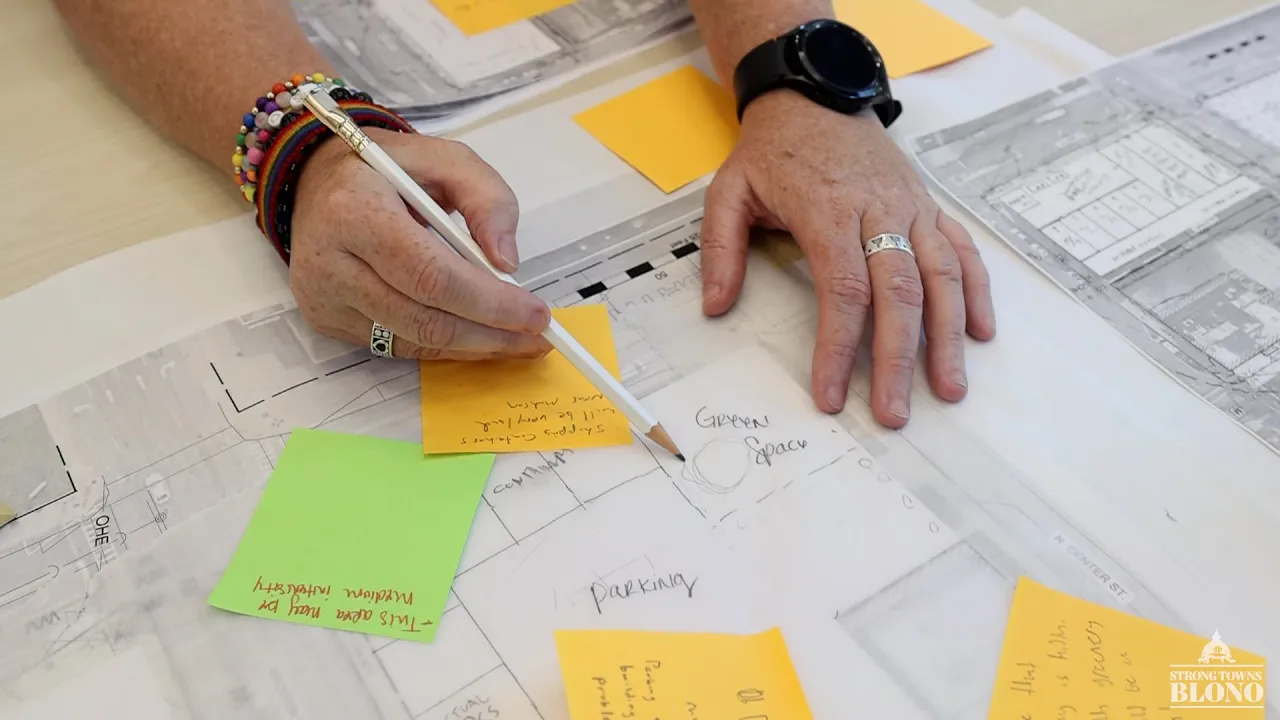
An EBD is really made up of um three principal parts. Um there's the part where you consult the the wider wider public group in the public open sessions which typically happen in the evenings at the beginning of the process and at the end of a process. There's then what's called the technical briefings which happen on day one in the morning where a whole host of technical issues are downloaded to a core team of people stakeholders and the Princess Foundation's team uh in a very organized and efficient manner. Uh and then there's a site uh tour where those people then visit a particular area to make sense of those issues and make them you know understand them in a place-based way. And then there's the core part of the uh inquiry by design which is a series of workshops um and then a series of of hypotheses or what we call consolidation plans where on each day um particular plans that are being worked up by different groups are brought into one common plan.
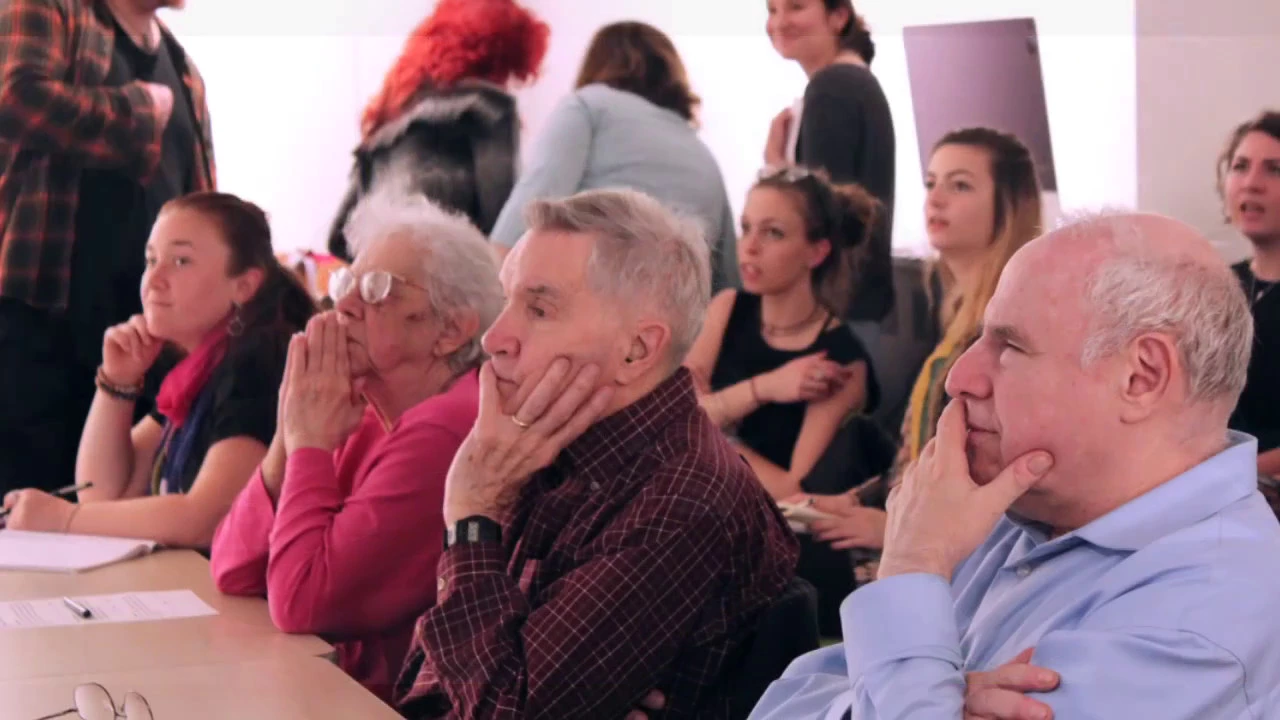
What was clear from the workshop that the Prince's Foundation carried out in Grove Park was that there was a huge sensitivity to thinking um not just about the economic vitality of the area but um how socially um it worked as a place that there were opportunities there for young and old alike. A good event for the local area and for local people. It's it's a superb way of doing it. I mean there there's there's obviously going to be as the process goes on much more sort of sense of ownership of whatever comes out of it.
Uh a much more sort of widespread support I suspect. Uh as a result so the way it's being done just seems to be you know absolutely the way absolutely the way to do it.
Well we we tend to tailor our teams for each particular situation. So we have a broad network of professional members um who've got very different backgrounds, you know, master planners, architects, and landscape architects of course, but we also have illustrators, developers, retail experts. Um so it's a pretty broad group. We would um effectively have a core team almost always of three to four people from the foundation because the project manager is particularly important and then we would maybe have a core team including professional members of anywhere between six and 10 depending on the scale of the project or the complexity of the project. Yeah. And I think when you come into a place you've got to try and understand an awful lot of issues very very quickly. And the best way to do that is just to ask the people that are local. They'll tell you exactly where the footpath roots are, what people use, what people don't want to do, you know, where the linkages are, all those kind of things will come through from the public. The foundation is is wonderful at bringing people out and really giving people the feeling of real involvement, not just playing lip service to it, but really making people feel that they can make a change to how things are planned for the future. And that is really important because the people here know more about the place than anyone else.
[Music]
Up Next
19:28
DIY 3D Printed Arduino CNC Drawing Machine | Build Guide
@DIYMachines
919.3K views•2020-07-11

12:54
Triumph of Orthodoxy Icon: Byzantine Art & History Explained
@BenCallan
2.1K views•2024-08-06

9:49
FastAPI vs Flask vs Django: Choosing the Right Python Web Framework
@TechWithTim
302.5K views•2024-05-26

1:42
Game of Thrones Opening Credits: A Cinematic Analysis
@gameofthrones
46.3M views•2011-04-18
Related Study Plans & Knowledge Roadmaps
Structured learning paths in General & Interdisciplinary Studies
general-studies
Elevator Engineering: History, Physics & Cities
01From Hoists to Safety Brakes: The Dawn of Vertical Lift
02Hydraulic vs. Traction: The Engineering Physics of Elevators
03Modern Speed, Safety, and Algorithms
+ 2 more learning modules
12h5 modules
Explore Roadmap
general-studies
Rubber: Material Science, History & Geopolitics
01Origins of Natural Rubber & Mesoamerican History
02The Chemistry of Natural Rubber & Vulcanization
03The Geopolitics of the Rubber Boom & Colonization
+ 2 more learning modules
12h5 modules
Explore Roadmap
general-studies
Containerization: Evolution, Logistics & Trade
01Ancient Trade & Bulk Cargo: Amphorae to Barrels
02The Industrial Revolution & Cardboard Packaging
03The Containerization Revolution: Malcom McLean
+ 2 more learning modules
12h5 modules
Explore Roadmap
general-studies
Textile Tech: Evolution, Labor & Global Impact
01Pre-Industrial Textiles: Handloom & Cottage Industry
02Mechanization: The Spinning Jenny to the Power Loom
03The Factory System & Global Labor Transformation
+ 2 more learning modules
10h5 modules
Explore Roadmap