
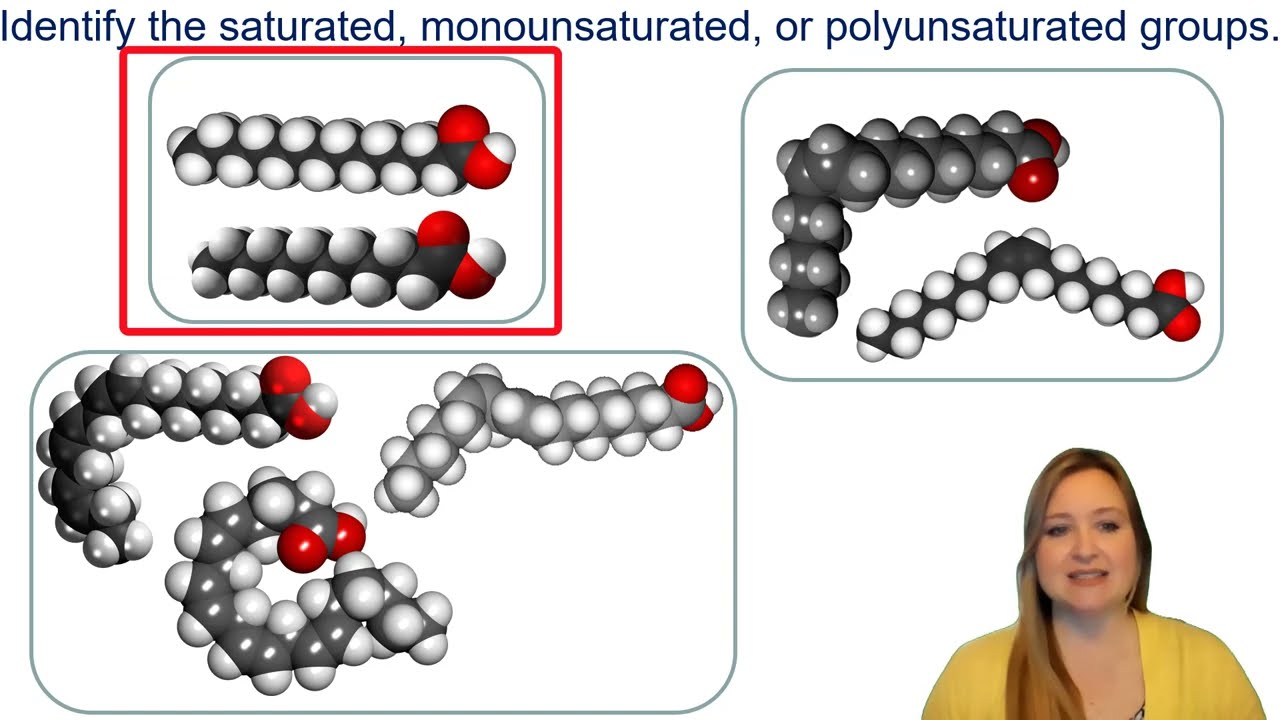







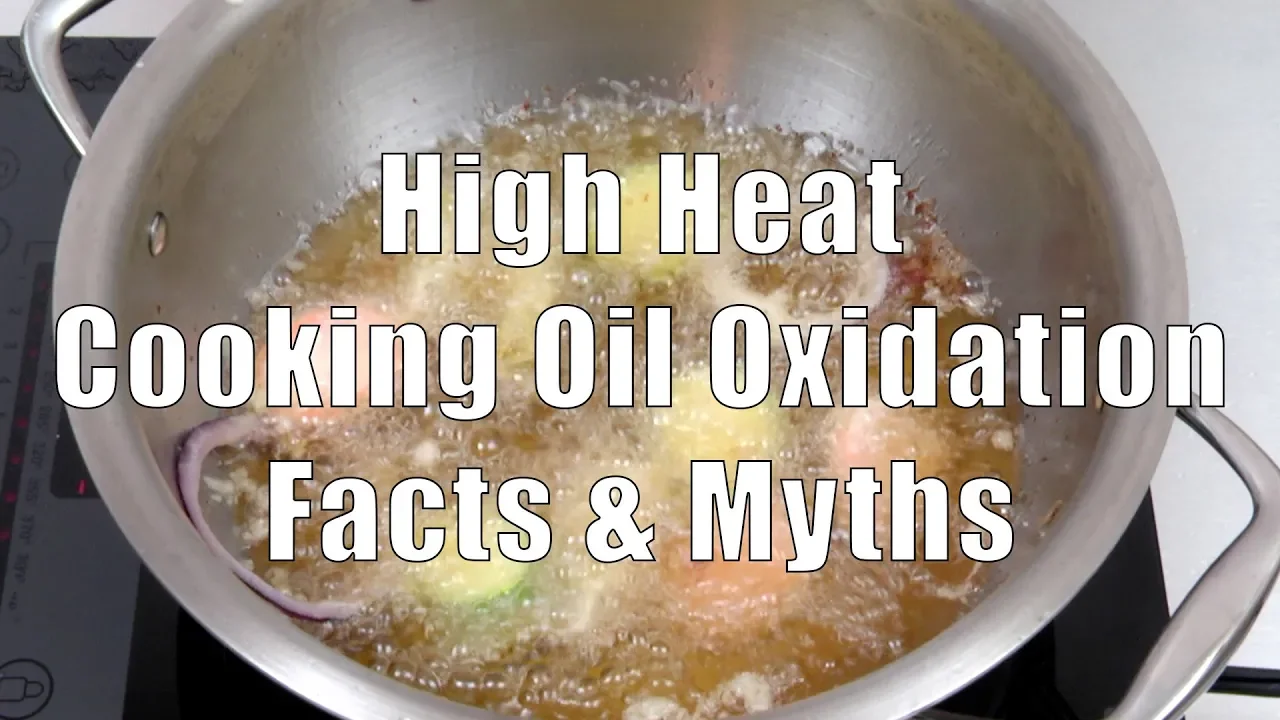













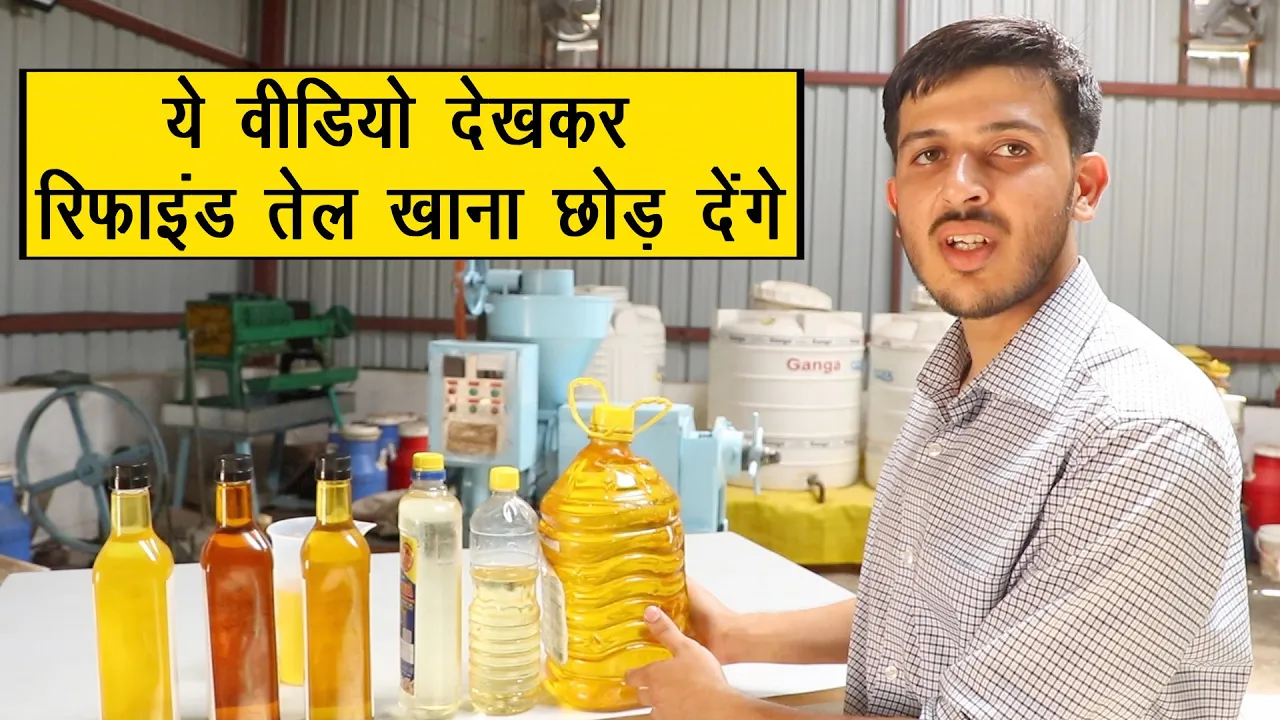







Cooking oils are composed of mixtures of saturated and unsaturated fats, with vegetable oils like rapeseed/canola and sunflower oil containing predominantly healthy unsaturated fats, while tropical oils like coconut and palm oil have higher proportions of saturated fats; the smoke point—the temperature at which oil begins to burn and degrade—is a critical factor for cooking, with most home cooking methods not reaching temperatures that create harmful compounds, making typical home use of common oils safe, though repeated deep frying at high temperatures over extended periods can produce unfavorable health effects; for everyday home cooking, oils with higher smoke points such as rapeseed/canola oil or light olive oil are recommended, while extra virgin olive oil offers additional antioxidant benefits despite its lower smoke point, and controversial oils like avocado oil (overpriced with similar properties to canola oil) and coconut oil (low smoke point, limited health evidence) should be approached with caution.
How to Choose the Healthiest Cooking Oils: A Nutritionist's Guide
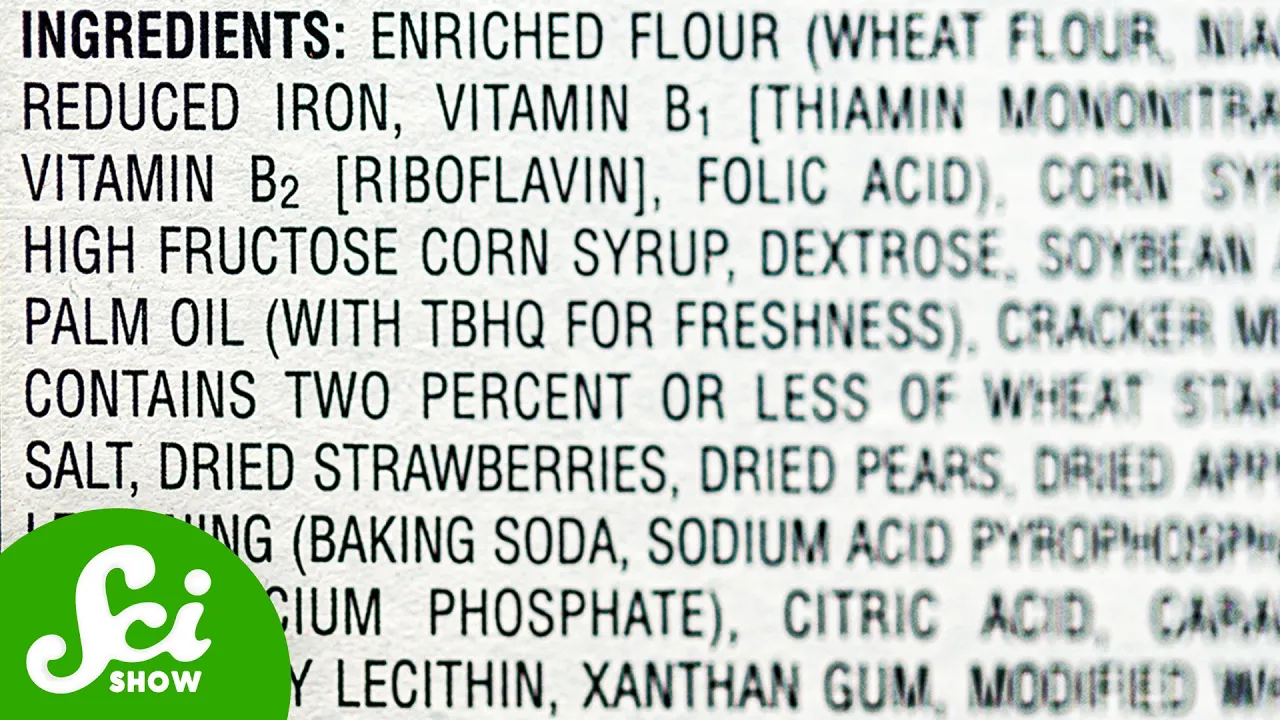
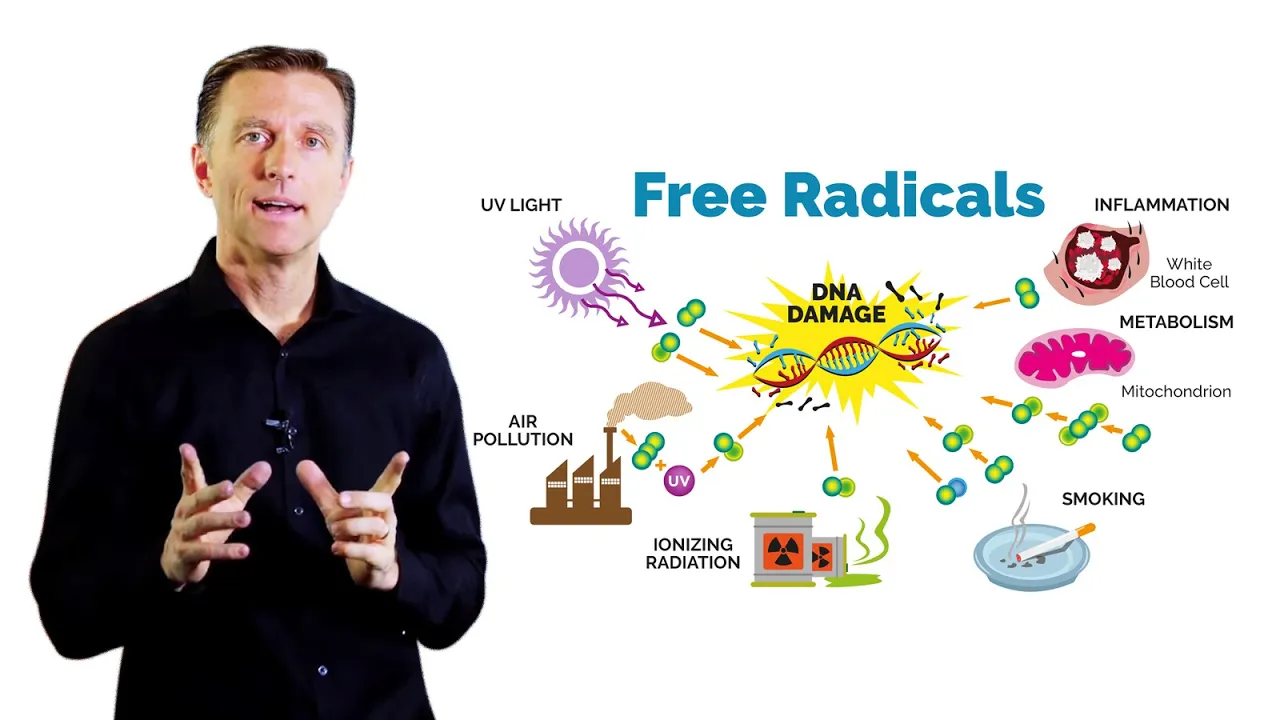
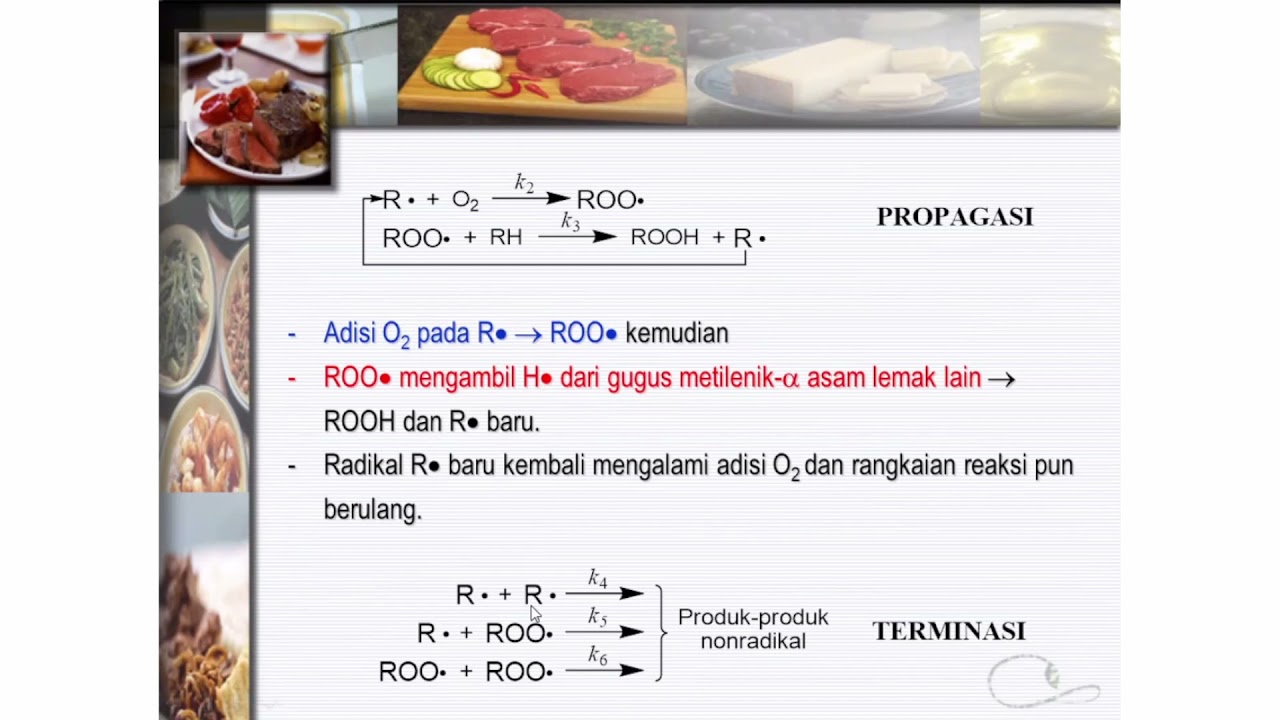
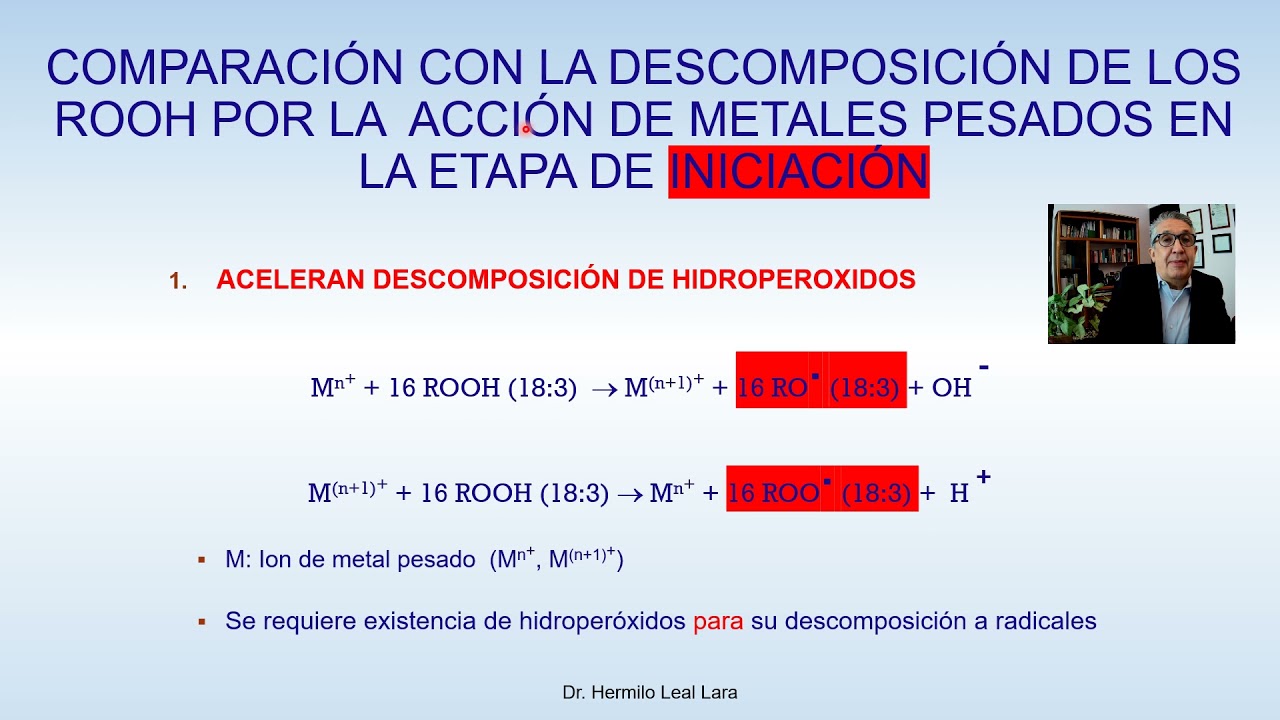
Added:[Music] hello and welcome to Zoe's shorts the bite size podcast where we discuss one topic around science and nutrition I'm Jonathan wolf and as usual I'm joined by Dr Sarah Berry and today's subject is cooking oils sunflower to soya bean to Olive and coconut oil there are loads of oils out there but it's tricky to know which ones are best to cook with plus more and more people are searching cooking oil bad on Google so wait Sarah are you saying cooking oils are bad for us it's a bit more complicated than that Jonathan okay I'm intrigued let's get into it let's imagine a typical home kitchen you might picture some vegetables roasting in the oven or maybe a stir-fry sizzling in a hot pan it sounds yummy so what oils would they typically be using to make this feast so chances are it's going to be a vegetable oil and the most common vegetable oil is rapeseed oil as it's called in the UK or canola oil as it's called in the U.S otherwise it's often a blend of vegetable oil such as sunflower soybean and other oils and we we did some research with a with a friend of Sarahs who uh is a world expert on this and there are a lot of other popular oils so there's sunflower oil there's olive oil coconut peanut Sesame and in case you're wondering apparently the french fries at McDonald's are cooked in a blend of rapeseed and sunflower oil at ratios to make the oil as stable as possible and hopefully this area will explain that a bit more uh in a minute I will but that ratio is top secret so I can't divulge that information what I can divulge is that all the fats and oils uh that we cook with and that we consume are made up of a mixture of saturated and unsaturated fats and different oils have different proportions of these types of fats for example most vegetable oils such as rapeseed which is also like I said called canola oil and sunflower oil have a lot of these really healthy unsaturated fats whilst tropical oils such as palm oil and coconut oil tend to have an equal proportion of saturated fats and unsaturated fats and depending on the type of saturated fat in these tropical oils these Tropicals tend to be less healthy for us but Jonathan it's really important to note that as well as thinking about the type of fat in the oil it's really important to think about what happens to the oil when we cook with it and I think one thing that people often ask about is this thing called the oil smoke point right Sarah and I understand that's the point when an oil begins to burn and smoke as I have definitely experienced when cooking getting distracted and then you look back and you know the smoke is pouring towards the fan so if you heat the oil near to a past that point the taste of the oil can change and I think some of the other nutrients in the oil can also be degraded yeah that's correct Jonathan and I think that the way I often think about this is according to three important factors that affect an oil when you cook with it which change its taste but also change potentially some of the health effects and these three factors are moisture air and temperature and these really simply put can change the structure of the oil as well as oxidizing the oil and it's these changes in structure and these changes in oxidation that can have potentially unfavorable health effects health effects but how much of that changes during cooking is really dependent on your cooking method for example a temperature which you're cooking how long you're cooking it for and also really really importantly whether you're repeat frying so reusing the oil as well as a general rule of thumb it's good to pick oils that have a higher smoke point it's good to avoid heating above 170 degrees Centigrade or also 340 degrees Fahrenheit and definitely avoid this repeat use of the same oil for frying as you might use for example in deep frying so oils that have a high smoke point and therefore sort of meet those criteria Sarah right include rapeseed canola sunflower blends what about Virgin Olive Oil so um that doesn't have such a high smoke point and so I think various people have said that oh you shouldn't cook with it but I think it's more complex than that right yeah it's a real balancing act because oils like extra virgin olive oil have more of these bioactive nutrients such as polyphenols which are really special because these have antioxidant properties it means that they reduce the impact of free radicals caused by oxidation but the flip side of this is that they're more sensitive to heat because of their lower smoke point and what happens is is when you heat an oil like extra virgin oil it can lose some of its benefits and so what can happen is if it's exposed to light and air for a long time and heated you lose some of these really healthy polyphenols now refined oils usually have higher smoke points like you pointed out but they often have less of the beneficial plant chemicals that we find in olive oils and I think one of the things you've already mentioned right is generally if you're just cooking at home for yourself you actually don't cook these things for very long right and so this sort of focus around smoke point is just very different for being at home versus thinking about some sort of restaurant which is cooking things over and over is that is that right yeah that's correct I think when we need think about the health effects of cooking with oils we need to separate out what happens in a more commercial or in the food industry versus what we actually uh do at home so I think it'd be good to actually dig into the potential health risks Jonathan of cooking oils a bit more because there are a lot of myths out there I think that sounds like a great idea and so people talk about what about the compounds that are reduced um during you use this word oxidation right which is basically where oil is going past this smoke point and it's actually changing um and so there's this talk about this can potentially increase blood pressure and cholesterol and cause vascular inflammation and this all sounds terrible yeah and I think it's really important to pick up on this Jonathan because this is where I think there's a lot of myths out there so a couple of points I want to mention is firstly most of the evidence around what you've just pointed out about all of these dangerous effects of cooked oils is actually from animal studies secondly and even more importantly the harmful effects of cooking oil generally only happens when oil is used over and over again at really high temperatures for example in the old-fashioned home deep fat fryer where the oil might be used repeatedly over a month so bear in mind very few people actually use deep fryers now at home and the general way in which we cook our food now at home using oils doesn't generate most of these unfavorable and harmful compounds got it so we're really talking about restaurants and fast food chains and places like this where the oil is going to be used repeatedly for long periods of time you know at these high temperatures now I think there are laws right in the US or you know in Western Europe about having to change their oil regularly and sort of legal limits on the level of these unfavorable compounds um is that right Sarah yeah so there's very clear rules in place in the EU in the UK and in America regarding um the levels of particular compounds that allowed to be in commercial oils and I do think certainly many of the big food companies adhere to this very well so so let's get really practical Sarah what are the oils that you would recommend to anyone who's listening to this now to actually use in their everyday home cooking so I think I would recommend a rapeseed or canola oil or even a light olive oil and these are going to be the best bet although it will depend on how hot the cooking method is where possible I would consider using an olive oil because of the high level of these antioxidant like compounds that I talked about but do bear in mind that it will reduce the antioxidant compounds as you cook them and we had a lot of questions on this so I'm going to ask you about a few other oils that some people were incredibly excited or confused about what about avocado oil yeah Jonathan avocado is an interesting one it came um only about a couple of years ago to be uh sold commercially and if I'm honest with you I think it's a load of nonsense I think it's a rip-off basically it sold us having um you know these wonderful properties because it's high and unsaturated fats actually in my opinion it's almost no different to rapeseed oil the only difference is is you'll pay about 50 times per liter for it what about coconut oil isn't that supposed to have some sort of sort of super healthy properties you know it's all natural Etc so that's a really good question and it's actually a really controversial area coconut oil even in nutritional research and firstly something just to say for cooking I don't think it's a good choice it's got a really low smoke point so it's oxidized really easily in terms of its health effects anyway I think that there is some suggestion that coconut oil when consumed as part of the coconut can be healthy but when it's extracted from the coconut and the other properties in the Coconut I actually don't think that there's much evidence to say that it's a healthy option there are some studies published that have shown that there are some health benefits but I would question those studies and I certainly wouldn't consume it myself in large amounts definitely no coconut oil then and final one which is controversial for a number of reasons what about palm oil yeah so palm oil is used a lot commercially in cooking and it by the food industry because it has fantastic functional properties you'll find that not many people cook with it at home but you will find that in nearly all processed foods palm oil is on the back of pack labeling and it's a really tricky one because you've got the environmental concerns regarding palm oil and also we know that palm oil isn't the best oil for us in terms of our health and you remember at the beginning I mentioned to you these tropical oils have really high amounts of saturated fat and the particular type of saturated fat in palm oil isn't really great for our health foreign what's the overall verdict then our cooking oils bad for you so my opinion is using cooking oils in the way that we typically use them in the home there is no evidence to show that they're bad for our health unless we repeat deep frying them repeatedly over several weeks for example got it and then maybe let's just talk for a minute about you know you know what what people will really use and um you know I would say from my on my own side as a result of many conversations with with you Sarah um uh I end up basically using extra virgin olive oil for almost everything that I cook with so I fry with it I also use it a lot where I would have used butter because all of these properties um should I feel comfortable about that if I'm you know stir frying something or I'm frying an egg you know it's that uh does that feel good from a health perspective yeah I think so Jonathan because you're not reusing the fat you're not reheating it and also you're not heating it to an excessive temperature so remember I said at the beginning an ideal temperature is around 170 degrees Centigrade or 340 degree Fahrenheit and so if you were to fry your egg generally your pan would heat the oil to about 160 170. and so I think given the applications that we use at home like kind of olive oil would be a really good option but I do also think a very standard vegetable oil that you can get from the supermarket that has the rapeseed or canola oil is also a good option and what about you Sarah as one of the world's experts on fats what do you use at home well Jonathan I actually don't do the cooking at home my husband does all the cooking so it depends on what he likes um I I think Jonathan a really important point though to mention is there is a lot of people that will be listening to this that might have also listened to many other podcasts that talk about seed oils being you know the evil of our diet and cooking with seed oils causes cancer causes heart disease and so I think it's important to say that we're not necessarily saying cooking with rapeseed oil is especially healthy but what I do believe is that it's not unhealthy to cook with and I think there are probably a lot of people listening to this who who are still saying well hang on I use one of these sort of sprays it's going to put like one calorie of some sort of oh my God chemical to to cook with because I don't want to um fry my food because it's unhealthy what what would you you'd be saying to them I'm a real of people consuming a decent amount of fat in their diet a decent amount of healthy fats and so I think that the uh reducing trying to reduce the amount of fat that you put on the pan is not a good way to either improve your health or improve your weight if they're the two reasons that you're doing this and I'm sure that we can do maybe another podcast on this Jonathan all around the effects of fat and its association with weight but also its association with with health and dispelling hopefully many of the myths there are around low-fat diets I think that sounds like a a brilliant idea and a great place to to wrap up if you'd like to understand more about the fats that are right for you then uh by all means do come and try Zoe's personalized nutrition program to improve your health and manage your weight and you can get 10 off by going to join zoe.com podcast I'm Jonathan Wolfe and I'm Sarah Berry join us next week for another Zoe podcast [Music]
Up Next

Mint Julep Masterclass: Bourbon, Ice, and VOCs Explained
@AltonBrown
183.5K views•2026-07-18

Triumph of Orthodoxy Icon: Byzantine Art & History Explained
@BenCallan
2.1K views•2024-08-06

FastAPI vs Flask vs Django: Choosing the Right Python Web Framework
@TechWithTim
302.5K views•2024-05-26

Game of Thrones Opening Credits: A Cinematic Analysis
@gameofthrones
46.3M views•2011-04-18
Related Study Plans & Knowledge Roadmaps
Structured learning paths in General & Interdisciplinary Studies