











![Каким пивом можно порадовать любителя вина? | подкаст «Два пива, пжлст!» [18+] ВИДЕОВЕРСИЯ](https://i.ytimg.com/vi/iXPkT2pLzbM/maxresdefault.jpg)




![[講義] 食品学1 香り、嗅覚と香気成分](https://i.ytimg.com/vi_webp/XJQVmB-BGL8/maxresdefault.webp)


The refreshing quality of mint in a Mint Julep comes from volatile organic compounds (VOCs), particularly carvone, which are alcohol-soluble but not water-soluble, making mint an ideal pairing with bourbon; the mint's cooling sensation is produced by menthol through trigeminal nerve stimulation, while the characteristic mint aroma is primarily retronasal, detected in the nose during consumption.
Mint Julep Masterclass: Bourbon, Ice, and VOCs Explained
Added:Basic understanding of Volatile Organic Compounds (VOCs) and their role in olfactory and gustatory perception.
Fundamentals of thermodynamics, specifically heat transfer, dilution, and how surface area (crushed vs. cubed ice) affects cooling rates.
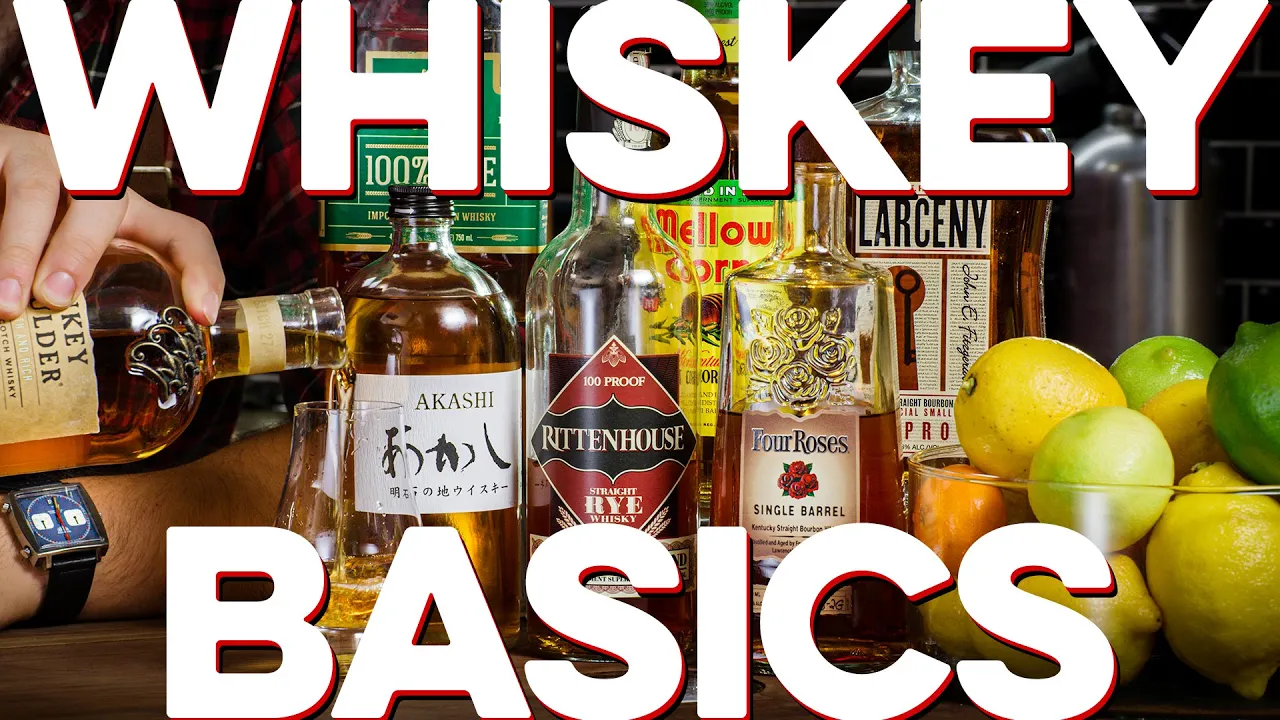
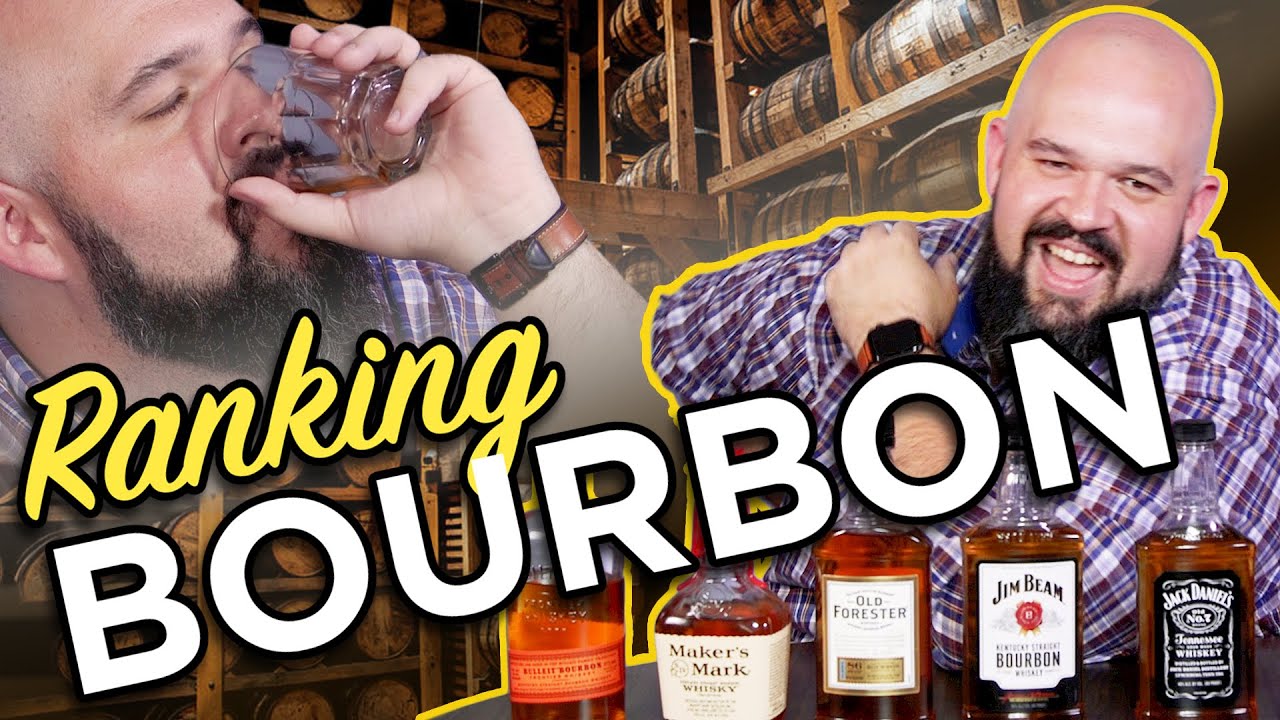
The defining characteristics of bourbon whiskey, including its distillation process, mash bill requirements, and barrel-aging chemistry.
Basic botanical anatomy of mint, focusing on how essential oils are stored in glandular trichomes on the leaf surface.
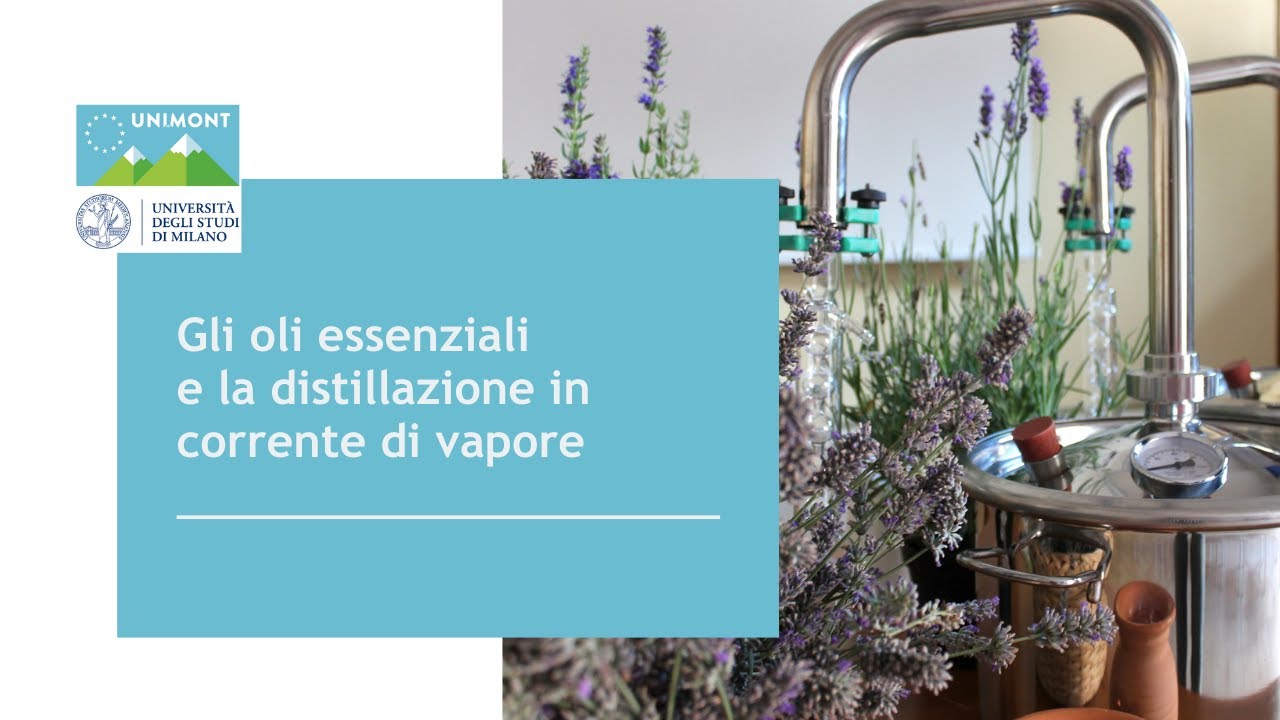
Advanced extraction kinetics, studying how ethanol proof levels act as a solvent to extract botanical compounds in infusions and bitters.
The science of sensory evaluation and retronasal olfaction, analyzing how temperature and glassware shape cocktail perception.
Cryo-mixology and advanced ice physics, including directional freezing techniques and the molecular behavior of supercooled liquids.
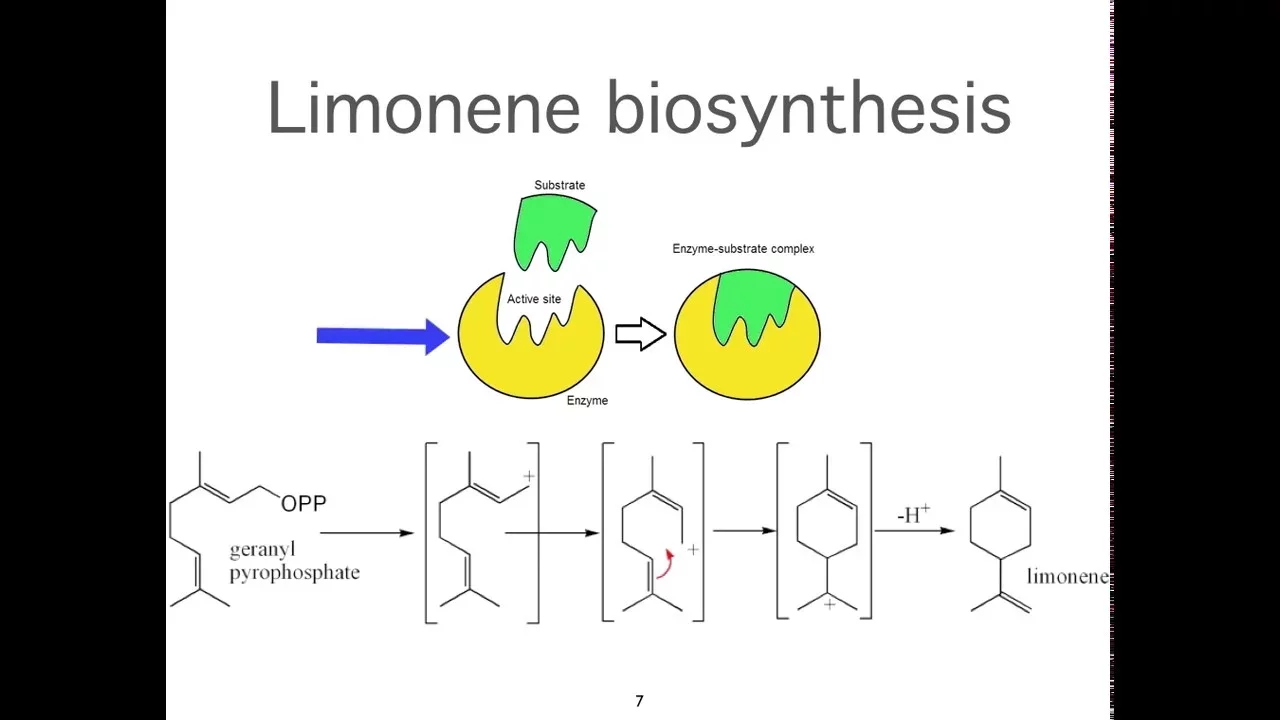
Organic chemistry of terpenes and esters, investigating how specific chemical structures yield distinct herbal and fruit aromas in mixology.
183.5K views10.2Klikes31:49Original Release: 2026-07-18
Summers intolerable hot about everywhere these days, but down here in the south, summer's always been a combo clatter of heat and humidity, which in tandem are particularly and continuously discomforts.
Now, when it gets to be like Satan's steam bath down here, some folks pivot from highly proofed tipples down to lower proof libation, the likes of light beer and spritzes, whatever the hell that even is. Me, I put my trust in the refreshing comforts of mint.
Mint, spearmint, uh, spearmint to be exact. Uh, mintis spicata. But even in that, uh, there's a lot of variation.
Now, I've gone on record many times regarding my adoration of mint chip ice cream, mint flavored toothpaste. I've even been known to enjoy some mint tea from time to time. Um, when it comes to mitigating this here press of meteorological males, what I declare requires an ice cold downright minty cocktail.
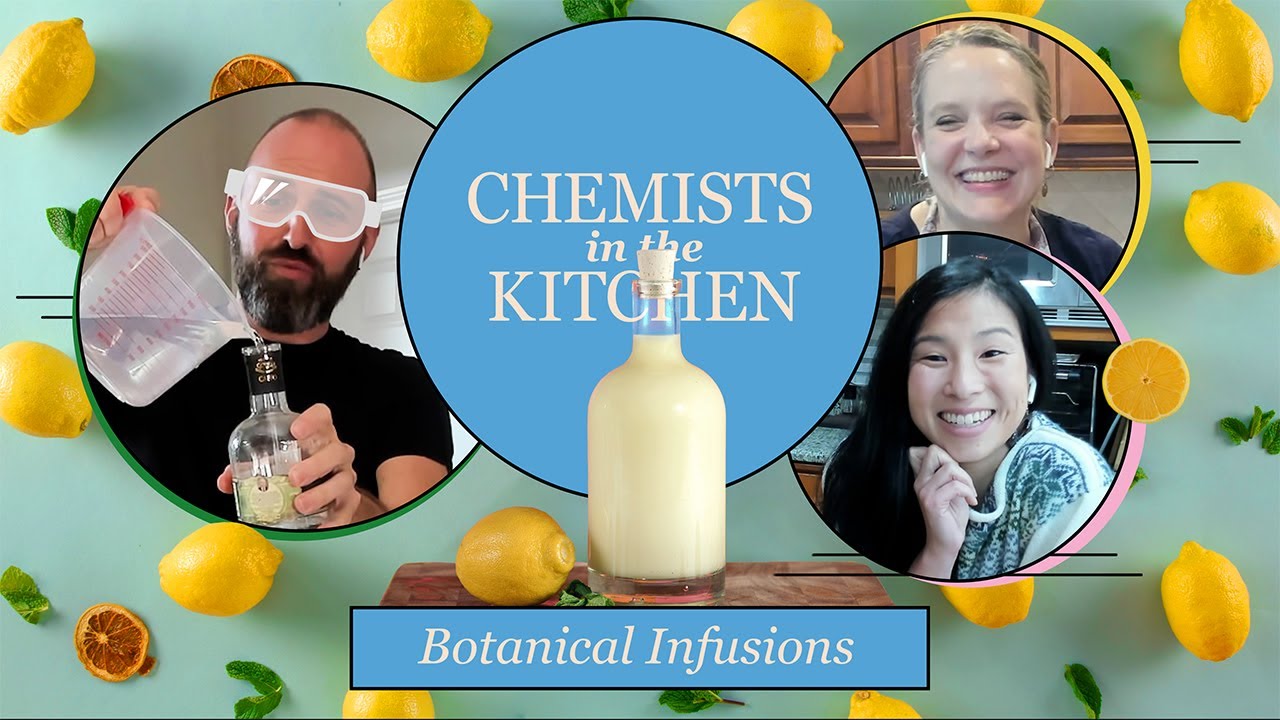
Now, um although uh spearmint does have some actual flavor, meaning substances that can be sensed by receptors on the tongue. Oh, as well as trigeminal inputs, meaning the cooling sensation produced by menthol. Um, the actual flavor that we think of as mint when we think of mint is mostly retronasal, meaning an aroma that we sense up here in our nose while we're eating or drinking something down here in our mouths. Now, in the case of mint, this magic is made possible by a tight-knit band of molecules called VOCC's or volatile organic compounds. Uh here's a picture of them uh performing. We've got lemonine, the aroma of citrus. That's on lee guitar. We've got 18 uh sine herbaceious fresh on bass. [music] Um beta pinine bringing the piny punctuation on percussion. And on Lee vocals, our carvone, the [music] very essence of mintiness. Interestingly, um our carbone has a twin s carvone.
Exactly the same structure but backwards like a left hand to a right hand. Um, and that molecule delivers the aroma of caraway. Uh, the R, by the way, is from rectus, Latin for proper or correct. And the S is u from sinister, Latin for left. Sorry, lefties.
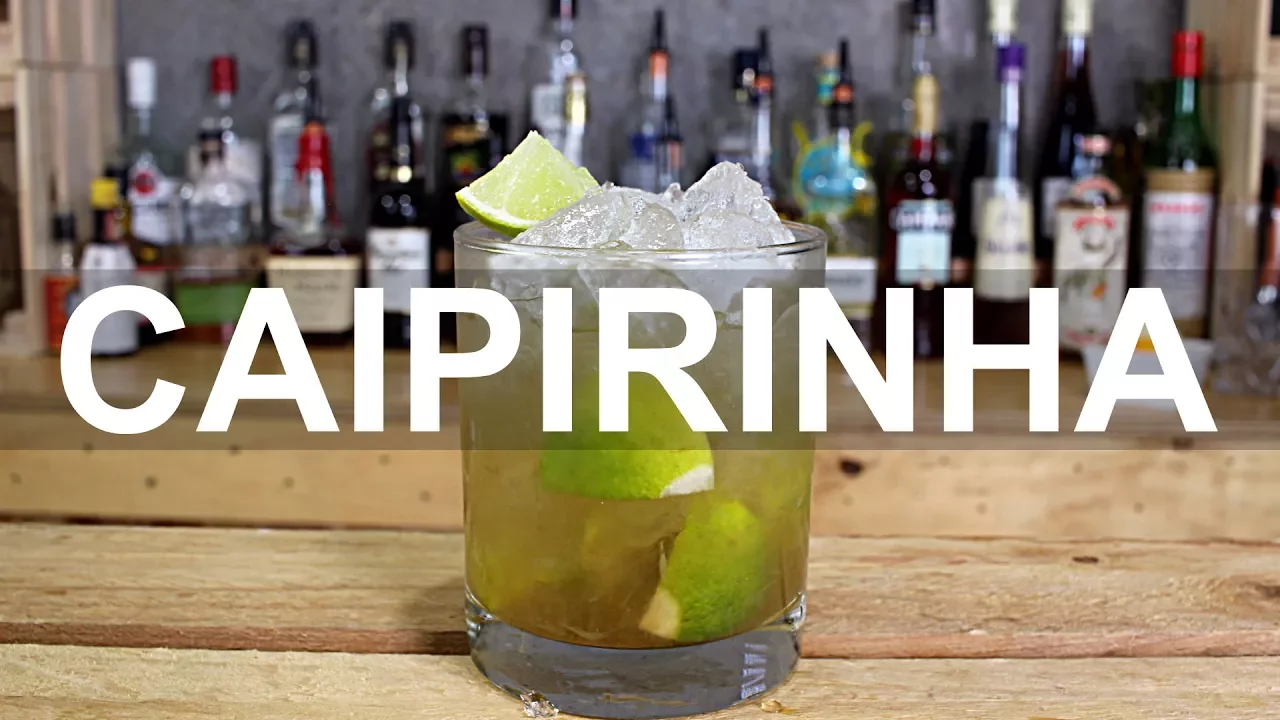
It's just a shirt. Now, these molecules are chemically volatile because they tend to break off from whatever they're connected to and fly off into the atmosphere even at relatively low temperatures. Um and and sure. Oh [snorts] yeah, that's mint. It's just that easy. And uh we'll get into why here in a minute. Now, this particular lineup, the uh the VOCC band, make it especially suited to alcohol, just like a real rock band. In fact, our carvone isn't really water soluble at all, but an alcohol. It spreads around quite readily. a chemical fact uh that eventually led to the development of several mint ccentric cocktails including but not limited to uh let's see the uh the mjito, the southside, the brandy smash, the gin smash, the whiskey smash, the queen's part swizzle, the old cubin, the chinchin mule, the fabulously named Missionaries Downfall, and of course my personal favorite, the mint jeulip, which I realize isn't technically a cocktail, but a heavily iced and perfumed sling. But let's not get to wrestling in the deep dura mud of semantics less we soil our sea sucker.
The mid Julip is not my favorite simply because my personal DNA is spelled appalachia or because my family crest has cross banjos in a propane tank. No. Nor is it because I like sipping from a silver cup. though this particular jewel cup gifted to me by my beloved wife and she engraved upon it the the words of William Faulner supposedly civilization begins with distillation. It's one of my most prized possessions. But the truth is um Midsummer I love me a mint jeulip because maybe more than any other cocktail that's got gestalt baby and it's got ritual and gestaltian ritual just makes me all tingly inside. Um, I've got to say that uh that I also like the Jula because down here in the south, mint grows wherever you don't pull it like a freaking weed. You can put it in a window box, coffee can, your gutters, maybe a back pocket. Although clearly I'm not taking very good care of this little fella. Um, so there's no reason not to have an ample fresh supply. That said, um if you do have to uh procure it either from a market or your friend's yard, there are couple of uh methods for uh preserving its viability. [music] Rinse the leaves or sprigs and cool running water. And then uh just kind [music] of shake them dry, but not too dry. We want some some moisture there.
And then lay them out on paper towels and roll so that the sprigs aren't [music] actually touching each other.
That's important. [clears throat] Place in a zip top bag. Squeeze as much air out as possible. Seal and refrigerate for up to a week. Now, if you happen to have long stocks, you know, like an actual bunch of men, simply trim the stems down by about an inch to get a fresh cut. Uh, and then place you a bouquet in just, you know, any old vessel. I'm using a cord deli container here. Um, add about an inch of water and then top uh with either a zip top bag left open or a disposable shower cap, which will slow respiration and drying while uh preventing interior moisture from squeezing up against the leaves. I don't actually use these cuz I don't have much, but I do take them from hotel rooms whenever I see them. Enough talk. We talk a bit more actually. Sorry, but we got to talk about bourbon. Now, bourbon was not the original Jewulip base. That was rum, and it wasn't even the second.
That was brandy. But it is the standard today due in part greatly [music] to the association of the bourbon jeulip with the Kentucky Derby horse race.
Personally, I prefer rye um in my jewel, but I just don't want to [laughter] deal with hate mail this week, so I'm going to stick with bourbon. The problem is bourbon can be tricky. So pull up a chair while I commence to clarificate.
Bourbon like champagne in France or Scotch in Scotland um is protected by a bevy of rules and regulations [music] enforced under federal law by the alcohol tobacco tax and trade bureau.
These include location. To be legally labeled and sold as bourbon, said spirit must be distilled and aged entirely within the United States, not Kentucky as many might believe. The mash bill.
Bourbon [music] must be made from fermented mash of at least 51% corn. The rest of the mash bill very often determines the final character of the beverage though with uh wheat bringing softness, rye bringing spiciness, but corn first. Distillation. Bourbon must be distilled at no higher than 160 proof. That's 80% alcohol by volume.
Okay. Uh barreling. Bourbon must um enter brand new charred oak barrels and no higher than 125 proof, though the legal definition of bourbon does not expressly set a minimum amount of time [music] in that barrel. Uh purity. Okay.
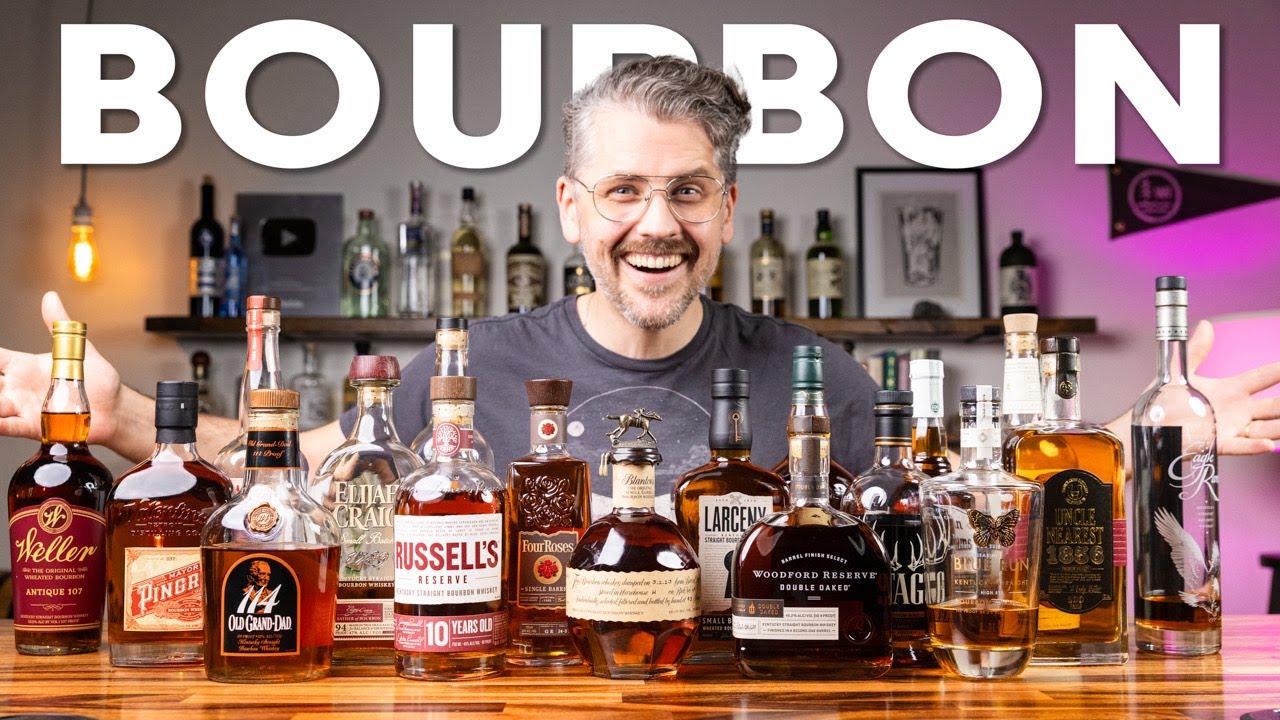
Bourbon must be bottled at 80 proof or higher, at least 40% alcohol by volume, and contain nothing but water, pure water as an additive. No flavorings, colorings, spirits can be added. So, minimally stated, a bottle of bourbon could just, you know, look like this and be bourbon. Next up, we have what's called straight bourbon. Now, to add that word straight to the label means that the liquid thus interoured must spend a minimum of 2 years in that [music] barrel. Oddly, if the youngest whiskey in that bottle is less than four years of age, the label must carry an age statement, although federal law permits that statement to understate the actual age. [music] Um, anyway, uh, lacking an age statement, you can assume that the whiskey inside is at least four years old. Most quality bourbons you encounter [music] in American liquor stores today are indeed straight bourbons. Now, if your bottle says bonded or bottled in bond, then the bourbon inside is rested comfortably in [music] wooden barrels, oak, charred oak, new chart oak barrels for a minimum of 4 years, and it has to have been created by one [music] distiller at one distillery during one distilling season.
Okay. Uh lastly, bonded bourbon has to be bottled at exactly 100 proof, 50% alcohol by volume. This means that as far as alcohol goes, all bonded bourbons are exactly [music] precisely the same.
Bonded rye whisies conform to this too, but that's another show. Now, personally, I considered bottled and bond to be kind of the kind of like pour over coffees, right? It's the most controlled offering, showing off what a particular maker does. It's it's very pure, not necessarily the best, but a pure, very sipworthy, but not necessarily cocktail fod. For that, I tend to go with straight bourbons. Um, [music] and since Julip has to contend with a good bit of ice melt, I seek one in the 100 to maybe up to 120 proof range. Enough talk. We actually we're going to have [music] to talk some more about ice. Actually, um, you know, there are two kinds of ice. There's wet ice and dry ice. I don't mean dry like CO2.
[music] I mean ice that is dry. Now, if you've got an ice maker, either built-in or countertop, odds are good you're familiar with wet ice. That's because the machines that [music] make this stuff store it at a temperature just warm enough so that it is always slowly melting. So, [music] it's always wet and the cubes never stick together, which is nice. Wet ice is easy to crush [music] due to its higher temperature. Now, ice from an infreezer uh ice [music] machine like most of us have at home, you know, uh the stuff that cranks out these uh these half moons, you know. Um this is really really difficult [music] ice. I'm not home. That's actually what I've got at home. That's me and my eyes. Um it's hard as a freaking rock, okay? Uh and if you try to crush it uh straight from the the freezer bin and you could like crack your mallet, which you don't want to do.
So, if you've h got to use this kind of ice, dry cubes, um you're going to want to put it [music] in a in a large colander set in a bowl and just let it temper at room temperature [music] for 5 to 10 minutes or until the outside of it is is kind of wet. That'll allow the ice to actually soften a little bit. Um if you're having a [music] party, you might want to just uh buy yourself a 5 lb bag at the gas station and keep it in a cooler. It [music] will be more like this, which of course is more like what um bartenders uh use them [music] themselves in their bars. Okay, good talk.
[laughter] I forgot I actually need this stuff.
Now, when it comes to uh crushing, I'm really picky uh because I want kind of a continuum from really small to incredibly small pieces so they melt at different rates. I really can't get that out of common kitchen appliances like blenders and uh food processors. They make so much really really tiny stuff that you end up more with, I don't know, puddles than piles.
That didn't sound good. Some people still use these u uh hand grinders that are [music] uh completely manual. Kind of a beast to operate and they never really produce uh any of the uh pieces that are small enough uh for my liking.
Um me, if I'm crushing for just say two jewelips or I'm going to need one pound of crushed ice for the [music] two cups, um I uh I use this handy canvas bag.
It's commonly referred to as a Lewis bag. Um which some say, and this is interesting, uh hearken back to the early 20th century when big city bartenders [music] would bash up their ice in the canvas bags that banks used to transfer coins. True. Now, maybe.
[music] I just really hope they wash their coin sacks, you know, because coins pretty filthy little things. Um, you can also when you buy these, they usually come with a wooden mallet. And I have found the mallet to be the proper tool for the job. Nice and even uh rolling pins. Some people use uneven results. [music] And certainly, you don't want to use one of these big Thor style meat tenderizers [music] cuz let me tell you, this thing will tear your sack up in no time. do not want to use this on your coin sack [music] or your Louiswis sack as far as I'm concerned.
Okay, here we go. Uh the uh the ice my [music] one pound, remember for two uh drinks. And I like this cuz the the Louiswis bag's got this little kind of flap which helps to keep things keep things in. Okay, [clears throat] this is serious business. Uh the other thing that that's good for is you can fold it under. So, the canvas, by the way, very important because it will wick away or soak away [music] um excess water. Uh cuz this is going to definitely have a little bit of melt to it. And then all you have to do is gently, [music] you don't That's not I mean, if you need to do that, do it.
But not with good ice.
Keep that tucked under. You're going to have some ice come out. It's okay.
Don't hit your hand.
Let's have a look, shall we?
I would say that's uh that's fairly uh fairly delightful. I know that the smaller pieces are in the bottom, and I do want some bigger pieces. So, now we're absolutely ready to make Oh crap, I forgot to talk about something.
A jeulip simply is not a jeulip without sugar. But regular table sugar, as you well know, dissolves poorly in cold liquids, which is why I always keep extra fine sugar around. Uh, not confectioners. That's different because it contains corn starch, which I do not want in my drink. No, I'm talking about good old sucrose uh dust form. Oh. Oh. Oh, here it is.
Here it is. All right. Now, to produce, you just take a cup of sugar for a spin in your favorite food processor. you.
Seems it's time to grind. All right, I'll show you how I really do it. I usually just grind a couple tablespoons at a time in a mortar and pestle. I like this method over electrical devices because I can really keep an eye on the process and make sure the texture uh is is right. I don't want just a dust that's going to fly around the room. Not really. It won't take more than a minute of grinding. And you're going to move that to airtight containment. And do include a desicant pack to ensure that it stays dry [music] and doesn't clump, which sugar loves to do, especially in humidity.
Okay. Now, there is literally nothing to prevent me from finally manufacturing a proper julip. I have my fine sugar. Um, important if you're going to be making these one at a time. I have bourbon. I'm using a 100 proof Kentucky straight bourbon. uh perfect uh for this job. Um I have got ice standing by. I've got uh five uh mint leaves, nice and fresh, um all stacked up uh to go into the [music] uh the cup there. Um this doesn't include the garnish. That's important.
You're going to want to save a sprig or garnish mint at the end. We'll [music] discuss shortly. Um and uh of course, I've got my beloved jewel cup. I know everybody doesn't have one of these, okay? And frankly, it's okay. It is, especially considering the the thermal characteristics of of of silver, pettor, the traditional materials. Honestly, you you're better off thermally just using a heavy rocks glass, okay? Because glass is an insulator. Silver is not. It's a conductor, right? It just go with this if you don't have this. It's just it this is the south, so it's simply not done. Besides, half the joy of a jeulip is when the outside I'm giving it away too soon. I I'm giving [music] away.
Never mind. Never mind. The last thing I want to mention that I have is a muddler. You may have seen one of these in the past. May [music] have one. You may have seen a bartender uh use one of these to smash up the uh the leaves in the bottom of of a cup for a a jeulip or a mojito or whatever. It's easy to do because the jagged little nurls will tear up some leaves, which is not what we want to do. This is fine for smashing lemon or lime, but we do not want to tear the mint leaves because what we want is [music] not inside the mint leaves. Behold, this may appear to be a green painted piece of cardboard with a bunch of semi-inflated balloons stuck to it, but it is in fact a stunningly [music] accurate scientific model. The microscopic view of a mint leaf exterior.
Exterior. These balloons represent structures called piltate glandular tricoms. Tiny external little oil glands that store the mint volatile organic compounds, the stuff we want. Inside the leaf is chlorophyll and a bunch of other bitter plant stuff that we don't want.
So, our goal is to pop these without breaching this.
Here's how I do it.
We're ready to julip them. Really, I'm I'm not kidding around with this anymore. All right. Uh here is uh my cup. I'm going to put in the five [music] nice juicy leaves right down in [music] the bottom. Now, um a lot of uh recipes will tell you to add sugar and then muddle. Do not do that.
All that the sugar does is is act as an abrasive to tear into the leaves. We're not doing that. But remember though, the carvone, the R. Carvone, lead singer of the uh the VOCC band, um is very very alcohol soluble. So, I'm just going to add a splash. I've got 3 oz total of my 100p proof bourbon here. Yeah, it's a stiff drink. You sip it slow cuz if you don't, you're going to get ice cream headache anyway. So, I'm just going to pour in. It's [music] maybe a teaspoon.
All right. Now, we do have to u express [music] uh the oil glands here. It's like something that would have to do with one of my dog we have to uh mash them a little bit.
Now, what I'm going to use looks like a big tool, you know, and it is. It's a rolling pin. The reason I'm using it, though, is that the um [music] the diameter of the bottom just about fills the bottom of the cup. And that's good because if I go in there with something small, like even this end of this um this muddler, it's really going to punch holes. It's going to be very aggressive.
This is actually going to be fairly gentle. So here, I'm just going to place that right down on top of the leaves and just gently push and [music] twist. Push and twist.
Push and twist.
Push and twist and walk away. That's it.
Well, I mean, don't walk away. [music] Walk away with this. You're going to look down. You're going to be like, "Those leaves don't even look bruised."
Leave them alone. It's okay. Now, sugar.
You can go the fine sugar uh with up to a teaspoon if you like your drinks on the sweet side. I like to taste the liquor. So, I'm going with half a teaspoon. Again, this is completely up to you. [music] Don't go more than a teaspoon. That's going to get nasty.
It's not a slurpee. There we go. Now, um 100 proof of um bourbon. That's probably not enough actual water in there to dissolve [music] all that. So, what we want to do is add a little bit of the ice um and stir until we've got a thoroughly uh dissolved bunch of sugar.
We don't want granules floating around in there. So, I'm [music] just going to add enough to come up about halfway.
That's all.
And stir. This is Peter, not silver. Do whatever. And just stir and make small talk. Sir, did you bring your jeulip cup? Excellent. Excellent. Madam, yo, hoops. Good. Looks there. Now, time to make a chunky snow cone. Literally, what we're doing, [music] this is why I use half a cup um per and I very often do this in kind of a wide basin to catch all the ice that I'm about to spill that I'm not going to be able to now because I didn't bring a basin.
Observe. I kind of like the flap for this. I am literally piling that up. Yes, there's going to be ice. It's going to be left over. Look, that's the pile I want. I know I'm wearing a light shirt, so you can't see that. That's what we want. Okay, now the rest of the [music] bourbon. Slowly.
Slowly. If you go fast, it's going to pour over the sides of the bowl of the of the cup.
So, just slowly take your time. This is [music] not a speedy drink. Nothing about this drink is speedy, including how you're going to drink it. Slowly.
There you go. Don't worry, it's going to fit. You'll think it's not, but it is delightful.
Garnish [music] in this case is very important because we want to smell the aroma of the mint before the drink gets to our mouth. And so the sprig, the top sprig, a tiny little precious sprig. But [music] in order to open up its flavors, it's got to be span. Well, not it's flavors, it's aromas. It's got to be spanked.
Bad mint sprit.
Oh yeah, that's the stuff. Park this off to the side.
You do spank your mat, right? I mean, it's a standard thing.
Now, I like a straw and I just And I like a straw um that's uh biodegradable.
And I I go with these uh these straws are made actually out of um uh leftover sugar cane pulp. I don't know how they do it, but I like it. It's [music] biodegradable. It's sugary, so I get it.
And um so I go the opposite side of the sprig, right? All the way to the bottom.
And then I cut cuz let's face it, this looks like a milkshake. I want something a little more gental.
Perfection.
And that is a proper julip. But before we drink it, before we experience the perfection that's here, let's just talk about what's going on inside, shall we? Look at this. Remember the whole four [music] member mint band, the Vox uh band? That band is now synchronizing with another band, the bourbon band. Bourbon is complex stuff. Not so much because of the distillate, but because of the time inside those new charred oak barrels.
All right, that barrel brings its own set of aromatic compounds, including, let's see, we've got vanilla on piano.
We've got cis, whiskey, lactone on upright bass. We've got fruity esters blowing tener sacks, [clears throat] eugenol, and phenols on trumpet. E, beta, damasinone on trombone. Um, delta lactone and something decolactone on baritone saxs. Um, threemethyl butinol on guitar and good old ethanol um on on drums. Wow, what a lineup. And they're really jibing, you know, jamming with these together because believe me, up in the old factory switchboard that is your brain, they're coming together in a conversation. and the spearmints bright, clean, cool smell of carbone is cutting through the vanilla caramel toasted oak and dark fruit of the bourbon. And as the ice slowly melts and you sip, that relationship changes until you're left just [music] sucking memories and mint leaves.
Absolutely delicious. Oh, and you see that frost. Let's talk about that frost.
You have to remember that back in the day, ice was an agricultural product cut off of ponds and rivers in winter and then stored in ice houses. Um, as [clears throat] late as October, um, George Washington, Thomas Jefferson both had ice houses at home. Jefferson dug what he called an ice uh, well at the White House, so when he was president, he could impress dignitaries with chilled [music] wine and ice cream. The point is for a lot of the Jew's history, ice was a status symbol as was of course owning silver cups. And although you know you can't see the ice inside the silver cup, you can see the frost formed on the outside due to the high thermal conductivity of the cup itself. So there you are strolling with your jewel frosty. Huh? And it's it's like you're proclaiming ice, baby. I got ice, so I got money. Not to mention a silver cup.
[music] So honestly, the jeulip was the OG stat bev. Today ice is common, which is kind of a shame because we tend to take it for granted, but not today.
Of course, I have to say sometimes I make um jeulips in mass and when I do, I skip the muddling all together. So finally I can say enough drinking. We cook.
Fetch down a heavy but relatively small saucepan and combine 223 gram of water.
That's a cup with 350 gram of sugar. Put that over medium low heat. Uh stirring often with a just a whisk uh until the sugar is fully dissolved and bubbles just start to break around the edges. Do not bring it to a boil. All right, kill the heat and just let it sit until it cools to 170°.
All right, that's close enough. Then [music] move to uh the carffe of your blender. Meanwhile, bring several cups of water to a boil. I just like an electric kettle for this. And then uh dunk a bouquet of [music] about 10 sprigs of spearmint uh into the water and hold for 15 seconds. I tied them together to make this easier. Does get stainy though. Then immediately transfer to an ice bath. This will help to set the color of the mint and will keep the syrup bright later on down the line.
After about a minute in the ice bath, pick off as many of the leaves as you can salvage. And then just give them a good squeeze and add to the blender.
Blend [music] on medium high until those mint pieces are obliterated into tiny insy dots.
Then strain your syrup through a fine sie. I run it through usually twice. And if you don't have a fine sie, you might want to [music] use some cheesecloth and transfer to a clean squeeze bottle.
Easily obtained online or at your local restaurant supply store. So now that we have uh that syrup made, we can make um jeulips in mass without having to do any crunching, spinning, or you know, any of that kind of uh thing. Um, of course, if we're really going to have a full out julib shind dig, um, I'm going to be making at least four at a time, right?
And this bag, although useful, um, it doesn't doesn't cut it, and I don't want to have to work in batches. So, uh, what I've done, um, is that this this is a, uh, canvas, natural canvas, uh, book bag that I picked up at some bookstore. All it has on it in one side, it's got kind of like an ironon. I don't care about that. Uh the inside, as you can see, is uh just lily white. This is pure is driven snow. So I cut off handles, you know, because [music] it used to hold handles. Um and I use this now as my my party bag. So um I've got twice as much ice as would go in there. 2 lb um in my bag. And u since this is a big old big old sack, um I want to uh to make sure that I keep it closed. So, what I do, um, is I just use, uh, these [music] these binder clips. I just put one there and, uh, one here, right? And then, uh, well, I go to town.
Let's have a look, shall we?
I think we've got a little more pounding to do, don't you?
That looks good. That's what I want to see. Um, and what I'm going to do is while I build the drinks, I'm just going to stash this in the, uh, in the freezer for just a moment.
Cut.
To assemble, uh, gather your four [music] matching julip cups or whatever glasses that you want to use and into each squirt about two teaspoons to a tablespoon of the, [music] uh, of the syrup. And then follow with about an ounce of the bourbon. uh add enough ice to come halfway up the cup and then stir to bring that all together into a nice solution. That's going to [music] help the uh the syrup to not just sit on the bottom cuz remember it is more viscous.
Um then go ahead and pile on the rest of the ice. We want to have full mounds [music] here. And I usually go ahead and slide the uh the straw in because if the ice starts to freeze against the glass, it's the cup. It's going to be hard to get in there. Then top with bourbon, however much it takes. In this case, [music] it's going to be a total of 4 ounces in each cup. Yes, it is a strong drink. Garnish and serve.
My oh my. But that is delicious. Now, I know some of you purists out there are saying, "Syup, that's cheating. Unclutch your [music] pearls." Okay? Because I can tell you right now that for hundreds of years, the word jeulip or julap or gulap even meant a medicinal syrup.
originally made with rose water in Persia. [music] And we also know that uh by uh 1764 in St. Thomas Hospital in London, they were concocting and prescribing mint jeulaps [music] medically. Right, there's the uh the recipe there given in large spoonfuls taken frequently are of great service in removing nauseas and wretchings to vomit.
Of course, you drink enough of these and you will be wretching and vomiting. you know, be responsible and sensible, won't you? Um, we also know that the 1870s, specifically in Virginia, jeulips with a considerable amount of spirits added rum originally, then brandy, and then bourbon, uh, were being embedded by country gentlemen as morning eyeopeners, [music] no less. Um, and of course, uh, by the early 1800s, ice was being added, and the rest is, you know, I'm not about to tell you to suffer such a tipple first thing in the morning, but [snorts and clears throat] see you next time on
Up Next
11:20
Asteroid Airburst Destruction of Biblical City: Evidence Examined
@scottmanley
200.3K views•2021-09-25

12:54
Triumph of Orthodoxy Icon: Byzantine Art & History Explained
@BenCallan
2.1K views•2024-08-06

9:49
FastAPI vs Flask vs Django: Choosing the Right Python Web Framework
@TechWithTim
302.5K views•2024-05-26

1:42
Game of Thrones Opening Credits: A Cinematic Analysis
@gameofthrones
46.3M views•2011-04-18
Related Study Plans & Knowledge Roadmaps
Structured learning paths in General & Interdisciplinary Studies
general-studies
Elevator Engineering: History, Physics & Cities
01From Hoists to Safety Brakes: The Dawn of Vertical Lift
02Hydraulic vs. Traction: The Engineering Physics of Elevators
03Modern Speed, Safety, and Algorithms
+ 2 more learning modules
12h5 modules
Explore Roadmap
general-studies
Rubber: Material Science, History & Geopolitics
01Origins of Natural Rubber & Mesoamerican History
02The Chemistry of Natural Rubber & Vulcanization
03The Geopolitics of the Rubber Boom & Colonization
+ 2 more learning modules
12h5 modules
Explore Roadmap
general-studies
Containerization: Evolution, Logistics & Trade
01Ancient Trade & Bulk Cargo: Amphorae to Barrels
02The Industrial Revolution & Cardboard Packaging
03The Containerization Revolution: Malcom McLean
+ 2 more learning modules
12h5 modules
Explore Roadmap
general-studies
Textile Tech: Evolution, Labor & Global Impact
01Pre-Industrial Textiles: Handloom & Cottage Industry
02Mechanization: The Spinning Jenny to the Power Loom
03The Factory System & Global Labor Transformation
+ 2 more learning modules
10h5 modules
Explore Roadmap