









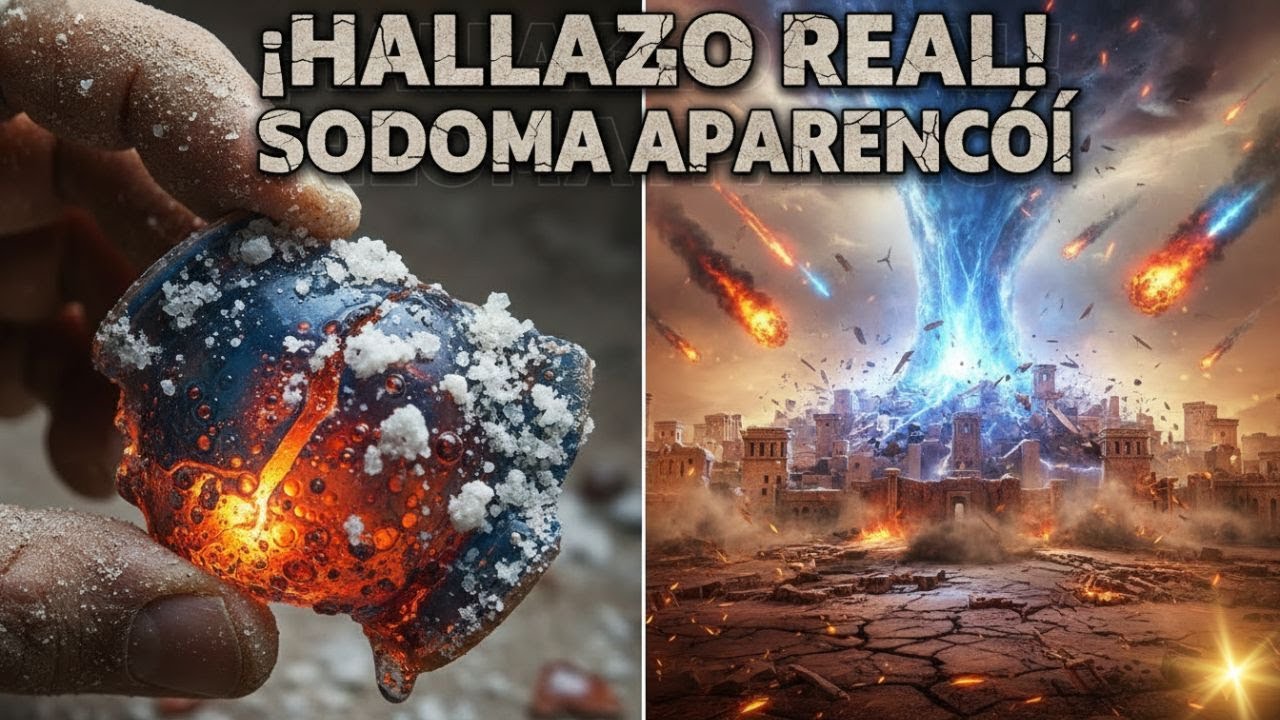




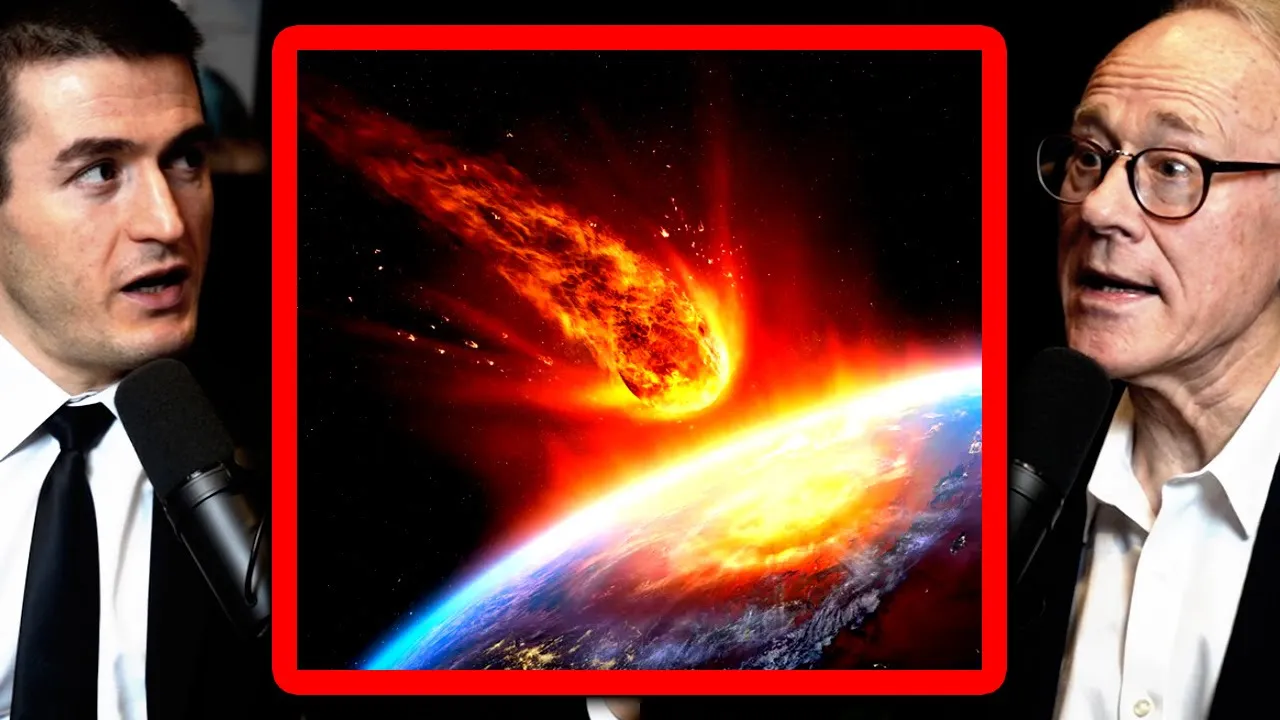




A 2021 study claiming an asteroid airburst destroyed the Bronze Age city of Tall el-Hammam near the Dead Sea (potentially the biblical Sodom) has been heavily criticized by multiple experts, including impact specialist Mark Boslough who argues that air bursts cannot generate shocked quartz crystals due to insufficient pressure coupling between air and ground materials, and bioarchaeologist Dr. Chris Stantis who points out methodological flaws in carbon dating and human remains analysis, suggesting the evidence may be misinterpreted to fit preconceived conclusions rather than supporting the asteroid hypothesis.
Asteroid Airburst Destruction of Biblical City: Evidence Examined
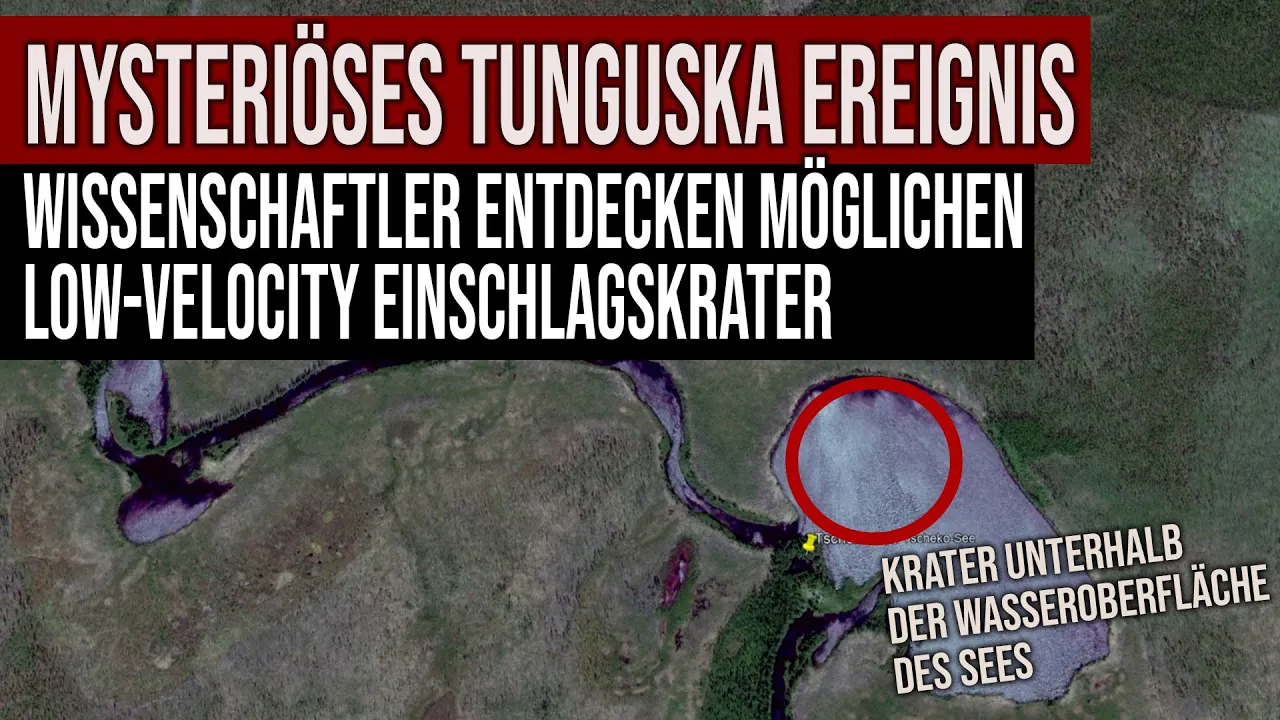
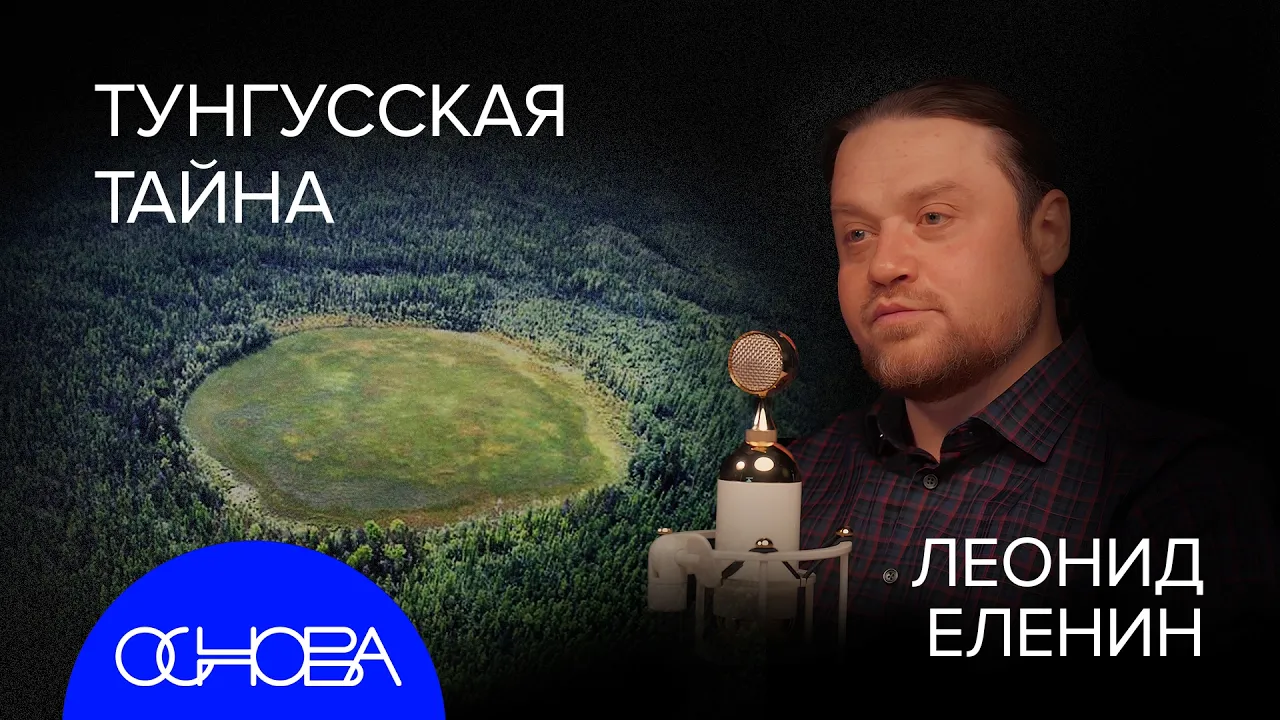
Added:The physics of cosmic impact events, specifically the difference between surface impacts and atmospheric airbursts (e.g., the 1908 Tunguska event).
Basic archaeological dating techniques and stratigraphy, including how destruction layers are identified and analyzed in Middle Bronze Age Levant sites.
The concept of shock metamorphism and the physical signatures of extreme heat/pressure, such as shocked quartz, spherules, and melted minerals.
The distinction between biblical archaeology (evaluating historical contexts of religious texts) and mainstream anthropological archaeology.
The peer-review process and scientific integrity, specifically examining the formal academic criticisms and allegations of image manipulation in the Tall el-Hammam publication.
Modern planetary defense and hazard mitigation, exploring how astronomers track Near-Earth Objects (NEOs) to prevent future airburst disasters.
The Younger Dryas Impact Hypothesis and other highly debated theories attributing historical or prehistoric climate shifts and societal collapses to cosmic encounters.
The sociology of science and pseudoarchaeology, analyzing how sensationalized scientific claims are propagated in popular media versus how they are evaluated by the broader scientific community.
200.3K views13.5Klikes11:20Original Release: 2021-09-25
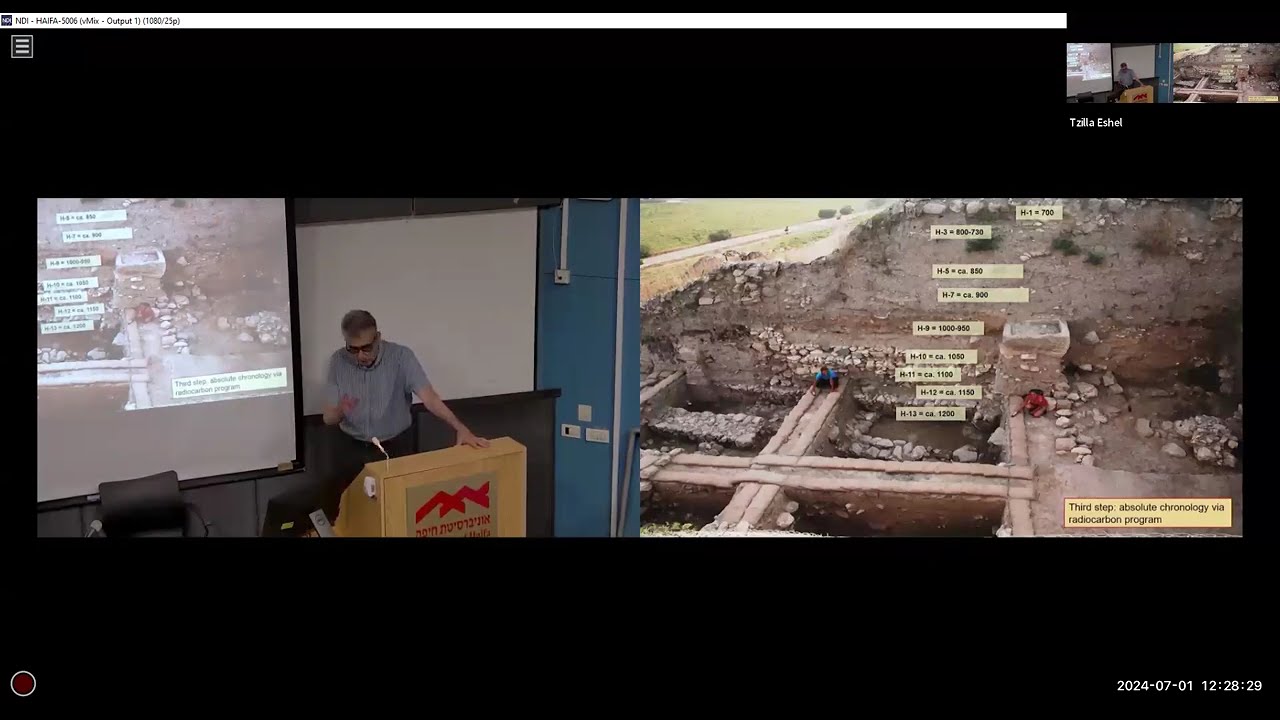
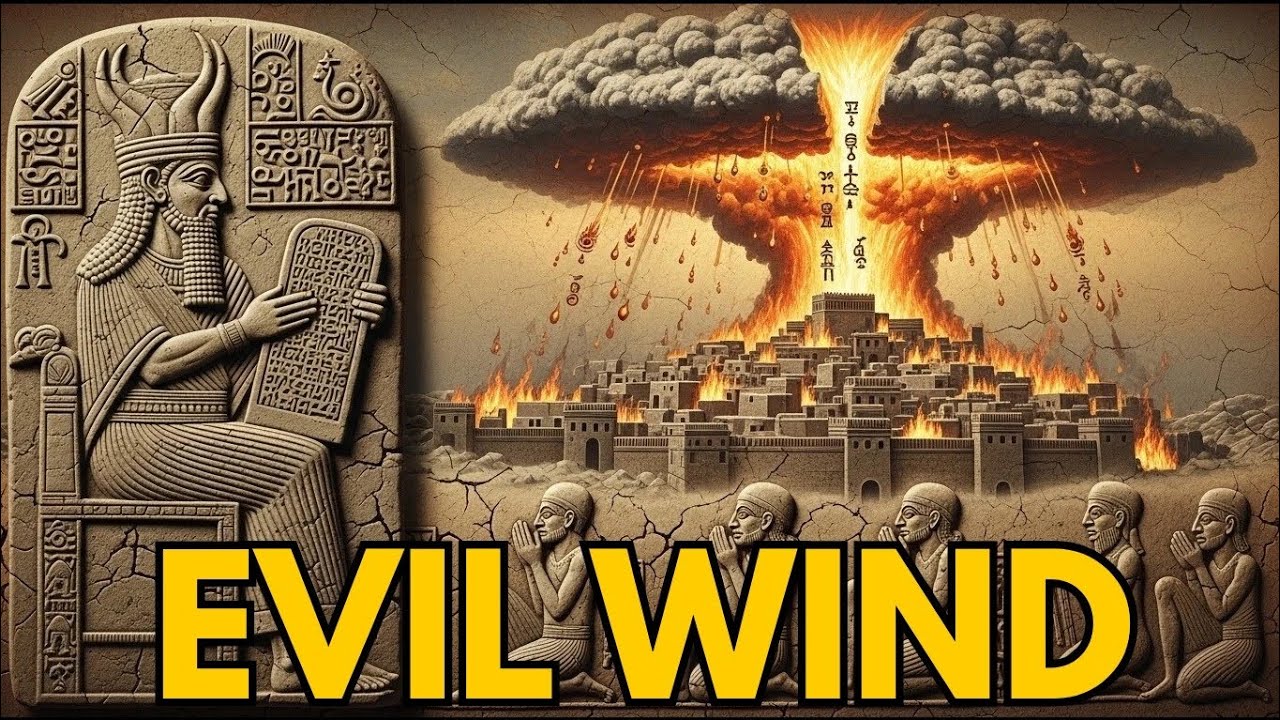
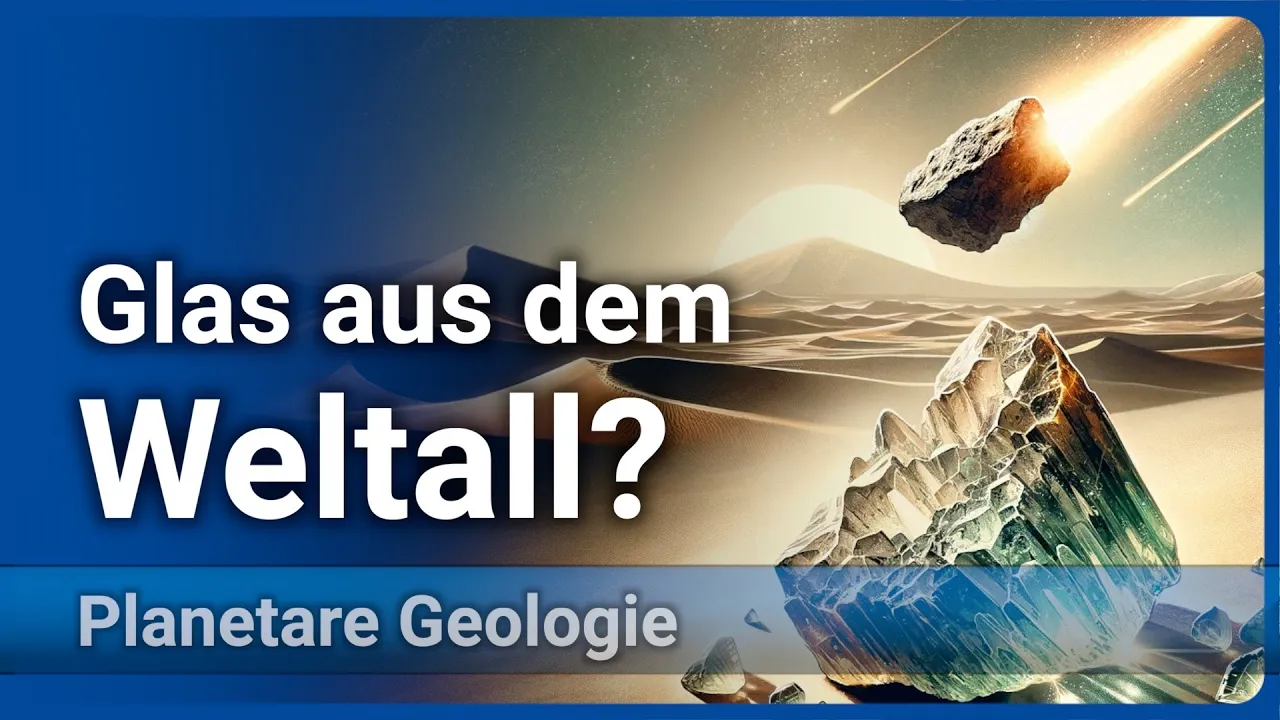
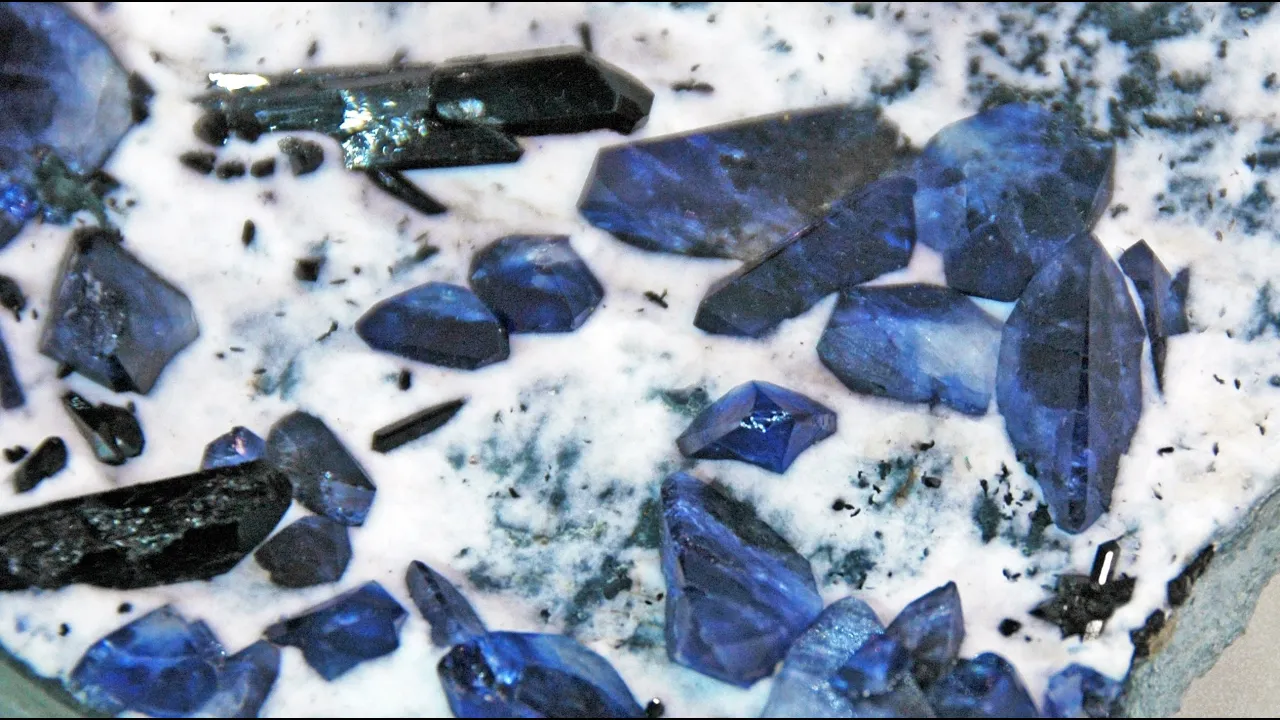
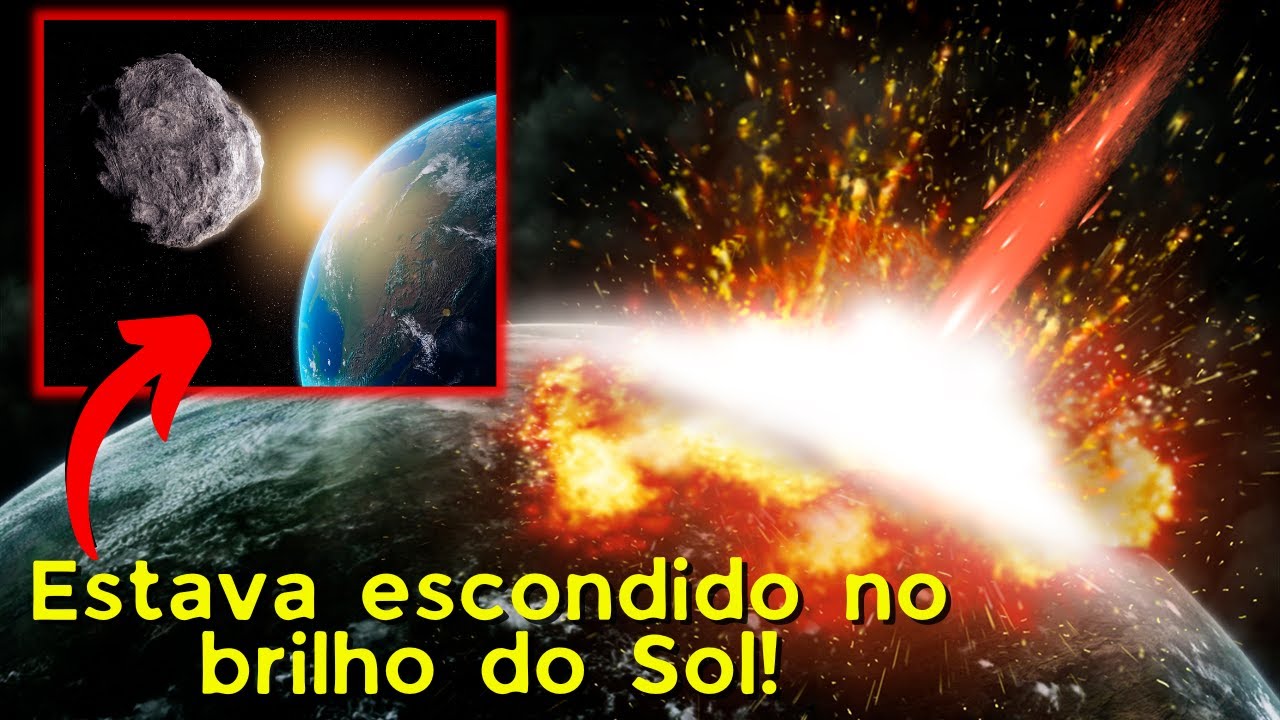
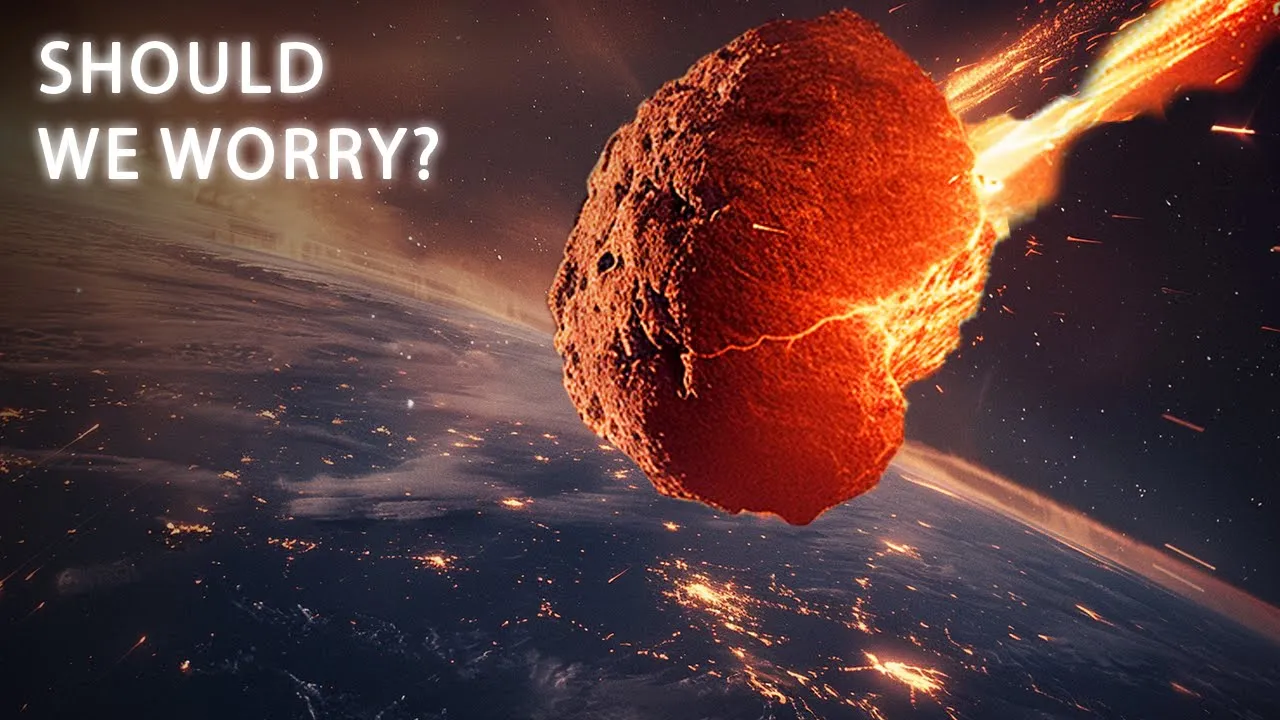
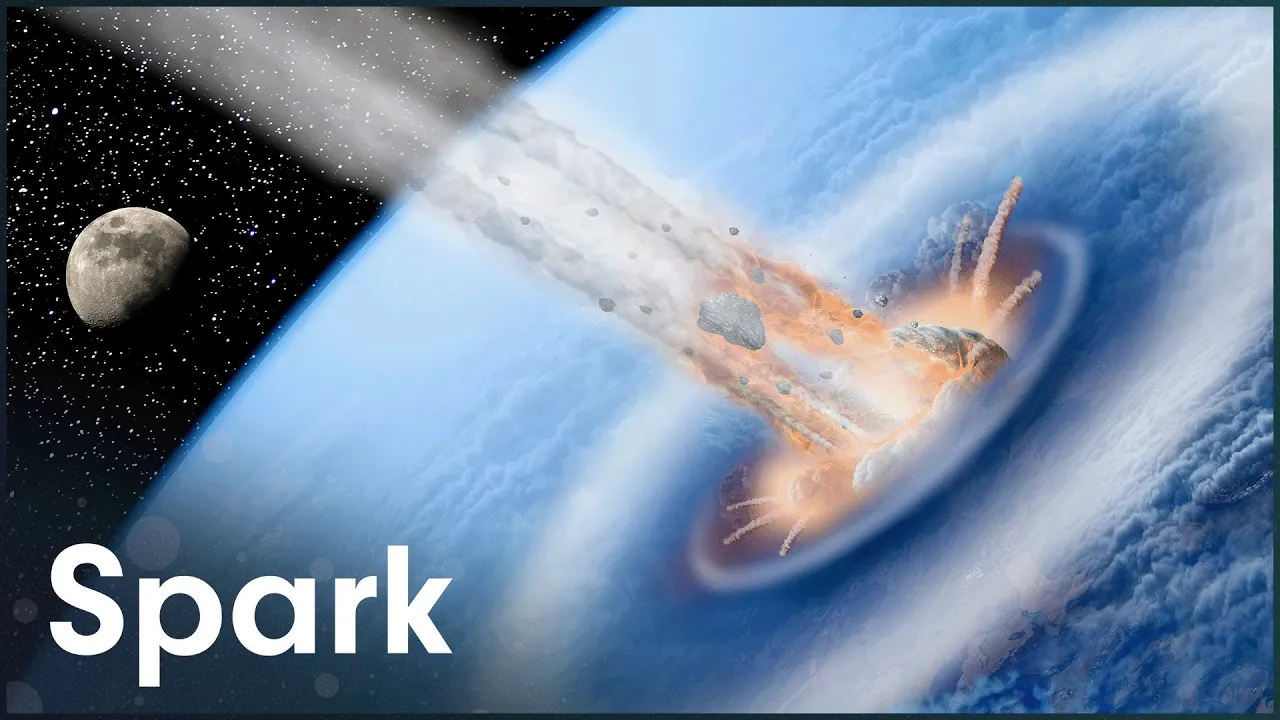
hello it's scott manley here this week a paper has been published which has been generating a lot of news because it suggests that an ancient bronze age city near the dead sea named tal el hamam was destroyed by an asteroid about 3 500 years ago this has been compared to the tungusk event of 1908 where the mainstream conjecture is that a weakly bound rubble pile asteroid or cometary fragment hits the earth and before it can reach the surface the atmospheric pressure from the motion breaks it up and it essentially explodes before it reaches the ground it doesn't leave behind a crater but it generates this massive air blast and thermal heating equivalent to a multi-megaton nuclear weapon something that would have a pretty devastating effect on a bronze age city the paper then goes one step further to suggest that this may in fact be the biblical city of sodom that's the city that according to the hebrew bible or old testament was destroyed by fire and brimstone you probably know the reference since it's well-known story that's part of multiple religions and you know even atheists are happy to acknowledge that some of the biblical stories may have links to real events and a city getting destroyed by a giant fireball from the sky is exactly the kind of thing that would leave a lasting impression on a society for generations and would probably make it into their stories so understandably this is getting a lot of attention because it's got the makings of a good story right it sits well with people's preconceived notions and your ideas about how the world works and how the world was the paper is quite long and includes lots of images of the archaeological site reconstructions of what it might have been like in its heyday it shows a large settlement with mud brick buildings including a fairly substantial palace a significant population during the bronze age now then it brings together many observations of the site as it is today showing walls that are now fallen with bones inside the dwellings and near the dwellings suggested that a sudden air blast would topple the mud brick buildings and bury the inhabitants inside they claim that some of the remains show evidence of heating and they say that there's a destruction layer with debris that shows evidence of high temperatures of burning and fragments of pottery and bricks which show flash melting possibly due to such an event they they also claim that there are microscopic diamonds or diaminoids and shocked quark crystals and these these are the kind of uh things that are only really found in astronomical events because they need these really high pressures and shock waves to generate these uh characteristic things now to be clear they don't argue for an impact right that would make a crater in the ground but just an air burst where the weakly bound object is you're torn apart and this is actually the most common fate of small asteroids from like a few meters up to maybe as big as 100 meters they hit the atmosphere and the dynamic pressures build up so quickly that they fragment into their parts before they reach the ground and sort of the moment of peak fragmentation generates this blast in the shock wave and you know they can do some damage and some fragments do make it to the ground but you don't end up with this large crater and this is exactly what we saw in chelebinsk in 2013 and this was of course documented from every angle by dash cams and smartphone cameras uh it was much smaller than the 1908 tunguska event in siberia which was in the middle of nowhere 100 years ago before dash cams and smartphones there weren't very many witnesses but there were hundreds of square kilometers of forest flattened by this blast and the new paper actually describes their hypothetical scenario as a tunguska like event so anyway having laid out their argument i'm going to say that i'm not convinced by this at all and i'm not saying that it's not true but i am highly skeptical based on the way some of their claims have been presented in their work and also a number of experts in various fields who have come forward to point out some glaring problems with their analysis and i guess the one to follow or to you know check out is mark boslow who i met in luxembourg a couple of years ago he's definitely the most vocal and he's an impact specialist who studied the tunguska event he's actually visited the site in siberia to try and understand the surface effects of these kind of multi-megaton air blasts one of his objections concerns the claims of finding the shocked quartz right that's generally a strong indicator that a hyper velocity impact or nuclear blast took place it's where a shut a quartz crystal and a sort of boring crystalline phase has been hit by a shock wave so powerful that it's crushed it down to a higher density crystalline structure and we only see this under certain conditions now mark's problem is he doesn't believe that it's possible for an air blast in the air to generate the quartz because the shock wave in the air doesn't couple strongly to objects on the ground the extreme pressures needed for this just don't propagate from an air to a solid right because there's a big density difference the shock wave is reflected instead so he does point out that the the images that they show as well of the quartz crystals from various airbursts don't actually look like the shock crystals that he has found from actual impacts now the paper actually addresses this and they say that they believe a mechanism has been shown to make shocked quartz from an air burst specifically the tunguska event but their source that the site that they point to is a paper that mark couldn't find perhaps because it's not been published yet so that doesn't really help their case to cite something that doesn't exist another scientist matthew bellonger pointed out that the presentation of the carbon dating is disingenuous they've dated a number of different sources of things that they assumed all were created at the same time with the same event and then they basically averaged it they used a process to take the average and then they said oh well look it looks like they've all been happening at the same age because they took an average that's that's sort of cheating he didn't like that but those are the bits where i actually sort of understand the physics i understand carbon dating and impact physics but i'm not an archaeologist or even a bio archaeologist and there's no shortage of people who actually know these fields who are criticizing them i think most visibly there's dr chris stantis who's a bio archaeologist at the smithsonian and she's got experience in the near east and her commentary on the human remains actually got turned into this huge phoenix wright style video so she points out that the authors of the paper argue that finding the buried human remains in buildings with no burial goods show the events happened quickly and buried them when the buildings collapsed but it was actually quite a common practice to have intramural burials where family members were buried near the houses or even under the houses at the time she also has issues with the number of bone fragments found in the fact that they didn't even try to differentiate between human and animal bone fragments and there's another response to the heart by dr megan perry who on twitter bills herself as a professional cynic that's her words not mine she points out that the authors are portraying the buildings as being destroyed and the human remains laid down in this same catastrophic event when there's actually very little to suggest or support this and she goes as far to say that there's nothing atypical about the layering in this site compared to others that you know were formed over centuries of life death collapse and rebuilding i mean i can't honestly say if this is this is valid because it's outside of my experience but i would trust this this criticism like i mean see here's the thing it's a paper that crosses all sorts of disciplines history archaeology biology physics structural engineering astronomy and probably more and it looks to me as if some of the people that have looked at this they've seen this as a strength they're like this is great it covers all these different fields it must be good and that's not necessarily the case because you get people that are all doing their own little thing and not necessarily forming a complete picture um they've definitely formed a compelling story but it doesn't necessarily mean it's the right story but i on the other hand what i noticed was that many of the same authors created a similar paper another study of another archaeological site in the same region of the world claiming that it too was a city that was destroyed by an asteroid air burst 13 000 years ago and based on the number of asteroids airburst that we've seen in the last century and the proximity of these two locations it would be statistically improbable for two of these ancient settlements to be destroyed by asteroids and for this team to have found both of them that says to me that that you know finding one of these would be an interesting piece of science having the same people identifying many of these makes me think that there's some bias involved and they're probably making the mistake of fitting evidence to fit their preconceived conclusions rather than the reverse and look i know what this is like because i used to make that mistake all the time i you know when i was doing my postgraduate work i was a big proponent for raising awareness of the hazards of asteroid impacts and i still am but back then i spent a lot of time around people and would have a lot of time drinking in pubs with them where we talk about some interesting historical event and start brainstorming about how we could link it back to an asteroid or a celestial event and you know we'd sometimes go back and do some work and once we left the pub we'd realized that it didn't make sense but that desire to fit things to your world view is quite compelling but going forward ideally the team behind this study will allow others to review and analyze the samples that they have they'll follow up with the analysis that were missed and maybe they'll be able to counter some of the claims of shoddy work because none of the criticisms show that this event didn't happen they just show that the evidence and the logic is so flawed that an unbiased observer would be unlikely to reach the same conclusion i'm scott manley fly safe [Music] you
Up Next
52:28
The Cretaceous-Paleogene Extinction Event, Explained: Asteroid Impact
@SparkDocs
235.8K views•2025-08-17

12:54
Triumph of Orthodoxy Icon: Byzantine Art & History Explained
@BenCallan
2.1K views•2024-08-06

9:49
FastAPI vs Flask vs Django: Choosing the Right Python Web Framework
@TechWithTim
302.5K views•2024-05-26

1:42
Game of Thrones Opening Credits: A Cinematic Analysis
@gameofthrones
46.3M views•2011-04-18
Related Study Plans & Knowledge Roadmaps
Structured learning paths in General & Interdisciplinary Studies
general-studies
Elevator Engineering: History, Physics & Cities
01From Hoists to Safety Brakes: The Dawn of Vertical Lift
02Hydraulic vs. Traction: The Engineering Physics of Elevators
03Modern Speed, Safety, and Algorithms
+ 2 more learning modules
12h5 modules
Explore Roadmap
general-studies
Rubber: Material Science, History & Geopolitics
01Origins of Natural Rubber & Mesoamerican History
02The Chemistry of Natural Rubber & Vulcanization
03The Geopolitics of the Rubber Boom & Colonization
+ 2 more learning modules
12h5 modules
Explore Roadmap
general-studies
Containerization: Evolution, Logistics & Trade
01Ancient Trade & Bulk Cargo: Amphorae to Barrels
02The Industrial Revolution & Cardboard Packaging
03The Containerization Revolution: Malcom McLean
+ 2 more learning modules
12h5 modules
Explore Roadmap
general-studies
Textile Tech: Evolution, Labor & Global Impact
01Pre-Industrial Textiles: Handloom & Cottage Industry
02Mechanization: The Spinning Jenny to the Power Loom
03The Factory System & Global Labor Transformation
+ 2 more learning modules
10h5 modules
Explore Roadmap