Fecal Microbiota Transplantation (FMT) is a medical procedure that restores healthy gut bacteria to patients with C. difficile infections by transplanting stool from a healthy donor into the recipient's colon, typically through colonoscopic infusion; this treatment has achieved success rates of 90% or higher and is becoming a standard therapy for recurrent or severe C. difficile infections that don't respond to conventional treatments.
Fecal Microbiota Transplantation: Procedure and Recovery (Mayo Clinic)
Added:Deep Dive
The composition and function of the human gut microbiome, including its role in immune defense and metabolic homeostasis.
Microbiota (Microbiome) Part 2
2.4K
Gut microbiota performs four primary functions essential for human health. First, it acts as the first line of defense by maintaining mucosal barrier integrity and neutralizing threats like bacteria and viruses. Second, it ferments indigestible dietary fibers and extracts energy through bacterial metabolism. Third, it produces essential nutrients including short-chain fatty acids (butyrate, acetate, propionate), vitamins, neuroactive substances, and gut hormones. Fourth, it plays a crucial role in developing, training, modulating, and regulating both local gut immunity and systemic innate and adaptive immune responses. The interaction between commensal microbiota and the mucosal immune system is essential for proper human function, and any disruption can trigger autoimmune diseases. Additionally, microbiota influences food intake, cravings, and metabolic processes through complex signaling pathways involving gut hormones and neuroactive compounds.
Click to watch →
Metabolic adaptation in the human gut microbiota | M. Pilar Francino | Лекториум
160
The human gut microbiome is the densest microbial ecosystem on Earth, containing 10^11-10^12 cells per gram of intestinal content. A typical human carries 10^13-10^15 bacterial cells, potentially outnumbering human eukaryotic cells. It includes hundreds of bacterial species plus archaea, viruses, and eukaryotes. The microbiome performs critical host functions: extracting ~10% of dietary energy from indigestible carbohydrates, protecting against pathogens through competition and antibacterial molecules, interacting with gut tissue development, and modulating immune system development, especially in infants. It produces short-chain fatty acids, bile acid transformations, hormones, neurotransmitters, and other metabolites affecting immunity, metabolism, and brain function through the gut-brain axis.
Click to watch →

M-20.General functions of gut/intestinal microflora
118
The human gut hosts over 1000 bacterial species coding over 5 million genes, accounting for approximately 2 kilograms of body weight. Gut microbiota plays crucial roles in immunity, nutrient metabolism, and drug metabolism. Human beings are born sterile, with microbial colonization beginning after birth. The profile depends on age, diet, and environment. In infants, actinobacteria dominate; adults show higher firmicutes and bacteroidetes. Gut bacteria produce short-chain fatty acids through fiber fermentation, synthesize vitamins K and B complex, and biotransform polyphenols into active bioactive compounds. They also activate lignans for cardiovascular and cancer protection. This vast community functions as a functional organ essential for human health.
Click to watch →

Revision of Tut 2: Normal human microbiota; Microbiology
338
The gut microbiota represents the largest microbial community in the human body, containing over 100 bacterial species. Its functions include: protection through occupying attachment sites and producing antimicrobial substances; immune system stimulation for proper maturation; vitamin synthesis (K, biotin, folate); and food fermentation. The gut microbiota maintains homeostasis and helps with iron absorption and overall digestive health.
Click to watch →

Marcus Antebi: Juice Press founder Explains Probiotics.
136
The human digestive system is sterile in utero, but bacteria colonize the body at birth through the birthing canal or placenta fluids. The body is approximately 10% human cells and 89% bacteria, with a balance of good bacteria throughout the digestive tract. Gut bacteria serve three critical functions: protecting against harmful bacteria, digesting food materials, and synthesizing vitamins like B12. This microbiome acts as the immune system's frontline defense. When disrupted by poor diet, antibiotics, pollution, stress, or pesticides, the immune system becomes compromised.
Click to watch →
Deep Dive
The biology of Clostridioides difficile (C. diff), its opportunistic colonization mechanism, and how antibiotic-induced dysbiosis facilitates infection.
BIOL2421 Chapter 24 - Microbial Symbioses with Humans
1.4K
Oral antibiotics broadly kill both pathogenic and beneficial gut bacteria, reducing microbial diversity and creating ecological niches for opportunistic pathogens. This dysbiosis predisposes individuals to Clostridium difficile infection, an antibiotic-resistant spore-former causing severe colitis with toxin-mediated damage. Early-life antibiotic exposure increases IBD risk. The resulting ecological imbalance demonstrates the delicate balance required for gut homeostasis and the unintended consequences of broad-spectrum antibiotic therapy.
Click to watch →
Jornada- 'Microbioma y microbiota intestinal: situación actual'
65.1K
Clostridioides difficile is an anaerobic spore-forming bacterium causing severe hospital-acquired diarrhea. It colonizes the gut asymptomatically in many people but proliferates during dysbiosis caused by antibiotic treatment. The infection produces toxins that damage intestinal cells and disrupt the gut barrier, leading to persistent watery diarrhea, abdominal pain, fever, and potentially life-threatening complications like toxic megacolon. The disease has high recurrence rates (20-65% after first recurrence) due to resistant spores and ongoing microbiota disruption.
Click to watch →
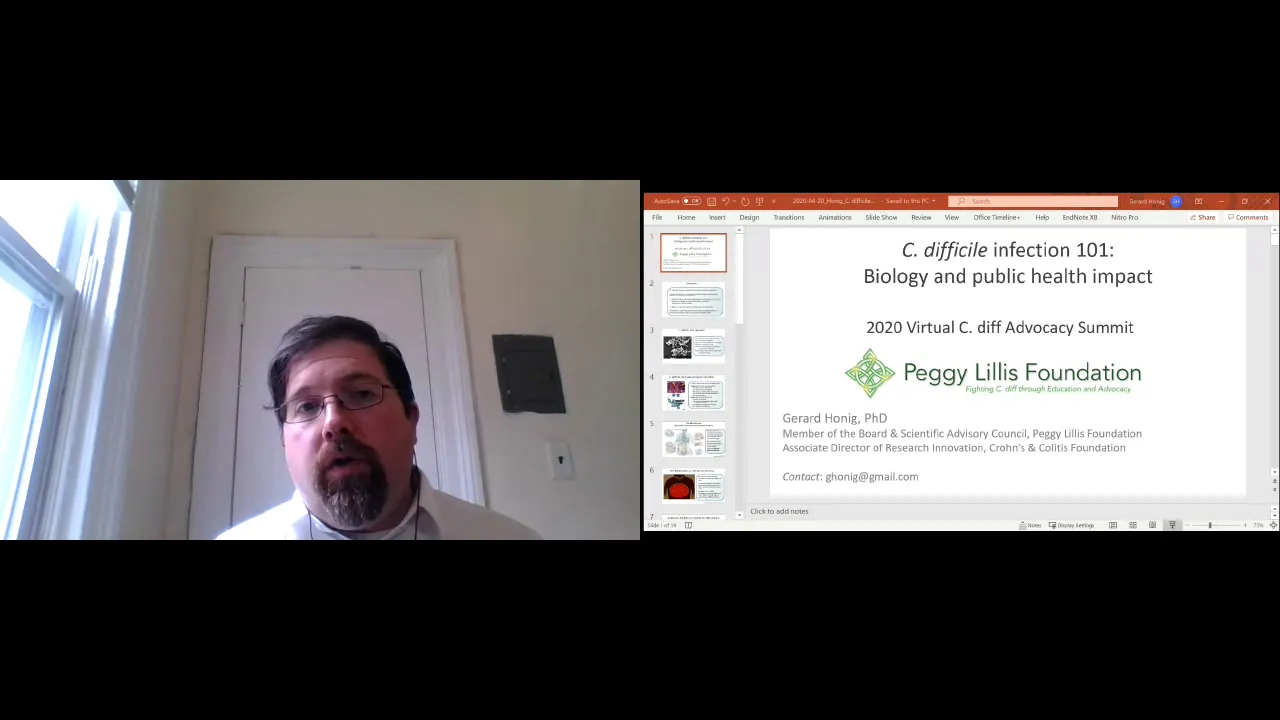
C. diff 101
351
C. difficile (Clostridioides difficile) is an anaerobic bacterium found in soil, swamps, and animal intestines that causes infection through two factors: gut microbiome disruption (typically from antibiotics) and bacterial exposure. The bacterium exists in two forms: vegetative cells that can grow, reproduce, and produce toxins causing diarrhea, and highly resistant spores that can survive decades and resist antibiotics and alcohol-based disinfectants. The gut microbiome is a balanced community of beneficial bacteria essential for human health, performing critical functions including nutrient digestion, immune system training, and pathogen prevention. Humans have co-evolved with these bacteria for millions of years. C. difficile infection results from a two-step process: antibiotics kill protective gut bacteria, creating an ecological niche that allows C. difficile to proliferate, then the bacterium secretes toxins that damage the intestinal wall, triggering inflammation and potentially life-threatening complications.
Click to watch →

as memórias saem nas fezes?
232.7K
Antibiotics can alter the human microbiota by killing beneficial bacteria while allowing harmful bacteria like Clostridium difficile to multiply. This can cause a condition called pseudomembranous colitis, characterized by diarrhea and inflammation. The toxins produced by these bacteria cause the symptoms. This condition can be severe and may require FMT for treatment.
Click to watch →

Дмитрий Алексеев: о пересадке кала, пользе грязных рук и антибиотиках в еде // А поговорить?..
2.7M
Dysbiosis refers to the absence or reduction of beneficial gut microbes, often caused by antibiotic use. This creates conditions where harmful bacteria like Clostridium difficile can colonize and cause severe infections. C. diff infections can lead to intestinal bleeding and potentially fatal outcomes, particularly in patients who have been hospitalized and have depleted their normal gut flora.
Click to watch →
Deep Dive
Basic gastrointestinal anatomy and standard endoscopic delivery methods, specifically colonoscopy.
TECNICA DE COLONOSCOPIA Dr. Alfredo Suarez
11.9K
Colonoscopy is the gold standard for colorectal cancer screening, reducing incidence by 90% in the United States. Quality standards require 95% completion without complications, examining the entire colon from rectum to cecum. The rectum is most challenging due to short length and variable tortuosity. The rectosigmoid junction at 9 o'clock creates the angle of Hauenstein. Counterclockwise insertion is preferred as it follows natural colon curvature. The hepatic flexure requires positioning at 12 o'clock with clockwise rotation. Water irrigation reduces tortuosity and facilitates advancement. Abdominal compression in the lower pelvic region helps mobilize the colon. Aspiration reduces colon size for easier advancement.
Click to watch →

HCC 1475-7a -Colon Anatomy
14.5K
The colon consists of distinct anatomical regions including the cecum (identified by the appendicular orifice and terminal ileum villi), ascending colon, hepatic flexure (under the liver with a bluish hue), transverse colon, splenic flexure (under the spleen), descending colon, sigmoid colon, and rectum; during colonoscopy, retroflexion allows visualization of the lower rectum, anal canal, and hemorrhoids, while proper identification of each segment requires careful observation of characteristic features such as triangular folds in the transverse colon and round, narrowly interspersed folds in the sigmoid colon.
Click to watch →
👨⚕️ COLONOSCOPIA! O GUIA DEFINITIVO.
142.9K
Colonoscopy examines the entire colon starting from the anal canal, rectum, and sigmoid colon (left side), then the descending colon, transverse colon, and ascending colon (right side). A complete colonoscopy must also examine the terminal ileum (the final part of the small intestine), as this is where intestinal diseases most commonly occur. The examination should extend to the ileum, not just to the cecum.
Click to watch →

Podcast-1. Colonoscopy-Colon Anatomy
280
A colonoscopy is a medical procedure where doctors navigate the colon using an endoscope, treating it like exploring a cave system with specific landmarks such as the appendix base (with circular folds), the hepatic flexure (where you can see the liver through the colon wall), triangular folds in the transverse colon, the splenic flexure (with a gravity-induced fluid puddle), the sigmoid colon's tight round folds, the valves of Houston in the rectum, and performing a retroflection maneuver at the end to examine the lower rectum and anal canal thoroughly.
Click to watch →

Kolonoskopia luentosarja osa 1: Mikä on kolonoskopia?
144
The large intestine consists of several anatomical regions: the cecum (umpisuoli) where the small intestine connects, the ascending colon (nouseva paksusuoli) rising from the right lower abdomen, the transverse colon (poikittainen paksusuoli) crossing the abdomen, the descending colon (laskeva paksusuoli) descending on the left side, and the sigmoid colon (sigmasuoli) in the left lower abdomen. Colonoscopy involves inserting a flexible endoscope through the anus to examine the entire colon up to the small intestine. Sigmoidoscopy examines only the rectum and sigmoid colon, making it faster. Alternative methods include pouchoscopy for j-pouches and examinations through colostomy openings.
Click to watch →
Deep Dive
The concept of dysbiosis, representing a harmful disruption or imbalance in microbial communities within the body.

Кишечник возрождается на глазах, кожа молодеет, вес уходит! БЕЗ пробиотиков. Андрей Иванович Щинов
1.7M
Dysbiosis (dysbacteriosis) is a Latin-derived term indicating disturbance or disorder. It refers to the disruption, destruction, or imbalance of the gut microbiota - the collective community of microorganisms living in the digestive tract. This condition occurs when the normal microbial population becomes unbalanced and no longer conforms to physiological norms.
Click to watch →
Bret and Heather 88th DarkHorse Podcast Livestream: How Bread got Broken
99.7K
Dysbiosis refers to perturbations in the structure of microbial communities with which we live, particularly in our gut microbiome. Early 20th-century scientists warned about the risks of killing off bacterial communities, recognizing that a reductionist approach putting us at risk by trying to kill everything might eliminate beneficial microbes. What is normal for a microbiome is difficult to determine but can be inferred from pre-industrial populations and people living in environments closest to ancestral conditions.
Click to watch →
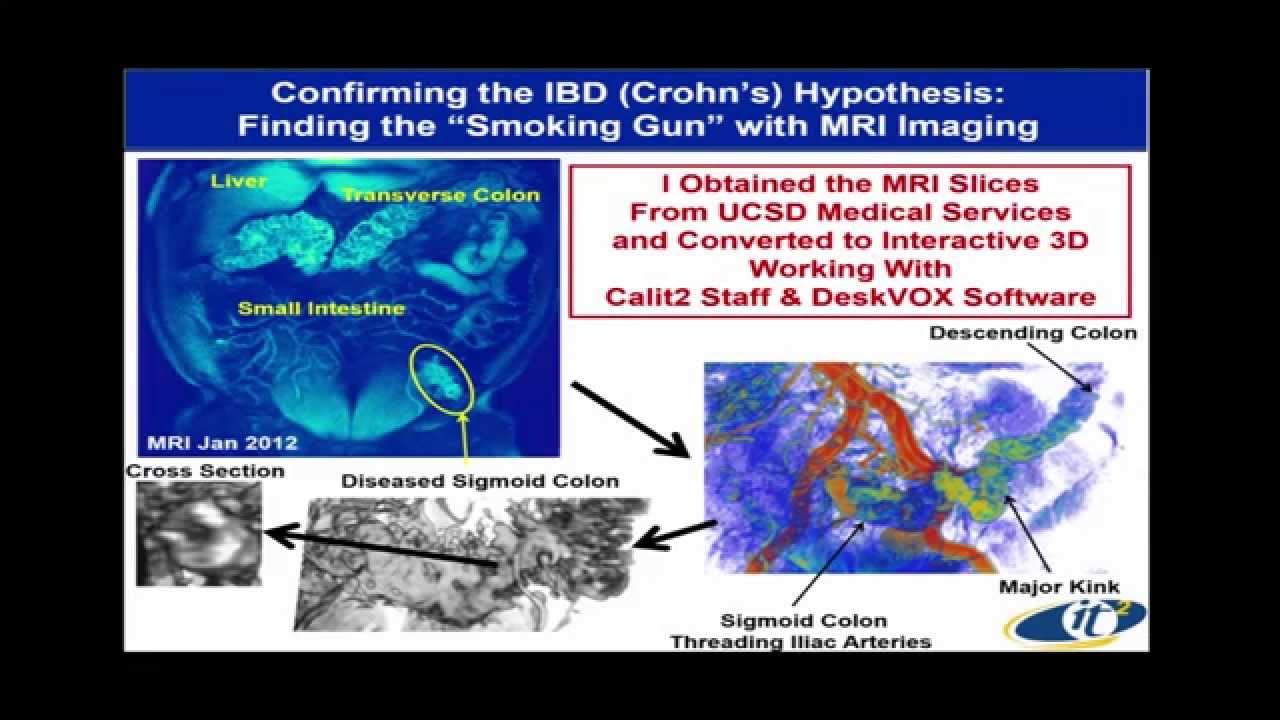
Larry Smarr - Quantifying The Dynamics of Your Superorganism Body Using Big Data Supercomputing
894
Dysbiosis represents a fundamental disruption of normal microbial community structure, characterized by dramatic reductions in dominant species and replacement by opportunistic pathogens. In inflammatory bowel disease, this manifests as a 50:1 reduction in Bacteroidetes and Firmicutes replaced by Proteobacteria. This ecological collapse mirrors catastrophic environmental events that eliminate dominant species while allowing opportunistic organisms to proliferate. The concept reframes disease understanding from viewing pathogens as invaders to recognizing that disease represents a shift in ecosystem balance, with implications for diagnosis, treatment, and prevention strategies.
Click to watch →
Die häufigsten Ursachen einer gestörten Darmflora - Dysbiose
239.5K
Dysbiosis refers to a disturbance in the balance between beneficial bacteria and harmful bacteria, fungi, or parasites in the gut. This imbalance disrupts the ecosystem, leading to various health problems. The gut microbiome plays a central role in overall health, as all body cells, enzymes, and molecules originate from the digestive system.
Click to watch →
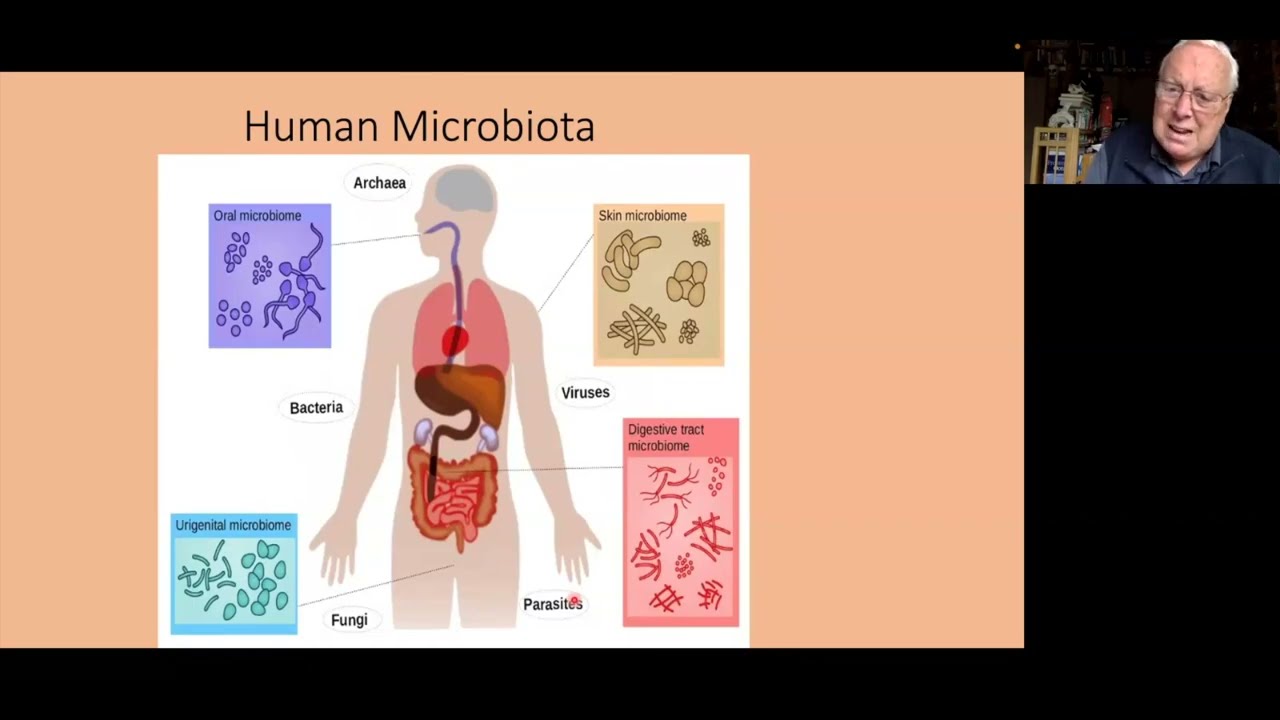
The Human Microbiome - The Invisible Us
429
Dysbiosis refers to an imbalance in the normal microbiome composition, where harmful bacteria predominate over beneficial species. This microbial dysregulation can trigger inflammation and contribute to numerous diseases, including obesity, diabetes, inflammatory bowel disease, and psychiatric conditions like autism. Helicobacter pylori exemplifies this principle—previously attributed to stress, ulcers were found to result from excessive H. pylori colonization, treatable with antibiotics. Similarly, antibiotic use can disrupt vaginal fungal communities, allowing Candida overgrowth causing yeast infections. The mouth harbors diverse microorganisms responsible for dental caries, bad breath, and thrush. Understanding dysbiosis represents a paradigm shift in medicine, recognizing that many diseases arise from disrupted microbial ecosystems rather than direct pathogen invasion alone.
Click to watch →
Prerequisite Knowledge
- Concept 01The composition and function of the human gut microbiome, including its role in immune defense and metabolic homeostasis.
- Concept 02The biology of Clostridioides difficile (C. diff), its opportunistic colonization mechanism, and how antibiotic-induced dysbiosis facilitates infection.
- Concept 03Basic gastrointestinal anatomy and standard endoscopic delivery methods, specifically colonoscopy.
- Concept 04The concept of dysbiosis, representing a harmful disruption or imbalance in microbial communities within the body.
Subsequent Learning
- Step 01The regulatory, ethical, and safety challenges of FMT, including FDA classifications and strict donor screening protocols to prevent pathogen transmission.
- Step 02Clinical research into expanding FMT applications for other conditions, such as Inflammatory Bowel Disease (IBD), Irritable Bowel Syndrome (IBS), and metabolic disorders.
- Step 03Next-generation microbiota-based therapeutics, such as defined bacterial consortia and FDA-approved oral microbiota capsules.
- Step 04The physiological mechanisms of the gut-brain axis and how altering the microbiome can influence systemic and mental health.
Understanding C. diff
Procedure Detail
Success & Safety
Understanding C. diff
0:03Playing Section
- 1
C. diff infection causes diarrhea after antibiotic use disrupts gut flora.
- 2
Severity ranges from mild discomfort to life-threatening conditions, impacting daily life.
- 3
FMT restores healthy bacteria from a donor to the patient's colon.
Safety, Standardization, and the Shift to Defined Microbial Consortia
While Fecal Microbiota Transplantation (FMT) is highly effective for recurrent Clostridioides difficile infections, it faces significant criticism regarding safety, standardization, and long-term risks. A major concern is the accidental transmission of infectious agents; despite rigorous screening, patients have contracted multi-drug resistant organisms (MDROs) from FMT, occasionally resulting in fatalities. This highlights the inherent danger of using unstandardized biological material, leading to FDA safety alerts. Furthermore, because donor stool is highly variable, FMT cannot be precisely regulated or dosed like traditional pharmaceuticals. There are also theoretical concerns about transferring long-term, non-communicable traits from donors to recipients, such as obesity, metabolic syndromes, or neuropsychiatric conditions, through the gut-brain-microbiome axis. Consequently, critics and researchers increasingly advocate for synthetic or 'defined' microbial consortia—standardized, lab-grown bacterial mixtures (such as FDA-approved live biotherapeutic products like Rebyota or Vowst). These alternatives offer the therapeutic benefits of FMT without the unpredictable biological risks and regulatory hurdles associated with human donor feces.
Deep Dive
The regulatory, ethical, and safety challenges of FMT, including FDA classifications and strict donor screening protocols to prevent pathogen transmission.

Stacey Kahn - Is Stool an Organ? Exploring Ethical/Practical Issues in Fecal Microbe Transplantation
286
FDA regulation presents significant challenges for FMT implementation. Despite strong evidence for C. difficile efficacy, FDA requires Investigational New Drug applications even for clinical use, creating barriers for patient access. The classification as tissue/cell rather than organ subjects FMT to extensive oversight similar to cellular therapies. Manipulation level determines scrutiny intensity—minimally manipulated cells face less oversight than extensively processed materials. Current screening protocols exceed blood donation requirements with over 50 questions covering sexual habits, travel, GI history, and antibiotic exposure. Research ethics consultations raised questions about donor protections, microbial fingerprinting for personalized transplants, and ownership of beneficial microbiomes. Industry interest in commercializing microbiota products raises questions about donor compensation and profit distribution. Creating registries for long-term safety data collection represents a proposed solution balancing regulatory needs with clinical innovation.
Click to watch →
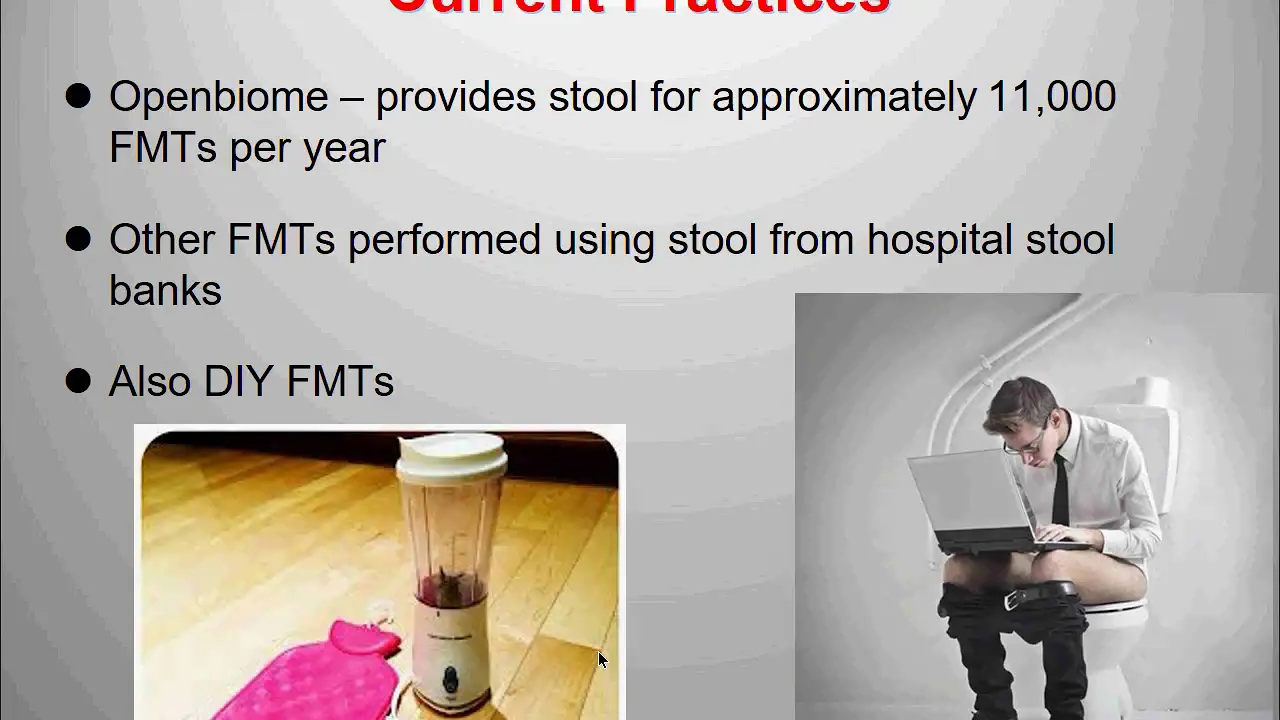
Understanding the Regulation of Fecal Microbiota Transplants
288
The FDA regulates biological products through distinct pathways based on classification. A drug is defined as any article intended for diagnosing, curing, mitigating, treating, or preventing disease. A biologic is a subset of drugs including viruses, therapeutic serums, toxins, antitoxins, vaccines, blood components, derivatives, allergenic products, protein, or analogous products applicable to human disease prevention, treatment, or cure. The tissue regulatory framework focuses on preventing communicable disease transmission through donor screening and testing, requiring facility registration, Good Tissue Practice compliance, and product tracking. Drug regulation requires establishing safety and effectiveness through clinical trials: Phase I tests safety in healthy individuals, Phase II evaluates safety and effectiveness in patients, and Phase III involves randomized controlled trials with hundreds of patients. The drug approval process costs approximately $1 billion and takes about ten years on average. In May 2013, the FDA classified fecal matter as both a drug and a biologic, requiring Investigational New Drug (IND) applications and clinical trials for new drug approval. This decision resulted in fewer than twenty physicians being allowed to perform FMT legally. Following strong opposition from physicians and patients, the FDA announced in July 2013 that it would exercise enforcement discretion regarding IND requirements. While maintaining the drug/biologic classification, the FDA stated it would not enforce IND requirements for physicians performing FMT on patients with C. difficile unresponsive to standard therapies. In March 2014, FDA published draft guidance requiring FMT products to come from donors known to either the patient or their licensed healthcare provider, effectively limiting stool bank use. Despite continued enforcement discretion allowing stool banks to operate without INDs, the agency issued revised draft guidance in March 2016 stating that centralized manufacturing and stool banks presented safety concerns related to using stool from limited donors administered to multiple patients, including transmission risks and unidentified microbiome changes.
Click to watch →

C. diff: what's new? - Lyle Murray
476
FMT carries significant risks requiring rigorous donor screening. Potential complications include fatal aspiration pneumonia (3 reported cases), transmission of drug-resistant organisms (at least 3 deaths from E. coli transmission), and colonic perforation with colonoscopy. The FDA issued warnings about pathogenic organism transmission after several cases. Other concerns include altered drug metabolism affecting medications like warfarin and unknown long-term effects on microbiome function. Donor selection follows protocols similar to blood donation, requiring two interviews covering extensive topics including disease exposure, drug use, sexual behavior, and blood product exposure. Blood tests screen for transmissible viruses and pathogens, while stool must test negative for C. diff and other pathogens. This is critical because recipients are often immunocompromised and vulnerable to transmitting pathogens.
Click to watch →
Fecal Microbiota Transplant in Mexico Part 1
989
Siblings cannot serve as FMT donors because gut dysbiosis often runs in families, and finding truly healthy donors is challenging. High-quality donors are reused repeatedly as they are 'road tested' for safety and effectiveness. In 2013, the FDA reclassified FMT as an investigational new drug, initially banning all uses. After community backlash, it was approved only for C. Difficile. Research now explores FMT for ulcerative colitis, Crohn's disease, bipolar disorder, liver conditions, and autism. Outside the US, FMT is permitted for conditions beyond C. Difficile, as countries like Mexico have not adopted the same regulatory restrictions.
Click to watch →

Prof Simon Carding of the Quadram Institute, June 2019 | Science for ME Q&A
762
The MHRA classifies FMT as a medicine, requiring preparation under stringent conditions in licensed facilities by licensed practitioners. FMT for C. difficile infection has a 90%+ cure rate in the NHS. Donor screening has evolved from basic criteria to include extended pathogen screening and psychological profiling. Unregulated FMT poses significant risks, as a recent US fatality was linked to antibiotic-resistant bacteria in improperly screened FMT. Professional FMT in clinical settings with proper oversight is much safer.
Click to watch →
Deep Dive
Clinical research into expanding FMT applications for other conditions, such as Inflammatory Bowel Disease (IBD), Irritable Bowel Syndrome (IBS), and metabolic disorders.

RDV#10 Harry Sokol - La transplantation de microbiote fécal
2.3K
For inflammatory bowel disease (IBD), FMT shows 20-30% remission rates versus 5-10% with placebo. A pilot study at Hôpital Saint-Antoine tested FMT after cortisone treatment to maintain remission, showing reduced relapse rates. For irritable bowel syndrome (IBS), results are contradictory with some studies showing positive effects and others showing symptom worsening. For metabolic syndrome, some studies show improvement but results remain preliminary. These findings indicate that FMT's effectiveness varies significantly across conditions, with the microbiote playing different roles in each disease.
Click to watch →

MEJORA tu MICROBIOTA INTESTINAL ¡MILLONES MORIRÁN si NO SABEN ESTO!
889.7K
Modern humans have disconnected from nature, losing contact with animals and natural environments. This disconnection contributes to increased allergies, autoimmune diseases, and digestive problems. Children who play outdoors, have contact with animals, and engage in 'dirty' play develop stronger immune systems and fewer allergies. Excessive hygiene (antibacterial soaps, frequent disinfection) destroys beneficial microbiota and weakens immune function. Fecal microbiota transplantation (FMT) involves transferring healthy microbiota from a donor to a recipient with dysbiosis. The process involves cleaning and preparing the donor's fecal material. Methods include colonoscopy, enemas, and oral capsules. FMT is being studied for conditions including IBS, inflammatory bowel disease, obesity, metabolic disorders, depression, anxiety, and autism. It has been approved for severe ulcerative colitis in some countries.
Click to watch →
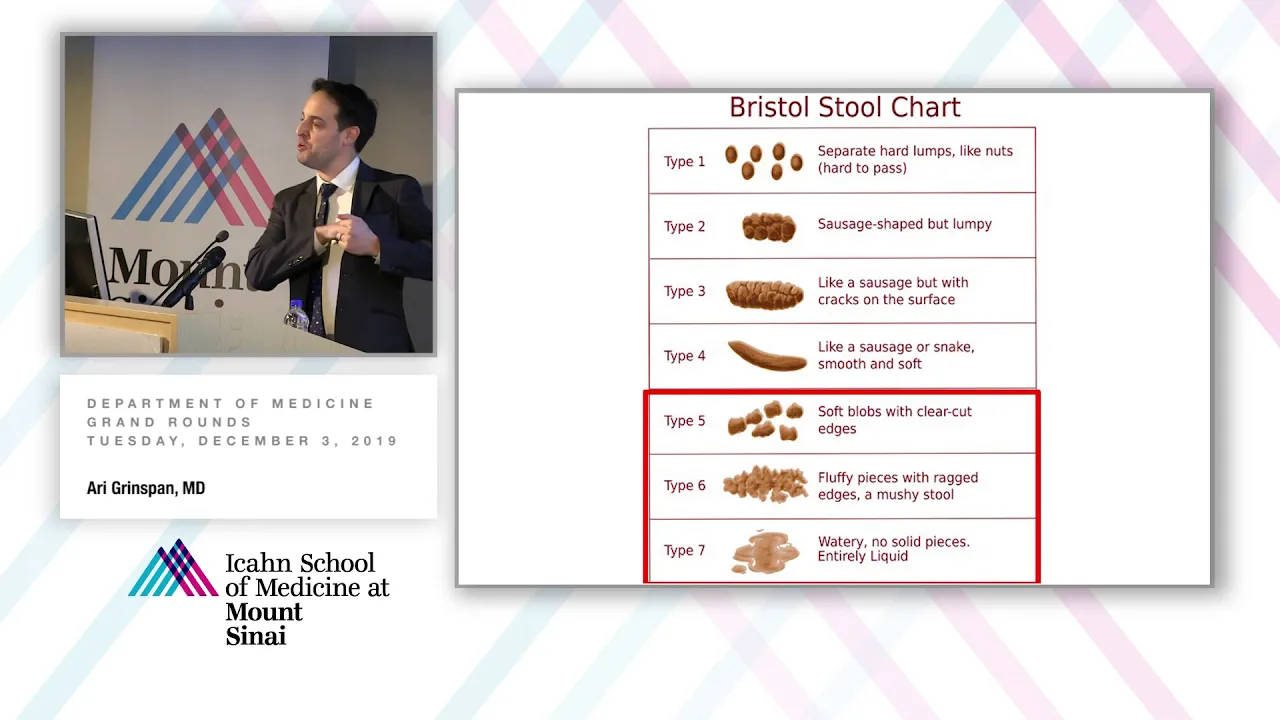
Hitchhiker's Guide to Fecal Microbiota Transplantation
14.2K
IBD represents the next frontier for microbiome-based therapies. Healthy individuals show 80% Bacteroidetes and 20% Firmicutes, while IBD patients reverse this ratio. Germ-free mice with genetic predispositions to colitis do not develop inflammation without microbial exposure, proving commensals are necessary for disease expression. Four randomized trials evaluated FMT for ulcerative colitis: single-donor studies showed 24% remission versus 5% placebo; pooled donor studies achieved 28% remission versus 9% placebo. Mount Sinai plans to replicate successful Australian capsule-based protocols while investigating antibiotic pretreatment effects. Over 265 clinical trials worldwide now explore FMT for graft-versus-host disease, hepatic encephalopathy, PSC, and immune checkpoint inhibitor colitis.
Click to watch →

2022年9月18日第6回学術大会 3.炎症性腸疾患 症例報告
319
FMT applications are expanding beyond IBD to include chronic constipation, metabolic syndrome, arteriosclerosis, and multiple sclerosis. Modern lifestyle factors including high-fat diets and reduced plant fiber intake contribute to declining gut microbiota diversity, increasing disease prevalence. Evidence hierarchy requires randomized controlled trials with statistical significance (p<0.05) for treatment recognition. FMT is being practiced as both clinical treatment and research tool, with practitioners contributing to evidence generation through case sharing and collaboration with research organizations.
Click to watch →
Making Fecal Microbiota Transplant Palatable As Uses Grow
388
Fecal microbiota transplantation (FMT) represents a paradigm shift in treating diseases by restoring the entire gut microbiome ecosystem rather than targeting single pathogens; while FMT has proven highly effective for antibiotic-resistant C. diff infections, ongoing clinical trials are exploring its potential for inflammatory bowel disease, irritable bowel syndrome, and Crohn's disease, with researchers investigating whether specific bacterial profiles or the complete microbial community offers superior therapeutic outcomes.
Click to watch →
Deep Dive
Next-generation microbiota-based therapeutics, such as defined bacterial consortia and FDA-approved oral microbiota capsules.
Probiotic Pills: Usually Harmful, Sometimes Fatal
150.6K
Fecal microbiota transplants (FMT) are FDA-approved for C. difficile infections, where patients can experience months of terrible diarrhea that resolves within hours after FMT. However, FMT from other sources carries risks of transmitting pathogens like E. coli, requiring screening and use of banked products. The FDA approval of Rebiota has decreased research-grade poop pill availability. The future of microbial therapeutics lies in defined combinations of 20-175 strains that have been cultivated, defined, and can be administered. Current probiotics contain only a few species, while fecal transplants contain hundreds of unknown strains. The goal is defined therapeutics that deliver benefits without unpredictability.
Click to watch →

Kenya Honda - Toward the development of defined microbial therapeutics | S01 MVIF10
421
This lecture presents two complementary reductionist approaches for developing rationally designed microbial therapeutics: (1) the top-down approach identifies effector bacteria by starting with a specific phenotype (like regulatory T-cell induction) and narrowing down the microbiota to obtain functionally relevant minimal bacterial consortia, which has led to clinical candidates for treating inflammatory bowel disease and cancer; and (2) the bottom-up approach starts with metabolites identified through metabolomic analysis to discover beneficial bacteria, exemplified by identifying Parabacteroides distasonis that degrades trypsin and protects against viral infections, and isoHCA-producing bacteria from centenarian microbiota that inhibit gram-positive pathogens. These strategies aim to replace fecal microbiota transplantation with well-characterized bacterial strains for safer and more predictable therapeutic interventions.
Click to watch →

EP-052 Industry Insights - The Microbiome as Medicine
332
The FDA approvals of Rebiota and Vowst marked the first time beneficial bacteria were packaged as FDA-approved medicine. Vowst's oral spore-based capsules eliminate the need for colonoscopies. Infant Bacterial Therapeutics achieved 27% reduction in mortality for premature infants at risk for necrotizing enterocolitis. FMT has enhanced cancer immunotherapy responses in melanoma patients resistant to PD1 inhibitors. Smart toilets now analyze microbiomes automatically using spray erosion technology. Companies like Viome use RNA sequencing to identify active bacteria and provide personalized recommendations. The microbiome therapeutics market is growing at over 17% annually, with over 100 products in clinical trials. Major pharmaceutical companies are developing their own programs or acquiring microbiome startups, signaling mainstream adoption of this revolutionary approach to human health.
Click to watch →
RFK to make a food allergy announcement
1.6K
Clinical trials using defined bacterial consortia have demonstrated 64% reduction in atopic dermatitis risk and 77% reduction in food allergy risk when administered during the first year of life. This represents a shift from treating existing allergies to preventing them through microbiome-based interventions. Next-generation therapeutics move beyond fecal transplantation toward rationalized approaches identifying specific bacterial strains responsible for beneficial metabolites and introducing them as personalized therapy. This addresses limitations of fecal transplantation by targeting missing functions in the microbiome, similar to gene therapy but applied to the microbiome as an organ-like system. Collaboration between microbiome researchers, immunologists, and clinicians enables understanding mechanisms and creating safe, precise therapies for the future.
Click to watch →
Relevance to the Gut Microbiome to Human Health and Disease
354
FDA regulation balances safety concerns with therapeutic access for C. difficile infection. Initial pathogen transmission fears led to discretionary oversight requiring IND applications except for C. difficile. Approved products now exist, while biobanks require INDs. The AGA maintains an FMT registry tracking over 1,000 individuals with long-term follow-up; no significant safety signals emerged in initial follow-up periods. The field evolves from whole-fecal transplant toward defined microbial consortia—specific combinations of laboratory-grown organisms targeting particular diseases with greater precision. This progression reflects broader trends toward personalized, mechanism-based treatments. The FDA's new designation for Live Biotherapeutic Products acknowledges this unique therapeutic category. Beyond transplantation, bacteriophage therapy targeting pathogenic bacteria shows promise for conditions like alcoholic liver disease and cystic fibrosis, representing the next frontier in microbiota-based medicine.
Click to watch →
Deep Dive
The physiological mechanisms of the gut-brain axis and how altering the microbiome can influence systemic and mental health.

How to Repair Your Gut Health in 30 Days: Gut Health Masterclass with Dr. Zain Kassam
89.8K
The gut serves as a central hub connecting multiple body systems through the gut-brain axis. The gut produces more serotonin than the brain and releases oxytocin through the vagus nerve, directly influencing mood and stress responses. Compromised gut barrier allows bacterial byproducts like LPS and PGLYRP to leak into the bloodstream, triggering systemic inflammation linked to neuroinflammation and conditions like autism. Children with autism show higher PGLYRP levels and corresponding brain inflammation. This explains why gut health impacts seemingly unrelated conditions—from immune function and metabolism to mental health—demonstrating the microbiome's role as an invisible but essential organ coordinating whole-body physiology.
Click to watch →
Estrés/ansiedad: El papel del eje intestino-cerebro y la microbiota intestinal en tiempos de crisis
108.2K
The gut-brain axis creates a bidirectional communication system where gut health directly influences mental health. Inflammation from a disrupted microbiome can affect neurotransmitter production (serotonin, dopamine, noradrenaline) and brain function. Research shows that gut microbiota influences anxiety and depression through multiple pathways: the vagus nerve, the HPA axis, and immune signaling. The speaker emphasizes that this connection provides new opportunities for treating mental health conditions through dietary interventions and probiotic supplementation. This represents a paradigm shift in mental health treatment, offering new options for patients who don't respond to conventional therapies.
Click to watch →

Человечество под властью бактерий! (Перезалив)
28.6K
The gut and brain communicate bidirectionally through the vagus nerve, which descends from the neck through the chest and abdominal cavity. The enteric nervous system contains billions of neurons and functions as a 'second brain' with its own neurotransmitter production. The gut produces 90% of the body's serotonin, suggesting depression may originate in the gut rather than the brain. Electrical vagus nerve stimulation treats medication-resistant depression. Gut microbiota significantly influences behavior through evolutionary mechanisms—transferring bacteria between mice with different personalities changes their behavior. Maternal high-fat diets alter offspring gut microbiota, increasing autism risk. Bacteria may manipulate host behavior to facilitate their own transmission. Gut bacteria control food preferences by manipulating the brain's reward system. Maintaining microbiota diversity prevents any single species from dominating. A study of 120,000 people found yogurt to be the most effective food for weight loss. Psychobiotics (beneficial bacteria) show promise for treating depression and anxiety, with Iranian research demonstrating significant improvement in depression scores after 8 weeks of bacterial supplementation.
Click to watch →

Забудете о ВЗДУТИИ навсегда! Одна ложка этого копеечного средства натощак — и живот станет плоским!
130.7K
The gut contains 2kg of bacteria, more than the brain's weight. These bacteria produce neurotransmitters that travel through the vagus nerve to the brain, influencing food cravings, mood, and sleep. Approximately 90% of serotonin is produced in the gut by bacteria. Damaged microbiota causes anxiety, irritability, and stress-eating behaviors that further damage the gut. Antibiotics destroy 50% of gut bacteria, sugar feeds pathogenic bacteria and Candida (producing 70+ toxins), chlorine in tap water damages microbiota daily, and stress hormones suppress beneficial bacteria while promoting harmful ones.
Click to watch →
Oś Mózgowo-Jelitowa: Mikrobiota Jelitowa a Leczenie Stresu | Prof. Wojciech Marlicz
251.8K
The gut-brain axis is a bidirectional communication network connecting the gastrointestinal tract with the central nervous system, where gut microbiota produces neurotransmitters like serotonin (90% of the body's supply), modulates immune function, and influences mental health; dysbiosis (microbial imbalance) can lead to both gastrointestinal symptoms and psychiatric conditions such as anxiety and depression, while chronic stress and poor lifestyle choices can further disrupt this axis, making integrated treatment approaches involving diet, probiotics, and psychological support essential for managing these interconnected conditions.
Click to watch →
Understanding C. diff
Procedure Detail
Success & Safety
Understanding C. diff
0:03- 1
C. diff infection causes diarrhea after antibiotic use disrupts gut flora.
- 2
Severity ranges from mild discomfort to life-threatening conditions, impacting daily life.
- 3
FMT restores healthy bacteria from a donor to the patient's colon.
Safety, Standardization, and the Shift to Defined Microbial Consortia
While Fecal Microbiota Transplantation (FMT) is highly effective for recurrent Clostridioides difficile infections, it faces significant criticism regarding safety, standardization, and long-term risks. A major concern is the accidental transmission of infectious agents; despite rigorous screening, patients have contracted multi-drug resistant organisms (MDROs) from FMT, occasionally resulting in fatalities. This highlights the inherent danger of using unstandardized biological material, leading to FDA safety alerts. Furthermore, because donor stool is highly variable, FMT cannot be precisely regulated or dosed like traditional pharmaceuticals. There are also theoretical concerns about transferring long-term, non-communicable traits from donors to recipients, such as obesity, metabolic syndromes, or neuropsychiatric conditions, through the gut-brain-microbiome axis. Consequently, critics and researchers increasingly advocate for synthetic or 'defined' microbial consortia—standardized, lab-grown bacterial mixtures (such as FDA-approved live biotherapeutic products like Rebyota or Vowst). These alternatives offer the therapeutic benefits of FMT without the unpredictable biological risks and regulatory hurdles associated with human donor feces.
The composition and function of the human gut microbiome, including its role in immune defense and metabolic homeostasis.
The biology of Clostridioides difficile (C. diff), its opportunistic colonization mechanism, and how antibiotic-induced dysbiosis facilitates infection.
Basic gastrointestinal anatomy and standard endoscopic delivery methods, specifically colonoscopy.
The concept of dysbiosis, representing a harmful disruption or imbalance in microbial communities within the body.
The regulatory, ethical, and safety challenges of FMT, including FDA classifications and strict donor screening protocols to prevent pathogen transmission.
Clinical research into expanding FMT applications for other conditions, such as Inflammatory Bowel Disease (IBD), Irritable Bowel Syndrome (IBS), and metabolic disorders.
Next-generation microbiota-based therapeutics, such as defined bacterial consortia and FDA-approved oral microbiota capsules.
The physiological mechanisms of the gut-brain axis and how altering the microbiome can influence systemic and mental health.
131.3K views730likes4:30@MayoClinicOriginal Release: 2014-03-04
[Music] Claustrdium difficil is a bacteria that often causes infection in people who have had alteration of their gut flora usually due to antibiotics or hospitalization and they develop a diarrheal illness which can range from a mild episode of diarrhea to a severe episode which could be life-threatening.
We've seen many people who are just almost incapacitated by it either because of just persistent diarrhea leading to incontinence and inability to you know leave the safety of their home for fear of not being able to reach a bathroom quickly enough.
It can just wreak havoc with their life.
There are trillions of microbes incorporating you know thousands if not tens of thousands of different species. If you take an antibiotic, be it a pill or an IV antibiotic, you may eliminate a lot of those bacteria, similar to destroying a forest. One way to restore that is to take the healthy bacteria that normally live in the colon from a healthy person and reimplant those back into the colon of the sick person. The procedure we talk about as FMT is uh commonly known as fecal transplantation, but we we like to call it fecal microbiota transplantation because the idea is we're actually transplanting bacteria back to their normal residence in the gut. And that can be done by a variety of techniques. It could be done uh through the upper gastrointestinal tract through a nasogastric tube. uh can be done through an endoscope where it's placed in through the upper GI tract into the lower GI tract or can be placed in with a colonoscope uh directly into the colon or even by enema as long as someone's able to retain the enema.
The way we've chosen to do it is by colonoscopic infusion. The reason for that is uh you can directly visualize the area. You can directly place the bacteria into the terminal illium and through the colon where it likely belongs. In order to donate the fecal material, we want to make sure that the donors are not going to transmit an infection to the recipient, whether that is even their spouse or a family member.
And so the screening that we typically do is similar to what you would do for blood donation. So or organ donation.
We also screen the donors for claustrdium diffosil to ensure that they're not chronic carriers and then are potentially going to provide cedaphical to the recipient.
Once we have obtained that specimen goes immediately to our endoscopy technician.
We then weigh the stool determine how many grams of stool and then we put it in a blender a common disposable household blender.
mix it with some sterile saline, non-acterostatic saline to get the consistency to where we can easily instill it through the colonoscope. We use 60ml syringes. We give you medicine through your IV until you're asleep or nearly asleep. Then we perform the procedure, the colonoscopy. We administer the sedation and analesia. We insert the colonoscope and advance it into the termium, the final portion of the small intestine just before it reaches the colon. Once we're there, that's when we administer typically the entirety of the material.
I think that many people are concerned about putting bacteria into the digestive tract of individuals who are highly immunosuppressed.
So, uh, bone marrow transplant patients, uh, those that have ulcerative disease and their GI tract where some of these bacteria could transllocate from the gut into the bloodstream. You know, I hate to uh to exaggerate claims, but it really is quite striking, but now there have been numerous studies published that have again consistently shown these rates of success of 90% or better.
That's pretty remarkable for these uh this complicated problem.
So, I think that this is now becoming a standard therapy.
Up Next

34:46
Wound Healing Explained: Phases of Skin Repair | Skin Health
@johnbchiro
82.8K views•2014-09-10

48:47
Graphic Medicine: Comics for Collaborative Healthcare Communication
@nationalpatientadvocate
189 views•2023-12-04

10:28
Neuroanatomy: Central and Peripheral Nervous System Divisions Explained
@AKLECTURES
136.2K views•2014-09-20
3:05
Stages of Labor and Vaginal Birth | Childbirth Animation
@nucleusmedicalmedia
52.1M views•2017-08-18
Related Study Plans & Knowledge Roadmaps
Structured learning paths in Medicine
medicine
Abnormal LFTs: Diagnostic Workup & Pathology
01Liver Anatomy and Basic Physiology
02Introduction to Liver Function Tests (LFTs)
03Hepatocellular vs. Cholestatic Patterns
+ 3 more learning modules
12h6 modules
Explore Roadmap
medicine
Analyzing Blood Smears: RBC, WBC & Platelets
01Introduction to Blood Components & Smear Preparation
02Normal Morphology of Blood Cells
03Erythrocyte Pathologies & Morphological Variants
+ 2 more learning modules
12h5 modules
Explore Roadmap
medicine
Mechanical Ventilation: Waveforms & Alarms
01Anatomy and Physiology of Breathing
02Introduction to Mechanical Ventilation & Core Modes
03Ventilator Settings and Waveform Interpretation
+ 2 more learning modules
12h5 modules
Explore Roadmap
medicine
Neuro Exam: Localization & Stroke Syndromes
01Foundations of Neuroanatomy and Vascular Supply
02The Neurological Examination: Step-by-Step
03Principles of Neurological Localization
+ 3 more learning modules
18h6 modules
Explore Roadmap