




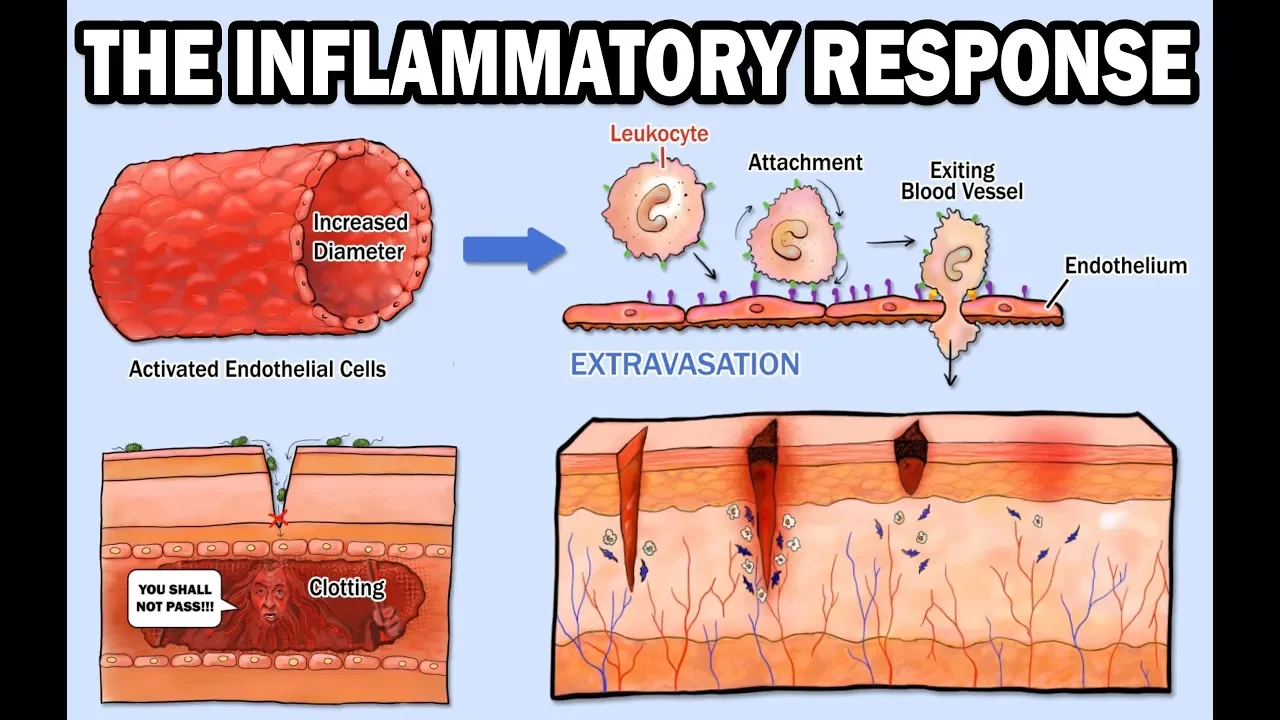













Wound healing is a complex, intelligent process that occurs in four phases: hemostasis (blood vessel constriction and platelet activation to stop bleeding), inflammation (increased blood flow and white blood cell activity to clean the wound), proliferation (formation of new tissue and scab), and remodeling (scar formation and tissue strengthening). The body requires healthy blood supply, proper digestion, and adequate nutrition for effective healing. Proper wound care involves compression to reduce blood flow, cleaning with water or hydrogen peroxide, and avoiding substances that burn or close off capillaries. Natural remedies like colloidal silver, hydrogen peroxide, and local heat can support healing, while antibiotics should be used judiciously to prevent resistance.
Wound Healing Explained: Phases of Skin Repair | Skin Health
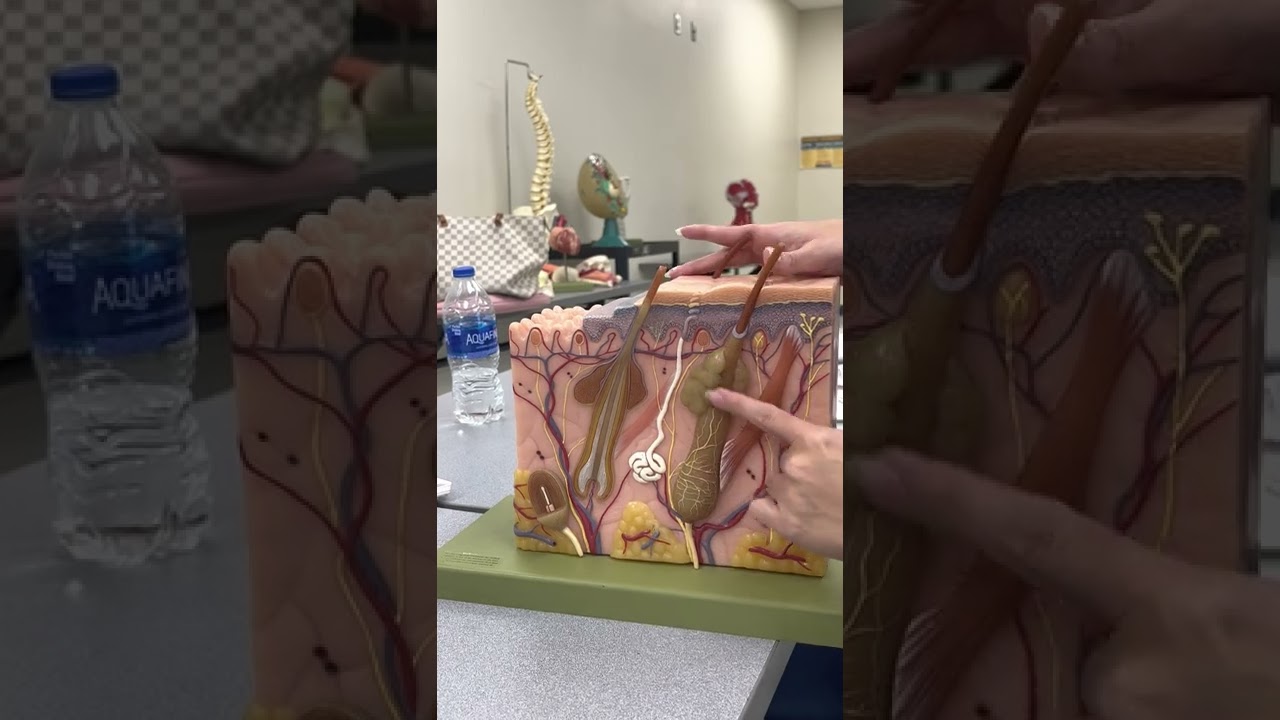
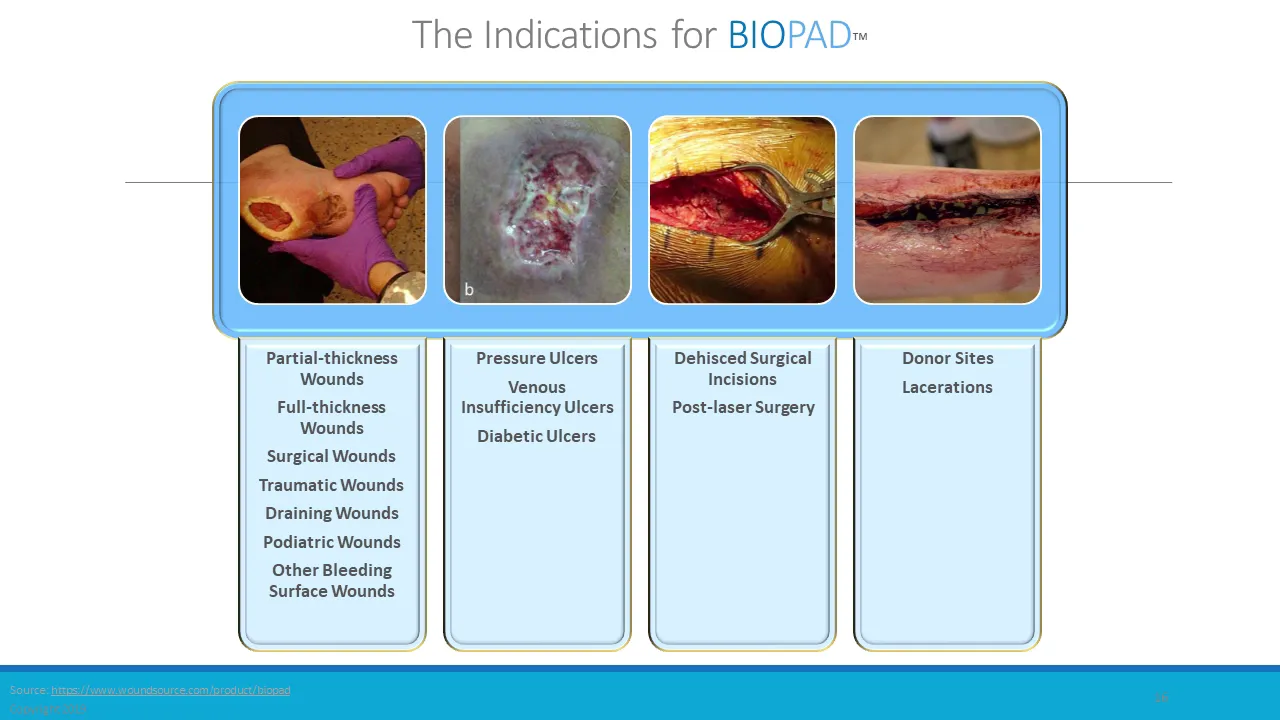
Added:[Music] just just good okay tonight welcome to to skin Health skin health and it's going to be wound healing because we couldn't fit it all in just just the anatomy and physiology portion of like um skin toxins and things last week so this one's going to be a short talk but I want you to understand that when you look at the anatomy of skin the skin is it's the ultimate organ for identifying that there's a problem okay so when we look at this it's got It's got some really neat features now it's the largest organ in the body no it's covered in skin I'm sorry only the guys got that one okay okay so so it's it it protects okay detoxifies and what they used to think is that that it's um that it that it doesn't really protect because it's super permeable and they found this out a few years ago where they were able to put patches on and drugs would go into the system so they found out it's actually really good for um putting drugs in the system uh it stores and produces vitamin D so does that mean that if you have unhealthy skin you're going to have unhealthy vitamin D levels yeah and and when we when we look at this there's no area on the skin that you can touch that there's not a sensation okay so when you look at this you're talking pinpoint areas of sensory input now does when you have healthy skin you have to have healthy blood supply and healthy nerve Supply so skin issues on the all upper extremities have to do with pinch nerves in the neck or an overall dysfunction of the blood supply because you'll see the way the blood supplies and a human animal is unique because we actually have a layer of fat underneath our skin most animals okay don't have that fat underneath the skin they actually have it around the organ tissues because it's a it's a more efficient layout but we need it for extra insulation now if you have toxic fat and this is why we're seeing such a massive rise in skin cancers is because people are taking in toxic fats such as genetically modified foods Omega 6's um foods high in in toxic components and it's being stored or if you have a calorie Rich nutrition poor environment the most efficient storage for those excess calories is fat and if it's toxic fat it's stored underneath the skin and the sun rays can actually pierce the skin it affects the fat and that's where a lot of skin Cancers and skin disorders come from okay does that make sense now also too is there any place you can cut your skin and not have it bleed no so there's blood vessels there too okay now this is important when you're talking about wound healing so anywhere that you cut that skin you're going to see it bleed okay and when you talk about bleeding you got to know the peripheral um the phases of what happens and the more you understand it how brilliant this is um you're you're probably going to be in awe and some some people break it up into four different phases and they they call it the phases of wound healing uh hemostasis means like a Stillness so what happens is and you can see you've got a vein coming out and an artery coming in in that picture there but it goes through this little tiny Network called capillaries and the capillaries are so small it's just barely big enough for one cell to go through and the capillaries diffuse out through everything and in fact this is how the lungs get their tissue or the the oxygen carbon oxide transfer this is how the liver gets his through a network of capillaries so imagine your entire body is covered by these very very small small um arteries and veins called capillaries and that's where they joined well when you cut one of these what instantly happens is it constricts and that means and this is kind of neat because when you cut that capillary you're exposing collagen and collagen is the protein that the capillaries are made of now what happens and since collagen is a protein what happens if you get a system that can't digest proteins well say easy bruising easyy that's so right because what's bruising bruising is actual tissue damage that's so powerful that it breaks or breaks those capillaries and what you're seeing in a bruise is actually bleeding underneath the Skin So when you start seeing somebody in in the super market and they've got big old huge bruises everywhere you're talking breaking capillaries okay now that's important because didn't I just say that that every organ gets its you know blood and oxygen and carbon oxide transfer from those capillaries and this is where crazy world comes in because if you have weak capillaries and you see bruising everywhere does that mean that there's an increased rate of stroke yeah there is okay but those drugs they're given blood thinners and actually to in in in hopes of decreasing the level of Strokes or decreasing clots but we're going to talk about that so the first as soon as tissue is damaged the blood vessels constrict and then since the the damaged tissue exposes collagen it actually attracts these cells called platelets and the platelets usually they just zip around in the system and think of this in every drop of your blood it's alive there's platelets there's clotting Factor there's red blood cells there's white blood cells there's all these cells that are continually flowing down and this is Flowing from the brain from the nose to the toes and in each little tiny drop of blood you're going to have these clotting factors these platelets these red blood cells and these white blood cells and they're there all the time for injury so anything that injures so let's say you accidentally eat a piece of glass okay that's going to damage or break the tissue in the intestinal tract and again the same thing happens collagen collagen is exposed that causes the platelets to be drawn into that area and they start building up now the platelets when they're drawn to that area of damage they actually change in shape they become activated platelets this is how they talk about it in the medical world and those activated platelets actually send clotting factor out into the bloodstream so more platelets are drawn okay to this area and when those plates are drawn in there you get these little fibrin called fibrin starting to filter in there and starting to lay down different layers so that the Blood starts to heal or it starts or the the opening starts to close up so you've got the hemostasis which means Stillness so that means there's a decreased uh amount of blood flowing there and that that stimulates the platelets then you have inflammation now inflammation and and you know anyone in the medical field knows the old Latin terms okay rubor tumor doore calor calor means heat so inflammation is part of the phases of of heat now what what causes heat increased blood flow or decreased increase exactly now what's NE is that means that these little capillaries vasil dilator open up so anytime there's a tissue injury first the body slows down then and as soon as the blood the hole is closed okay then the blood flow increas allowing these giant red blood cells because you got a red blood cell that's that's nice it's a decent size you got these massive cells called white blood cells they're about double the size of a red blood cell sometimes they're four times size that they're called macrofagos Big eaters so you got these huge cells well they can't go through the walls of the capillary under normal circumstances but the inflammatory phase actually allows those those the the capillaries to open up large enough to where these these big old white cells the the and the macrofagos which means big eer can actually Pierce through that capillary bed and start to chew up the abnormally placed tissue and then when you get the proliferation phase and granulation that goes from 4 to 21 days depending on the side of the injury this means that that the scab starts to form the fibrine starts to form and underneath that the new tissue goes as has anyone in here ever cut themselves okay well now do you ever you know if you've ever cut yourself do you have to say hey don't talk to me I've got to focus in or does it do it automatically it does and we've lost that magic that sense of magic that the body is intelligent and then you've got remodeling where the scars you know heal up and the body the body I mean literally does heal of course okay good so I I don't know why it's smaller okay good now we start again okay so when you look at this that you've you've heard a lot of the terms that blood clots form clots the blood clotting okay have you heard that okay well now a blood clot is really good a thrombus form is bad and what's the difference well first Blood doesn't Clump or clot in the arteries remember in order for a blood clot to form the plat have to be aggravated and for the platelets to be aggravated or activated there has to be some exposed collagen so there actually has to be damaged to tissue so when people are saying wow you got this blood clot in the leg you got the blood clot here you got the blood clot there you got to look at the health of the tissue first so in order to have a thrombus formation a thrombus formation is totally different that has to do with the red blood cells clotting or clumping together and that happens in people that don't have enough protein so that means poor digestion so what what would cause poor digestion anti acids pyc Tums rades okay yeah those people are not going to be able to break the proteins to amino acid so they're going to have clumping together of the red blood cells also too anybody that has um a diet high in polyunsaturated fats so people that taking corn oil canola oil soy oil all of those cause the platelets to or the red blood cells to get sticky so they Clump in the arteries now this is where crazy world happens people that have a lot of thrombus formation they're given blood thinners not healthy levels of protein not healthy levels of of acid in order to break the proteins down so they're looking at it backwards and then they're clumping it all in into thrombus are the same thing as clots and that's not true so when you're talking about wound healing and skin Health when you see somebody with all of those bruises what are they taking blood thinners and this just doesn't make any sense it's illogical so when you look at the actual mechanism and I know this is a little complicated but just just just go through that once there's a break in a capillary wall and this is from any kind of a cut or anything the collagen is exposed the platelets are aggravated they migrate over to it fibrin starts to form now what's interesting with this the coagulation that that clumping together of the platelets caus these little fibrin to form and there to form the clot okay and then you look at it the red blood cells start to stick to that okay and that's it's almost like the the mortar okay and and the building products to close off that opening so that the tissue can regenerate okay does that make sense now while all of this is going on on the wall of the capillary or the artery um the the blood is still flowing underneath it okay so this is it's it's kind of like repairing a car while it's moving so then you look at it now what causes because you've got this aggravation this this collection of red blood cells coming in there and you've got this flow down Bel below how come the the red blood cells in the fibon and the red blood cells in the fibrin don't keep going in to close off the artery because there's a thing called Lis and this means a breakdown of it you've got this fibrin Lis which breaks down the clot when the tissue is healed but it also limits the clot formation so it doesn't fill in the whole opening of the capillary or vein or artery whichever is damaged it only fills in that surface part does that make sense so when you look at this plasmin or plasminogen which is produced in the liver actually help helps dissolve that clot that protective clot and the reason I'm bringing this up is because when you look at tissue damage what does it require well you require healthy blood does that require healthy digestion yeah it require requires healthy digestive levels healthy protein levels this is why like in the old days when um Soldiers and Sailors wouldn't get a lot of fresh fruits and vegetables um they would get easy bruising their teeth would fall out of their head because of lack of ligament production they'd start to bleed internally and that was called scy scurvy oh yes okay good I know isn't that cool I know well well I know the Native Americans had a cure for it they used uh pine needle tea but of course knew who's going to follow them Witch Doctors okay it to it took the Admiral P like 300 years later to actually start giving the soldiers fresh fruit so so when you look at this the liver is also responsible so you need healthy liver function in order to break down that excessive clotting Factor does that does that make sense so far the only reason I want you to appreciate this is because what kind of drugs damage the liver well you're talking Tylenol is probably the main one but almost everything poisons the liver and so does this mean that there could be if you're causing excess clot formation because I mean we're always every time we're doing an action we're damaging tissue okay and the body repairs it really quickly so if you have have liver damage does that mean that there could be excessive clot formation yes or yes okay so so if anybody's taken a blood thinner or easy bruising or anything else they've got to ask the questions the appropriate questions as to why is it foring does does does that make sense so excessive clotting excessive thrombus formation poor wound healing all of that has to do with a number of different factors and so so you really have to look at what the source of it is I mean all of that that's just I want you to have the appreciation that the body is intelligent okay and heals in certain ways that that you don't know now this is just how to take care of wounds now when it comes to wounds um compress clean and close okay and that and this this is just like basic first aid stuff but anytime you get cut if you put immediate compression on it what are you doing by putting pressure on it are you increasing or decreasing the blood flow decreas decreasing the same thing that those capillaries are doing initially and so you're helping the body see anytime you got damaged tissue want to do something to help the body so you're slowing down the blood pressure in that area you're also approximating the torn tissue so that so that those those platelets those activated platelets now can start filling up the hole so you're closing up the hole does that make sense and then you clean and you clean it it has anyone ever poured alcohol in an open wound okay burns doesn't it okay yeah yeah I mean we all saw um what is it what um what what was that mly culen movie where he slaps the Alone Home Alone Home Alone yeah okay yeah yeah so you don't want to slap your face with alcohol after you're cutting it okay but you don't want to do that on a wound anything that burns closes off the capillaries and it's going to slow down wound healing so if you're putting something on that that burns and hurts good clue not good for you why that uh because it burns and closes off the blood vessels and you got to have something that allows blood to flow in there then you look at this to clean it and now to close to close a wound I know it's going to sound odd but my favorite is electric tape Okay the reason is that I've got two boys were very active um has anyone in here ever been cut but you still complete the game or the job or anything else we all have yeah you get cut on Thanksgiving are you're going to say no I'm out I'm on the disabled list no you got to tape that sucker up and finish the job okay I know we're all the same way so what we do is use electric tape because it doesn't stick to fur it's really neat it's flexible easy and this is something in all our medical kits we'll take a little roll of paper towels put it on there tape it up and go for it for slightly larger wounds uh superglue or they have wound glue which is absolutely incredible for even larger wounds and this is something that we'll take when we're backpacking okay is a very thin P pound test line like a 2 to three PB test line for fishing line because remember you've got if it's a deep wound you've got to close it and if it's on an area that you have to keep opening you can literally pinch it and sew it closed and I've done that a few times and it sounds kind of gross and weird to sew your own skin up but since it's cut it it's not as sensitive so it's not as bad as what you would think but before you do it you have to clean it out and the best things to clean it out I'm going to show you in a minute water is just about the best one uh hydrogen peroxide is excellent as well but water is about the best we had uh one one patient he did three tours of Duty in Vietnam he said yeah you could urinate on a wound in the jungle and you could clean that sucker out hey with no water and no hydrogen peroxide that would be an option as well okay but that would be like you know bottom on the list honey you cut yourself no you you know I don't that's that's a little bit first okay when it comes to Burns you got pretty much three phases sunburns which is grade one uh blistering which is going to be two and if it actually damages the first layers of of skin to where you're down into the the EP you've gone through the epidermis and the third degree burn is the worst that typically is going to have you're going to need some type of surgical repair and surgical repair could be just as much as approximating it and allowing it to heal but if there's dead tissue in there from the burn that that could be emergency that's something that you need to get help with now you do have cells that can go in there in these deep holes called macrofagos that do tear up B that tear up old tissue maggot debr sounds sounds odd but that there's a Brilliance to this if you've ever seen the movie Gladiator and it it again I'm just thinking that there's an intelligence to the planet flies are attracted to healthy tissue or rotting tissue rotting tissue okay so they they're attracted to rotting tissue they lay their their eggs the maggots come out and the maggots what's interesting about them and this is modern therapy now because if you've got a wound and let's say that that a it for the trash can I actually made it on the first shelf that was pretty good okay now we start again maggots maggot debr in of wounds so when you look at this it's and and again you know I'm a big proponent that there's an intelligent design and that there's a universal intelligence of the world but think of this flies are attracted to dead tissue their their offspring only eat dead tissue so if you have some broken tissue some healthy tissue they only eat the dead tissue and they poop out a natural antibiotic wow I mean I'm just saying that's pretty darn smart okay so we don't have anything that does it that well so what they're doing and this is all throughout the world they're doing maggot debr wounds where you go in and get specialized maggots I it sounds odd but this is out of the Lance at 14 years ago and we still haven't found anything that's that effective now colloidal silver this is one of the greatest things that everybody should have in their emergency kit and medical kit excuse me now for a little bottle of colloidal silver it costs around 25 bucks for $25 you can get two strands of silver and we talked about this in our survival lecture you can get four 9vt batteries and a couple of alligator clips with some uh distilled water and you can make gallons of the stuff so if you have your own colloidal silver maker you can actually use it to preserve vegetables you could use use it to clean counters what's interesting about colloidal silver is that um bacteria can't adapt to it where in in antibiotics you're going to kill only the bacteria that are affected by that antibiotic nothing can adapt to collidal Silver so you know the worst thing that you could use is Neosporin or polysporin those sporin are actually antibiotic cream now on your skin you've got viruses funguses and bacteria and if you use something that only kills some bacteria guess what you create stronger bacteria this is where the multi biotic resistance staff bacteria are coming from it comes from overuse of bacteria and what's what's the modern therapy for it in the hospitals stronger antibiotics what are they going to create stronger bacteria excuse me there's there's no logic to this so colloidal silver is fantastic hydrogen peroxide again this is brilliant hydrogen peroxide um can kill tetanus if you understand tetanus is is an Anor robic bacterium which tetanus is dangerous and it kills a lot of infants but hydrogen peroxide instantly kills it and some of the other uh I mean anything that burns alcohol or any other stringent like that is not good to put on a wound but we've got colloidal silver hydrogen peroxide aloe even direct heat on some wounds once the bleeding is stopped or some type of infection like like a local bug bite okay spider bites things like that putting direct heat on it what now what what's Heat going to do is that going to draw blood to the area or have it go away it draw and think about the Brilliance of this so if you have a localized infection and you put heat on that area the body senses that temperature differential so it increases the blood pressure in that area now viruses funguses and bacteria die at a higher temperature so you're going to kill that you're increasing blood flow you're increasing maccrage activity and those are the big eater cells that are going to kill up the infection and if it's a localized poison you're going to diffuse that poison out throughout the body so your body can handle it it's like dividing the Roman army if it was an individual Soldier you can knock them out pretty easy if they're all grouped together like that they can actually do damage to you so local heat is absolutely excellent it's interesting this is out of the American Journal of epidemiology it says every time you give a child an antibiotic you're increasing the lymph of lymphoma okay and I mean 10 rounds of antibiotics 80% increase and develop in the disease so this means to not give an antibiotic for the ear infections the common cold the bronchitis okay the tummy ache I mean all the stuff that they're giving them aside from which if they're eating commercially produced animals they're eating a ton of antibiotics so that's just not smart now feet remember any type of wound okay in the skin has to do with healthy capillaries and that has to do with healthy blood if you have unhealthy blood such as diabetes or fungal or candida infections or or poisoning from um say say toxic uh polyunsaturated fats genetically modified foods what's need is the feet are really cool indicator this is why on the initial exam you know I'll do the history and I'll say hey take off your shoes let me take a look at your feet and I'll look at discolorations I'll look at distortions I'll look at at the the nail bed and you'll see deficiencies and toxicities are going to show up in the feet cuz that I mean not many people are as tall as me but my feet are way down there okay M well you know okay so the poisons are going to settle down there just because they're in the lymph system and that's low lymph and you're going to get gout funguses diabetes all different diseases so athletes foot is not a problem of the foot it's a problem with toxic blood when you start looking at these different conditions they're not they're not um a problem with the toes it's a problem with the immune system now yeah hydrogen peroxide make sure that if you can doing it topically is good but they have food grade hydrogen peroxide now that's really good but just know you you know one of the ingredients in Rocket Fuel hydrogen peroxide okay because it has so much energy in it so be careful if it comes in like a 35% hydrogen peroxide that'll burn right through skin so you want to make sure it's diluted so when you're getting oral grade hydrogen peroxide make sure it's diluted down about 3% and it's real easy if it's 35% it's got to be three so it's a 10:1 ratio and uh coconuts fantastic this is now let's say if you need um say uh suntan lotion where you want to be protected from the Sun or sun block coconut oil has an SPF of about six and it'll pierce the skin and it actually is antimicrobial antifungal if anybody in here has body odor you can put it on your underarms okay and it'll kill the bacteria that causes body odor uh for a foot massage you're not going to find anything better but it kills I mean kills influenza herpes measles virus it has antimicrobial kills viruses funguses Mia it's coconut oil I mean really simple eat eating is it it helps helps with the brain but since we're just talking about wound healing and skin external topical it's awesome in fact we've had a lot of kids that have had um you know kids today with massive skin allergies massive because their moms getting pcin you know they're getting the antibiotics they're having poor digestion because they're eating genetically modified foods and multiple vaccines their Skins are erupting because they're it's they're toxic and they can't eat anything they're throwing up all the time so we'll get them coconut on their skin that pierces and that gets inside of their bloodstream that helps them aloe phenomenal um we use this for Burns and cuts where we just split a leaf and tape it on and again what kind of tape is the best electric tape yes CU it doesn't stick to fur Okay so so it's fantastic I mean we'll even do it to to my dog's white dog okay we'd wrap his leg with an Alo Leaf because he had very sensitive skin um poisoning this is one of the best things for skin infections and it's going to sound weird but you use charcoal and oh I don't have it on here charcoal and psyllium husk powder use a 2:1 ratio okay the charcoal you have to open up the little capsules but you're going to use a two or 3:1 ratio where you have three times as much celium husk powder and the charcoal and you mix it with just a little bit of water for um like the consistency of pudding now the celium husks are going to harden into almost like a rubbery constituent so if you put this mixture like a ball of the charcoal and a ball of the celam mouse powder on top of a plastic sheet put another plastic sheet on top and roll it out so it's about a quar of an inch thick this is a pus now it'll stay fresh for months but what's neat the celium hus powder and the charcoal have a detoxicant effect because remember the Skin's permeable it'll literally draw the poisons out okay and what's need is since it's in between two layers of of plastic you can roll it up you can store it in the fridge or freezer for months but when you unroll it you peel off one layer of plastic and so you put the the the um pus the charcoal in the and the um celium hus powder and wrap that plastic around there for several hours to all night and you'll see it actually draws the poison out it's brilliant but this is fantastic for internal charcoal bentonite clay here's some great uh pain relievers if you mix cayenne pepper in with cream make sure you don't have a cut or anything cuz putting cayenne pepper on a cut only do with people you don't like okay yeah it hurts it hurts really bad okay but if you put the cayenne pepper in a cream okay like a little coconut oil it it it's generates heat and generate heat will it's going to be really good for sore muscles tight but it Rush water to those areas and so this is actually what you need now I've got some tips in here for healthy skin ways to increase glutathione ways you can do for um detoxing your system really simple aspects but it's the same thing you need to have healthy nerve Supply you need to have regular exercise why what's that going to do it's going to move the lymph it's going to allow to detox it's going to increase breathing and this this is for healthy skin cuz if you don't have healthy skin there's a clue there's also I mean different soaps that you put on make sure the soap is a healthy soap um you can wash yourself with honey okay honey is antimicrobial it's incredible uh proper nutrition this means you don't eat stuff that's toxic because you need healthy blood sufficient rest in prayer and meditation you absolutely need that for health now I'm going to start talking about the cruise okay cuz the cruise is coming up it's only 5 months away we're getting down to where we're getting smaller numbers of spaces available so I I'm not the guy that plans a a vacation five months in advance I really am not I'm kind of like dear it's a free weekend let's go okay you know so so this is going to require some planning but five months from now it's a cruise 7 days we leave Saturday come back Saturday and we come back Saturday morning uh we're we going to have an hour right outside of Miami Florida we hit the ocean and we sail on the ocean for 2 days and we're going to study 3 hours when we're at Sea on everything we're going to talk about anatomy and physiology how the body works the intelligence of it we're also going to discuss how well we're also going to explore Puerto Rico St Martin um St Thomas so we're going to be exploring different islands on the Eastern Caribbean which is going to be really fun and then then we're going to have 10 hours of instruction on the boat on the days that we're sailing and we're going to cover everything meditation techniques for changing how the mind nutrition for disease reversal how the immune system works where disease comes from you're going to find out that disease doesn't actually exist we're going to do an entire Health talk on this so that you're going to see how the cruise is laid out everyone's going to get a really thick book that explains the the anatomy and physiology that you need to know okay it's going to talk about not just skin Health like what we're talking about now or joint health or how to reverse arthritis or the mindset and meditation techniques required for that it's everything this is what you need to renew restore and regenerate your system it's plus it's going to be fun I I I think it's going to be fun I mean you know if you got a choice to be on a cruise that's going to be fun now all of these are available on our owner's guide okay all the slides everything so I encourage you you know if you're if you're a patient you get it for free if you're on the internet check it out okay now next week we're talking about vaccinations okay and this is going to be fun back to school vaccinations what you need to know wow yeah so thank you very much [Music]
Up Next
Wound Dressing Techniques: Australian Nursing Clinical Skills Guide
@nurseteacherkristineaustralia
1.6K views•2025-04-22

Graphic Medicine: Comics for Collaborative Healthcare Communication
@nationalpatientadvocate
189 views•2023-12-04

Neuroanatomy: Central and Peripheral Nervous System Divisions Explained
@AKLECTURES
136.2K views•2014-09-20
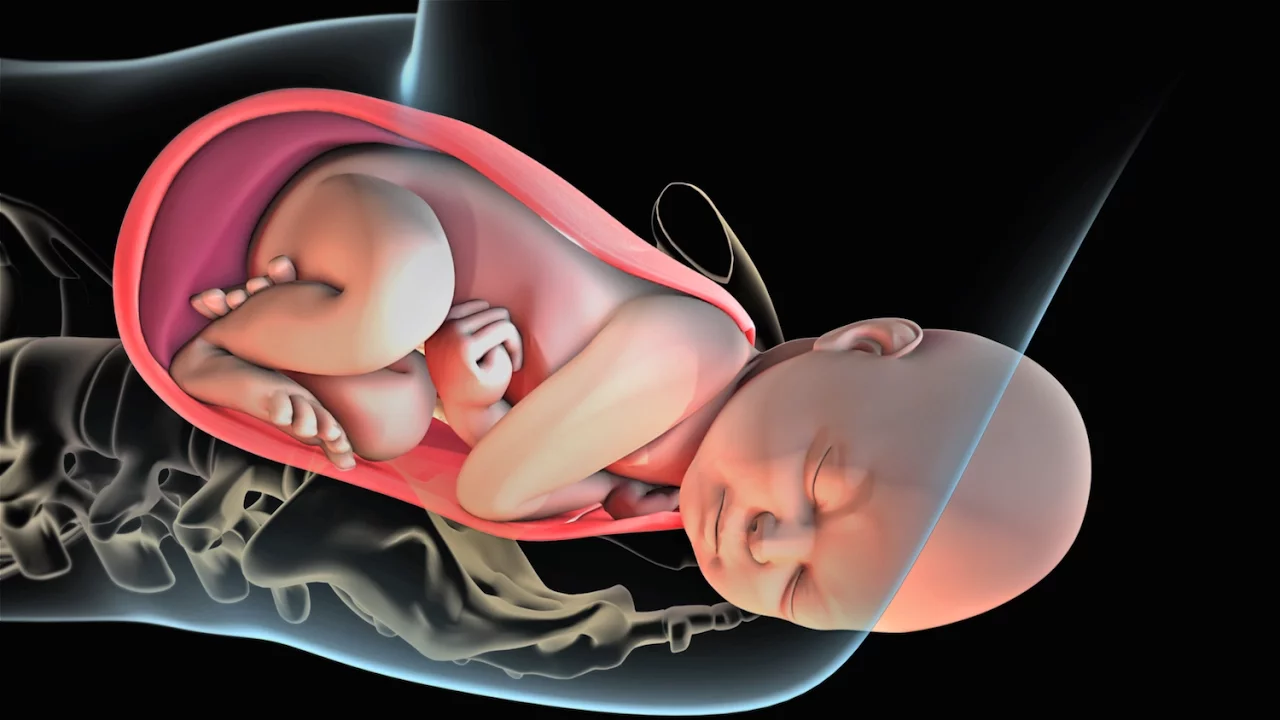
Stages of Labor and Vaginal Birth | Childbirth Animation
@nucleusmedicalmedia
52.1M views•2017-08-18
Related Study Plans & Knowledge Roadmaps
Structured learning paths in Medicine