








!["Cities Of Smog [Air Pollution] | Late Lessons From Early Warnings 2:8" [LQ] (2006) 🏭](https://i.ytimg.com/vi/1kKGfyc65mA/sddefault.jpg)







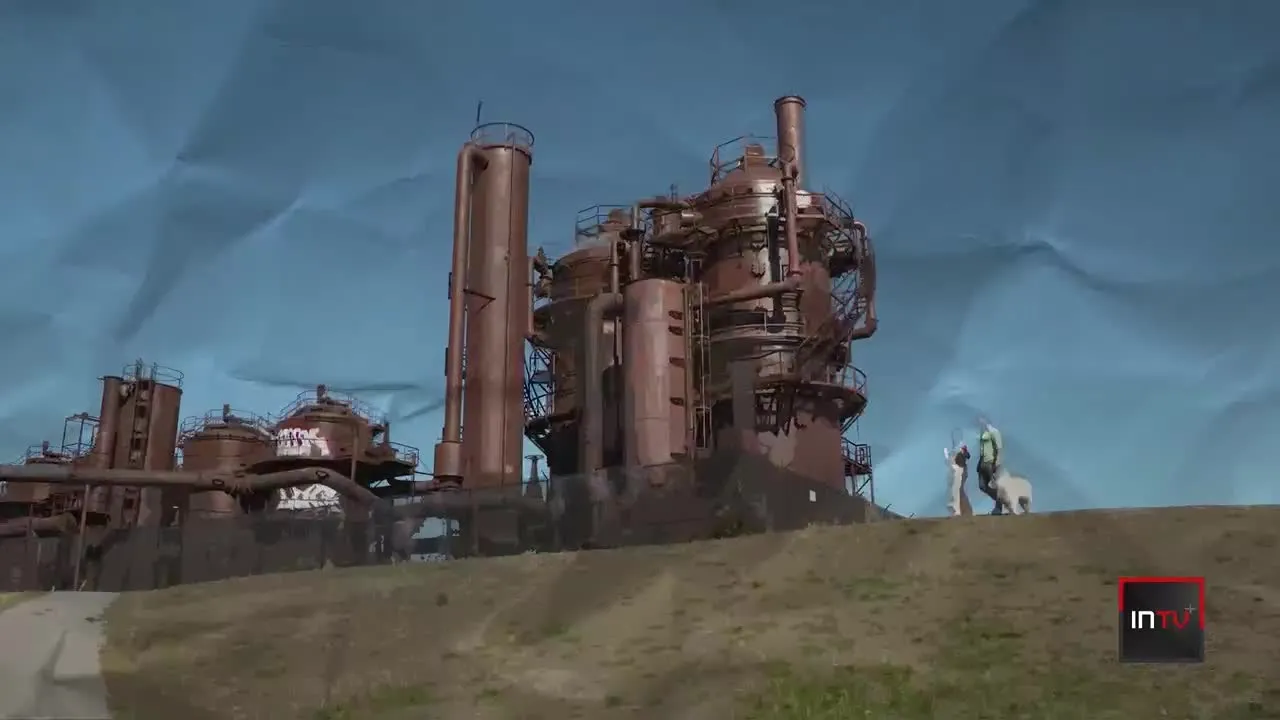





Smokestacks evolved from simple household chimneys used to expel smoke from homes since Roman times into towering industrial structures essential during the Industrial Revolution for dispersing factory emissions high into the atmosphere, but have since declined as cleaner energy sources like natural gas replaced coal, leaving behind iconic architectural remnants that symbolize both industrial progress and environmental challenges.
The Rise and Fall of America's Smokestacks: Urban Legacy
Added:The history of the First and Second Industrial Revolutions, particularly the shift from agrarian to manufacturing economies in the United States.
Basic thermodynamics and the role of coal-fired steam power in driving early industrial machinery and factories.
The concept of rapid urbanization in the 19th and early 20th centuries, which concentrated industrial sites near growing labor pools.
Early public perceptions of industrial emissions, where smoke was historically viewed as a symbol of economic progress and prosperity rather than pollution.
The field of Industrial Archaeology, focusing on how abandoned manufacturing structures are documented, preserved, and structurally assessed.
The socioeconomic impacts of deindustrialization, particularly the rise of the 'Rust Belt' and the decline of manufacturing-dependent urban centers.
Brownfield reclamation and adaptive reuse, exploring how historic factory sites are cleaned up and converted into public parks, museums, or residential spaces.
Environmental justice and the long-term public health legacies of industrial pollution in historically marginalized urban neighborhoods.
136.2K views3.5Klikes22:21Original Release: 2023-08-19
I've always felt that the smokestacks looming over American cities create a sense of grit but also Nostalgia as they rapidly disappear they remind us of a time when our grandfathers made their way in the world Paving forward the path that we now follow compare the skylines of almost any major American city during the turn of the 20th century and now and it becomes quite obvious that the visual Legacy their visual Legacy is fading away but what exactly is the story behind these smokestacks what purpose did they serve and what remains join me to find out because today we discover the rise and fall of America's smokestacks I'm your host Ryan sokash and you're watching its history [Music] for obvious reasons harnessing the power of heat has always been on the mind of human inventors one particular problem of that has been figuring out just how to keep the heat within a home people would have fires inside their houses to generate heat but the inevitable smoke that comes off a fire became another problem initially people would just let the smoke sit in their homes where it would slowly Escape through windows or open doors the early precursor to chimneys could be found in the Roman Empire where larger homes had pipes built into the walls that let out smoke which had built up within during the Middle Ages the first historical accounts of chimneys appeared as several famous buildings were said to have had them such as the connersburg castle in Yorkshire but it can be difficult to establish the precise history as many buildings which may have had chimneys were lost to the elements for example we know for a fact that the famous 1347 earthquake of Venice Italy damaged chimneys but we don't know if perhaps even older structures may have just been lost outright well there are instances of buildings being constructed with vents during the Middle Ages it's not to say that they were expected as they were largely inefficient these chimneys were usually connected to the central fireplace in a home used for cooking due to location a standard chimney would not evacuate all the smoke typically only homes were buildings owned by upper class society would have had actual chimneys it wasn't until the 18th century that household chimneys became commonplace due to different scientific understandings of how smoke operates and the better overall development of fireplaces Louis savit a physician in Paris France started to develop fireplaces and chimneys which were more narrow in Design This allowed for a much easier flow of smoke out of the house then in 1740 Benjamin Franklin invented the Pennsylvania fireplace which was followed by the Franklin stove many years later these devices reduced the fuel needed and hence the smoke created the transition of using bricks to build chimneys as opposed to Wood also led to far less dangerous fires and more chimneys being widely implemented in England in 1753 Benjamin Thompson more commonly known as count Rumford made a groundbreaking scientific discovery that found that heat and smoke were not fluids like initially thought it was observed that they naturally rise upwards due to being less dense than oxygen count Rumford also revolutionized chimneys by incorporating them into the walls of homes rather than an attached structure on the outside along with other Innovations and so it was for almost 150 years the Rumford design of fireplaces and chimneys was widespread across Europe it wasn't until other heat sources became prominent that chimneys find and mainly became a decorative feature of homes but it wouldn't take long for them to reappear and in a major way once the Industrial Revolution took the World by storm in the 19th century the role of the chimney would then reappear but this time as the smokestack the Industrial Revolution was one of the most influential periods in human history permanently changing Society in numerous ways this era saw a massive shift from agriculture to manufacturing it was a period of exponential economic growth alongside rapid and accelerating technological and scientific developments this then also led to many societal and cultural changes the rise of the middle class and the growth of the industrial city the Industrial Revolution also marked the beginning of Western dominance on a geopolitical scale and many credit this as the start of the modern era one of the most stereotype typical aspects of the Industrial Revolution is the continual line of new technologies invented such as Steam Engines railroads the light bulb and many more indeed other Technologies existed before the Industrial Revolution but experienced significant advancements in their designs such as textile producing machines firearms and different armaments but for the sake of our story the smokestack is a prime example might I say an icon of the time as we looked at before chimneys were not a common household feature meant to expel smoke from the home still now during the Industrial Revolution we see enormous iterations taller than many buildings attached to factories or power plants rather than the everyday household these new structures called smokestack Industries or just smoke stacks are made of brick or steel and their purpose is to release the byproducts of fuel or fire combustion from furnaces is high up in the air and away from humans at the start of the Industrial Revolution coal powered many Industries making Smoke Stacks a crucial part of most factories furthermore smokestacks played a vital role in the combustion of fossil fuels where furnaces produced steam to Power electric generators they aided in ore smelting or facilitated separation and Refinery processes these cylindrical Stacks served two primary purposes enhancing the inflow of combustible air and separating potentially harmful exhaust Gases such as carbon dioxide and pollutants from ground level emissions during progressively larger industrial operations smokestacks often employ the so-called stack effect where the significant difference in temperature between the lower interior and exterior of the stack contributes to a boosted airflow rate as the gases exit these Stacks were usually very tall towering over most buildings on the city's Skyline early on cities like Manchester or Birmingham and England were known to house numerous Smoke Stacks in the U.S Pittsburgh is where the smokestacks were often the tallest structures in the entire area there is a particular reason for this though and that is to minimize pollution as much as possible you see the smoke Stack's height spreads the pollution over a much larger area reducing the impact these toxic chemicals known as flue gases are discharged during the combustion of hydrocarbon based fuels like coal oil or natural gas these flue gases usually come from a boiler where combustion occurs in a particular Factory or power plant and what's produced as smoke well that depends on the fuel burned among the harmful pollutants present are nitrogen oxides sulfur oxides carbon dioxides carbon monoxides and particulate matter which can be very dangerous is to the environment to mitigate their effects various methods are employed to remove as much of these pollutants as possible before releasing the gas into the atmosphere these days technology within a smokestack like wet and dry scrubbers and electrostatic precipitators can eliminate up to 99 percent of specific pollutants along with these methods some factories aim to build their Smoke Stacks at an extremely high altitude this would take advantage of higher wind speeds at higher elevations allowing for better disbursement of gases and reducing the concentration of harmful substances in a given area furthermore building Stacks taller than the inversion layer facilitates a more effective distribution the inversion layer is an area within the atmosphere where warmer air lies above colder air and by releasing the gases at this height they're prevented from immediately falling down and polluting the nearby area the inversion layer is often most accessible at night when the cold ground chills the air leaving a warmer sheet above still the inversion layer may be hundreds of feet tall meaning Smoke Stacks must be built to meet those requirements however it must be said that smokestacks haven't solved everything because of their often immense height they can represent a flight Hazard for aircraft especially at night which is why many smokestacks are fitted with lights to warn low-flying planes or helicopters and despite the benefits of dispersing the pollutants over a considerable distance this alone doesn't prevent pollution caused by the power plants the pollutants often cause issues downwind such as acid rain not to mention that simply scattering these gases across a long distance sometimes increases the overall area affected for example the infamous Great Smog of 1952 in London resulted in numerous direct and indirect fatalities estimated to be around 12 000 individuals furthermore a recent investigation focusing on children below one year of age were those whose mothers were pregnant during the Great Smog revealed an increased incidence of asthma by approximately 20 percent as was mentioned before one of the foremost characteristics of the Industrial Revolution was the endless supply of ever-changing Technology well this concept saw the mass production of smokestacks and factories or power plants worldwide It ultimately saw their decline with the gradual switch to Natural Gas meaning that smoke stacks were less necessary many of these massive smokestacks still populate the skylines of countless cities and many of them are still in use so now let's have a look at what's been lost and what remains New York City was one of the cities in the United States with many notable smokestacks well England was the center of the Industrial Revolution once it began as it unfolded on on a global scale the United States became an industrial Powerhouse within its own right and cities with extensive infrastructure like New York took advantage of this worldwide Trend therefore throughout the last century New York has featured several prominent Smoke Stacks but as they did worldwide their necessity declined as other fuel sources were explored nowadays the famous smokestacks that still stand in New York City have become a point of controversy this can be seen in the Ravenswood Generating Station and the Inwood incinerator smokestacks perhaps the most memorable smokestacks are The Four Towers looming over the Queen's Waterfront these belong to the Ravenswood Generating Station the city's giant power plant aside from their apparent height what makes them so Unforgettable is their red and white paint design which makes them resemble candy canes the station sits directly across from the Queensbridge houses which is the largest public housing development in the country Tree in fact they're also visible from the East River in Midtown Manhattan despite its history residents environmental activist groups and some City politicians have been rallying to remove these smokestacks accusing the entire power plant of being one of New York City's biggest polluters a 2019 study from the Environmental Protection Agency has alleged that these four smokestacks omit 1.2 million tons of carbon dioxide constituting almost five percent of all electricity sector emissions in New York some also blame the unhealthy air on the power plant pointing to the 360 tons of nitrogen oxides and his release but it's rather controversial to go after the plant as on the other hand the Ravenswood Generating Station is a massive power plant that provides crucial energy for New York City and employs many of the surrounding population the power company which owns the plant has also asserted that they have made efforts to transform it into a cleaner energy Hub and have already shut down most of the plants dirtiest units coupled with the candy cane-like smokestacks being somewhat of a monument it is likely to be a long time before the Ravenswood Generating Station is torn down several of New York Smoke Stacks which are being torn down are the Inwood incinerator smokestacks a part of the decommissioned Department of Sanitation Destructor plant these smokestacks have a history going back nearly 90 years you see until the 1930s all the trash in New York City would be dumped into the sea but after the state of New Jersey filed a historic lawsuit against New York claiming that rubbish had polluted their Waters so much that it ruined their beaches and gotten their citizens sick the supreme court ordered New York to burn their trash instead of dumping as a result the department of sanitation's Destructor plant was built on 215th Street near 10th Avenue due to the massive amount of trash produced constantly by the city the plant worked relentlessly incinerating 7 500 tons of garbage daily all the smoke and soot would then be emitted from the three tall Smoke Stacks while this Destructor plant solved the problem of dumping trash into the sea which affected New Jersey beaches it created new problems as unpleasant and harmful Vapors were released into the Skies of New York City it was so unbearable for some residents that one apartment dweller who lived nearby in Park Terrace East attempted to sue the city for 1.5 million dollars only a few years after the plant was constructed the destructor plant continued to burn New York's trash daily for nearly 40 years until in 1970 when Nationwide Trends calling for better air quality and a reduction in pollution saw the city quickly phase out these incinerators eventually land-based dumping grounds or landfills in Staten Island were preferred by the end of the year the incinerators were officially closed down and the workers were reassigned elsewhere well the building remains an administrative headquarters and storage facility for the Department of Sanitation the smokestacks were left as a dormant relic of the past that was until early 2020 when a rather harsh Windstorm damaged the old smokestacks and fearing that they had become hazardous to the area the department of sanitation decided to tear them down ironically while the smokestacks were often seen as harmful to the community when they were in use the neighboring towns began to hold them in a different regard once they were decommissioned viewing them as characterizing landmarks of the region and then there were others Who Loved These smokestacks due to the resemblance of the cover of Pink Floyd's 1977 album animals and hence as a result many residents were sad to see them go New York City has had a unique relationship with the smokestacks that only a few other City cultures have but not in the way you may expect you see New York City is stereotypically known for attractions like the Empire State Building Times Square Statue of Liberty and services like taxis and bodegas but another unique feature are those orange and white tubes covering manholes which pump out clouds of white steam that are found on countless New York street corners commonly referred to as smokestacks these iterations are much smaller than their industrial counterparts but they serve a similar purpose in a roundabout way while steam might seem like an obsolete energy source it is still essential to many everyday activities and as a result New York has over 100 miles of service pipes passing steam to approximately 1 800 buildings however one since these scalding hotlines come into contact with colder air or rainwater condensation is produced leading to these mini Smoke Stacks we can now admire on some occasions they've even taken on cultural relevance as Street artists offer their decorations at other times they've gone as far as building sculptures around these mini smokestacks this case is not unique to New York City in fact the situation over in Chicago was very similar like New York Chicago was one of the major American cities that experienced an exponential manufacturing boom during the Industrial Revolution and just like New York there have been many factories and power plants that utilized smokestacks however these chimneys don't seem to have had as big of a cultural impact on Chicago as compared to New York that being said several notable smokestacks have been towering over the windy city for the better part of a century the story of smokestacks in Chicago mirrors that of New York and cities worldwide witnessing their immense rise as a necessary method to relieve smoke or other harmful gases from factories and plants only to see their purpose gradually decline as Society shifted towards other energy sources unfortunately here smokestacks generally have a negative connotation even after their discontinuation and this is the most significant difference between the smokestacks of New York and Chicago casing in point the controversial Crawford power plants smokestack built in 1924 Crawford Generating Station was the largest coal-fired power plant in the city providing power to all of Chicago located in the South Lawndale neighborhood it remained in operation until 2012. after a long conflict with environmental groups it was closed down alongside its neighbor the Fisk Generating Station and then by 2019 the demolition process began with the most recent controversies surrounding the plant unfolding in 2020 when the sole remaining smokestack was being demolished with a series of controlled explosions the base of the smokestack was blown apart sending the entire 400 foot tall tower tumbling down epically unfortunately this generated an enormous smoke cloud which then enveloped the surrounding town of Little Village on the west side of Chicago residents were rightfully Furious is that such an oversight was allowed and that they were exposed to many potentially harmful materials in the air to make matters even worse the implosion occurred in March of 2020 right before the covid-19 pandemic hit the city of Chicago causing even further complications for Citizens with breathing issues this whole incident has been criticized for the incompetence of many within the local government who were accused of being aware of the possible health concerns before the scheduled Demolition and with that being said there is one more famous Chicago smokestack we need to discuss here but for more positive Reasons I'm talking about that giant red brick smokestack next to the Mayfair pumping station at 4850 West Wilson Avenue is a massive red brick chimney notably visible from the Kennedy or Edens expressways the history of this facility dates back as far as the late 19th century as Chicago continued to grow as a city creating the need for an organ sized water distribution system to pump water from the Chicago River many plans were devised and construction began in 1913 but it wasn't until five years later that the Mayfair pumping station was officially opened this pumping station was so revolutionary for its time that similar stations were built around the world replicating mayfair's design one of the pumping station's defining features includes an eight-mile tunnel that connects Lake Michigan to the main pump room which is 236 by 60 feet and can handle 150 million gallons of water ironically the 180 foot tall Smoke Stack is usually the most distinguishing characteristic of the pumping station to an average Chicago citizen especially those who only see the station as they pass by it on the expressway and yet the smokestack has been out of commission since 1946 having been closed down after internal changes to the vast array of steam pumping engines but at the moment the Mayfair pumping station overall is still in use playing a crucial role to Chicago's water system while its smokestacks May no longer be practical there don't seem to be any plans of demolition hence it shall remain a defining landmark of the city what chimneys and smoke stacks tell us about the past is a story it's a story of social change and evolution by looking at the history of something as simple as a chimney we can witness a long timeline going back thousands of years from a relatively inefficient method of removing smoke from homes to the further technological advancements that brought us the world we know even today as smokestacks are not as essential to production or manufacturing many still stand as simple relics of the past each telling a unique story within themselves and if you have more stories on this topic to add please do so in the comment section below otherwise I thank you all very much for watching and until next time this is Ryan so cash signing off
Up Next

7:32
The Real History of Ice Harvesting in Disney's Frozen
@SuperCarlinBrothers
1.9M views•2016-04-29

12:54
Triumph of Orthodoxy Icon: Byzantine Art & History Explained
@BenCallan
2.1K views•2024-08-06
15:30
The Lowell Mill Girls and the Birth of American Industry
@ITSHISTORY
40.4K views•2025-11-01

1:42
Game of Thrones Opening Credits: A Cinematic Analysis
@gameofthrones
46.3M views•2011-04-18
Related Study Plans & Knowledge Roadmaps
Structured learning paths in General & Interdisciplinary Studies
general-studies
Elevator Engineering: History, Physics & Cities
01From Hoists to Safety Brakes: The Dawn of Vertical Lift
02Hydraulic vs. Traction: The Engineering Physics of Elevators
03Modern Speed, Safety, and Algorithms
+ 2 more learning modules
12h5 modules
Explore Roadmap
general-studies
Rubber: Material Science, History & Geopolitics
01Origins of Natural Rubber & Mesoamerican History
02The Chemistry of Natural Rubber & Vulcanization
03The Geopolitics of the Rubber Boom & Colonization
+ 2 more learning modules
12h5 modules
Explore Roadmap
general-studies
Containerization: Evolution, Logistics & Trade
01Ancient Trade & Bulk Cargo: Amphorae to Barrels
02The Industrial Revolution & Cardboard Packaging
03The Containerization Revolution: Malcom McLean
+ 2 more learning modules
12h5 modules
Explore Roadmap
general-studies
Textile Tech: Evolution, Labor & Global Impact
01Pre-Industrial Textiles: Handloom & Cottage Industry
02Mechanization: The Spinning Jenny to the Power Loom
03The Factory System & Global Labor Transformation
+ 2 more learning modules
10h5 modules
Explore Roadmap