


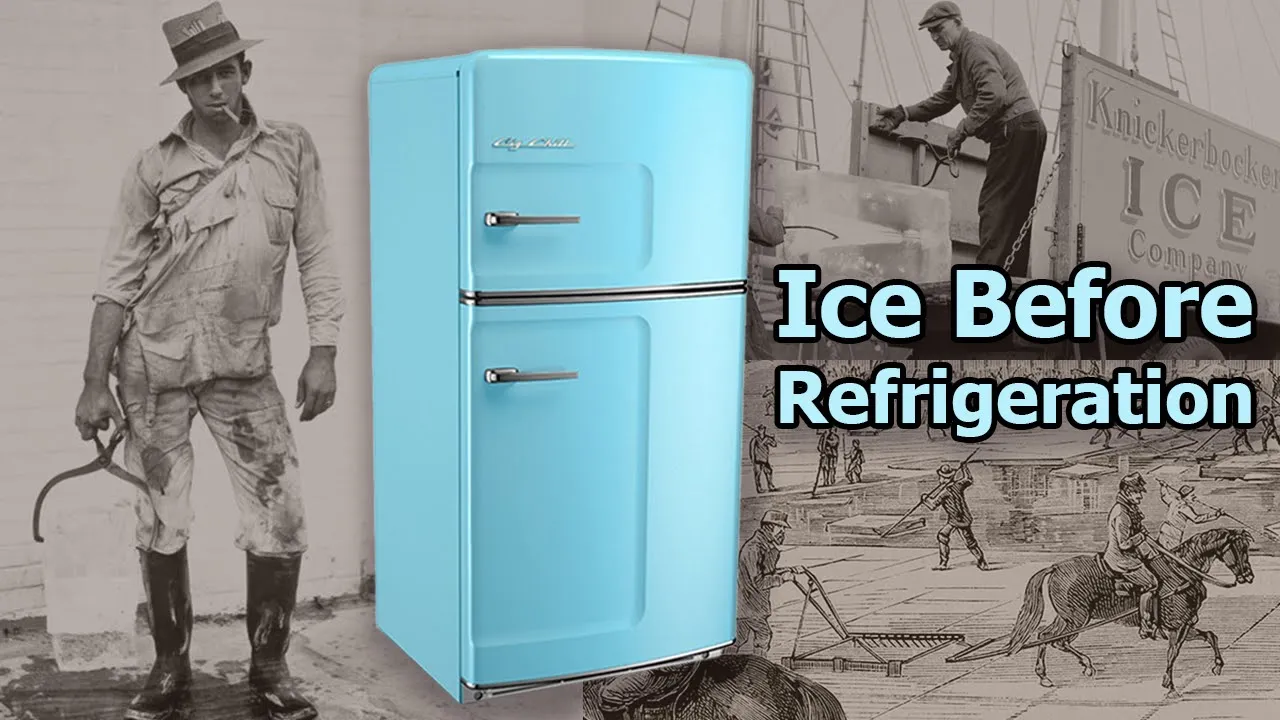


















In the early 19th century, Boston entrepreneur Frederic Tudor pioneered the commercial ice trade by harvesting clear ice from New England ponds and shipping it to warmer regions like the Caribbean, using sawdust insulation and innovative marketing strategies; this trade flourished until refrigeration technology made it obsolete, demonstrating how resourcefulness and market insight can transform a natural phenomenon into a profitable global business.
The Real History of Ice Harvesting in Disney's Frozen
Added:Understanding of life and food preservation methods in the pre-industrial era prior to the invention of mechanical refrigeration.
The historical and economic context of the early-to-mid 19th century, particularly regarding manual labor and trade routes.
Basic familiarity with the geography and climate of Scandinavia (the setting of Arendelle) and how freezing winters enabled ice harvesting.
The rise of Frederic Tudor, the 'Ice King,' and the globalization of the New England ice trade to South America, India, and the Caribbean.
The engineering principles behind 19th-century ice houses and the physics of insulation using sawdust, straw, and double-walled construction.
The technological shift from natural ice harvesting to artificial ice production and the subsequent development of household electric refrigerators.
A critical study of historiography in cinema, examining how Disney adapts and romanticizes historical labor conditions for narrative purposes.
1.9M views34.8Klikes7:32Original Release: 2016-04-29
- Hey brother, J may not know this about me, but I really like to make ice, specifically really clear ice.
So go and run to your fridge really quick and get a glass full of ice cubes.
And I guarantee you can't see through them.
Recently, I was watching Frozen like plenty of other 26 year old guys in April.
And something about the opening scene caught my eye.
Mainly they have really clear ice, but also what are they even doing for a movie that seems to mostly like revolve around the fact that the abundance of ice is a problem.
The fact that they're harvesting it, seems a little out of place.
What a bunch of squares, or should I say cubes?
Fair warning, there are going to be a lot of ice puns in this video, so just go ahead and chill.
(upbeat music) ♪ Hey brother ♪ Why would you ever want to harvest ice?
Why do they need so much of it?
Is ice sculpting like a huge thing in Arendelle?
Actually no, chances are that ice is not even meant for the people of Arendelle.
It's meant to be used as an export to bring wealth to the kingdom of Arendelle.
So maybe that makes sense, but wait, who is buying that much ice?
Let me pose a challenge to you.
Imagine for a second, that you have never had an ice cold drink before, crazy, right?
Well, maybe unless you guys are in the UK.
Warm beers, are you kidding me?
America!
But alas, the world has not always had refrigerators and therefore it hasn't always had the ability to produce commercial amounts of ice from anywhere.
Fact, all of the ice in the world used to come from Austin.
Well, at least the ice people were using to cool their drinks anyway.
So obviously ice is going to occur anywhere in the world where it's cold enough for it to freeze, but it takes quite the innovative mind to look at all those kids out there, ice skating on this big frozen body of water and see that it could be a profitable resource.
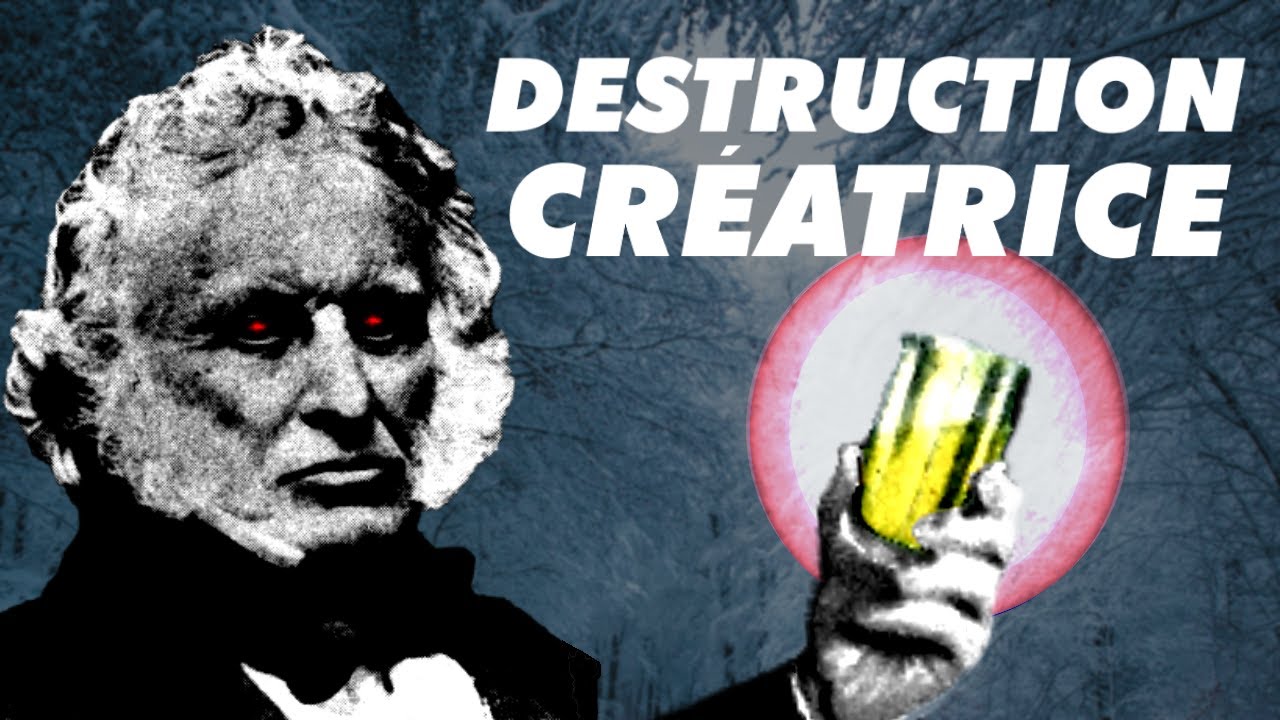
That innovative man was Frederic Tudor, AKA the Ice King.
So move over Elsa, sure you can shoot ice from your fingertips, but did you invent putting ice in drinks?
I didn't think so.
Or to be fair, you do make really clear ice.
Is that because you're using water vapor from the air that doesn't have any contamination in it?
Because I've tried to recreate that using my reverse osmosis deionization water purification system, but I'm just not getting the results.
Guess that's not as good as magic.
Frederick Tudor was a Bostonian in the 18 hundreds that in 1806 founded the Tudor Ice Company after visiting the Caribbean and thinking to himself, man, these people really need ice.
And the idea seemed like it had a lot going for it.
The ice itself was free, so all you had to do was pay for the labor to harvest it.
Shipping was cheap, because many ships were already leaving Boston with the intent of returning with cargo from the West Indies.
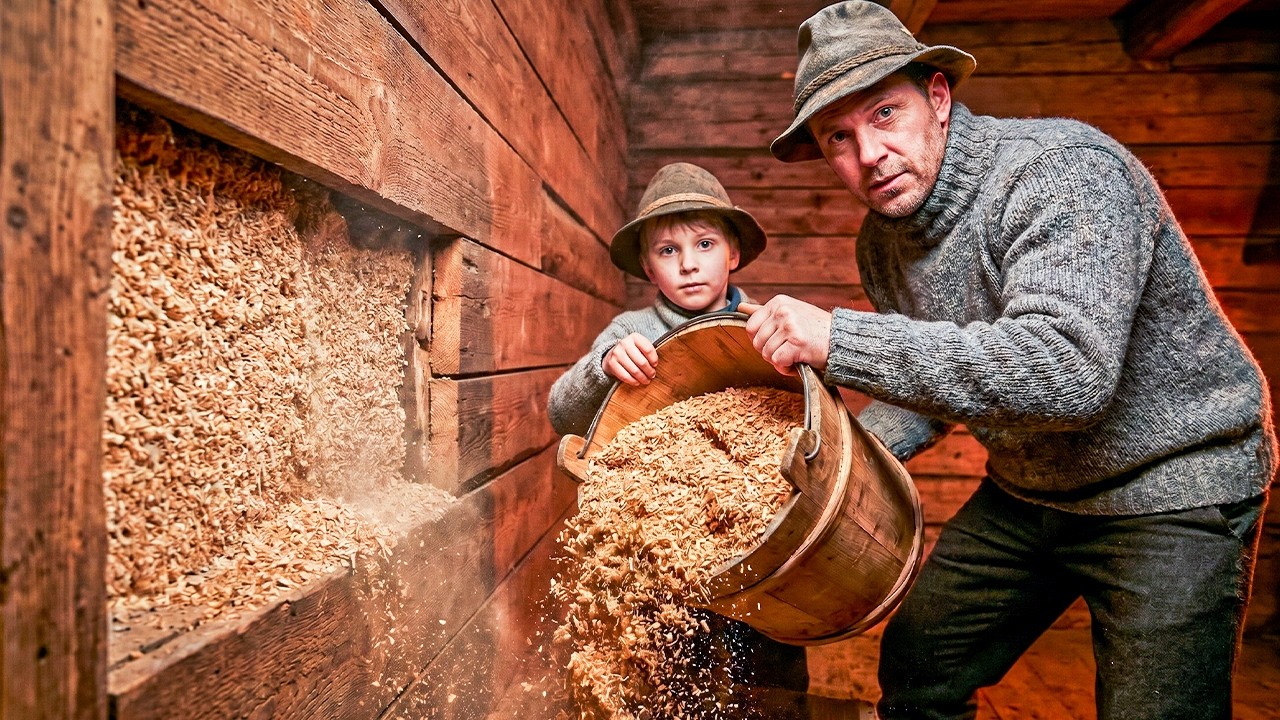
And he discovered an easy way to insulate the ice during transport, by using sawdust, which was free waste from the lumber industry.
Although the sawdust wasn't foolproof, in the beginning only about 10% of the ice yield actually made it to its final destination, just due to melting.
And all of Tudor's friends were just like, dude, that was so much work in the snow for such little profit.
You just need to, ♪ Let it go ♪ To which Tudor was like, yeah, well, ♪ The cold never bothered me anyway ♪ He was a bit of a diva.
But either way win, win, win right?
Ice was cheap and its sold for about ten cents a pound.
That's about $2 a pound today, and ice is not exactly lightweight.
But there were some downsides.
Getting the ice to the destination was one thing but the people of the Caribbean were not exactly equipped to actually keep the ice because I don't know if you've ever been to the equator before, but it's hot.
So the people there were just as ignorant as to what would happen to ice in the heat as Olaf was to snow in summer.
- I'm guessing you don't have much experience with heat.
- Nope.
- They have literally never seen ice before because, how could they have?
Unless some guy up in Boston chopped it out of a pond, shipped it across the sea and brought it to them.
- I'm gonna tell him.
- Don't you dare.
- But all of the logistics aside, that's not the only thing he was up against.
He also had to convince these people that it was better to have your drink with ice in it.
And how did he do this?
Basically drug dealing, sorta.
Once again, imagine you've never had a cold drink before, and then someone gives you one for free.
There's basically no going back.
♪ I'm never going back ♪ - Now you're addicted for life and have to pay your ice guy for all of your cold beverage needs.
Don't worry.
I know a guy.
He meets down by the docks.
Because it's next to the water.
Where they make the ice.
By they, I mean nature.
Turns out this idea worked extremely well.
And his real genius was in the marketing of it because once it caught on it really snowballed.
(Sheriff Woody laughing) Interestingly because the ice trade started in Boston, the New England area started to be known for having the best ice, despite it not being really any different from ice from anywhere else.
And if you want to take it a step further, some specific ponds in New England even started to market themselves as more pure.
For example, Windham Lake, which became famous for being the only ice, the Queen of England would drink.
That is some powerful marketing right there.
Norway actually renamed one of their lakes to Windham Lake to try to cash in on the name recognition.
This meant that on any given day, when the ice was thick enough in New England, you would not only have the Tudor Ice Company out there carving ice out to be shipped all over the world but many other companies with various crews doing the exact same.
It wouldn't even be uncommon for many different companies to be working the same pond.
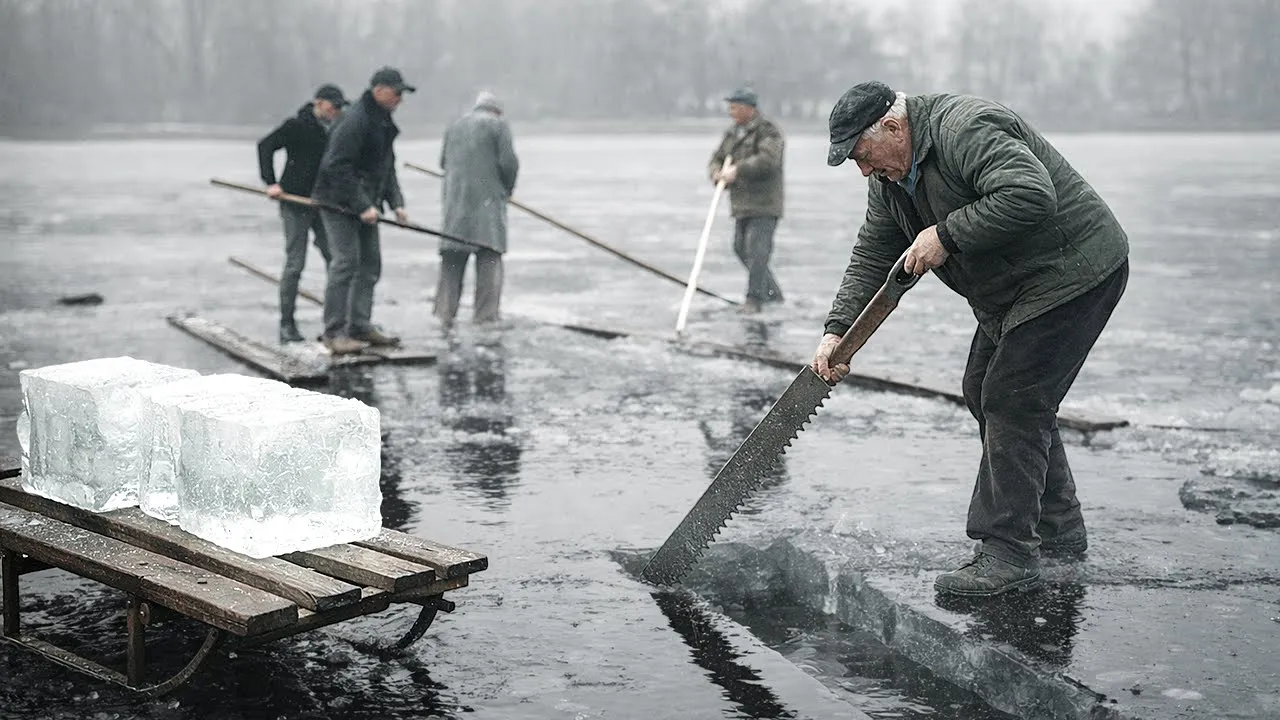
Harvesting ice was quite the process.
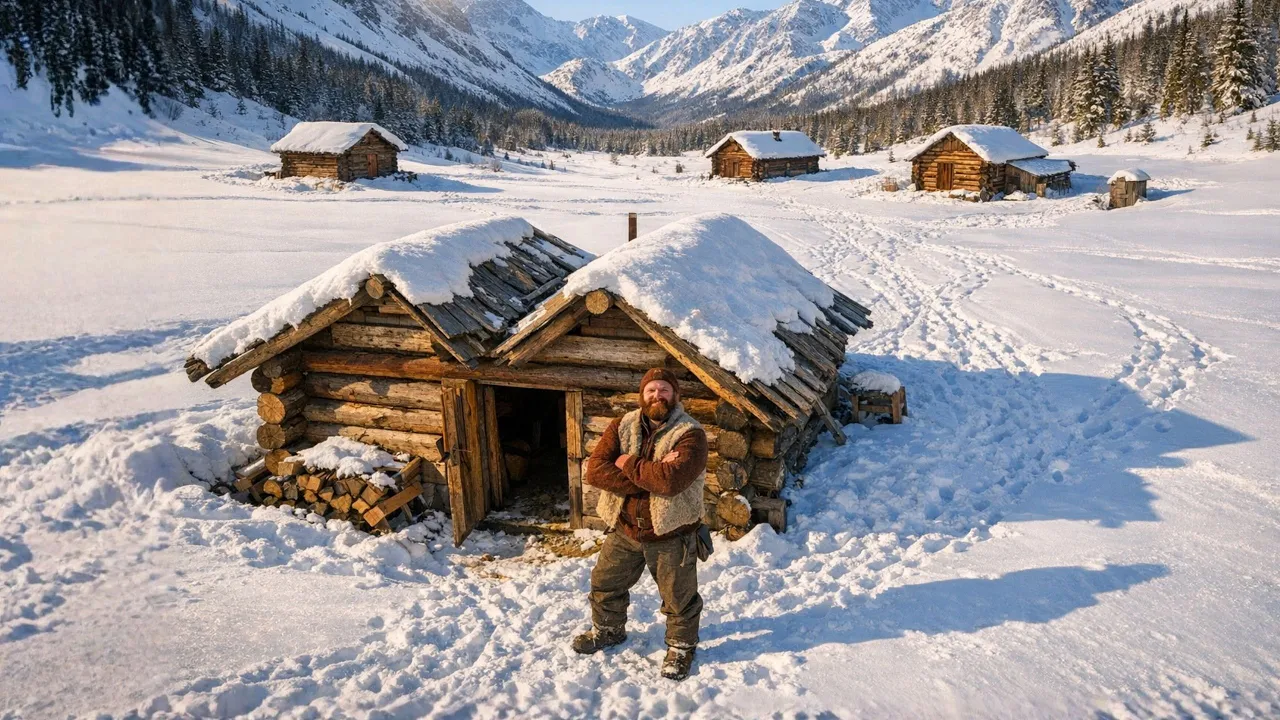
First, it had to be at least 14 inches thick.
Then you would use a horse-drawn plow to carve a grid into the ice.
Then you'd take heavy ice saws and forks and retrieve the individual cubes from the water.
That opening scene from Frozen is actually remarkably accurate down to the spiked horseshoes.
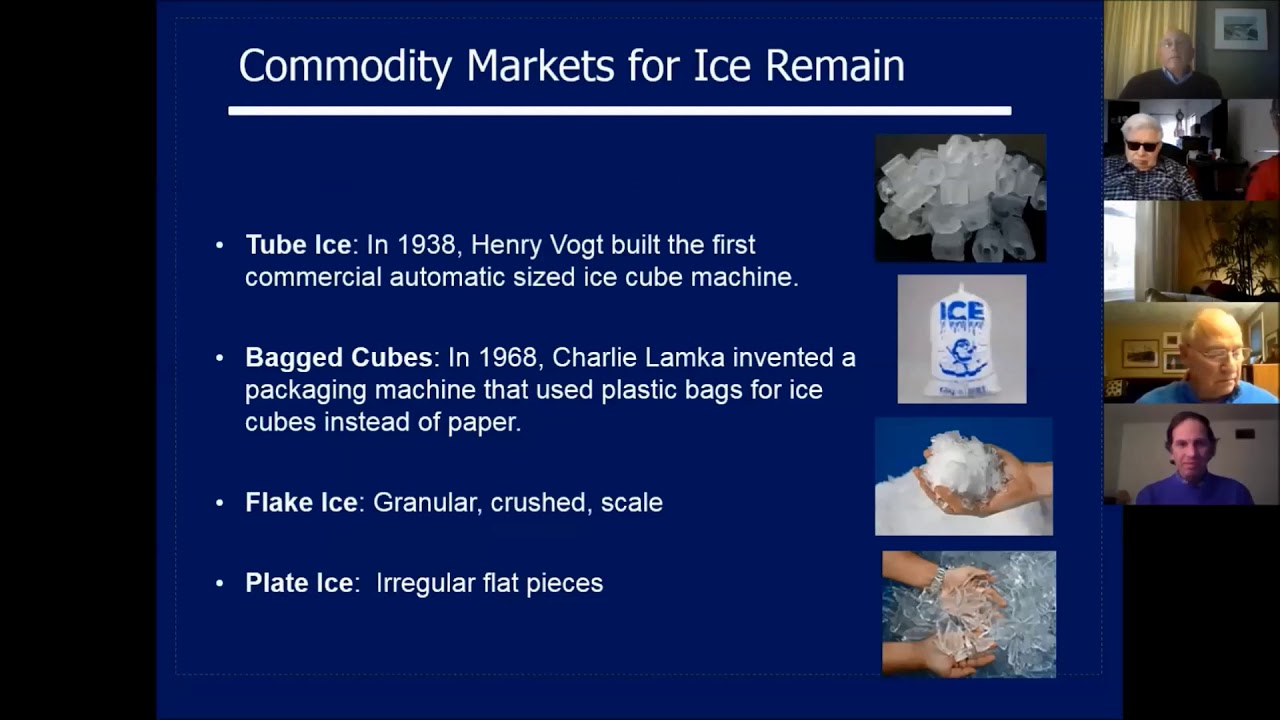
Though, as you may have guessed, the ice tray did not go on to last forever because in the early 19 hundreds, there were the invention of the refrigerator, which made it significantly easier to create ice in your own home.
- You wanna talk about a supply and demand problem.
I sell ice for a living.
- Plus ice was starting to be produced in factories where it was much easier to control the conditions where you didn't have to worry about the outside pollutants coming into the ponds and lakes from the growing surrounding cities.
So today the natural ice trade is all but non-existent, however it continues to live on every single time you put an ice cube in your drink, or watch Frozen.
Honestly, how lame would that opening scene look if Frozen took place in the 21st century?
♪ This icy force, both foul and fair ♪ ♪ Has a frozen harbor of mining ♪ And for my question of the day, what is your favorite song from Frozen?
After researching this video the whole day, mine probably has to be the ice harvesting song.
Also, if you know how to make clear ice, please take a picture of it and tweet it at me @SCB_Ben, follow me on Twitter.
Also, if you would like to learn anything else about the ice trade, we have left links to all of our sources in the description down below.
Finally, I highly recommend listening to the podcast "99% Invisible" episode, 198, The Ice King.
They go into so much more detail and it's a really good listen.
That's it for me, be sure to like this video and subscribe to this channel.
Also, if you would like to see more Frozen content from us, you can click here to see it.
Does Elsa, Google auto-fill, or right here to check out our Frozen theory, which talks about of the Prince of Arendelle.
But Jay, that's everything I got for you today, man, I will see you on Tuesday.
Up Next

9:50
Traditional Kerala Architecture: Nalukettu Home Tour Design
@Buildofy
879.6K views•2023-12-08

26:22
Walking in the City: Urban Rituals and the Flâneur in Contemporary India
@PSBTIndia
1.9K views•2016-08-02

9:49
FastAPI vs Flask vs Django: Choosing the Right Python Web Framework
@TechWithTim
302.5K views•2024-05-26

1:42
Game of Thrones Opening Credits: A Cinematic Analysis
@gameofthrones
46.3M views•2011-04-18
Related Study Plans & Knowledge Roadmaps
Structured learning paths in General & Interdisciplinary Studies
general-studies
Artificial Light: History, Tech & Human Impact
01The Pre-Electric Era: Fire, Oil, and Gas Lighting
02The Incandescent Revolution and Grid Electrification
03Gas Discharge and Fluorescent Illumination
+ 3 more learning modules
14h6 modules
Explore Roadmap
general-studies
Elevator Engineering: History, Physics & Cities
01From Hoists to Safety Brakes: The Dawn of Vertical Lift
02Hydraulic vs. Traction: The Engineering Physics of Elevators
03Modern Speed, Safety, and Algorithms
+ 2 more learning modules
12h5 modules
Explore Roadmap
general-studies
Rubber: Material Science, History & Geopolitics
01Origins of Natural Rubber & Mesoamerican History
02The Chemistry of Natural Rubber & Vulcanization
03The Geopolitics of the Rubber Boom & Colonization
+ 2 more learning modules
12h5 modules
Explore Roadmap
general-studies
Containerization: Evolution, Logistics & Trade
01Ancient Trade & Bulk Cargo: Amphorae to Barrels
02The Industrial Revolution & Cardboard Packaging
03The Containerization Revolution: Malcom McLean
+ 2 more learning modules
12h5 modules
Explore Roadmap