














![Antibiotic Classes: Mnemonic, Coverage, Mechanism of Action [Pharmacology Made Easy]](https://i.ytimg.com/vi/_-UHhkIYht4/maxresdefault.jpg)


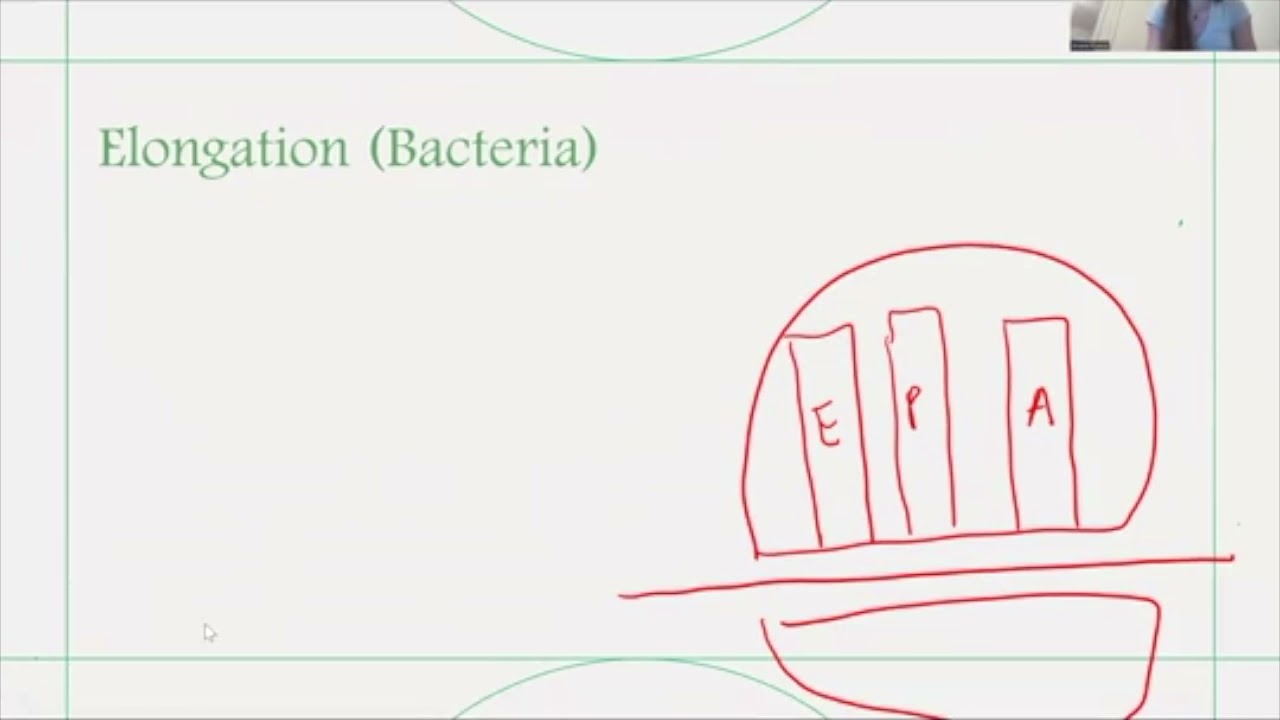
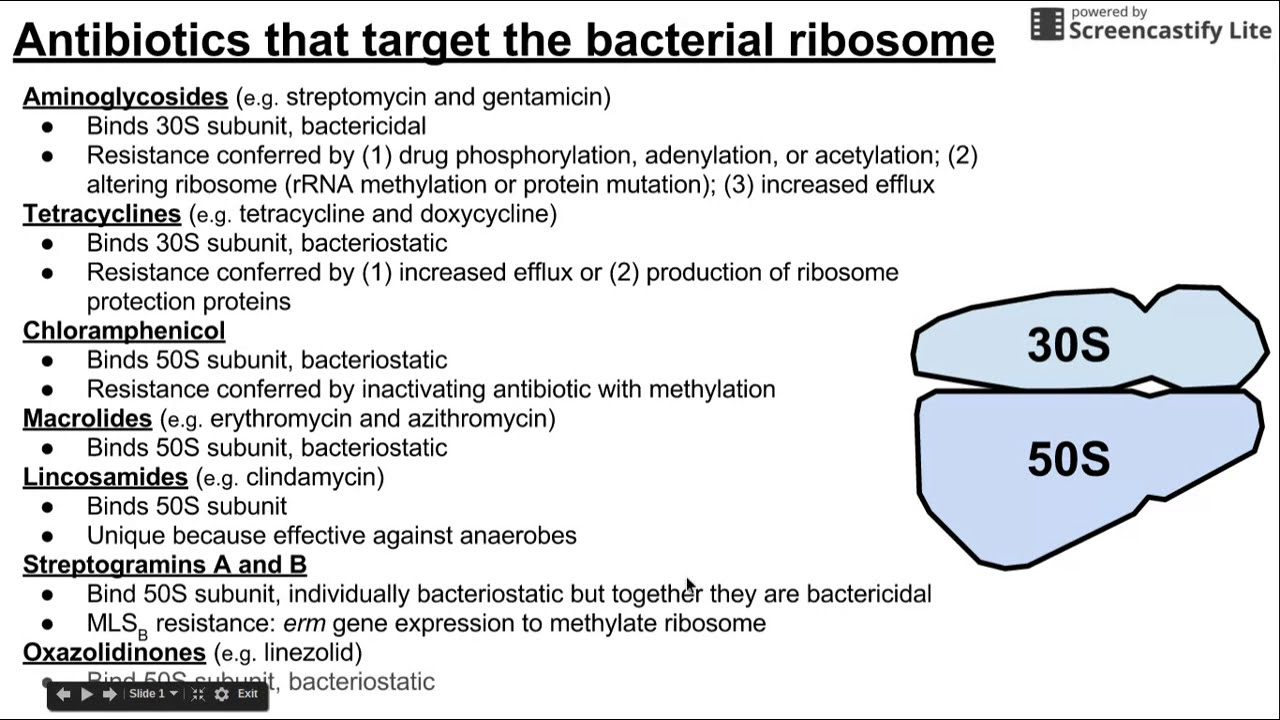
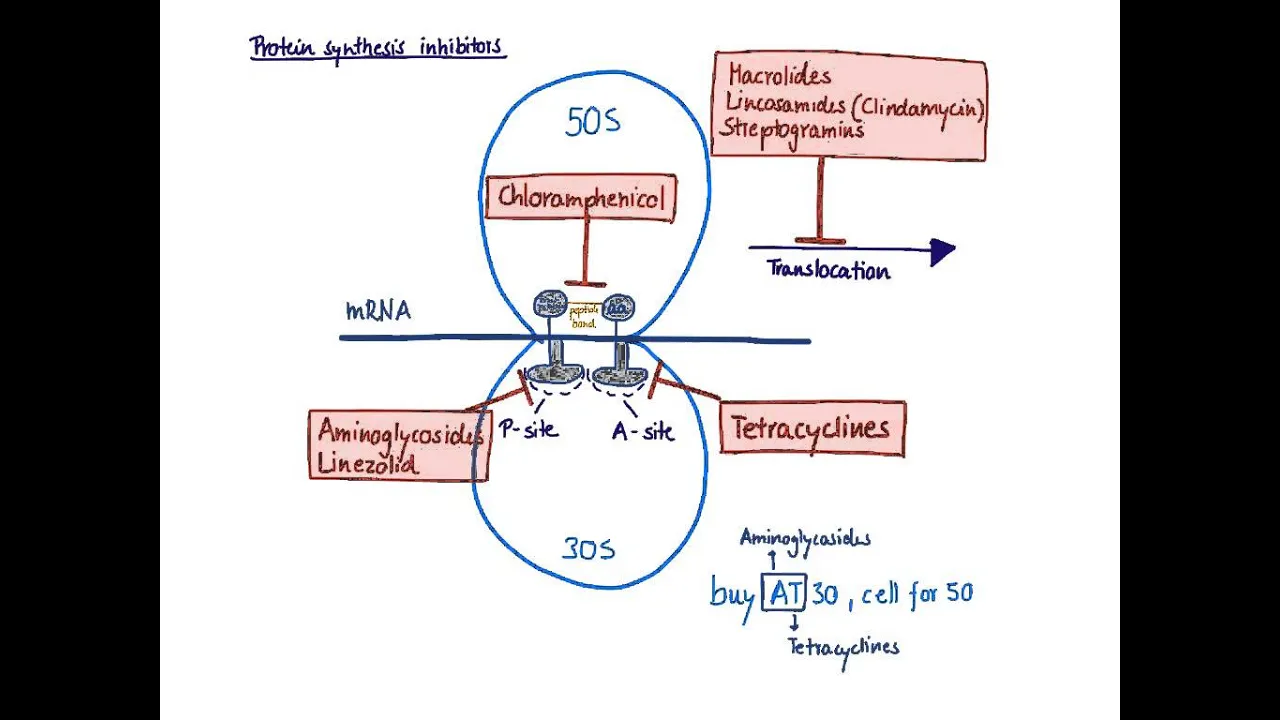
Protein synthesis inhibitors are antimicrobial drugs that block bacterial protein production by targeting the ribosome, which has two subunits (30S and 50S); different drugs inhibit different steps of translation: aminoglycosides block initiation at the P site (step 1), tetracycline blocks the A site (step 2), chloramphenicol blocks peptide bond formation and P→A translocation (step 3), and macrolides block translocation (step 4); all are bacteriostatic except aminoglycosides which can also be bactericidal.
Protein Synthesis Inhibitors Pharmacology | Antimicrobial Drugs Mastery by Dr. Priyanka Sachdev
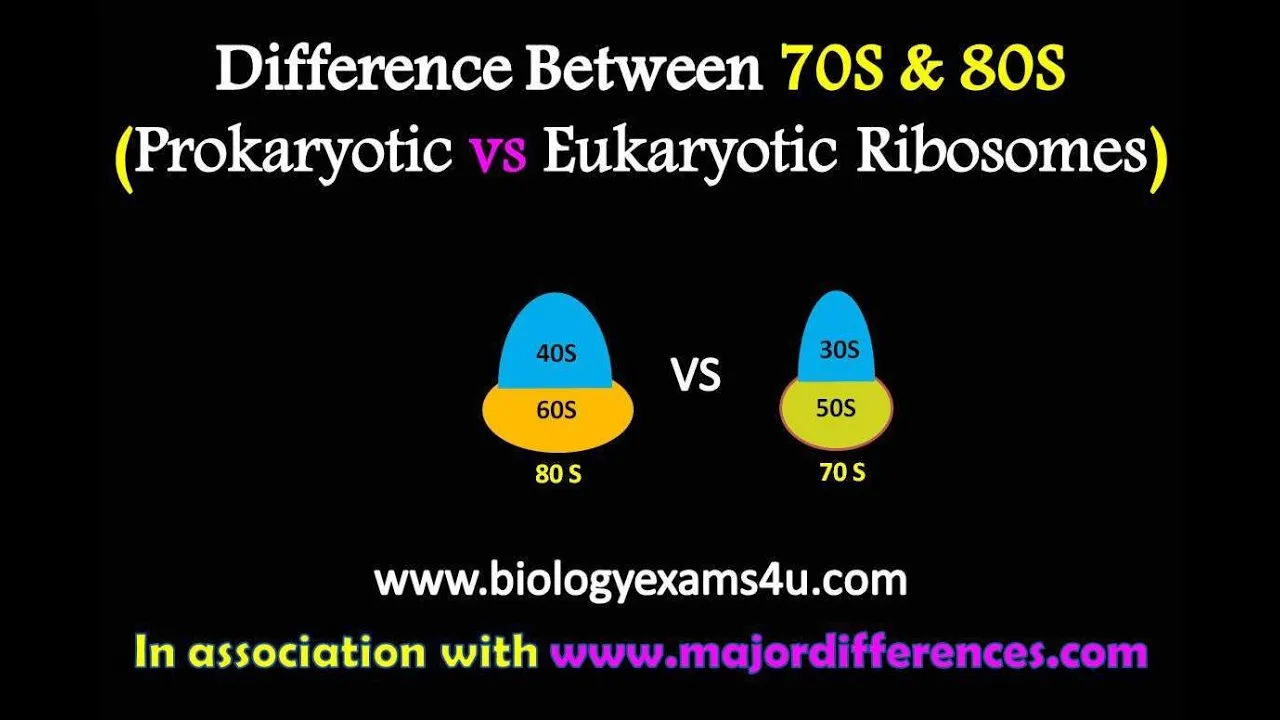
Added:Structure and function of bacterial ribosomes (specifically the 30S and 50S subunits) and how they differ from eukaryotic 80S ribosomes.
The biological process of bacterial translation, including initiation, codon-anticodon recognition, transpepidation, and translocation.
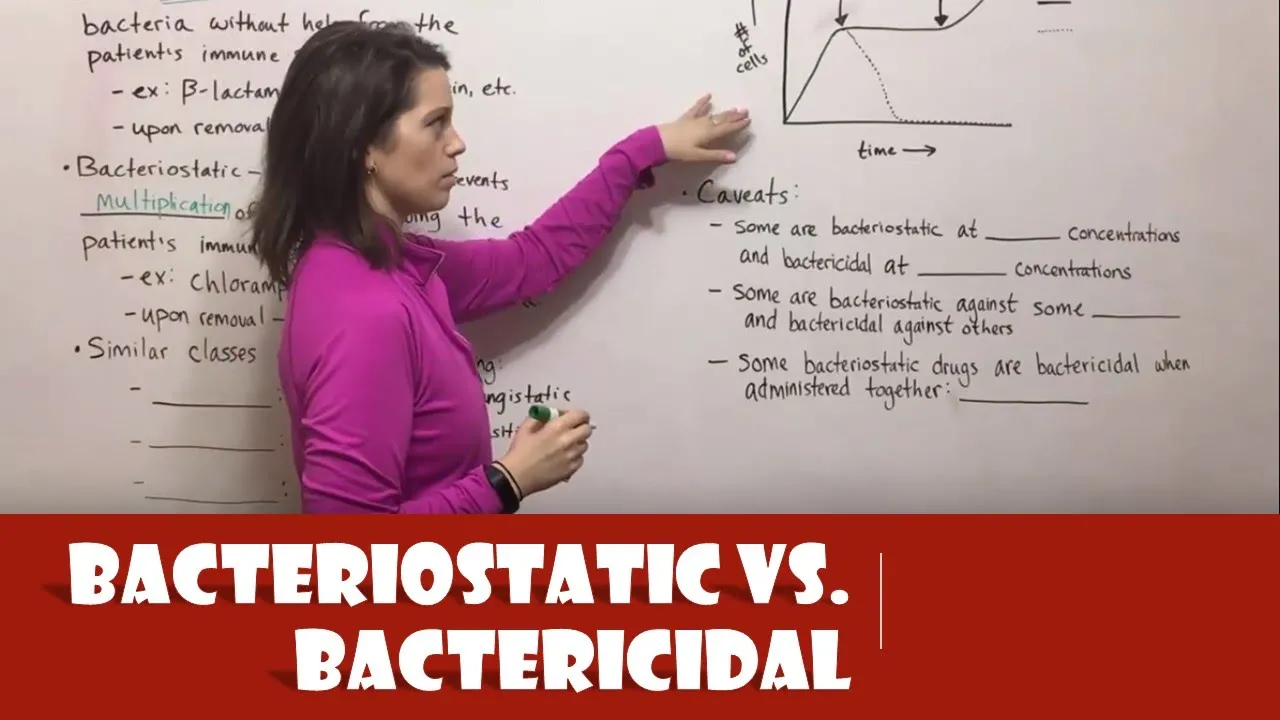
Fundamental pharmacological concepts, particularly the distinction between bacteriostatic and bactericidal drug actions.
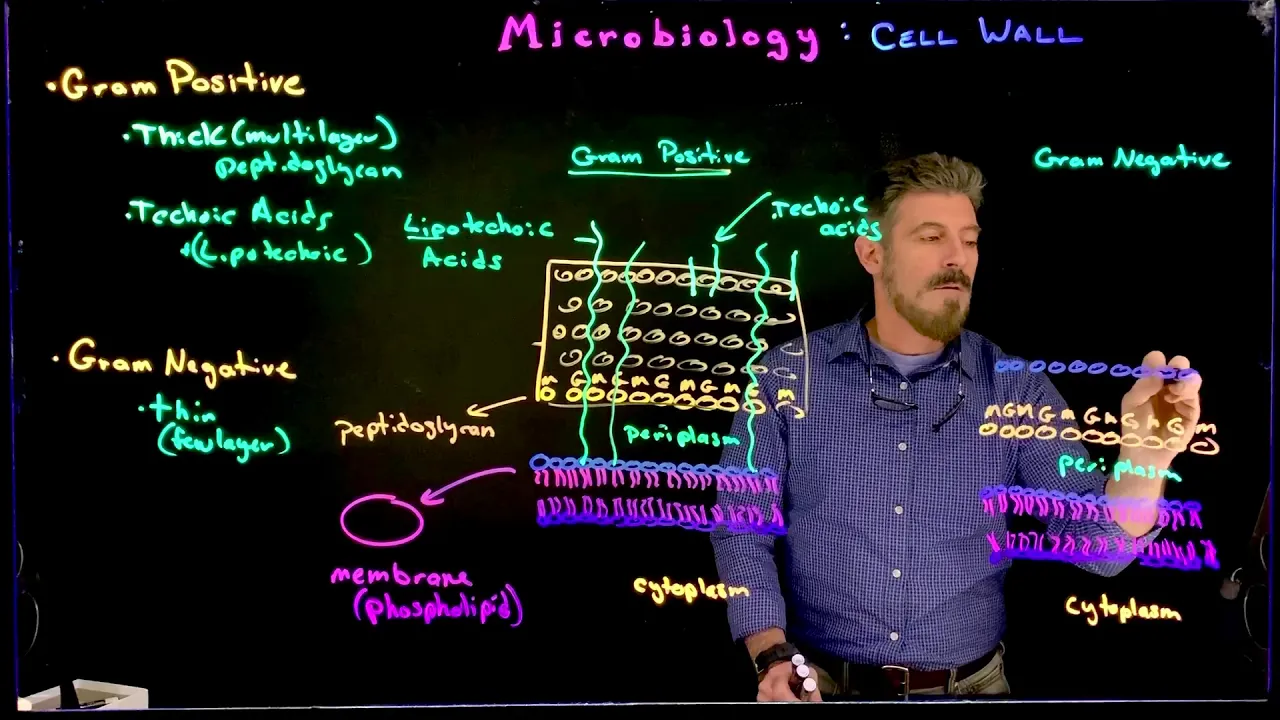
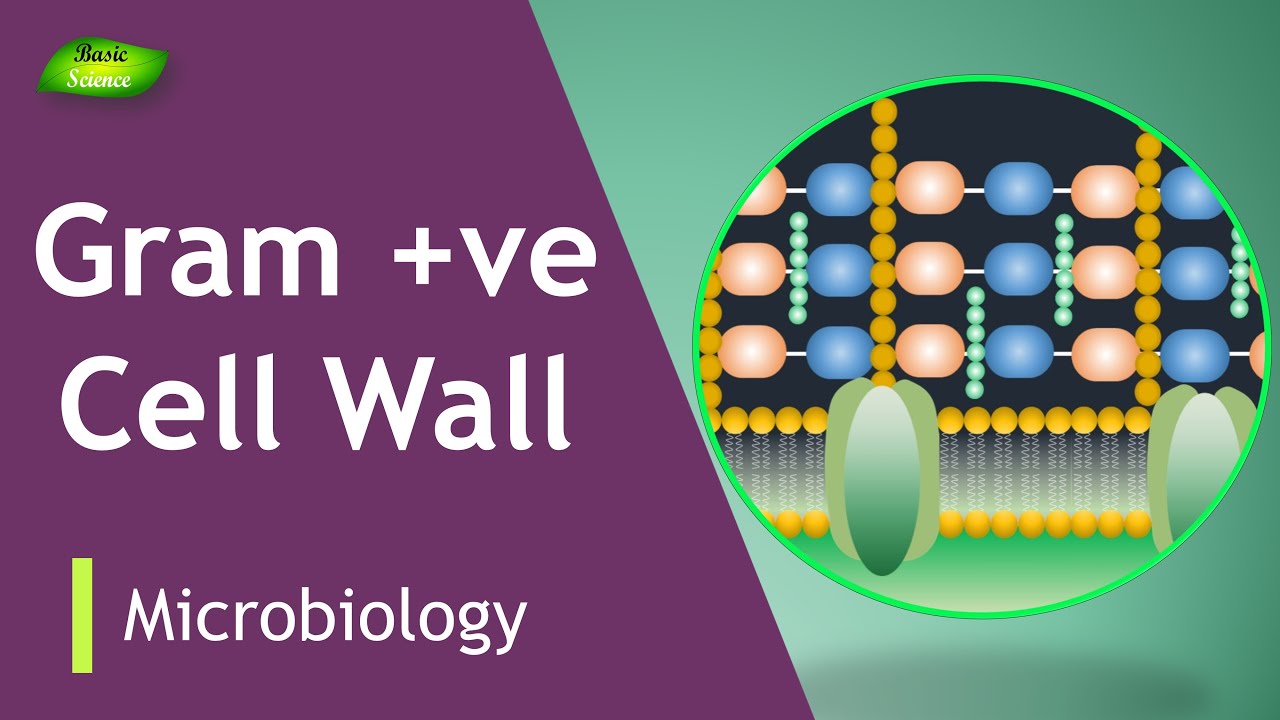
Basic bacterial cell anatomy, including the differences between Gram-positive and Gram-negative cell envelopes, which affect drug penetration.
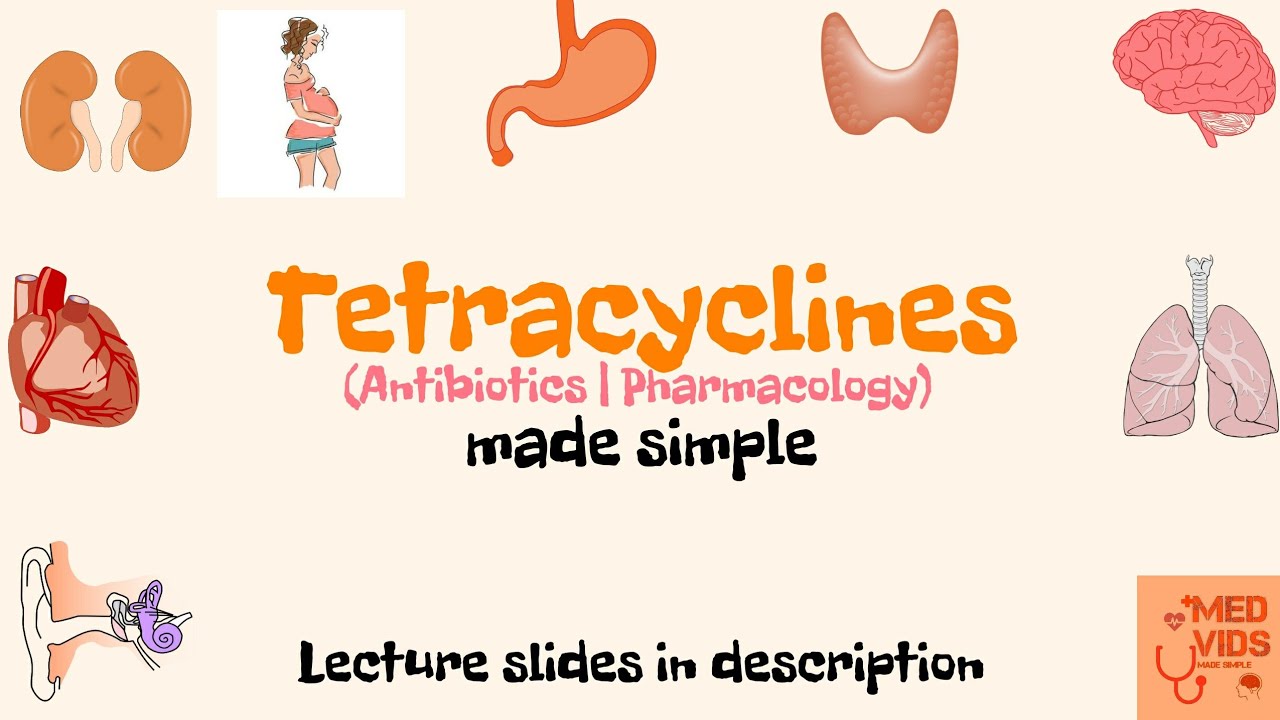
Specific clinical toxicities and adverse drug reactions associated with these classes (e.g., aminoglycoside-induced ototoxicity and nephrotoxicity, or tetracycline-induced tooth discoloration).
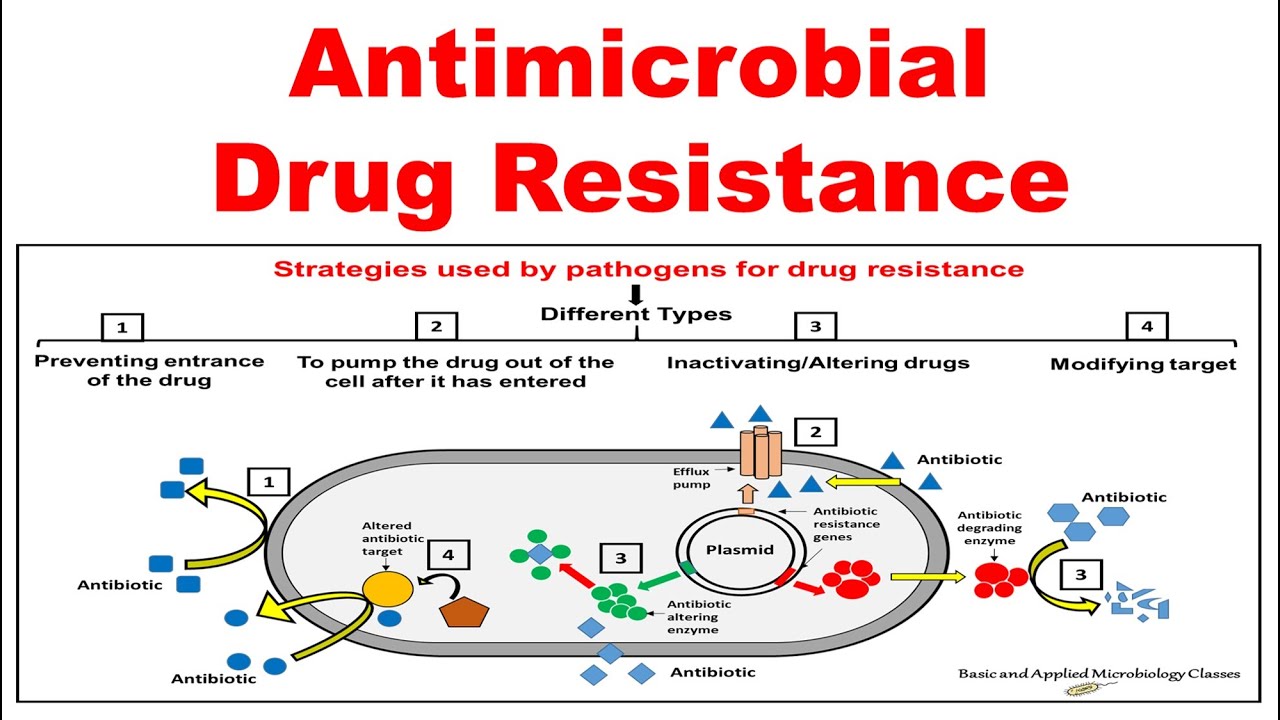
Detailed molecular mechanisms of bacterial resistance, such as ribosomal protection proteins, active efflux pumps, and enzymatic drug inactivation.
Clinical decision-making and empirical therapy selection for specific infectious diseases using these protein synthesis inhibitors.
Comparative pharmacology linking these drugs to other antibiotic classes, such as cell wall synthesis inhibitors (beta-lactams) and DNA synthesis inhibitors (fluoroquinolones).
69.3K views1.7Klikes1:15:36Original Release: 2023-12-18
today we are going to start pharmacology okay so in Pharmacology one of the important topic Ultra important topic for University exams also and for competitive exams also is antimicrobials so we are going to start antimicrobials and pharmacology now listen in Pharmacology I have a very unique way of teaching pharmacology so I will teach you this antimicrobial section today we are going to discuss protein synthesis Inhibitors in a very unique Way by making Master charts in a comparative way we will discuss the pharmacology so in Pharmacology all the drugs are discuss in eight patent headings we will start with the introduction mechanism of action uses adverse effect resistance so there is a fixed set of headings in which we describe all the drugs and I will give you maximum pneumonics to understand the uses and adverse effects and we will understand the mechanism of action with the help of the diagrams and flowcharts so without wasting any further time I guess I must start and I must come on the top topic and let's start pharmacology the unique series of the pharmacology okay give me a minute ah that is protein synthesis Inhibitors okay let me start protein synthesis Inhibitors so before starting the protein synthesis Inhibitors one of the antimicrobial you must understand what are antimicrobial drugs listen I'm having a patient in my clinic the patient is having certain infection the infection is caused by the microorganisms there are four types of microorganisms in this world the microorganism can be a bacteria can be a virus can be a fungus can be a parasite they all cause infections in humans okay so I'm having a patient in my clinic having one of the infection maybe caused by a bacteria virus fungus or parasite now being a doctor I want to treat my patient I want to cure my patient so what I will do if the P the patient is having bacterial infection I will give antibacterial antiviral antifungal or antiparasitic drug uh respect L whatever I'm suspecting based on that we will give that particular drug for example the patient is having bacterial infection we will give antibacterial so what does this anti bacterial will do antibacterial is a drug that will kill the bacteria antiviral will kill the virus antifungal kill the fungus anti parasitic kill the parasite likewise so these all drugs that kills the corresponding microorganisms are known as antimicrobials antimicrobials are the drug that kill the microorganism either they kill it or they suppress the growth they inhibit the growth of the microorganism they are not always killing or they are inhibiting the growth so they can be bacterio cidal they can be bacteriostatic okay so these are antimicrobial so basically what we are doing we are giving a drug that is killing the bacteria in my patient's body okay so what basically we are doing we are doing the murder of the bacteria by giving a drug so am I a murderer so all doctors are murderer murderer of whom the bacteria the virus the fungus the parasites yes we want to kill them because we want to treat the patient yes or no but bacteria virus fungus and parasite do not want to get killed no one want want to get murdered if someone will murder me I will say save save okay please help so bacteria also want to get saved virus fungus parasite so for which they show the resistance you know what is the meaning of the resistance resistance is something they are resisting The Killing you are getting my point they are resist they do not work so they develop resistance they are various mechanisms that I will explain you so first understand the antimicrobial now let me tell you the classification of the antimicrobial first before coming on the particular category today that is protein synthesis inhibitor protein synthesis inhibitor is one of the antimicrobial these are antibacterial drugs they kill bacterias they all kill bacterias they are antibacterial one of the drug that kill bacteria so before that you must understand all the categories okay so any agent that kill the microorganism or inhibit the growth of the microorganism is known as antimicrobial agent first understand the definition I hope you understood the definition now coming on the classification okay first understand the classification then I will come on the particular category today that is protein synthesis Andor I will tell you this in a very unique way but before that you must understand the classification there are six ways to classify anti antimicrobial drugs I will tell you all six ways one by one the best among them is based on the mechanism of action the best if you want to learn one learn the classification basis the fourth one that is mechanism of action but I will tell you all six the first based on the chemical structure they are divided into 18 groups they are divided into 18 groups based on their chemical structure some of them have sulphonamide some of them are diamino paramid some of them are quinolones some of them have beta lecton Rings some of them have four rings that is tetracycline some of them have Benzene with the Nitro group so don't learn it don't learn it just have a look just have a look so this is based on the chemical structure they are divided into 18 categories okay they are divided you must know based on the chemical structure they are divided into 18 18 categories the second way of classification based on the organism on which they are acting as I told you there are four type of microorganism bacteria virus fungus and parasite so antibacterial kill bacteria antifungal kill fungus antiviral kill virus and anti parasites are of two type because we have two types of parasites protozoa and Helman the one which kill protozoa are antiprotozoal and the one which kill metazoa that is Helman are antihelmintic so these both are anti-parasitic okay so this is the uh classification based on the organism they are killing the second way of the classification I hope you are getting it the Third Way of classification is based on their activity how many types of bacteria you know huh you may have read this in microbiology there are four types of bacteria based on the gram staining they are gr positive Kai gr negative Kai gr positive Basel gr negative Basel so there are certain drugs that kill all so these are known as broad spectrum broad spectrum is something that is killing all of them but narrow spect spum have a peculiar you know they kill only peculiar category they do not kill all they kill only peculiar for example panyin kill only gr positive they do not kill gr Negative they have less activity towards gram negative as compared to gr positive so they are more active against gr positive bacteria as compared to BR negative so they act against A peculiar category so that is based on their activity whether they are narrow Spectrum or broad spectrum so that is the third classification the fourth classification is ultra important that is based on mechanism of infection I told you if you want to learn one classification go with this one now listen everyone on the screen this is bacteria this is the cell of bacteria this is not human cell this is a cell of bacteria this is the nucleus of the bacteria okay inside the bacteria this is the ribosome of the bacteria this is the cell membrane and this is the cell wall all bacterias have cell wall whether gr positive or gr negative all bacterias in this world except micoplasma have the cell wall now this bacteria we which you can see on the screen this bacteria is present in my patient's body so this bacteria is causing a disease in my patient's body okay and being a doctor I want to kill it because I want to save my patient I want to cure my patient I want to treat my patient so I want to kill this bacteria which is present in my patient's body so there are four ways I can kill it I can give the drugs to kill that antibacterial drugs there are four ways I can kill this microorganism number one I can give the drug that act on the cell wall and they inhibit the cell wall synthesis in the bacteria so bacteria will die the cell wall synthesis will be inhibited the bacteria will swell swell swell burst and die so there are certain drugs which act on the cell wall cell wall synthesis Inhibitors number one number one the second category of the drug they act on the cell membrane not cell wall they act on the cell membrane they cause pores or holes in the cell membrane they cause pores or holes in the cell membrane cell membrane me they cause pores or holes so that the cytoplasm or the vitals will leak out and the bacteria will die this is the second mechanism we can kill this bacteria the second mechanism we can kill this bacteria is this the third mechanism the third mechanism we can give the drugs which act on the ribosome on the ribosome protein synthesis takes place so these drugs inhibit protein synthesis in the bacteria the bacteria will not get killed but you know the bacteria cannot divide because the protein synthesis is not taking place so the third mechanism by which we can inhibit the growth of the bacteria is by giving the drug that act on the ribosome by inhibiting the protein synthesis and the fourth and the last mechanism we can give the drugs that act on the nucleus and they inhibit the nucleic acid synthesis nuclic acid synthesis uh is inhibited by these drugs they can be DNA Inhibitors or RNA Inhibitors synthesis of DNA Inhibitors or RNA synthesis Inhibitors so these are the four broad Brad mechanism by which the drugs can kill the bacteria say yes if you got it what are the four ways now this is the bacteria you want to kill it with the help of the drug so there are four drugs which can kill the bacteria the first acting on the cell wall these are the drugs they inhibit the cell wall synthesis so the bacteria will get killed the second are the drugs which cause pores in the cell membrane they do not act on the cell wall they cause porce in the cell membrane so the bacteria will get killed because the cytoplasm will leak out the third drugs they act on the ribosome they they you know they inhibit the ribosome so protein synthesis will not take place and bacteria cannot divide okay and four drugs they act on the nucleus and they inhibit the DNA or RNA synthesis so there are four drugs okay out of them today I will teach you only one category that is protein synthesis Inhibitors and here there are four main drugs that I will teach you in detail say yes if you all got it got it h so these are the four mechanism cell wall synthesis Inhibitors cell membrane they act on the cell membrane and causing force in the cell membrane protein synthesis Inhibitors and nuclic acid synthesis Inhibitors among them we will study one today that is protein synthesis Inhibitors how many of you got it give me a thumbs up got it so this is the same diagram which I have explained you you can see the bacteria you can see these all are the drugs which inhibit the cell wall synthesis okay one of them is beta lactum beta lactam antibiotics that I will teach you in the next session beta loms I'm going to teach you in the next session one of the drugs they act on the cell membrane one of the drugs that act on protein synthesis that we are taking today and these are taking uh acting on the nuclic acid synthesis so there are four ways these are cell wall synthesis Inhibitors I'm not reading the name these are acting on the cell membrane today we are going to take protein synthesis Inhibitors how many of you got today we are going to take protein synthesis Inhibitors so there are seven protein synthesis Inhibitors out of which four are Ultra important I will teach you these four in a comparative unique manner so I will teach you four chapters today I will teach you tetracyclin aminoglycoside chlorinol and ithin that is macres so I will teach you these four chapters today in a unique comparative manner they all act on the ribosome of the bacteria H now ribosomes have two portion 30s and 50s some of them act on 30s some of them act on 50s some of them Act act on both but ultimately the purpose of all these drugs is same they inhibit the ribosome no protein synthesis so bacteria cannot divide they do not kill the bacteria they cannot the bacteria there is a bacteria you are giving one of these drug so that that drug will go on the ribosome inhibit either 30s or 50s or both so ribosome will not function so that bacteria cannot form protein but that bacteria will not die but that bacteria cannot divide further it cannot do the binary fishion because there is no protein synthesis got my point so they all are bacterio static accept amog glycosite which are both bacteriocidal as well as static got it so some of them act on 30 some of them act on 50 as some of them act on both I will give you the detail when I will teach you each one of them okay and the last mechanism some of them act on the nuclic acid synthesis DNA or RNA they inhibit DNA synthesis or RNA this is the fourth classification the fifth classification some of them kill the bacteria they are known as bacterio Sidle see how many bacterias you can see you can see on the scultpure plate few colon are there if you're putting a drug they all get killed they all get killed this is bacterio Sidle Sidle M killing Sidle means killing and there are you can count here 1 2 3 4 5 6 7even the seven are seven only the seven remains seven the number do not increase so they are bacterio static static means they do not kill they inhibit the growth they inhibit the growth so here whatever is the number of the colony the same number of colony is here they are not increasing they are not doing binary fishion got my point so they can be bacterio SLE they can be bacterio static some of them are bacterio SLE some of them are bacteriostatic and the last one from where we are obtaining that particular antibiotic antibiotic from where we obtain we obtain the antibiotic by genetic engineering either by inside the fungus or inside the bacterias or inside the Acom aties so these are the broad broad six ways of classing antimicrobials I taught you the definition of antimicrobial what are antimicrobial drugs antimicrobial drugs are the drugs that kill the microorganism they kill bacteria they kill virus they kill fungus they kill parasite so there are six ways to classify them based on chemical structure there are 18 types don't learn that just have a look broadly broadly have a look you don't get cion on them but you get cions on others okay the type of organism they are killing so antibacterial kill bacteria antiviral antifungal anti-parasitic are of two type antiprotozoal and anti-h helenic they all are antiparasitic both of them type of spectrum of activity based on spectrum of activity they are of two type narrow spectrum and broad spectrum Broad Spectrum kill all bacterias narrow Spectrum kill particular category I told you whether kokai or basili or gr positive or gr negative based on mechanism of action I told you there are four mechanisms I told you in detail based on type of action they are of two type bacterio sidal and bacterio static and from where they are obtained again they are divided in three category whether they are obtained from bacteria or from fungus or they are obtained from actines so this is the broad classification now coming on my topic today so this is the overview now we will see the details of the topic so can we start are you people ready huh so this was the warm up so can we run now can we start the marathon the protein synthesis Inhibitors among them so I'm going to teach you four drugs tetracyclin chlorinol aminoglycoside and macrolite antibiotics the Prototype drug here is aromasin so I will indicate tetracycline with t chlorinol with C aminoglycoside with a and erasin with e so I am going to teach you these four drugs in detail today in a unique way okay so let's start it they all inhibit protein synthesis where does protein synthesis takes place now this is bacteria H this is the cell wall of the bacteria I'm not interested in cell wall I'm not interested in cell membrane I'm not even interested in the nucleus where I interested I'm interested in ribosome because protein synthesis takes place in ribosome so these all drugs which I taught you tetracycline chlorinol aminoglycoside and aromasin they act on the ribosome because they all inhibit protein so there are two two uh uh sections in the ribosome the 30s and 50s so some act on 30 some act on 15 some act on both so these all drugs act on the ribosome but before understanding the mechan the step is different now they all inhibit ribosome the protein synthesis but the exact step is different in all four you have to understand that but for understanding which exact step they are inhibiting inside the ribosome inside the ribosome you have to understand the steps of the protein synthesis if you don't understand the step of protein synthesis how you can understand the mechanism of action of protein synthesis Inhibitors you getting my point so first you have to learn the normal protein synthesis the transcription and translation you have read this in Biochemistry also I I I'm sure you have read this but I'm revising your Concepts okay see everyone on the screen can you see a bacterial cell this cell is bacterial cell not human cell see this is a bacterial cell okay this this is the nucleus this is the nucleus of this bacteria okay inside the nucleus this is the double stranded DNA okay inside the bacteria the bacterial cell the nucleus the DNA we can see now the two strengths of the DNA are separating from each other one is leading one is lagging so you can see these are the double stranded DNA have a look have a look okay now the two strands are separating from each other one is leading one is lagging so imagine this one is leading and this one is lagging okay you have read all this I'm just brushing up your concept so that you have a better understanding here got my point now on the leading strand the MRNA is synthesized you know so one of the leading strand give rise to complimentary mRNA so this is known as transcription this is known as transcription okay what is transcription transcription is formation of mRNA from DNA what does transcription say it is formation of mRNA from DNA from one of the strand of DNA the complimentary mRNA it takes place in nucleus now I'm going to teach you four drugs today now what are the names see ma'am tetracyclin chlorinol aminoglycoside and the last one is aromasin none of them act on transcription no transcription is absolutely normal they all act on the next step translation so transcription is absolutely healthy absolutely normal now this mRNA is coming out of the nucleus see the next diagram see see see now the transcription is done okay what is transcription transcription this is DNA this is leading strand of DNA the blue color from which the mRNA synthesized this is complimentary mRNA now it will come out now this will come out of the nucleus see it is already came out of the nucleus this was mRNA synthesized here now it came out of the nucleus and went on the ribosome now see the ribosome now it is going on the ribosome now on the ribosome what will happen on the ribosome the MRNA convert into the protein H you see so from this mRNA the protein is synthesized so this is known as translation so we have two steps we have two things what are the two two things I told you one is transcription one is translation transcription takes place in nucleus translation takes place in cytoplasm in the cytoplasm in the ribosome to be specific okay what is the definition what is the definition people huh what is transcription see ma'am formation of mRNA from DNA and what is translation formation of protein from mRNA so first from DNA mRNA is formed inside the nucleus now this mRNA came out it will go in the cytoplasm it will go in the right ribosome on the ribosome it will convert into protein what is protein a chain of amino acid amino acid 1 amino acid 2 amino acid 3 likewise multiple amino acid bind together and protein is formed so this step is known as transcription I'm not interested in that this step is known as translation I want to give you the details of translation how exactly it happens because all my four drugs which I'm going to teach you today that is tetracycline aminoglycoside choram phicol and nasin they all inhibit translation by inhibiting transl they inhibit the conversion of mRNA to protein and in this way they are protein synthesis ineter to be Crystal Clear say yes if you got it everyone say yes can we go ahead can we go ahead so you can see the MRNA which is coming out of the nucleus now it is going on the ribosome let me Zoom the ribosome to explain you the structure of the ribosome let me Zoom let me Zoom so this is the zoom version of a ribosome you can see this is a normal ribosome in a normal ribosome there are two windows this is p window and this is a window you can see in the ribos there are two segment 30s and 50s and there are two windows p and a now let me take this mRNA and attach on this ribosome so this is the MRNA attached on the ribosome can you see the Buc mRNA so this mRNA is attached on the ribosome you know mRNA have codons what is a codon what is the codon codon is the triplet of the nucleotide H so in the MRNA multiple this is first codon this is second codon this is third codon this is fourth codon likewise so you can see you can see the first codon always goes C1 the first first codon it will always go on P window it's a rule and the second codon is going on the a window it's a rule so as soon as you can see this MRN is coming out and going here you can see the C1 is attached on the P window seat and C2 is attached on the a window seat okay you can see okay now let me tell you how does the now you know the codons these all are codons you know these all are codons you may have read this in Biochemistry I'm not teaching you this you know one codon uh it is coding for one amino acid there are 20 amino acid H but we have 64 kons you got my point so there are multiple kons you can see they are coding for one amino acid they all code for one one one one one one specific amino acid you can see so you can see one codeon is standing for one amino acid say yes if you got this concept you may be knowing now now see the cytoplasm you see this bacterial cell see this bacterial cell see the nucleus see the ribosome on the ribosome you can see this is codon one it may be standing for one amino acid there are 20 amino acid they all are present in the cytoplasm can you see the cytoplasm can you see the amino acid this is amino acid 1 this is amino acid 2 amino acid 3 4 5 6 7 8 they all are present in the cytoplasm they are not alone they are present on TRNA Transfer RNA TRNA so TRNA is transporting them H so it is TRNA they are present on TRNA so all the amino acid are present in the cytoplasm on TRNA H got my point now they all are present so whatever C1 is standing for H there will be a call for that aminu said wherever you are please come here on the ribosome and now for example this C1 this C1 is this C1 is this cug so wherever is the Lucine present in the cytoplasm it will come if the first amino acid is ucg wherever is the serin wherever it is it will come you got my point so all the 20 amino acids are present in the cytoplasm whatever codon is coming on the P window that particular amino acid for which it is standing it will go and bind there so this is the rule H so let me tell you the four steps in translation I will teach you four antibiotics now tetracyclin chol aminoglycoside and um aromasin they all will inhibit one one step there are four step and they all will inhibit one one step so mechanism of action of all of them is different mechanism the particular step is different so you have to understand the four steps so what is the first step the first step please understand the first step you can see whatever amino acid the C1 uh whatever codon is there the C1 on the P window the first amino acid standing for that it will come and bind on the P window this step is known as initiation so whatever codon is present on the P window the particular amino acid present in the cytoplasm that will come and bind on the P window so this step is known as initiation it always take place on P window it start at the P the initiation takes place at P say yes the second amino acid which is for second codon it will come and bind with the a this is second step the Second Step this is the initiation which happens at P window in which the amino acid come and bind at the P window this is attachment of new Amino TRNA the new amino acid containing TRNA it will come on the a window so first step takes place on P window Second Step takes place on a window this is known as old amino acid this is known as New amino acid on P it's always old old means previous and on a it's always new it's a rule okay now what is the third step in the third step these two amino acid bind with each other they will form peptide peptide bond and the old will go over the new old will go over the new that is the third step the first step the amino acid come at p and bind at P this is initiation this is Step number one the second step the amino acid will come at a and bind at a this is the second step now the third step they bind this is preexisting this is new there is a bond formation between the two the third step there is a bond formation between the two and the P will shift on the a a will not come on P the P will come on a I mean the previous will come on the new over the new so A1 will come on A2 H peptide peptide bond formation between the two and it is shifting so transfer of the peptide chain so this is the third step so what are the what are the three steps till now so first amino acid coming at P the second amino acid coming at a the third amino acid not third the two amino acid are binding with each other with peptide peptide bond and the previous is shifting on the new it is known as P2 a shift it is known as P2 a shift P2 a not A2 P mind my words it is P2 a you are getting it and the last and the fourth step please understand it well it's difficult the complete ribosome can you see the red color ribosome let me show you this red color ribosome it is Shifting ahead by one codon it is Shifting ahead so P window will come on a a will go on the next codon and this codon will free shall I repeat or you got it what I'm saying so P will jump one codon ahead a will so that is p will come on a a will also jump one codon ahead a will it initially a is on C2 now a will go on C3 and C1 will be free see the next diagram see the next diagram you got my point huh but the chain of the amino acid will remain there only listen listen listen the chain of the amino acid will remain there only where is the chain of amino acid not the chain of amino it is on a but now when this this ribosome is going ahead by one codon so p is coming on a so this chain will come over the can you see ribosome is moving by one and this is known as translocation the fourth and the last got my point now the process start again now P window already we have amino acid now a window P the A3 will come A3 will come then again peptide peptide bond formation then again P2 a shift H this last step in which the complete complete ribosome is Shifting it is known as a top because here the amino chain the amino acid chain it is shifting from a top it is shifting from A to B so can you tell me the four steps what are the four steps of translation 1 2 3 four if you understand the four steps it's very easy what are the four steps the first step is initiation what is initiation exactly say m b finding of amino acid at P window what's the second step coming of new amino acid at a window what's the third step the bond formation between the previous and the new new that is peptide peptide bond formation and P2 a shift P2 a shift the previous will shift on the new and last one the complete ribosome is Shifting ahead by one one Kon that is known as translocation translocation means one Kon jump and it is a2p this one is a top say yes if you got it say yes do you have any confusion over here do you have any confusion H say yes if you got it so I'm going to teach you four four antibiotics now aminoglycoside inhibit this step it inhibit P window okay tetracyclin inhibit a window okay chlorum ficol inhibit p2a okay and last ithin inhibit a2p that's it that was that easy but ultimately all of them inhibit translation all of them inhibit protein synthesis I don't know how many of you got it say yes if you got it okay so do you have any confusion do you have any confusion so I'm going to teach you four four antibiotics you see Amino aminoglycoside inhibiting the first step that is p window it is blocking P window so first step do not take place it inhibit initiation a for a is the first letter in alphabet now AB b c d a is the first letter so it inhibit initiation you can learn like that A A for amino glycoside it inhibit initiation the first step the first step okay the second is the tetracyclin tetracyclin inhibit Second Step It inhibit a window a window the third is the Chlor phenicol it inhibit p2a p2a peptide peptide bond formation and p2a shift and last one is aromasin it inhibit the translocation that is a2p shift how many of you got it so that is the ultimate diagram if I explain you directly you don't understand but now you can understand all four what is this first antibiotic this one is aminoglycoside it is inhibiting p window see the cross it is inhibiting p window can you see this one is inhibiting p window can you see this one this one is the second one Tetra cycling it is inhibiting the a window this one is chlorum phenicol this one is inhibiting p2a p2a and this one is uh erythromycin it is inhibiting a2p say yes give me a thumbs up everyone give me a thumbs up everyone does anyone have any doubt I repeat my words P window a window P2 a A2 p p to a shift A2 P now you can understand now tell me which antibiotic is acting at which level so this P window is blocked by aminoglycoside that is initiation a window is blocked by tetra that is binding of new amino acid on a window P2 a shift is blocked by chlorum fenicol that is peptide peptide bond formation between the new and the a previous one and shift of previous to new so this step is blocked by chlorinol and the last one aromasin it is inhibiting a to P shift that is it is inhibiting the translocation jumping off one codon by the ribosome this step is inhibited by aromasin I hope it's Crystal Clear does anyone have any doubt shall I repeat or you got it no let's start the antibiotic so let's start the actual chapter now let's start the actual chapter now can you see the four antibiotics which I'm going to teach you in the sequence only I will teach you tetracycline chlorinol aminoglycoside and ithin I will teach you in the sequence only got it give me a minute I cannot see your chat I can see now so I will teach you the introduction in which I will tell you the structure of the antibiotic or any important point then the classification Spectrum mechanism of action resistance mechanisms adverse effects and uses for adverse effects I will give you four neonic for uses I will give you four pneumonic so at the end of the chapter you will be having eight pneumonics with you you will be having eight pneumonics with you you got it can we go ahead can we start say yes can we start so in this sequence only and we will fill this table H I request the students to take out your notebooks and pen and start filling it or otherwise it is provided in the notes okay so let's start with the tetracyclin let's start with the tetracyclin why tetracyclin are known as tetracyclin have you ever thought tetracyclin are known as tetracyclin because they have four four nucleus four cyclic nucleus that's why tetracyclin the four Benzene rings are there that's why they are known as tetracyclin so in the introduction you must know their structure that's it coming on their classification tetracyclin are of three types they are divided in three group group one group two group three in the group one we are having three tetracyclin tetracyclin is the class it's a category tetracyclin inside which there is a drug known as tetracycline so inside the category tetracycline there's a drug tetracycline also so the category one contain group one contain tetracyclin Chlor tetracyclin and oxy tetracyclin one is simple tetracyclin one is Chlor tetracyclin one is oxy tetracyclin one is simple tety this group two contain deyin and Lyin and group three contain doxy and Mino okay so you have to learn this classification so it is divided into three groups group one 2 three can you tell me the names total seven drugs are there in the group one it's tetracyclin clor tetracyclin oxy tetracyclin in group two it's demoy and Lamy and and in group three it's doxy cycl and minocyclin without any confusion learn the seven names the mechanism of all of them is same the category is tetracyclin itself say yes if you got it say yes so the classification is done coming on the Spectrum coming on the Spectrum we are having four types of bacteria gr positive gr negative kokai gr positive and gr negative basil so where does it act it act on all gr positive Cai gr negative Kai gr positive B gr negative it's a broad spectrum gr positive B gr negative B not only on B it acts on micoplasma aoes Ria clamidia and protoo also so it is acting on gr positive Kai gr negative kokai gr positive basil gr negative basil Spyro Ria micoplasma and protozoa also because these three bacterias are included in none of the category they are miscellenous bacteria so among along with the four categories of the bacteria they act on miscellenous also and not only bacteria they act on some protozoa also so please learn it's the broad spectrum antibiotic it is acting overall so this is the Spectrum the simplest way to learn the Spectrum coming on mechanism of action I guess everyone knows what is the mechanism of action of course they all four inhibit protein synthesis they all four inhibit protein synthesis but which Step there are four steps now so tetracyclin inhibits step number two step number two that is it act on a window a window it block the a window not P window aminoglycoside inhibit the initiation step number one they block the P window choron phicol inhibit the third step that is P2 a shift and the ithin inhibit the step number four that is a2p now you can understand because I have given you a overview say yes if you got it so I guess everyone knows the mechanism of action so this inhibit protein synthesis but which step step number two that is it do not block P window the initiation is normal but it block a window so the new amino acid cannot come so the tetracyclin enter inside the cell go on 30th of the ribosome you have to learn it acts on 30 years and it blocked the a window it blocked the a window no a window so Second Step will not take place the new amino acid cannot come okay so the protein synthesis cannot take place say yes so please write down it act on 30s not on 50s it blocks step number two that is it block a window and this one is bacterio static please learn the summary okay and you can draw this flowchart understand you can understand this diagram well now coming the various ways of resistance we can skip coming on the adverse effect what are the adverse effects of tetracyclin give me a pneumonic what is the adverse effects the adverse effect is the pneumonic is l adani PT teacher Al adwani is PT teacher so L stand for liever damage they cause liver damage k stand for kidney damage they cause liver damage they cause joinus and colestasis they cause kidney damage also okay a stand for antim Metabolic Effect D for diabetes but not diabetes meitus it's diabetes anitus okay uh I uh okay V is vestibular toxicity patient have Vero vestibules are damaged okay vular toxicity I is standing for intracranial pressure raised PT phototoxicity and TI and Bone are damaged and teacher one more T stereogenic we will say it's easy l k adani you write down like this adani or ad you can learn ad l k adwi p t teacher LK adwani PT teacher say the full form say the full form with me can you try huh liver damage kidney damage okay a is antimetabolic effects what is D diabetes inspius patient have multiple frequent urination vestibular damage patient have Vero increase intracranial pressure H phototoxicity in the eyes h on the skin I'm sorry phototoxicity in presence of sunlight there will be skin rashes will be there phototoxicity te is tith and Bone damage and te is teratogenic if taken during pregnancy it is teratogenic for the fetus never give tety to any pregnant female it is teratogenic can you say it again l k adani or ad PT teacher now you can say the full form huh and you can understand the meaning of that these are the adverse effects now coming on uses tetracyclin is First Choice in how many infection huh so I'm having a pneumonic again the pneumonic is vacuum the bedroom vacuum v stand for vibrio it is a first choice of drug given in vibrio Kera whenever the patient is having Kera you can give tetracyclin as first choice drug a stand for acne you know acne acne is also caused by a bacteria so you can give tetracyclin as first choice of drug C is clamidia also you can learn clamidia the LGB and granuloma inguin the LGB caused by the clamidia okay U is UOP plasma m is micoplasma europlasma micoplasma by europlasma micoplasma T tmia tmia is plague plague tmia plague one and the same thing bed room so boria and Ria we will say vacuum vacuum only one C is there vacuum the bedroom vacuum the bedroom try to say tetracyclin are first choice of drug in vibrio acne clamidia UOP plasma micoplasma by by UOP plasma micoplasma tmia toria's plague boria and ruia say try to say so can you tell me the both things together adverse effects and uses can you tell me together tell me the adverse effects we are talking about tetracyclin by the way don't forget that we are talking about tetracyclin don't forget that tell me the adverse effects try to say l KV p t teacher okay and tell me the users vacuum only one c not Double C I know vacuum Spelling have Double C but here you have to write down one one C the bad room now I hope you can say the full form just say it once okay you will understand what are the adverse effect liver damage kidney damage anti- anabolic effects diabetic insipidus vestibular toxicity intracranial pressure is increased phototoxicity tith and Bone damage and teratogenic now say the users try to say it once vibrio First Choice acne First Choice clamidia LGB First Choice UOP plasma micoplasma first First Choice Toria boria Ria First Choice so tetracyclin is given as a first choice drug in these so this is the summary of the tetracycline so you have to learn complete pharmacology like this this is a way so today I'm teaching you a way how to read how to understand uh pharmacology H it's very interesting subject if you do like this all the drugs imagine all the uh drugs in entire pharmacology you're tubulating like that so these are the master tables at the end The Complete Book of the pharmacology will get compressed in pure 20 30 pages in which only tables tables tables tables are there so we are compressing the complete pharmacology in just 20 Pages you can do so by making the comparative tables in entire pharmacology this is a way you should study pharmacology how many of you got it so let's revise tety and move on the second drug so why tetracyclin are known as tetracyclin because they have four Benzene Rings that's why Tetra means four what's the classification they are divided into three groups in each group in the first group we are having three drugs tetracyclin Chlor tetracyclin oxy tetracyclin in the second we have deoy and Lyin and in the third we have doxycycl and minocyclin so total seven are there 3 + 2 + 2 Spectrum it's a broad spectrum acting against gr positive Kai gr negative Kai gr positive Bas gr negative basil what is the mechanism of action it inhibit protein synthesis obviously that is my chapter today they all inhibit protein synthesis but it is acting on 30s it is acting on 30s okay so you will compare which one is acting where okay this one will act on 50s this one is again acting on 30s this one will act on both so you will have a comparative overview that which drug is acting on which segment of the ribosome okay this is inhibiting Step number two that is inhibiting window a h a window and it is bacteriostatic okay the adverse effect is Al ADI is a PT teacher and uses is vacuum bedroom vacuum the bedroom okay now coming on the second draw choram phicol okay so can I start choram ficol let's start it chlorum phicol see the structure it is having Benzene with a Nitro Moy so the nitrobenzene it is known as nitrobenzene and that's why that will give the antibacterial activity here now compare the structure here tetracyclin are known as Tet because they have four rings and chlorum ficol have a Nitro Moy in a Benzene this should be a Benzene it is having a Nitro Mo in the Benzene so here this the four rings are responsible for antibacterial activity here the nitroz is responsible for antibacterial activity now don't go in the detail structure no no no we are not reading chemistry come on we are reading pharmacology so the basic basic thing on which the ncq can be framed you should learn that so that is a structure now see the class we don't have any classification we have only one drug chlorinol here we have seven drugs I told you all seven here we have have only one drug chlorinol so classification is skipped you don't have what about the Spectrum exactly same the spectrum is same it's also broad spectrum acting against gr positive Kai gr negative Kai gr positive Bas gr negative Bas not only these it is acting for Spyro Ria micoplasma and clamidia also so it is same so gr positive C gr negative C gr positive Bas gr negative Bas Spyro Ria microplasma protozoa so spectrum is same both of them are broad spectrum these both these both will be narrow I will tell you why narrow I will tell you but you can see it's same no tell me the mechanism of action the first thing this one was acting on 30 years this will act on 50 years the first thing it is acting on the 50s H this one was blocking a window that is second step this will block the third step a to P transfer I'm sorry P2 a transfer the P2 a transfer can you see P2 a transfer so this is the amino acid on P this is the amino acid on a normally they form peptide peptide bond with each other and after forming peptide peptide bond the p is shifted on a p to a shift P window to a this is blocked by Chlor the third step so it is blocking step number three say yes if you got it so it is blocking step number three got my point so that is the mechanism of action it inhibits protein synthesis step number three that is p to a shift it do not block P do not block a it blocked P2 a shift it blocked P2 a shift okay this one was blocking a window this one is blocking P2 a shift there is a difference there is a difference in that so please understand okay so it is inhibiting the peptide peptide bond formation between the two amino acid and shift of the previous amino acid to the new amino acid that is P2 a shift it is blocking P2 a shift okay so now please compare please compare can you see now see the structure of both of them compare compare we are comparing tety with chlorinol here total seven tetracyclin are there here only one chlorum ficol no classification see the spectrum is same for both of them but the mechanism of action is differing please have a look please I request this one is acting on 30s tetracycline chlorinol act on 50 years this one is inhibiting Step number two that is inhibiting a window this one inhibiting step number three that is peptide peptide bond formation and P2 a shift P2 a shift this is also bacteriostatic this is also bacteriostatic okay now coming on adverse effect and uses I will give you two pneumonics now one for adverse effect one for uses so the adverse effects of chlorinol the pneumonic is Big Super Hyper sensitivity this is a pneumonic okay b stand for bone marrow depression it cause bone marrow suppression what is bone marrow suppression you know inside the bone marrow in pathology you may have read that we have hematopoetic stem cell do you know that hematopoetic stem cell give rise to rbcs it give rise to platelet and it give rise to WBC it give rise to all the blood cells that is it is the ancestral cell so basically chlorinol if you give Chlor fol to anyone chlorum phicol the patient is taking by mouth tablet okay it will go it will get absorbed it will go in blood from the blood it will go in bone marrow and it kill hoptic St so no RBC synthesis no plate no WBC patient will have pancytopenia come on it's a Dangerous Drug that's why it is banned nowadays okay pancytopenia only on rare cases we give otherwise in combinations it's banned in India we cannot give because it's a dangerous drug the side effect is very very dangerous you know the patient can have pancytopenia because of anemia patient can have lethargy because of thrombocytopenia patient can have bleeding disorders and because of leucopenia patient can have recurrent infections so these are the side effects H bone Mar depression is a very severe or dangerous side effect we cannot afford that I stand for irritative effect if you give by mouth I mean oral the patient will have nausea and vomiting and patient can have diarhea also and if you give injection patient will have pain so whereever root you are giving it is irritating that root you are giving oral root patient have vomiting and diarrhea if you giving injectable root patient have pain so irritation h g stand for GR baby syndrome very important never give chlorinol to a newborn to a neonate to an infant because if you give the patient will have sinosis patient will have pancytopenia H and because of the pancytopenia uh you know the tox the newborn can have toxicity because it is not very well metabolized by the newborn and the newborn will have toxicity patient can have sinosis and this is known as gr baby syndrome super is super infection why why super infection patient have pancytopenia patient have less WBC so recurrent infections super infections are common and hypers sensitivity hypersensitivity allergies are common so big big Super Hyper sensitivity this is the pneumonic it is bone marrow seption okay irritative effects take gray baby syndrome super infection and hypers sensitivity this is the adverse effect coming on uses I told you uses is highly restricted because of fatal toxicity usually it is given only when required otherwise try for alternative if you have a better drug than chlorinol don't give chlorinol we give it on rear of the rarest occas when no other drug is either available or it is non-functional otherwise we never give it because of fatal toxicity I'm talking about bone marot toxicity we never give it we give it only on six occasions the pneumonic is bare TB B for bacteria menitis or pyogenic mantis if it's not responding to other drugs this is not drug of choice this is not drug of choice a for anerobic infection R for rtia E for ear and eye infection that is endopthalmitis and conjunctivitis okay T for tyi and B for brusilla but it is not drug of choice in any of them we give different drugs if they are nonfunctional then we will give this if they are not working say yes if you got it say yes okay got it thank you thank you so much for the compliment okay so can we go go ahead can we go ahead so this is the users so please now compare the adverse effect of tetracyclin with chlorinol and compare the users of tetracyclin with choram fenicol read the pneumonics read the pneumonics so can you say it once uh the choram phenicol adverse effector and uses huh okay say say both tetracyclin chlorinol tell me the adverse effects here the adverse effect is l k ad PT teacher and here the adverse effects big Super Hyper big super hyper hyper sensitivity tell me the uses of both here the uses is vacuum the bad room and here the use is bear TB bear TB okay now can you tell me the full forms huh here I'm not saying I have said once now here I'm saying the full forms I guess uh it's okay huh so B for bone marot toxicity never forget because of which it is Bann nowadays I for irritation G for grap baby syndrome on which Maximum mcqs come gray baby syndrome is caused by answer is Chlor phicol s is super infection and H is hypers sensitivity super infection hypers sensity it is never First Choice drug never it is given as an alternative if the First Choice drug is nonworking or resistance then only we afford it otherwise we cannot give it h so what are the what is the pneumonic what is the pneumonic be TB what is the full form of be TB B for bacterial meningitis and here B is for brusilla there are two B bacterial mantis penic mantis and brusilla anerobic infection Ricket here ear and eye infection typhoid but it is not First Choice here tetracycline is First Choice here it is not a First Choice I'm saying that I'm insisting that got it so this is the way you should learn pharmacology we are done with two drugs till now tetracyclin chlorophenol please understand mechanism of action is something you have to understand in flowchart and diagram if you are preparing for second Prof University exam you have to draw the diagram here and you have to draw the flowchart here in mechanism affection but adverse effect and uses is something you cannot uh uh I mean there is nothing to understand you have to learn that so try to make maximum pneumonics and learn ite Le make aonic and learn it users just learn it mechanism of action is something you have to understand now coming on the third drug with this overview coming on the third drug aminoglycoside everyone give me a thumbs up can I start the third drug aminoglycoside let's start the third category aminoglycoside why aminoglycosides are known as aminoglycoside here the amino groups are linked with the sugars glycosidically that's why Amino glycosides that is the structure so Amino groups are linked with the sugar glycosidically H so it is um glycosidically so this is the structure now compare the structure tetracyclin compare the structure of chlorinol rough Ru structure we will not go in detail and compare the structure of aminoglycoside H the name itself is depicting its structure Tetra cycling have four rings H aminoglycoside have a amino group and sugar they are combined glycosidically that's why Amo glycoside chlorinol have a nitrobenzene Moy okay now coming on the classification here we don't have any classification but here we have classification it is divided into two categories systemic and topical systemic systemic injectable it is given via injections it is given intramuscular injections or injections it's never given oral no aminoglycoside is oral no aminogly there is no tablet available of aminoglycoside either they are injectable either or topical topical means in the form of the ointment ointment or drops drops or ointment but it's not a tablet please learn aminoglycoside is not available in tablet form it is not available orally so systemic is injectable and topical so systemic are seven 1 2 3 4 5 6 7 88 I'm having a pneumonic for eight huh so the pneumonic is Tang t a n g Tang s KP you can make some better Pon can share with me also if you have something better okay so these are the eight systemic t stand for toam okay I'm sorry t for tobra okay a stand for amikas n stand for nly G stand for Genta there are two S strapo and cisin K for kanamin and P for paramin so tanks gy and topical we are having only two FN NF or FN you can make some neonic neomin and frasin we have ointment this one is available as ointment and this one is available as ey drops neas and ey drops are available so this is drops or ointment say yes if you got it can you see it once so total 10 aminoglycosides are there total 10 aminoglycosides are there out of them eight are systemic and two of them are topical can we learn can we learn kindly provide some okay stanks K YES Prep this is better one stank Skippy thank you pradep thank you stank Skippy you can learn these are the eight H St gapy and here FN NF or FN whatever you learn so can you see the full form once only once so there are two s streptomycin cisin there are two s tobra Amin NE uh this is not neason this one is neason but this one is natal natal Mason Genta kaam paramin and this one is fromin and neomin so you get questions on that please learn please learn so this is the classification now see see the classification here we were having seven tetracyclin here we are having 10 aminoglycoside you know seven 3 + 2 2 + 2 you know the names I guess and here 8+ 2 you know the names I guess and here we don't have any classification that is chlorum phicol that is the only drug now coming on Spectrum Spectrum see it was broad spectrum this was also broad spectrum here it is acting only for GR negative Baseline it is acting only for this category gr negative Baseline not for cocine neither gr positive cocine nor gr negative cocine nor gram positive Bas life it is having a limited spectrum that is gr negative BAS May aerobic only aerobic gr negative Bas to be specific it's very narrow Spectrum it's not broad spectrum it's narrow it kills only gr negative basil that to aerobic that is aerobic gr negative basil that's it not other drugs not other drugs say yes so this is the Spectrum now coming on mechanism of action it inhibit First Step initiation it inhibit the P window P window so it inhibit the P window can you see it block P window it block P window that's why it inhibit the first step that is initiation the first step initiation is inhibited the first step H and it binds with 30s also 50s also and Junction also now compare this one was binding with 30s this one was binding with 50s this one is binding with 30s also 50s also and as a junction of 30 plus 50s this one was inhibiting a window that is Step number two this one was inhibiting P2 a transfer that is Step number three this one is inhibiting p window that is Step number one I hope you know the steps if you have missed my initial lecture from the beginning today please watch it later after the live session is over please watch it don't miss it you can understand the number of the step I'm talking about okay so please understand this is the mechanism of action and this one is both bacterio static as well as Sidle this one was only static it was inhibiting the growth not killing this one was also inhibiting the growth not killing this is inhibiting the growth also as well as killing also so bacterio static as well as Sidle say yes if you got it say yes now coming on the adverse effect I will give you a pneumonic what is the adverse effect pneumonic for aminoglycoside the pneumonic is on HT on HD o n on so o is autotoxicity it is autotoxic autotoxicity always means you know inside the ear we have two things what is the function of the ear why God has provided this organ as the ear inside which there are two structure we have cocka cocka it is useful for hearing you know we have a ccka 2 and a half ton which is useful for hearing and we have vestibule you know three semi semicircular canals are there vestri apparatus vestri vestibular apparatus H that is three semi circular canals that is that is for balancing so ear is required for two things number one hearing we hear with our ears and number two we do the balancing we do the balancing if something you know uh the the the floor is not uniform if I'm falling I will immediately hold something I'm having a balancing you know sense of balancing so balancing is done by the vestibular repetitor so whenever I say autotoxic your question should be ma'am C toxic or vestibular toxic is it cot toxic or VES toxic I taught you the first drug what is the first drug I taught you today tetracyclin what were the adverse effect of Tet second l adwani l ad ad PT teacher PT teacher so ad V what is v it is vular toxic so this one was inhibiting Vesti this one is inhibiting both I mean it is toxic for Co also V also so tetracyclin cause problem in the balancing so patient have vertigo but this one have vertigo also and this deafness also so it cause deafness also and vertigo also it is B toxic that's what I mean if you got my point so it is B toxic aminoglycoside or coox toxic as well as vestibulo toxic H the point is that cocko toxicity is irreversible once you stop the drug also it's irreversible but Vesti toxicity is reversible once you stop the drug in the next few months it will be reversible so never give aminoglycoside in high dose or for more days as in when required so you should calculate the dose according to the weight of the patient according to the GFR of the patient then only you have to give in that particular dose if you giving more aminoglycoside in higher dose or for more days prolong period patient can become deaf by leral dep and it is irreversible once you stop the drug the patient will not hear again in life and patient will kill you patient will Su you so please beware never give aminoglycoside in higher doses so give it on Lower doses only the prescribed doses say yes this is the reason okay so autotoxicity may both toxicity is there in which the C toxicity is irreversible but vestibular toxicity is reversible n there are two n one is nephrotoxicity kidney damage it's reversible and third is neuromuscular blockage neuromuscular blockage patient can have weakness okay as atile Coline receptors okay so neuromuscular blockage H is hypers sensitivity hypersensitivity is caused by all drugs that is allergy and T is teratogenic like tetracyclines only it's teratogenic so on HD this is the adverse effects okay the adverse effects are on HD you can compare the adverse effects of the three drugs LK PT teacher that is tetracyclin big Super Hyper that is for chlorinol and on HT is for aminoglycoside in the end we will say the full forms again now coming on the users for users unfortunately I don't have any pneumonic you have have to learn here so uses of aminoglycoside the uses is like this you can learn for gram negative infections we give because it is active only for gram negative basil for active it is active only for GR negative aerobic basila so we give only for those infections so gr negative basila infections number one we give it in TB also TB also we give it in intestinal anti subsis also we give in tape form and amasis parasitic infections also and for topical application in the ey drops neomin frasin we give okay H for conjunctive atst we give so these are the uses you can learn okay basically it is for GR negative basil if you want to learn the main use okay coming on the last one iasin then we will compare coming on aromasin iasin is one of the macro what do you mean by macro macro means big so here the ring is very big macro lactone ring is there with multiple attached sugar can you see the ring it's not a Benzene can you see Benzene is a six carbon ring it's multiple carbon can you see the big ring at the center and the multiple sugars attage that so it is known as macrolite because because it is a big big ring with multiple sugars attached that is the meaning of the macrolite what is the classification here we are having five drugs what are the five drugs iasin royin clomin aasin spyin okay and nowadays tacrolimus tacrolimus is not an antibiotic it is a immunosuppress drug but this one is also a macrolite but in antibiotics you can learn these five name you can make some pneumonic and if you have some pneumonic you can give it to me make car es es car s e car car s e car or you can make some better one if you have okay so we are having ithin okay spomin Clarin asrasin and Roxy royin or you can make some better pneumonic and if you have some rais tea someone is giving the pneumonic ra te pradep very good you are good at pneumonics prep okay good one so ra te you can learn that also okay so whatever you learn the five you have to learn ra T so you can write down race T here I like that race T so these are the five five macro lies among them ithin is the Prototype what is the Spectrum okay okay we will revise the Spectrum everyone on the screen come come come tetr Spectrum what was the spectrum of tetracyclin same all four what are the four categories same gr positive Cai gr negative Cai gr positive B gr negativea what was the spectrum of Chlor phicol s again all four all four the same four all four what was the spectrum of Amo glycoside see only gr negative Baseline only only G negative Baseline so the other three were not feeling good the other three were feeling bad that we are not included here so the last category we included the other three you got my point see except gr negative basil except gram negative basil the other three are included here that is gr positive Kai gr negative Kai and gr positive basil but not gr negative basil which was included here and these two categories include all four this is the easiest way you can learn the Spectrum this is the easiest way you can learn the Spectrum okay uh Shivam you can learn the doses in the tubulated form in the end in the end I can give you the table tubulated form the doses for the children the doses for the adults H in the children they are hardly given in the adults you can learn the dosin properly okay the main thing is the mechanism of action uses an adverse effect um on which Maximum mcqs come dozing but if you're preparing for your second Prof University exam then you have to write dosings also okay got my point now see the Spectrum compare the spectrum of all four now coming on mechanism of action it it inhib the last step step number four that is translo loation translocation in which the ribosome is jumping by one codone so it is it is inhibiting a2p shift in which the ribosome is jumping by one codon that is a2p shift got it so it is a2p shift you can see here is the cross a2p shift the ribosome is jumping by one codon that is it is inhibiting the translocation whilea step that is a top and it acts on the 50s now compare now see don't change the sequence if you don't change the sequence tetracycline chlorinol aminoglycoside and derrin things are super simple if you change the sequence you will get confused tetracyclin act on 30s please learn it by heart tetracyclin act on 30s chlorum phicol act on 50s aminoglycoside act on Bo 30 also 50 also Junction also and errin again act on 50s please you get questions on that learn now learn what they are blocking tetran block a window okay this block a window chlorum ficol block P2 a shift okay aminoglycoside block P window and this aryin block a top shift now you can understand this is the easiest way I'm telling you and you know the step number also which exact step number they are blocking say yes if you got it this is also bacteriostatic this is also bacteriostatic this is also bacteriostatic except aminoglycoside they all are bacteriostatic aminoglycoside is both bacteriostatic as well as Sid got my point now coming on adverse effect and uses I will give you two pneumonics so coming on the adverse effects of the iasin adverse effect the ponic is macro what is macro m a c r o macro m stand for Molin receptors it is a motilin receptor Agonist not antagonist it is Agonist you will say what are motilin receptors so in the esophagus stomach and the intestine there are certain receptors which are known as motilin receptors in the git we all have that receptors we all have that receptors what does these These are known as motilin receptors so whenever we are taking aromasin the aromasin will go and do the job of it is stimulating these receptors it is Agonist for these receptors these receptors once stimulated they will do the parisis so patient can have diarrhea patient can have diarrhea got my point so Morin receptor Agonist is there Morin receptor M for Morin receptor Agonist M A A A is for allergy allergy is hypers Sensitivity I told you know allergy or hypersensivity is there in all all antibiotic it's a side effect C is CL colestasis that is joinus it causes joinus also colestasis and R is reversible autotoxicity so it is also autotoxic but this time it's reversible in contrast to aminoglycoside where autotoxicity was irreversible so I taught you autotoxicity in two drugs I taught you autox oity here also and here also here it's irreversible and here it's reversible got my point here was O was autotoxicity on HD is autotoxicity or macro o see o is coming here also o is coming here also both o are autotoxicity but this one is irreversible this one is reversible so that is macro and the uses is claw the pneumonic of the uses is CL a w claw c stand for three things that is chanro caused by hemophilus degree it's the acdd okay it's acdd CNE bacterium DP okay and ciloa so canro corny bacterium and ciloa these are the three c l for leonilla a for atypical pneumonia and W for booping cuff whooping cuff is caused by Body TAA we all know so that is the side effects and uses I hope you all got it see now compare the side effect compare the users the main thing you have to learn this is the master table first everyone give me a thumbs up if you got this master table if you have missed the lecture from the beginning please watch it after the live session is over please you can't afford to miss it in the same way I am teaching you I'm going to teach you entire pharmacology like like this entire pharmacology in the entire pharmacology we are having 120 drugs so we can make tables tables tables chapter-wise H all the protein synthesis inhibiters are there now the next s I'm taking beta elom so I will give you a comparative table of the beta elom all the beta electons at one page okay now then I will teach you the you know anti metabolic uh an antibiotics so we will take them on one page so all the CVS drug on one page all the anti-hypertensives on one page in this way we can combine combine combine in the end we will be having 20 to 25 Pages entire pharmacology compacted the headings will remain same for all pharmacology my headings are same this is a way you should read pharmacology you will never forget in the end before going to your exam whatever exam you are targeting for just read that Master tables I call them Master tables so try to make Master tables of entire this pharmacology like this only uh this is the way you should learn pic otherwise it's a very volatile subject you will read it today tomorrow you will forget if you if you don't make the pneumonics for adverse effect and uses you will forget if you have the pneumonic there is a chance you will forget but there is a chance you can remember also you will think no l to l what does this L stand for so you may have a clue L maybe lever damage so you can have a like you know you can have a clue like that so if you know the pneumonic it's better otherwise you cannot learn the adverse effect and uses of all the Prototype drugs and try to learn the Prototype drugs in this way only got it say yes now please see the adverse effect of all four okay here LK PT teacher here big Super Hyper okay here it's on HD here it's macro you want me to say the full form or you will learn by yourself and see the users of all four see the users here it's vacuum bedroom 2 here bear TB here claw so please say the full form to say to your friend write it down on a paper and stick on the wall and learn the Spectrum learning spectrum is very easy very easy these two are broad spectrum these two are narrow Spectrum in the narrow Spectrum you should be specific against which category it's functional and the ultra important which you cannot miss you have to learn the mechanism of action in the mechanism of action you have to learn which ribosome it is acting tetrac cycling on 30s chlorinol on 50s aminoglycoside on both and errin again on 50s which window they are blocking aminoglycoside blocking a window chlorinol blocking a top shift a top I'm sorry it's P2 a shift blocking P2 a shift aminoglycoside blocking P window and erasing blocking a top shift so you have to learn that window and which one is bacterio static which one is bacteriocidal all of them are bacteriostatic except aminoglycoside which is bacterio static as well as you have to learn the classification I assume classification you already know and structure if you don't learn also it's okay structure is Frankly Speaking not important they don't ask you the structure but this is a way you have to learn okay I will take sessions more and more sessions on the YouTube okay so you can text the topic you want from my my side I will give you a contact number on which you can send the text and if I'm getting many messages on the same topic many requests by the students on the same topic I will conduct that on the YouTube Okay so this series is never ending on YouTube we will be live every Monday every Wednesday and every Friday 9:30 a.m. in the morning with the topic on demand whatever topic you demand we will present here okay anyways so this is the master table everyone got it give me a thumbs up if you got it if you have got this master table you are ready to solve the mcqs huh apply the pneumonics and solve the mcqs let's see some mcqs the first question is in front of you um which are the following is a side effect of strepto masin first you tell me what is strepto masin in which category it is coming is it a tety say no is it a Chlor ficon no is it macrolite no it is it is aminoglycoside how many type of aminoglycosides I told you I told you aminoglycosides are total 10 eight of them are systemic and two of them are tropical so systemic I told you the pneumonic for the systemic we have learned stanks stanks cap stank cap one of the s strpas in this way first recognize a drug the drug recognize in which category it is coming and the tropical one were NF H so it is it is aminoglycoside they are asking the side effect of aminoglycoside use your master table they are asking the side effect of aminoglycoside the side effect is on HT the side effect is on HD okay so write down the pneumonic here and apply it on HD okay autotoxic okay autotoxicity neurotox uh nephrotoxicity and neuromuscular blockage hypers it and teratogenic now have a look on the option photox is coming here no it's not coming hepatotoxity is coming here no it's not coming but autotoxicity is coming so answer is c not D answer is c not D say yes if you got it say h why you are not giving the answer please write down answer in the chat box please you got it this is a way here is how we applied the pneumonic so first learn the pneumonic learn the full form of the pneumonic and try to apply it in the questions as much as you possible so that it will be easy for you I know so coming on the next question tetracyclin inhibit protein synthesis by what they are asking the exact step the first tetracyclin does it inhibit initiation huh does it bind to the 30s and inhibit The Binding of new Amino ay TRNA does it inhibit the peptide peptide bond formation or does it inhibit the translocation so these are the four step this is Step number one this is Step number two this is Step number three and this is last step number four so which Step it is blocking I told you there are four steps now which exact step it is blocking can you give the answer in the chat box anyone if if you know so I told you it blocked the Second Step It bind with the 30s and it blocked the a window it blocked the a window so new amino acid cannot come on that so correct answer is b h if I change the same question instead of tetracyclin if I do aminoglycoside so answer is one it inhibit initiation step number one if I change the question to chlorum fenicol answer will become C it inhibit peptide peptide bond formation step number three and if I change the question and do iasin or any of the macro light as the thomasin proxy so answer will become D in that case in that case answer will become D you all are right absolutely right so I am I'm creating four mcqs here I have given only one but four mcqs can be created the options will remain same if I change the any an uh drug in the question I will not give you aminoglycoside I will give you a particular drug I will ask canamy I will ask paramin so you should identify it's aminoglycoside so I'm judging two things whether you know classification yes or no and you know mechanism of action yes or no got it coming on the next question the next question is in front of you tetrac cycling inhibit protein synthesis by acting on which segment of the ribosome Tetra cycling act on 30s or it act on 50s or it act on both or it act on 60s H where does it act huh so I told you through four drugs now tetracyclin chlorinol aminoglycoside and macroides that is aromasin H so I told you this one act on 30s this one act on 50s this one act on both 3050 and Junction and this one act on 50s so what they are asking they are asking for tetracyclin so answer is 30s answer here is 30s but if I change the question to chlorum phicol answer will become 50 if I change the question to any of the aminoglycoside like streptomycin or any of the aminoglycoside answer will become four both answer will become C so in this way you should be able to answer all last year they asked tetracyclin but every year they will not ask tetracyclin it's a topic which is important you should be prepared for all questions got it so it's important teas L the next is gray baby syndrome where it is coming gray baby syndrome is caused by wi drug so it is it is it is the side effect of which drug so it is a side effect of Chlor phenicol the pneumonic I told you is Big Super Hyper big Super Hyper G stand for GR baby syndrome the G is standing for GR baby syndrome it is bone marot toxicity the most fatal side effect I is irritative G is gr baby syndrome this is super infection this is hypers sensitivity so answer is chlorum fenol got it the correct answer is chlorinol the next question what is the mechanism of action of strepto masin what is the strept masin first tell me the category of the drug it is belonging so it is one of the aminoglycoside one of the amog glycosite and stanks KP s so it is one of the aminoglycoside so what is the mechanism of action of aminoglycoside does it inhibit translation does it inhibit signal transduction does it inhibit citric acid cycle or does it inhibit mitochondria the question is very simple we know aminoglycoside are protein synthesis Inhibitors so they inhibit translation they inhibit translation the correct answer is a and you all are right the next question is in front of you which of the following aminoglycoside is not available for parentral use I told you total 10 aminoglycoside H the question is based on classification out of which eight are systemic systemic means parental okay and two of them are topical so what they are asking see how many of them are systemic uh eight what is the pneumonic stanks stanks KP and here the neonic is NF H they are asking which of the following is not not systemic which of the following is not parentral parentral means systemic so which of them so cisin is coming here amasan is also coming here you can see this is amasan and gamas is also coming here but you can see fromin is coming there so frin is available for topical use it is not available for systemic use it is available as an ointment so correct answer is C in this way you get easy easy questions if you know it it's very you know you know the classifications you know the pneumonics it's very easy to crack fora which of the following is the side effect of streptomycin streptomycin is again aminoglycoside what is the neonic on HD on HD okay it's a repeat question I guess okay which of the following acts on the Morin receptors is it ithomas tetracyclin norlo or chenod Morin receptors yes the correct answer is aromasin which is one of the macroy the pneumonic is macro the pneumonic is macro these are the side effects it is Morin receptor Aon I'm sorry m stand for Morin receptor Agonist this is allergy this one is allergy this one is colesis that is join us and reversible autotoxicity so correct answer is ithomas if you want the notes along with the master table of this it's available the link is given in the chat box if you see the chat box there is a there's a link given at the initial um where the chat is starting and the link is pinned if you click on the link you will be diverted towards the notes not only this notes all my YouTube session notes which I'm taking in the series that live sessions on the YouTube the notes are available there so you can read there you can copy you can make your notes you can read from there the notes are available okay and thank you for your kind attention your time if you like the session don't forget to click on the like button share with your friends colleagues everyone those who want to crack pharmacology please share this link okay and those who want to understand how to read pharmacology students ask me' we forget we read we forget so this is a way you should read the pharmacology making master table is the uh only thing you can learn the pharmacology okay now here is a QR code given to you you can scan it you will be diverted towards our website that is medli by Dr pra.com where you can connect with me on various social media platforms that is Instagram telegram WhatsApp group where I share U you know more and more study related material for your exams with you okay of multiple subjects and here is a contact number given to you that is 9321 01485 on which this is for chat support on which you can ask your queries related to any of the subject which I'm teaching or you can text me the topic on demand which you want you by my side you want me to take on the YouTube you can uh text that topic also if I'm getting multiple requests on the same topic I will schedule it soon on the YouTube thank you so much every Monday Wednesday Friday in the morning we take a live session at 9:30 a.m. in the morning every Monday Wednesday Friday so today we took a session on the protein synthesis iner the 18th of December the next is on 20th of December so on 20th of December on Wednesday I will see you again with beta Lam antibi biotics in the same Master chart tubulated manner so don't dare to miss uh that uh uh session it will be very useful for all of you and thank you so much for being with me thank you thank you for your compliments for your comments thank you so much so hope to see you again hope to see you again so wenesday morning every Monday wenesday Friday 9:30 a.m. in the morning and if you have any Topic in your mind and you want me to take it on uh YouTube live you can uh uh uh text that topic on that contact number which I have provided to you okay thank you so much bye-bye wishing you all the best bye I'm ending the session
Up Next

11:02
Antibiotic Classes Mnemonic: Gram Positive & Negative Coverage Explained
@DrMattDrMike
277.9K views•2022-05-26

48:47
Graphic Medicine: Comics for Collaborative Healthcare Communication
@nationalpatientadvocate
189 views•2023-12-04

59:17
Edema Pathogenesis | Hydrostatic & Oncotic Pressure | Pathology
@MedLiveByDrPriyanka
90.5K views•2022-09-12
3:05
Stages of Labor and Vaginal Birth | Childbirth Animation
@nucleusmedicalmedia
52.1M views•2017-08-18
Related Study Plans & Knowledge Roadmaps
Structured learning paths in Medicine
medicine
Abnormal LFTs: Diagnostic Workup & Pathology
01Liver Anatomy and Basic Physiology
02Introduction to Liver Function Tests (LFTs)
03Hepatocellular vs. Cholestatic Patterns
+ 3 more learning modules
12h6 modules
Explore Roadmap
medicine
Analyzing Blood Smears: RBC, WBC & Platelets
01Introduction to Blood Components & Smear Preparation
02Normal Morphology of Blood Cells
03Erythrocyte Pathologies & Morphological Variants
+ 2 more learning modules
12h5 modules
Explore Roadmap
medicine
Mechanical Ventilation: Waveforms & Alarms
01Anatomy and Physiology of Breathing
02Introduction to Mechanical Ventilation & Core Modes
03Ventilator Settings and Waveform Interpretation
+ 2 more learning modules
12h5 modules
Explore Roadmap
medicine
Neuro Exam: Localization & Stroke Syndromes
01Foundations of Neuroanatomy and Vascular Supply
02The Neurological Examination: Step-by-Step
03Principles of Neurological Localization
+ 3 more learning modules
18h6 modules
Explore Roadmap