













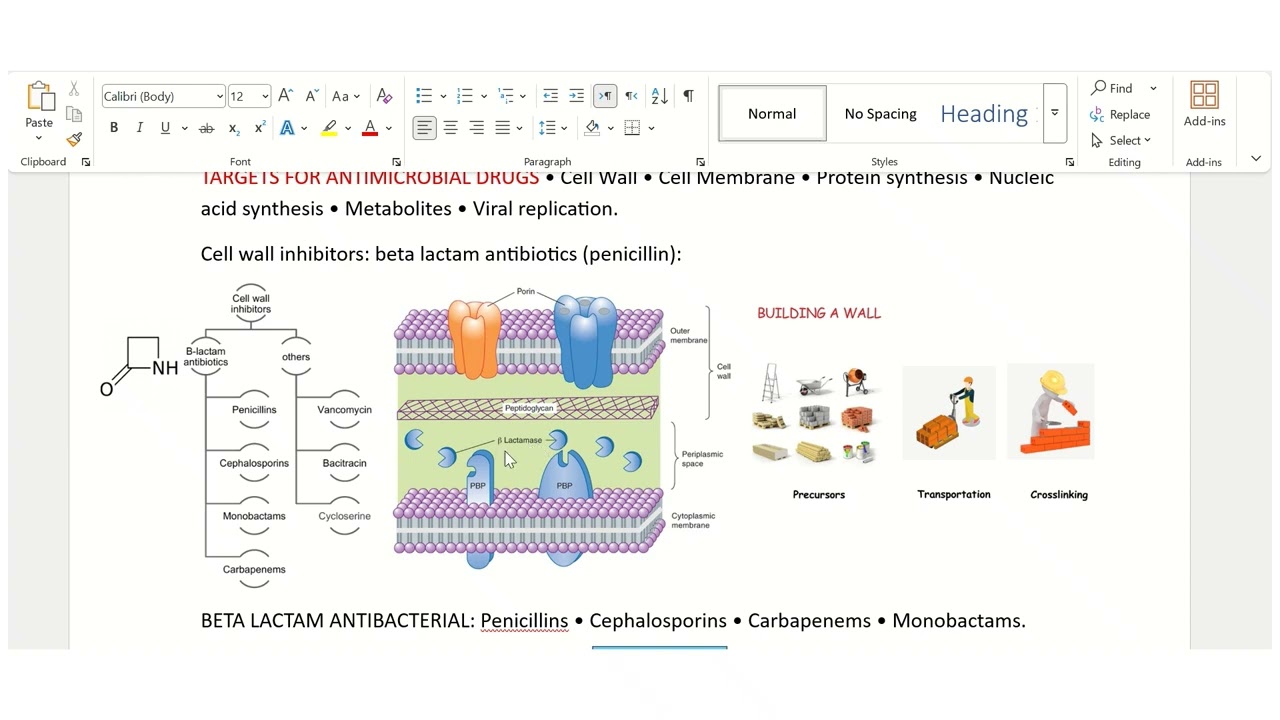



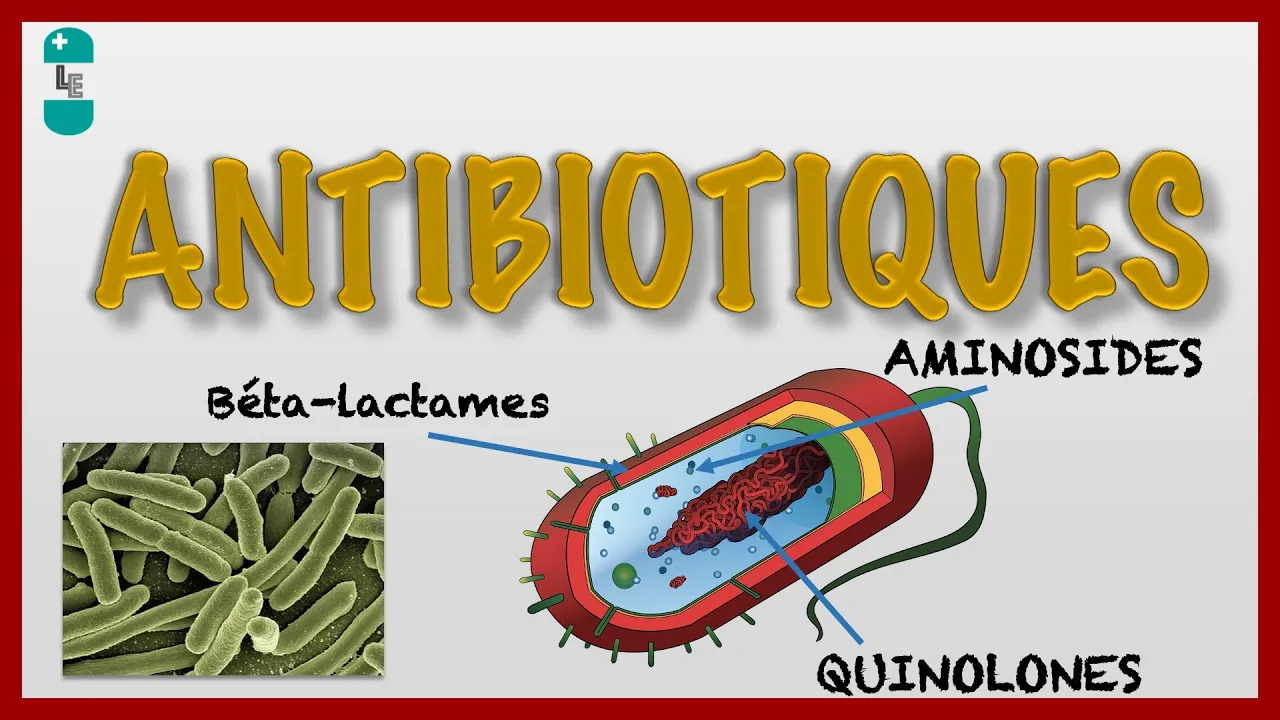






This video teaches a mnemonic (Queen's Guidance Counsellor Said Antibiotics Can Protect Many If Not Most Royal Members) to memorize antibiotic classes: Tetracycline, Quinolone/Fluoroquinolone, Glycopeptides, Cephalosporins, Sulfonamides, Aminoglycosides, Carbapenem, Penicillin, Macrolides, Monobactam, Rifampin, and Metronidazole. Each class targets either gram-positive bacteria, gram-negative bacteria, or both, with specific examples and mechanisms of action including cell wall inhibition (glycopeptides, cephalosporins, carbapenems, penicillins, monobactams), ribosomal targeting (tetracycline, aminoglycosides, macrolides), DNA gyrase/topoisomerase inhibition (quinolones/fluoroquinolones), folic acid synthesis inhibition (sulfonamides), RNA polymerase inhibition (rifampin), and DNA oxidation (metronidazole).
Antibiotic Classes Mnemonic: Gram Positive & Negative Coverage Explained
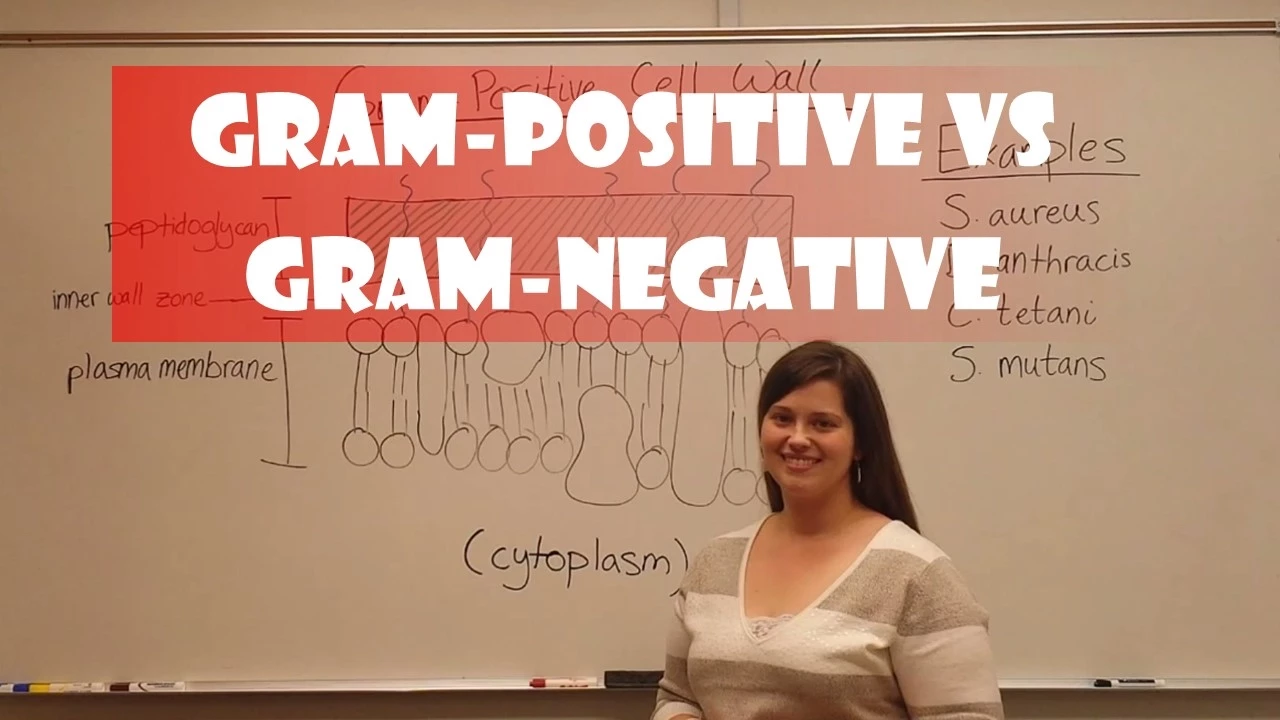
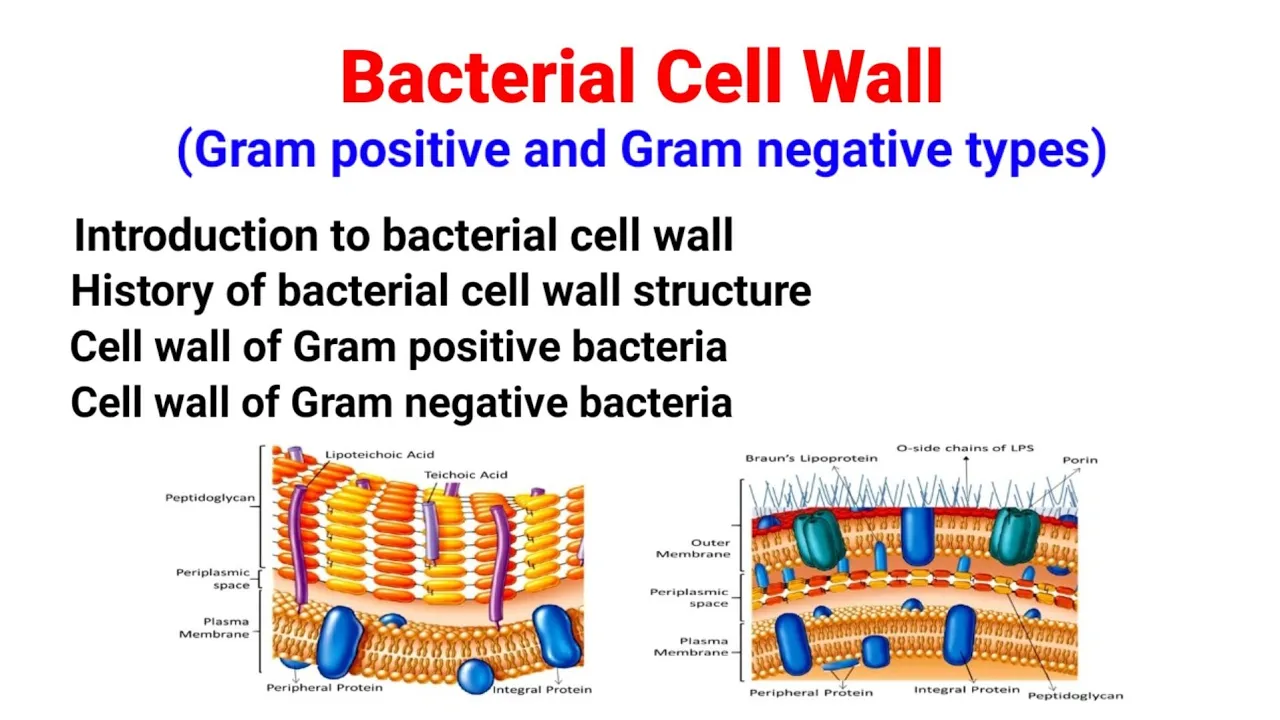
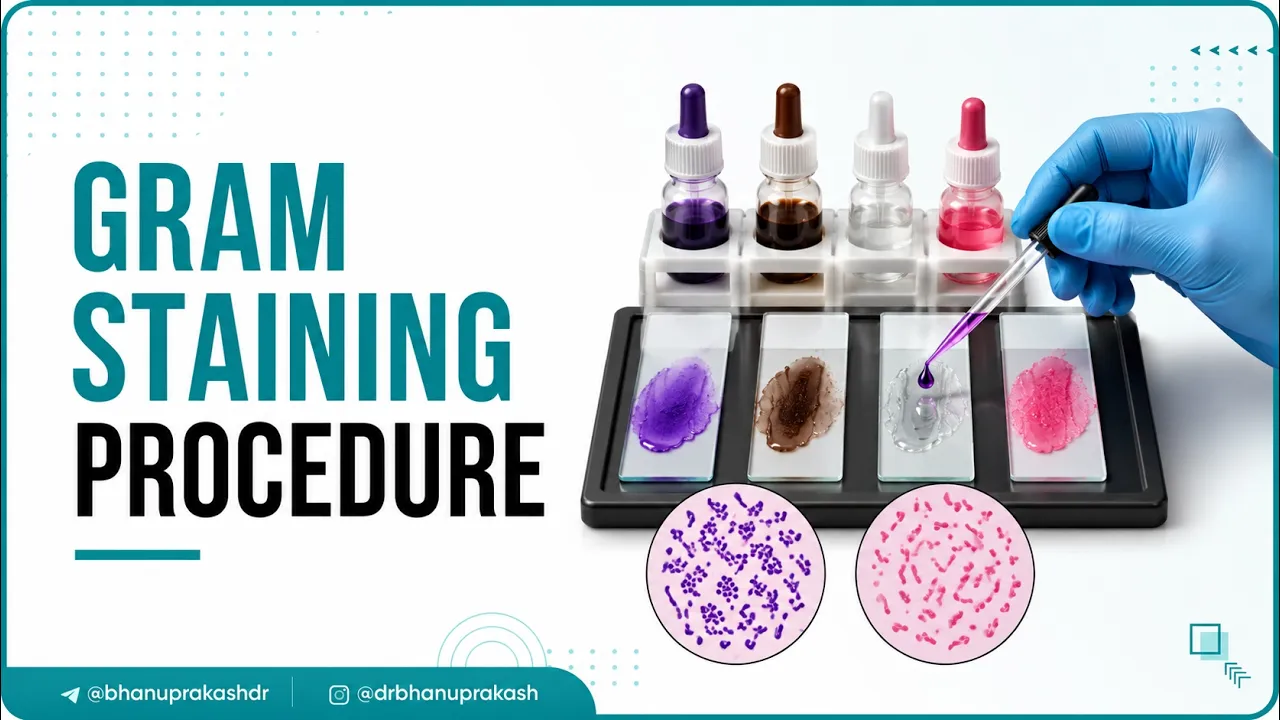
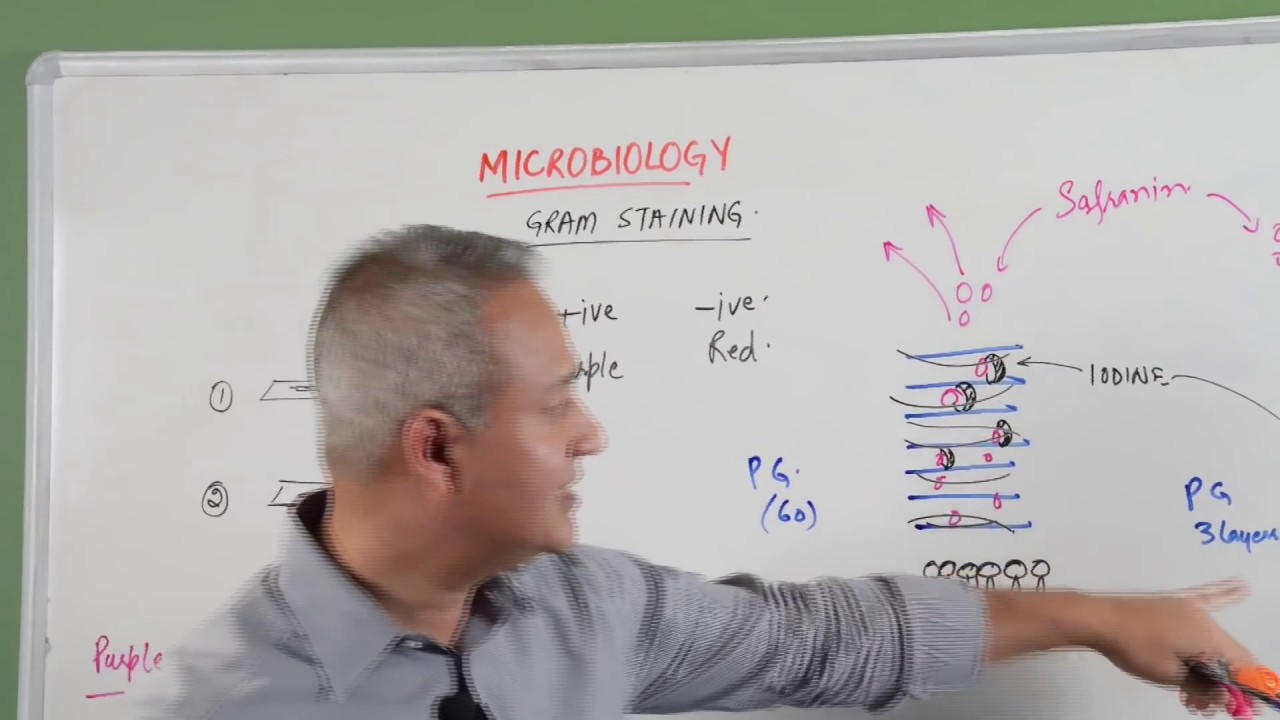
Added:hi everybody dr mike here in this video i'm going to help you memorize all the different antibiotic classes whether they target gram-negative or gram-positive bacteria some examples of each and also their mechanism of action so let's begin with a mnemonic the mnemonic to remember all the classes of antibiotics is going to be the queen's guidance counsellor said antibiotics can protect many if not most royal members so just like every other mnemonic take the first letter of each that's going to be the first letter of each of the antibiotic classes so let's take a look so for the the t stands for tetracycline the q stands for quinolone and fluoroquinolone fluoroquinolone the g stands for glycopeptides the c stands for cephalosporins the s stands for sulfonamides the a stands for aminoglycosides c stands for carbopenum the p stands for penicillin the m now here's the thing we've got m m m so how do we remember so i've made this a bit easier for you the first two letters will help you here so m a macrolide so we've got the macrolides mo monobactum r is rifampin and me is metronidazole and here we go we have the queen's guidance council i said antibiotics can protect many if not most royal members and here are our antibiotic classes tetracycline quinolone fluoroquinolone glycopeptide cephalosporin sulfonamides aminoglycosides carbipenem penicillin macrolides monobactin rifampin and metronidazole now do they target gram-negative gram-positive bacteria or both so firstly remember that bacteria have a cell wall we do not this cell wall is a whole bunch of sugars packed on top of each other with proteins linking them together now you can have bacteria that has a really thick cell wall or bacteria that has a really thin cell wall if you were to expose both of them to a purple dye the one with the thick cell wall will absorb that dye and they look purple and we call that gram positive the other one doesn't it comes up pinkish and we call that gram-negative and that's one way for us to classify bacteria so which of these affect your am positive or negative or both let's take a look firstly tetracycline both gram-positive and gram-negative that's what it targets quinolone fluoroquinolone also positive and negative glycopeptide positive cephalosporin positive negative sulfonamides positive negative aminoglycosides negative only carbapenem positive negative penicillin both positive and negative macrolides positive only monobactin negative only rifampin positive negative and metronidazole positive negative so what you can see is two positive negative then a positive two positive negative a negative two positive negative a positive then a negative and two positive negative so now what we've got is our classes and whether they target gram positive negative or both now here are some examples of each and i've pre-loaded them up on the board so i don't misspell them and we have for tetracycline tetracycline and doxycycline for quinolone fluoroquinolone we've got nalodixic acid and ciprofloxacin respectively glycopeptide vancomycin cephalosporin ceftini sulfonamides sulfur methoxazole aminoglycosides the common gentamicin and streptomycin for carbopenem meropenem for penicillin the common penicillin and amoxicillin and the common erythromycin for macrolides yeah for macrolides and then for monobactin we've got the aztrionum and for rifampin we've got rifampin or a fanperson and then for metronidazole metronidazole now most importantly we need to take a look at how do these antibiotics work what is their mechanism of action so like i said earlier with gram positive negative bacteria have a cell wall we don't so what we need to do is exploit the differences when we have some sort of bacterial infection we want to give ourselves a drug that don't kill our cells but just kills the bacterial cells so we need to exploit the differences between us one of those differences is bacteria has a cell wall if we damage that cell wall basically the cell bursts now remember inside of a bacteria it is hyperosmotic that means it likes to drag water towards it and the thing that stops it from dragging water towards it and then swelling up and bursting is that cell wall so if we destroy the cell wall either stop it from being synthesized or we stop it from being maintained it will burst let's have a look at the antibiotics that can do this so first of which is going to be the glycopeptides that inhibits cell wall synthesis then we've got the cephalosporins they also inhibit cell wall synthesis then we've got the carbopenems they also inhibit cell wall synthesis penicillins we all know inhibits cell wall synthesis and then we've got the monobactins inhibit cell wall synthesis as well now they don't all do it the same way they all do it slightly differently yet in a similar fashion but they're inhibiting that bacterial cell wall from being made or being maintained which ends up making the bacteria burst so that's one way we've exploited the cell wall what's another way so remember that we have dna that needs to go to rna that needs to go to amino acids or pro that fold to proteins so dna to rna is transcription rna to proteins is translation and bacteria do both of these different to us so first of which is the translation going so reading the rna to turn into amino acids that can fold into proteins we have ribosomes right ribosomes have two subunits and basically the mrna feeds into the subunits we read it and spit out amino acids so for us humans our two subunits are 60s and 40s but for bacteria it's 30s and 50s so we can target specifically the ribosomal subunits stopping translation from happening so what we've got here is tetracycline that specifically stops the 30s subunit of the ribosome brilliant we've also got the aminoglycosides that stops the 30s subunit as well again stopping translation and we've got the macrolides this stops the 50s subunit brilliant so we can stop translation what else can we do well let's take a look if we look at the quinolones and fluoroquinolones what we can do is in order remember if we take a look at the dna right of humans our dna is linear but it's double stranded and it's wrapped around each other but for bacteria it's circular but it's also double stranded and wrapped around each other so in order for us to read our dna we need to unwind it so bacteria need to do that as well but because they're slightly different they use different enzymes to do this now both of those enzymes are called topo isomerases topoisomerases but they're different now here the quinolones and fluoroquinolones this is important so for dna synthesis to occur we need to unwind it and the topoisomerase that bacteria use is topoisomerase 2 and topoisomerase 4. so we can inhibit those two topoisomerases inhibiting dna synthesis and that's what quinolones and fluoroquinolones do then if we take a look at these sulfonamides what they actually do is they target folic acid synthesis so we need folic acid for survival now the difference is we get our folic acid from our food bacteria has the enzyme to synthesize it so since we don't have that enzyme we can target that enzyme and if it doesn't work no folic acid synthesis no survival so we can target folic acid synthesis through the sulfonamides now the last two mechanisms is for rifampin and for metronidazole how do they work so we've spoken about dna synthesis right what about and we've spoken about here the 30s and 50s subunits so translation what about transcription turning dna to rna so this is using an rna polymerase now that's what rifampin does is it inhibits rna polymerase so you can say rna polymerase so dna transcription that's what it inhibits that's what rifampin does and again they use different polymerizes to us and then finally metronidazole very effective antibiotic it works by actually just damaging the dna dna damage how does it do it it oxidizes the dna when you oxidize dna you pull electrons away from it and then the dna is damaged and cannot be read and no longer can be used so what we've just worked through is a mnemonic to remember all the classes of antibiotics here they are here whether they target gram-positive gram-negative bacteria some examples of each and also the mechanism of action of each hi everyone dr mike here if you enjoyed this video please hit like and subscribe we've got hundreds of others just like this if you want to contact us please do so on social media we are on instagram twitter and tick tock at dr mike tadarovich at d-r-m-i-k-e-t-o-d-o-r-o-v-i-c speak to you soon
Up Next

When Antibiotics Fail: Investigating Superbugs and Drug Resistance | FRONTLINE
@frontline
3.6M views•2021-12-22

Graphic Medicine: Comics for Collaborative Healthcare Communication
@nationalpatientadvocate
189 views•2023-12-04

Neuroanatomy: Central and Peripheral Nervous System Divisions Explained
@AKLECTURES
136.2K views•2014-09-20
Stages of Labor and Vaginal Birth | Childbirth Animation
@nucleusmedicalmedia
52.1M views•2017-08-18
Related Study Plans & Knowledge Roadmaps
Structured learning paths in Medicine