
![Diferencia entre AUDIO y SONIDO - [ Conceptos BÁSICOS ]](https://i.ytimg.com/vi/uyM_wm90vcU/maxresdefault.jpg)


















The fundamental difference between condenser and dynamic microphones lies in their transducer technology: dynamic microphones use electromagnetic induction where a vibrating diaphragm moves a coil within a magnetic field to generate electrical current, while condenser microphones utilize a capacitive system where a charged diaphragm changes distance from a stationary back plate, creating electrical fluctuations that require electronic amplification; these technological differences result in distinct sonic characteristics, with condenser microphones typically offering higher sensitivity, better high-frequency response, and superior transient response making them ideal for recording delicate instruments like acoustic guitars and vocals, whereas dynamic microphones provide greater durability and higher sound pressure level handling, making them more suitable for loud instruments such as drums, horns, and aggressive vocal performances.
Condenser vs Dynamic Microphones: Transducer Science Explained
Added:Oh, hello. I'm glad you asked. You want to know the difference between a condenser microphone and a dynamic microphone and which one you should buy.
That's a good question. It all boils down to the fact that they just have different transducers. Okay? They have different methods of transduction.
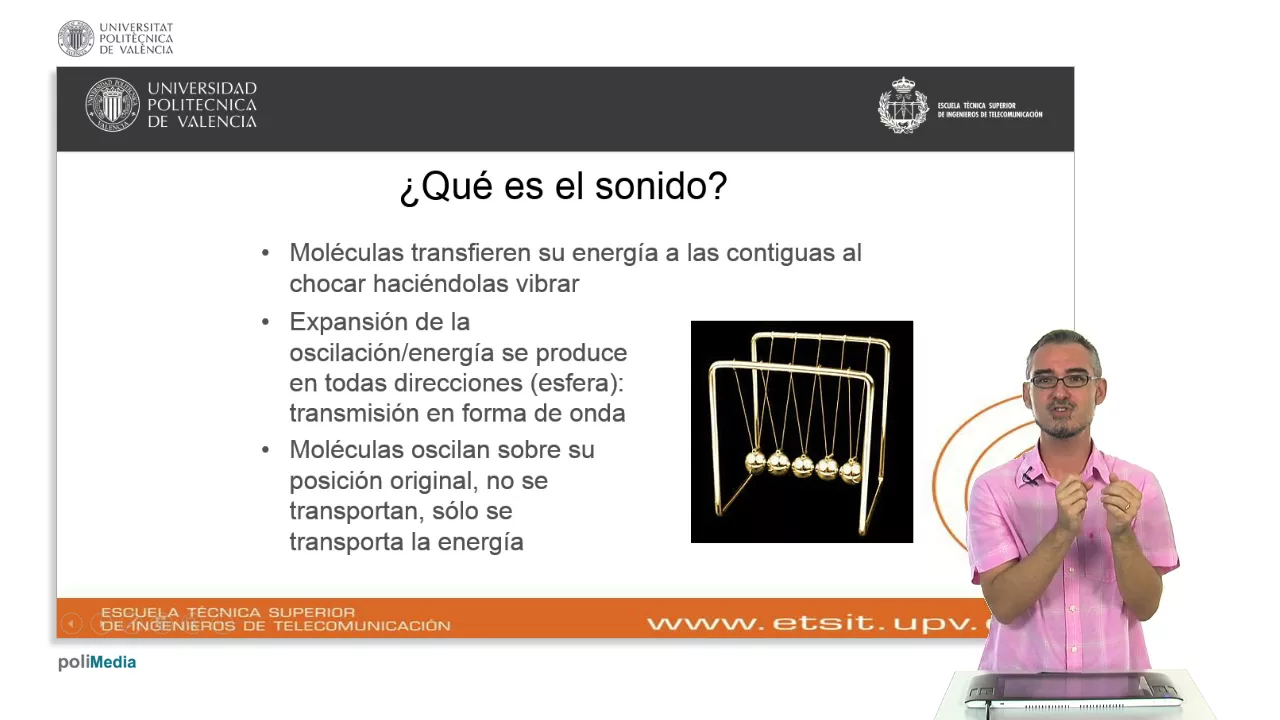
Because they have different kinds of transducers, they're going to have different sonic characteristics in theory. And because they're going to have different sonic characteristics, they're going to have different applications. What is a transducer? A transducer is simply something that takes one form of energy and converts it into another kind of energy. And in the case of microphones, they take physical energy in the form of sound waves um traveling from my voice or an acoustic guitar or anything and they convert it into electrical energy into an electrical signal that gets sent down the microphone cable into a mixing board. um into a compressor, whatever.
Physical, electrical. That's what a a microphone does. Well, in both a condenser microphone and a dynamic mic microphone, there's something that vibrates in proportion to the vibration of the sound waves making contact with the microphone. And the thing that vibrates in proportion to the sound waves making contact with the microphone is the diaphragm. The diaphragm vibrates as sound waves make contact with it.
Both the condenser microphone and dynamic microphones have a diaphragm and the diaphragm moves in proportion to the the the vibration of the soundwave. So as the if um the vibration of the soundwave is you know vibrating a lot so is the diaphragm. It's if it's a weak vibration the vibration of the diaphragm is going to be proportionally weak. Now think of our own diaphragm. Our own diaphragm down here in our in our stomach.
As you breathe in, your diaphragm moves proportionate to the amount of air you breathe in. When you breathe out, your diaphragm is proportionately moving to how much air you breathe out. So same with this, okay? Air comes in, the diaphragm moves accordingly. We have a diaphragm and we're going to talk about dynamic microphones. Now, this is a Shore SM57.
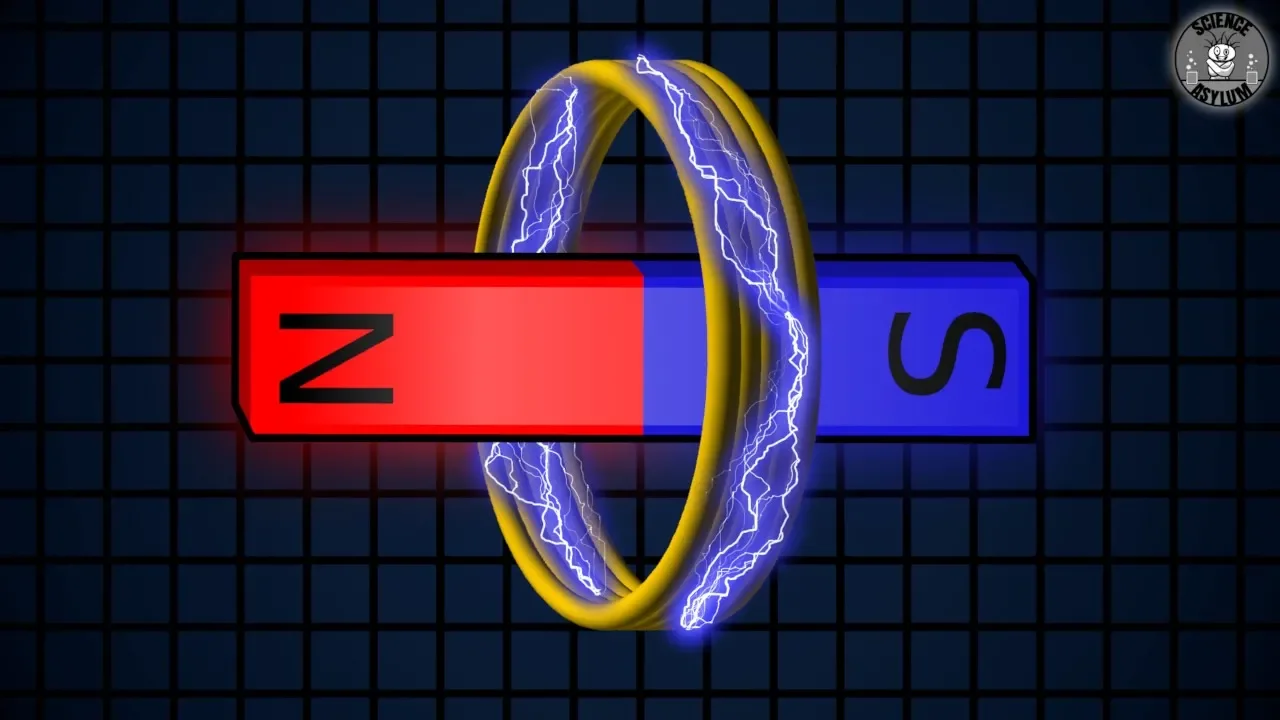
This is the workhorse of every single recording studio. U but in here in this little head there is the diaphragm and then attached to the diaphragm is a little coiled wire. Now that coiled wire is suspended in a magnetic field. Okay?
And the magnetic field is generated by a magnet that's inside the head of this microphone right here. Okay? Now what happens is as the diaphragm moves because sound incoming sound waves are are knocking the diaphragm. I might say diagram in this video but if I say diagram I mean diaphragm. As the diaphragm moves the coil is going to be moving as well but it's going to be moving within a magnetic field. As you may remember from that's just Twitter.
Now, as you may remember from high school physics, if you have like a a wire moving through a magnetic field, it's going to create some current in that wire. That's what happens in here.
As the coiled wire is moving in the magnetic field, it creates current in the wire. And then there you have your electrical energy and it travels out into as I said before, whatever. Now, it's extremely important to realize that the electrical signal that's sent out of the microphone is proportionate to the sound waves coming in making contact with the diaphragm. But is it would make sense cuz you're going to have the diaphragm moving. The diaphragm is going to be moving the coiled wire in the magnetic field. And so that amount of current is going to go out. So the amount of current is going to be proportionate to how much the diaphragm and the wired uh coil is moving which is moving in proportion to how much air pressure is being applied to the diaphragm. Okay? So that should make sense, right? Because you want if you have high sound pressure coming and making contact with the diaphragm, you want stronger electrical signals going out, right? If you're just whispering just a little bit, you want to make sure that a little weaker signals coming out, right? So that's the idea. And voila, you have my voice right now because I'm using a condenser micro or I'm sorry, I'm using a dynamic microphone to talk to you.
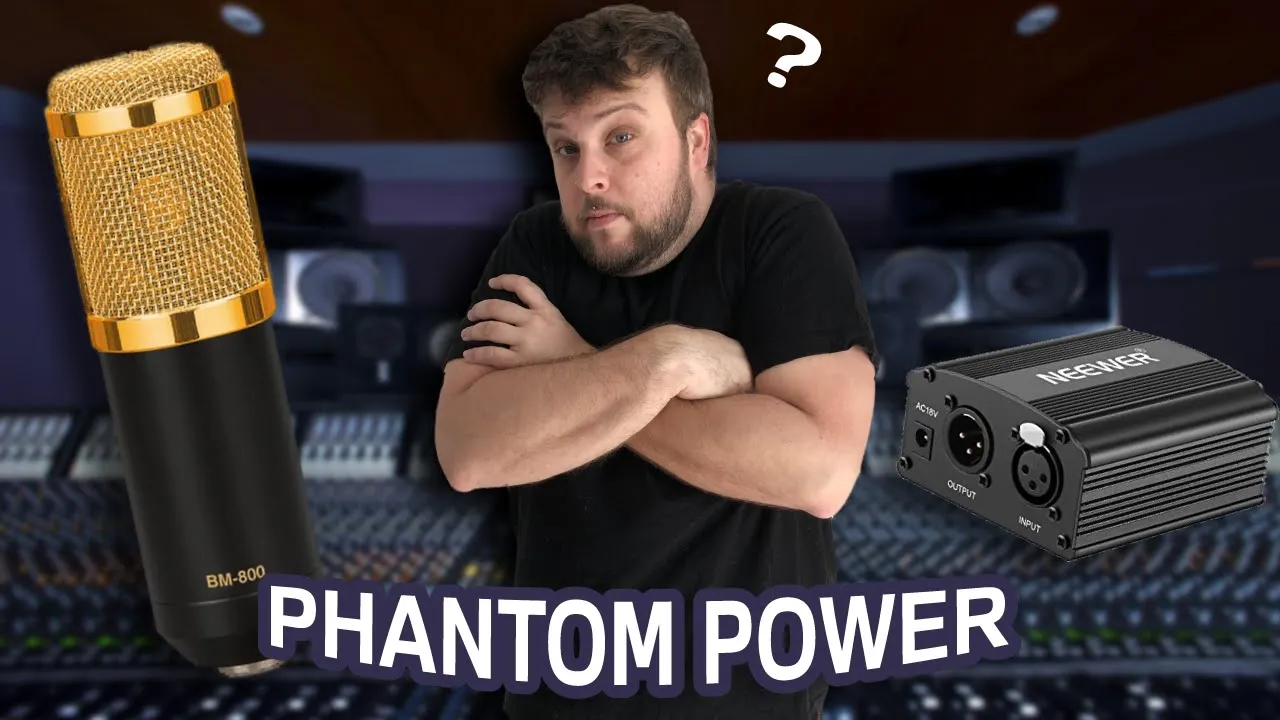
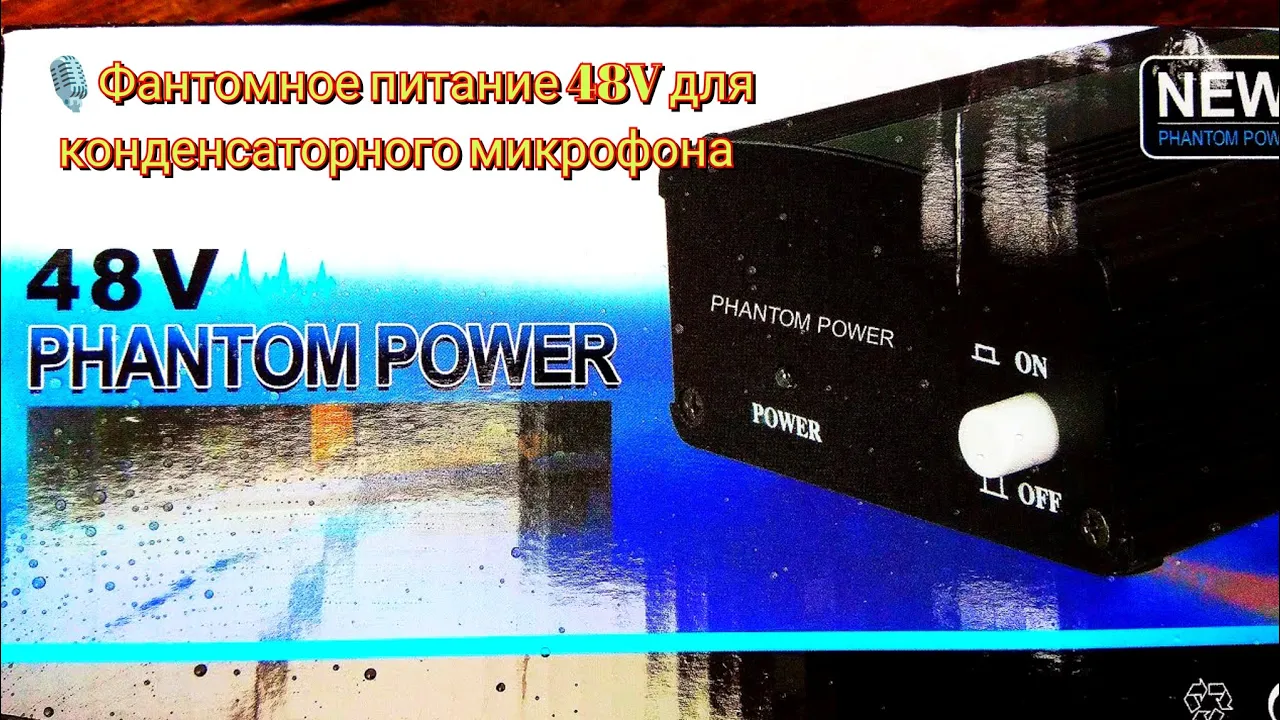
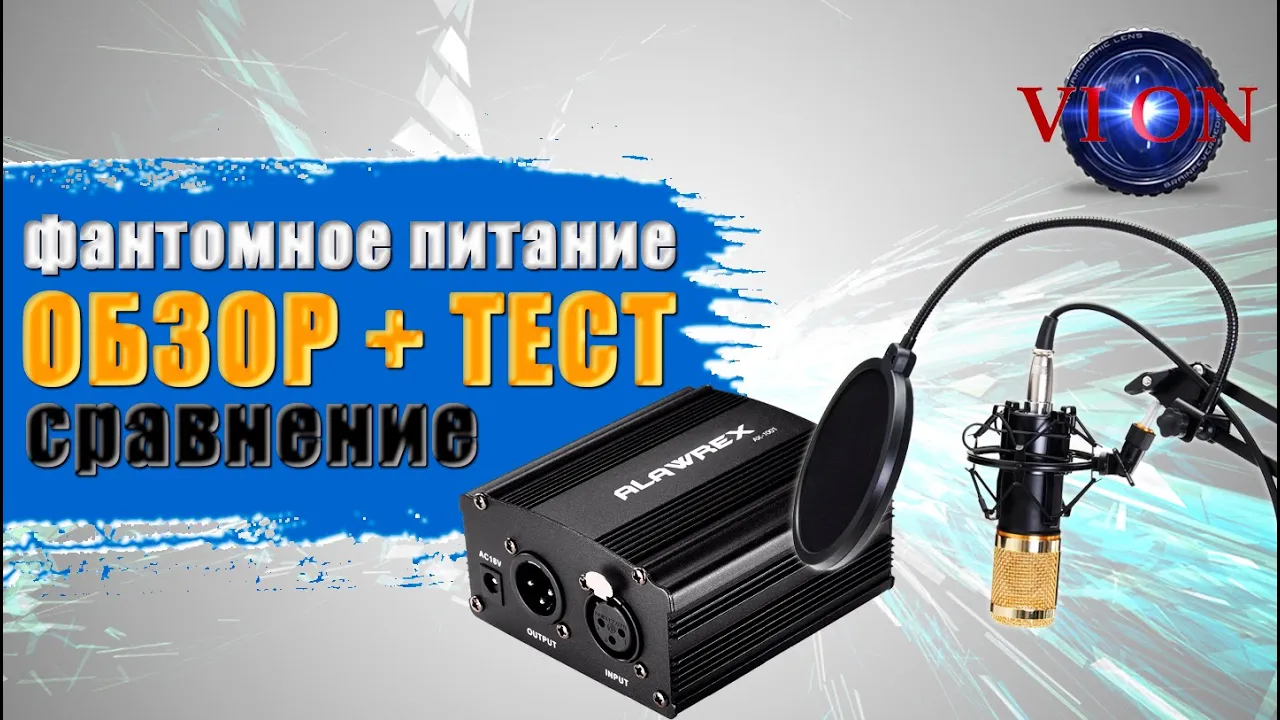
This is a condenser microphone. This is AKG414. These are allpurpose uh great microphones. Different kinds of transducers. Now, this also has a diaphragm. This diaphragm is a very thin plate and it is movable. It moves around just like the diaphragm in in here. It moves. Now the diaphragm in here is positioned parallel to another plate, very closely to it. But the other plate, the back plate is what it's called, is doesn't move. It's rigid. It's stationary. It stays in one spot while the diaphragm can move. Now, there's a battery, a power supply. That's why condenser microphones require phantom power, external power um is because there is a charge that needs to be applied to the plates and it creates a polarized charge. Okay? So the front plate will have more negative energy and the back plate will have more positive energy or vice versa. So now as sound hits makes contact with the diaphragm, it's going to change the distance between the the back plate and the diaphragm. Okay, the diaphragm is going to be displaced with respect to the back plate. Now, as a quick side note, this whole little situation going on here where we have the diaphragm, I'm sorry, the back plate and the diaphragm and the space between with the charge, that's called a capacitor. And capacitors used to be called condensers. And that's how uh condenser microphones got their name.
Okay. So, we have uh the capacitor and we have the diaphragm is going to be displaced with respect to the back plate. Now, what that's going to do is it's going to bring the diaphragm closer to and further away from the back plate.
That's going to cause some electrical fluctuations and that's going to generate the a corresponding signal that's going to be sent out of the microphone. Now, it's a very weak current and so in um condenser microphones, they're going to have to electronically amplify the signal going out of the microphone. And uh that's where you're going to get tube condenser microphones, FET condenser microphones, etc. Uh that has to do with the electronic uh amplification of the of the very weak signal. And so that's how condenser microphones generate current.
And so that's the difference. Okay, this one has a a little wire that moves in a magnetic field that generates current.
Bam, you got your electric energy. The way that you get energy out of this one is you have a diaphragm displacing and that's going to cause some type of energy fluctuations that get sent out as the electrical signal and you get transduction. The consequences of those differences are extremely general. Is my belief that having this understanding of the different types of transducers is practically useless. Okay, so good for you for watching. The sonic differences that are theoretically implied by the different transducer types is just interesting. Really, the most important thing to do and to know is what your microphone does in different situations, what your different microphones do in different situations. That's the most important thing. Now, [snorts] in general, they're going to have in theory, these are going to have different sonic qualities uh because of their transducer types. We might say for for simplicity sake that the coil wire and the magnetic field isn't as easy to move and it's easier for this diaphragm in here to move and create the energy fluctuations that generate the current.
Um, and so these microphones tend to be a lot more sensitive. Condenser microphones in theory are going to be more sensitive. They're going to they're going to respond a little bit better to higher frequencies and they're going to have a little bit better transient response in theory. Transient is just how fast it's able to uh get the oncoming sound wave. So, if I snap my fingers, all right, uh some microphones would be able to pick that up very quickly. They're going to get that that very first part of that soundwave, that disturbance in the air. If you're going to be ming a nylon acoustic guitar, for example, and you want to hear every single nuance, condenser microphone might be something you want to reach for before a dynamic microphone. If you have a hardcore screamer going Oh, you know, you want to probably reach for a dynamic microphone because in general, their build is a little more rugged, okay? And they're able to handle higher SPL, sound pressure levels, than a than the little flimsy diagram than the little flimsy diaphragm of a condenser mic. But that's that's kind of the what I want to explain is the difference. This is able to take a little bit more heat. It's not going to capture transients and higher energy as well in theory as a condenser microphone. I hope you guys are sufficiently educated or at least feel sufficiently educated. If you did learn something, then hit like and subscribe cuz I helped you. Now you better help me.
And uh anyway, I hope to see you guys next time. Thanks for watching.
Up Next

Les Paul & Chet Atkins: Guitar Monsters TV Interview (1978)
@TooleManTV
1.7M views•2009-09-23

Triumph of Orthodoxy Icon: Byzantine Art & History Explained
@BenCallan
2.1K views•2024-08-06

FastAPI vs Flask vs Django: Choosing the Right Python Web Framework
@TechWithTim
302.5K views•2024-05-26

Game of Thrones Opening Credits: A Cinematic Analysis
@gameofthrones
46.3M views•2011-04-18
Related Study Plans & Knowledge Roadmaps
Structured learning paths in General & Interdisciplinary Studies