





























Platform capitalism represents a new dominant business model where companies act as intermediaries connecting different groups (like users, advertisers, and service providers) while building infrastructure for others to operate on, characterized by network effects that create winner-take-all monopolies, cross-subsidization strategies, and non-neutral architectures that embed specific rules and incentives; unlike traditional Fordist or post-Fordist models, platforms are designed to continuously expand and collect data, leading to potential monopolistic consolidation across the economy.
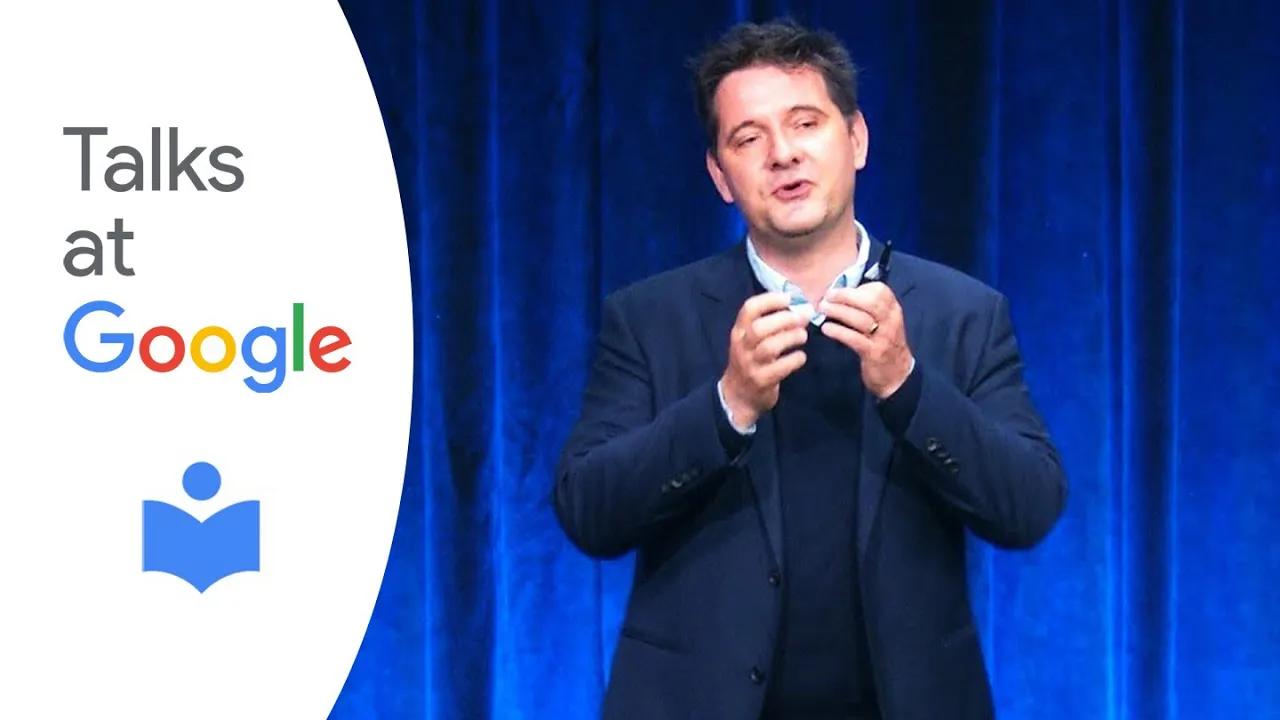
Platform Capitalism Explained by Dr Nick Srnicek (City, University of London) | Academic Keynote
Added:Fundamental concepts of capitalism, including capital accumulation, commodity production, and traditional profit extraction.
The economic concept of 'network effects' and how they drive user acquisition and market lock-in.
A basic understanding of data as an economic asset and how digital infrastructure differs from physical infrastructure.
The history of digital business models, particularly the shift from product-based sales to service-based subscription and advertising models.
Shoshana Zuboff's theory of 'Surveillance Capitalism' and the commodification of behavioral data.
Platform Cooperativism as an alternative economic model that champions worker-owned and democratically governed digital platforms.
Modern regulatory and antitrust responses to Big Tech dominance, such as the European Union's Digital Markets Act (DMA).
The transformation of labor and employment under platform capitalism, including the rise of the gig economy and precarious work.
10.3K views192likes34:51Original Release: 2017-02-14
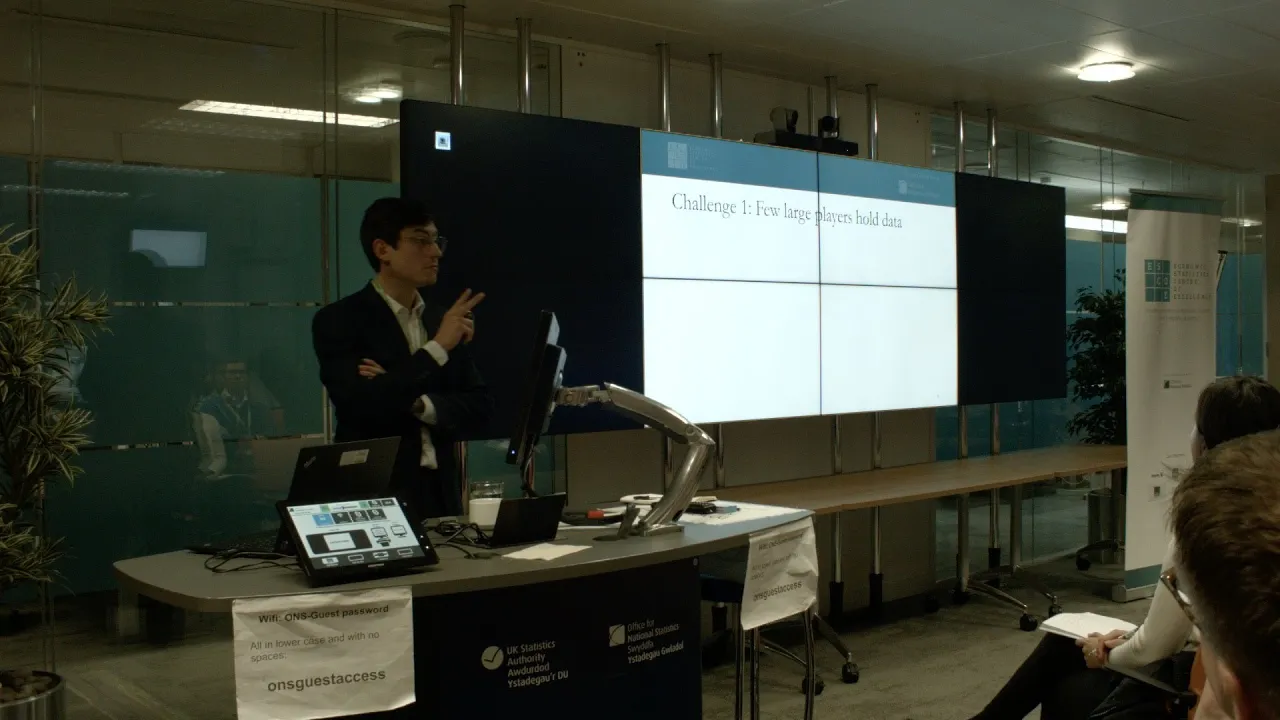
thank you everybody for coming out and thank you here for inviting me I'm going to be talking about my newest book bottle cap wisdom and like most good academic project and was born out of like frustration advances and offers I was basically trying to research this issue with Holly being trying to learn about what top bone mean and really frustrated though sort of lack of a clear definition then what exactly taught for me so part of the book is attempt to clarify for myself what exactly is going on we see all these sorts of terms going on of those sharing Columbian King Kong and everything but none of them seem quite adequate to me so begin with what I think is wrong with the common charge so often types of things that well the tech sector that we're talking about when we look at sort of the digital economy most of the top companies in terms of profitability in terms of market capitalization their tech companies whether it be Apple or Google or Amazon Facebook there ostensibly tech companies another positive thing is this is just the tech sector the tech sector is revolutionizing things that the tech sector is actually quite small when we look at the sort of technical definition for what the tech sector is in the u.s.
contributes about 7 percent of value added and then only employs about 2.5 percent of the population which is just about the same as agriculture in America so the very small parts of America that same thing they took like a ahold if we look at the UK so the UK supposed to be as P industrialized country and it is the manufacturing employs three times more people than the tech sector jobs when we look at these strict definitions and the tech sector is famously not high employment and is all being one exception but Facebook employs around 12 people whatsapp employed 55 people in Wasilla for I think 20 billion dollars Instagram employed 13 people when it was sold for a billion dollars so these are incredibly small companies that are worth a lot and they seem to be making a lot of knowing that their actual economic impact is relatively small when we look at the broader picture so I don't think the tech sector is a good way to Ning what's going on no no what we see is the sharing economy I'm sure we've all heard of this now the idea being out usually that lets you share your gifts and services for you if you have a spare room in your house you can share it on here maybe if you have some spare time and you can share your expertise in building IKEA furniture and stuff like that and this is often used by proponents of things like uber and Airbnb and it gives a sort of nice idea to what's going on you know this is just people freely sharing their goods freely sharing their time but of course the sharing economy isn't really about sharing it's about money this is dominated by firms which have massive venture capital backing which are in it to make money which are in it for profit why would your hyper exploiting workers in most cases so it's not really a sharing economy it's a much more traditional sort of capitalist firm that's looking to exploit workers in order to generate a profit the sharing economy to me seems more like propaganda than an accurate term for what is going on and now another one that we see and this take this left from the consumers perspective and more from perspective of the worker the big Warbeck writ achill turn the gig economy and the idea here is that we've seen a long-term shift from careers in like 1970s to jobs and by the nineteen and today we have a focus on tasks so you get immediate asking you get paid for that but you don't necessarily have a job beyond knocked out and you certainly don't have a lifelong career this is part of the long term trend we going on for about 40 years now this is sort of begin gain that you get paid fob to get it rather than buy a job now the problem with using this terms of sort of designate what's going on then again is actually quite small we don't have official statistics on this so the Bureau of Labor Statistics in America doesn't actually measure the stuff directly same with uni here in the UK doesn't make it it directly but our best estimates are that the gig economy takes up about 1% of the US labor market and in the UK takes up about 3% so against a quite small thing and to say that the gig economy is indicative of the broader shift I think overstate the case for what's going on so all I want to play that the better term for what's happening today with the digital economy the name is something like platform capitalism and one of my basic argument is that platforms are a new business model and particularly can compare them to certain topic ideas particularly from those markets analysis of a forest business model in a post Fortis business model so the Florida business model was premise upon mass production producing the same good many many times over mass consumption lots of people buying that good in vertical integration as well so an auto company would part suppliers to his own people making C do we follow everything up to the point of sale essentially not some sort of paradigm at exported business long now postpone is and we see something different though it's a flexible production we see more and more emphasis on individualizing products making the more responsive to consumer desires and this is part of individualized consumption as well it's not just an margins good being produced anymore but instead we have consumer preferences and consumer tastes constantly being differentiated and I think one of the important things particularly in comparison to a platform model is that post Fortis business models were based upon the lean business so the idea was that if a sector of your company was not profitable you would cut it off this led to things like knife we're basically not just advertising it does branding but it outsources everything else so it doesn't actually control the manufacturing of footwear and things like that but it slightly you know again businesses that because the recorder the people very small number of employees that we're making a massive amount of money on the basis of branding and things like that and that was sort of the archetypal post Fortis business model now this is all different from platforms and this is a sort of definition of you what columns are two key aspects there intermediaries and their infrastructures so they're intermediaries between different groups we can think of Facebook as an example here the Facebook brings together users up as we interact on Facebook combines new advertisers combined from with companies web pages we're now building up in a little chat box that you can interact with on Facebook same thing with something like super uber is an intermediary between people who watch the taxi and people who are able to provide taxi service so it brings together these different groups the platform building infrastructure so to learn infrastructure for this intermediation but also for development you can build things on top of most platforms do you think about Facebook for instance you can build your profile of your company you can build a company page you can build apps for Facebook so this is what top phones are all dunces bringing people on board to that platform and interacting so that's there's the core definition that I'm working with now it's worth noting this definition of popcorn excludes one company that we might normally think it was part of this sort of shift which is Apple it turns out Apple actually relatively flooring company in terms of what it's doing so Apple is meant across the most profitable company in the world but it's not a lot different from the post for this nice model of luxury goods being sold for massive profits on the basis of branding and advertising Apple had a platform aspect iTunes and the App Store being like Docs but they take up a bit forget exactly how much is very small amount of the revenue stream 68% of apples revenue comes in stone macarons so they're actually a fairly traditional company in that sense they sell a luxury good I'm not all that interesting and not a platform but my definition now where does the mother characteristics of platforms the first and most important one is that they have Network effects they generate Network effects when they rely on network effects to exist network effects is based in the idea that the more users who use a platform more valuable that platform becomes for everybody else so a good example is again a Facebook you may hate Facebook most people do but if you want to be on social media you're going to be on Facebook because that's where everybody else already do the important thing to collective s is to say that it's notice that network effects lead to or winner-take- goal model they lead to monopolization so it becomes very difficult to dislodge something like facebook once it's engrained itself as the key social media platform same thing with something like Google it's very difficult to get away from Google as a search engine because it's monopolized through network effects this is first aspect here another aspect what's called cross subsidization which is a fancy word for something we're all well aware of it's the idea that companies will provide something for free or out of subsidy in order to get more users on board and they'll raise up the prices on another element of the business so for instance Google provides Gmail for free provides calendar for free a provides all sorts of other things for free but then it can jack up prices for advertisers and as part of what it means to be a platform business it's defined to what you're subsidizing when she's not notified another great example of Amazon Amazon Prime losses Amazon money but it does bring people into the Amazon ecosystem it brings them onto the platform the Kindle is sold at cost again to bring people into the Amazon Pegasus thing so these are all efforts to generate Network effects and get that monopoly for the tendancy going on okay the next and final two characteristic of platforms is that they haven't designed core architecture so the platform is not neutral and in fact it embeds a set of rules and incentives and a system of behavior within the platform the platform intermediation is not neutral not just to people to groups coming together with no sort of just you know themselves basically directly instead there's something going on here something political my favorite example is uber so if you open up super on your phone and you look around for the uber toxins and maybe around they actually show more taxis that are available than actually are available so it's this thing called phantom counts they're showing you more supply in the market and what's actually there that's the same thing on the other side of your driver they use the system of surge pricing to predict where demand is going to be in order to get people to move to certain areas to get drivers to move to a certain area now none of this is mutual none of this is just pure market forces this is on the basis of the algorithms with a Gruber's program and it's a sort of political manipulation book the riders and drivers on this whole for all top homes as well okay the wire platform is important well I think platforms are the only business model adequate to the digital age so I think the key sort of resource today is data in the traditional business model whether the affords business model or close-quarters business model is not very good at collecting data it can collect it as a sort of derivative effort but it's not core to those business models to collect data the thing with platforms that as intermediaries and as infrastructures everybody is acting on them and their position to capture and control as much data as possible so in getting people to go onto the platform we then act on the platform that means all that data is that available to those companies so I think platforms our third apparatus for extracting and collecting data and I think that this lie we're starting to see them expand across the not just in the tech sector but across the economy because they are really good at collecting data okay what I want to go through now is a number of different types of platforms so the certain core aspects which hold for all of the platforms but it's also important to distinguish between different types and this is because particularly when I was reading a lot of the literature on platforms people will be calling Google platform then they'd be comparing it to avertv comparing it animala and these things these businesses are quite different their revenue sources are quite different what they're making money from how they're generating profits is quite different so they make all these platforms but we also take into account how they are actually free money creating value so I afford different types of platforms advertising cloud and industrial platforms Pro a platform Raeleen platform so the first one is advertising platform which essentially is Google and Facebook so the number of others but Google and Facebook of a primary one peer and they're advertising platforms because their entire revenue stream is basically dependent upon occupy wave so this is the blue is advertising revenue for Google believe it's 89 percent and Facebook it's 96 percent of their revenue comes from advertisers so that is where the money baster contracts there's no element of Google that transformed an alphabet now there's no other elements in alphabet that is profitable it's only AdWords which is actually the profitable element so these are companies which are extremely relied upon generating and maintaining a stream of advertising income now what does this mean I think it gives them a certain structural imperative if they are relied upon advertising income they have to expand the data collection on users this is fundamental to the way we generate revenue in order to get more advertisers in order to say well we can match up your ads with the perfect consumers you are going to be enticed by your app now what does it mean in terms of privacy it means that these companies is in tribute to their business model to expand data collection means that are going to be constantly impinging upon privacy if you see this constantly with Google and Facebook Google which is Google car driving around has a big issue where it turns out it was collecting a lot of data from people's why Fox Facebook same thing is constantly you know pinching and asking for more and more information for people so this is it's fundamentally the business I think the sort of ideas that we can reform these companies in a certain way that they respect privacy misses the fact that it's structural that is intrinsic to how they generate revenue don't necessarily impinge upon privacy okay the next one is what's called cloud platforms what I call cloud platforms and this is basically cloud computing Amazon Web Services is the biggest one and when Amazon Web Services goes offline most of the internet goes offline with it it's a huge part of the backbone abusement as we know it and these company is basically what they do is they provide the hardware of computing power the development tools and the software for other companies to use to the rest event so the profit that is depended on renting out these basic infrastructures these basic platforms to other companies and this is becoming a huge huge industry as well it's the most profitable element of Amazon already Google is moving into this area as well so it's starting to rent out machine learning algorithms Microsoft is developing artificial intelligence that's going to rent it as a sort of cloud-based service and iBM is actually moving on across and cloud computing although who known as a quantum cloud computing quantum computing even works but every major company in the tech sector is moving into cloud-based stuff as well as a huge revenue generator and we're starting to see more and more companies move to it now a particular version of cloud platform is industrial platform so people Lanford about the industrial Internet of Things Nessus idea that you can connect the materials and there's in the parts and all the factories together into a local in German what this sort of local industrial internet suppose do is allow all these parts of machines to talk to each other Lincoln warned of possible maintenance issues they can warn of problems we might be going on they can also introduce extreme flexibility so BASF the biggest type of creature in the world that built with the prototype factory on the internet thing and they can have every product that comes out on the assembly lines different from the one before so there's a huge amount of flexibility that can be built into these factories as a result but what's particularly interesting is that you have lot of platform providers for this industrial internet so this is GE and Siemens in particular have been spending billions now trying to build up a cloud-based platform for factories so it's quite literally like an app store for factors as what they're starting to build up and this is already a sort of big revenue source for GE it makes about five billion dollars annually on it predicts platform and it collects more data and Facebook as well so these are our huge sort of things going on but to my knowledge haven't really been discussed yet but again it's renting out the platform and generating profits on the basis of that rental okay the third one here is product platforms this is the idea of transforming goods into services that can be rented probably the best example of this is something like Spotify or iTunes or title these music subscription services where basically I do that which I'll get for free you can download music for free off the internet quite easily has now been turned into something that generates a revenue stream for a company it's quite interesting that the music industry has been seeing revenues decline for about 20 years last year thoughts where we pick up again solely because of subscription-based services so this has been churning is there's three informational good again into something which generates money to help the idea that you're renting out this stuff so if you have a book on a Kindle you don't actually own it you're renting it now without God into trouble a couple years ago when they started deleting 1984 off of people's Kindle oh and people not realizing that we actually don't element an Amazon can do it walk with it now one of the most interesting examples is rolls-royce a part of business to create jet engines and we would think a traditional sort of commodity brief they're free for the challenge and sell the to an airline and then just profit thousand ops rolls-royce doesn't actually do that it hasn't been doing that for about 10 or 15 years now what it does is it the rent thrust rather than selling jet engines now I remember the first time I heard about them and I thought what is renting roughly of them how does it how that even possible so basically ownership doesn't pass to the area the jet engine goes to the airline they put it all on the airplane but then for every hour that it's run they pay a fee to roll drones and what rolls-royce pay to get back is maintenance for us but it's also again its own data platform so rolls-royce is collecting all the data from every use of those jet engines it means they can make the more aerodynamic they can make the more fuel-efficient they can see when they may run into problems all these sorts of things so jet engines have become a platform in Rolls Royces business and it collects again an immense amount of data but again as monopoly tendencies other jet engine companies if you're not doing much you're not collecting that much data you're losing ever light compared with so data is becoming a key resource to generate a monopoly kind of being generate comparative advantage against your competitors okay finally maybe the platform that we're all most aware of is what I call being platform the idea that they're lean comes from now sort of famous quote movers the world's largest taxi company owns no vehicles and Airbnb the largest accommodation providers owns no hotels so they're lean in the sense they own very little they own as little as possible to virtually asset with companies is quite interesting as well Hubert read the lotto is based the computing stuff from Amazon Web Services so one of your ways in which has been able to rapidly scale up you know the fastest growing company ever because of Amazon Web Services renting at that platform to build its own platform McKenzie wort has the term pectoralis class which sort of owns information and owns the control of the flows of information I think that applies footwell to the owners of lean platforms they do own very little but they're still managing to siphon off the load of the profits now the revenue here comes from two different things doesn't comfortable advertising it doesn't come from renting out a service or product instead it comes from a source and cost primarily so it Weaver is the best example of this the fact of its workers have to take on maintenance costs for currently have to take on the fuel cost the insurance cost any sort of trauma associated with an accident that's not on grouper those costs are all outsourced and no longer on boobers books they're also supported by venture capital welfare so a huge amount of money from Silicon Valley going into companies like uber Airbnb I'm basically supporting them despite the fact that they're not profitable uber until a couple months ago was losing a billion dollars a year in China trying to fight off another unprofitable competitor in China this is not about castle is leading align the massively failing business which supported by venture capital welfare to survive the idea is that super over time we'll have a monopoly position and we'll be able to generate revenue and a profits but right now not only unprofitable and actually uber is long-term business plans quite interesting to my mind they spent a huge amount of money on self-driving cars they bought up an entire academic departments of Carnegie Mellon that was doing research on self-driving cars and they're now testing it out in America Pittsburgh the charges tested in California the California blocked in one day after they tried to do it I think they're in Arizona now or the laws are busily stirring but if we think about this monopoly Tennessee of a platform what this means that euchre is aiming to get the monopoly over self-driving taxi circles and because running self-driving cars require so much data you need to have real-time data on what road conditions are like what traffic is like what construction there might be if uber can have a monopoly over that data nobody can be and this is why you know venture capitalists are putting a lot of money into it why the company is worth sixty eight billion dollars because people think that if they can attain a position it actually will be a very profitable company and it could happen I was reading the other day as well apparently Cooper's now researching flying charters which I come now it sounds it's the heart to me but as apparently the next thing is they're working on but I think one thing it's interesting to know about their long-term game plan that game plan is not to stay in the lead platform because to shift into something else they're going to owe the hasta they're going to own these self-driving cars they're going to own all the centers that were required to drive some hot self-driving cars so they recognize I think that lean platforms and ultra table in any way okay so those are sort of need to four dominant types of platforms that I feed today now I want to talk about possible futures to conclude I like these there are three possible futures one terrible but likely to nine but unlikely and I'm going to end on a very pessimistic note some so I'll start with the first one here monopoly platform and again this is just a firm extrapolation of the tendencies that I'd be going on right now where network effect means that platforms Kent Award winner takes on model and they consolidate the position and become very difficult for a newcomer to disrupt that market once they provide their position the other aspect is that because they are also relied upon data they have a sort of structural paradis to expand their data extraction so they're constantly looking for new ways to expand and get more deals now this I think makes sense of a lot of Google's business deals and it comes from Apple's business deals and Amazon and why is Amazon getting into the consumer Internet of Things supposed to be ecommerce company well it makes sense is actually your business is data and you want to collect as much data as possible same thing with Google while Google getting involved in filtering cars getting involved in consumer Internet of Things all sorts of weird businesses that are unrelated to a search engine but it makes sense in their business with data and again this goes back to the point the post Fortis business model was a lead model cut down to your core competencies your profitable thing that does the whole tree for a platform the idea of our platform is to expand emergence acquisitions are huge among key companies huge amounts of companies being bought up on them to expanding collect more data sort of my way so this is the Tennessee though I see occurring right now and I think if we could extrapolate them not the likely future is one of massive expensive clothes and monopolistic platforms so you'll be on the Google method or you'll be on the Apple network or on the Facebook network I think we have actually an interesting example today of what this might look like which is WeChat I don't know if anybody heard of reach I mean all one teria hand boy people so it's very very famous in China it hasn't really made it over to the Western world yet interestingly I think the Chinese ecology of popcorn is in many ways more advanced than the Western one and if I could rewrite my book I would probably be focusing more on them but I had that model tiny dysfunction at some point but we chose interesting because it's sort of super app if it closed it up so it doesn't interact with under ops it doesn't sort of like you're on it and it doesn't interact with the other one but it doesn't evil other cops to work on this problem so for instance you could have uber on weed shots you could get ride sharing on WeChat you could use financial transaction on WeChat you can make an appointment of the government making a play with the doctor all this is through to reach out apps that are based within reach out but what this is is basically of met atop a platform throw other platforms operate on but it doesn't enable the extraction of all that data without one speaker out and I think quite interesting it's revenues come from e-commerce more than chomping advertising is not really sustainable what we've seen is the duopoly structure between Facebook and Google basically taking all digital online advertising and everybody else struggling together advertising is not really a sustainable way to generate revenues unless you're one of those two companies so we chat doesn't rely on I think that's quite interesting in terms of its sustainability now this isn't just meaning sort of predicting them there's a lot of noise from people at the top of Facebook and people at the top of Google saying we want to be like meat shop action that we chat is something that we want to need to Lord and that we're quite envious of the way in which it works so I think that this is sort of the likely future we're going to see more and more of it I'll give one example which is Facebook right now is investing a lot of money into chat box and the idea is that through your facebook messenger you can interact in the business a little little tiny AI and you could say order keep them your Facebook's it's a little app with a Facebook and that's what they're trying to do them on what it'll be successful or not I don't know but this is you know the sort of strategy that they're thinking about okay I think this is the most likely outcome corporate dominated monopoly platforms that's a nicer one which is platform cooperativism this is the idea of platforms owned and controlled by the workers so for instance you know sort of uber competitor which is owned by the drivers it doesn't exploit the workers it gives them a reasonable wage reasonable benefits things like that now I like the idea but I think it faces some severe challenges how you compete against uber in the first place you have a company that was losing a billion dollars a year to undermine another competitor colleges are sort of bottom up Plus local operative compete against a company that is willing to lose a billion dollars a year but you can't basically you all know the facts and mostly we have an immense amount of data which gives them again structural advantage we have to overcome and finally of network effects so we see the number of competitors rise up against Facebook and leave all faltered and failed because of network effects in large part they've not been able to get the mass amount of people you need to shift to another social media site and so they they've all failed so suppose they thought their co-operators are impossible but they do have very severe challenges and I think those are quite unlikely and finally we might think of something like public platform so if a sort of bottom-up approach doesn't work well we can use the resources of the states to build our own platforms so state-owned and regulated platform they have the money they have the capacity to deal with something like uber to deal with something even like Google the major problem I see here is how you separate out a nationally own platform from the security space because a priest rg8 GCHQ would love to have a nationally on Facebook the world interacting on I'm pretty sure the NSA being on the same thing as well so how do we maintain that separation between security state to the more publicly run engine state again I don't think it's impossible but I do think it's a major challenge genuine gave a public platform which leads me to the conclusion that monopolies top firms seem almost inevitable and maybe are that so physics we'll only evil at the pessimistic conclusion and if you can think of a great idea let me know because I've loved to hear as well but at the stands in quite pessimistic about the way things are going and hopefully at least this stuff raises from awaring from the sound effect think you know how to combat platform monopoly I'll leave that that's plenty
Up Next

24:01
Uber Algorithm Analysis: Declining 184 Rides for Data Insights
@tipyouintheapp
378.6K views•2025-09-16

12:54
Triumph of Orthodoxy Icon: Byzantine Art & History Explained
@BenCallan
2.1K views•2024-08-06

9:49
FastAPI vs Flask vs Django: Choosing the Right Python Web Framework
@TechWithTim
302.5K views•2024-05-26

1:42
Game of Thrones Opening Credits: A Cinematic Analysis
@gameofthrones
46.3M views•2011-04-18
Related Study Plans & Knowledge Roadmaps
Structured learning paths in General & Interdisciplinary Studies
general-studies
Elevator Engineering: History, Physics & Cities
01From Hoists to Safety Brakes: The Dawn of Vertical Lift
02Hydraulic vs. Traction: The Engineering Physics of Elevators
03Modern Speed, Safety, and Algorithms
+ 2 more learning modules
12h5 modules
Explore Roadmap
general-studies
Rubber: Material Science, History & Geopolitics
01Origins of Natural Rubber & Mesoamerican History
02The Chemistry of Natural Rubber & Vulcanization
03The Geopolitics of the Rubber Boom & Colonization
+ 2 more learning modules
12h5 modules
Explore Roadmap
general-studies
Containerization: Evolution, Logistics & Trade
01Ancient Trade & Bulk Cargo: Amphorae to Barrels
02The Industrial Revolution & Cardboard Packaging
03The Containerization Revolution: Malcom McLean
+ 2 more learning modules
12h5 modules
Explore Roadmap
general-studies
Textile Tech: Evolution, Labor & Global Impact
01Pre-Industrial Textiles: Handloom & Cottage Industry
02Mechanization: The Spinning Jenny to the Power Loom
03The Factory System & Global Labor Transformation
+ 2 more learning modules
10h5 modules
Explore Roadmap