The Sankofa symbol, a backward-facing bird from Adinkra tradition, represents the philosophical principle that one must look back to their ancestral roots to understand their true identity and potential for future growth; this concept, which inspired Amaro Freitas' album, teaches that understanding our origins is essential for realizing our full potential and moving forward with purpose.
Amaro Freitas | Sankofa: An Album of Black Brazilian History & Jazz
Added:Deep Dive
The West African philosophical concept of 'Sankofa' (originating from the Akan people of Ghana), which symbolizes the importance of retrieving and honoring ancestral knowledge to move forward.

2-1-2026 - James Becknell - Sankofa
196
Sankofa is an Akan language concept meaning 'go back and get it,' teaching that we cannot move forward without remembering where we came from. This African proverb emphasizes that remembering is not nostalgia but a way of surviving and resisting forces that would tear us down. Every people group has origin stories, but for Africans, this is especially important. The concept warns against selective reading of scripture—going back only for pleasant passages. The danger is getting stuck in the past; wisdom requires mindful selection of what to retrieve. Anthropology confirms humanity traces roots to Africa, making this wisdom relevant globally.
Click to watch →
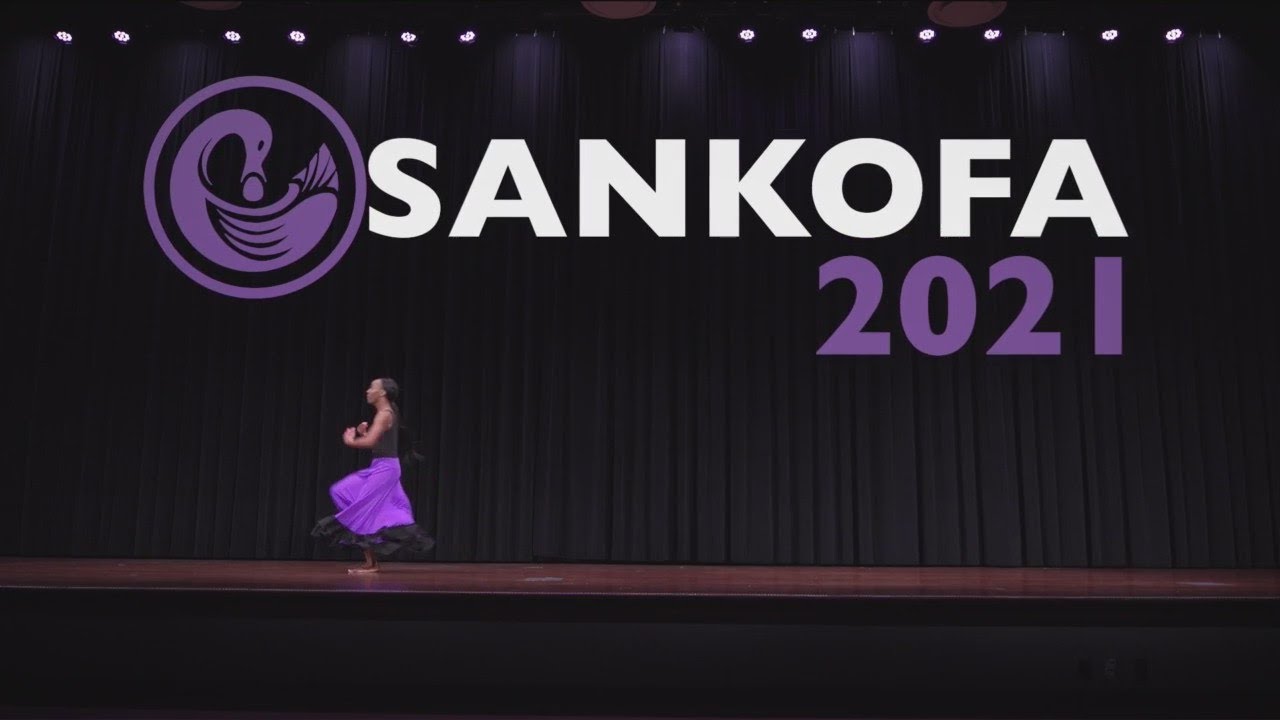
Sankofa
2K
Sankofa is an Akan concept from Ghana meaning 'fetch what is at risk of being left behind,' teaching that to move forward into the future, we must reach back to reclaim, preserve, and perpetuate the best of our past heritage, values, and wisdom. This philosophy emphasizes that understanding our history and cultural roots is essential for personal growth, community development, and ensuring a brighter future for generations to come.
Click to watch →

فلسفة الوجود الأفريقي: قراءة في دلالات "العنخ" و"سانكوفا" | الاورو: تانوت امون.
345
This segment explores the Akan civilization of Ghana and Côte d'Ivoire, which was a Nubian civilization extending from the Nile Valley to the Atlantic Ocean. The Akan created the philosophical concept of Sankofa, which emphasizes the sacredness of memory and the importance of remembering ancestors and heritage. The name Sankofa derives from three syllables meaning 'go back and get your old things.' The philosophy teaches that without carrying one's heritage, one cannot move forward. This concept emerged as a response to colonial oppression, teaching that Africans must carry their history to prevent colonizers from changing their languages, names, and deities.
Click to watch →

Currículo Antirracista com Profa. Shirlei Araújo l Aulão do Toninho Concurso PEI & ATE
29.6K
The Sankofa symbol originates from the Akan people of Africa and represents the importance of returning to the past to build the future. The symbol features a stylized heart that returns and a mythical bird returning to gather what belongs to it before moving forward. The word 'Sankofa' comes from the Akan language and means 'return and seek what is yours.' This concept emphasizes that one cannot move forward into the future while forgetting their ancestral heritage, culture, and identity, as these elements form the foundation of personal and collective identity.
Click to watch →

HIDDEN DOCUMENTS the AFRICAN GODS and the SACRED BLOOD that still flows AMONG US
778
In African traditions, Sankofa means 'go back and get'—represented by a bird with feet on the ground, head turned back, picking up an egg from its back. The symbol teaches that to move forward, we must go back and retrieve what has been left behind—ancestral knowledge, ancient practices, wisdom forgotten or suppressed. This is not living in the past but bringing the best of the past to inform the present and create a better future. This process is not just for people of African descent but for all humanity, because we all came from Africa and all suffer from the same system of domination that tried to erase African traditions. A global movement is happening—people in Africa who distanced themselves from ancestral practices seen as backward are returning, recognizing their value. In the diaspora, religious centers are growing, new houses opening, more people seeking initiation. Sacred blood is not just DNA but spiritual alignment, recognition, and commitment.
Click to watch →
Deep Dive
The historical context of the African diaspora in Brazil, specifically the preservation of Yoruba, Bantu, and Fon traditions through Afro-Brazilian religions like Candomblé and cultural expressions.
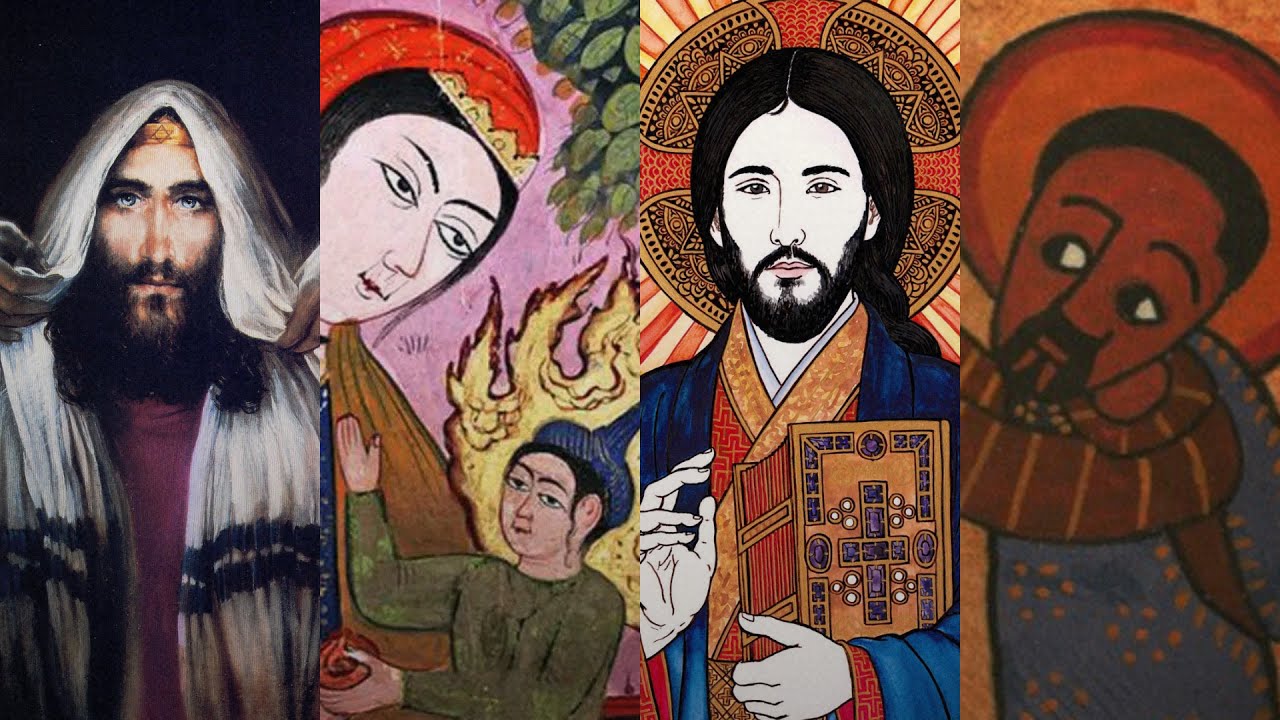
Jesus segundo as outras religiões
152.4K
Candomblé is a Brazilian religion that developed from West African traditions (primarily Yoruba and Bantu peoples) brought by enslaved Africans. The religion involves worship of orixás (deities associated with natural forces) and ancestors. Candomblé developed in the context of colonial Brazil, where enslaved Africans were forced to practice Christianity while secretly maintaining their African religious traditions. This religious syncretism involved identifying African deities with Catholic saints to allow practitioners to maintain their traditional beliefs while outwardly conforming to Christian requirements.
Click to watch →

A History of Yoruba Religion In Brazil
58.3K
Scholars like Lorenzo Turner identified Africanisms present among Afro-descended peoples in the Americas, including words from the Gullah Geechee people that became part of everyday Afro-American vernacular, along with cultural practices like dances, chants, and shouts. The Yoruba religion, transported nearly intact from Africa, blended with Catholicism when enslaved Africans identified their deities with Catholic saints, creating Afro-Brazilian religion. This syncretism allowed Yoruba spirituality to survive rather than being eradicated. In Bahia, Candomblé preserved Yoruba religious practices through terreiros (temples) and pegeus (altars), demonstrating how African religious traditions adapted and persisted in new environments.
Click to watch →
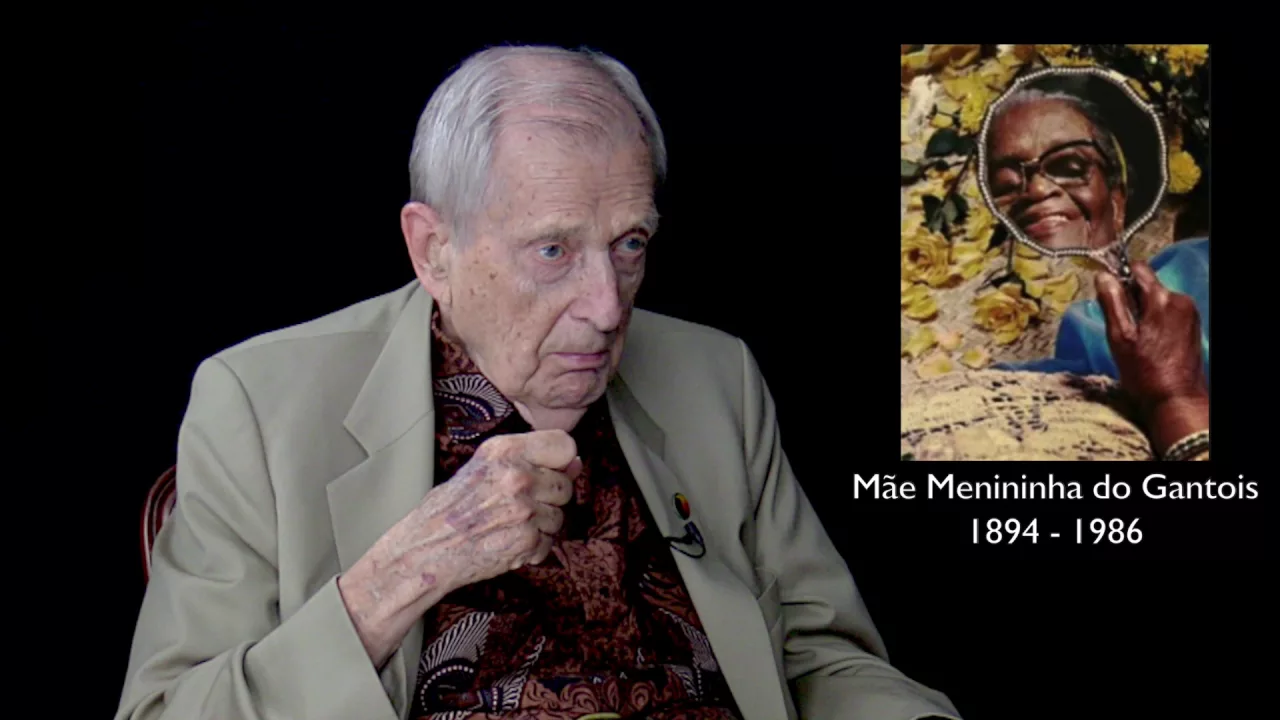
The Spiritist Religions of Brazil with Stanley Krippner
18.4K
The African Brazilian religious traditions of Candomblé and Umbanda originate from the Yoruba culture of West Africa and are actually closer to original Yoruba practices than contemporary practices in Africa itself. This preservation occurred because enslaved Africans maintained their religious traditions in secret to survive under slavery. They practiced syncretism by replacing African deity names with Catholic saints to avoid detection. After emancipation around 1880, these religions spread throughout Brazil, with women historically holding leadership positions in worship centers like the Casa Branca in Salvador.
Click to watch →
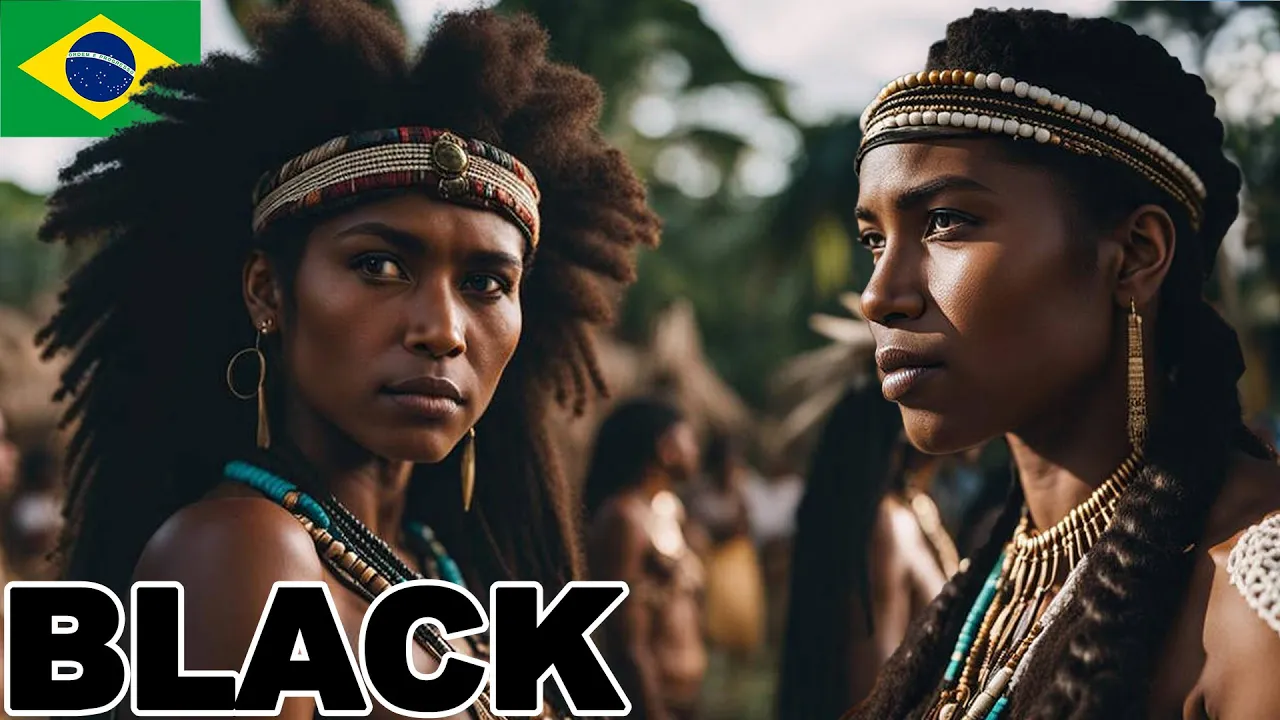
The Black Side Of Brazil - Salvador Bahia
363.7K
During Brazil's colonial period, any Afro manifestation was banned, including African religious practices. Despite this prohibition, enslaved Africans from different African nations formed a unique religion called Candomblé through approximately 100 years of resistance. This religion incorporates elements from various African traditions while developing into a distinct Afro-Brazilian faith. Candomblé practitioners preserve African languages like Yoruba and maintain religious practices that survived colonial suppression. However, cultural appropriation concerns exist, as some commercial products marketed as authentic Afro-Brazilian religious items are produced for white consumers who reject the African origins of these traditions, raising questions about cultural ownership and authenticity.
Click to watch →
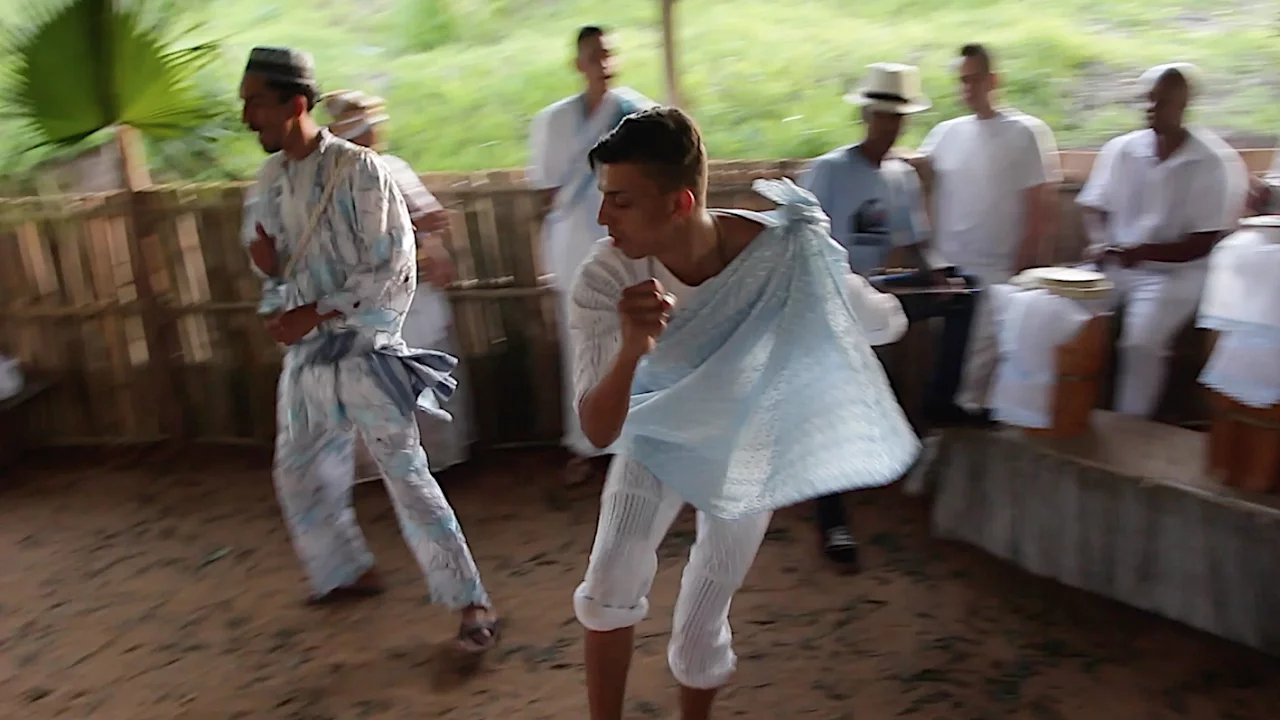
ORIXÁ OSSAIM - BRAZILIAN AFRICAN-DERIVED RELIGION - CANDOMBLE
178.2K
Candomblé is an African-derived religion in Brazil that emerged from the syncretic blending of Yoruba, Fon, and Bantu traditions with Catholic practices during slavery; it centers on worship of orixás (deities associated with Catholic saints), requires initiation for full participation, and features rituals at terreiros (temples) involving offerings, sacrifices, and public celebrations aimed at solving life's problems through supernatural intervention.
Click to watch →
Deep Dive
The origins and evolution of 'Spiritual Jazz' as a subgenre, noting how artists like John Coltrane and Pharoah Sanders fused avant-garde jazz with spiritual, transcendental, and socio-political themes.

Haseeb Iqbal on Spiritual Jazz (at The Listening Room, 180 Studios)
15.9K
Spiritual jazz emerged in the 1950s-1960s as a revolutionary jazz movement that expanded beyond traditional theoretical foundations (bebop, hardbop, postbop) toward more abstract, emotional, and spiritually-connected sound, pioneered by figures like Sun Ra (who incorporated polyrhythms and electronic music), Yousef Latif (who converted to Islam and drew inspiration from Asian/African sources), and John Coltrane (whose spiritual awakening after addiction led to revolutionary works like 'A Love Supreme'), representing a powerful artistic response to the civil rights era that challenged white critics who failed to understand its innovative approach.
Click to watch →
What's Spinning? Mostly Jazz. 11-04-2017
609
The speaker discusses 'spiritual jazz' as a subgenre, noting that one record 'is kind of considered like the epitome of like spiritual jazz quote unquote.' They mention that they 'feel like a lot of this free your stuff has more sort of spiritual aspect to it' and that they 'feel like cosmic music' and 'meditations' are 'probably my favorite one.' They also note that 'a lot of the stuff that kind of that passes itself off as spiritual jazz is like exploitation' and that they 'feel like they're milking it.' The speaker discusses John Coltrane's 'Love Supreme' as 'an all-time classic' but also notes they 'don't think a lot of supreme is like crowning achievement' and that they 'think it's part of the story.' They discuss Coltrane's progression from 'the relatively simple' through 'a huge flame' and 'sheets of sound' to 'black pearls' and 'the impulse stuff which is really sort of the culmination of all that.'
Click to watch →

Why Free Jazz is the most important genre of all time
44K
Spiritual jazz emerged in 1965 with John Coltrane's 'Alabama' and 'A Love Supreme.' The genre sought to explore themes of spirituality, transcendence, and freedom in music. Its rise coincided with the civil rights movement in America as African-Americans fought against segregation and discrimination. Practitioners fused gospel, Asian, and African music with free jazz because the genre's approach allowed musicians to be truly free and improvised, signaling their desire for social reform.
Click to watch →
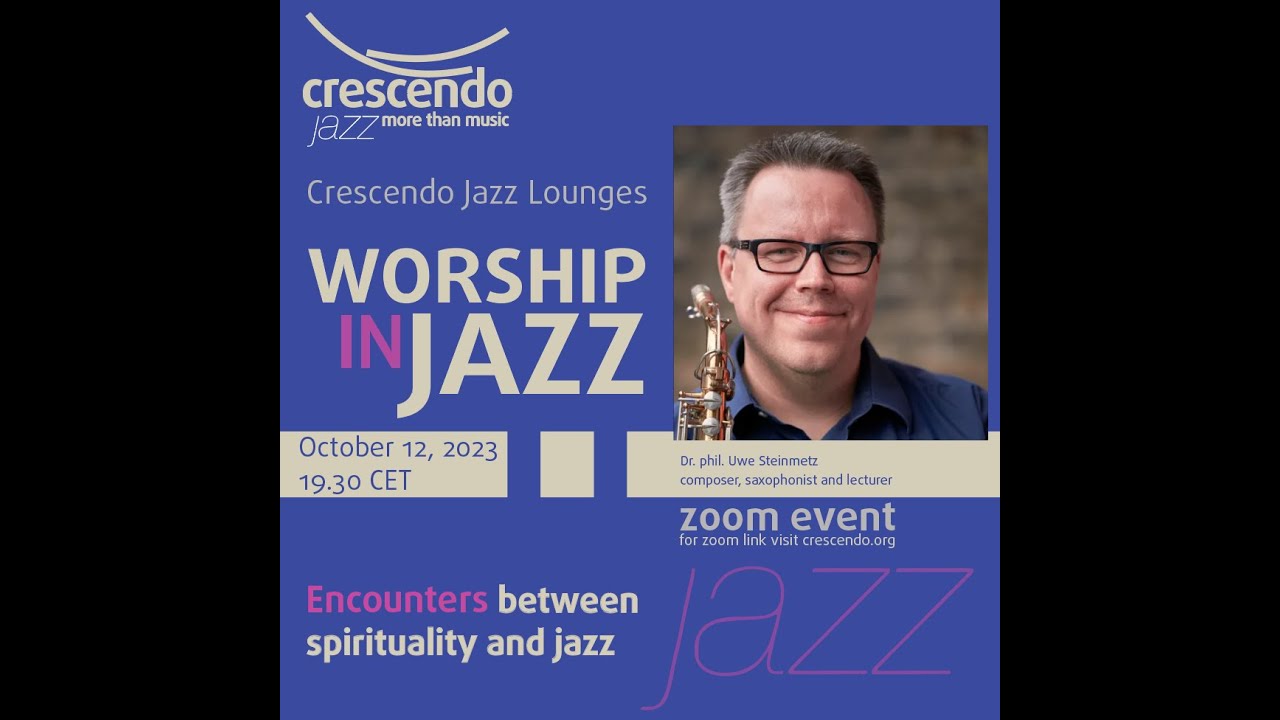
TUNE IN 409: Worship In Jazz - 2nd part
135
Spiritual jazz emerges when artists are religiously engaged and retell biblical stories or express their own spirituality through music. The 'touch of the spirit' describes a transcendent experience where something has been touched by a movement, creating congruences larger than expected. John Coltrane's 'A Love Supreme' exemplifies this, where he literally prayed on his instrument, writing a prayer on the record that determined the entire artistic expression. Spiritual jazz involves codifying faith experiences, integrating cultural traditions, finding unity between spiritual experiences and musical vocabulary, and creating ecstatic embodied expression of sound.
Click to watch →

New York Jazz Nights (1950s) | Beatnik Spoken Word Story of Jazz History with Midnight Jazz Music
1.4K
John Coltrane approached jazz as spiritual investigation rather than entertainment. He practiced like a monk, studying music as philosophers study truth—digging deeper always. Every chord change was a doorway, every scale another possible map. His playing created 'sheets of sound'—notes pouring out in waves, layer upon layer, patterns spiraling upward like candle smoke in a cathedral. This wasn't speed for applause but investigation. Coltrane turned jazz into prayer—not church prayer but wild, searching prayer that asks questions instead of pretending to know answers. His music became meditation where saxophone stopped sounding like an instrument and started sounding like a human voice asking enormous questions. After Coltrane, jazz carried something bigger than nightlife—it became a vehicle for existential inquiry and spiritual expression, adding philosophy and spiritual hunger to the music.
Click to watch →
Deep Dive
The foundational rhythms of Northeastern Brazilian music, such as Maracatu, Frevo, and Baião, which serve as the rhythmic backbone for contemporary regional jazz.

Ritmos Brasileiros No Pandeiro | COMO TOCAR PANDEIRO (Aula 3)
102.7K
This lesson covers three fundamental rhythms of Northeastern Brazilian music. The Baião, created by Luiz Gonzaga in the 1940s, follows a four-note pattern: grave on beats 1 and 4, agudo on beats 2 and 3. The Forró differs by only one note—replacing the grave on beat 4 with a medium note. The Xote, designed for slower dancing, uses a completely different pattern with alternating grave and agudo notes. All three rhythms require two groups of four notes (eight notes total) per cycle. To master these rhythms, practice slowly first, allowing the brain to process the movements before gradually increasing tempo. The key to fast playing is patience and gradual acceleration, not rushing.
Click to watch →

Ritmos Nordestinos - Iran Laurindo (aula de contrabaixo)
108.2K
This section explores the primary rhythmic styles in Northeastern Brazilian music. Shot uses a 4/4 time signature and is traditionally performed by a trio of accordion, triangle, and zabumba, with bass following the zabumba pattern. Baião employs a 2/4 time signature with distinctive accentuation on the first beat and beginning of the second beat. Forró Romântico (or forró R Baião) represents the romantic modern variation, featuring bands like Maes com Leite, Limão com Mel, and Calcinha Preta. Vaneirão (or puladinho) originated in Rio Grande do Sul and was introduced to the Northeast by Gaúcho da Fronteira, creating a faster-paced style with Aviões do Forró as its major contemporary exponent.
Click to watch →

The Rhythms of Baião
101.6K
This video traces the remarkable journey of Baião, a rhythmic style originating from northeastern Brazil, as it traveled across continents and became integrated into global jazz traditions. Introduced to the United States by percussionist Alcides Moreno, Baião found its place in 1970s jazz fusion ensembles. The rhythm carries profound cross-cultural significance, drawing influences from North Africa, the Middle East, Central Africa, and West Africa—heritages that traversed colonial connections and migration routes to become embedded in Brazilian and Caribbean musical traditions, ultimately reaching New Orleans and reshaping American jazz vocabulary.
Click to watch →
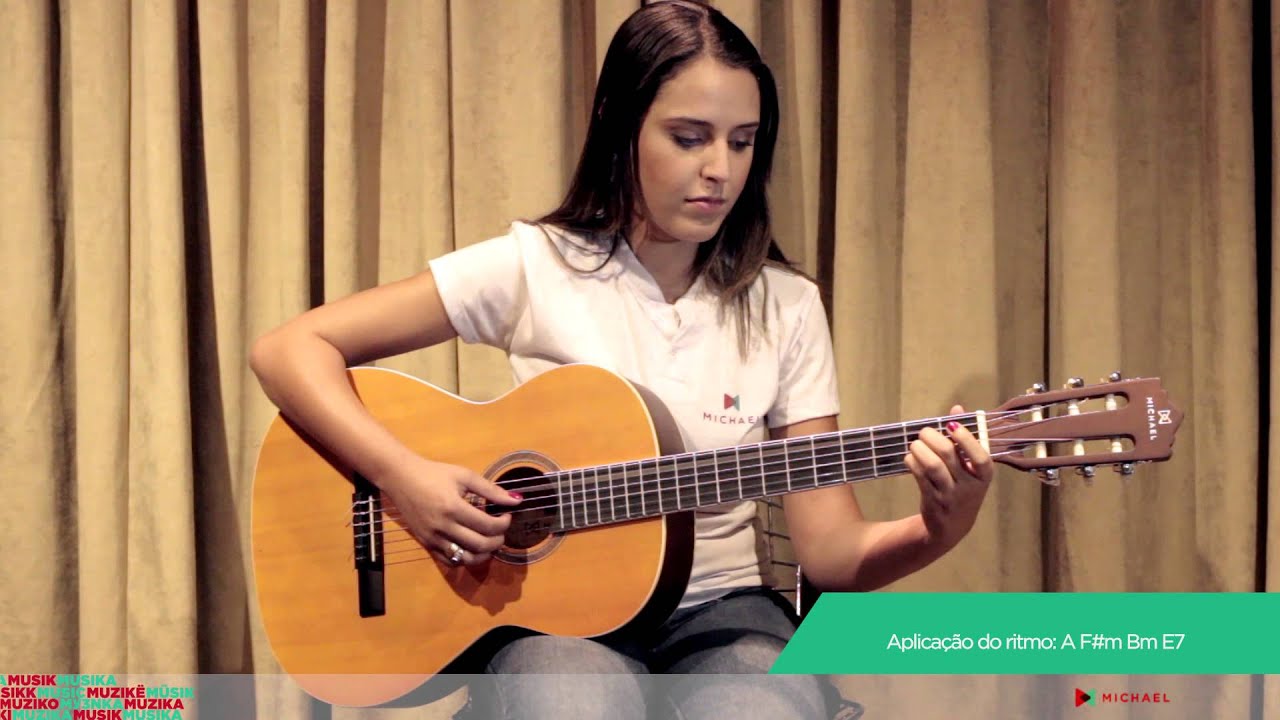
Videoaula Michael: Ritmos brasileiros no violão (2) - Baião, Xote e Frevo
130K
This video lesson teaches three Northeastern Brazilian guitar rhythms: Baião features distinctive thumb-based accentuation with the index finger playing alone on the second beat; Xote shares harmonic similarities with Baião but has a slower tempo and different pulse; Frevo uses similar technique to Baião but at a much faster speed, requiring students to start slowly and gradually increase tempo.
Click to watch →
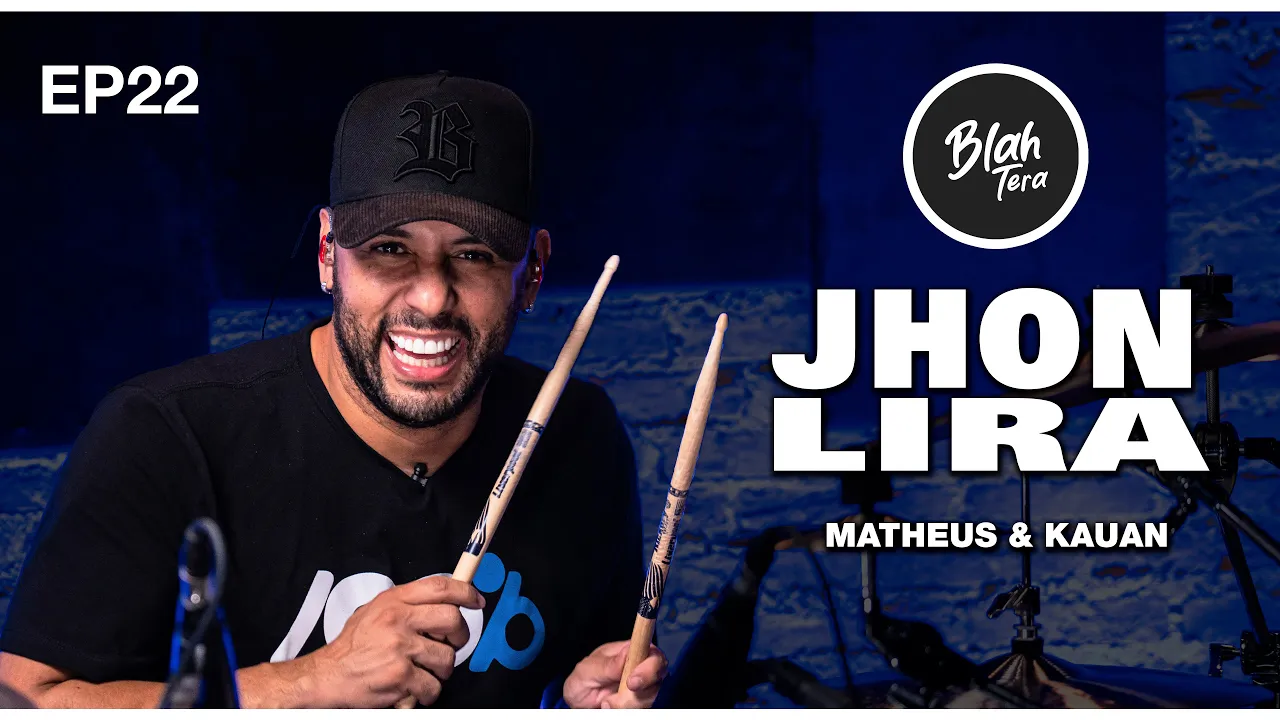
BlahTera EP22 Completo | JHON LIRA | Matheus & Kauan
65.6K
Frevo is considered one of the most technically complex rhythms in Northeastern Brazilian music. It requires excellent coordination and uses approximately 40 rudiments (basic drum patterns). The rhythm involves playing the snare drum on the off-beat (contratempo) while the bass drum plays a single note, and the hands execute a six-note roll pattern (rufos). Major references in frevo include Adolfo and Augusto, who are considered symbols of this cultural tradition. Understanding frevo is essential for any musician who wants to master Northeastern Brazilian rhythms.
Click to watch →
Prerequisite Knowledge
- Concept 01The West African philosophical concept of 'Sankofa' (originating from the Akan people of Ghana), which symbolizes the importance of retrieving and honoring ancestral knowledge to move forward.
- Concept 02The historical context of the African diaspora in Brazil, specifically the preservation of Yoruba, Bantu, and Fon traditions through Afro-Brazilian religions like Candomblé and cultural expressions.
- Concept 03The origins and evolution of 'Spiritual Jazz' as a subgenre, noting how artists like John Coltrane and Pharoah Sanders fused avant-garde jazz with spiritual, transcendental, and socio-political themes.
- Concept 04The foundational rhythms of Northeastern Brazilian music, such as Maracatu, Frevo, and Baião, which serve as the rhythmic backbone for contemporary regional jazz.
Subsequent Learning
- Step 01An analysis of Amaro Freitas' distinctive percussive piano technique, exploring how he translates traditional African and Brazilian drumming patterns onto the keyboard.
- Step 02The study of contemporary Afro-Brazilian activism and cultural movements, analyzing how modern musicians use their platforms to fight systemic racism in Brazil.
- Step 03A comparative study of African-diasporic jazz fusions across the Americas, looking at parallels between Afro-Cuban jazz, Afro-Peruvian jazz, and Afro-Brazilian jazz.
- Step 04Decolonial music theory, focusing on how contemporary global artists utilize indigenous and African philosophies to challenge and expand Eurocentric frameworks of composition and improvisation.
Opening Act
Audience Beat
Vocal Break
Melodic Flow
Applause Peak
Instrumental Core
Quiet Storm
Final Surge
Climax Build
Closing Notes
Opening Act
2:11Playing Section
- 1
Performance begins with music and applause.
- 2
Stage presence established through sound.
Abstractization of Afro-Brazilian Ritual and the Anglo-American Jazz Framing
While Amaro Freitas' 'Sankofa' is widely celebrated for honoring Afro-Brazilian heritage, critical ethnomusicologists and cultural theorists raise questions about the globalization of localized sacred traditions. One critique addresses the tension of translating community-based, ritualistic Afro-Brazilian practices (such as Candomblé and regional Northeastern folk rhythms) into the commodified format of global 'spiritual jazz' targeted primarily at Western audiences. This process can inadvertently decontextualize and aestheticize sacred communal practices into high-art consumer products. Furthermore, some critics argue that labeling such works under the Anglo-American rubric of 'spiritual jazz'—a genre historically rooted in the 1960s African American avant-garde—risks overshadowing the unique, independent historical trajectories of Brazilian instrumental music ('música instrumental brasileira'). By adopting these dominant Western frameworks, local modes of musical resistance and distinct regional identities may be subordinated to a universalized global jazz discourse, potentially essentializing diverse Afro-Brazilian experiences for international consumption.
Deep Dive
An analysis of Amaro Freitas' distinctive percussive piano technique, exploring how he translates traditional African and Brazilian drumming patterns onto the keyboard.

Amaro Freitas - Rasif (Full Album Stream)
57.3K
Amaro Freitas, a young pianist from Recife, Pernambuco, Brazil, creates a unique fusion of Afro-Brazilian musical traditions (maracatu, frevo, and baião) with jazz, employing complex mathematical patterns reminiscent of Brazilian masters Hermeto Pascoal, Egberto Gismonti, and Moacir Santos, as demonstrated in his album 'Rasif' which serves as a love letter to his native northeast.
Click to watch →

AMARO FREITAS MISTURA PIANO EXPERIMENTAL E REFERÊNCIAS INDÍGENAS EM NOVO ÁLBUM | Entrevista
2.5K
Brazilian pianist Amaro Freitas created his album 'Y'Y' by combining John Cage's piano prepared technique with Amazonian cultural elements, using everyday Brazilian objects like clothespins, domino pieces, and Amazonian seeds to create sounds that evoke the Amazon's rainforest, rivers, and indigenous legends, while also incorporating influences from Naná Vasconcelos and his own evangelical musical heritage to create a unique fusion of Brazilian jazz and indigenous cultural references.
Click to watch →

Recital de Piano como você NUNCA VIU - Franz Ventura
9.2K
The piano is fundamentally a percussion instrument, not a string instrument, which gives it a distinctive percussive quality. This characteristic enables styles like 'biscoiteira' - a percussive approach with crossed hands and rhythmic patterns. Brazilian music incorporates unique rhythmic elements and themes that create a distinctive 'Brazilian flavor' (brasilidade). The composer demonstrates how percussive piano techniques can create rhythmic patterns that emphasize the instrument's percussive nature, allowing for dynamic and expressive musical performances that connect with audiences through familiar cultural musical traditions.
Click to watch →

Charlie Watts Interview: On Favorite Jazz Drummers and the Rolling Stones
9.5K
This segment examines African and Brazilian drumming traditions and their influence on Western music. African drummers have a distinctive way of playing that involves walking differently than Western drummers, creating a unique sound deeply connected to African musical traditions. Brazilian carnival drummers rehearse for nine months before the carnival, with bands submitting songs that are voted on by the community. Brazilian drummers are known for their exceptional tambourine playing, described as 'like Count Basie going.' In Congo Square in New Orleans before recorded music began, 300 people would gather to play rhythm and second line music, demonstrating how African drumming traditions helped shape the development of jazz and American music.
Click to watch →
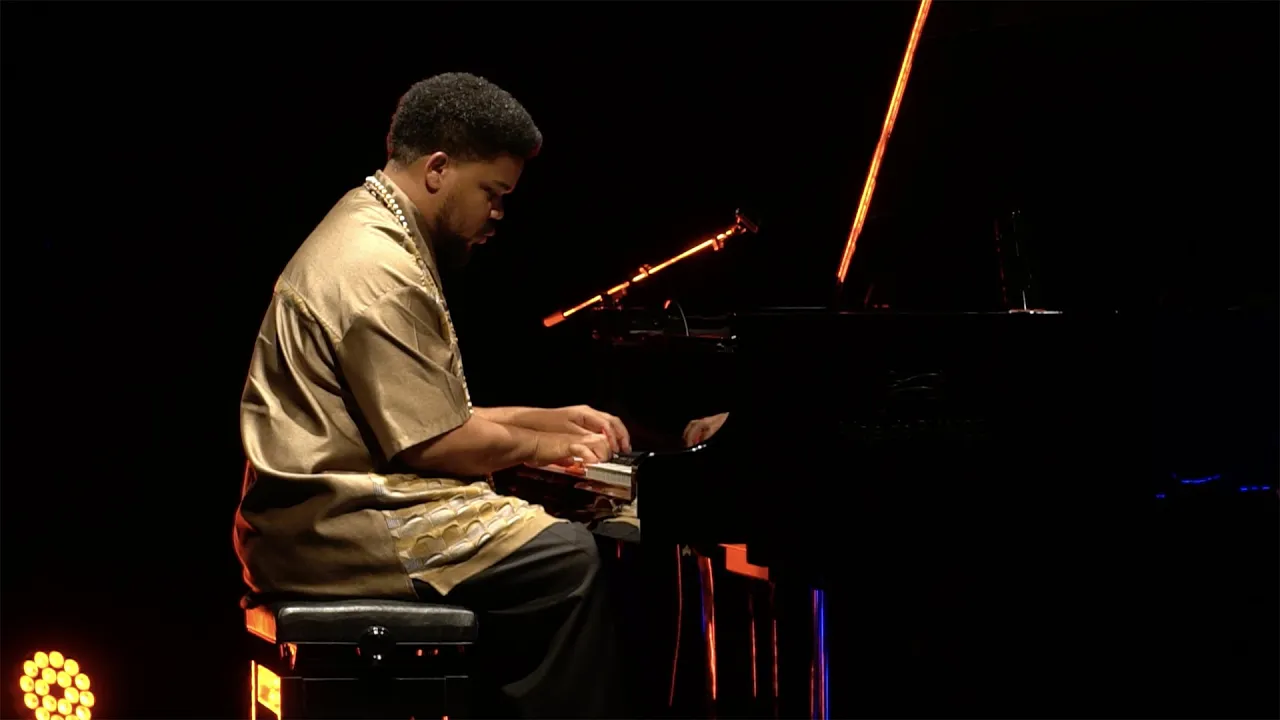
'Shaft', de Gordon Parks, por Amaro Freitas
317
This video presents a musical analysis of Gordon Parks' film 'Shaft' by Brazilian pianist and composer Amaro Freitas, who explores the film's distinctive musical elements including the iconic fourth-to-third degree harmonic cadence, the blues influence in the soundtrack, and the rhythmic traditions of Brazilian music such as samba, maracatu, and baião, demonstrating how musical techniques can bridge cultural traditions and create unique interpretations of film scores.
Click to watch →
Deep Dive
The study of contemporary Afro-Brazilian activism and cultural movements, analyzing how modern musicians use their platforms to fight systemic racism in Brazil.

Afro: Das origens aos destinos | Documentário Embratur
106.2K
Modern Afro-Brazilian cultural production combines traditional elements with contemporary forms, creating what is called 'música periférica' (peripheral music) that connects with similar movements worldwide. The ongoing work of Afro-Brazilian artists represents continuation of historical struggles for recognition and dignity. Traditional instruments like drums remain central to this cultural expression, maintaining connections to ancestral traditions while creating innovative contemporary art forms.
Click to watch →

Theorizing Black Linked Fate: Perspectives from Brazil
505
This section traces the historical development of black activism in Brazil, from quilombo communities during slavery to modern organizations like Elia Gaye (founded 1978). Longtime activists like Abdias do Nascimento characterized Brazilian racism as genocide. Contemporary cultural expressions, including music videos celebrating black identity and natural hair, demonstrate how artistic production shapes racial consciousness. These movements have successfully shifted public discourse from class-based to explicitly racial analyses of discrimination.
Click to watch →

vlog- Participei da Marcha da consciência negra de Niterói + manifestações da cultura afro!
4K
Black people in Brazil face systemic racism that manifests as daily violence, including denial of education, dignified work, and fair wages. Their bodies and existence are still killed, violated, and beaten simply because they are Black. This requires constant vigilance without days, hours, or specific locations. The fight against racism occurs at multiple levels: in Parliament, the Executive, and in every individual space including work, family, community, and home. Each person has the right to claim their space and declare 'this is my place.' Even in cities like Niterói, which are rich and large, racism persists with violent and intolerant cases. Black people must mark their struggle daily in their communities, emphasizing that collective resistance, unity, and solidarity are essential for victory. The 2022 political achievement of removing President Bolsonaro was important, but the next years will not be years of rest. The mission to reconstruct the struggle of the Black people and their community continues. The Viva Zumbi event celebrates Afro-Brazilian cultural heritage through traditional African cuisine (bobó de camarão, carne de sol com aipim, caldos) and religious traditions featuring powerful female deities like Iemanjá, representing the sea and motherhood. The speaker describes women as 'warrior women' with courage and strength, connecting religious tradition with female empowerment.
Click to watch →

Música Negra e combate ao racismo em destaque
17.4K
Brazil is an Afro-Latin American country where Black culture permeates all aspects of life, including food, music, and ways of speaking. Despite nearly 60 years of telenovelas, Black representation remains critically low, highlighting a significant gap in media visibility. The 'Black is beautiful' movement emerged as a pivotal moment for Black self-affirmation. Representation matters because it humanizes Black individuals and challenges systemic racism. Brazil ranks as the seventh worst country in the world for women to live in, with violence against Black women increasing by 50% despite laws reducing violence against white women. Brazilian education often teaches Portuguese history rather than Brazil's own history, creating historical erasure. Only 3% of dolls produced in Brazil are Black. The goal is not to be equal to anyone but to deserve equal rights, with representation showing that Black people exist and belong in all spaces.
Click to watch →
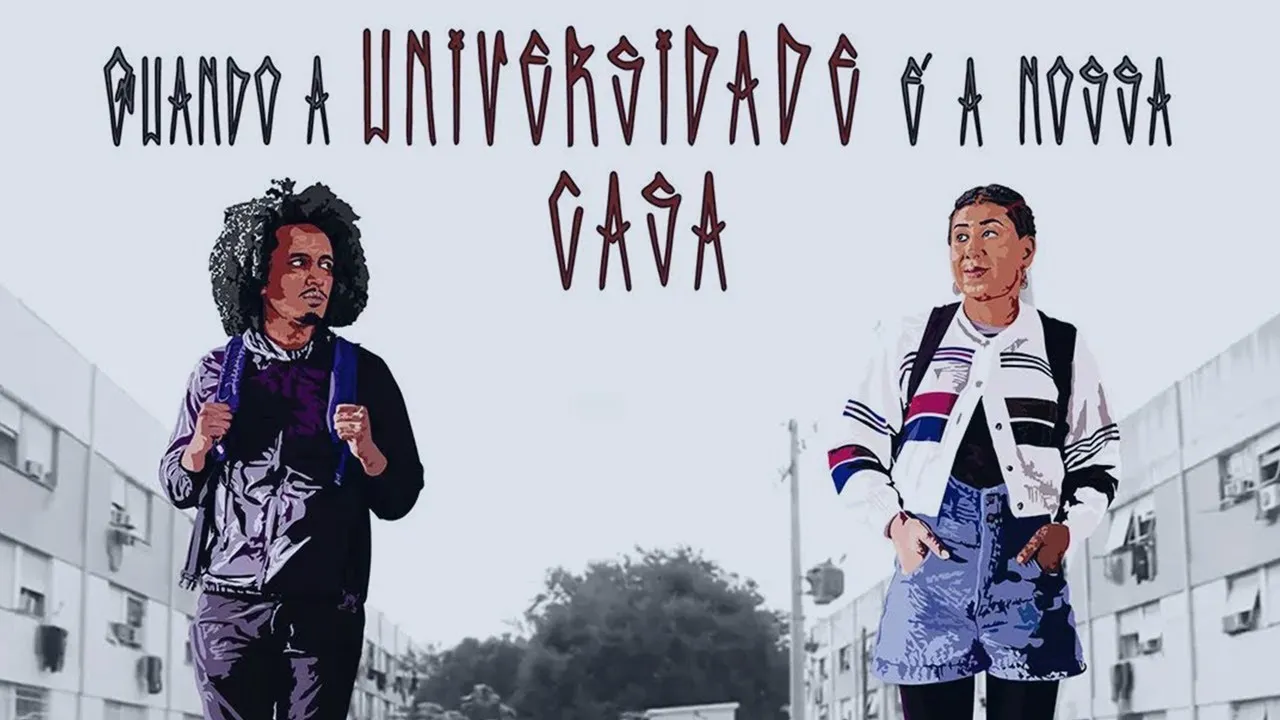
CULTNE - Quando a Universidade é a Nossa Casa
606
Throughout the 20th century, Afro-Brazilian communities created diverse organizations including quilombos, terreiros, and clubs to preserve culture and build citizenship. These groups invested in study groups and created their own press. Cultural expression through music became central, with Samba, Carimbó, and Maracatu creating unique artistic traditions. The Teatro Experimental do Negro brought reflection on Black experiences to dramatic literature. In the 1970s, the American Black Power movement influenced Brazilian funk and hip hop, with groups like Sou Grand Prix promoting Black consciousness. The Unified Black Movement was founded in 1978, advocating for diversity and affirmative action policies in universities.
Click to watch →
Deep Dive
A comparative study of African-diasporic jazz fusions across the Americas, looking at parallels between Afro-Cuban jazz, Afro-Peruvian jazz, and Afro-Brazilian jazz.
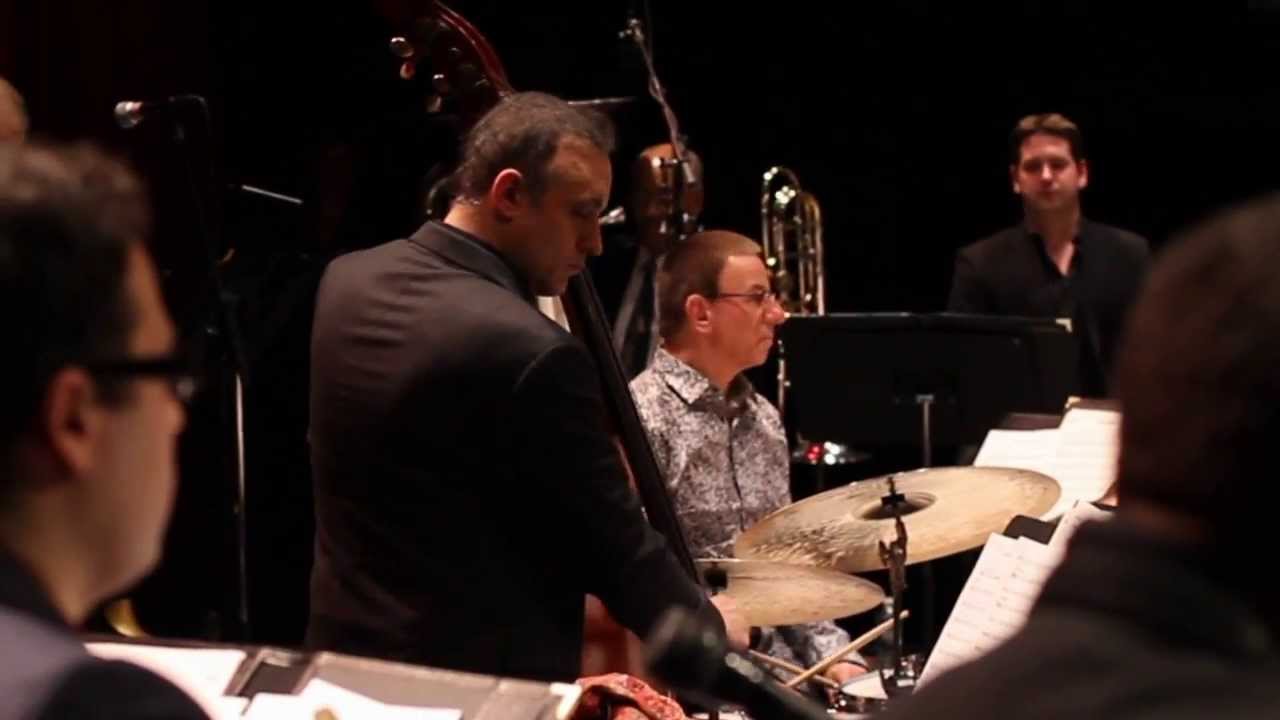
Suite: Colombia - Arturo O'Farrill & The Afro Latin Jazz Orchestra
48.7K
Suite: Colombia" by Gregorio Uribe, performed by Arturo O'Farrill & The Afro Latin Jazz Orchestra, is part of the project "Jazz Across The Americas: Colombia and Peru," which highlights jazz as expressed by leading artists and composers from Colombia and Peru now living in the United States. The orchestra performed existing repertoire from these artists and premiered newly commissioned works. The description emphasizes that for over five centuries, European, African, Middle Eastern, and other global cultures have merged with indigenous South American traditions, resulting in unique musical hybrids found nowhere else. These hybrid styles form the foundation of the jazz expressions explored in the project. Arturo O'Farrill describes Colombian and Peruvian rhythms and song forms as seamlessly integrating into the evolving future of jazz, framing jazz as an authentically American art form only when it embraces the broad cultural tapestry stretching from Africa to Lima, Cali, and New Orleans. He likens this cultural convergence to a Kente cloth, symbolizing interconnectedness among diverse peoples with adventurous and open-minded spirits. The project reflects a sustained commitment to expanding jazz’s sonic palette by incorporating the musical identities of all the Americas.
Click to watch →

Gabriel Alegria: Esto es el Jazz Afroperuano! (This is Afro-Peruvian Jazz Music) - LATIN JAZZ
79.7K
Afro-Peruvian jazz is a genre that combines jazz and Afro-Peruvian musical traditions, respecting essential elements from both as if they were strict folkloric forms. Unlike simple musical replacement, this fusion creates something entirely new—a unified whole with its own identity. The genre's key characteristic is jazz's flexibility and ductility, enabling musicians to establish connections between traditions rather than choosing one over the other. This approach represents an ongoing exploration of musical boundaries and cross-cultural synthesis.
Click to watch →

Picnic Performances: Jazzmobile Presents Bobby Sanabria Multiverse Big Band
9.3K
Afro-Cuban jazz was not born in Cuba but in New York City. In 1939, the Machito Afro-Cubans on 10th Street and Fifth Avenue were the first to fuse jazz arranging techniques with Afro-Cuban rhythms. This fusion created a new genre combining jazz sophistication with Afro-Cuban rhythmic complexity. The performance demonstrates this through Afro-Puerto Rican rhythms like Bomba and Yubba, and La Clave - the key rhythm inherited from West Central Africa that spread throughout the Caribbean and New Orleans. The song 'What Is This Thing Called Love' by Cole Porter (1939) is performed using these Afro-Puerto Rican rhythms, showing how European compositions were transformed through Latin rhythmic traditions.
Click to watch →

Afro-Cuban Latin Jazz Explained
206.6K
Afro-Cuban Latin Jazz is a genre characterized by its distinctive rhythmic foundation based on the clave pattern, which serves as the essential rhythmic backbone that all instruments must follow throughout the entire song; unlike traditional jazz which uses swing rhythm with accents on beats 2 and 4, Afro-Cuban jazz employs a straight rhythm with every instrument allocated a specific complementary rhythm that meshes together to create a tight, recognizable groove, with the most important element being the clave rhythm played on percussion instruments like clave sticks, and pianists typically playing the montuno rhythm in the right hand while the left hand plays the tumba rhythm.
Click to watch →

El Bajo en la Música Cubana y el Jazz Latino | Masterclass | @AlainPerezTV
59K
The speaker explains how Afro-Cuban jazz emerged from the convergence of Cuban and American musical traditions in the 1950s. Cuban musicians like Chano Pozo (a rumbero from the 1930s) and Machito were pioneers in introducing Afro-Cuban percussion elements into jazz. Chano Pozo was instrumental in bringing the Afro-Cuban drum into jazz, while Machito expanded this influence. This fusion created what was initially called 'Afro-Cuban jazz' but later became known as 'latin jazz' as the style spread globally. The 6/8 rhythm from rumba became a fundamental element in this new musical genre.
Click to watch →
Deep Dive
Decolonial music theory, focusing on how contemporary global artists utilize indigenous and African philosophies to challenge and expand Eurocentric frameworks of composition and improvisation.

Conversatorios indisciplinados / El canto de las mariposas (Desaparición y patrimonio)
203
Decolonial theory requires the voices of indigenous peoples from their own territories, not just theoretical frameworks developed in Western academic contexts. The philosopher Aon Krenac (from the Tupinambá people) represents an indigenous perspective on decoloniality that challenges Western theoretical constructs. This perspective emphasizes that decoloniality cannot be achieved through empty theory or language that describes separation or integration, but requires direct engagement with indigenous languages and worldviews.
Click to watch →

ICTM Dialogues 18—Decolonizing African Compositions: Deconstructing the Theory and Practice...
173
This panel discussion explores how African music composition has been systematically colonized through Western educational models, church music imposition, and institutional frameworks that prioritize written Western notation over oral traditions, and presents indigenous models such as creative musicology, research composition, native airs, African pianism, drumistic piano, African vocalism, and the African orchestral model as pathways to decolonize African music composition by centering African harmonic systems, oral traditions, and indigenous performance practices.
Click to watch →

Conservatório na Rede - Videoaula 18 Decolonialismo: músicas identitárias
518
Decolonialism is an intellectual movement that emerged in the 1980s to challenge Western hegemonic knowledge systems and reveal the power relations inherent in colonial processes. This perspective argues that true decolonization requires not only political independence but also cultural liberation from Eurocentric frameworks that have historically marginalized non-Western musical traditions. The movement emphasizes that understanding music requires recognizing diverse cultural perspectives and that many musical traditions have been systematically silenced or distorted by colonial narratives.
Click to watch →

Defesa de Doutorado - Renan Rezende
391
Additional decolonial proposals include: (4) Dialogue with community musical realities—recognizing knowledges in fairs, organic markets, terreiros, and popular parades as legitimate learning sources; (5) Multi-instrumental dialogue—recognizing saxophone as strategic partner and welcoming multi-instrumental practice; (6) Multiple forms of learning—integrating orality, collective practice, and body-based learning; (7) Transgression of standard classroom—learning music in streets, circles, and encounters with communities; (8) Musical creation as structuring practice—positioning composition, improvisation, and arrangement as central; (9) Ethical formation—forming subjects sensitive to world's pains and committed to transformation, where music becomes political gesture and act of care.
Click to watch →

Teoria decolonial: Vladimir Safatle responde seus críticos
41.8K
Decolonial thought reaches peripheral countries through importation of hegemonic models from central universities, functioning like an IMF program. This process risks becoming a device for cultural subordination while ignoring local critical traditions. Anachronism occurs when scholars incorrectly apply contemporary frameworks to historical figures - claiming Guerreiro Ramos or Fanon were decolonial ignores their distinct Marxist and nationalist contexts. This erases the fact that anti-colonial movements existed independently of today's decolonial debate, with figures like Bolivar critically engaging European Enlightenment thought rather than simply adopting decolonial frameworks.
Click to watch →
Opening Act
Audience Beat
Vocal Break
Melodic Flow
Applause Peak
Instrumental Core
Quiet Storm
Final Surge
Climax Build
Closing Notes
Opening Act
2:11- 1
Performance begins with music and applause.
- 2
Stage presence established through sound.
Abstractization of Afro-Brazilian Ritual and the Anglo-American Jazz Framing
While Amaro Freitas' 'Sankofa' is widely celebrated for honoring Afro-Brazilian heritage, critical ethnomusicologists and cultural theorists raise questions about the globalization of localized sacred traditions. One critique addresses the tension of translating community-based, ritualistic Afro-Brazilian practices (such as Candomblé and regional Northeastern folk rhythms) into the commodified format of global 'spiritual jazz' targeted primarily at Western audiences. This process can inadvertently decontextualize and aestheticize sacred communal practices into high-art consumer products. Furthermore, some critics argue that labeling such works under the Anglo-American rubric of 'spiritual jazz'—a genre historically rooted in the 1960s African American avant-garde—risks overshadowing the unique, independent historical trajectories of Brazilian instrumental music ('música instrumental brasileira'). By adopting these dominant Western frameworks, local modes of musical resistance and distinct regional identities may be subordinated to a universalized global jazz discourse, potentially essentializing diverse Afro-Brazilian experiences for international consumption.
The West African philosophical concept of 'Sankofa' (originating from the Akan people of Ghana), which symbolizes the importance of retrieving and honoring ancestral knowledge to move forward.
The historical context of the African diaspora in Brazil, specifically the preservation of Yoruba, Bantu, and Fon traditions through Afro-Brazilian religions like Candomblé and cultural expressions.
The origins and evolution of 'Spiritual Jazz' as a subgenre, noting how artists like John Coltrane and Pharoah Sanders fused avant-garde jazz with spiritual, transcendental, and socio-political themes.
The foundational rhythms of Northeastern Brazilian music, such as Maracatu, Frevo, and Baião, which serve as the rhythmic backbone for contemporary regional jazz.
An analysis of Amaro Freitas' distinctive percussive piano technique, exploring how he translates traditional African and Brazilian drumming patterns onto the keyboard.
The study of contemporary Afro-Brazilian activism and cultural movements, analyzing how modern musicians use their platforms to fight systemic racism in Brazil.
A comparative study of African-diasporic jazz fusions across the Americas, looking at parallels between Afro-Cuban jazz, Afro-Peruvian jazz, and Afro-Brazilian jazz.
Decolonial music theory, focusing on how contemporary global artists utilize indigenous and African philosophies to challenge and expand Eurocentric frameworks of composition and improvisation.
32.6K views1.1Klikes45:14@faroutrecordingsOriginal Release: 2021-12-22
[Music] [Music] [Music] [Applause] [Music] [Applause] [Music] [Music] [Music] [Music] [Applause] [Music] [Applause] [Music] [Music] [Music] [Music] [Applause] [Music] [Applause] [Music] [Applause] [Music] [Applause] [Applause] [Music] [Music] [Music] [Applause] [Music] [Music] [Applause] [Music] [Applause] [Music] [Music] [Music] [Music] [Music] oh [Music] oh o [Music] [Music] [Music] by [Music] [Music] [Music] [Music] [Music] [Music] [Music] oh [Music] is [Music] I [Music] oh [Music] [Music] the [Music] [Laughter] [Music] [Music] [Music] [Applause] [Music] [Applause] [Music] [Music] [Music] is [Music] a [Music] [Music] [Music] [Music] [Music] [Music] [Music] [Music] [Music] e [Music] [Music] St [Music] [Music] [Music] [Music] [Music] is [Music] [Music] [Music] is [Music] [Applause] [Music] [Music] e [Music] [Music] [Music] [Music] [Music] [Music] [Music] the [Music] [Applause] [Music] [Music] [Applause] [Music] [Applause] [Music] [Applause] [Music] [Music] [Music] [Music] [Music] [Music] [Applause] [Music] it's [Music] a [Music] [Music] [Music] [Music] [Music] [Music] [Music] [Music] [Laughter] [Music] [Music] [Music] [Applause] [Music] [Music] a [Music] [Applause] [Music] n [Music] [Music] [Music] [Applause] [Music] [Music] [Music] [Music] oh [Music] [Music] [Music] [Music] [Music] [Music] [Music] [Music] [Music] [Music] [Music] h
Up Next
15:18
Afrofuturism: Visual Aesthetics Explained | TEDx Talk
@TEDx
16.8K views•2011-09-25

12:54
Triumph of Orthodoxy Icon: Byzantine Art & History Explained
@BenCallan
2.1K views•2024-08-06

9:49
FastAPI vs Flask vs Django: Choosing the Right Python Web Framework
@TechWithTim
302.5K views•2024-05-26

1:42
Game of Thrones Opening Credits: A Cinematic Analysis
@gameofthrones
46.3M views•2011-04-18
Related Study Plans & Knowledge Roadmaps
Structured learning paths in General & Interdisciplinary Studies
general-studies
Elevator Engineering: History, Physics & Cities
01From Hoists to Safety Brakes: The Dawn of Vertical Lift
02Hydraulic vs. Traction: The Engineering Physics of Elevators
03Modern Speed, Safety, and Algorithms
+ 2 more learning modules
12h5 modules
Explore Roadmap
general-studies
Rubber: Material Science, History & Geopolitics
01Origins of Natural Rubber & Mesoamerican History
02The Chemistry of Natural Rubber & Vulcanization
03The Geopolitics of the Rubber Boom & Colonization
+ 2 more learning modules
12h5 modules
Explore Roadmap
general-studies
Containerization: Evolution, Logistics & Trade
01Ancient Trade & Bulk Cargo: Amphorae to Barrels
02The Industrial Revolution & Cardboard Packaging
03The Containerization Revolution: Malcom McLean
+ 2 more learning modules
12h5 modules
Explore Roadmap
general-studies
Textile Tech: Evolution, Labor & Global Impact
01Pre-Industrial Textiles: Handloom & Cottage Industry
02Mechanization: The Spinning Jenny to the Power Loom
03The Factory System & Global Labor Transformation
+ 2 more learning modules
10h5 modules
Explore Roadmap