





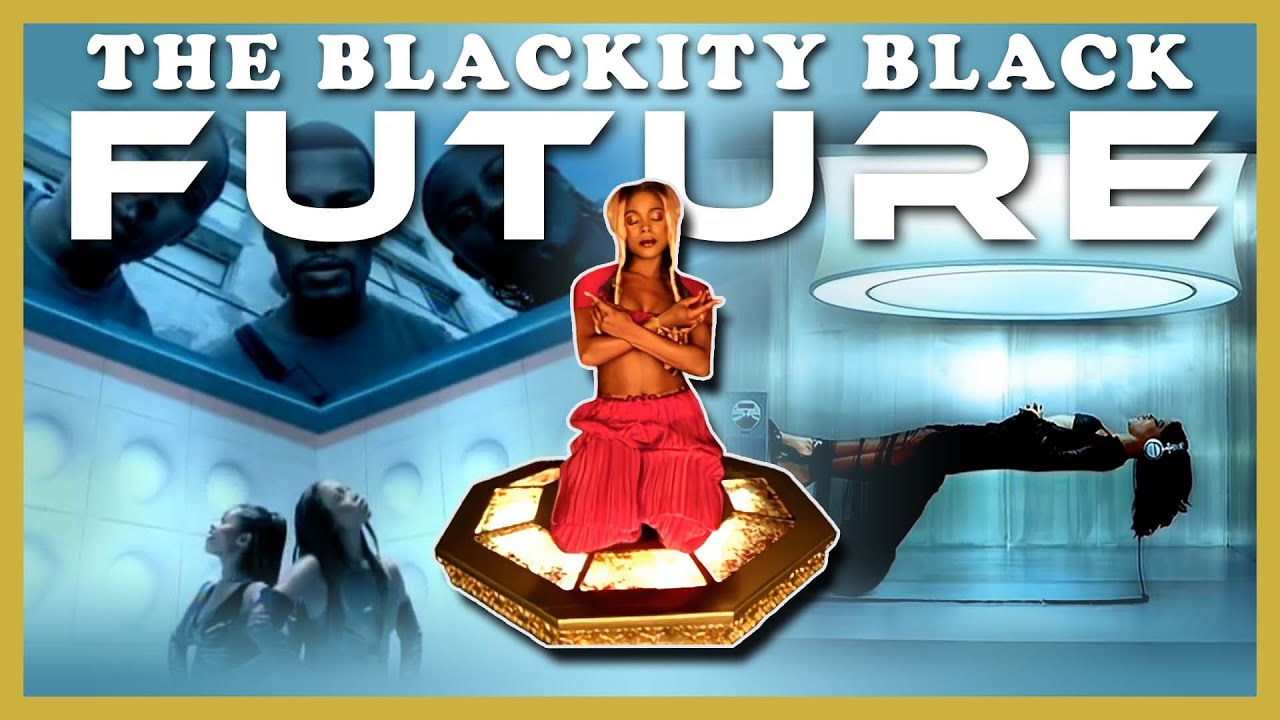








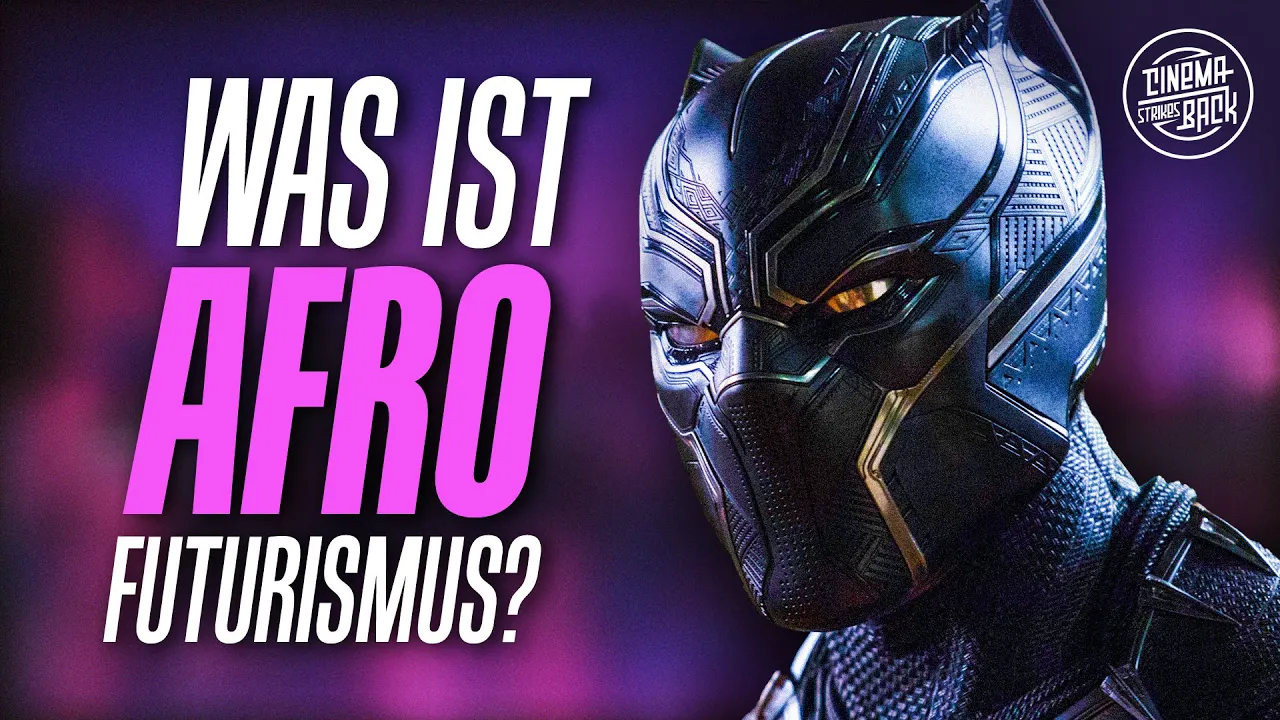





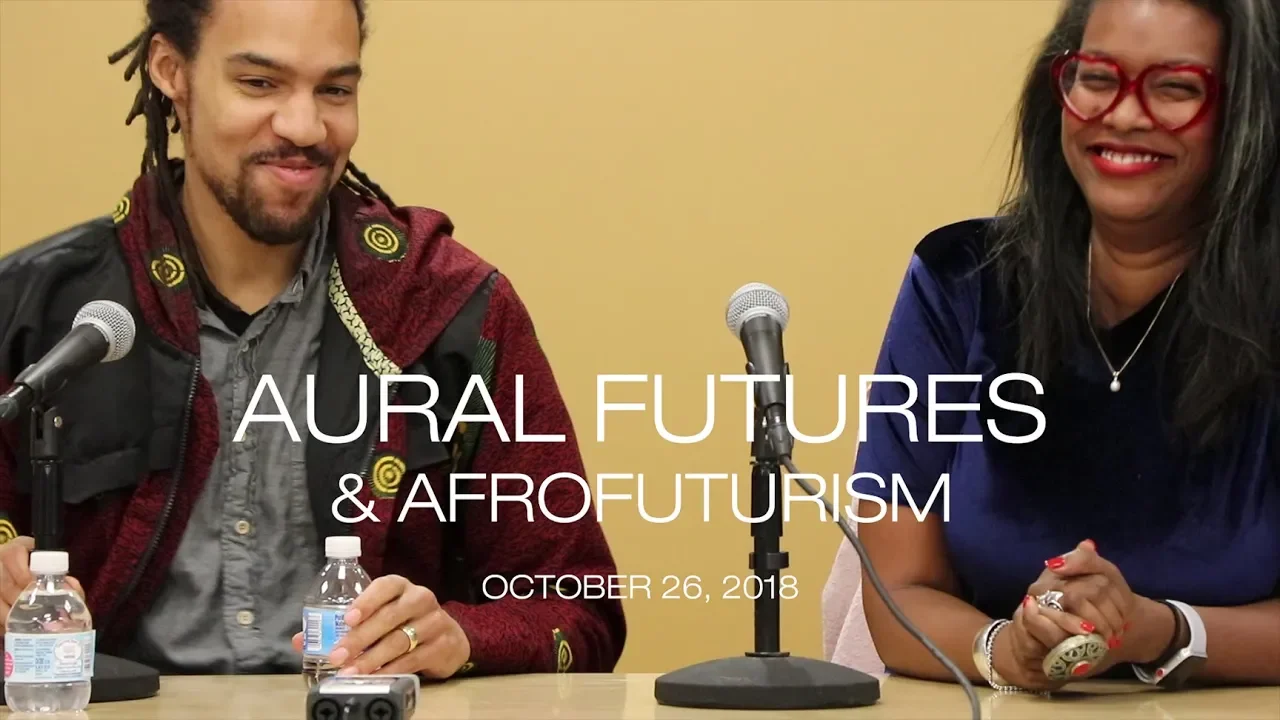

Afrofuturism is a cultural theory coined by Mark Derry in 1994 that imagines possible futures through a Black cultural lens, encouraging experimentation, identity reimagination, and liberation; it manifests visually through artists like Kevin S., who remixes African traditions with contemporary technology (such as DJ culture as shamanic practice), Deni Akm, who sees Afrofuturism as a methodology of liberation combining sculptural, sound, and performance art, and Bodhis Isaac Kelis, who creates utopian cityscapes reimagining Kinshasa; these artists draw upon ancient African cosmology, shapeshifting narratives, and spiritual symbols to transcend time and space, using imagination as a tool for controlling and manifesting positive futures for Black communities.
Afrofuturism: Visual Aesthetics Explained | TEDx Talk
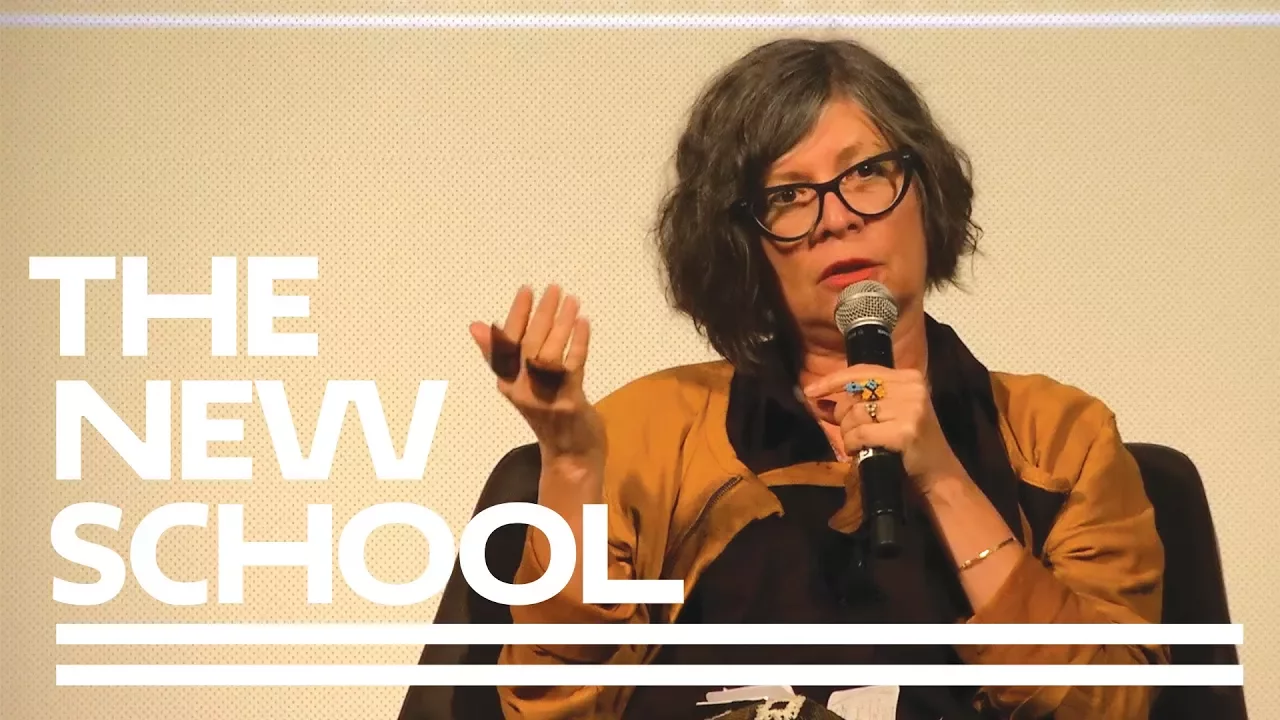
Added:Hi, how are you? Um, thank you uh to Ed for inviting me uh to talk about afroofuturism. I'm really excited about talking about it. Um, it's a subject that doesn't get a lot of um attention, so this is a good thing for me definitely. Um, I'm just gonna say that I'm not used to scrolling through images while talking. So, if I do a little hiccup, please excuse me.
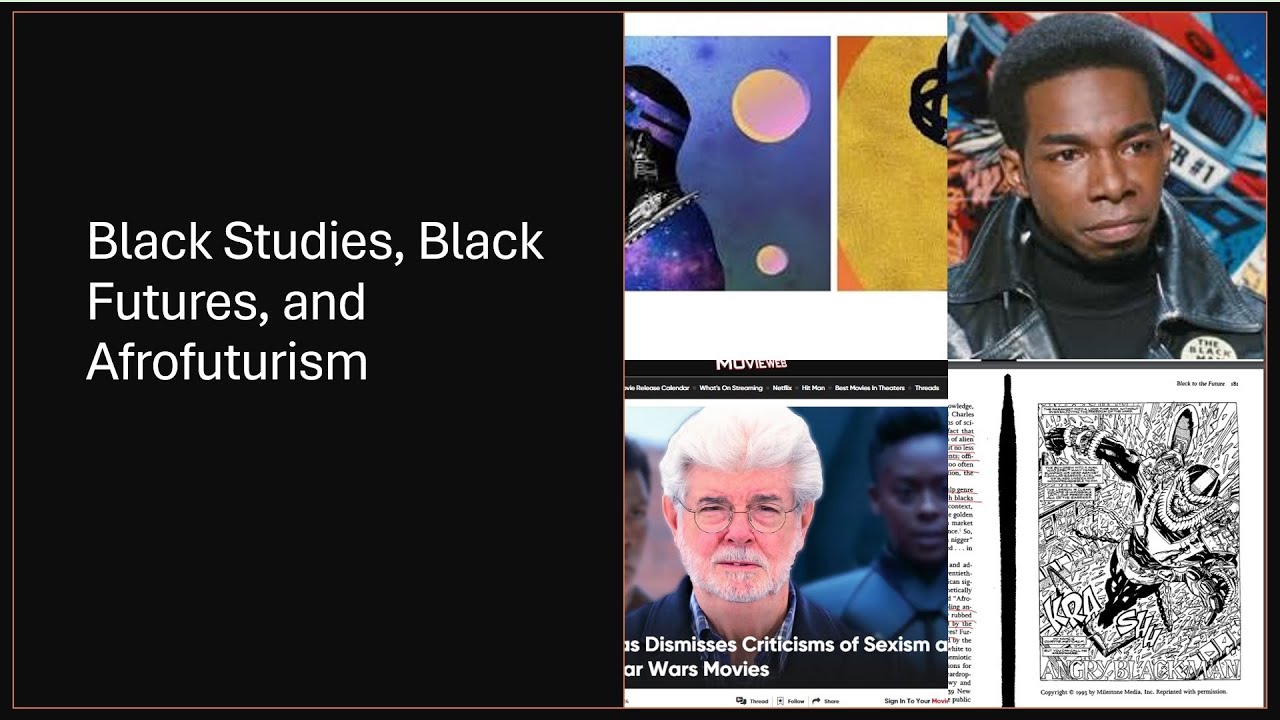
So, before I discuss how afroofuturism manifests itself visually, I will attempt to explain this complex theory theory. The term was coined by Mark Derry in his 1994 essay, Black to the Future. He writes speculative fiction that treats African-American themes and addresses African-American concerns in the context of 20th century technoculture and more generally African-American signification that appropriates images of technology and pro prosthetically enhanced future might be called afroofuturism.
I generally define afroofuturism as imagining possible futures through a black cultural lens. I see afroofuturism as a way to encourage experimentation, reimagine identities, and activate liberation.
It is a concept that encourages collaboration across disciplines. I find that most artists working with afroofuturism often create with the use of a wide wide range of media.
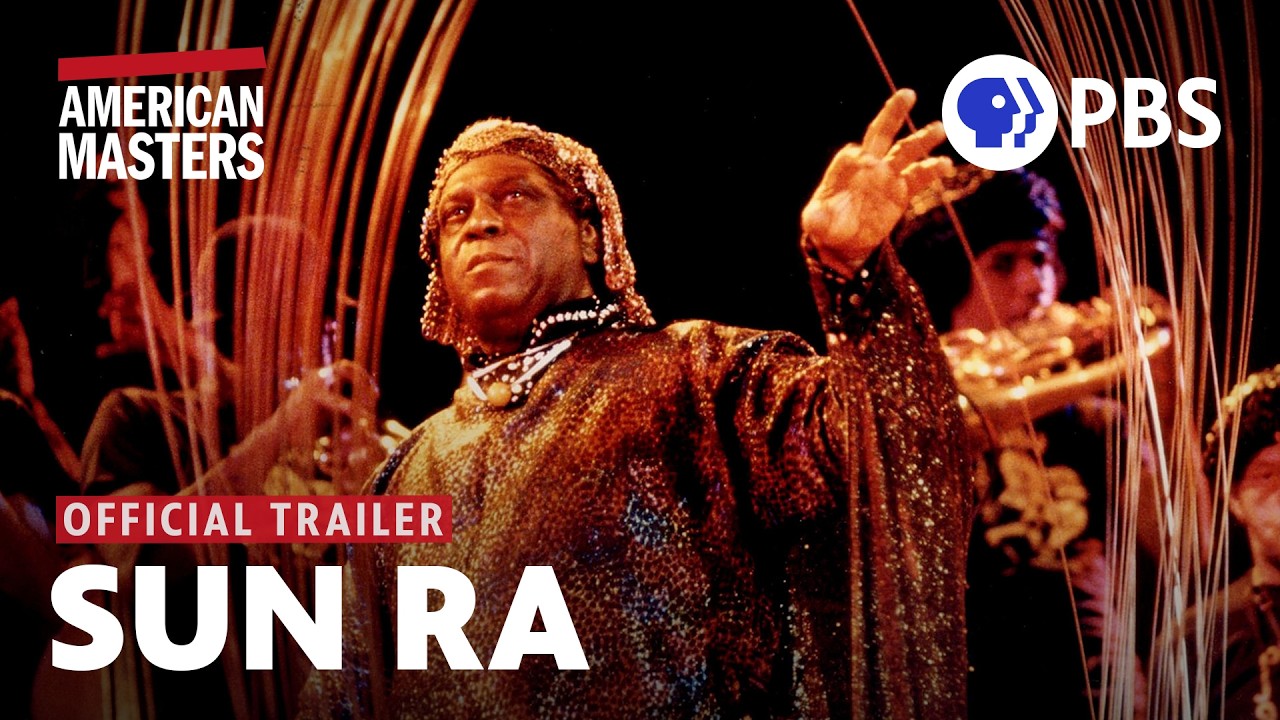
I like to use the jazz musician Samra as an immediate example of afroofuturism.
Dena is a pioneer of this genre. Sarma is most known as the band leader of the orchestra.
He was also a jazz composer, musician, poet and philosopher. He believed he was sent from Saturn as a cosmic messenger to spread love and peace. He did this by teleport teleporting us through his music. Z stated in a documentary, "Every song I write tells a story that humanity needs to know about. In my music, I speak about unknown things, impossible things, ancient things, potential things.
It is this story that Atlanta based artist Kevin S believes is to told through what he calls the electric medicine wheel magicians.
He writes, "All records are ancestral ancestral records full of infinite moments of possible remix. Despite the attempts of some to sever tomorrow from yesterday with narrowly defined notions of afroofuturism, I seek to preserve the idea of afroolism where the past, present, and future forever mingle at the crossroads of creativity, sampling each other at will."
He goes on to say, "Through shamanic vision, trance, ocular song, and aesthetic dance, the future is manifested."
Kevin remixes symbols and rituals in his work, often honoring the DJ as a shaman.
The DJ conjures visions of the future by rhythmically seducing out those ancient tradition traditions within us.
seen in his black science navigator record prayer series. He draws upon African traditions such as Europa and mixes it with contemporary myth music such as dub rea symbolized by the line of J Judah.
He also references turntables by drawing mandelaike symbols that intersect at the third eye chakra on the forehead. In Buddhist and Hindu traditions, the Mandela assists in transit meditation.
You see, you see that those spiritual nodes of energetic power becomes places where many of his symbols sit.
Another way he harnesses that power is through protruding nails. This is drawn from the Congalles Nikesi sculpture which is used for communal healing and to ward off negative energy.
In Kevin's installation Sirius B boy, here he references the star system Sirius which is a part of the Dogon's oral tradition. The Doon who are from Mali talk about learning about the star system from the Nomos who were amphibious beings like mermaids that came from Syria's Bay. This star is also called Emma which is quite similar to the Eurovvarisha Yayya whose symbol is the ocean and she is the mother of us all. The Euroba religion is practiced mainly in Nigeria and has spread to the Americas taking on various incarnations such as condom layer santaria.
It is important to point out that ancient African cosmology heavily influences afroofuturism.
Um the story of the Dan illustrates how aliens and space tra and space travel has been a part of certain African trai traditions for centuries.
The idea of the alien is common is a common theme in afroofuturism. When we look at abduction through the slave trade or colonialism in Africa where they were made to feel like aliens in their own home, we see how the development of various identities serve as a survival tactic.
Chicago based artist Christopher Franklin takes a close look at the survival tactic of shapeshifting by drawing upon sci-fi writer Octavia Books um Octavia Butler's book Wild Seed where the main character an Anan Woo does exactly this to adapt to the new world that is filled with prejudice prejudices against her race and gender. She protects herself by taking on identities that are seen as powerful, such as a white man or in this case a lion.
We see Butler also influencing Christ's most recent series, The Untold Legend of Naima Brown, changeling.
This three-part art installation illustrates the journey of the changeling or shape shifter named Naima Brown. Naiba Naima can change into several identities, human, plant, and animal. When she shifts, she leaves traces of her transformation.
In these prints, we witness evidence of the shift through the hair that is left behind during a transition and are and are archived by her best friend in handmade paper.
This ability to move through physical manifestations creates a sense of freedom and liberation.
Artist Deni Akm, also Chicago based, sees this as a primary tool of afroofuturism.
She defines herself as a space sculpture, performance artist, and educator.
She explains afroofuturism as an exploration and methodology of liberation simultaneously both a location and a journey. She goes on to say the creative ability to manifest action and transformation has been essential to the survival of blacks in the diaspora.
Dene teaches a course at Columbia College called afroofuturism pathways to black liberation. The course considers what blackness and liberation looks like in the future by using various elements such as technology, African cosmology, and history to construct that future.
Believing that the artist is alchemist, Daen sees her work as portals that rework symbols to create a vision of liberation. She investigates the question, who controls the future? By combining sculpturous, sound, and performance. Dene reminds us that we can we can control our future through imagination.
It is in this realm we can transcend our present condition and are able to look beyond and what and what does this future look like. Dene says futurists believe in the power of a positive future for blackness. It is that positive outlook that artist Bodhis Isaac Kelis relies heavily on. By creating utopian cityscapes of his home in Kenshasa and the de Democratic Republic of the Congo, Bodus reimagines the capital to reflect a utopian ideal.
He says, "I created these cities so there would be lasting peace, justice, and universal freedom."
Using found objects, he creates what he calls architectural modern modernism, excuse modernism to transform a decaying city into a colorful Dr. Seuss-like environment that encourages a sense of awe and wonderment.
Buis utopia is pristine without political strife. The idea of a utopia is common in afroofuturism because it is generally believed the apocalypse has already happened through massive oppressive events such as slavery and colonialism.
In November, I'm curating an afroofuturist exhibition called mythos.
I asked artists Dene Aken, Christopher Franklin, Alicia Warmsley, Stacy Pearl, and Ayana Moore to share mythologies they have created.
When developing the exhibition, I kept thinking about Drexia, an electronic music duel from Detroit that created the myth of the Drexian race. This race is made up of descendants of pregnant African women who were thrown overboard during the Atlantic slave trade. Drexia became wellknown with their 1994 album Aquatic Invasion with songs like Wave Jumper, Hydro Theory, and Aqua Warmhole. Their music is called from the sounds that emanate from the Aquattopia.
And they recorded live in their studio believing their music was a dimensional jump hole between their African heritage and their contemporary US American life.
The myth of Drexia isn't far-fetched since there are legends of men with gills walking up upon the shores of the Gala Islands. This is a great example of how time has no barriers here. The techn technology of electronic music brings us closer to our ancestors.
I believe this is an example of our superhuman abilities to transcend time and space while molding them simultaneously because afroofuturism is used in the visual art of Kevin Christa Dene and Bodhus. They are able to activate knowledge that a lies within us spiritually and biologically.
By awakening an afroofuturist consciousness, we can move beyond this human realm. The fact that afroofuturism embraces the unknown encourages the creation of futures without boundaries and recognizes the power to manifest that which is imagined. I believe, especially someone who's from Detroit, this is essential in altering the here and now, thus providing direction into a brighter future.
Thank you.
Thank you so much. So, uh we're going to have a a a surprise for you. Um Melvin's going to have us leave out of here with uh little music, but No, it's fine. is what the butt is that I hope you appreciated this moment. I hope you appreciated the speakers. I hope you appreciated the effort that went into this. the Ed and and Philip and technical director and the speakers and and Alexandra preparing the food for you with love and you know 65 Finn which you guys don't know because no one's here from 65 Fin provide us here with the wine and uh you know it was it was it's a collective.
So, in the future, if we're going to have some momentum with these TED events, I'm not sure how many of you were familiar with TED events prior to this, but in the future, going forward, we want we want to have larger events.
And the one in June is supposed to be larger, but these are salons. It's fine to have them this size. Actually, this room was full right now. It'd be a little warm and we' probably run out of food by now. and uh you know so it's great that we're working on this but I'd like to progress with this and I'm always looking for help to to do this uh type of event and um hopefully some of you met some people today that uh you might network with in the future and hopefully um some of you will work with me in the future as well and uh I want to leave out of here with uh some music All right.
[Music] [Music] [Music] [Applause] [Music]
Up Next

Afrofuturist Period Room: Seneca Village Reimagined | Met Exhibitions
@metmuseum
46.2K views•2021-11-11

Triumph of Orthodoxy Icon: Byzantine Art & History Explained
@BenCallan
2.1K views•2024-08-06

Indigenous Astronomy: Rethinking Space Ethics | Karlie Noon TEDx
@TEDx
15.1K views•2025-11-30

Game of Thrones Opening Credits: A Cinematic Analysis
@gameofthrones
46.3M views•2011-04-18
Related Study Plans & Knowledge Roadmaps
Structured learning paths in General & Interdisciplinary Studies