

















Lino Brocka (1939-1991) revolutionized Filipino cinema by using film as a tool for social resistance, creating raw, socially realist works that exposed poverty, corruption, and injustice while giving voice to marginalized communities; his approach combined naturalistic filmmaking techniques with existentialist philosophy to transform cinema from mere entertainment into a form of testimony and resistance, influencing generations of filmmakers worldwide.
Lino Brocka: Filipino Cinema and Social Realism Explained | Video Essay
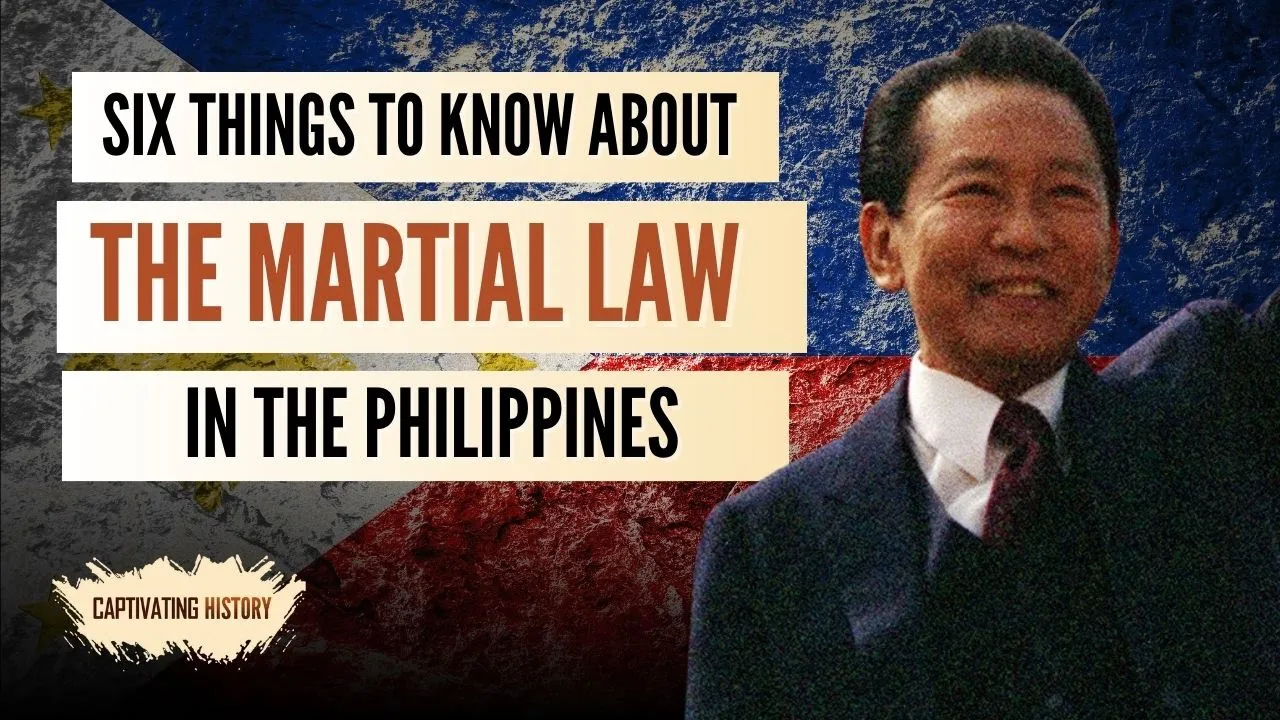
Added:The historical context of the Philippines during the Martial Law era (1972–1981) under the Ferdinand Marcos dictatorship.
The core tenets of 'Social Realism' in art and literature, specifically how it depicts the everyday struggles of the working class and marginalized communities.
The global concept of 'Third Cinema', which decries neocolonialism, the capitalist system, and Hollywood-style commercialism in favor of politically engaged filmmaking.
The fundamental role of film censorship and how authoritarian regimes historically control mass media and artistic expression.
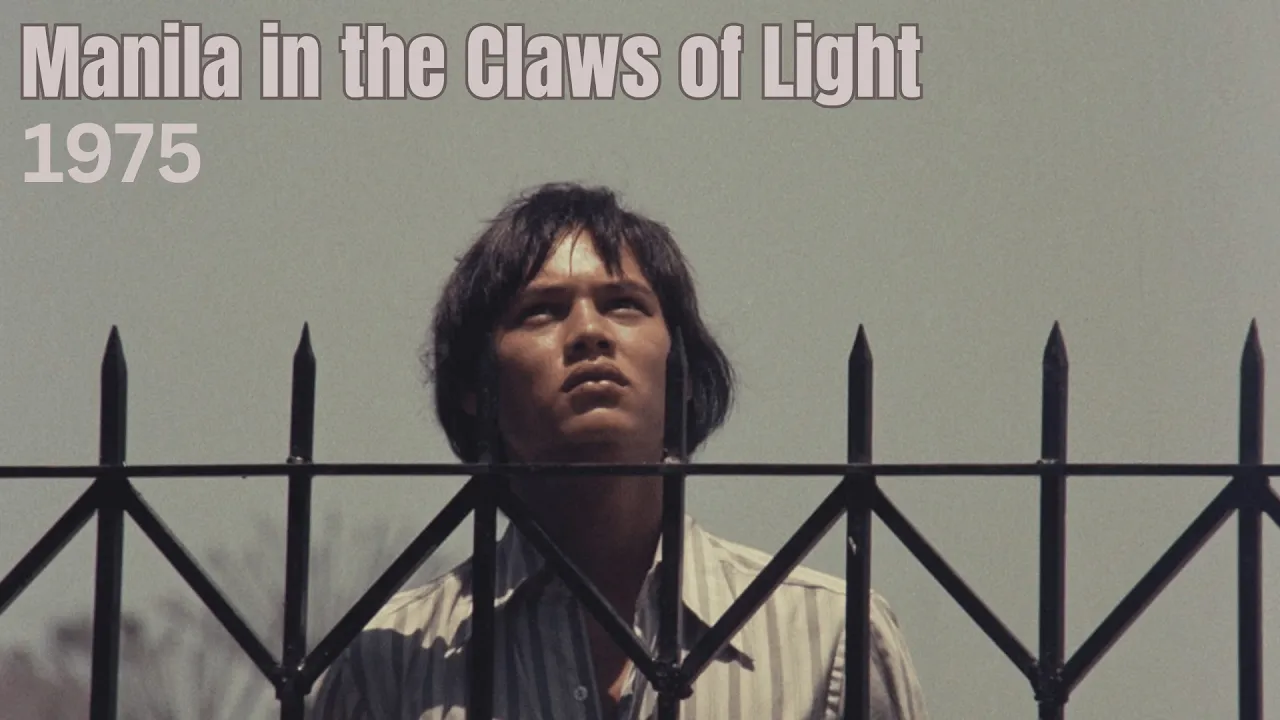
An in-depth cinematic analysis of Lino Brocka's seminal masterpieces, such as 'Maynila: Sa mga Kuko ng Liwanag' (Manila in the Claws of Light) and 'Insiang'.
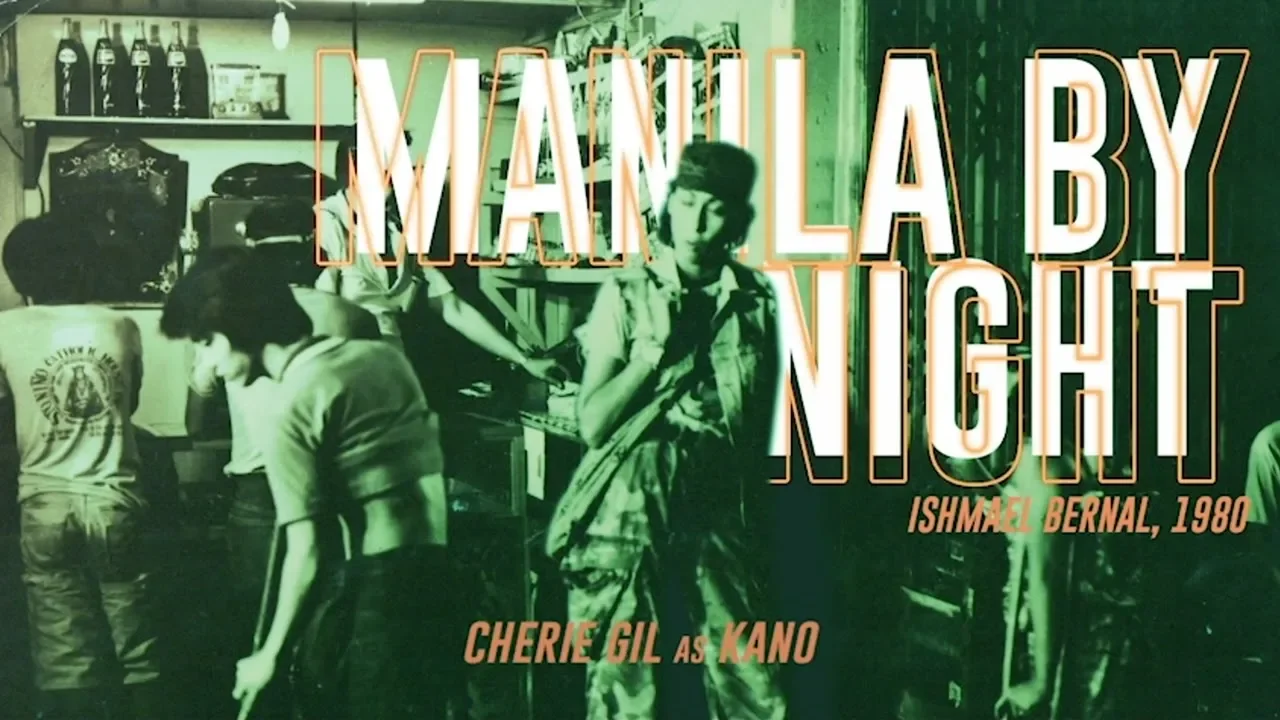
A comparative study of Brocka's social realism with the works of his contemporaries from the Second Golden Age of Philippine Cinema, such as Ishmael Bernal and Mike De Leon.
The evolution of contemporary Philippine independent cinema (Indie film movement) and how modern filmmakers like Lav Diaz and Brillante Mendoza address modern societal issues.
The history and legacy of the Concerned Artists of the Philippines (CAP), an organization co-founded by Brocka to fight state censorship and protect freedom of expression.
16.8K views760likes13:50Original Release: 2025-06-20
[Music] What does it mean to tell the truth in a time of silence? For Lena Broca, cinema was never just about stories. It was about struggle. It was about survival.
It was about giving a voice to those who were denied one. He didn't just make movies. He created mirrors. Ones that reflected the grim realities of poverty, corruption, injustice, and human pain, but also hope, defiance, dignity. In a country where entertainment often meant escape, Brocker refused to look away.
And in doing so, he changed Filipino cinema forever. In this video, we'll dive deep into the life, legacy, and lens of Linua. How he crafted a body of work that not only challenged the regime, but exposed the truth with every frame.
Catalino Ortiz Broa, better known as Lo Broa, was born on April 3, 1939 in Paris or Sugon. But his story would take root in the rice fields of San Jose Nova Ei and the small towns of Kesson province where he grew up in poverty raised by a widowed mother after his father's tragic death. From the very beginning, Brocka understood the weight of being voiceless. He studied at the University of the Philippines, but never completed his studies, leaving to work in Hawaii as a janitor. It was there while wiping floors and working odd jobs that he found solace in books, in film and most of all in the words of Jean Paul Sartre, existentialism would shape his world view, the belief that man must act especially in the face of despair.
Returning to the Philippines, Broca began his career not in film but in theater working with the Philippine Educational Theater Association under Cecil Gote Alvarez. The stage gave him discipline but it was the screen that gave him power. In 1970 at the age of 31 he made his first feature film, Wanted Perfect Mother. A light comedy almost a curiosity compared to the fire he would soon unleash. Just 5 years later, he would shake the nation with manila.
From that point on, there was no turning back. Broa became the voice of a nation under martial law. Through film, he gave dignity to slum dwellers, prostitutes, laborers, and political prisoners. Those often erased from the country's narrative. He was also a fierce activist. In 1983, Broca co-founded Concerned Artist of the Philippines to defend the freedom of expression. A year later, he was arrested during a transport protest. His art and activism inseparable. Leo Broka wasn't just a director. He was a national conscience, a mirror to power, a threat to silence.
He died in a car accident in 1991 at just 52 years old. But in truth, Brocka never really left. His voice is still echoing in classrooms, in protest, in every frame of Filipino cinema that dares to speak the truth.
Loa directed over 60 films in just two decades. And yet no two ever felt the same because Brocka didn't repeat himself. He responded to the moment to the country to the people. His early films were commercially safe. Titles like Wanted Perfect Mother and Starddoom in 1971 played within the system testing the waters. But even then Broca's concern for identity, alienation, and class was beginning to stir beneath the surface. Then in 1975 he dropped a turning point not just in his career but in the entire history of Philippine cinema. This wasn't just storytelling it was survival. Manila chronicled the exploitation of the rural poor the false promise of the city and the quiet violence of capitalism. It won best picture at the famous but more than that it changed how we told our stories. In 1976, Braa became the first Filipino director to be featured at Cans within Shang, a searing portrait of a slum woman hardened by betrayal and violence.
It wasn't just a film. It was a scream from the margins. Brockas Kan's streak would continue with Jaguar at 1979, Bona in 1980, and Bayano Capitalim in 1984.
Each one an escalation in rage. each one a confrontation with the state. Bayeno was banned in the Philippines. Broa smuggled it to France and the world listened. He wasn't afraid to take risk even in genre. In Angela Marcado in 1980, Broca tackled the revenge with brutal noir style confidence. In Caill, he adapted a biblical rivalry into a scorching allegory about feudalism and machismo. By the late 1980s, his final films such as Orura Pronobis in 1989 showed that even after the fall of Marcos, oppression didn't end. Orura Pronobis was a fearless take on post EDSA human rights abuses and it too was banned. Through it all, Broca never stopped making films. Sometimes for commercial producers, sometimes on shoestring budgets, but always with one thing in mind, the truth. To watch Brockas filmography is to trace the trauma, hope, and fury of an entire generation. These movies weren't escapes. They were maps leading us through the maze of injustice and toward maybe a sliver of light.
[Music] There's a reason Lo Broka's films still hit like a punch to the chest. He wasn't just directing scenes. He was confronting us. His camera didn't look away. It lingered. Brocka's style was often called social realist, but he didn't set out to make political films.
He made human films about people broken by politics, punished by poverty, and silenced by power. He had a way of making everyday moments feel dangerous.
A mother is cooking rice. A man is waiting for a job. A young girl is walking home. In Brocka's hands, this became taking time bumps. Loaded with the weight of what society refuses to see. Stylistically, he was raw, gritty, no frrills. He used natural light, real locations, and non-professional extras.
His shots weren't beautiful in a traditional sense. They were honest, and in their honesty, they became powerful.
You can feel the DNA of Italian neo realalism in Broca's films, the Sika and Roselini, but also the fire of Latin American resistance cinema. He was also deeply influenced by theater, especially from his time with Peta. His scenes often play out like stage plays.
Slowburns, emotionally charged, dialogue driven. But more than anything, Brocka's greatest influence was the country itself, the Philippines. He said inspiration realad. My inspiration is reality. And that's exactly what you see. the unpaid debt, the lost child, the shattered family, the blood that never dries. He didn't rely on symbols.
He relied on scars. His characters carry trauma like a second skin. They cry, beg, scream, not because it's dramatic, but because it's true. And when he directs actors, he doesn't ask for performance, he demands the truth. Broka worked repeatedly with actors like Hilda Coronell, BMOL, and Nora because they gave him what he needed. Raw, restrained, and real. Characters are often boxed in by walls, literally and figuratively. His frames trap them. The camera doesn't move unless it has to.
And when it does, it's chasing desperation.
Ultimately, Brocka style isn't about visual flare. It's about moral urgency.
His films were made fast, cheap, and with fury. Because for Brocka, every day without telling the truth was a day wasted.
Lun Broa didn't just change Filipino cinema, he changed how Filipinos saw themselves on screen. Before Brocka, the silver screen was often a mirror of fantasy, romanticized, sanitized, and safe. But he shattered that mirror. What he gave us instead were cracks, bruises, and the truth. His films were smuggled during the protest during the Marcus era. When the media was gagged, his movie screamed. When the truth was dangerous, he made it undeniable through celluloid, through story.
was a love letter written in rust and concrete to a city that devoured its poor in the first Filipino film at KS took domestic violence and turned it into national trauma and bayano capita that film was so politically charged it almost didn't make it to the screen but broka's reach didn't stop at the country's borders in fact Bong Junho the Oscarinning director of parasite once cited Brocka as an influence. The same Bong who exposed glassware through basements and stairwells once looked to Brocka's films and saw the blueprint of socially conscious cinema. Broa wasn't just telling Filipino stories. He was reshaping world cinema from the margins.
Off camera, he was just as relentless.
He co-founded the concerned artist of the Philippines. He protested. He got jailed. And until the end, he believed that a director's job wasn't to entertain, but to testify. Today, Brocka's legacy lives in every filmmaker who dares to tell the truth. In Lav Diaz's 8-hour sagas of grief, in Brilliant Mendoza's unfiltered chaos, in every indie filmmaker who chooses poverty over polish, substance over spectacle. His films are now part of curricula, retrospectives, and archives.
But more importantly, they're part of our collective memory. The kind that stinks, the kind that demands. What will you do with what you have seen? Watching Linua's films is not always easy. I've watched a couple of them for my future videos, and all I can say is they don't ask to be liked, they ask to be listened to. They scraped at your conscience.
They demand your attention. And when the credits roll, you don't leave with answers. You leave with a weight in your chest. A weight that says, "This still happens. This is still us." Broa didn't just direct movies. He unveiled systems.
Abuse, poverty, oppression, layer by layer, frame by frame. And in doing so, he reminded us that cinema is not just an escape. It can be resistance. I think what makes Brockas work so haunting isn't just how raw it is, but how familiar it still feels. Manila is still a city that swallows dreams. People are still trying to climb out of alleys that were never meant to let them go. And the truth, truth still comes at a cost. But Brocka showed us something else, too.
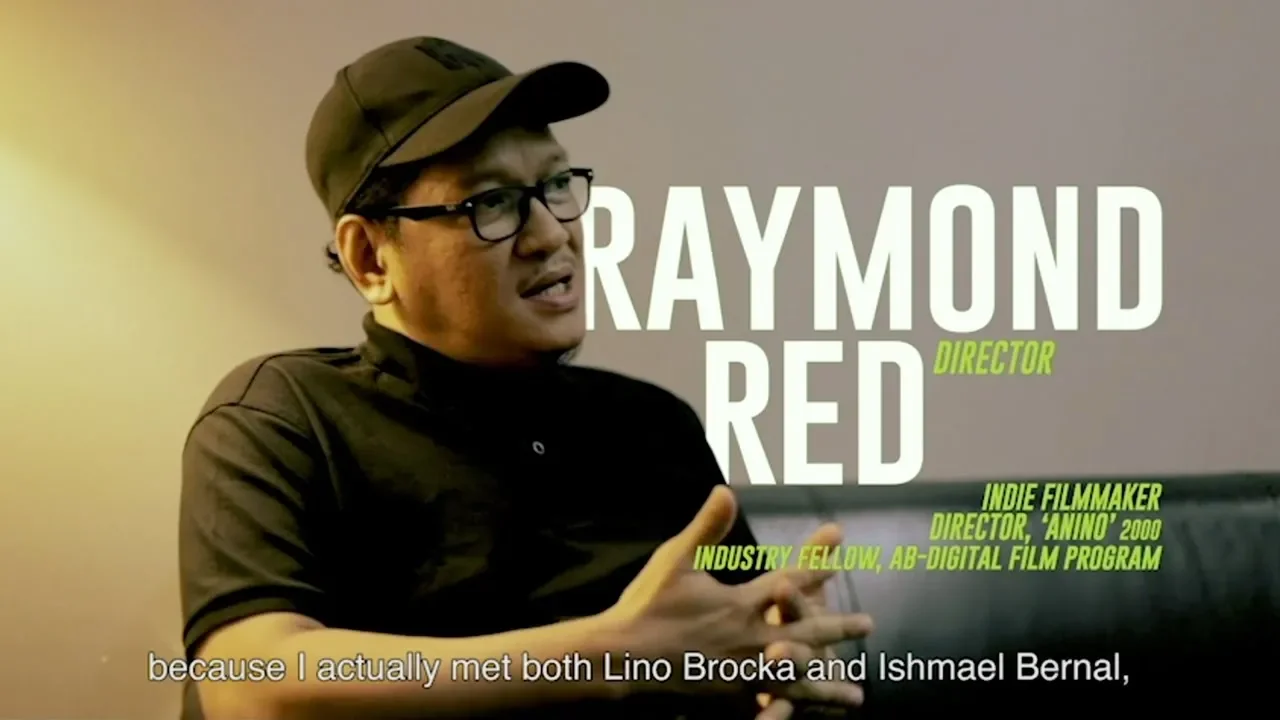
That telling the truth, especially when it's dangerous, is not just brave, it's necessary. This isn't just a tribute to Lo Broa. No, this is a reminder that every time we speak up, create, resist, or choose to see the world clearly, we carry his torch. And maybe that's the power of cinema after all. Not just to reflect who we are, but to push us toward who we could become. So I would rather use uh people whose acting uh is quite natural and uh who look like people you know.
[Music]
Up Next

6:29
Rosetta (1999): Dardenne Brothers' Minimalist Portrait of Poverty
@cliffreviewsarthouse
170 views•2025-09-21

23:14
Visual Analysis Essay: How to Analyze Graphic Novels in College Writing
@nataliepleimann5941
1K views•2020-10-14
4:55
Film Blocking Techniques for Directors: Space, Shapes, Lines
@StudioBinder
1.9M views•2018-07-23

4:00
Evolution of Darth Vader: Anakin Skywalker's Animated Journey Across Star Wars Films
@TellItAnimated
13.4M views•2019-03-30
Related Study Plans & Knowledge Roadmaps
Structured learning paths in Film Analysis
film-analysis
Sensory Cinema: Foley, Haptic Sound & Texture
01Introduction to Film Sound and Foley Artistry
02Micro-Sounds, Textures, and Extreme Amplification
03Haptic Audition and Film Phenomenology
+ 1 more learning modules
12h4 modules
Explore Roadmap
film-analysis
Breaking the Fourth Wall: Mockumentary & Satire
01The Invisible Wall: Basics of Cinematic Illusion
02Looking at the Lens: Direct Address & Character Glances
03The Mockumentary: Satire, Realism, and Complicity
+ 2 more learning modules
12h5 modules
Explore Roadmap
film-analysis
Analyzing the Long Take: Cinema, Space & Ethics
01Foundations of Film Grammar: Montage vs. The Long Take
02Choreography and Mechanics of the Simulated One-Shot
03Phenomenology of Film: Real-Time Spatial Continuity
+ 1 more learning modules
14h4 modules
Explore Roadmap
film-analysis
Anachronistic Music: Period Drama & Subversion
01Foundations of Film Sound and the 'Needle Drop'
02Traditional Authenticity vs. Revisionist History
03The Rise of the Anachronistic Soundtrack
+ 2 more learning modules
12h5 modules
Explore Roadmap