


















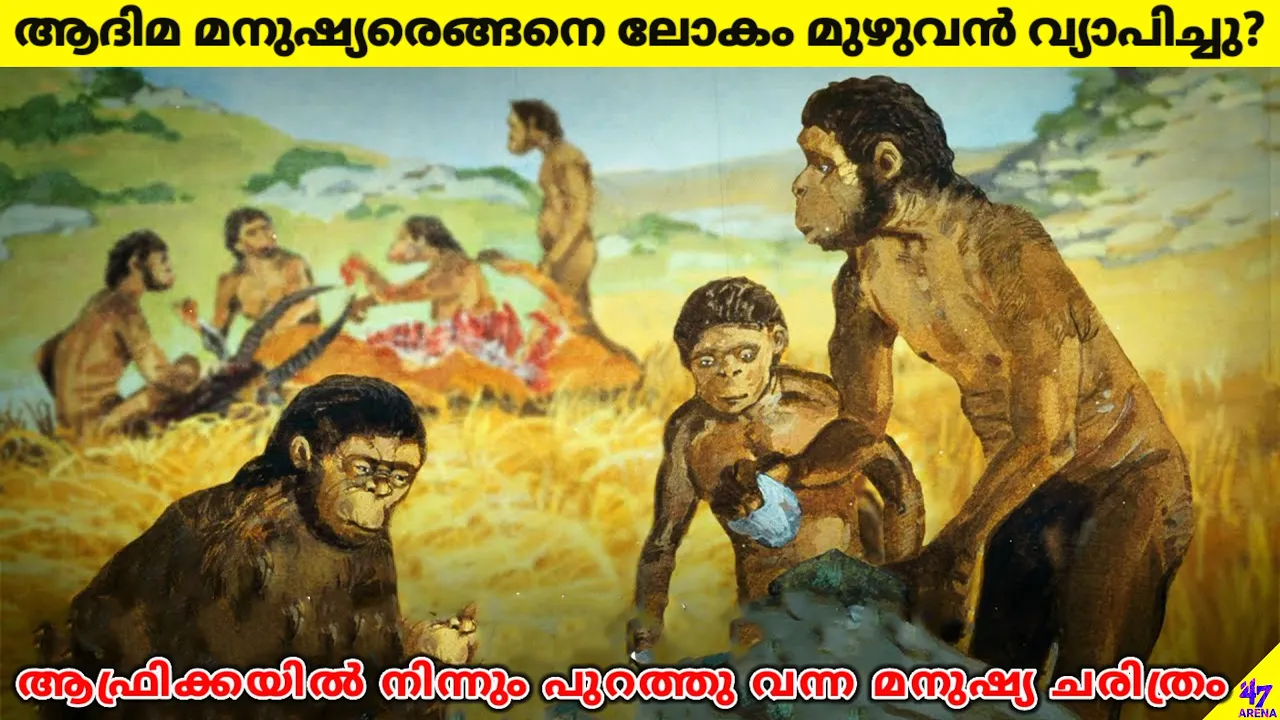


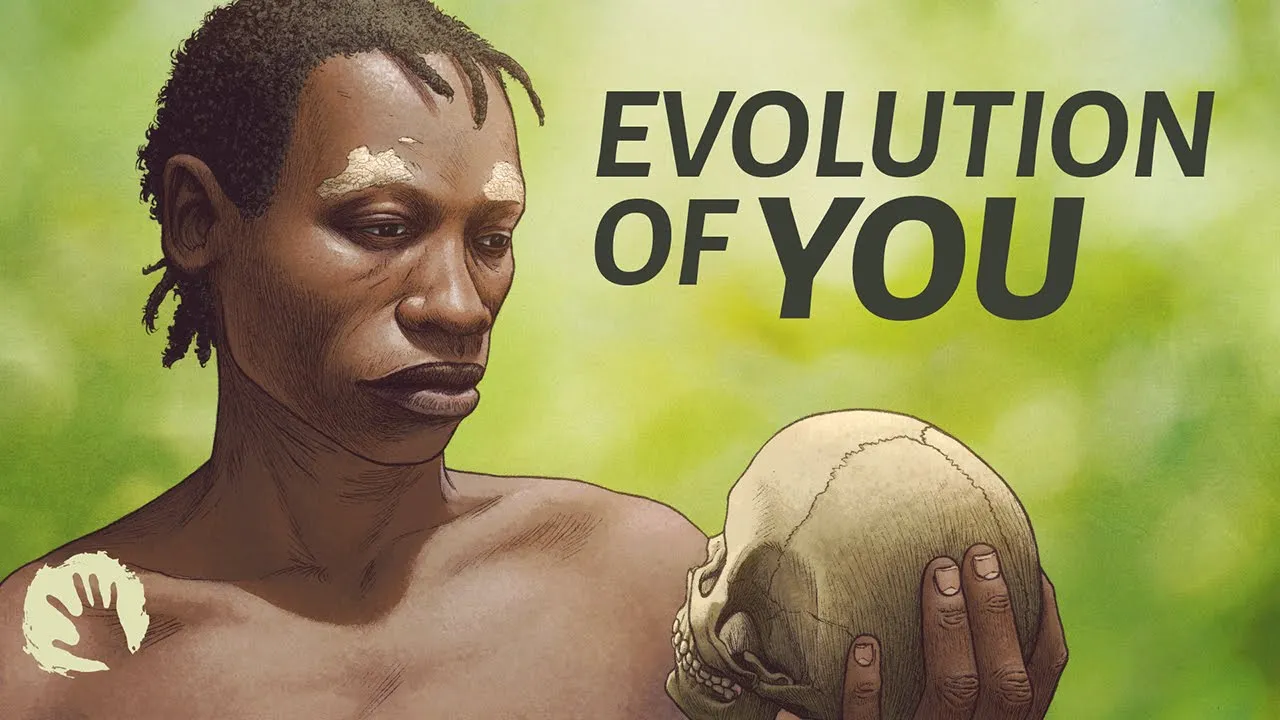
Australopithecus, meaning 'southern ape,' was an early hominin genus that existed in Africa during the Late Pliocene and Early Pleistocene epochs (4.5-1.9 million years ago), serving as a crucial evolutionary bridge between nonhuman apes and modern humans. This genus includes multiple species such as Australopithecus afarensis (represented by the famous 'Lucy' fossil), Australopithecus africanus, Australopithecus sediba, and Australopithecus anamensis. Key characteristics include bipedal locomotion (walking on two legs), a brain size approximately 35% of modern humans, smaller canine teeth than apes, and larger cheek teeth. The discovery of the Taung Child in 1924 by Raymond Dart revolutionized understanding of human evolution by establishing that early hominins walked upright. Notable fossils include the Laetoli footprints (3.7 million years old, Tanzania) providing evidence of bipedalism, and 'Little Foot' (3.7 million years old, South Africa). Despite being small, slow, and seemingly vulnerable to predators, Australopithecus diversified into numerous species across Africa, with one lineage ultimately giving rise to the genus Homo between 3-2 million years ago, demonstrating how evolutionary success can come from diverse adaptations rather than physical dominance alone.
Australopithecus: Key to Human Evolution | Prehistoric Beasts Facts
Added:Australopithecus - A Crucial Evolutionary Link Introductory Story A pack of hyenas roams the grasslands of Southern Africa, 3 million years ago.
It is sunset, and the fading sun shines on the skin of an early hominin.
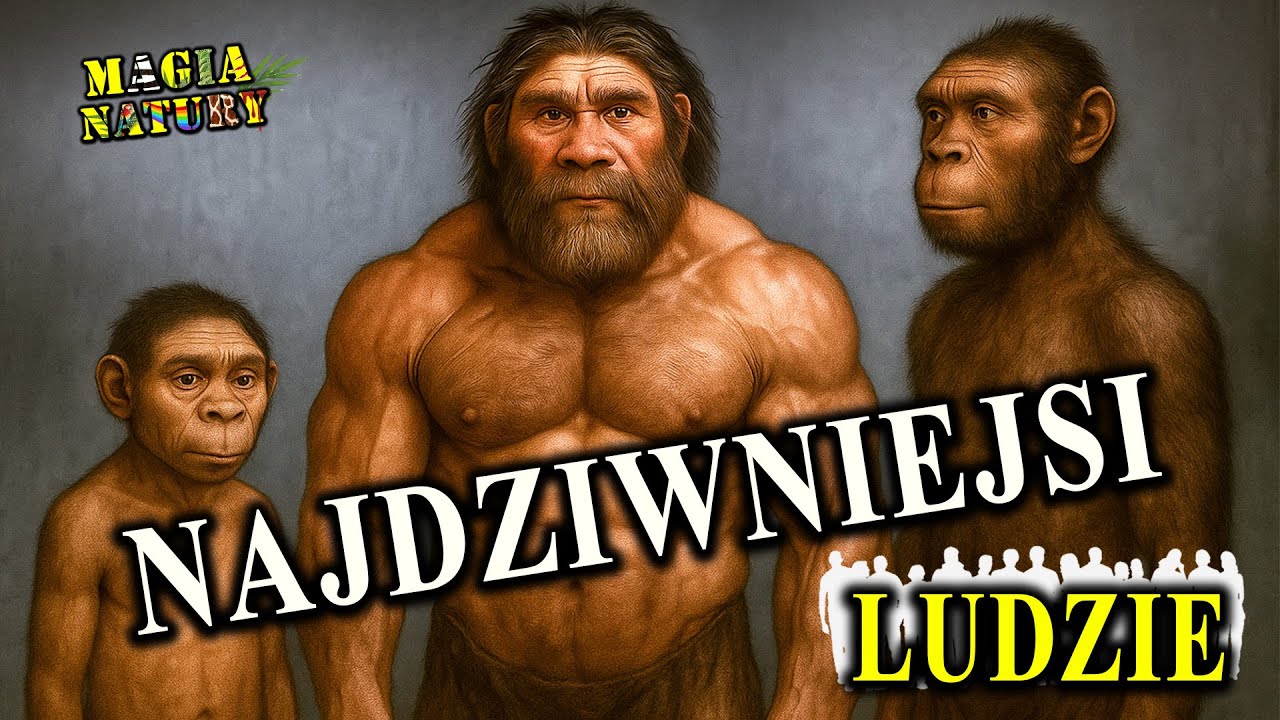
These hominins were quite possibly ancestors of humans, and stood at around 4 feet tall, with sexual dimorphism present in males being larger than females. They are hairy prehistoric beasts, ones not roaming the lands quadrupedally, but bipedally, leaving the hands free to grasp objects and allowing the eyes to look over tall grasses for predators.
Today, hyenas create an ominous threat to this Australopithecus ape-like creature, and these intriguing critters, though small, catch their attention. Hyenas approach, blazing past the grasslands to reach these unfortunate beings. They attempt to hide and run away, but their slow pace makes them struggle to find a path to safety. The hyenas arrive, and these early hominins appear to be doomed. Their small, fragile bodies seem rather unsuited for these threats, yet despite the death of this group of Australopithecus in this scenario, this genus, Australopithecus, thrived, diverged, and led to us: modern humans.
Introduction Hi, welcome to Enchiridion. I am honored to provide these facts on Australopithecus as part of the series Prehistoric Beasts!
Australopithecus, meaning “southern ape”, was an early hominin that existed in Africa during the Late Pliocene and Early Pleistocene. The genera Homo, which includes modern humans, Paranthropus, and Kenyanthropus evolved from Australopithecus. In other words, Australopithecus were primates closely related to, if not actually ancestors of, modern human beings. For this reason, it is a crucial evolutionary link between nonhuman ape-like creatures and early human species. It is perhaps one of the richest paleoanthropological finds with fossils like “Lucy” yielding significant insights into our evolutionary past.
Species are numerous, and include Australopithecus garhi, Australopithecus africanus, Australopithecus sediba, Australopithecus afarensis, Australopithecus anamensis, Australopithecus bahrelghazali, and Australopithecus deyiremeda.
Australopithecus is known from a series of fossils found at numerous sites in eastern, north-central, and southern Africa, also known as the cradle of humankind. For the longest time, scientists believed our early ancestors arose from Europe or Asia, yet in 1924, a fossil discovery in South Africa revolutionized the perception of early human evolution, known as the Taung Child, which we will get to later in the video. The earliest known member of the genus, Australopithecus anamensis, existed in eastern Africa around 4.2 million years ago, possessing a smaller cranial capacity than other australopithecines.
Australopithecus fossils become more widely dispersed throughout eastern and southern Africa, with the Chadian Australopithecus bahrelghazali indicating the genus was much more widespread than the fossil record suggests, before eventually becoming extinct 1.9 million years ago, or 1.2 million to 600,000 years ago if Paranthropus is included, during the Pliocene and Pleistocene epochs. The validity of Paranthropus is contested, with paleoanthropologists currently debating about synonymy with Australopithecus. While none of the groups normally directly assigned to this group survived, including the subspecies, Australopithecus gave rise to living descendants: humans, or Homo, which emerged from an Australopithecus species some time between 3 and 2 million years ago. One of the greatest mysteries in paleoanthropology might be the exact species from which early Homo arose, whose discovery could notably change our view of early human evolution.
As evident in the fossils of Australopithecus, members of this group bore a combination of human and ape-like traits. This is also present in later early hominins like Homo habilis, creating taxonomic inconsistency. Australopithecus possessed two of three duplicate genes derived from SRGAP2, a mammalian protein that plays a critical role in synaptic development, brain mass, and number of cortical neurons, roughly 3.4 and 2.4 million years ago, including SRGAP2B and SRGAP2C, the second of which contributed to the increase in number and migration of neurons in the human brain. Significant changes to the hand first appear in the fossil record of later Australopithecus afarensis about 3 million years ago, with the fingers shortened relative to the thumb and changes to the joints between hand bones like the index finger, the trapezium, and capitate. These changes highlight adaptations to evolutionary pressures.
They were similar to modern humans in that they were bipedal, or walking on two legs, but like apes, they had small brains, with their canine teeth being smaller than those found in apes, and their cheek teeth larger than those of modern humans.
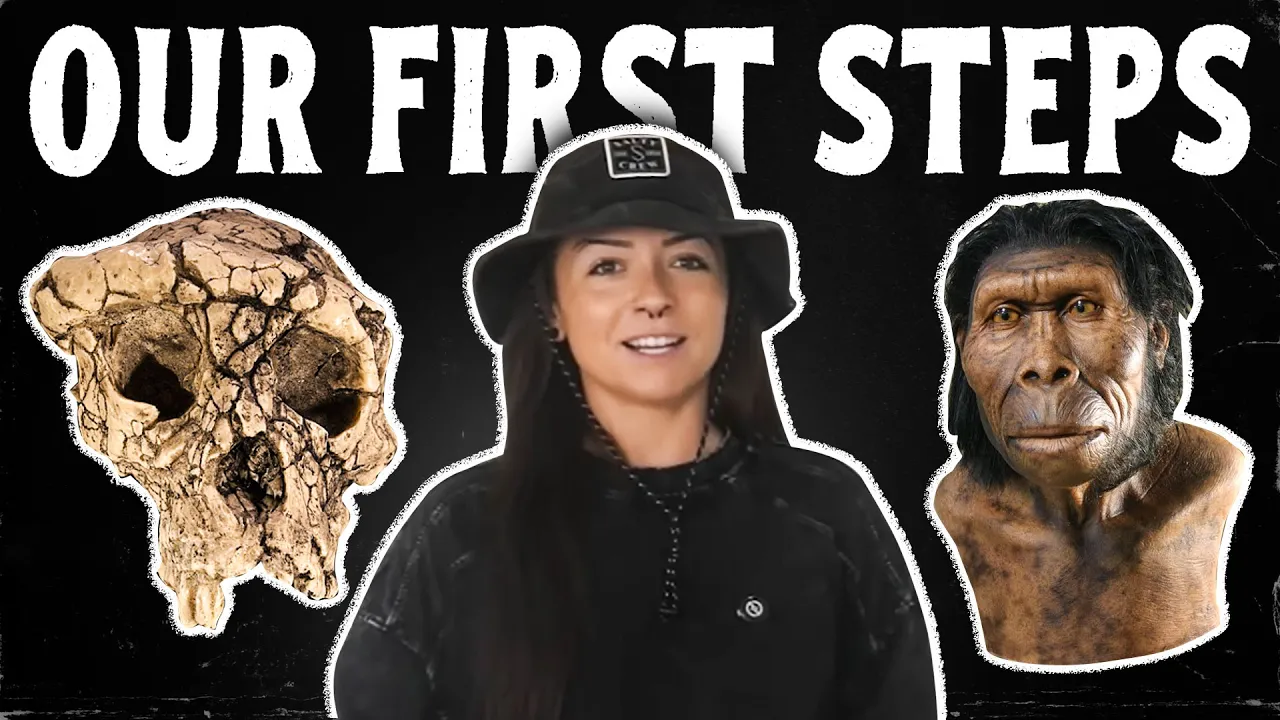
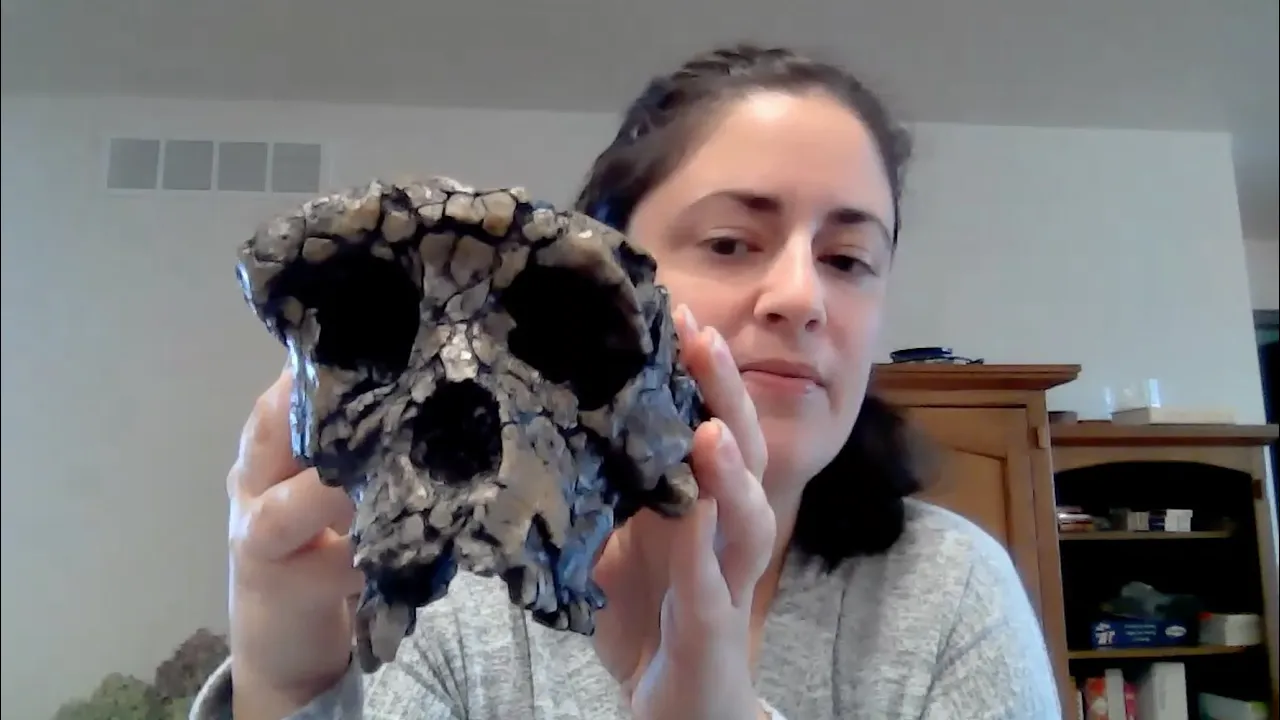
To understand details about the findings regarding Australopithecus and its anatomy and biology, we must first understand the discoveries that led to these insights. Taxonomy; Research History The year was 1924. Workers at Taung, South Africa, were working at a lime quarry when they stumbled on a remarkable discovery: the first Australopithecus specimen, the type specimen, which was studied by the Australian anatomist Raymond Dart, who was then working at the University of Witwatersrand in Johannesburg. The fossil skull was from a three-year-old bipedal primate that he named Australopithecus africanus, an australopithecine that lived from 3.67 to 2 million years ago in the Middle Pliocene to Early Pleistocene of South Africa and the first early hominin found. The first report was published in Nature in February 1925. Dart realized that the fossil had a number of humanoid features, and consequently he came to the conclusion that it was an early human ancestor. This paradigm would change with new developments and research. Later, Scottish paleontologist Robert Broom and Dart set out to search for more early hominin specimens, and several more Australopithecus africanus remains from numerous sites. Initially, anthropologists were mostly hostile to the idea that these discoveries were anything but apes, though this changed during the late 1940s.
In 1950, evolutionary biologist Ernst Walter Mayr stated that all bipedal apes should be classified into the genus Homo, and considered renaming Australopithecus to Homo transvaalensis.
Nonetheless, the contrary view taken by Robinson in 1954, excluding australopiths from Homo, became the more popular and prevalent view. The first australopithecine fossil discovered in eastern Africa was an Australopithecus boisei skull excavated by renowned paleoanthropologist Mary Leakey in 1959 in Olduvai Gorge, Tanzania. Since then, the Leakey family has continued to excavate the gorge, uncovering further evidence for australopithecines, as well as for Homo habilis, or the ‘handy man’, and Homo erectus, or the ‘upright man’. The scientific community took 20 more years to widely accept Australopithecus as a member of the human family tree.
1997. A large rock blown up in a cave contained a bizarre accumulation of fossils.
Paleoanthropologist Ronald J. Clarke, while searching through museum boxes, identified hominin fossils likely from the same individual, which came from the Silberberg Grotto, a large cavern within the Sterkfontein caves.
They recovered the rest of the fossil at the cave at a later date and it took Clarke and his team two full decades to fully extricate, clean, and analyze the specimen, work that was finally completed recently in 2017. This find would represent an almost-complete Australopithecus skeleton with a skull that was found in Gauteng, South Africa. Dubbed “Little Foot”, it was around 3.7 million years old. It was named Australopithecus prometheus and has since been placed with Australopithecus africanus. Other fossil remains found in the same cave in 2008 were named Australopithecus sediba, which lived 1.9 million years ago. Australopithecus africanus probably evolved into Australopithecus sediba, which some scientists believe may have evolved into Homo erectus, though this view is controversial and disputed by many.
In 2003, Spanish writer Camilo José Cela Conde and the evolutionary biologist Francisco J.
Ayala proposed resurrecting the genus Praeanthropus to house Orrorin, Australopithecus afarensis, Australopithecus anamensis, Australopithecus bahrelghazali, and Australopithecus garhi, yet this genus has been largely dismissed, and the credibility of the authors has been questioned. So, what about its evolution? Which species arose from which? Evolution Well, Australopithecus anamensis may have descended from or was closely related to Ardipithecus ramidus. Australopithecus anamensis shows some similarities to both Ardipithecus ramidus and Sahelanthropus, meaning they might have been connected in terms of their evolutionary pathways. Ardipithecus is traditionally depicted as very similar to chimpanzees. It turns out that they more closely resemble bonobos, based on recent analysis about canine size and lack of canine sexual dimorphism. Its exact classification is a matter of ongoing debate. On the other hand, Sahelanthropus tchadensis lived close to the time of the chimpanzee-human divergence, possibly related to Orrorin, a later hominin species.
It may have been ancestral to both humans and chimpanzees, leading to placement in Hominini, yet in 2020, a Sahelanthropus femur was analyzed and it was found that it was not bipedal, casting doubt on its position as a human ancestor. Australopiths shared several traits with modern apes and humans, and were widespread throughout Eastern and Northern Africa by 3.5 million years ago (mya). The earliest evidence of fundamentally bipedal hominins is a 3.6 million-year-old fossil trackway in Laetoli, Tanzania, which bears a remarkable similarity to those of modern humans.
These are known as the Laetoli Footprints. The footprints have generally been classified as australopith, as they are the only form of prehuman hominins known to have existed in that region at that time. The first undisputed evidence of the genus Homo — the genus that includes modern human beings — appears as early as 2.8 million years ago, and some traits of Homo resemble those of earlier species of Australopithecus; however, there is controversy surrounding the identity of the earliest species of Homo. In contrast, remains older than six million years are widely regarded to be those of fossil apes.
Different members of Australopithecus and Homo overlapped in time with one another for nearly one million years. According to the Chimpanzee Genome Project, the human-chimpanzee last common ancestor existed about five to six million years ago, assuming a constant rate of mutation. Nonetheless, hominin species dated to earlier than the date could call this into question. Sahelanthropus tchadensis, commonly called “Toumai”, is about seven million years old and Orrorin tugenensis lived at least six million years ago. Since little is known of them, they remain controversial among scientists since the molecular clock in humans has determined that humans and chimpanzees had a genetic split at least a million years later. One theory suggests that the human and chimpanzee lineages diverged somewhat at first, and later on, some populations interbred around one million years after diverging.
Here are some proposed pathways in the evolution of the human lineage.
Let us now delve into the Anatomy and Biology of Australopithecus. Anatomy & Biology The brains of most species of Australopithecus were roughly 35% of the size of a modern human brain with an endocranial volume average of 28.4 cubic inches, or 466 cubic centimeters.
Despite the fact that this is more than the average endocranial volume of chimpanzee brains at 22 cubic inches, or 360 cubic centimeters, the earliest australopiths, like Australopithecus anamensis appear to have been within the chimpanzee range, whereas some later australopith specimens have a larger endocranial volume than that of some early Homo fossils.
Most species of Australopithecus were diminutive and gracile, typically standing 3 feet 11 inches to 4 feet 7 inches, or 1.2 to 1.4 meters tall. It seems possible that they exhibited a considerable degree of sexual dimorphism, with males being larger than females. In modern populations, males are on average a mere 15% larger than females, while in Australopithecus, males could be up to 50% larger than females by some estimates. However, the degree of sexual dimorphism is debated due to the fragmentary nature of australopith remains. One paper finds that Australopithecus afarensis had a level of dimorphism close to modern humans.
According to Adrienne Zihlman, one of the key figures of paleoanthropology, Australopithecus body proportions closely resemble those of bonobos, also known as Pan paniscus, leading evolutionary biologist Jeremy Griffith to suggest that bonobos may be phenotypically similar to Australopithecus. Furthermore, thermoregulatory models suggest that australopiths were fully hair covered, more like chimpanzees and bonobos, and less like humans.
The fossil record seems to indicate that Australopithecus is ancestral to Homo and modern humans. It was once assumed that large brain size had been a precursor to bipedalism, yet the discovery of Australopithecus with a small brain but developed bipedality upset this theory. However, it remains a matter of controversy as to how bipedalism first emerged.
This is amongst the greatest mysteries in paleoanthropology, crucial to our understanding of evolutionary pathways of early hominins. The advantages of bipedalism were that it left the hands free to grasp objects, like carrying food and young, and allowed the eyes to look over tall grasses for possible food sources or predators, but it is also argued that these advantages were not significant enough to cause the emergence of bipedalism.
Earlier fossils, including Orrorin tugenensis, indicate bipedalism around six (6) million years ago, around the time of the split between humans and chimpanzees indicated by genetic studies. This suggests that erect, straight-legged walking originated as an adaptation to tree-dwelling. Major changes to the pelvis and feet had already taken place before Australopithecus. It was once thought that humans descended from a knuckle-walking ancestor, but this is not well-substantiated, outdated, and stereotypical.
Australopithecines have thirty-two (32) teeth, as modern humans do. Their molars were parallel, similar to those of great apes, and they had a slight pre-canine gap, or diastema.
Their canines were smaller, similar to modern humans, and with the tooth less interlocked than in previous hominins. In fact, in some australopithecines, the canines are shaped more like incisors. The molars of Australopithecus fit together in much the same way those of humans do, with low crowns and four low, rounded cusps used for crushing. They have cutting edges on the crests. However, australopiths generally evolved a larger postcanine dentition with thicker enamel.
Australopiths in general had thick enamel, like Homo, while other great apes have markedly thinner enamel. Robust australopiths wore their molar surfaces down flat, unlike the more gracile species, who kept their crests. Diet Australopithecus species are considered to have mainly eaten fruit, vegetables, and tubers, and perhaps easy-to-catch animals like small lizards.
Much research has focused on a comparison between the South African species Australopithecus africanus and Paranthropus robustus. Early analyses of dental microwear in these two species demonstrated, compared to Paranthropus robustus, Australopithecus africanus had fewer microwear features and more scratches as opposed to pits on its molar wear facets.
Microwear patterns on the cheek teeth of Australopithecus afarensis and Australopithecus anamensis indicate that Australopithecus afarensis predominantly ate fruits and leaves, whereas Australopithecus anamensis feasted on grasses and seeds, in addition to fruits and leaves.
There is variation between the diet of numerous species of Australopithecus, and this is largely due to diverse environmental conditions leading to different evolutionary pressures and changes in food availability. The thickening of enamel in australopiths may have been a response to eating more ground-bound foods like tubers, nuts, and cereal grains with gritty dirt and other small particulates which would wear away enamel. Gracile australopiths had larger incisors, which indicates tearing food was important, perhaps eating scavenged meat.
Nonetheless, the wearing patterns on the teeth support a largely herbivorous diet.
In 1992, trace-element studies of the strontium/calcium ratios in robust australopith fossils suggested the possibility of animal consumption, as was brought to light in 1994 using stable carbon isotopic analysis. In 2005, fossil animal bones with butchery marks dating to 2.6 million years ago were found at the site of Gona, Ethiopia. This implies meat consumption by at least one of three species of hominins occurring around that time: Australopithecus africanus, Australopithecus garhi, and/or Paranthropus aethiopicus.
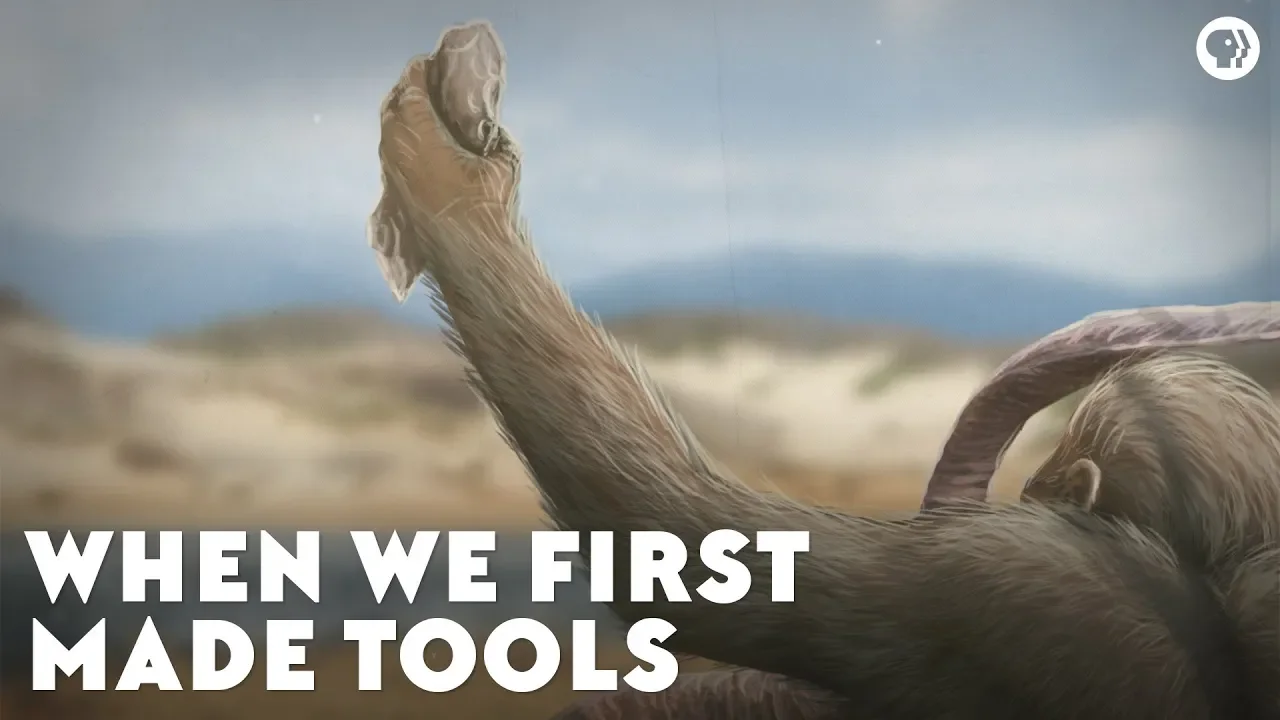
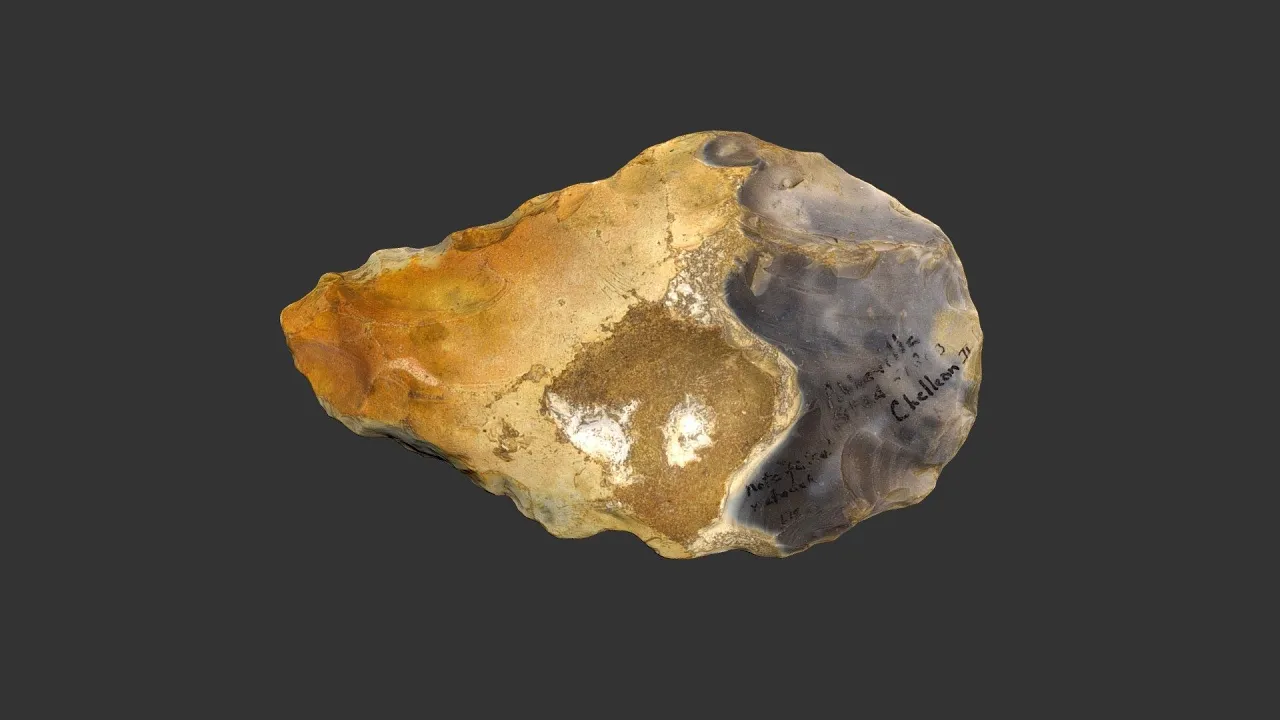
In 2010, fossils of butchered animal bones dated 3.4 million years old were found in Ethiopia, close to regions where australopith fossils were discovered, a discovery that changed our understanding of the diet of early hominins. Robust australopithecines including Paranthropus had larger cheek teeth than gracile australopiths, possibly because robust australopithecines had more tough, fibrous plant material in their diets, whereas gracile australopiths ate more hard and brittle foods. However, such divergence in chewing adaptations may instead have been a response to fallback food availability. In leaner times, robust and gracile australopithecines may have turned to different low-quality foods, with fibrous plants for robust australopithecines and hard food for the gracile australopithecines. However, in times of abundance, they had more variable and overlapping diets. In a 1979 preliminary microwear study of Australopithecus fossil teeth, anthropologist Alan Walker theorized that robust australopiths were predominantly frugivorous, or primarily eating fruit. A recent 2018 study found non-carious cervical lesions, caused by acid erosion, on the teeth of Australopithecus africanus, probably caused by consumption of acidic fruit. Technology It was once believed that Australopithecus could not create tools like Homo, yet the discovery of Australopithecus garhi associated with large mammal bones bearing evidence of processing by stone tools demonstrated this not to have been the case. Discovered in 1994, this was the oldest evidence of manufacturing at the time, until the 2010 discovery of cut marks dating to 3.4 million years ago attributed to Australopithecus afarensis, and the 2015 discovery of the Lomekwi culture from Lake Turkana dating to 3.3 million years ago possibly attributed to Kenyanthropus.
More stone tools dating to about 2.6 million years ago in Ledi-Geraru in the Afar Region were found in 2019, though these may be attributed to Homo. These finds show how species we considered “primitive” were actually rather advanced, and that Homo habilis was probably not the first toolmaker in the lineage of early hominins. Naming Australopithecus, from Latin australis, meaning ‘southern’, and Greek pithekos, meaning ‘ape’, combined meaning “southern ape”, refers to the first fossils found, which were discovered in South Africa. Named By Australopithecus was named by Raymond Arthur Dart in 1925, with the type species Australopithecus africanus named by Dart as well in 1925. Taxonomy; Scientific Classification Australopithecus belongs to the Kingdom Animalia, the Phylum Chordata, the Class Mammalia, the Order Primates, the Suborder Haplorhini, the Infraorder Simiiformes, the Family Hominidae, the Subfamily Homininae, the Tribe Hominini, the Subtribe Australopithecina, the Genus Australopithecus, and the Type Species Australopithecus africanus.
The general term australopithecine refers to members of the genus Australopithecus, while also including the genus Paranthropus, dated to 2.3 to 1.2 million years ago, which comprises three species of australopiths, collectively known as the “robusts” because of their very large cheek teeth set in massive jaws. Non-australopithecine members of the human lineage, or hominins, include Sahelanthropus tchadensis, dated to 7 to 6 million years ago, Orrorin tugenensis, dated to 6 million years ago, Ardipithecus kadabba, dated to 5.8 to 5.2 million years ago, and Ardipithecus ramidus, dated to 5.8 to 4.4 million years ago, that is, pre-Australopithecus species that are considered to be ancient humans, and one additional species of early human, Kenyanthropus platyops, dated to 3.5 million years ago. Australopiths were bipedal apes that exhibit enlarged molar and premolar teeth, or postcanine megadontia, and other associated modifications to their feeding apparatuses.
Dietary adaptations clearly played an important role in shaping their evolutionary history.
They are also distinguished by their lack of derived features, typically associated with the genus Homo, like a large brain, a broad complement of adaptations for manual dexterity, and advanced tool use. Nonetheless, Homo is almost certainly descended from an australopith ancestor, so at least one or some australopiths belong directly to the human lineage.
Regardless, australopiths had a rich evolutionary history deserving of study independent of questions about our direct ancestry. They were diverse, geographically widespread, and anatomically derived, they lived through periods of pronounced climate change, and their story dominates the narrative of human evolution for millions of years.
The genus Australopithecus is considered to be a grade taxon, whose members are united by their similar physiology as opposed to close relations with each other over other hominin genera.
It is considered the ancestor of Homo, Kenyanthropus, and Paranthropus, and as such, is paraphyletic, not consisting of a common ancestor and all of its descendants. Resolving this problem would cause major ramifications in the nomenclature of all descendent species.
Possibilities suggested have been to rename Homo sapiens to Australopithecus sapiens, or even Pan sapiens, or to move some Australopithecus species into new genera.
Opinions vary as to whether Paranthropus should be included within Australopithecus, and Paranthropus is suggested along with Homo to have developed as part of a clade within Australopithecus africanus as its basal root. The members of Paranthropus appear to have a distinct robustness compared to the gracile australopiths, but it is unclear if this indicates all members stemmed from a common ancestor or independently evolved similar traits from occupying a similar niche.
These questions are what paleoanthropologists continue to ponder and simply show how challenging it is to reconstruct our past. It is exciting to think that so much needs to be unraveled, new mysteries to solve, new fossils to find. In 2002 and again in 2007, Cele-Conde and colleagues (et al.) suggested that Australopithecus africanus be moved to Paranthropus. On the basis of craniodental evidence, Strait and Grine in 2004 suggested that Australopithecus anamensis and Australopithecus garhi should be assigned to new genera.
It is debated whether or not Australopithecus bahrelghazali should be considered simply a western variant of Australopithecus afarensis instead of a separate species.
Here is an African hominin timeline in millions of years ago.
Species Species include Australopithecus afarensis, Australopithecus anamensis, Australopithecus africanus, Australopithecus bahrelghazali, possibly Australopithecus afarensis, Australopithecus deyiremeda, Australopithecus garhi, Australopithecus prometheus, possibly Australopithecus africanus, Australopithecus sediba, and species classically excluded but cladistically included, Paranthropus, possibly Australopithecus, Kenyanthropus, possibly Australopithecus as well, and Homo. Diet Australopithecus species are considered to have mainly eaten fruit, vegetables, and tubers, and perhaps easy-to-catch animals like small lizards. Size Most species of Australopithecus were diminutive and gracile, typically standing 3 feet 11 inches to 4 feet 7 inches, or 1.2 to 1.4 meters tall. Brain Size The brains of most species of Australopithecus were roughly 35% of the size of a modern human brain with an endocranial volume average of 28.4 cubic inches, or 466 cubic centimeters. Weight Typical Australopithecus species weighed roughly 80 to 90 pounds, or 36 to 40 kilograms as males and roughly 60 to 65 pounds, or 27 to 29 kilograms as females. Known Locations Australopithecus is known from a series of fossils found at numerous sites in eastern, north-central, and southern Africa. Here are a selection of locations in sub-Saharan Africa where hominid fossils have been found. Here are approximate time ranges of sites yielding australopith fossils. Time Period Australopithecus lived during the Early Pliocene to Early Pleistocene, 4.5 to 1.9 or 1.2 million years ago. Fossil Representation; Notable specimens The first species to be identified as Australopithecus received that name in 1925, and, after nearly a century of discoveries, paleoanthropologists are able to draw upon a fairly rich collection of fossil hominin specimens from Africa.
However, even after decades of research, high-quality fossils of early hominin species remain relatively scarce, and thus, their continued discovery has become even more vital to the scientific understanding of the biology and diversity in Australopithecus.
Geological conditions favorable for the preservation and excavation of hominin fossils are uncommon — being largely restricted to the Great Rift Valley in eastern Africa, the limestone caves of South Africa, and sedimentary deposits of the Chad Basin and Djurab desert, an arid region in central Chad. There are a great deal of fossil finds that are unfortunately forever lost in the past. We must therefore reconstruct early hominins with the finds we have, despite numerous factors complicating the understanding of early human history.
Notable specimens include KT-12/H1, AL 129-1, Karabo, Laetoli footprints, Lucy, Selam, STS 5 (Mrs. Ples), STS 14, STS 71, and the Taung Child. In this section, I will be describing the fossil finds and facts about each species corresponding to the fossils.
KT-12/H1, Australopithecus bahrelghazali KT-12/H1 is an Australopithecus bahrelghazali mandibular fragment discovered in 1995 in Sahara, Chad. Australopithecus bahrelghazali is an australopithecine discovered in Koro Toro, Bahr el Gazel, Chad, hence the name, existing around 3.5 million years ago in the Pliocene. It is the first and only australopithecine known from Central Africa, and demonstrates that this group was widely distributed across Africa rather than being restricted to East and southern Africa as previously thought.
The specimens inhabited a lakeside grassland environment with sparse tree cover, possibly similar to the modern Okavango Delta, and similarly predominantly ate C4 savanna foods like grasses, sedges, storage organs, or rhizomes, and to a lesser extent also C3 forest foods like fruits, flowers, pods, or insects. Nonetheless, the teeth seem ill-equipped to process C4 plants, so its true diet is unclear.
Karabo, Australopithecus sediba Karabo, a juvenile male Australopithecus sediba, was discovered in South Africa. Australopithecus sediba was an australopithecine recovered from Malapa Cave, Cradle of Humankind, South Africa. Specimens date to about 1.98 million years ago in the Early Pleistocene, and coexisted with Paranthropus robustus and Homo ergaster/Homo erectus. The teeth of Australopithecus sediba are quite small for an australopithecine.
Like other australopithecines, Australopithecus sediba is thought to have had a narrow and ape-like upper chest, but a broad and human-like lower chest. Like other australopithecines, the arm anatomy seems to suggest a degree of climbing and arboreal behavior.
The pelvis indicates Australopithecus sediba was capable of a human-like stride, but the foot points to a peculiar gait not demonstrated in any other hominin involving hyperpronation of the ankle, and resultantly rotating the leg inwards while pushing off. This group of adaptations may represent a compromise between habitual bipedalism and arboreality.
Australopithecus sediba seems to have eaten only C3 forest plants like some grasses and sedges, fruits, leaves, and bark. This strongly contrasts from other early hominins which ate a mix of C3 and abundant C4 savanna plants, but is similar to modern savanna chimpanzees.
No other hominin bears evidence of eating bark. Such a generalist diet may have allowed it to occupy a smaller home range than savanna chimps. The Malapa area may have been cooler and more humid than today, featuring closed forests surrounded by more open grasslands.
Laetoli footprints, possibly by Australopithecus afarensis The Laetoli footprints represent preserved hominin footprints in Tanzania. Laetoli is a prehistoric site located in the Enduleni ward of Ngorongoro District in Arusha Region, Tanzania. This site is dated to the Plio-Pleistocene and is famous for its hominin footprints, preserved in volcanic ash. The site of the Laetoli footprints, Site G, is located 45 kilometers south of Olduvai Gorge.
The location and tracks were discovered by archaeologist Mary Leakey and her team in 1976, and were excavated by 1978. Based on analysis of the footfall impressions, these footprints provided convincing evidence for the theory of bipedalism in Pliocene hominins and received significant recognition by scientists and the public. Dated to 3.7 million years ago, they were the oldest-known evidence of hominin bipedalism at that time.
Subsequently, older Ardipithecus ramidus fossils were found with features that suggest bipedalism.
Analysis of the footprints and skeletal structure showed clear evidence that bipedalism preceded enlarged brains in hominins, a crucial paleoanthropological find. At a species level, the identity of the hominins who made this trace is challenging to determine precisely, with Australopithecus afarensis being the most commonly proposed species.
AL129-1, Australopithecus afarensis AL129-1, an Australopithecus afarensis knee joint, was discovered in 1973 in Hadar, Ethiopia. Australopithecus afarensis were australopithecines which lived from about 3.9 to 2.9 million years ago in the Pliocene of East Africa.
They had a tall face, a delicate brow ridge, and exhibited prognathism, or its jaw jutting outwards. The jawbone was quite robust, similar to that of gorillas. The leg bones as well as the Laetoli fossil trackways suggest Australopithecus afarensis was a competent biped, though somewhat less efficient at walking than humans. The arm and shoulder bones have some similar aspects to those of orangutans and gorillas, which has variously been interpreted as either evidence of partial tree-dwelling, or arboreality, or basal traits inherited from the chimpanzee-human last common ancestor with no adaptive use. Australopithecus afarensis were probably generalist omnivores of both C3 forest plants and C4 CAM savanna plants — and were perhaps creatures which ate such plants — and were able to exploit a variety of different food sources.
Similarly, it appears to have inhabited a wide range of habitats with no real preference, dwelling on open grasslands or woodlands, shrublands, and lake-or riverside forests.
Potential evidence of stone tool use would indicate meat was also a dietary component.
This group of early hominins may have fallen prey to the large carnivores of the time like big cats and hyenas. Luckily, over the years, researchers have unearthed more than 400 specimens attributed to the species Australopithecus afarensis from sites in Ethiopia, Kenya, and Tanzania.
Lucy, Australopithecus afarensis Lucy was a 40%-complete skeleton of a female Australopithecus afarensis, discovered in 1974 in Hadar, a site in the Awash Valley of the Afar Triangle in Ethiopia by paleoanthropologist Donald Johanson of the Cleveland Museum of Natural History. The Lucy specimen is an early australopithecine dated to about 3.2 million years ago. The skeleton presents a small skull akin to that of non-hominin apes, with evidence of a walking-gait that was bipedal and upright, akin to that of humans, and other hominins; this combination supports the view of human evolution that bipedalism preceded increase in brain size. A 2016 study proposes that Australopithecus afarensis was also to a large extent tree-dwelling, though the extent of this is debated. “Lucy” acquired her name from the 1967 song “Lucy in the Sky with Diamonds” by The Beatles, which was played loudly and repeatedly in the expedition camp all evening after the excavation team’s first day of work on the recovery site.
Selam, Australopithecus afarensis or Australopithecus africanus Selam includes the remains of a three-year-old Australopithecus afarensis female, discovered in Dikika, Ethiopia in 2000 and recovered over the following years. Although she has often been nicknamed Lucy’s baby, the specimen has been dated to 3.3 million years ago, approximately 120,000 years older than “Lucy” dated to about 3.18 million years ago.
Examination of the shoulder blade and arms of this specimen has lent support to the idea that Australopithecus afarensis climbed extensively, evidence of arboreal behavior.
Many paleoanthropologists propose that the Homo line derives from Australopithecus africanus; in this view it might be better to place Selam in the Australopithecus africanus line, since it has more human-like traits than most Australopithecus afarensis.
STS 5 (Mrs. Ples), Australopithecus africanus STS 5, or Mrs. Ples is the most complete skull of an Australopithecus africanus ever found in South Africa. Mrs. Ples was discovered by Robert Broom and John T. Robinson on April 18, 1947. Because of Broom’s use of dynamite and pickaxe while excavating, Mrs. Ples’s skull was unfortunately blown into pieces and some fragments are missing.
Nonetheless, Mrs. Ples is one of the most “perfect” pre-human skulls ever discovered. The genus Australopithecus, of which there are several species, is considered the likely precursor of the genus Homo, to which all humanity belongs. Though its cranium is comparable to a chimpanzee’s, Australopithecus walked upright, as humans do, a feature that was initially surprising to paleoanthropologists. The cranial capacity of Mrs. Ples is only about 29.6 cubic inches, or 485 cubic centimeters, and was one of the first fossils to reveal that upright walking had evolved well before any significant growth in brain size. STS 14, Australopithecus africanus STS 14 includes remains of an Australopithecus africanus, discovered by Robert Broom and John T. Robinson in August 1947 in Sterkfontein, South Africa, estimated to be about 2.5 million years old. The specimen consists of a pelvis, vertebral column, and fragmentary rib and femur. Notable traits include the distinctly human-like shape of its pelvic blades, indicating a type of bipedalism. This find was the first to demonstrate, without a doubt, pre-Homo bipedality. Curiously, the specimen has six (6) lumbar vertebrae, more than either most humans, who have five (5), or modern apes, which may have five (5) or fewer.
The specimen’s sacrum contains an unfused intervertebral disk between the first and second sacral vertebrae, suggesting that the individual died before reaching maturity.
STS 71, Australopithecus africanus STS 71 includes the skull of an Australopithecus africanus, discovered in 1947 in Sterkfontein, South Africa by Robert Broom. It is estimated to be 2.5 million years old. Its traits include a smaller cranium and facial features than other female Australopithecine finds, yet the size of the teeth indicate this specimen to be male. The face shows forward projection and the position of the temporal lines high on the cranium indicate large chewing muscles. The brain is 26.1 cubic inches, or 428 cubic centimeters. Taung Child, Australopithecus africanus The Taung Child includes the skull of a young Australopithecus africanus, discovered in 1924 by quarrymen working for the Northern Lime Company in Taung, South Africa. Raymond Dart described it as a new species in the journal Nature in 1925. It was from 2.8 million years ago, and was 3.3 years when it died. The Taung skull is in a repository at the University of Witwatersrand.
Dean Falk, a specialist in brain evolution, has called it “the most important anthropological fossil of the twentieth century.” Popular Culture Australopithecus has been featured in popular culture in BBC’s 2001 documentary Walking with Beasts, where a group of Australopithecus grieves the death of an elderly leader and two Australopithecus fight to lead the clan and feast on meat, which is explained as leading to the development of the brain. In 2003’s A Species Odyssey, L'odyssée de l'espèce, a French television program details the story of Lucy and with a speculative scenario of how she became pregnant and goes through a complex process of joining a tribe of Australopithecus anamensis. She then finds a partner, and unfortunately drowns while crossing a river.
In 2009’s Primeval, Australopithecus afarensis appears briefly but is displayed as larger than they are in actuality and killed by poisoning by a human, yet a large group is then found to be alive and thriving. Conclusion Australopithecus, early hominins that dwelled in numerous areas throughout Africa, existed during the Early Pliocene and Early Pleistocene. This group is thought to have been the ancestor to Homo, a group including other hominins and modern humans. There are a diverse plethora of species in the genus, and controversy surrounding the synonymy of certain taxa. The earliest member of Australopithecus dwelled around 4.2 million years ago, and eventually became widespread throughout eastern and southern Africa, becoming extinct 1.9 or 1.2 million years ago.
The genus Homo arose from an Australopithecus species between 3 and 2 million years ago.
Bipedal, packing small brains, and smaller canine teeth than apes, their cheek teeth were surprisingly larger than those of modern humans.
Researchers agree that one of the gracile species — or a yet undiscovered variety — was the direct ancestor of the genus Homo, and, ultimately, living humans. However, due to how the period in which the fossils were discovered is too ancient for African fossil DNA to survive, anthropologists must reconstruct the Australopith family tree based on visible skeletal traits, leaving more room for ambiguity and interpretation.
Looking back millions of years, to the age of australopiths, no one would have expected for this hominin lineage to thrive — they were short and slow, and probably made prime targets for predators. They lacked advantages of later hominins — big brains, advanced weapons, and fire — as well as defenses of earlier, more ape-like ancestors including large canine teeth and tree-climbing abilities.
Nonetheless, during this period, hominins diversified into a multitude of species.
And we, Homo sapiens are here today due to the survival of one of those lineages.
Australopithecus. Small. Slow. Diverse. Sexually Dimorphic. And a crucial transitional piece of early human history. Outro Thank you so much for joining me in this program episode of Prehistoric Beasts! I listened to the feedback you guys included in the comments and removed the leaves covering the hominins in this redux version, which I hope was much less distracting. I am still learning about making high-quality paleoanthropology videos, and I think that that video was part of the learning process.
I hope you enjoyed it! As always, thank you so much for watching! This is Enchiridion, see you next time. #Enchiridion #PrehistoricBeasts #Australopithecus #Paleoanthropology #Hominin #Human #Homo #Hominid #OlduvaiGorge #Evolution #Science
Up Next

How to Make Oldowan Stone Tools | 2.6-1.9 Million Years Ago
@niccisherwood1550
12.9K views•2017-04-08

Triumph of Orthodoxy Icon: Byzantine Art & History Explained
@BenCallan
2.1K views•2024-08-06

FastAPI vs Flask vs Django: Choosing the Right Python Web Framework
@TechWithTim
302.5K views•2024-05-26

Game of Thrones Opening Credits: A Cinematic Analysis
@gameofthrones
46.3M views•2011-04-18
Related Study Plans & Knowledge Roadmaps
Structured learning paths in General & Interdisciplinary Studies