

![영원한 건 절대 없어!!! [엔드 오브 타임] 1부 | 김상욱 교수 | 알릴레오 북's 56회](https://i.ytimg.com/vi/_yRPqgtSC2c/maxresdefault.jpg)





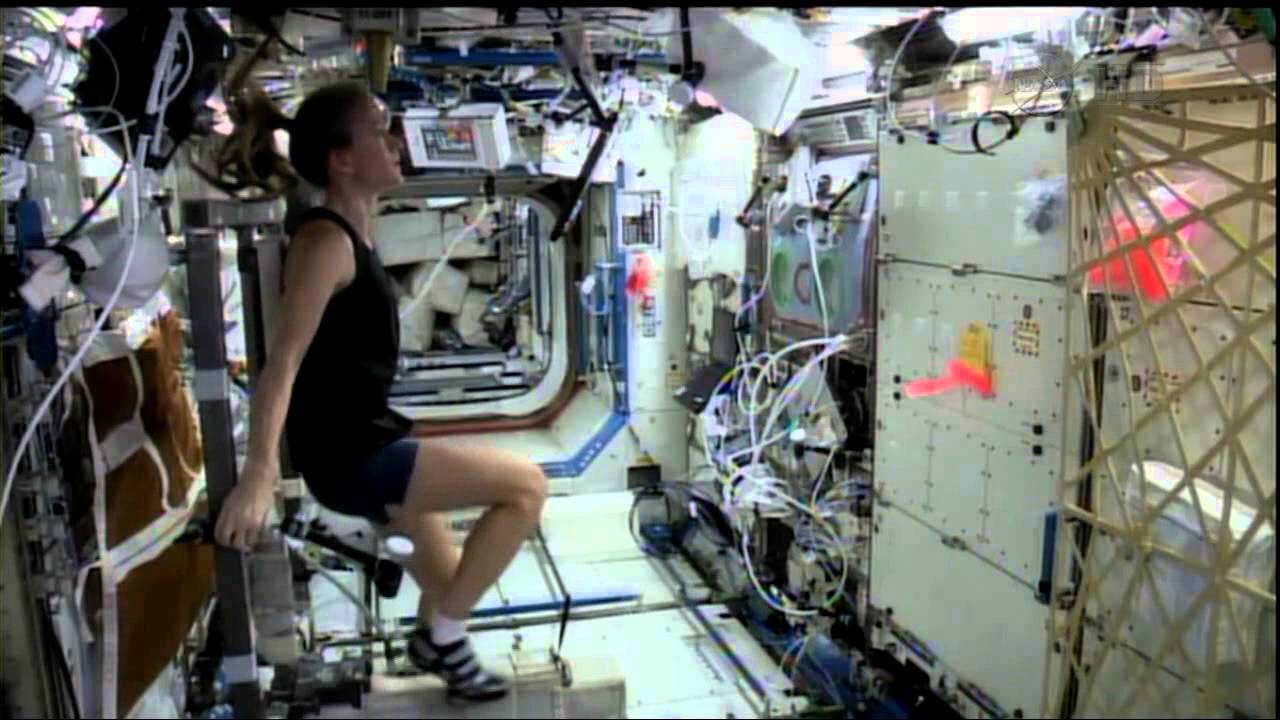

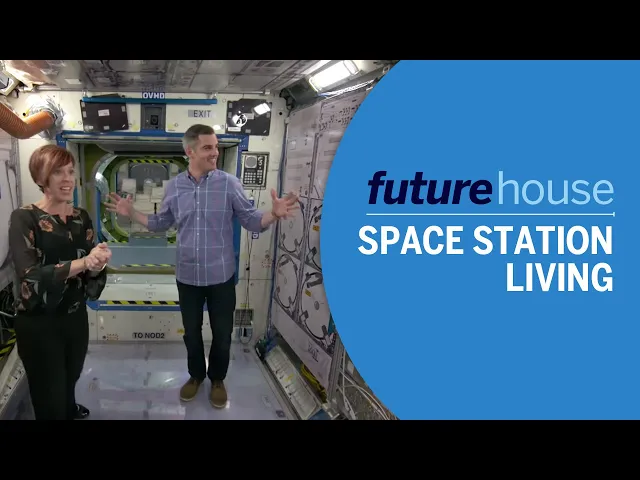







Living in space requires fundamental adaptations to everyday human activities due to microgravity; astronauts use specialized equipment like wet wipes for hygiene, Velcro-fastened containers for food and drinks, and specially designed sleeping bags to function in weightless environments, while also facing unique challenges such as muscle and bone deterioration, psychological stress from isolation, and the need for closed-loop life support systems for long-duration missions.
Life in Space: Astronaut Challenges and Daily Routines
Added:The concept of microgravity and why objects in orbit experience constant free-fall rather than a complete absence of gravity.
Basic human anatomy and how the muscular, skeletal, and cardiovascular systems function under Earth's 1G gravity.
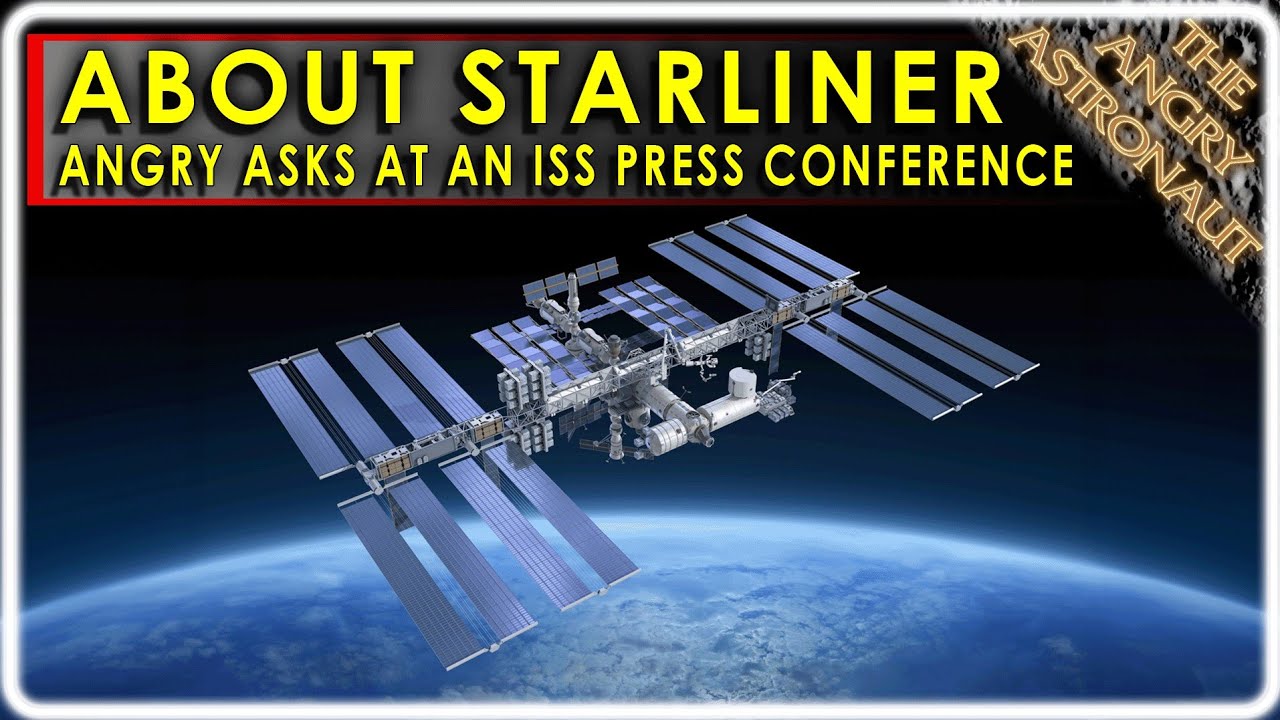
The general mission, layout, and purpose of the International Space Station (ISS) as a low Earth orbit research laboratory.
How fundamental physical processes, such as fluid behavior and heat transfer, differ when gravity is not the dominant force.
The engineering principles behind Environmental Control and Life Support Systems (ECLSS) that recycle air and water on the ISS.
Advanced physiological risks of long-duration space travel, including spaceflight-associated neuro-ocular syndrome (SANS) and cosmic radiation exposure.
The psychological challenges of confinement and isolation, and the counter-measures used by astronauts and mission control.
The logistics, life-support, and medical challenges of planning deep-space exploration missions to Mars and the Moon.
1.5M views12.3Klikes51:28Original Release: 2019-11-02
mankind has always looked to the Stars since time immemorial the universe has been a source of fascination and fundamental questions what else is out there how was all this created where do we come from [Music] mankind has left the earth living in space has become almost routine but weightlessness is a state that terrestrial bodies are not designed for space is a deadly environment for unprotected human beings and yet people do live in space scientists and researchers and even tourists have already floated above the earth welcome to space-time with all of us Valtor astronaut and scientist he knows in space incredible things are in store for us [Music] this is the highest apartment sharing project in the world 400 kilometers above the Earth's surface the International Space Station orbits our planet weightlessness determines the daily routine of the six man crew a life with no up and no down everything that isn't fixed into place floats around freely but human beings are designed for gravity everyday tasks considered routine on earth take on an entirely new dimension in weightlessness hardly a day goes by without people asking me have ulta what's it like how do you eat up there how do you use the toilet and how do you sleep in space that's these are all topics that interest you as well I know but there are also questions like what if someone gets sick up there and falls seriously ill or what do you do if there are conflicts between the astronauts how do you deal with that all very interesting subjects right up to the question tell me is sex possible in space life in space is life in permanent extremes which the human body is not made for but our curiosity drives us on and more and more people are spending more and more time away from our planet [Music] man set foot on the moon he sent probes to the very edge of our solar system and landed robots on Mars yet there is one thing today's engineers have not yet been able to put into practice a shower that works properly in weightlessness I've heard from an astronaut that uh the station when you first arrive sometimes smells a bit like an old gym but you quickly get used to it and don't even notice so I mean up there that it's hygienic but it's it's different to how we do things on earth the main tasks on the space station is science everything else is subordinated to this well you can't take a shower on the space station because there isn't one but it's not so bad either so first up it's a bit like being on a campsite or something wanna do Finland I mean no showers but there are these wet wipes you don't exactly feel as clean as you would after shower it's no big deal just use the wet wipes and you feel a bit dirtier than you would normally those living on board the space station a part of the greatest experiment in human history and yet their working day is very similar to that of other shift workers on mother earth understand some long-term you get up at 6:00 6:30 in the morning have an hour or so to yourself to get washed and have breakfast before the conference with Mission Control at 7:31 still in the museum what starts the day then you actually work your shift through till 7:00 in the evening when there's another conference with Mission Control to discuss what needs to be done but the following day the hundred p.m.
next Atacama and you look at a few things like procedures you'll be carrying out the next day do we get the tools ready that you'll need so you don't have to do it in the morning then it's time for your evening meals and then shortly after that you have an hour or so to yourself when you can do your own things that initial notice of us physique demon hiya hon [Music] the simplest tasks on earth become logistical challenges in weightlessness let's see to get started these are the things I need a bag of warm water a little no rent shampoo towel and my comb what I like to do is start by just putting some hot water squirting it onto my scalp and I have a mirror sometimes the water gets away from you and you try and catch as much as you can and I just work the water up through to the ends of my hair then I take my new rinse shampoo and squirt it also on the scalp just a little bit and rub it in again kind of working it out to the ends and sometimes I'll actually take my comb all the way to the end I like to take my towel while I have the shampoo in there and just kind of work it because without standing under running water you kind of need to use the towel a little bit to help get some of the dirt out the hairstyle itself determines how much care is actually required and that's it thank you the space station is a high-technology structure between life support systems computers and laboratories the crew finds its own space this is no 2 this is a really cool module of course most of these modules you'll see they have four sides and they're put together that way we could sort of wat work on a flat plane either a wall a floor another wall or the ceiling but you know again all you have to do is turn yourself and your reference changes the reason I'm bringing that up is because this is where four out of six of us sleep and so people always ask about sleeping in space do you lie down are you in a bed not really because it doesn't matter you don't really have the sensation of lying down you just sit in your sleeping bag so here's one sleep station right here I'm going in right now you can follow me if you want [Music] so I'm inside it's sort of like a little phone booth but it's pretty comfy I've got a sleeping bag right here that we sleep in so we don't have a sort of like a little bit of a cover and we don't fly all over the place but you know you can sleep in any orientation I have it sleeping feeling like I'm standing up right now but like you saw him on the floor but it doesn't matter if I turn over and I sleep upside down in a way the sleeping bag is just there to hold you in place and keep you warm and I really liked it there are also colleagues who say I didn't sleep very well there I need the feeling that there's something underneath my bag and so if you need that you can span a few of these elastic bands across the sleeping bag to press you up against the wall or ceiling or wherever you happen to have your sleeping bag but I must say I really slept wonderfully well in the weightless environment gotten skankish often the sleep station is also like a little office we've got a computer in here as you can see we've got a couple little toys I've got some books I've got some clothes and other things that make it sort of like home orbiting the Earth even very simple tasks are highly complicated the lack of gravity also creates difficult conditions for the morning bathroom rituals well here is the bathroom essentially you get up in the morning and we have a little kit and it has all the essential things that you need like your toothbrush and toothpaste and brush see how see how much better the brush makes my hair look I'm just joking it still stands up straight it doesn't matter where you are it's always gonna stand up straight while you're up in space a lot of people ask about toothbrush and toothpaste so luckily enough toothpaste you can do it's outside right this way it's sticky and so it sticks to your toothbrush no problem another cool thing is that water sticks to your toothbrush too you can see it I'll have some water come out the water is pretty neat up in space it'll stick to your toothbrush and it will make a big bubble and that's just my circus attention and then you can drink it so a lot of people ask about what do you do [Music] with the toothpaste after you brush your teeth [Music] two options swallow it and it's sort of like mouthwash but it tastes a little gross or you can just spit it out in a paper towel and then you don't have to worry about it these are on target what is the daily rhythm like up there on the space station well actually there are two rhythms a quite normal 24-hour rhythm like on earth and the time up there is Greenwich Mean Time that's Central European winter time - one hour then there's another rhythm the day/night rhythm determined by the orbit was forked keep between orbit you're flying around the earth once every 90 minutes so it's light for 45 minutes and dark for 45 minutes it's hard to imagine how strange that is you look outside in the morning it's white and you get up brush your teeth have your breakfast and then it's dark again so those are two very different rhythms the day begins at 6:00 in the morning when you get up a little breakfast and goes straight to work in one of the space labs training astronauts takes several years and of course they also learn how to use the space toilet here we are at the throne this is awesome you might see their little you might have noticed a little moon on the outside this is our orbital outhouse right here and of course it serves for two functions number two right here I'll show you but you see it's pretty small so you have to have pretty good aim and you'll be bit be ready to make sure things get let go the right direction and it smells a little bit so I'm closing it up and that's of course for number two and this guy right here is for number one so there's sort of two slightly separate functions but you can do a little essentially both by hanging on right here and doing number one and number two I might add it's color-coded so you really don't get it mixed up which is nice this is yellows for number one and also there's a selection of paper people always ask about toilet paper what do you do at toilet paper what kind of toilet paper do you have we have gloves just because sometimes it does get messy we have some Russian wipes which are a little bit coarse if you like the coarse type of toilet paper we have some nice tissues which are nice and soft if you like soft toilet paper we have Huggies just for any cleanup you know we're all babies once and this sort of helps and then if things get really out of control we have disinfectant wipes just to make sure we clean up here because you know just like the water I showed you that number one stuff can sort of go all over the place if you don't aim correctly and did I mention both of these have a little bit of section so they should keep things going in the right direction but like I said sometimes things get a little out of control if you are out of control yourself flying around so we have lots of protective stuff and of course you do have your privacy there's a little door the first space station was launched into orbit by the Soviets in 1971 the Russians had lost the race to the moon but they certainly lay down a marker with the Salyut one space laboratory the first crew consisted of three cosmonauts who spent 32 days in orbit tragically disaster struck on the scientists return to earth a valve inside the Soyuz capsule opened too early and within minutes all the oxygen had escaped when they were recovered the three cosmonauts dobrovolsky Volkoff and Patsy EV were already dead they had suffocated in 1973 using a converted version of the saturn v moon rocket the Americans launched their space station Skylab 440 kilometers above the earth NASA also wanted to investigate the effects of weightlessness on the human organism [Music] in Skylab the astronauts conducted countless scientific experiments and while doing so they discovered the lightness of being jogging in space they emulated film director Stanley Kubrick whose science fiction saga 2001 a Space Odyssey had hit the cinemas five years previously [Music] in his masterpiece Kubrick plays extensively with the themes of weightlessness and artificially generated gravity released from their own weight flying through nothingness in a metal barrel an extraordinary experience for the Skylab crew in 1986 the Soviets put their so-far largest space laboratory into orbit the MIR Russian for peace was mankind's first permanent outpost in space the first space station designed for long-term operation [Music] and the Mears success consolidated the Soviet Union status as a space power [Music] this laboratory orbiting the Earth also became a symbol for the end of the Cold War and in 1995 the u.s. launched its Atlantis shuttle up to the red space station Americans and Russians coming together in space [Music] more than a hundred cosmonauts and astronauts from the whole world spent time onboard Mir among them four Germans after 15 years of service the space station was deorbited and brought down into the Pacific Ocean when done by and then based on the MIR station the Russians and Americans together set up a joint space station that was in 1998 it's still up there today the international space station and meanwhile it weighs over 300 tons tons the football-field-sized space laboratory is operated as a multi nation project involving 14 countries the international space station ISS is made up of individual modules and over the years has grown steadily to its present size the station meanwhile has 2,200 cubic meters of working and living space researchers carried out both inside and outside the station both for the benefit of humans and also for the future of space travel scientists want to find out whether man can survive permanently beyond his home planet as a key purpose of the ISS is to prepare for human space exploration to other destinations and we're really doing that there already for example we're developing a closed-loop life support system which is really critical because as we get further from the earth we don't want to be sending up consumables all the time the cultivation of lettuce and vegetables on the ISS was a first important step for future life in space oxygen drinking water food and fuel for returning to Earth for a multi-year mission into the depths of space not all supplies can be taken along consequently systems have to be developed that not only recycle the air we breathe and the water we drink but which can also supply food and fuel a mission to Mars is scheduled to take several years so it just won't be possible to supply the astronauts from the earth the big challenge for the Mars mission is that if you really want to fly people there we have to create systems that are totally autonomous by the hands damodar so you actually have to set up a small biosphere there Kwasi but often was all over the world scientists and engineers are conducting the basic research a Mars mission will require how can the food supply be guaranteed what will the accommodation on Mars have to be like and what must it be able to do there are quite a few home comforts that future space travelers will also have to do without you wanted to know how we wash our clothes in space well actually we don't we don't have a washing machine here and also it would up use up a lot of water and water is very scarce in space we also recycle our water and we only use it to drink or to wash and to play with or conduct experiments how liquids behave in weightlessness is an important field of research elementary for the construction of fuel and life-support systems that can operate in space the water used in the space stations air conditioning and onboard toilet is treated and reused for drinking to around a third of the water needed is provided by the recycling system the water is unquestionably a precious commodity on board the space station take a bottle of water like this one liter how expensive would a liter of water be on a space station well that can be calculated quite easily as the rule of thumb says every kilo taken to the space station costs approximately 10,000 euros seen tossed oil and since one liter is one kilo you know if you were to buy this bottle up there it would cost 10,000 euros seen Tolleson oil Causton and that's the reason why water naturally has to be recycled that's there you have to conserve all the water you have not only condensation but also urine urine contains a lot of water and so what happens on the space station all the urea and other biological substances are removed from the urine which leaves you with almost pure water again and the astronauts even have to drink that Sokka and I'm sure you can imagine that the astronauts and cosmonauts resisted this for a very long time though they have gradually gotten used to it well over 200 space travelers have already been on the station many of them several times among them were also seven tourists who paid very handsomely for the privilege here's a pretty cool place this is sort of like in your house where everybody meets in the morning after you wash your face brush your teeth you want to find something for breakfast and this is our kitchen you might notice there's all sorts of foods here it's like opening the refrigerator you got all your different stuff that you want to have drinks meats eggs vegetables cereals bread snacks and that's a good place that's where you find all the candy side dishes and then some little power bars just in case no tables no chairs no plates on the space station food just floats in the room and you just float around it eating in weightlessness is a surreal experience that is never likely to lose its fascination this orbiting restaurant may provide breathtaking views but it is very expensive [Music] Edythe Kadokawa sato every kilo transported up there requires enormous effort and expense but it doesn't necessarily make the food taste better Rockefeller nevertheless things have changed considerably in extraterrestrial cuisine there are now over 100 different dishes to choose from a huge improvement on the cold pasted in aluminium tubes from the early days of space travel dance Turkish Jesus give this freeze-dried food is quite typical man quarters often Yetta for it's cooked on earth then the water is removed and then it's taken to the space station spaghetti bolognese for instance is spaghetti bolognaise spaghetti with pieces of meat and darn didn't give us a nectar so up there you take a spike Viking device a Tatsu they have them in the kitchen stick it in the top here add the required water and wait a while until the liquid has spread through it then you cut across here with some scissors slide a spoon or a fork under the flap and you can eat it that's one of the classical meals and all the things you can't freeze dry like steaks or cheese cheddar cheese for example they are then thermo stabilized which means they are heated to ultra high temperatures to remove all bacteria that's why cheese is so popular you can spread it on these crackers here but the commander is not too fond of crackers when you eat them on their own because then the crumbs fly around and clog up the electronics that's why you spread the cheese on the crackers and then they don't make crumbs and of course the other classical question is how do you drink in space I think one thing is clear and you can't just pick up a glass and drink it doesn't work like that in weightlessness so you have to do it like this you take an aluminum sachet with powder inside in this case it's grapefruit grateful then you stick the steel spike in again fill the bag with water and shake it up well until your drink is ready and then you take one of these plastic straws push it into the top open here and then you can drink don't have to drink it all at once you can close it again and hang it on the wall all these things here have a Velcro fastener otherwise they would all be constantly floating around the Gates leaked so that's all with regard to food but there are also different eating cultures and habits there are the Americans for instance who say okay we've got an hour but let's just grab something quickly get it down fast and we can carry on oh no say the French let's take plenty of time and enjoy our food so kinesin and the Japanese are somewhere in between on the other hand the Americans say wait we've got to brush our teeth right now because we all know they clean their teeth three times a day come on say the Japanese once a day is enough you can't imagine how seriously people can argue about such things on board a space station if [Music] the ISS is supplied regularly from Earth used to be done by Russian space freight ISM the Space Shuttle alone is now a billion-dollar business for private commercial enterprises food water fuel and spare parts many tons of supplies have flown into space every year non-reusable supply capsules are then loaded with waste from the station on returning to earth the waste and the capsules burn up in the atmosphere only the Space Station's energy supply is self-sufficient electricity is generated by huge solar panels everything else has to be delivered [Music] private companies also make use of the research opportunities on the space station and even the astronauts themselves serve as guinea pigs for testing certain physical processes in weightlessness here are experiments that we perform ourselves on our own bodies to gain a better understanding of certain illnesses such as osteoporosis arteriosclerosis and other things like immune system disorders it's my fear that we can actually examine and understand these things better in space and then bring what we've learned back to earth these at Kennison for instance space technology can be found in surgical robots of the kind that were developed at the German Aerospace Center and tested on the space station research time in space is limited and very costly the working days are therefore correspondingly long 12 hours a day is that even legal no say the Germans especially the employee representatives 8 hours 10 hours maximum you can't imagine how big a problem that was we had to negotiate with the works council representatives about whether we could be allowed to work 12 hours a day but for 10 days it's not just inside the station that work has to be done but outside as well 400 kilometers above the earth floating in space at a speed of 28,000 kilometers per hour extra vehicular activity is the astronauts most complicated task strenuous dangerous but at the same time breathtakingly impressive to sleep living and working on board a space station is something from really fantastic if you then also have the chance to go outside that's definitely another highlight the preparations are very extensive both the training on earth and on board the space station you have to prepare these extra vehicular operations the station had to be reconfigured the spacesuits had to be serviced and all the equipment that goes with you had to be prepared provided so it's a lot of work but being able to go outside is an absolute highlight Hoskins economists not salute being outside the station amidst the sheer endlessness of the universe is probably the most intensive experience an astronaut can have [Music] the only thing protecting him from the hostile deadly emptiness of outer space is his spacesuit I call this actually a spacecraft it has all the oxygen for you it has all the carbon dioxide removal system for you it also has a heating and cooling system to make sure to regulate our body temperatures while we're outside it also has a computer so it tells you on a display here if there's anything that is going wrong with the suit if we're running out of oxygen if we have too much carbon dioxide or any type of electrical problem so it's a pretty awesome little spacecraft and actually got to go out use my spacecraft little spacecraft a couple times and it worked like a charm lucky that it works very nice you might want to see what the helmet looks like it's pretty cool too we don't usually go out like this so you usually can see from the helmets open so you can see what it looks like inside somebody's little head would be inside of here so you can see you can turn your head all the way around while you're inside of there but the helmet stays still so that's determined your how far you could see and it's usually pretty sunny out there so we have to wear our sunglasses and this is our sunglasses right here which make you look pretty cool the suit warms or cools the astronaut depending on his position visa V the Sun it supplies them with oxygen and shields them from radiation without it working outside the station would be impossible so it's a very big big machine so sometimes it's routine maintenance for example they're replacing filters or you say maintaining existing systems or maybe in some cases something is broken and it's unforeseen for example in the past there's been problems with the ammonia system that they've had to fix on short notice so this is all to be expected when you have such an exciting innovative machine on orbit that it needs to be updated and maintained every task outside the station is planned meticulously in advance on earth in enormous water tanks every move is rehearsed and tested on a replica of the station only underwater can weightlessness be simulated in any way realistically in space no one can afford to make mistakes the psychological health of astronauts plays a vital role in their preparation the cramped conditions and the extremely demanding work can easily lead to tensions I know this Russian cosmonaut who was up there for a month then three months and then a whole year once told me if you're up there for a month you can put up with almost anyone if it's three months you take a closer look at who's up there with you and if it's a year things can explode at the tiniest spark your colleague always squeezing the toothpaste tube in the middle could be that tiny spark that sets things off so you can see conflicts can arise for lots of different reasons so they're said to have been an incident on the MIR station when a cosmonaut screamed to ground control that if inna doesn't get out of here right now I'll throw them out of the window my second boss a fencer however there is another danger that is far more threatening for the space inhabitants flying debris which hits the station on a regular basis tiny meteorites but also space junk poses a threat to the station and those on board larger bodies can be detected early and evaded but the danger is very real Hollywood gratefully took up this subject and dramatically staged a horror scenario though in space travel accidents and even fatalities have happened no one has as yet actually died in space but the risk is ever-present we had to offer [ __ ] up Dickie I'm often asked whether the movie gravity is actually realistic and I can only say well yes and no for example there are these superb shots of the earth that look extremely realistic that's exactly what the Earth's surface looks like by day at night great shots on the other hand there are unrealistic scenes for example the space debris space in relation to the shuttle or Space Station this space debris typically travels at a speed of around 5 to 7 kilometers per second that means when a piece of debris is 5 to 7 kilometers away it will hit me the very next second come on can you see debris of that size 5 to 7 kilometers away not at all so you can safely save all the scenes with space debris flying past are completely unrealistic another great danger is fire on board to extinguish a fire you first have to know how it will behave the astronauts burn small amounts of heptane all and methane in special canisters onboard the station various materials are also lit to see how they burn in weightlessness these experiments serve to develop fire extinguishing systems for future spacecraft because even the smallest fire can seriously threaten the lives of the crew a lesson NASA tragically learned during its Apollo moon program the three astronauts Gus Grissom ed white and Roger Chaffee were selected for the first test flight of the Apollo spaceship during a ground test in January 1967 an electrical malfunction ignited a fire in the capsule the astronauts could neither open the hatch nor extinguished the fire they burnt to death in their capsule firefighting is part of the training for every mission into space there are strict emergency plans for spacecraft and the space station if the astronauts reaction is wrong or too slow they could die oh no different you actually spend hundreds of hours in the simulator with one malfunction after another and you get into a sweat because you have to combine this combine that do this everything at the same time and then when it comes to the actual launch most astronauts say the most irritating thing is that the red alarm lamp doesn't come on and then suddenly everything works like a dream again but emergencies are never far away in February 1997 a fire broke out on the MIR space station wearing breathing apparatus the crew managed to establish the fire in 12 minutes using four extinguishers the cosmonauts narrowly escaped disaster Mir was kept in service until well beyond its designated lifespan but Russian space technology proved to be robust and easy to repair smoggy no such devices can break down sometimes and onboard the mirror we often had to use spanners multimeters and soldering irons we actually measured lots of things with a multimeter and discovered aha there's the fault and repaired it with a soldering iron the crew of every space station has to carry out constant maintenance and even the ISS has had its alerts and emergencies if we have any of those problems we come right here which we call the central post it is the main heart of the space station it was also the first computers that came up here that ran the space station so behind this wall right here are these main computers so we gather here as a group of three or six and then figure out how we're gonna either fight the fire patch the hole or solve the the toxic spill but only in the most extreme emergency is anything done without first coordinating with earth extra vehicular operations can't be carried out at all without Cryer planning from ground control the spacewalk is a precisely rehearsed and choreographed activity which is guided by the various control centers the international space station is the greatest technological project of all time besides the six crew members thousands of people on the ground are also working on this project and they direct and monitor the astronauts experiments and missions most of the time it runs smoothly but in emergency situations it can also lead to conflict he lets a final decision-making power just like ownership lies with the captain in this case the commander however in practice it's somewhat different let's take a concrete example an astronaut has appendicitis so first of all of course the level of urgency needs to be determined that's usually decided by doctors on the ground based on the symptoms if an immediate operation is needed he gets into one of these Soyuz capsules there are always two Soyuz rescue capsules on the space station so that in an emergency crew members can be back on the ground within about 45 minutes of the important another example a piece of space debris collides with the station the reaction that must be media the commander must decide do we man the capsules and evacuate or can we seal off a section of the station to prevent any loss of air that's the commanders decision it must be taken immediately and the appropriate action initiated and then there's that tricky situation when ground control the commander and crew are of different opinions what do you do then this has actually happened ground control said you have to do this and those on the station said we know better what we have to do right now we're up here and we know what the situation is it came very close to mutiny on the mirror but in that actual case the crew prevailed and the decision was taken by the commander sport is compulsory for all space station residents weightlessness impairs the human body muscle mass and bone density decrease for the return to earth training is vital for survival the lack of gravity also has some influence on the genes responsible for our immune system the human organism becomes more susceptible to infection for their own inner balance and Recreation some play musical instruments and their comrades simply put up with it they can't leave anyway [Music] well I'm a terrible singer so I don't think it would be a great success ISS commander Chris Hadfield on the other hand shot to fame with a worldwide hit control to me [Music] first one to know you win to guide the capsule if you [Music] peculiar [Music] with his own space-based cover of David Bowie's major Tom the Canadian astronaut became a pop star in his own right listening to and playing music is one of the very few possible leisure activities on the ISS CicLAvia nifty it's hard to believe just how boring it is on the space station but there's nothing better than sitting together after all the hard work having a meal and singing along to the guitar everyone loves doing that so what about drugs no drugs of course but what about alcohols well it's strictly forbidden for the Americans but there are still the Russians and they do drink I'll show you how that works here we have Space Station vodka not for the ISS but for the mirror double packaging so that no nothing leaks out over the years its evaporated a little but this was produced by Russians especially for the MIR station the Americans don't allow it but there are also Russian sections of the station and you ought to know that Russian sections are subject to Russian rules I think you can work the rest out for yourselves so have they done it or not had sex in space Jane Fonda did but only in the movie as Barbarella in the 1968 film of the same name the astro agent didn't only give us the first weightless strip but transformed into a genuine space sex tourists Barbarella is a five star double rated astro navigate Rick's earth girl whose specialty is as far accoustic was in August 1982 it's Russia's second female cosmonauts swetlana saris kaya flew up to solute seven sebum awaiting heard there were two Russian cosmonauts the team physician a certain dr. gut Cinco still insists today that the entire mission was undertaken with this one particular intention in mind different order so did anything come of it well we know today that in terms of offspring at least nothing did come of it is so from that point of view the mission failed test rules for future long-term missions it's of course important to know how things like this work in theory the cement I mean sex of course a German space physician a certain helmet-cam had already thought about this in the 1980s and after due consideration he came to the conclusion that you need to hold on to a pole because as we know in weightlessness you just float away although he did say there was another possibility to copy the weight dolphins do it now I'm not sure if you know how dolphins actually do it but they do it in threes to actively participate and the third holds them together that's why those who have actually had sex in space are known as members of the three dolphins club booster ignition and liftoff of an in 1992 the Space Shuttle Endeavor was launched into space with the first married couple on board us Americans Jan Davis and Mark Lee met during their astronaut training and fell in love and before their joint mission they got married in secret but a lack of opportunity prevented Jan Davis and Mark Lee gaining membership of the three dolphins club NASA was not amused by the revelation and so during their mission together husband and wife were assigned to different shifts but once humans set off on long term missions into the depths of space traveling to Mars or founding colonies on other planets space agencies and scientists alike will have to deal with the subject of sex and human reproduction in space a mission to Mars will last for several years the crew will be mixed on the loneliness extreme even NASA regulations will not be able to prevent close interpersonal relationships the research into reproduction in space is still in its infancy but the space agencies will certainly not want to bring back more people from their Mars mission than they actually sent moreover there is no knowledge whatsoever on how life conceived and born in weightlessness can or will develop the mountain man is a creature of gravity and if we want to continue living our lives this way and not change completely and become cyborgs or octopuses then we will certainly need artificial gravity for future forays into space if we want to survive but also if we want to be able to reproduce after all in the right circumstances we will want to grow as a population in such a multi generation spaceship inhabitable mega structures that create their own gravity in the Hollywood film Elysium one such space colony serves as the habitat of an elite could afford to escape from an earth sinking into chaos in the mid-1970s NASA - considered this idea gigantic circular structures that generate artificial gravity through their own rotational speed systems of mirrors reflecting the sunlight create the rhythm of day and night space travel today however is still struggling with much more trivial problems alarm for astronauts worldwide whether Russians European or Americans are Public Service employees and what do they have to do when they go on an official trip even if it's into space they have to write an application for travel expenses in which it says I'm flying into space and what do you do when you return you fill in a travel expenses claim that contains questions like how far did you travel if well I've just traveled 4.2 million miles do I get a mileage allowance for that let me get socked analysis replies Avada did we fly you there or did you fly yourself NASA is of course right yeah they flew me into space on the shuttle what about a daily allowance test says NASA you had free room and board why do you need a daily allowance right again but Vanessa continues you did travel from home in Houston to the Kennedy Space Center and back so we can give you some trash expenses Isaac Austin how much was it well one day I got this letter with a check so how much did I get for my mission - you won you can see it right here $34 for my 10-day mission and believe it or not that's the best possible souvenir of my mission anyone could imagine and that's why I still have this check today meanwhile people now spend up to a year in space onboard the space station in close orbit around the Earth man has flown to the moon landed on it and returned but in the not-too-distant future mankind will really leave the earth and venture hundreds of millions of kilometres deep into the universe for several years man will fly to Mars and land on the surface perhaps even establishing settlements there scientists and engineers are already working on this vision they are laying the foundations today for the life of the future a life outside our home planet Earth [Music]
Up Next

15:02
Classical Orbital Elements Explained | Keplerian Parameters
@SpaceflightScience
142.4K views•2013-04-20
61:17
First Billion Years of the Universe with the Square Kilometre Array
@iaaudc
121 views•2022-05-26
49:54
Solar Physics & The Search for Exoplanets | Space Documentary
@FreeDocumentary
615.8K views•2022-06-10
6:10
Gamma-Ray Bursts: Cosmic Snipers Explained | Astronomy
@kurzgesagt
15M views•2016-07-31
Related Study Plans & Knowledge Roadmaps
Structured learning paths in Astronomy
astronomy
Reionization: Pop III Stars, IGM & 21cm Line
01Foundations of Cosmology & the Early Universe
02Population III Stars & Cosmic Dawn
03Physical Mechanisms of Reionization
+ 2 more learning modules
17h5 modules
Explore Roadmap
astronomy
Planetary Rings: Dynamics, Roche & Resonances
01Foundations of Gravity and Orbital Mechanics
02Tidal Forces and the Roche Limit
03Structure, Composition, and Collisions
+ 2 more learning modules
10h5 modules
Explore Roadmap
astronomy
Asteroseismology: Stellar Waves, Ages & Cores
01Foundations of Stellar Astrophysics & Wave Mechanics
02Stellar Oscillation Modes: P-modes and G-modes
03Mathematical Framework of Asteroseismology
+ 2 more learning modules
35h5 modules
Explore Roadmap
astronomy
Adaptive Optics: Physics, Engineering & Control
01Foundations of Wave Optics and Wavefronts
02Atmospheric Turbulence & Optical Distortion
03Wavefront Sensing Technologies
+ 3 more learning modules
35h6 modules
Explore Roadmap