



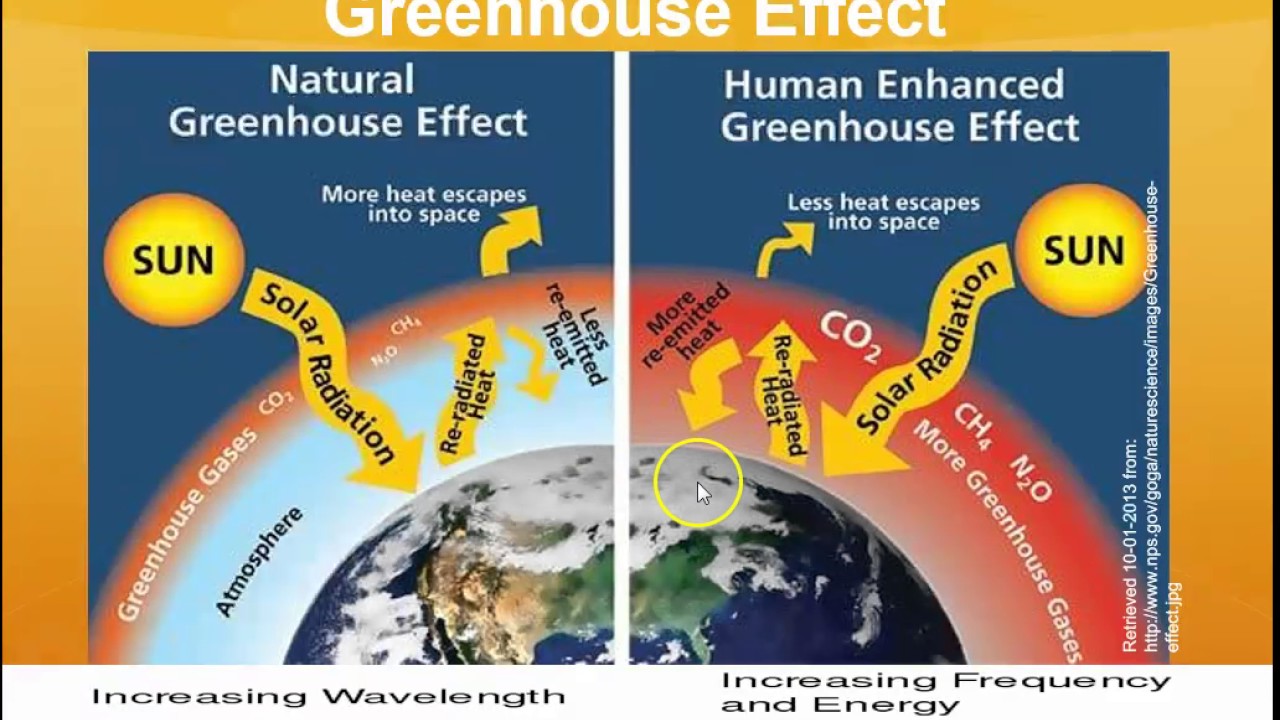























Human activities, particularly greenhouse gas emissions, are causing global warming and making heat waves more intense, longer-lasting, and occurring earlier in spring and later into fall; additionally, urban areas experience amplified heat due to the urban heat island effect, where building materials like asphalt and concrete absorb solar radiation during the day and release it slowly at night, keeping nighttime temperatures higher than surrounding rural areas.
NASA Expert Explains Las Vegas Heat Wave and Climate Impacts
Added:The distinction between short-term weather events and long-term climate change trends.
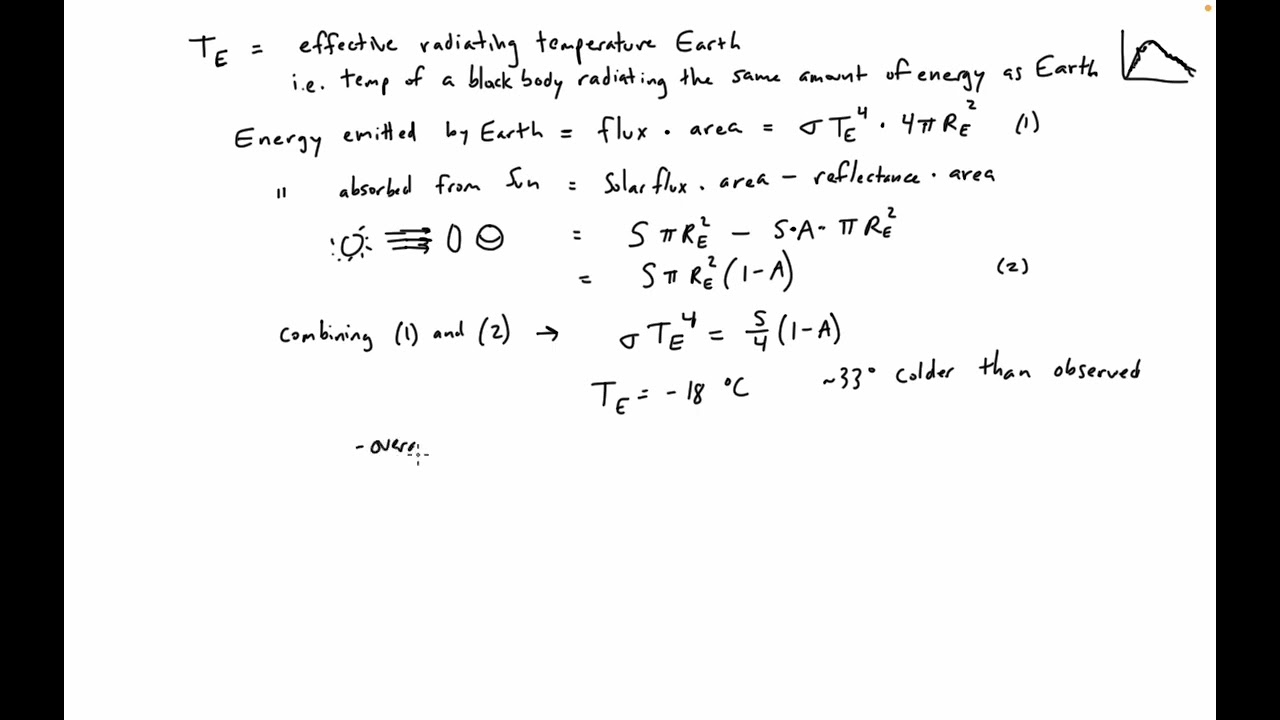
The basic mechanics of the greenhouse effect and how greenhouse gases trap thermal energy in Earth's atmosphere.
The meteorological formation of high-pressure atmospheric systems and 'heat domes' that trap hot air over a region.
The Urban Heat Island (UHI) effect, which explains how developed metropolitan areas experience higher temperatures than surrounding rural or desert areas.
The field of Extreme Event Attribution science, which quantifies the likelihood and intensity of specific weather events due to anthropogenic climate change.
Climate adaptation and urban resilience strategies for arid cities, including cool-pavement technology, urban forestry, and water resource management.
The socioeconomic and public health impacts of extreme heatwaves on vulnerable populations and municipal infrastructure like the energy grid.
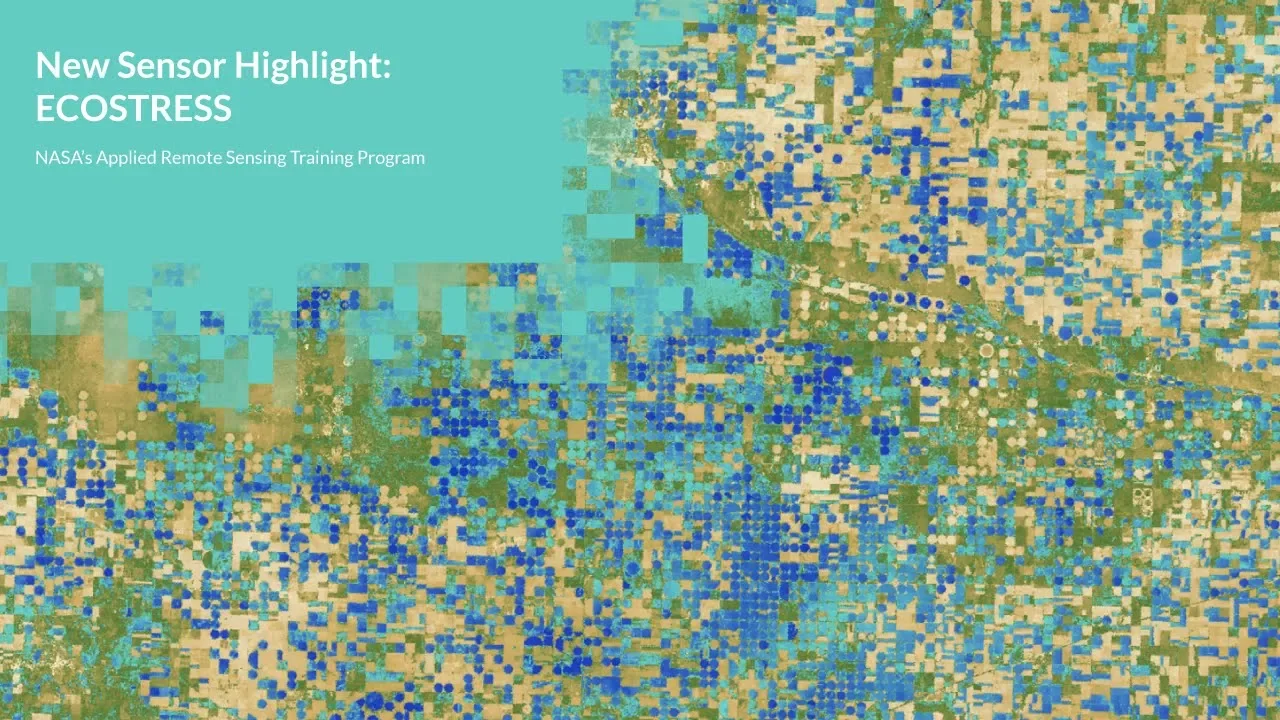
How satellite remote sensing technologies, such as NASA's ECOSTRESS instrument, are used to measure and map ground-level thermal patterns.
16.5K views106likes4:14Original Release: 2024-07-12
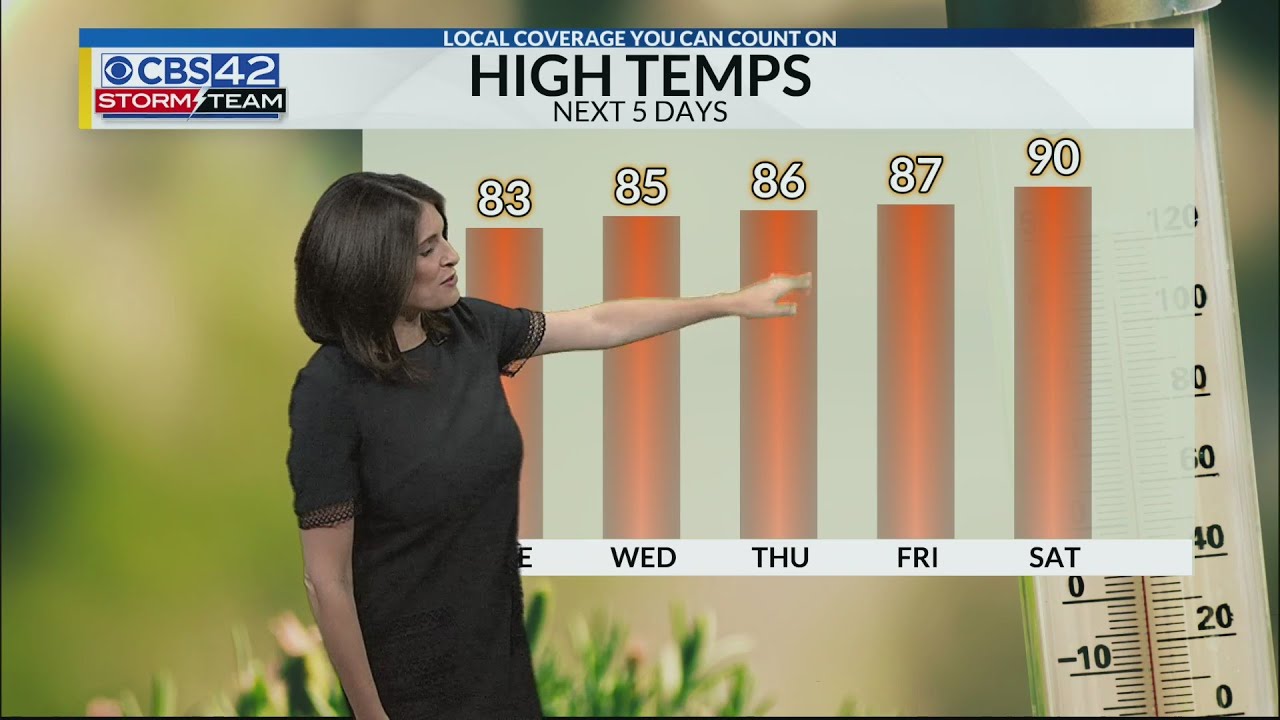
here locally we've been experiencing extreme weather conditions but it's not just here in town this is happening throughout the nation and meteorologist John Haynes is the program manager for health and air quality at Nasa he joins us live this morning to talk about this historic heat wave that we're experiencing and John um so with this heat wave it's it's not just Las Vegas it seems like the whole Southwest section of the United States has have been impacted is this unusual well hi Kim thanks for having me on and and hello to everybody in Las Vegas and Southern Nevada well this intense heat Dome that's being experienced Across the Western United States is unusual as you just heard from Khloe you're going to have another record-breaking heat day today with temperatures somewhere around 117 degrees and that's coming off of Las Vegas's alltime record high last weekend of 120 degrees Fahrenheit but the thing is that while this is abnormal unfortunately it's becoming the norm because ever since the industrial Evolution human activities particularly the emissions of heat trapping greenhouse gases are making our planet warmer and heat waves are one of the clearest examples of the impacts of humans on our climate it's just a fact human activities are making heat waves hotter causing them to last longer they start earlier in the spring and they extend into the fall okay so John with you saying that humans are contributing to this here in Las Vegas ever since the pandemic we have a population boom Going on a lot of Californians now calling Southern Nevada home is that contributing to what we're seeing like the whole Urban heat island effect if you can explain that yes it's certainly amplifying uh the heat Dome that's going on when you get into the major cities like Las Vegas because all of the building materials that we use in our cities asphalt concrete really absorb that solar radiation during the day making the cities hotter than the surrounding suburbs and Countryside and then they're slow to release that heat at night the buildings in the brick and the asphalt are slow to release that radiation at night making nighttime temperatures higher than the surrounding suburbs so people just don't get a break from the heat also the urban heat Islands influence air pollution for example there's nitrogen dioxide that's released in our major cities from factories and cars mainly that nitrogen dioxide when you uh apply heat and sunlight to it breaks down to Ozone we love ozone up in the stratosphere where it protects us from the Sun's UV rays we don't like it at nose level where we're breathing it in where inflames our lungs and throat leading to those orange and red alert air quality days luckily NASA has launched last year a revolutionary new satellite known as Tempo that is actually monitoring air pollution including nitrogen dioxide every hour of the day across the entire United States down to the neighborhood level giving us incredible information about where air pollution forms how it changes from am rush to PM rush and where it's moving throughout the day wow John this is amazing I've lived here more than 20 years and I'm learning a lot before we let you go I do have one more question what does NASA hope to learn from these heat waves we're experiencing well through NASA has a constellation over 20 Earth observing satellites that are continuously monitoring our Earth system and how it is changing we download over 25 terabytes a day of data on how our Earth system is changing and that includes information on land surface temperature and ocean surface temperature and from that information we can confirm 202 23 was the hottest year on record for this planet and working with our European Partners we've learned that every month for the past 13 months has been the warmest month on this planet in our climate data record so again we are monitoring this globally including the heat wave Across the Western United States and even here on the east coast in Washington DC helping us understand again how human activities are influencing our climate John Haynes thank you so much can we be friends can you come back on the show can we do absolutely I would love to good because I think that we're learning so much from what you have to say and it really does help make sense of what we're experiencing John Haynes thank you very much and hopefully we'll see you again before the end of the summer would love to check back in thank you
Up Next

57:19
Climate Crisis Solutions: A Conversation with Dr. Katharine Wilkinson
@gaslitnation
152 views•2021-08-04

12:54
Triumph of Orthodoxy Icon: Byzantine Art & History Explained
@BenCallan
2.1K views•2024-08-06

9:49
FastAPI vs Flask vs Django: Choosing the Right Python Web Framework
@TechWithTim
302.5K views•2024-05-26

1:42
Game of Thrones Opening Credits: A Cinematic Analysis
@gameofthrones
46.3M views•2011-04-18
Related Study Plans & Knowledge Roadmaps
Structured learning paths in General & Interdisciplinary Studies
general-studies
Elevator Engineering: History, Physics & Cities
01From Hoists to Safety Brakes: The Dawn of Vertical Lift
02Hydraulic vs. Traction: The Engineering Physics of Elevators
03Modern Speed, Safety, and Algorithms
+ 2 more learning modules
12h5 modules
Explore Roadmap
general-studies
Rubber: Material Science, History & Geopolitics
01Origins of Natural Rubber & Mesoamerican History
02The Chemistry of Natural Rubber & Vulcanization
03The Geopolitics of the Rubber Boom & Colonization
+ 2 more learning modules
12h5 modules
Explore Roadmap
general-studies
Containerization: Evolution, Logistics & Trade
01Ancient Trade & Bulk Cargo: Amphorae to Barrels
02The Industrial Revolution & Cardboard Packaging
03The Containerization Revolution: Malcom McLean
+ 2 more learning modules
12h5 modules
Explore Roadmap
general-studies
Textile Tech: Evolution, Labor & Global Impact
01Pre-Industrial Textiles: Handloom & Cottage Industry
02Mechanization: The Spinning Jenny to the Power Loom
03The Factory System & Global Labor Transformation
+ 2 more learning modules
10h5 modules
Explore Roadmap