











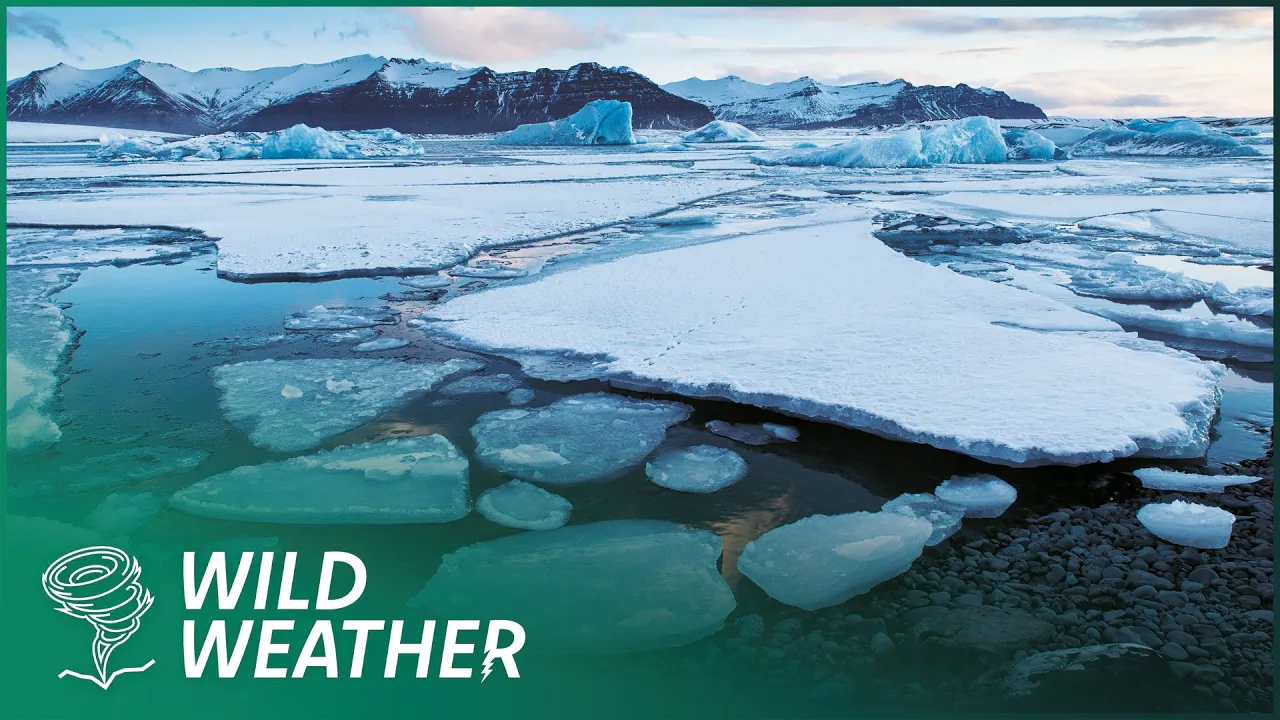

Climate change poses severe and immediate threats to Arctic indigenous communities, with 86% of Alaska's native communities facing flooding, coastal erosion, and thawing permafrost that damage essential infrastructure and disrupt subsistence ways of life; effective adaptation requires co-designing solutions with communities and integrating indigenous knowledge alongside scientific approaches to preserve cultural continuity and ensure long-term resilience.
Climate Change Impacts on Alaskan Native Communities | Arctic Resilience
Added:Understanding the greenhouse effect and the concept of Arctic amplification, which explains why polar regions are warming at twice the global rate.
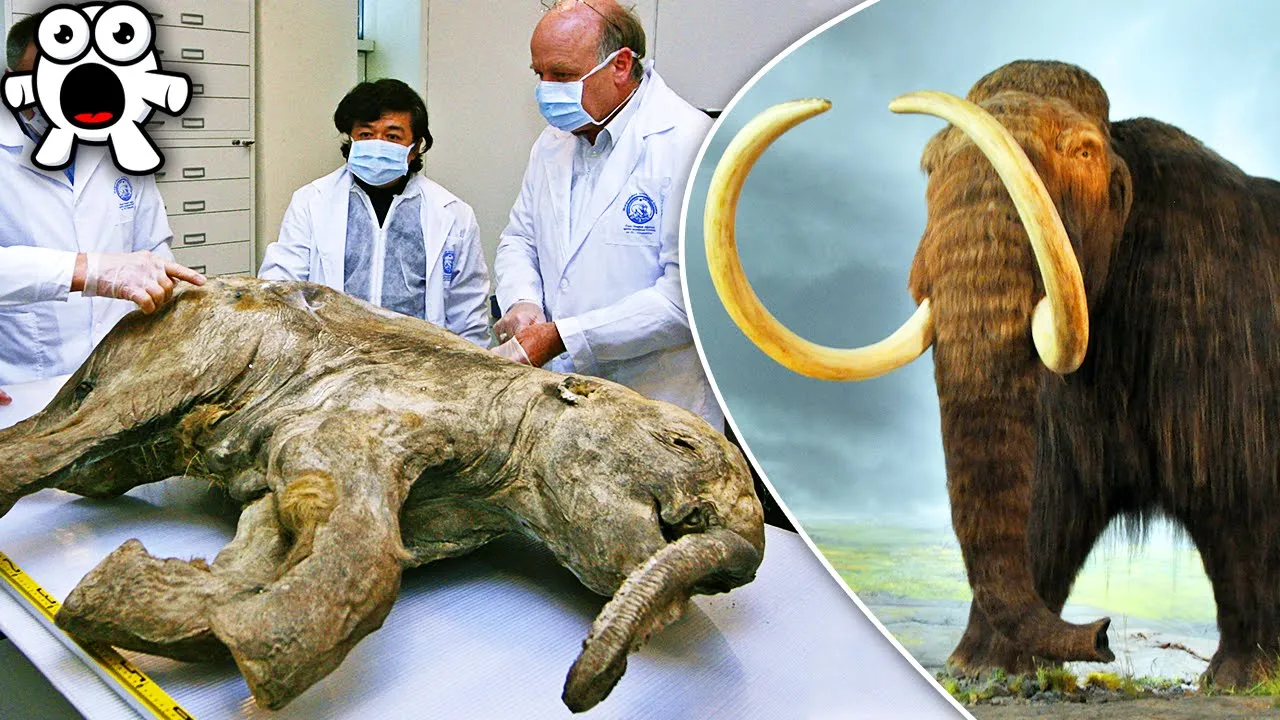
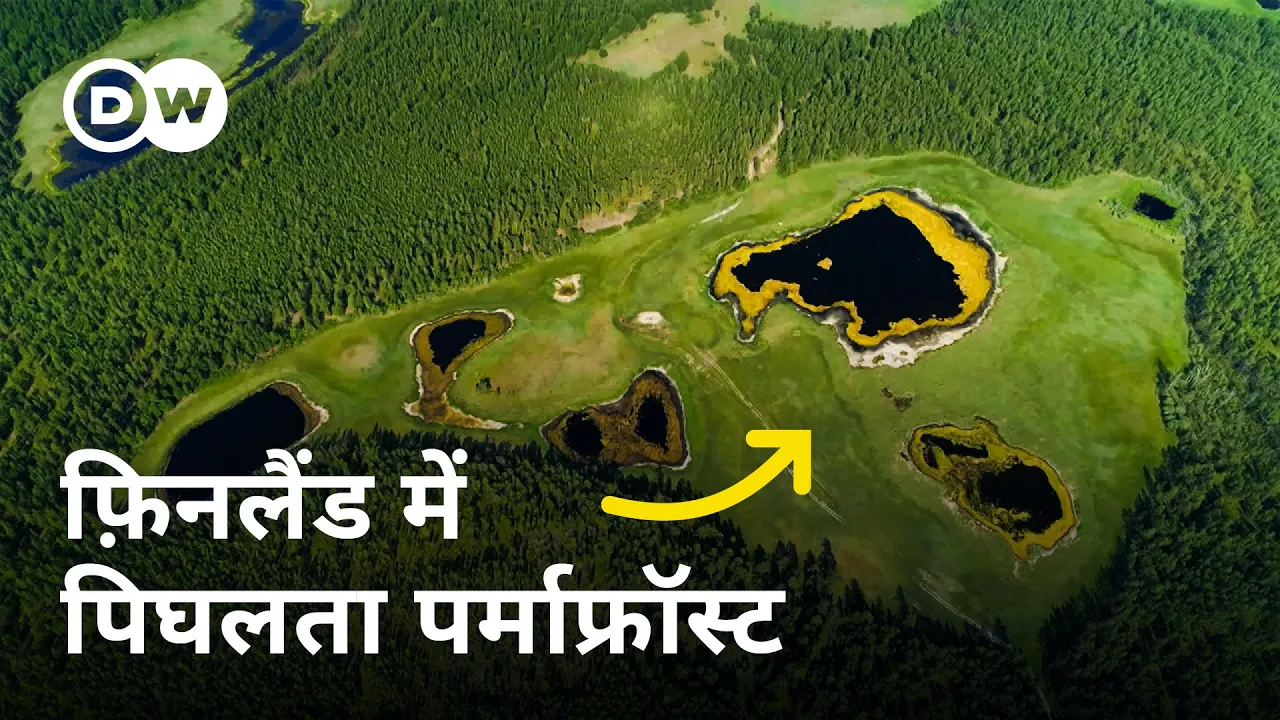
Basic knowledge of permafrost, its structural role in Arctic ecosystems, and the physical consequences of its thawing.
Fundamental concepts of coastal dynamics, including how sea-level rise and diminished sea ice cover increase vulnerability to storm surges and erosion.
A general awareness of the cultural and geographic diversity of Alaska Native communities and their historical reliance on subsistence lifestyles.
The policy, logistical, and financial complexities of 'managed retreat'—the planned relocation of communities threatened by environmental hazards.
The framework of Environmental Justice, specifically analyzing how climate change disproportionately impacts Indigenous populations and their sovereign rights.
The integration of Traditional Ecological Knowledge (TEK) with Western scientific methods to develop sustainable local climate adaptation strategies.
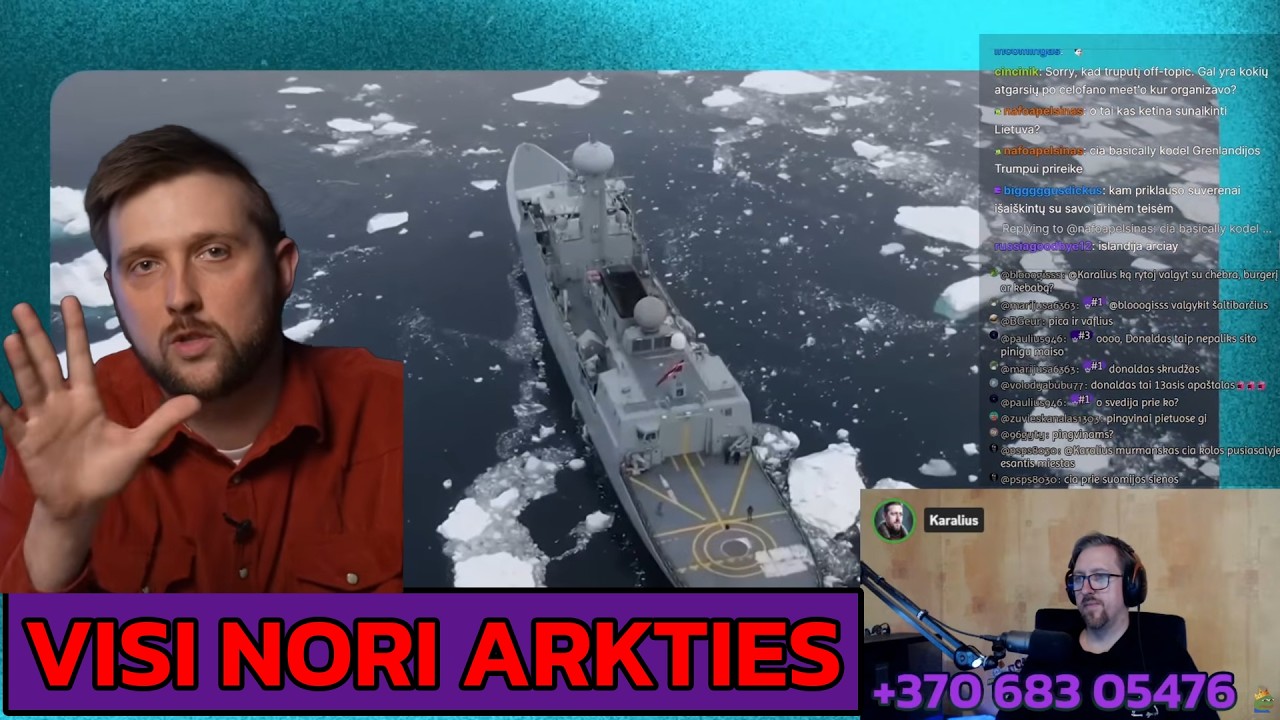
Arctic geopolitics and environmental governance, studying how melting ice opens new transit routes and resource extraction challenges under international law.
18.1K views0likes5:08Original Release: 2025-10-24
It is well known that Arctic communities are affected by climate change.
But what is less understood [music] is the true scale of these impacts and how much is at stake for the future of the entire circumpolar world.
>> The Arctic is changing. In Alaska's Arctic, where indigenous people have lived for thousands and thousands of years, we are seeing vulnerabilities that we have never experienced in our lifetime.
>> Oh my god.
Oh my god.
Shine used to be like a a mile and a half to couple of miles from here. And we couldn't see that river from this village in those days.
>> For many communities, especially indigenous, these changes are also deeply cultural. Religation doesn't just mean moving houses. It means losing ancestral lands, sacred sites, and the places where people have fished, hunted, and gathered for generations. That's why adaptation planning requires more than buildings and infrastructure. It also needs to address the cultural continuity that holds communities together.
>> In Alaska, 86% [music] of native communities are threatened by flooding, coastal or riverbank erosion, [music] and thawing perafrost. The risks for communities are no longer distant.
Many are already facing permanent damage to housing, schools, roads, and runways, and other essential infrastructure.
In recent decades, Arctic rivers have experienced dramatic changes in water flow regime due to warming climate, perafrost and accelerating water cycle.
Alaskan river system are shifting faster than others in the world. Floods are becoming more severe and less predictable. Our project called Cistra focuses on understanding how changes in climate, water and perafrost affect the people in riverin communities. Beyond purely scientific results, we are developing a decision support system to assist with disaster mitigation and adaptation measures for both infrastructure and communities living in these high-risk areas.
And all it is is the uh uh a transition type.
That's all it is.
I have no doubt, not a shred of [music] doubt, that we as a people will [music] be together as one again.
It is important to remember that solutions only work when they co-design with communities. Only policies that support and elevate indigenous knowledge, resilience, and long-term planning, can lead to sustainable outcomes. Entire communities including well publicized ones like Newk and Shisharath as well as newer cases such as Akiak and McGrath are already contending with substantial damage and the reality of climate forced partial or full relocation in our pristine river and in their headarters. We are seeing the slough off of melting perafrost that is millions of years old causing rivers of orange rich [music] in minerals and nutrients from these organic soils causing disruption to our subsistence way of life and changing our river systems.
The elders said they could feel the earth getting hot.
They said a time is coming where we might not even know the land anymore.
I had a dream last night.
All the birds went west.
Maybe it was time to leave.
This time though, they called back to me.
They said our grandchildren will be here.
We were here. We are here. We will be here.
Even if new talk does not exist.
>> The Arctic is on the front line of climate change. What happens here does not stay here. [music] And these changes ripple into other regions and global systems.
On the edge of climate [music] change, Arctic water systems hold key answers for resilience and for the future.
>> [music]
Up Next
30:43
Traditional Rainwater Harvesting Techniques Without Modern Tanks
@OnTribalDiscovery
109K views•2025-05-14

15:54
Life in Biosphere 2: Sustainable Ecosystems & Human Survival
@TED
334.9K views•2009-06-16
14:30
Microplastics Everywhere: How Plastic Impacts Our Lives
@TEDx
100.9K views•2018-05-08
10:28
Ice Stupa Artificial Glaciers: Solving Ladakh's Water Crisis
@SonamWangchuk66
3.2M views•2015-05-03
Related Study Plans & Knowledge Roadmaps
Structured learning paths in Environmental Science
environmental-science
Ocean Noise: Cetacean Impacts & Mitigation
01Fundamentals of Underwater Acoustics
02Marine Mammal Bioacoustics
03Anthropogenic Noise: Shipping & Seismic Surveying
+ 2 more learning modules
16h5 modules
Explore Roadmap
environmental-science
Road Ecology: Corridors, Overpasses & Fencing
01Foundations of Habitat Fragmentation and Carnivore Ecology
02The Road Barrier: Ecological Impacts of Transport Infrastructure
03Principles of Ecological Corridors and Connectivity Mapping
+ 3 more learning modules
14h6 modules
Explore Roadmap
environmental-science
Ocean Acidification: Kelp Buffering & Shellfish
01Fundamentals of Ocean Chemistry & pH
02Chemical Pathways of Coastal Acidification
03Bivalve Physiology & Calcification Under Stress
+ 2 more learning modules
18h5 modules
Explore Roadmap
environmental-science
Ice Stupas: Glacial Retreat & Water Security
01Foundations of Glaciology & Mountain Hydrology
02Climate Change and Glacial Retreat Dynamics
03The Science of Ice Stupas & Artificial Glaciers
+ 2 more learning modules
14h5 modules
Explore Roadmap