











![[해외감동사연] "사우디 사막을 한국 강으로 바꾼 기술의 정체!" 독일·미국·일본 등 주요국들이 어려워한 프로젝트를 한국이 성공하자 전 중동 200개 도시에서 협력 요청 쇄도!](https://i.ytimg.com/vi/LVbJnivZ67s/maxresdefault.jpg)





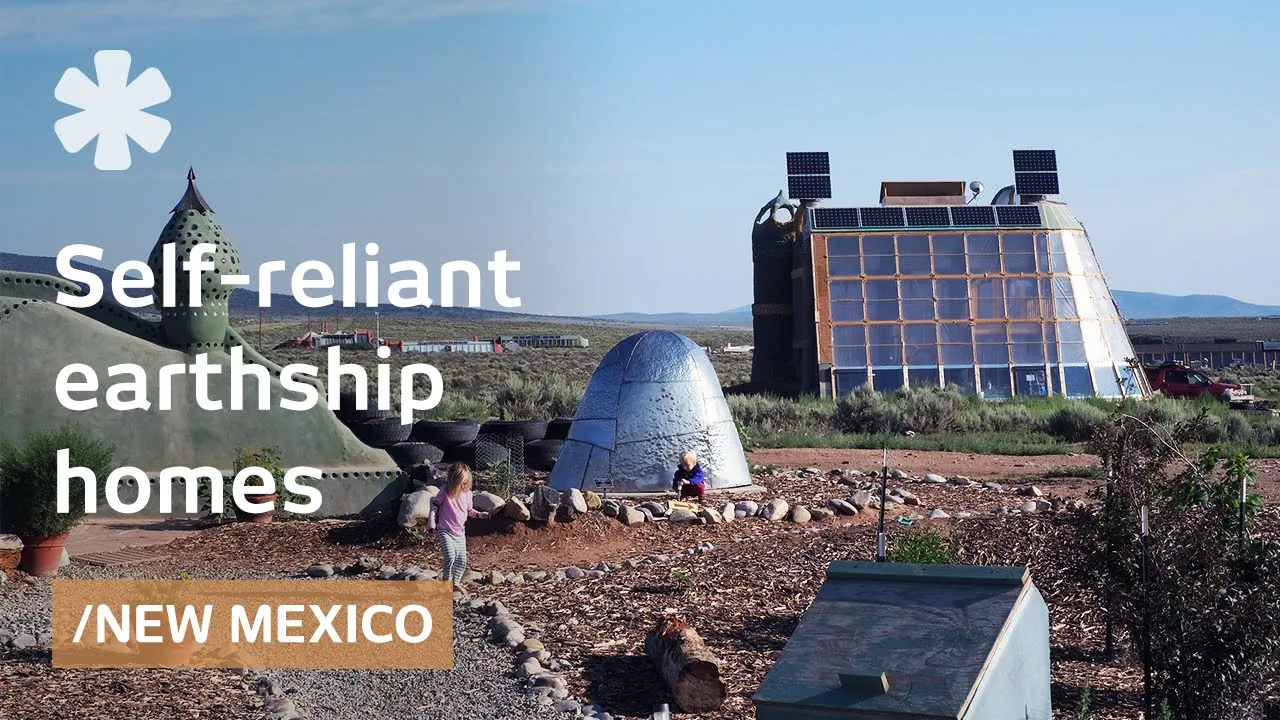




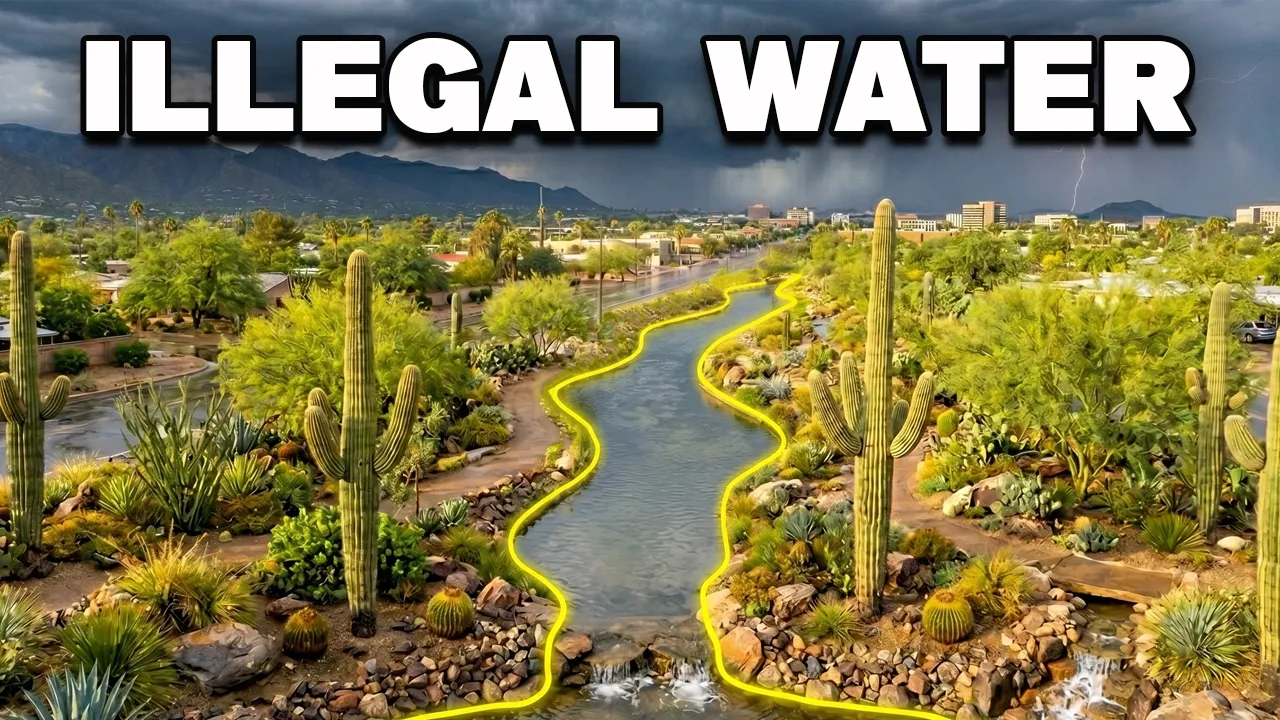

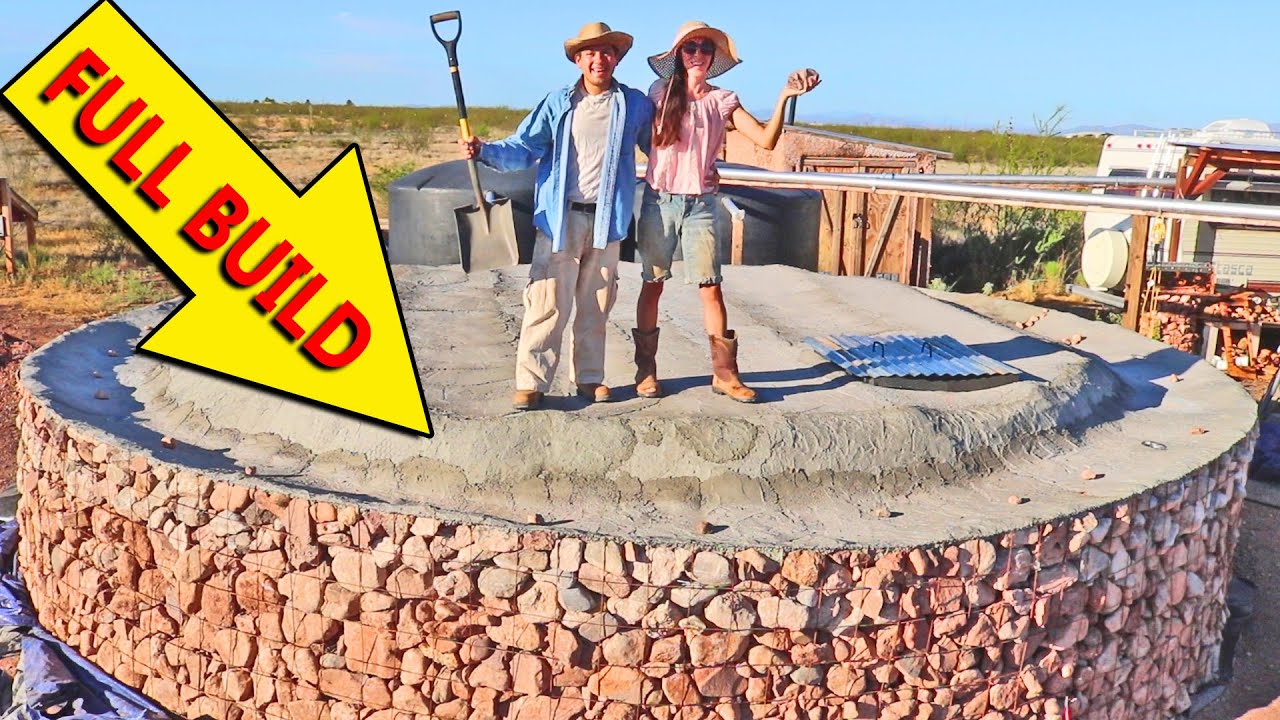






Indigenous tribes across the world have developed innovative, sustainable methods to store rainwater without modern tanks, including rock pits, z-holes, sand dams, baobab tree hollows, terrace slopes, stepwells, bamboo water pipes, underground cisterns, tari ponds, natural rock basins, infiltration trenches, earth dams, clay pot subsurface storage, leaf funnel systems, living fences, percolation pits, roof thatch channels, catchment courtyards, check dams, and tree ring basins. These traditional techniques work by slowing water flow, allowing infiltration into the ground, or capturing water in natural or constructed reservoirs, enabling communities to access water for months after rainfall.
Traditional Rainwater Harvesting Techniques Without Modern Tanks
Added:Basic principles of the hydrological cycle, including precipitation, infiltration, evaporation, and surface runoff.
An understanding of soil mechanics and permeability, specifically how different soil types affect water retention and absorption.
The concept of water scarcity, its ecological and human impacts, and the geographic distribution of arid and semi-arid regions.
Fundamentals of watershed topography and how natural land contours influence the flow and accumulation of water.
Advanced water purification and filtration techniques to make harvested rainwater safe for drinking and agricultural use.
Methods for integrating indigenous rainwater harvesting techniques with modern sustainable urban drainage systems (SUDS) and civil engineering.
The principles of permaculture design and agroforestry, demonstrating how tree basins and rock pits support local food ecosystems.
Socio-economic and policy frameworks required for community-led water conservation initiatives and scaling up traditional practices.
109K views1.2Klikes30:43Original Release: 2025-05-14
People rely on rivers on lakes or bho.
But with little rain now for months is even more of a challenge. Imagine living in a place where water is scarce. But the rain you do get has to last you for months. Now what if we told you that some tribes have figured out how to store rainwater without any modern water tanks? That's right. From simple yet effective methods to hidden storage solutions, here are the 20 ways tribes store rain without water tanks. First, rock pits. Sometimes the smartest solutions are the simplest ones, like digging a hole and tossing in some rocks. That's basically the idea behind rock pits, a traditional water saving technique used in the hilly regions of Rwanda and the open landscapes of Kenya.
But don't be fooled by how basic it sounds. These little pits are doing some seriously clever work. Farmers and herders dig small depressions in the ground, then carefully line them with rocks of all shapes and sizes. When rain arrives, especially after a long dry stretch, it doesn't go dashing off the land like it's in a hurry. Instead, it slows down, trickles into the pits, and gathers around the rocks. At first glance, it might seem like the water's just sitting there doing nothing. But what's really happening is much more exciting, at least for the soil and the plants. The water filters through the gaps between the rocks, soaking into the ground instead of evaporating in the hot sun. Plants nearby can send their roots toward this moisture richch zone, sipping from it quietly long after the clouds have moved on. That's how families stretch one rainstorm into weeks of crop growth. These rock pits don't need machines, maintenance teams, or power. Just some rocks, some digging, and a good eye for where the rain likes to go. Over time, farmers place them all over their fields like a strategic puzzle, creating a kind of natural irrigation system without pipes or pumps. And all that from what's basically a hole full of rocks. That's pretty brilliant. Seconds eye holes.
When your land gets more sun than rain and the ground feels like baked clay, farming seems almost impossible. But in West Africa, farmers have come up with a gamechanging idea. Z holes. From above, their fields look like they have been dotted with little craters like the surface of the moon. But each one of those holes is a pocket of hope. Each z hole is about the size of a dinner plate, but they are deeper than you might expect. Farmers dig them by hand, often during the dry season when the ground is toughest. Inside they place a mixture of compost or animal manure, nutrient-packed stuff that plants love.
Then they drop in seeds and wait for the skies to open up. When the rains finally come, instead of the water just skimming over the hard surface and disappearing, it collects in the zy holes and sinks deep. The compost acts like a sponge, soaking up water and holding it close to the roots. And because the soil in and around the hole gets loosened and enriched, the rain doesn't just stay at the top, it's drawn down into deeper layers, creating a longlasting reservoir underground.
But zy holes aren't just about surviving dry seasons. They actually improve the land over time. The repeated digging and composting slowly transform dry, compacted soil into something fertile and alive. Farmers using this method have turned dry, cracked fields into productive farmland, growing sorghum, millet, and maze in places once written off as hopeless.
It's low tech, low cost, and high impact. Just a shovel, some compost, and a whole lot of patience. But for many families, these small holes make the difference between a hungry season and a harvest. Third, sand dams. Sand dams are solid walls built across dry stream beds that seem pointless most of the year. When the brief but intense rainy season arrives, these stream beds transform into rushing torrents, carrying not just water, but tons of sand and sediment. The concrete or stone wall blocks this sandladen water, forcing it to slow down and drop its sandy load. Over time, the area behind the dam fills with sand. But that's exactly the point. This sand acts as a natural water tank, holding up to 40% of its volume in water.
While the surface may appear bone dry, beneath lies a cool, wet reservoir protected from evaporation and contamination. Community members dig shallow wells into this sand to access the clean water throughout the dry season. One medium-sized sand dam can supply enough water for a thousand people and their livestock for months without rainfall, turning seasonal streams into yearround water sources.
without a single traditional tank in sight. Fourth, Baobab tree hollows. The massive biobab trees that dot southern Africa's landscape, aren't just impressive to look at. They are natural water tanks hiding in plain sight. These giants, sometimes called upside down trees because their branches look like roots reaching toward the sky, have another strange feature. Many develop large natural hollows inside their trunks.
Some of these hollows can hold thousands of gallons of water. Tribes across the region have long recognized these trees as nature's perfect water storage solution. They clean out these natural cavities, sometimes enlarging them carefully without harming the living tree. When rain falls, they direct it into these hollows through simple channels or by collecting it separately and pouring it in. The thick walls of the baobob keep the water surprisingly cool and clean, protected from the blazing African sun.
Some baobob tree hollows have been used as community water sources for generations with the trees continuing to grow and thrive despite their role as living water tanks. The water stored this way can last for months, providing a reliable supply long after the rainy season has ended.
Fifth, terrace slopes. Rather than fighting gravity, some tribes work with it, carving flat platforms into mountain sides like giant steps climbing toward the sky. Each terrace is boarded by a raised edge that catches rainwater and prevents it from rushing downhill. The genius of this system goes beyond just preventing erosion. As rain falls on the uppermost terraces, any excess water spills carefully onto the terrace below and then to the next, creating a cascade of moisture that uses every drop. The soil in each platform acts like a massive sponge holding water that would otherwise be lost. Plant roots can tap into this stored moisture for weeks. Even more impressive, many of these terrace systems include underground channels made of bamboo or stone that direct water from higher to lower levels, essentially creating an entire mountain that functions as one giant water reservoir.
Built centuries ago, these systems continue to provide reliable water storage without a single traditional tank, turning what would be destructive runoff into a managed resource that supports communities through dry periods. Sixth, stepwells. Deep in rural India, communities have created some of the most beautiful water storage systems on Earth.
Stepwells are exactly what they sound like, wells you can walk down into via a staircase. But they are far more impressive than that simple description suggests. These structures begin at ground level with a wide entrance that narrows as a person descends dozens or even hundreds of stone steps into the earth. At the bottom lies a pool fed by groundwater. But that's only part of the story. During monsoon season, rainwater floods into these structures, refilling both the visible pool and the surrounding earth. As water levels rise, different levels of the stepwell become submerged. And as the dry season progresses, the water gradually recedes, exposing more steps. This allows access to water year round, no matter how low the level drops. The genius of stepwells is that they combine groundwater access with rainwater harvesting in a single structure that's naturally cool and often stunningly decorated with carvings and columns. Some stepwells have been in continuous use for over a thousand years, providing water storage without conventional tanks through countless generations of drought and rainfall.
Seven. Bamboo water pipes. Bamboo grows abundantly in these regions and its natural structure, hollow segments separated by solid joints, makes it nature's perfect pipe.
Tribal communities harvest mature bamboo stalks and remove the inner dividing walls, creating long, durable tubes that can transport water over considerable distances.
These bamboo pipelines channel rainwater from catchment areas on hillsides down to community access points. But the system doesn't stop at transport. The pipes often lead to underground chambers lined with stone or to natural depressions in rock where water collects. The bamboo itself can store small amounts of water, but its real value is in moving rainfall quickly from where it falls to where it can be safely kept.
In some villages, elaborate networks of bamboo pipes hang along cliff faces or cross valleys on simple suspension structures, creating gravity-fed water systems that require no electricity or pumps. The slight natural filtration provided by bamboo's inner surface helps keep the water clean, while the underground stone basins remain cool year round, reducing evaporation. When pipes wear out, new bamboo is readily available from the surrounding forest, making this one of the most sustainable water storage systems ever devised. Eight underground sistns. Long before European contact, PBlo tribes in what is now the American Southwest developed sophisticated ways to deal with their harsh desert environment. One of their cleverest innovations was the underground sistern, essentially a waterproof room buried beneath their homes or community spaces. The PBLO people would shape the earth above these chambers to slope gently toward collection points, ensuring that precious rainfall would flow exactly where they wanted it. Clay line channels directed water from flat rooftops and courtyards into these underground chambers, which were often sealed with clay, stone, or later lime plaster to prevent seepage. The genius of this approach was multi-layered. Not only did it collect water efficiently, but by storing it underground, they dramatically reduced evaporation in the desert heat.
The surrounding earth kept the water cool and fresh, while the dark enclosed space prevented algae growth. Some sistns were accessible via ladders or steps for dipping water out directly, while others had small openings that allowed water to be drawn up in buckets.
This approach to water storage worked so well that variations of it spread throughout the arid southwest with each tribe adapting the basic concept to their specific environmental conditions and building materials. Nine Tari ponds in the foothills of the Himalayas. Nepalese tribes have perfected a water storage system that works with the natural landscape rather than fighting against it.
Tari ponds are shallow depressions strategically placed in low-lying areas where rainfall naturally tends to collect. Unlike conventional ponds aimed at holding water on the surface, terai ponds have a different purpose. They are designed to slowly feed water into the ground beneath them. The beds of these ponds are carefully prepared with layers of sand, gravel, and sometimes clay arranged to control how quickly water seeps downward. When monsoon rains come, the ponds fill up and appear like ordinary small lakes. But as days pass, the water gradually disappears from sight. Not because it evaporated into the air, but because it filtered into the earth below, creating a lens of fresh groundwater that can be accessed via shallow wells dug nearby.
This underground storage protects the water from evaporation and contamination while naturally filtering out impurities. Families can access this stored rainwater for months after the surface pond has dried up completely.
What looks like an empty depression during the dry season is actually a full but hidden water reservoir sitting just below ground level, ready to sustain the community until the rains return. 10th natural rock basins. Aboriginal Australians surviving in one of Earth's harshest environments became masters at finding water where others saw none.
Among their most reliable water sources are natural rock basins, depressions in stone surfaces that collect and hold rainwater. These features called nemas in some Aboriginal languages form naturally as wind and water gradually erodess small pockets in rock surfaces, particularly in granite outcroppings.
Over thousands of years, Aboriginal communities enhance these natural formations, slightly deepening them or adding small channels to direct more water into the basins when rainfalls. They often covered these pools with branches, stones, or brush to reduce evaporation and keep animals from drinking or contaminating the water.
The knowledge of these hidden water sources was carefully passed down through generations as sacred information. Literally the difference between life and death in the outback.
Some rock basins hold water for months after rainfall, protected from the scorching sun by overhangs or their position in the landscape. Aboriginal people developed intricate mental maps of these water sources across vast territories, creating invisible water trails that connected one hidden basin to another. This allowed them to travel through areas that Europeans would later describe as waterless, guided by knowledge that wasn't stored in tanks, but in the land itself and the cultural memory of its people. 11th. Infiltration trenches. Infiltration trenches might sound like something from a military operation, but in the world of water conservation, they are all about peace and harmony with nature. That is, at their core, they are just shallow ditches dug by hand. No fancy machinery or complicated tools involved. These trenches are typically placed on slopes or flat lands where rainwater tends to make a quick escape. Instead of letting that precious water vanish in a hurry, the trenches act like speed bumps, slowing it down, encouraging it to linger and giving it the chance to soak gently into the ground. Once the water settles in, it begins a quiet transformation underground. It moistens the soil, nourishes plant roots, and even helps refill underground aquifers.
The layout is smart, too. These trenches are often aligned in a series, like a chain of mini water catches, working together to make sure every drop counts.
To make things even more effective and a bit prettier, people often plant grass or small shrubs along the edges. These aren't just for show. They help anchor the soil and prevent erosion. Sometimes you will spot stones lining the bottom of the trenches, giving them extra strength and structure. It's a neat, low tech trick that works wonders. The best part, no pipes, no pumps, no electricity bills, just gravity doing its job, and a bit of thoughtful planning. In dry seasons, farmers love how the moisture sticks around longer, giving their crops a better shot at survival. In many tribal communities, this method has been passed down like a family recipe. Simple, reliable, and surprisingly effective.
Who knew a bunch of ditches could be so helpful? 12th. Earth dams. Now, let's talk about earth dams.
Also known as the mud and muscle method of storing water. These aren't the towering concrete beast you see on postcards. Nope. These are humble, hardworking structures built with local hands and local materials. Soil, clay, rocks, and a whole lot of teamwork. It usually starts with picking the right spot somewhere lowlying where rainwater naturally pools like the bottom of a slope or at the edge of a terrace field.
Then comes the layering process. Clay for ceiling, soil for strength, stones for support. Think of it as nature's version of lasagna, just less cheesy and more waterproof. When the rains come, the dam holds the water back, forming a small seasonal pond. This water doesn't just sit around looking pretty. It's put to work. It's released slowly to irrigate crops, especially in areas with terrace farming where every drop matters. The clay lining is the real MVP here. It stops water from leaking out too fast, giving farmers a steady supply over time. To keep everything in shape, people often plant grass on the dam surface. This not only stops erosion, but also gives the dam a bit of a green makeover. While these dams aren't huge, they punch well above their weight. They support farming, provide drinking water for animals, and sometimes even host fish or aquatic plants. And all this is built by hand using what's available nearby.
No trucks, no cement mixers, just knowledge, effort, and a strong sense of community. It's a perfect example of how rural innovation can make a big impact without a big budget. 13th. Clay pot subsurface storage. Imagine watering your garden with a magic pot that never spills, never dries out too fast, and knows just how thirsty your plants are.
That's kind of what Clay pot subsurface storage does. Except it's not magic, just really smart traditional design. In many villages, these pots are shaped like fat jars with narrow necks and are buried right into the ground, leaving only the top poking out like a little clay periscope. When it rains, or when someone pours water in manually, the pot fills up. Then, thanks to the porous nature of clay, water begins to seep out slowly into the surrounding soil. It's like the plant is sipping through a secret straw, getting just what it needs when it needs it. These pots are placed strategically close to crops or young trees, spaced out depending on what's growing and how thirsty it is. And get this, one pot can keep the soil moist for days or even weeks. That means less work for the farmer, less wasted water, and happier plants. It's especially great during dry spells when water is scarce and every drop has to be used wisely. Another cool bonus because the water is underground. There's hardly any evaporation. That's a big win in hot, sunny regions. No puddles, no runoff, no soggy mess, just efficient hydration straight to the roots. Plus, these pots are usually made from locally sourced clay shaped by skilled hands and fired in traditional kils. With proper care, they can last for years, quietly doing their job without any fuss. 14th leaf funnel systems. When it comes to catching rain, some tribes turn to the nearest tree for help. They take big wide leaves from plants like banana, taro or palm and shape them into natural funnels. These leaves are carefully placed at angles to catch rain as it falls and guide it toward a buried container or shallow pit. Sometimes they even attach a stick underneath to keep the leaf stable and make sure the water flows in the right direction.
It's a creative way of using what's around without building anything complicated. These funnel systems are usually set up near homes or gardens, especially when people want to capture rain without fancy tools. Once the leaves wear out, they're replaced with new ones. Some folks even lay several leaves together to collect more water at once. The method might look simple, but it helps reduce waste and supports small-cale farming or cooking needs.
When clean rain is collected directly like this, it's often used for drinking or washing. It's another quiet example of how traditional knowledge turns nature into a helpful tool. 15. Living fences as catchers.
Living fences might look like just a nice touch to the edges of a field, but they've got a lot more going on than meets the eye. Sure, they help keep wandering goats or curious cows from stomping into crops, but their real superpower, water management. These fences are made from tightly planted shrubs, trees, or even tall grasses lined up shoulderto-shoulder like a leafy wall. When the rains come rushing across the land, instead of letting all that water wash away, these green barriers slow things down. The thick vegetation acts like a sponge filter, catching the water and gently encouraging it to seep into the soil instead of sliding off like it's late for an appointment.
Beneath the surface, the roots are doing overtime, holding the soil together, reducing erosion, and locking in moisture. Over time, that area around the fence becomes a little pocket of fertility. The ground stays damp longer, plants grow healthier, and the natural cycle of leaf drop adds organic goodness to the soil. But that's not all. Living fences also create cozy microclimates. They provide shade for nearby crops, protect them from harsh winds, and can even double up as food sources if you plant species that bear fruit, nuts, or edible leaves. So, not only are they lowmaintenance and machinefree, they also make the landscape greener, cooler, and a whole lot more sustainable. It's one of those beautifully simple solutions that just keeps on giving. 16th percolation pits. If you've ever seen a patch of ground that refuses to soak up water no matter how much it rains, you will understand the magic of percolation pits. These little heroes are basically open invitations for rainwater to head underground where it can do some real good. Picture this, a small pit about the size of a big flower pot or larger dug into the earth near homes, farms, or paths. It's filled with layers of gravel, sand, and stones. Kind of like a lasagna made for thirsty land. When rain water hits the ground and starts to collect, instead of forming puddles or racing away, it flows into these pits. From there, it trickles down slowly through the gaps in the layers, slipping beneath the surface to recharge wells and underground aquifers. They may not look fancy, but these pits are doing some serious behindthe-scenes work. Over time, they boost groundwater levels, improve soil moisture, and help reduce flooding in areas that get sudden, heavy rains. Best part, they are incredibly low cost and easy to build. No need for cement, pumps, or professional tools. Just a shovel, some locally sourced materials, and a bit of effort.
People sometimes add little guiding walls or channels to make sure even more water finds its way into the pit during a downpour. And while you won't see water being stored like in a tank, you will see the benefits in healthier crops, deeper wells, and more resilient land. 17th. Roof thatch channels.
Tribal homes often have thatched roofs made from palm leaves or grass. And these roofs do more than just provide shelter. They are shaped with a gentle slope, so rainwater runs down in a steady stream. But instead of letting that water splash into the ground, people use coconut shells, clay jars, or gourds to catch it. Some even create small wooden or bamboo channels that lead from the edge of the roof to the container. The collected water is usually used for drinking, cooking, or washing, especially since it's the cleanest water available. In some communities, this is the only reliable source of fresh water during dry months.
And because it doesn't involve plastic pipes or pumps, it's completely natural and sustainable. The materials are all locally available and easy to replace when needed. This method may seem small scale, but for families in remote areas, it's a lifeline that makes every drop of rain count. 18. Catchment courtyards.
Catchment courtyards are clever designs built into the layout of a home. Instead of having a flat or randomly shaped yard, the courtyard is gently sloped so that rainwater naturally flows toward a central point. In the middle, there's often a pit, a lined basin, or a simple tank where the water is collected. During heavy rains, these yards become rain harvesting stations.
Once the water is stored, it can be used over the following days or weeks for daily needs. What makes this setup special is that it's both practical and hidden in plain sight. There's no need to install pipes or build big collection tanks separately. The house itself does the job. In dry regions, families even clean the courtyard regularly to make sure the water stays as clean as possible. The space serves many purposes. It's a gathering area during dry days and a water collecting spot when it rains. Over time, this smart use of space helps families stay self-reliant and reduces their need to travel far for water. 19th. Check dams.
Czech dams are small walls made of mud, stones, or branches built across seasonal streams or dry gullies. When it rains, water rushes through these channels, but the dam slows it down. The water gathers behind the wall, creating a shallow pool. This water then sinks into the ground rather than washing away quickly.
Some of it stays on the surface long enough to be used for farming or animals, while the rest helps refill underground wells. Building check dams doesn't take a lot of money, but it does take planning. People often walk the land first to find the best spots where runoff is the strongest. Then they build the dam just high enough to slow the flow without blocking it completely. Over time, the land behind the dam becomes greener and even the water table rises. You'll often see grasses or small trees growing where it used to be dry. It's proof that stopping water for just a little while can bring long-term change. 20. Tree ring basins. When planting trees, many tribes dig circular basins around them. These rings catch rainwater and guide it straight to the treere's roots. Without the ring, most water would just run off and disappear, especially during short, heavy rains.
But with the basin in place, the water stops, gathers, and slowly sinks in.
This helps the soil stay moist longer, and the tree grows stronger. Even during dry months, the moisture stored around the root zone helps keep the tree alive.
These basins are often lined with mulch or small rocks to keep water from evaporating too fast. Some people also add compost or organic matter into the ring to feed the soil while it stays damp. What's nice about this method is that it doesn't take much effort to maintain, but it gives the tree a big advantage. Over time, as the tree grows, the basin can be widened to catch even more water. It's a small change that makes a big difference, especially in places where every drop of rain is precious. I don't know about you, but I find these techniques impressive. What do you think?
Up Next
61:18
Integrating Tribal and Western Knowledge for Fire Management
@NRFireScience
453 views•2017-12-05

15:54
Life in Biosphere 2: Sustainable Ecosystems & Human Survival
@TED
334.9K views•2009-06-16

14:30
Microplastics Everywhere: How Plastic Impacts Our Lives
@TEDx
100.9K views•2018-05-08
10:28
Ice Stupa Artificial Glaciers: Solving Ladakh's Water Crisis
@SonamWangchuk66
3.2M views•2015-05-03
Related Study Plans & Knowledge Roadmaps
Structured learning paths in Environmental Science
environmental-science
Ocean Noise: Cetacean Impacts & Mitigation
01Fundamentals of Underwater Acoustics
02Marine Mammal Bioacoustics
03Anthropogenic Noise: Shipping & Seismic Surveying
+ 2 more learning modules
16h5 modules
Explore Roadmap
environmental-science
Road Ecology: Corridors, Overpasses & Fencing
01Foundations of Habitat Fragmentation and Carnivore Ecology
02The Road Barrier: Ecological Impacts of Transport Infrastructure
03Principles of Ecological Corridors and Connectivity Mapping
+ 3 more learning modules
14h6 modules
Explore Roadmap
environmental-science
Ocean Acidification: Kelp Buffering & Shellfish
01Fundamentals of Ocean Chemistry & pH
02Chemical Pathways of Coastal Acidification
03Bivalve Physiology & Calcification Under Stress
+ 2 more learning modules
18h5 modules
Explore Roadmap
environmental-science
Ice Stupas: Glacial Retreat & Water Security
01Foundations of Glaciology & Mountain Hydrology
02Climate Change and Glacial Retreat Dynamics
03The Science of Ice Stupas & Artificial Glaciers
+ 2 more learning modules
14h5 modules
Explore Roadmap