



![A. François – [#2] Les familles linguistiques – cours “Linguistique historique et Typologie”](https://i.ytimg.com/vi/6l1NcT1tMDk/sddefault.jpg)













Sign languages are fully developed natural languages with their own unique grammatical structures, exhibiting both similarities and differences compared to spoken languages. Research on Australian Sign Language (Auslan) and British Sign Language (BSL) reveals that sign languages have five structural components (handshape, orientation, location, movement, and non-manual features), undergo systematic variation and change influenced by social factors such as age, geography, and community size, and demonstrate unique grammatical phenomena like directional verbs that encode subject-object relationships through spatial pointing. Despite being visual-gestural languages, sign languages share fundamental properties with spoken languages while developing distinct characteristics shaped by their minority community status and historical transmission patterns.
Sign Language Linguistics: Variation & Change | Prof. Adam Schembri
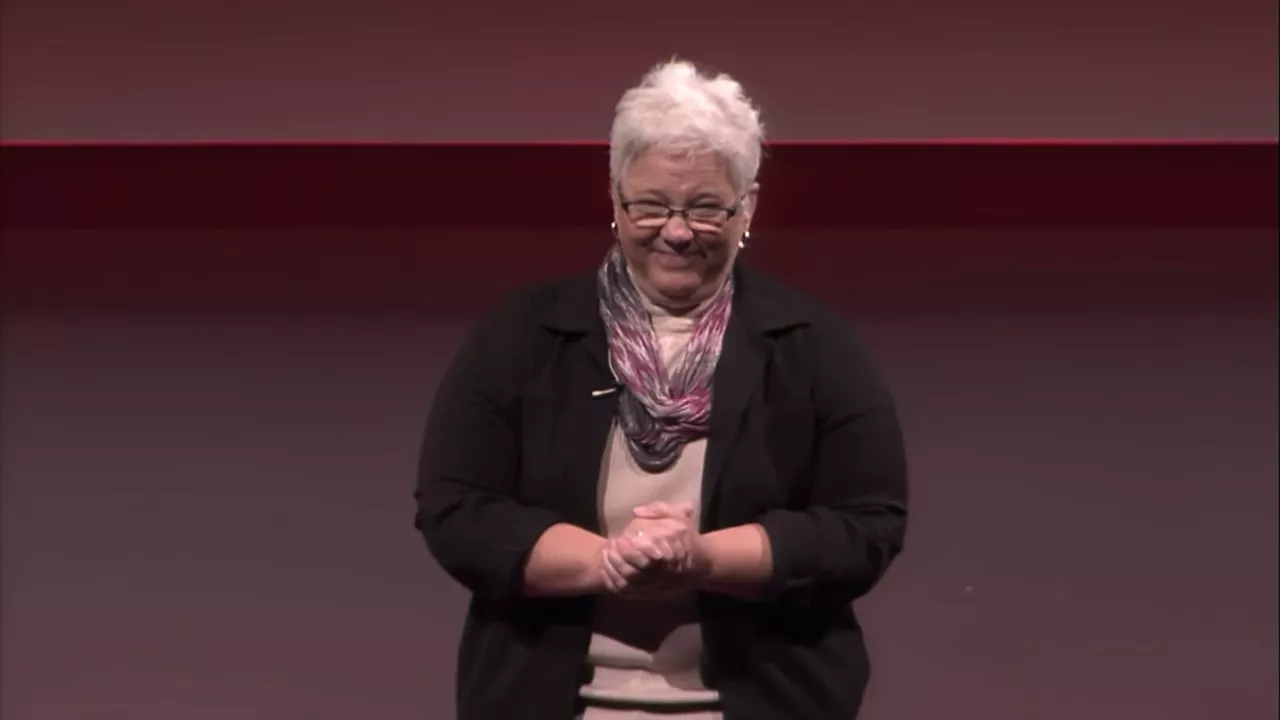
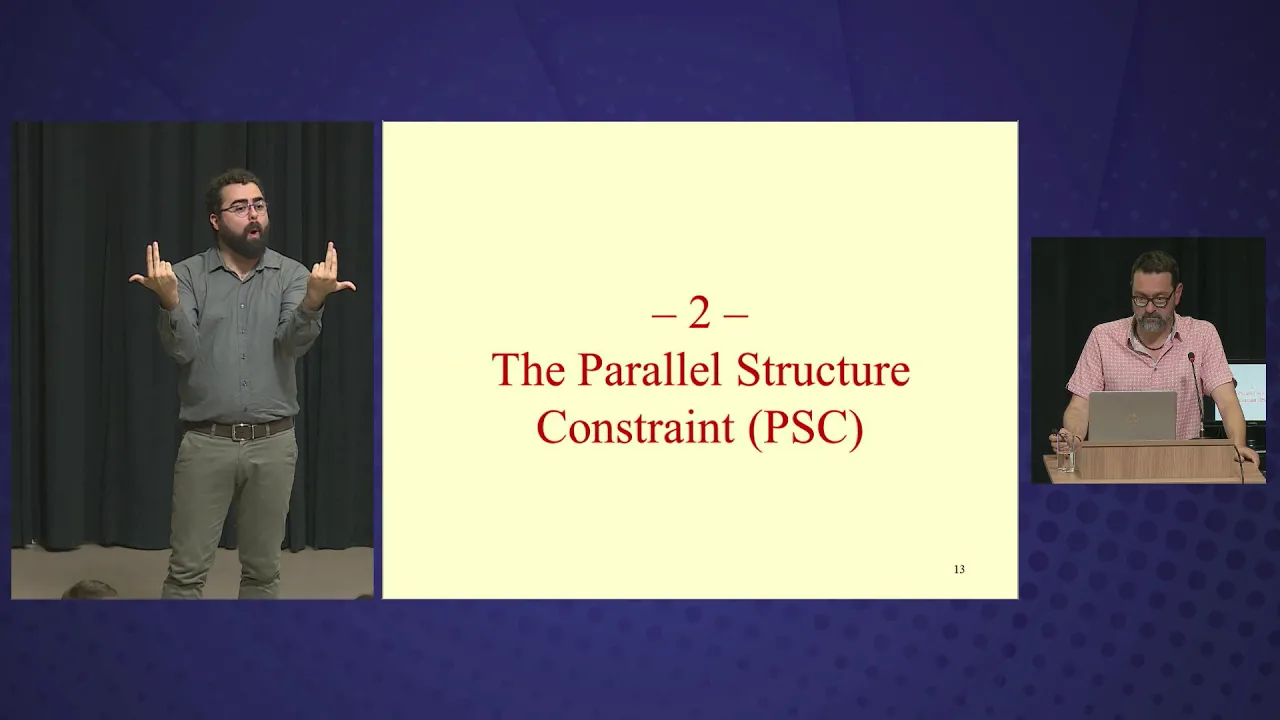
Added:so just a just a few words about Adam before he starts as as I said um when I was I was the head of department when Adam first started at the University of Birmingham back in 2016 was it January very early January 2016 I believe he I think he got straight off the plane and went straight into his first class more or less cuz he had a conference on the way here um he almost we almost didn't have Adam in our department because when we advertised for a lecturer we weren't advertising for a lecturer in in Sign Language Linguistics we were advertising for cognitive Linguistics and then this I got this email from this Adam shambry in Australia asking if he could have a a quick Zoom call to have a chat about the department and his his suitability for the department and we had this phone call was a very very very impressive Adam who talked about his work in Sign Language Linguistics in an extremely compelling way in a way which may me realize the importance of the work both societally and theoretically but he also most of all he's extremely engaging he got me hooked straight away and I thought we need to interview this guy for our department he did his interview also on zoom and impressed the whole interview panel and all the members of the department who watched his presentation it was a unanimous decision easy straight in in like f as as they sometimes don't say um yeah so so Adam arrived I was uh I've been really privileged to have Adam Adam as my neighbor both at work and at home so as my neighbor at work he had the office just over the corridor for me and it took me a while to get used to the phenomenon where there'd be complete silence coming out of his office and then Gores of laughter and then that's when I twigged he was having the the meetings in in in in BSL so I'm I don't sign so I'm not going to yeah and so that was that was really nice that was a really nice sort of like um introduction to Adam's personality and then for a short while we had Adam living in our road uh during the covid pandemic and that was where we learned of Adam's love of Victoria sponge cake or as he refers to it the Vicky sponge isn't it uh my husband sitting over there is the king of the Victoria sponge So Adam would come around for a socially distanced Victoria sponge we put a little chair out on the pavement for him and he would sit and have his sponge cake uh and so it's been really nice um and the other thing just one more thing that I remember from the period when Adam lived in our road was when when he accidentally locked himself out of his house putting out his bins without his shoes on and so we had Adam ringing at the doorbell in his socks needing to borrow some shoes and get sorted out and I think that's the one and only time we'll see Adam wearing a pair of Crocs so back to back to the more the more serious stuff about how Adam in in our department he's since we've had him he's made a huge contribution to to our department both in terms of his research but also his personality his Charisma his interest in in his subject but also his interest in in us and his his his in constant need to and desire to engage with people in the department about our research and see the links um he's made a a huge uh contribution um not not forgetting least of all his Charisma which uh makes him fit really well in our department um so as well as being all these amazing things on the on the social front Adam is also extremely clever which is why he's here and why we're all here and to explain how and why Adam is really clever we've got kiry who's going to be talking about his Linguistics so thank you [Applause] Adam okay hi everybody my name is kissy Cormier I am the director of deafness cognition and uh language research in London dcal UCL and we are a research center a team of linguists social scientists and people who are looking and uh looking at language and cognition I'm a hearing social linguist sign language linguist and it is my absolute pleasure to introduce Adam today Adam and I have been collaborating together in research for over 20 years uh decal where I'm a director now first started in 20 2006 and prior to that in 2005 Adam and I applied for a job to be the first researchers there and I got the job lucky me but but actually both Adam and I started working there and we together really need to thank beny wo for that because it was her decision to recruit both of us because she could see the value in what we both bring and we really valued that so huge thanks to beny ball for that decision Adam and I worked together at decal for five years on many different projects many different papers linguists sociolinguistics psych psycholinguistics and through that period of time time Adam got a grant for the BSL Corpus and it was amazing really important and continues to be a very important resource both for decal and the British de community so for me personally I have valued working with Adam for many reasons the first is from a scientist perspective there are so many unique combinations of deep thinking on linguists on Linguistics which he has as well as his big picture he's a really big thinker on Linguistics and on language and the other thing I value is the social perspective Adam is committed to social justice for deaf people this is key for him and so really that's all I want to say and I'm very happy now to pass on uh over to Adam so please join me in uh bringing him on to the [Applause] stage wow thank you for that introduction well I want to welcome everybody it's so great to see so many familiar faces here and I'm very happy that there are people who have come from far and wide uh there are family here today my sister is here my nephew my partner is here and as well as that there are people who have traveled from as far as Scotland I think also there might be some European Representatives here today so thank you all for making the efforts to come so today my topic is how is sign language and really sign language can be understood in so many different ways a sense of communication a way to to express ideas emotions to transmit culture a way to tell jokes to tell stories poetry theater and it's the way that children learn sign language the way that people process sign language all of these things there is so much that we could talk about when we think about sign language there are over 200 different sign languages across the world that have been identified in a modern sign language research started in the 1960s in America and that was when deaf and hearing researchers started for the first time to say that American sign language was not just random gestures but actually there was a grammar of its own and what really interested me was that structure I was interested in what is it what does it look like does it look like spoken language structure is it different to that and so what I want to do today is to answer those questions and to say Yes actually both are true similar and different and so today I'm going to talk about my research and looking specifically at variation and change in two signed languages Australian sign language Osan and British sign language BSL I can talk about both because both of those languages have historical relationships next slide I forgot I have the clicker I'm in control let me there so so I'm going to be looking at three levels of structure in sign language phology vocabulary and grammar and I'm also going to talk about why is any sign language research important so maybe some of you are wondering why are you here me a hearing person an Australian and I I'm standing here talking about British sign language at the at University of Birmingham huh so really it's been 30 years this year that my journey began I was on a threeyear Osan course in Sydney Australia and that course was lifechanging after the 3 years I realized it was not enough and so I started a PhD in linguistics in 1995 because I really wanted to understand more about the sign language structure how it works and so I finished my PhD 22 years ago and I still want to know more I'm very lucky after my PhD there were loads of opportunities to continue to work with deaf and hearing people doing sign language research and I really benefited I feel very privileged and lucky unfortunately in that period of time I'm it has been much more challenging for deaf people to have those same opportunities that I had and I think that's changing now but we hearing researchers need to be mindful of constantly involving deaf people in our research and one of the things I think that we'll notice today is that from my experience as a sign language student was how much uh these topics really fascinated me I mean of course I love being in the classroom learning sign language and it was really amazing because I have have my level six teacher here today uh in the auditorium uh but also one of our interpreters is a daughter of one of my Osan teachers as well so of course I love learning sign language in the classroom but I'm also well aware from a Linguistics perspective that the language that you learn in the classroom isn't like fixed as it is in a dictionary it doesn't follow the same rules of grammar in the same way that we're taught there's changeability there are there is and it's different from person to person from situation to situation it changes over time languages itself adapt dnam and the dynamic adapts as well some of the research that I will be presenting today comes from collaboration all of it comes from collaboration and working with deaf people so one of the things I must do before I continue is to say thank you to those many many deaf and hearing people who have collaborated with me over the years and I wish I could name every single one but time doesn't allow so what I would like you to know is that these people are what has enabled my work to happen without their support it would not be so let's go back to the subject of my talk to today how is sign language my perspective and my view we can answer that question by looking at three different areas and factors related to sign language and signning communities there are three things that really make sign languages and signning communities different from spoken language and spoken language communities the first of those things is that sign languages as you can see clearly are visual gestural languages you use your hands the face the body secondly compared to spoken languages many sign languages are relatively young many sign languages have emerged perhaps only over a hundred years or so some of them even more recently and I will talk more about that later on in my talk today and then the third area that we can look at is that sign language communities are very different from spoken language communities many deaf people acquire sign language in a different way to the way spoken languages are transmitted so I'd like to start now by looking at this area the sociolinguistic Ecology of sin and communities so of course sign language communities are minority communities and they are minorities uh by number also by the power the community has and there really is power in these type of communities and also by access to resources which is limited and that is true in every single sign language community in the world many spoken langues this is also similar with spoken languages if you consider about you know 7,000 languages around the world most of those languages would be in the same situation but one difference when you look at signing communities is how the languages are transmitted so sign languages like BSL and Osan are rarely transmitted um in the family so most deaf people will learn their sign language from other deaf people perhaps at a deaf school or a deaf club for example in the past many deaf people would regularly go to deaf schools and a lot of those would be residential schools and that's what happened in the past so in terms of transmission of the language that would have been through school and that was very significant however because of um the mainstreaming of deaf children in with hearing peers in uh hearing schools the transmission has changed and there's been an erosion of that TR traditional transmission so when we talk about sign language communities what does that look like of course that will include both deaf and hearing people some deaf people and some hearing people people have grown up in um sign language families her their Heritage signers and sign language will have been in the family home and if you think in about the British de Community about 5% of deaf people have been born deaf with a deaf family an ass signing family so that means 95% of the deaf people their language experience can be significantly different and that is very varied and many people are like me second language Learners of sign [Music] language and that population is growing and it's there are a lot of hearing people like myself that I've learned sign language as an L2 as an adult so we have many second language Learners who are learning sign language we have many Heritage signers and we also have people who aren't in either of those groups unfortunately that will be because there have been issues with um access to information perhaps given by Medical Services or education in a particular area and in the past I think most people if you're not aware of this it might be an interesting fact for you um through most of the 20th century in fact sign languages were banned in deaf schools and so what that means is for many de adults the acquisition of sign language their first language hasn't been acquired until later on and they perhaps acquire it as a second language whereas it may have been their first language otherwise and so we would turn those group of people perhaps to have experienced language deprivation it's very very rare to have hearing people who experience language deprivation it almost never happens very rare but unfortunately that is not come with deaf people deaf people are much more likely to experience that they may have been given um incorrect information parents by medical professionals or through our education systems so I've always been interested about um the sociol linguistic and H how social Linguistics influence sign language structures and the relationship between those two things and I'm really interested to see about um people who have various different experiences is that replicated in their use of sign language and does that produce variation if you want to see variation and change in sign language you really need a lot of data and I'm very lucky because I've been um involved in two major projects in this area both in Australia and in Britain in Australia I was involved with the Osan archive there two separate projects but I'll talk about them both as one in the Australian research there were 255 death siners involved in that research that we collected data from and they were from five cities across Australia and I can say that was a really wonderful experience because I actually met all of those deaf people myself so that was what a privilege that was and the BSL Corpus project was a similar uh project we formed 249 deaf people from eight cities across the UK so the um research I'll be doing from now on is based on the data that we collected in those two projects okay so before I move on I need to give you a little bit of Education about basic sign language Linguistics okay thank you very much thanks for that Matt so so side languages contrast in five different features so they have five parts if you like so firstly hand shape so each sign has a particular hand shape a specific orientation a specific location that it is articulated a specific movement and also an Associated non-manual feed feure and you can see the examples that are on the uh um slide there there are two signs that diff that differ so the first sign SE and thank you they are slightly different they're the same hand shape their same orientation and the same movement but they differ in terms of the location that they are articulated either from the nose or the chin if we look at the next pair paper and brother everything is the same apart from the movement so paper brother if we then look at the sign for praise and the sign for criticize we can see that there's only one element that's different and that is the hand shape okay so when you're in a sign language class you'll learn all of these things and you'll learn about the five elements of the sign and you'll learn the sign and this is the citation dictionary form of the sign and the way it's articulated however what interested me as a learner is when you step out of the classroom and you see deaf people using sign language oh wow it looks really different that has always interested me I've always been fascinated by that and think where does that come from and how do deaf people understand each other if these parameters are being used differently if signs are changing in conversational usage so what we did was we did a really big study okay hold it there Matt thank you okay so you saw the sign don't know or not know there articulated it's the same sign in oan and BSL signs like that are made sort of from the foreward upward and that's where they're located there are many other signs like that so in BSL maybe mother that's a sign for mother name also comes from that no from the forward area blonde but when you actually see deaf people using sign language you see sometimes a lowering of the articulation of the signs that usually come from that area so you see the same sign don't know in a sentence in the next example this so did you see the don't know sign was lowered and was articulated lower on the face so R really wanted to see what is happening in that lowering how does that work so remember the oson archive and we looked at 255 death people we noted and identified from that 2,667 examples of this variation within conversation and what we found was amazing actually almost half of the signs that were normally articulated in that higher forid location actually were lower only 55% were made in this forid area and then 45% were made at other lower locations and that explains a lot to me that's why when I went to the death club and see people signing I didn't understand what they were saying outside of the classroom so that that explained a lot okay so we analyzed the data and what we found was that there were two key issues firstly The High Frequency signs uh were lower more often and that's actually similar to spoken language so you know high frequency phrases or terms get truncated such as we would say don't know instead of don't know and and the other high frequency items not only are truncated but they are also because they're high frequency they're easier than to recognize if you're a fluent speaker or a fluent signer The High Frequency items come up more often so therefore you're more able to manage the variance in your memory you can store a whole range of options and so you need less information in order for you to recognize a high frequency sign and so we found signs like no come up a lot and therefore the sign gets dropped right down and sometimes it's so far down it's at the hip it's like oh no it's coming right down low and so you see that a lot I think is another one you know I think so I think so that drops down further but with no 80% of the time it is lowered now what influences that is the sign preceding and following the sign so if our the sign is key and then we look at the sign proceeding it's where and you can see they're both lowered if you look at at the picture and you know it so it would it it isn't where it would normally be but it becomes lower D becomes lower and the doo becomes lower so then the key then you have key and then down beh after that following is don't know don't know and so it's become lowered because the previous sign and the following sign are also low but there's more so when we analyzed the data we found there were also social implications so there were the people who did the lowering young people people from the bigger cities Sydney and Melbourne which you can see on the map but also women which we found fascinating cuz we weren't expecting to find that and as actually when we saw uh those changes in English uh often it would follow similar patterns and so quite often when a when the language starts to change in English it starts with the younger people in the bigger cities and sometimes also led by women depending on what is being changed so that's amazing so even though the community structures are very different nevertheless the same process is happening between Osan and between spoken English okay so um now let's have a look at BSL now I was just talking about phenology previously but now we're going to look at vocabulary and some of the very ations and changes there so one example of sign variation is the sign for the number six in Birmingham the sign is this London this Scotland and Manchester is what wildly different so you might ask why that happens well when you think about the way the death schools were set up in the 18th and 19th century around the UK at the time people didn't travel so much and the schools were set up and they were in their own distinct areas so children within their own School created their own signs which therefore created a local sign local to the school and the thing is these are Regional variations that have strong connections to Regional identity so what we did was we studied if well if you see we studied 41 different number signs there were for there were four categories so there was numbers uh colors countries and place names the number and color signs were very Regional you could really see a regional identity within them so even the word for green here in Birmingham is green like this London like this Bristol so there we are and just I know I mentioned some of the number signs before but with both of them you see a strong difference in region but with the country signs a different thing is happening so with the um in the British DEA Community there is more and more borrowing of um over of signs that countries are using themselves so for example here the traditional BSL sign for Italy was this I don't know why but now more and more people will use the sign from Italy which is this and the same applies with America so previously the many British signers would sign America like this or this or this there were quite a few signs for America but now most people will use the American sign for America place names are interesting so we found a lot of interest there what we found is that deaf people within a community will have their own preferred sign which is different to other people's preferred sign for that place so let me give you an example um let's look at Glasgow new Newcastle so many people outside of Newcastle sign new Castle which is a twoos signed sign New Castle but people within Newcastle prefer NC Newcastle and so the patterns are similar to that and unsurprisingly the sign for London remains standed throughout everybody has the same sign London h y why uh I don't think it's cuz they're crazy [Music] but oh there's one more thing I was just going to say uh there are there was 7,332 responses from 249 participants and that came from eight cities so we had had huge amount of data for these and we what the way we did it is we sat down in the areas with local people and asked them what their signs were what was traditional for their region and then we labeled them as either traditional or non-traditional and so this is what we found unsurprising and this is what we heard from the deaf community and that is that older deaf people used more traditional signs and if somebody went to the local de school they were more likely to use the traditional Regional signs and that makes sense both of those make sense but also deaf parent deaf people who had deaf parents which is if you remember 5% of the deaf population would be growing up in a household that used sign language so they leared to sign from their parents who you know therefore it's an older person's F so it carries on that tradition and so therefore people who had de parents were more likely to be familiar with the traditional signs but uh you can then see the impact of that in the changes in DEA education so the proportion of traditional signs starts to drop um so if you see on this slide people in our research over 60 80% of the time responded with the traditional signs but in those who were under the age of 40 only 60% responded with traditional signs and so you can see that the regional signs are still strong and yet the picture is changing over time and there's a real sense of this is a reflection of the change of deaf education so as I said before the center the centers of the deaf schools which is where people were transmitting their sign language deaf people are learning their signs from other deaf people at school and if there aren't the deaf schools there then it's changing deaf people are more isolated in mainstream schools and they're not receiving that and then therefore there's less older deaf children around and therefore it affects the transmission of those traditional signs EK okay so I'm now going to focus on a different topic and that is uh the visual gesture modality now if you watch hearing people talk you will notice that they point and use gesture so sign language also has pointing and gesture you me that but one thing that's particularly marked really unique to sign language is that you can point with the sign in itself so to give you an example the verb [Music] to if you see above send right send so if I want to send something to the interpreters I send them a book I can point to the them point to a book and send if I was talking about them sending me the book they could send the book I send they send it's in the sign so signing for an example the sign send you can change you can inflict it to show who is doing what to whom you have a subject you have an object and it is this system which has actually been compared to agreement verbs which you can see in Spanish so when you see this word EnV it means the I send it and envs you send it Envia she sends it so you can see the similarity in verb agreement in Spanish where with directional verbs and this kind of Agreement System and because the verb in Spanish also includes the who's doing what in the the subject information is included within the object and so you can remove a pronoun altogether and it means the same thing okay yeah do they know okay so with the verb send if there are people who are here like the interpreters or people around me I can use the verb in that way to send it to them but what happens for somebody who's not here when we're talking about somebody who isn't in the room if you want to talk about somebody that isn't physically present and sending them something what do we do in that case so when you're learning sign language in class or if you're reading you know a text book on on sign languages it will explain that you will set these people up the subject in the object in your signing space and often you'll see an example like the example that we have on the slide here Mary and we place Mary and John and we index where John would be and we articulate the verb between those two spaces is and that means John has sent something to Mary or if we send it the other way starting with Mary Mary sent it back maybe I don't know so that's that's what we see if you see an example here from the BSL Corpus the send is going over to the side there so what we wanted to do is think about this system do deaf people always do what we read in the textbooks do they always use this system of articulating Direction verbs so again we analyzed a large amount of data 1,680 examples of directional verbs were identified not only send but various other verbs like ask for example tell remind inform various different examples of directional verbs we only analyzed four cities just because of time constraints and they were based all in England Manchester Birmingham London and Bristol and what we found was actually really interesting yes de people do this a lot however not always around a third of the examples that we identified were like the dictionary sign that we saw before send a plain verb there with no modification send about 2/3 what we found were there were changes to the direction of the verb send and the things that influenced the verb and whether it had directionality or not depended on who you were talking about if you were talking about a human or an animal you were more likely to modify that and if you were talking about objects that was less likely so animacy was important if you were talking about a specific person so there was an element of definiteness it was more more likely to see modification of the verb so for example if I said I want to send my mom some flowers I was more likely to send that directionally to my mom who i' set up in my signing space if you were to say um something like o um I need to send a letter to someone in the government and there was an you know an indefinite person there you're talking about someone then you were more likely to use the dictionary form of the verb send because you don't know where that person is they're not set up in the space in order for it to be uh produced in that way and also what we found like Spanish you were more likely to drop the pronoun if there was directionality inherent within the verb right I need to just come and approach the computer just check might need to do a little tweak please just watch this okay this this signing little bit of signing here good okay so in this case the deaf woman is talking about her experiences the first time she ever saw sign language being used because she was from a hearing family it was the first time sign language had been introduced to her she went to a deaf school and she saw other deaf children and they were all signing and you can see her reaction she's Gob smashed it's like wow what what is that amazing and she shown in her facial expression and at the same time she's signing this and this really means some that you are learning so acquiring some knowledge so she's set at the de School in the location to her right and we can see the deaf children on the location to her right and she is acquiring and looking at them and learning from them with amazement and we can see that if we were to set up you made two third parties in the signing space you can do that it is possible in BSL grammatically speaking but if we most of the time what we found was that deaf people showed a strong preference for using their body to embody the subject and that was so they were able to show the the the reactions of the subject the facial expressions and that is what we call constructed action so it's sort of acting out the subject's feelings what they're doing what their reactions are to the specific situation that they're recounting so we see that a lot in in textbooks examples sorry we do don't see that a lot as you saw before with John and Mary and the example that I gave you the kind of textbook example that's something that we don't see that happen very often in natural conversation most of the time there is a strong preference for deaf people to use their body to show the subject so for example perhaps the teacher is asking a question of a student you could sign teacher and set the teacher up and then move the ask verb through space like that but people don't articulate it like that much what you'll see is teacher use the body to shift to ask the student who you've placed in your signing space so that was really interesting so you can see that deaf people are making the most of the visual gesture modality when they're using their language in natural conversation so um those are three past projects that I've worked on I don't have time to talk about the projects that I'm working on really at the moment but many of the people from my team are here hi guys good to see you you can see their their faces up there on the on the board so this is a new project that I'm working on with the team and it's an extension of what's come before looking at the same three um factors the Ecology of sinic communities visual gesture modality and young languages and we're looking at um variety um in sign languages within those projects we're looking at three broad categories of communities I could talk a lot about why we're having three categories there a little bit problem atic but um just just to give you a snapshot really today rather than going in any depth so sign languages like BSL are what we call macro Community sign languages they are used n by Nations they're used nationally in our research we're looking at two U macro Community sign languages Portuguese sign language and British sign language we also looking at two micro Community sign languages the first is catacol that's from barley it's a small village with about 3,000 inhabitants and about 30 or 40 deaf people and the deaf people in that um village are are have been there for about three generations eight Generations eight generations of De people in that particular Village so the sign language is very unique to that Village and has developed within the village setting the other is um the kakm sign language it's used in the Palestinian community in Israel it's a little bit different there are about 150 de people there it's a town of about 20 25,000 people again because of the high number of deaf people there within that Village it's a very unique sign language that has emerged within that setting we also have what we're terming emerging sign languages the sign and communities which have emerged fairly recently in comparison say with BSL so Napo sign language is one of them there's a de school that was set up there in 1966 and so the de Community there has emerged around the same time and guine bow sign language that's very different actually I think the first Death School there was only set up about 20 years ago so we can see that's a really new community emerging within that particular set so we're trying to understand those three different signning communities and the three three types of Silent Community there I would really love to talk about that more but unfortunately I don't have time to do that today but please do watch this space because my team will be presenting much more about this in the future so do keep an eye out for that okay so why is sign language research important the first thing is I'd like to think that sign language research has changed the whole study of languages because we know from BSL for example that we use facial expression body movement Etc and that's really important linguistically and of course that spoke spoken language is the same in terms of having those elements within it you can see a couple of examples here where you've got gestures that are used while somebody is speaking so concurrently with their speech there's an Australian woman there who's speaking in the top photo and she's talking about two different airlines and she's comparing the two of them and when she does that she gestures on the left and then the right to indicate the two different companies and that's you know the same as we see in sign languages and then this is really interesting work from our department actually for some researchers in our department this is about um hearing uh in hearing people in America American English speakers and this research has found that when somebody who is hearing and they're saying the phrase a tiny number 90% of the time they'll say that with a gesture so you can see here a co-speech gesture amazing so sign language research has really changed the way that we understand languages generally so in 2022 the BSL act happened and that was the first time that BSL was um officially recognized by the British government as a language that was quite recent however it's quite different in New Zealand New Zealand sign language was recognized by the New Zealand government way back in 2006 and the government there created a strategy for New Zealand sign language to promote the use of New Zealand sign language within the community and the strategy has five targets five elements to promote the acquisition of sign language the use in Access of sign language looking in terms of positive attitudes towards sign language improving the status of of the way the language is regarded and all of those four goals are supported by sign language research or documentation is the documentation and the research is better you can improve education for example Educational Tools and actually I've been very lucky to be involved with some projects where this is actually happened so I for example I worked with two deaf colleagues and we made some sign language assessments for Deaf children assessment tools for children 4 to 11 years old and you can see that here secondly I worked with kissy and various other people and we created the sign Bank an online dictionary of British sign language science and that's really exciting actually because also I've started working now with another project in Australia called sign how this is a De le project and it's a De le sign language dictionary and this is where deaf people can um upload online their signs so to create the dictionary from the de community so I'm going to be working as an advisor within the team that are doing that particular project also we've talked about language deprivation very briefly earlier on and I could talk more about that but I don't have time very unfortunately but I have also been involved in teams that are looking at um BSL skills linked to um sign language acquisition and our work has provided the evidence to support bilingual education for Deaf children and this is a really important important thing and I think it's really important for all um linguist to know this it's a really big social justice issue many deaf people experience language depriva deprivation and that has to stop it's really easy to stop it actually all you have to do is that you have to make sure that all de children have access to sign language and actually recently the World Federation of the duf have um made an announcement or statement in terms of the education of deaf children and the languages of deaf children and the rights of DEA children thank you so the Declaration of the rights of deaf children as you can see here came from the World Federation of the [Music] deaf actually I think sign language research and and the impact it's had in terms of raising awareness of you know the Linguistics and human rights of deaf people is one of the most important contributions of linguistics over the last 50 years I just hope that in some small way my research has helped to achieve that goal to contribute towards achieving linguistic human rights for deaf people and next week in the UK it is sign language week so just I wanted to make sure you all know that make you away okay if you can just click that um please Matt thank you thank you thanks very much everyone for C
Up Next
Language Documentation: Phonology & Orthography Basics
@endangeredlanguagesproject
327 views•2022-10-20
Constraint Interaction in Optimality Theory: Epenthesis & Deletion
@Vidyamitra
180 views•2018-08-20

Forensic Linguistics: How Language Solves Crimes | PBS
@pbsstoried
1M views•2024-01-25

Accent Expert Explains U.S. Regional Dialects | Part 1
@WIRED
9.3M views•2021-01-21
Related Study Plans & Knowledge Roadmaps
Structured learning paths in Linguistics