







![Bioplayoffs [Nervous System] EP.1 Animal nervous system | กิจกรรมติวฟรีชีววิทยาเพื่อแข่งขันและสอวน.](https://i.ytimg.com/vi/svz0uK1ht8A/maxresdefault.jpg)








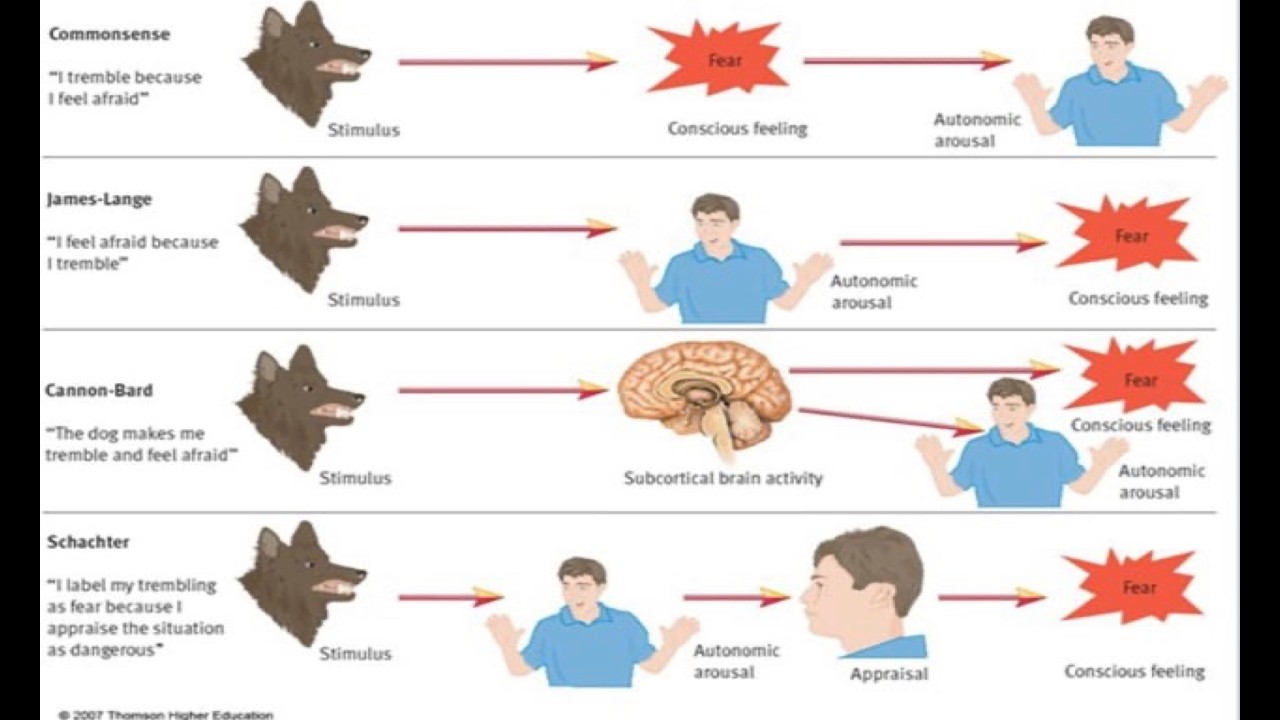



The amygdala serves as the central neural structure for processing fear and emotional responses, with fear conditioning demonstrating that emotional stimuli follow two pathways to the amygdala: a fast 'low road' from sensory thalamus directly to the lateral nucleus, and a slower 'high road' through primary sensory cortex, where the lateral nucleus receives convergent input from conditioned and unconditioned stimuli before projecting to the central nucleus to produce autonomic and behavioral fear responses.
Neurobiology of Emotion & Stress: The Amygdala & Fear Circuitry
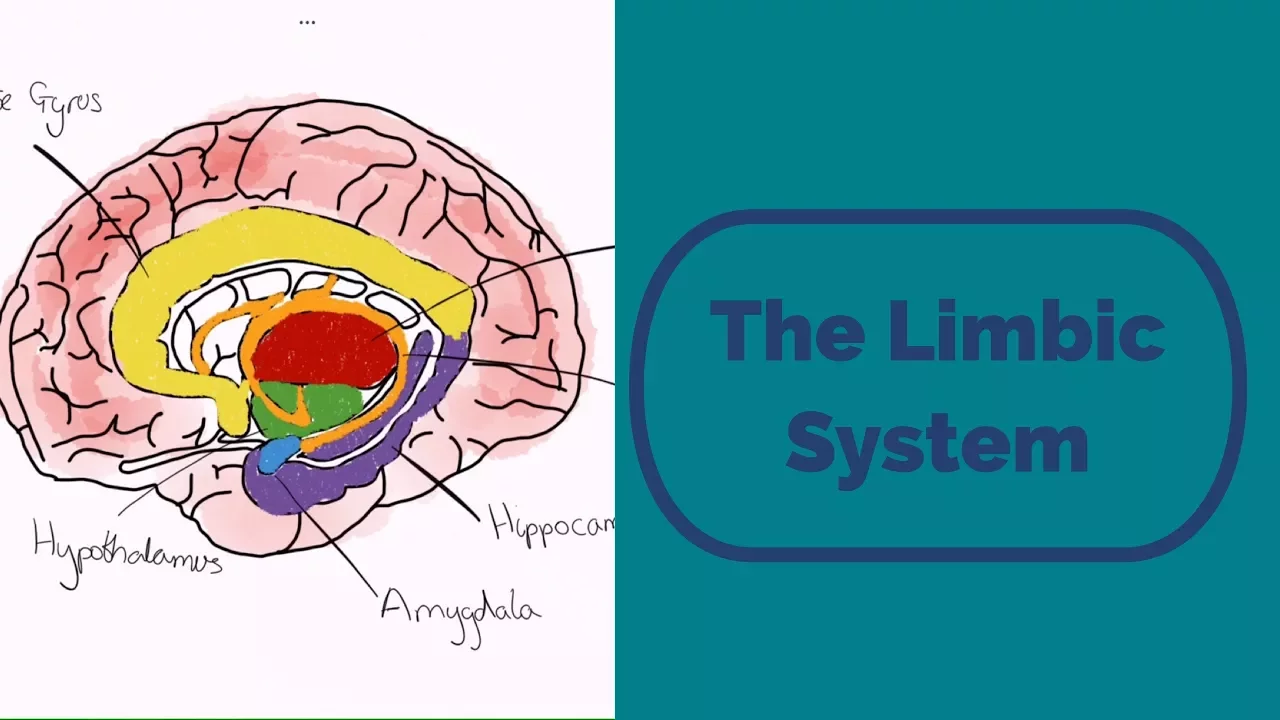
Added:Basic neuroanatomy, specifically the structure and general function of the limbic system.
Fundamental principles of classical conditioning (Pavlovian learning), including conditioned and unconditioned stimuli.
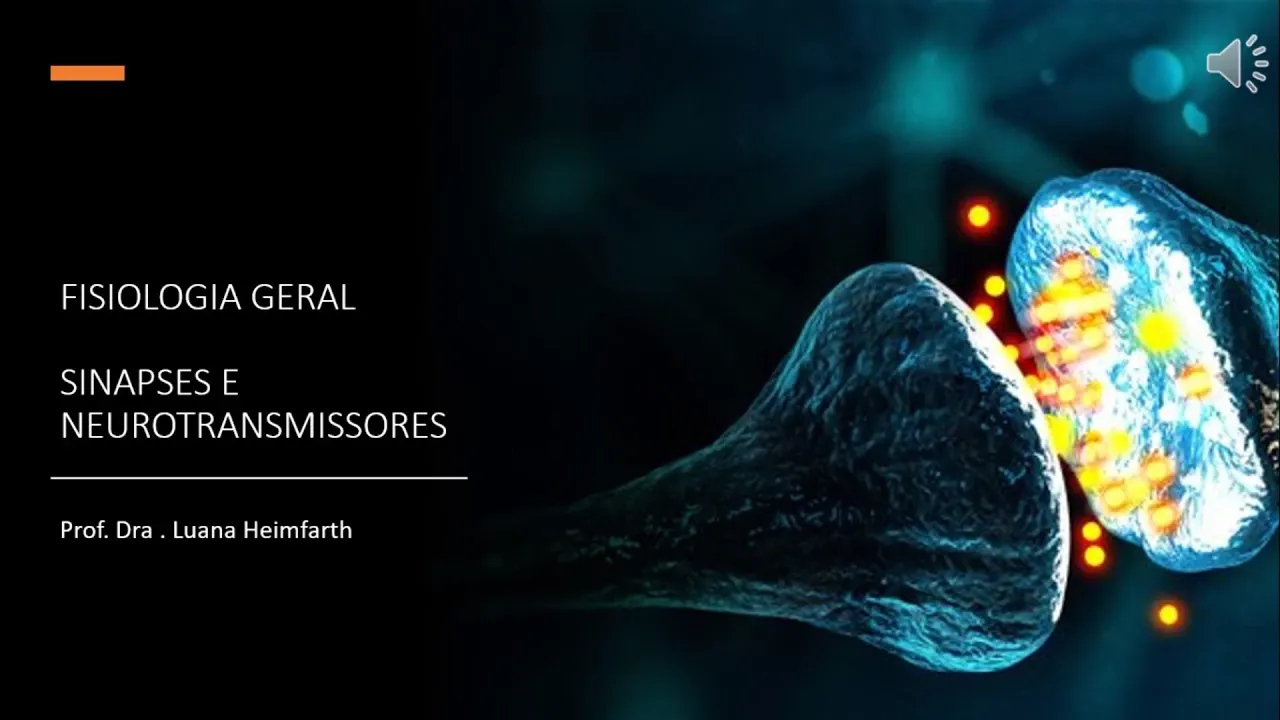
The basic mechanics of synaptic transmission and how neural circuits communicate.
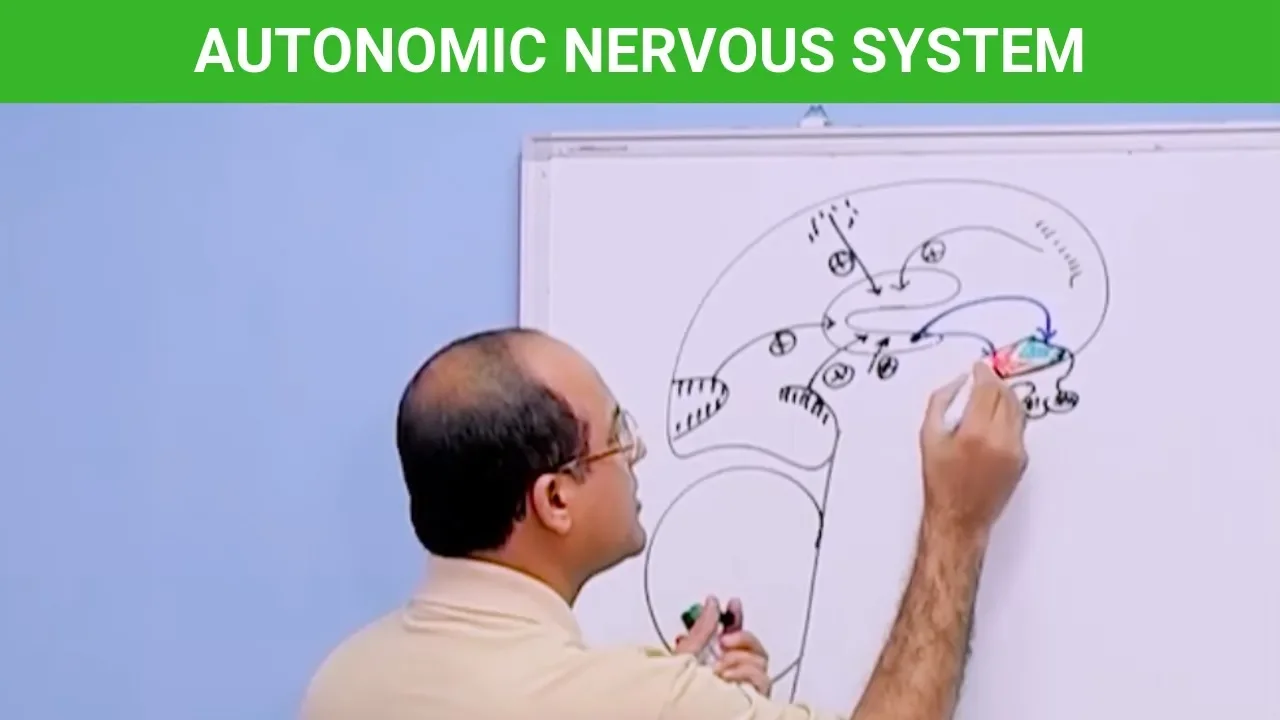
An introductory understanding of the autonomic nervous system, particularly the fight-or-flight response.
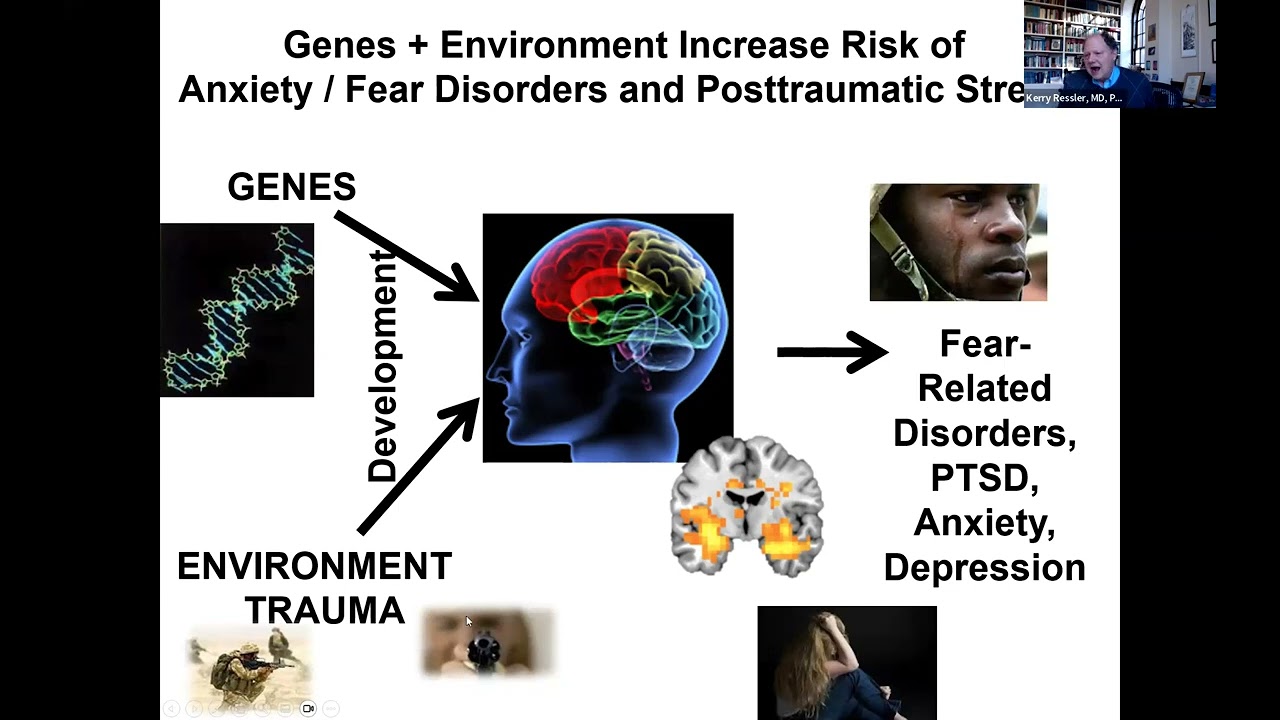
The clinical implications of fear circuitry dysregulation, such as in Post-Traumatic Stress Disorder (PTSD) and anxiety disorders.
The neural mechanisms of fear extinction and how they relate to cognitive behavioral therapies like exposure therapy.
Advanced cognitive theories of emotion, such as the Schachter-Singer Two-Factor theory and the theory of constructed emotion.
The impact of chronic stress and cortisol on neuroplasticity, specifically within the amygdala, hippocampus, and prefrontal cortex.
76.7K views1.4Klikes1:09:33Original Release: 2013-01-04
all right why don't we get started so um moving on to a new topic today which is another form of cognitive memory um emotions um and I want to start a little bit with the history of the study of emotions and one of the first um philosopher psychologist to address um the question of emotion was mil William James back in 1884 he wrote a paper called what is an emotion and he asked a simple question that question was do we run from a bear because we're afraid or are we afraid because we run and this was really based on his idea that emotions are part of a reflex so we talked about reflexes before just the knee reflex that we talked about the stretch reflex and those are sensory inputs that come in through the spinal cord and then just go out automatically and um automatically make some sort of movement um his idea was well those seem to be very very ingrain types of responses maybe it's just elaborated just a little bit more even when we get up to the level of emotions so his idea was a emotional stimulus like a bear okay will C automatically cause you to start running and to start sweating and for your stomach to start hurting and then your other sensory systems kick in later and say hey I'm running I'm sweating my stomach HT it's hurting I must be afraid of something and then you look around and you see this guy and say okay I'm afraid of a bear so maybe not the most maybe not how you might think about about it but remember this was very early days and um you could also get a different kind of emotion from uh other pictures coming in um maybe a more relaxed uh uh feeling happy feeling and um uh and the idea was you get this uh picture coming in it would relax you you'd be happy and then you would notice that about yourself you say oh I'm in a good mood okay so here is the very simple brain circuit that William James proposed and this is exactly what I just said so emotional stimuli come in and they're processed by sensory cortex we know that they knew that way back then but it's immediately sent to motor cortex either the running areas if it's this kind of stimulus or you know just the happy relaxation areas um if it's this stimulus um and the motor cortex then uh um allows us to do various bily responses running away or relaxing those bodily responses are then sensed by the sensory cortex and then that is how the actual feeling comes about that was the idea of Williams James another um um really a neurophysiologist came along um Walter Canon this again was at the turn of the century around 1900 um and Canon disagreed with this um circuit for a number of different reasons first he said that many emotional situations produce the same kind of bodily emotional responses so you could be scared of a bear or you could be nervous about a test and you have the same kind of responses you have sweaty Palms um you know if you feel like running away um you have a stomach ache and um you really cannot differentiate from just the bodily output all the wide range of emotions that we really have and I should say that uh Walter Cannon's specialty was um studying the body in crisis and in particular he was one of the first to identify what we talked about at the very beginning of the class the autonomic nervous system remember the autonomic nervous system this comes from the slide the corrected slide um I think from our second lecture um made up of autonomic nervous system made up of the sympathetic and parasympathetic um subdivisions where the sympathetic subdivision is that uh fight or flight that weekday system that will allow you to run away and and protect yourself from things that are dangerous and the parasympathetic system is doing kind of the opposite on the same kinds of organs instead of taking blood away from your stomach so you're nervous uh in this fight flight or fight uh situation the Paras sythetic gives um uh blood to the stomach so you can rest and digest a relaxation kind of system Walter Cannon was focused on the sympathetic nervous system and what happens to the body in crisis and again his observation was in crisis you had the same exact types of bodily responses so that this circuit here um really would not be good at differentiating all the different feelings if all it was working on was uh the outp put from the um sympathetic nervous system the output of the bodily responses okay so that's the first reason he disagreed with James second he said wait a second you think about it for a second I don't have to start running to be fa scared of that bear I become scared of that bear as soon as I see it okay so you because you already feel the emotion sometimes well before the stress and the bodily responses before your stomach starts hurting um that also suggests that his uh that James's original circuit may not be right and third um they already knew that emotion in terms of Rage um did not depend on the cerebral cortex because you can elicit what's called sham rage so sham rage um was discovered when they did um they they damaged the cortex they actually cut off the cortex to see what the animal could still do and with just slight stimulation you could elicit a rage like respones animals would hiss and and start to attack anything and they called this sham rage that you would see without the cortex and this type of emotion sham rage is what Walter Cannon and his um colleague Bard um decided to look at they wanted to understand the neural basis of this sham rage okay um and so here's what they did here is what type of cut is this in the brain sagittal very good okay what is this structure right here say one more time this structure it's a white matter bundle Corpus colossum great here is the thalamus in the middle and here is the hypothalamus so here's what they did in experim experimental animals they cut off all of this cortex and they observed in these animals they they you know they can still survive and they definitely exhibited sham rage okay so sham rage again just with a small provocation you can get this very um um uh um emotional rage likee responses with hissing and spitting and fighting but then they did another experiment and they made made this cut second line and they found animals could still walk around and and um do some sorts of functions but no more shammer Age and what they concluded was that the key area to elicit these types of very emotional responses that needed to be intact was this area right here that is shaded in the hypothalamus so this was one of the first experiments to ident identify the hypothalamus is an area that is um involved in this kind of Crisis um um autonomic sympathetic types of responses um this was the area uh uh involved in all the hissing all of the fighting all of the um uh rage emotion that was seen in this abnormal situation sham rage but but uh still very important uh experiments in this evolution of our understanding of the brain area important important for emotion of course focusing on rage as an emotion so Kenan and Bard um focusing on the hypothalamus proposed a slightly different circuit okay and again um think about this in the same way as we thought about the um and we went over the evolution of how we thought declarative memory memory for facts and events might be um processed first we thought it was all over the cortex um uh Lashley told us that it was um the more the cortex was intact the more memories that you had and and just the larger amount of Cortex you damaged um uh the larger the memory impairment and then of course we had hm that really focused it in and then we had the uh animal studies that then focused it in even more onto those key structures hippocampus ental peronal this is the same process we're going through now just for the emotional system so with the data from Canon and Bard they suggested that again emotional stimuli bear or happy elephant coming in processed by the thalamus they knew at this point that Thalamus is process the major processes um Center for all sensory input as as we learned in this class um but uh that it goes through two different Roots um um the the basic kind of sensory information goes through the cortex and uh the hypothalamus um processes this this information and not only um they proposed gives output the appropriate bodily output the sympathetic nervous system crisis output but it can also project back to the cortex to combine with the sensory information and that creates the feeling okay but they really highlighted the importance of the hypothalamus okay I should say that at this time again in the early 19 um uh 20s 30s at the most um uh these some of these connections were um known uh particularly these sensory inputs into the phalus and thalmus to Cortex but a lot of these other ones were just being guessed at so this was a hypothesis based on their experiments and just identification of this area that really seemed to be important okay oh so sorry and this shows um this area uh this projection from thalmus to Cortex is processing information about what the stimulus is ah this is a bear I recognize the bear and this uh um pathway here was proposed to process the emotional significance of the stimulus this is an angry bear this is bad this should be very very scary okay so that's the information coming through here now um the next stage along the line was a um neuroanatomist named papes has anybody heard of the papes circuit in class this is a very famous circuit um and papes was influenced very strongly by a neuroanatomist named herck okay so herck was a comparative neuron anatomist and looked at the brain structure of lots of different species and said that um so again we're looking on the medial surface of the brain just like we were looking here um just like we were looking here this is a larger human representation and what herck um argued is that this medial surface of the brain that includes the singulate gyrus as part of the cortex here's the Corpus Clum right here he didn't talk about the Corpus Clum but he focused on the singular gyrus the hippocampal gyrus including the hippocampus the mammilary bodies and the hypothalamus um all of these areas he argued were evolutionarily old because emotions you have to have emot you have to be scared and and run away from things to keep yourself safe and that these were the areas that were evolutionarily spared because emotions are are things that that all organisms share and basic emotions and um he also was influenced by a um uh um neurologist Paul broka that we'll talk about in the language section of the class who um named this part of the brain um um l L Lim lmek means Rim he thought it was the similar to it looked like the similar uh it looked similar to a rim of a tennis racket okay so papes um um kind of jumped on both the idea that these were evolutionarily old might be important for basic kinds of functions like emotion and that um this was uh called the the limic lobe by broka and he proposed What's called the papes circuit focusing on the areas this was in 1937 so here now you can see uh the same emotional stimulus is still coming into the thalamus but now we've expanded out to not include just the hypothalamus which papes uh appreciated from the work of Canon and Bard but the entire lyic lobe Illustrated here um did he know that all these things had Direct connections no but they were all evolutionarily old and thought to be involved in the same types of processes so he inferred that these areas probably were connected to each other okay so here is is the newest instantiation still you have the basics Thalamus going up to sensory cortex but now all the emotions are being processed by the cortical part of this papes circuit the limbic Circuit by the singulate lobe uh singulate uh cortex Thalamus um um the sensory information from the thalamus goes directly to the hypothalamus that gets processed here hypo alus as usual goes out and gives us our bodily responses and then this processing through here is uh giving us uh the the feelings the emotions that we feel through this evolutionarily old conserved part of um the limic lobe again proposed by papes okay now 1937 papes proposed this paper it was it was an okay uh uh paper we're going to come back to who kind of resurrected this idea but it was um a a uh paper that was uh um had some uh influence at the time 1937 was also a big year for the discovery of yet other um aspects of emotion and this was a syndrome called The Clover Bucy syndrome two guys clu and Bucy were very interested in psychoactive drugs they were trying to figure out um what parts of the brain were were active when you were experien in these psychoactive um you know uh experiences so LSD and all these different things they say that they de a lot of self experimentation in these drugs but in the process they looked at um the effects of lesions on different parts of the brain and what they identified was something quite striking what they ended up doing was um um the entire temporal lobe would be removed in animals to see what would happen and again this is uh 1937 s um same kind of experimental surgery that I talked about for William Scoville not doing this in animals but doing it in people to try and improve things like schizophrenia manic depressive disorder and epilepsy as we talked about for hm clu abuse he did the same things in animals and they noticed something very very striking when you moved both temporal loes um the animals started acting very very odd um they had hyper oral Tendencies what is that mean they put everything in their mouth okay everything they explored everything in their world with their mouth they became hypersexual trying to copulate with anything animate inanimate female male anything that would move basically um change in dietary habits so um monkeys that are not carnivores would start eating raw meat just put it in their mouth they just eat it just part of their hyper oral Tendencies also um monkeys in particular that they were uh looking at have they're they're wild from from the wild they have certain kinds of uh responses especially the male monkeys are quite aggressive for anybody that comes in the room they will they will come up and if you co approach their cage they will take that as a threat and they will threaten you back after this um bilateral damage to the temporal lobe the monkeys became completely just laid back it's okay come up to the cage no problem at all now the other thing about animals and and monkeys in particular is they have certain animals that they have innate fear to snakes we have the same innate fear to snakes so if you show them a real or a rubber snake they will go crazy now after this bilateral Temple lobe damage you show them a rubber snake they put it in their mouth okay so clearly something a little bit off here um they called this syndrome psychic blindness so they knew the animals could see just fine but it was psychic blindess they they didn't seem to understand the meaning of these objects anymore they had to put them in their mouths to kind of explore them in a more uh in a deeper way and they ate indiscriminately um again food objects non- food objects they tried and mouth it and and swallowed if they could so clearly um and and they they took this as a a completely a big change in the kind of emotional uh life of these animals particularly uh the hypersexual uh behavior and um the the lack of threatening anymore after this um um operation was done so these studies uh clearly identified the temporal lobe as an area and that was included in the Pape circuit but they added in particular um emphasis on the hippocampus and the amydala as areas of emotional significance that they said okay I think that hippocampus and the amigdala are really important for emotional types of um uh uh information processing emotional remember this is 1937 again CL and buy um their their first descriptions were also published in 1937 Now we move yeah oh did you have a question yes Psy okay so yeah they she asked whether they gave the animal psychiatric drugs after they removed their brains uh their temporal loes and the answer was no um so those were kind of I had the feeling from reading the papers that they did a lot of the uh drug testing on themselves and they did the you know lesion studies on the animals so um uh so no that it wasn't done at the same time okay but now we get up to 1949 194 49 was uh um remarkable because of the publication of a very very influential paper by mle and he is now known as the great synthesizer what he basically did is he took exactly pape's circuit and added stronger evidence really con convincing evidence at the time that really showed that in fact these areas did have a lot of evidence for being involved in emotional processing what was that evidence the evidence included um um information like um uh they knew that certain epileptic fosi started around the hippocampus and that um um the aura that these people got right before their um their seizures was rage they got very very angry and he said aha hippocampus therefore is part of the this rage circuit because of this abnormal response and we think that the uh uh area is um this the um this area is involved um there were also um individual case study reports of tumors in the singulate gyrus that would cause uh um uh psychiatric problems in in in the patients these were all single case studies so this is this is a difficulty I uh I based my entire last two lectures basically on what we know from a single case study patient hm of course that finding was reproduced in animal studies but for a long time it was the single case study nobody could do it again because it was so devastating that turned out to be true and we turned out to be able to learn many many principles that have been now reproduced over and over and over here is a case where mlan also gave a a number of uh single case studies examples to support the idea that these areas were all um synthesizing emotional information and that these areas were the emotional circuit turns out he was wrong but you read the paper and it's very very convincing he was able to gather these individual case studies and this is a good example of why case studies can be wrong um single case studies and um how do you know whether they're right or wrong you don't single case studies are dangerous there's only one of them you really need to be careful and back them up with um um with either experimental evidence or more case studies that are also consistent with it but McLean uh again was very convincing and brought back the Pape circuit from virtual obscurity to um um put it on the Forefront as identifying it as the um circuit involved in processing emotional stimuli in the brain so here is the circuit Pape circuit again um Modified by McAn um same thing he just added the amydala in here just shoved it in here and um uh and but the same kind of circuit this is the same diagram I showed for papes now the problem was mlan got a little bit carried away and not only did he include the amydala in here because of the clu buy studies but every case study that had some sort of emotional process he started adding and adding structures to this list until the lyic lobe became the the the limic circuit and the emotional circuit became so big it was unwieldly un wieldy mlan again this is 1949 what happened in 1957 anybody remember Big Year hm hm happened in 1957 and that showed us um in a very convincing way that bilateral damage um to the hippocampus that they were emphasizing at that time um did not produce overt emotional problems in hm but obviously a profound memory deficit and then this whole Olympic circuit got got kind of thrown not thrown out the window but but um um questioned at a deep level so we could ask ourselves at that time 1957 so um mlan was Flying high in 1949 very influential paper he seemed to have a lot of evidence but we had this other case study that was seemed to be very well um um controlled very well described still a single case study um but uh actually I should mention I didn't tell you this uh at the first uh in the first couple of lectures but one of the reasons why that paper 1957 was so um influential was that while they focused on patient hm they actually described a total of 10 patients most of the other patients were neuros psychiatric patients where they had done either um um larger or smaller medial temperal low bilateral or unilateral reections and um so all of them showed that taken together all 10 subjects showed that the larger the extent of the hippocampal damage the more the higher impairment the the more severe impairment that you had and of course hm had had the most medial temporal L and most hippocampus taken out bilaterally so um I don't mean to I don't want to be uh imp prise in calling that paper 1957 a single case study because there were in fact were 10 subjects in that study hm was the easiest to test because all the rest of them suffered from neuros Psychiatric diseases but they were all most of them were tested on the cognitive and memory tasks uh before and after their surgeries and um they all were consistent with this idea that the the extent of hipocampal damage caused the extent of memory impairment so uh that does contrast with mcan's uh evidence that all came from literally single case studies okay so now we're at 1957 and we get asked what's wrong with the limic system uh theory proposed by this uh kind of series of um neuron animists and um neuroscientists um one was the limic system had never been satisfactorily defined people come around and they say oh I have this emotional finding here I have this emotional finding here so just gets added to the list that is not a reasoned uh way or or um a strong rationale to add something to a brain system second the system was proposed to be an emotional and not a cognitive system but later research showed that a major lyic area supposed to be lyic area the hippoc campus is crucially involved in cognitive memory so this was the problem of 1957 and hm and all of those studies three most laries have not been implicated in Emotion that is a biggie okay so as evidence uh uh as as time went by you you'd hope to gather evidence for a theory like this that in fact yes there's lots of uh um emotional problems with damage here damage here and damage here damage here um clearly everybody uh everybody agreed that this was a motor output to bodily responses but that wasn't the argument what is the areas kind of underlying actual feelings and that was um the uh kind of uh one of the crushing blows that most of these areas were not implicated in Emotion as evidence accumulated um and the fourth problem was that in attempting to explain all emotions at once it explained no emotions very well okay so so that was the uh uh study of the emotional brain preh hm pre9 uh 57 now what is the kind of modern study of emotion and the mo modern study of emotion focuses on one structure and it was to their credit they had identified it clu and buy uh it was one of the structures that they were uh that they identified and that is the amydala okay and uh we turn to 1957 and the study of hm as the kind of modern the start of the modern study of our understanding of declarative memory we turn to 1961 in a study done by Downer this is all done in um monkeys um to first show and identify clearly for the first time that the amydala is important for processing um emotional stimuli so what did they do so what we're doing what we're looking at here is a top down view of the two halves of a monkey's hemisphere um here's the Corpus colossum going through here the left hemisphere and the right hemisphere here's the optic kaym and here's his two little eyes looking out this way okay and so what Downer did is he did a um uh splitting of the Corpus colum and he also split the optic kaym now you should all understand what that means that means that um um information if you only give information to this eye it's not crossing over and only those uh fibers that are going on the ipsilateral side are getting through so this eye is only seen um sorry uh information from this eye is only processed on this side of the brain and information from this eye is only processed on this side of the brain so you can block this eye off and you know that all visual information will only be processed on this side of the brain okay next they made an amygdala lesion it wasn't a selective one it was just uh damaged to the anterior part of the temporal lobe and what they ended up doing is is um um showing animals stimuli to one eye or the other okay so let's ask what happens so also we're going to block off so we can show uh stimuli to only one eye or the other so you tell me what happens what does the animal do when he sees this what he gets scared but where what part of what side of the brain is this image processed on this side there's no reaction he tries to go and kiss the snake Okay same animal let's show it this side he freaks out okay so everybody get that we can control what side of the brain is seeing these visual images and this side of the brain has an igdal illusion and this side of the brain does not and you can see that the um if you show an emotional stimulus to this side of the uh visual field that goes to this side of the brain the animals like a big deal snake fighting somebody I don't care but the same exact stimulus shown to the same exact monkey in the other hemisphere where the amydala is intact causes freak out major freak out like you and I would be freaked out if we actually saw this picture in real life yes um they did uh the main one they tested was fear but they also tested it with um kind of food stuff so um seeing uh um abnormal food on this side would um cause them to mouth it or eat it in appropriately and they would have normal reactions um seen food on this side but the main Focus was on uh responses to these clearly emotional stimuli where every single monkey in the colony will have a freak out if they see this and then you show it to the side of the monkey's brain and he's he's just fine okay so this was a reproduction of the cluver Bucy syndrome in a much more this is not just a whole temporal lob section this is much more selective for the anterior temporal lobe focused on the amydala yes yes um they yeah and I mean it's uh it's simpler just to do this small little lesion it was one of the possible substrates for um uh for this emotional circuit and so some you know by chance somebody will say oh let's just look at this one and see how how good it is and he got a very very striking result so yes yes yeah yeah that's a good uh that's a good question we're going to talk about if we get time human studies where um they have unilateral amygdala lesions and they still have impairment on fear types of of tasks so um but probably not nearly as severe as as if you had bilateral Amal leion so this animal if they didn't cut the Corpus kosum and cut the optic kaym um or split the optic kaym would probably have partially impaired responses but partially you know not nearly as bad as those clue vercy animals yeah any other questions okay great okay so now finally modern study of emotion we are focused here on the amydala and here just just remind reminds you that the purple amydala right here sits right in front of the anterior part of the hippocampus in the front of the um uh antier part of the temporal lobe here's the hippocampus here's the tail the fornex coming up around of the hippocampus but again we're focused on the amydala the amydala means almond uh the amydala is an almond shaped structure you have two one in the right hemisphere temporal lobe and one in the left um temporal lobe okay and here is another nice view uh of the human uh amydala if we take a uh here's an fmri representation of the surface of the brain we're taking a coronal section right here and this is what the brain looks like here's the amydala on this side and this side here is the cadate nucleus paman Globus paladis here here's the ventricles right here this is the lateral sulcus this sulcus right here um so the amydala uh blown up is here and you see different subdivisions we're going to be talking about the different subdivisions of the amydala later and what those uh roles of those individual subdivisions are and here is an MRI um um um representation of what you would see from an MRI of the migdala um again on both sides and same location this is the coded up here here's the ventricles in black and here's the paman Globus paladis right there okay so a modern approach to emotional brain is one that we've taken to look at one specific emotion at a time and the favorite emotion of emotional neuroscientists is fear why fear well it's raw it's Primal and it's evolutionarily conserved so it's true what her said that there are certain parts of the brain that are conserved and and all processes kind of raw fear response that's critical for your survival everybody from uh everybody every species from a noot to a human has these kinds of fear responses two uh it is as I said a universal survival mechanism not surprising that there are fear circuits in every species including flies I should say there's a nice slide coming up about all the different species in which fear has been studied three um fear is also very interesting because it is the root of many emotions and emotional disorders emotional disorders like phobias post-traumatic stress disorder which is a huge issue right now with um the war and um uh soldiers coming back from from the war most of them coming back have some form of post-traumatic stress disorder how do we cure these people of this disorder we'll talk about that a little bit panic disorders anxiety disorders obsessive compulsive disorders paranoid States and emotional components of diseases all involved in this emotional fear system so if we can understand the circuit understand how it works and the um uh both the uh brain areas involved the circuits involved the neurotransmitters involved we might have a chance of actually going in and modifying that to actually cure these very widespread diseases okay now how are you going to study fear in the lab in an animal for that we turn back to our old friend pavlof and his dog we're we talked about um um conditioning the dog and the and the um Bell and salivation conditioning that we said was dependent on the cerebellum that is true but once you add fear to this Paradigm you um you involve the amydala and it becomes a very precise way to look at um um fear learning in a wide range of animal systems okay so here is how oh add this here is how we study fear in animals and this same Paradigm can be used for lots of different uh species including humans oops okay okay so you have a rat in a box and you just play tone to him not doing anything he orients to the tone and you get the animal used to the tone so there's the sound not a very pretty sound okay then what you do is you pair that sound so you get the animal used to the sound he's fine with the sound big deal he's just walking around the sound doesn't bother him but then you do a mean trick you pair the sound with a foot a foot shock okay so this floor has electrical current coming through it and so uh when the sound is played you actually give him a foot shock and and the sound and the foot shock are coming together so what happens he learns to fear the sound because the sound now protects the foot shock and so you can test this later you don't give him the foot chop but you only um play him the sound again and what he does to the sound is he shows fear he freezes so um that deer in the headlights kind of look that that humans give rats give that too that's called freezing and you could measure freezing you can measure blood pressure blood pressure goes up um uh you could measure stress hormones that will also go up so you can show that before before there was no stress response to the sound sound was just fine you got used to it sound was fine but after this fear learning this fear conditioning Paradigm you get a um uh fear response to this sound that is a a a very powerful Paradigm of emotional learning what's happening what are the effects of a tone before and after fear conditioning so as I said before fear conditioning tone has no effect phys ological effect your sympathetic nervous system is not engaged at all it's just a sensory stimulus comes in big deal but after fear conditioning the tone becomes a fearful stimulus and that tone alone can elicit What's called the conditioned fear response so the tone will elicit Fe freezing mus muscle tension increases in blood pressure heart rate and respiration and release of stress hormones okay all because of the specific pairing now I I want to uh make sure that you are familiar with these terms you must learn these terms um associated with fear conditioning um the first is the unconditioned stimulus the unconditioned stimulus is a stimulus that you don't have to um teach the animal anything to have a typical kind of response so the unconditioned stimulus here is the shock so everybody body will have a negative reaction to shocks nobody likes shocks and the unconditioned response the natural response to the shock is freezing okay and the condition stimulus is the stimulus that is initially neutral but becomes imbued with fear so the condition stimulus in this Paradigm is the tone okay and um uh so again uh the uh tone is played alone no problems and there's no um um very little freezing here uh there's lots of freezing to the tone of course when he's getting the shock and then there's equal amounts of freezing to the tone alone even when he's not getting the shock um um after the uh tone shock Association has been learned yes how many times does it take to elicit fear that's a very good example and the answer is it depends how hard you shock the animal if you give them a really big shock only once and it'll literally last a l rat's lifetime if it's smaller it'll take multiple repetitions but generally um this fear system is a much faster learner than the declarative memory system and it lasts a much longer time so imagine I mean can anybody remember something that scared them and that still scares them today that it's like hard to get rid of that scary scary feeling that is your amus system working and the reason why it stays with you so long is because it's a different system from the hippocampal system the hippoc cample system yeah I could remember whatever last week's lecture but um I may not remember it as much as either a really really emotionally bad event or a really really emotionally good event uh both those things are processed by the amigdala what if you have retrograde amnesia retrograde amnesia so so that's a really good question does retrograde amnesia that is um um memory impairment associated with a hippocampal uh lesion affects your fear system and the answer is um no the hippocampus the amydala um uh is uh thought to be not only uh the uh um important for encoding new fear memories but uh also the storage place of fear memories as well so they're separate systems and we're going to talk about that in a second okay fear conditioning each no us Ur Cs and okay so here are some species that exhibit fear conditioning look at all of these fruit flies you can you can um you can fear condition fruit flies with a smell shock Association and it's a really good smell the Flies usually like it but you associate that smell with the shock and those flies will fly away okay cats baboons humans dogs mcats rabbits lizards rats even fish even a slug will elicit will will exhibit fear conditioning okay and this is great because we can do parallel studies in rats we can do it in humans and so now um I just want to give you a quick demo of how we might do this in humans can I get a volunteer a brave volunteer I promise you will not get hurt all right come on up okay if you can stand up here right here and if you can put your hand on the table just like that okay this is my tool and this is the fear okay okay so fear conditioning is associating a neutral stimulus you have to keep your hand on the table Associated neutral stimulus with a fearful response okay okay so your neutral stimulus are colors okay so one of the colors that I'm going to say is going to be associated with a fearful stimulus okay but I'm going to tell you what color it is okay so if you can close your eyes I'm just going to start saying colors okay blue red green yellow purple chart Tru can't think of any more colors uh lavender green you're good yellow orange purple green okay so what what was the association so I guess I should I mean I think you got closer I I told you I mean this is a this is a non um non-con uh experiment so um but the funny thing is that there's this really big sweat Mark where her hand was so even though she did not move there was clearly and that's exactly what we measure we measure actually in humans a um a galvanic skin response and that basically is is the sweating and so uh before if I if I you know before I told you what the experiment is and I measured your galvanic skin response to just colors you would have no response but by the end of that um that sweat was coming out in anticipation of my say green so thank you very much okay so that is how um um that that's how um you could you can test fear in humans now here's a little test for you um let's say what is your name Lauren Lauren let's say Lauren has a hippocampal lesion okay and um but not an amydala lesion she has bilateral lesions to the hippocampus peronal parahippocampal ental cortex that whole area but your your amigdalas are fine okay okay so what would happen she she did this she did this experiment and um what would her answer what would your answer be to the question um what is the association that I taught you right now you wouldn't know because you would have memory would you sweat you would sweat because you had your amydala and your amydala is connected up to the hypothalamus that has responses to your sweat glands um let's say you had the opposite lesion you had an amydala lesion but you had an intact hippocampus okay what would you um would you sweat when I did this experiment with you no you wouldn't sweat but would you able would be would you be able to tell me what was happening during the experiment yes so so if she had bilateral amydala lesions she would be able to say oh you hit the table with that hammer every time you said green and then you'd say were you scared and they'd say no and you'd look at their skin response compared to normal they would not have a skin response because the amydala is the structure that has the key connection to those subcortical structures okay does everybody get that there is a clear double dissociation between the types of memory and the types of learning that the hippocampus does and the amydala does you need to understand the difference between those two okay any questions about that what if you're a natural sweater that's good that they're always sweaty but you would be even more sweaty if you were up here okay so so that that's taking care of we have Baseline sweat measurements so you would be yeah you'd be fine okay so here uh so now I want to uh talk about uh in more detail the the um flow of information um from the emotional s we've been talking kind of vaguely about emotional stimuli coming into the brain um and where exactly does it go and how exactly does it get processed by the amydala so here's something that happens you're walking down the woods and you see something really scary um a snake uh that visual information comes comes through your visual cortex the visual Thalamus and um eventually gets the level of the Amiga and the amydala um produces uh helps produce the fear response that gets your muscles going and your heart rate up um and and uh gives you that danger sign that gets you away from this potentially life-threatening situation what are those Pathways that are critical here is a very simplified version of how we know that that fearful information is getting to the amydala okay so again emotional Ulus the bear the snake um anything emotional still comes through the sensory Thalamus this could be either a um visual emotional stimulus like a picture of a bear picture of a snake or a real life snake or um an auditory emotional stimulus just that that snake um uh could could elicit fear um so um uh either sensory or multiple sensory modalities have these kinds of path ways so how does this information get to the amydala um Joe Leo a very very famous emotional uh neuroscientist um not emotional neuroscientist he's he studies emotion he's a neuroscientist that studies emotion um um identified these two key Pathways that emotional stimuli take to get the amydala he calls it the low road and the high road what is the low road the low road is the fast dirty quick way to get any kind of stimulus that could possibly be um uh dangerous to the amydala and that is a direct projection from the sensory thalmus directly to the Amiga this is quick it's fast in terms of low numbers of synapses and low response times to get to the amigdala but it's dirty because you don't have all of the elaborate processing of visual or auditory information that you might get it's just at the level of the phalus so you you learned uh kind of lowlevel Vision that the lgn and um also the auditory thalamus do that kind of information uh still can be recognized as dangerous versus non-dangerous emotional versus non-emotional and that can be projected to the igula where um you get the motor output the fleeing response the migla is the structure that is activating the um the autonomic nervous system the sympathetic nervous system okay now the second pathway here's the quick and dirty pathway the second pathway is the um um um um slow but accurate pathway and that pathway goes through primary sensory cortex primary auditory cortex primary visual cortex there are multiple uh synapses before that information can get to the Amiga it still gets there but it's much slower but it gives you um more information so you might see you might think uh first there um a stimulus here is a snake you might start running but then you look a little bit closer or just a few uh uh hundreds of milliseconds later you realize actually it's not a stick it's not a snake it's a stick okay but you want to have that possibility of recognizing a potentially dangerous um visual or auditory stimulus quick and that's why um uh you have uh that's that's how this quick and dirty pathway Works um but this provides uh more detailed information that so you can get the Fuller picture from a sensory point of view okay so that's how General emotional information sensory emotional stimuli get to the amydala but what I want to um focus on next is um this actual pathway so we not only know how emotional stimuli get in but we've worked out the precise pathway that um is involved in fear conditioning in this kind of tone shock fear conditioning that is so widely studied in um the rodent and so let's look at that um before I do that let me just give you a a a overview of these um brain areas within the amydala so the amydala is one almond shaped structure but like many of the structures the hippocampus has multiple subdivisions we really didn't go over it but it does I just wanted to show you the uh the complexity of the amydala here I'm outlining here the amygdala and some of the key nuclei the lateral nucleus is here the basil nucleus the accessory basil nucleus and the central nucleus the two nuclei that I want you to learn and I want to focus on are one the lateral nucleus and two the central nucleus here oops oh it's not working okay here's the lateral nucleus you can see a LD up for a second lateral nucle is the major input receiving structure of the amydala that is where sensory information is coming into the amydala lateral nucleus projects to the central nucleus Central nucleus is not the input structure it is the output structure this is the nucleus these neurons here have direct projections to the hypothalamus that activate freezing changes in blood pressure changes in heart rate and changes in stress hormones also controlled by the hypothalamus remember that chapter we we talked about all of those intricate feedback mechanisms from the hypothalamus to the um um um pituitary gland and then out through the rest of the body that uh here's one nucleus in the brain the central nucleus of the igula that is helping to control those um those uh um hypothalamic structures okay and and so now after introducing that so you can actually have a a view of this uh let me just say one more word this is a coronal section through a rat brain and all of these cells are um you the little dots are cell bodies stained by nissle stain we looked at a nissle stain before and so that's what you're looking at you're a big blowup view humongous view of the Rat amydala and there's lots of similarities um oops okay it doesn't let me go um to the human Amiga the same subdivisions are in the human Amiga as in the rat Amiga okay so here is a slide that I want you to know um we are looking at uh the same kind of Pathways um the high road and the low road um um but expanded out and we're going to look through the Cs pathway the conditioned stimulus pathway what was the condition stimulus again the tone thank you thank you very much excellent um the unconditioned stimulus pathway what was the unconditioned stimulus that stimulus that gives an natural response the shock and then the conditioned response pathway is um it's the response pathway that is activated from the condition stimulus so once the condition stimulus gets associated with that pathway the response is now called the conditioned response Okay so CS conditioned uh stimulus this is the tone the tone is coming through the auditory Thalamus now you're going to fill in all the details you know about the auditory system before we get to the auditory Thalamus so so you know this from our auditory system but um what we'll focus on here is the auditory Thalamus as you know projects to primary auditory cortex here is the fast the quick and dirty pathway auditory thalmus directly to the Amiga not just to any part of them amula but to the lateral nucleus the input structure um it lateral nucleus also gets the more highly process information from auditory cortex to other processing areas that this is just represents the uh more uh detailed processed auditory information La is a critical point in the amydala because it is receiving convergent input both from the condition stimulus and and the unconditioned stimulus the unconditioned stimulus was our shock or is our shock shock is going through the somata sensory Thalamus and it also has two Pathways a quick and dirty hey this is bad this is a shock we're also going to the lateral nucleus and it has a more refined pathway through a primary stomat sensory cortex that also goes to the lateral nucleus but individual neurons within the lateral nucleus are uh receiving uh convergent input put from the tone and the shock this is where the association between the tone and the shock is taking place on individual neurons in the lateral nucleus okay now the lateral nucleus as I said projects to that other little nucleus right next door the central nucleus it's a very small nucleus within the migla it's the central nucleus that then projects out neurons here project out to um uh different uh um hypothalamic areas involved in freezing blood pressure hormones you don't need to know these areas just know the central nucleus projects to the hypothalamus and elicits all of these bodily responses associated with that fear response freezing uh increased heart rate and increased um increased um uh um uh stress hormones um these are just a few of the names of the neuroscientists that help work out the circuit very very exciting work we don't have time to go over all of the kind of sequence of elegant experiments that were done to work the circuit out but uh you should certainly know uh Joe Leo a very famous researcher right here in the center for Neuroscience that was one of the um one of the um founders of this area um uh a huge researcher in this area Mike Davis Bruce cap and Mike fanso are also um uh important contributors but these are the pathways and it was critical um to know um and and I just want you to appreciate that we went from um William James trying to figure out whether we run from a bear because we're scared or because we're scared because we run from a bear to understanding the exact sensory circuits involved in a specific form of fear memory and fear elicitation which is um fear conditioning circuit so we've really come a long way in our understanding of fear and a lot of this again was because we focus not on all kinds of emotions happy sad you know uh disappointed but one circuit uh and one emotion that could be worked out specifically okay so in the last few minutes I just want to talk about a couple of um um uh findings in humans so it's great to work out uh these circuits in animals we also want to ensure that um these uh circuits are working the same way in humans and that the um details that we understand from the rodent uh brain are are applicable to humans so here are a couple of uh very uh um um important studies um one in which uh people are studying um uh again Leo and Alys Phelps also here at the center for Neuroscience Kevin laar was a graduate student in the center of neural science is now at Duke studying patients with unilateral IM migdala lesions and showing that even a unilateral amigdala lesion in a human will cause um impairment in um in um fear conditioning this was very similar to our example right here they show colors on a computer screen and they actually got hooked up to a shock machine the shock machine was it wasn't severe pain but it was annoying pain and um so uh uh epileptic patients and control subject so this was an epileptic patient with removal these were epileptic controls um could condition to the um uh to the uh color shock Association but the temporal lobectomy uh patient uh did not do that um significantly and uh they also um uh extinguished um their their responses down here but here is the key finding that humans with uh temporal lobe damage involving the amydala have impairment at this kind of fear conditioning deasio and his colleagues studied um a syndrome in which you get selective bilateral calcification of the amigdala it's a very very rare syndrome and um you uh um uh it's uh uh but it's quite selective to the amydala you can see right here the holes in the amydala but this patient has completely intact hippocampi right here so this uh they did an experiment that was published in science a very uh um uh a very influential study where they basically studied three different patients and you are able I'm sure uh to give me the answers to these questions so they had one patient with bilateral migula damage one patient with bilateral hippocampal damage and one patient with bilateral hippocampus plus amydala damage and they tested them on one fear conditioning two episodic memory um and uh looked at the difference between the two and um just as you as you would predict the patient with amydala damage could they fear condition no they would they would not learn the association they would not have the fear response but they can tell you all about what was happening they would be able to say yeah you know that that is um you're going to shock me now you know when that color comes up but but there's no uh um no response um the uh hippoc cample patient um in addition to um so they did another test on this hippoc cample patient again bilateral hippoc cample damage but no um uh no amydala damage and um this patient came in to uh uh come into the test one day and um a researcher not known to this patient the patient doesn't really recognize new people anyway goes and shakes his hand but he has one of those buzzers in his hand you know and the patient gets really scared he doesn't like it it's oh you know it's a joke no problem and so um the next week the patient comes back the same doctor is there and um the doctor says do you remember me and he says no I don't think we've met before so sure and uh the patient says no and the doctor says nice to meet you and the patient says no don't want to shake your hand and and you say why why don't you want to shake my hand says don't know don't feel like shaking your hand so that is the immedi working there's no conscious recollection but there is a fear there of the memory for that buzzer that was an unpleasant event so no memory of the person no memory of the event but there there is a memory in that hipocampal patient of that lasting negative thing I would have done that to you but I couldn't get to the store to find a buzzer so I did the hammer instead okay so deasio did in a science paper that doubled the association um of of um uh both anecdotally with the handshake with the patient but also with a a classic fear conditioning Paradigm that's exactly like what we do in rodents and showed that in fact it works in exactly the way that we would think and finally the last thing that I'll go over is um uh the question of what what else is impaired in these patients with amydala damage because um uh this is expanding out a little bit more Beyond fear and one of the really important discoveries in uh these rare patients with bilateral look look at this see those little black holes right there that is a selective bilateral lesion of the amydala that is what this disease this calcification of the amigdala does it's like a surgical lesion um here and what they showed is these patients clearly they can't condition to fear conditioning but what they have is um abnormal um um use of eye movements ABM noral eye movement so controls when looking at a stimulus like this this is a face that's kind of scary um what you see here are the um eye movements of the patient of a normal patient on this face you scan the eyes you look at the mouth you know the lip curled back same here this guy is scared and the normal uh uh subject is looking at the eyes and the mouth a patient with bilateral amdal lesions does not do that they look at the nose they look at various other parts of the face they're not focused in on those areas that are giving you information about uh the emotional content of the face so something there's something kind of deeper about uh that the igula is doing that helps normal people focus in on what we know are the key emotional aspects what are the eyes looking at are they smiling eyes are they scared eyes are they surprised eyes that's what we all focus on you and I would all focus on on normally the eyes when you have a midd damage this is one of the things that that is abnormal so that kind of gives a depth to what the amigdala doing is now I don't want you to go away with oh it's just simple just Associates tones and shocks it's also helping us process information in a species specific way in a very important way for social interaction because this kind of information that you're getting from the eyes and the mouth are critical for normal social interaction and in fact patients with am medal lesion do have abnormal social interactions okay Happy Thanksgiving have a great holiday and see you on Monday
Up Next

15:13
Neurobiology of Fear: Amygdala Pathways and Fear Conditioning
@behavioralneuroscience2344
586 views•2020-08-10

59:49
Neuroscience and Genetics of PTSD: A Precision Medicine Approach
@UWPBSCI
221 views•2024-05-09

64:22
Introduction to Brain and Behavior | Neuroscience Course Overview
@newyorkuniversity
188.7K views•2013-01-03
13:03
How Exercise Benefits Your Brain: Science Explained
@TED
11.4M views•2018-03-21
Related Study Plans & Knowledge Roadmaps
Structured learning paths in Neuroscience
neuroscience
Appetite Regulation: Brain Circuits & Hormones
01Foundations of Endocrinology and Brain Anatomy
02Introduction to Energy Homeostasis
03Peripheral Signals: Leptin, Ghrelin, and Insulin
+ 2 more learning modules
14h5 modules
Explore Roadmap
neuroscience
Neuroeconomics: Value, Risk & Brain Mechanisms
01Foundations of Neuroscience and Brain Anatomy
02Introduction to Neuroeconomics and Subjective Value
03Dopaminergic Prediction Errors & Reinforcement Learning
+ 3 more learning modules
18h6 modules
Explore Roadmap
neuroscience
Spatial Navigation: Cells, Grids & Brain Maps
01Foundations of Brain Anatomy and Memory
02Place Cells and Head-Direction Cells
03Grid Cells: The Brain's Coordinate System
+ 2 more learning modules
12h5 modules
Explore Roadmap
neuroscience
BCIs: Neural Decoding & Prosthetic Control
01Neuroscience Foundations: How the Brain Signals Intent
02Signal Acquisition: Recording the Brain's Activity
03Neural Decoding: Translating Brain Waves into Data
+ 2 more learning modules
25h5 modules
Explore Roadmap