























![[Aero Fundamentals #32] Boundary Layer Trips](https://i.ytimg.com/vi/SObb3K33TkA/sddefault.jpg)
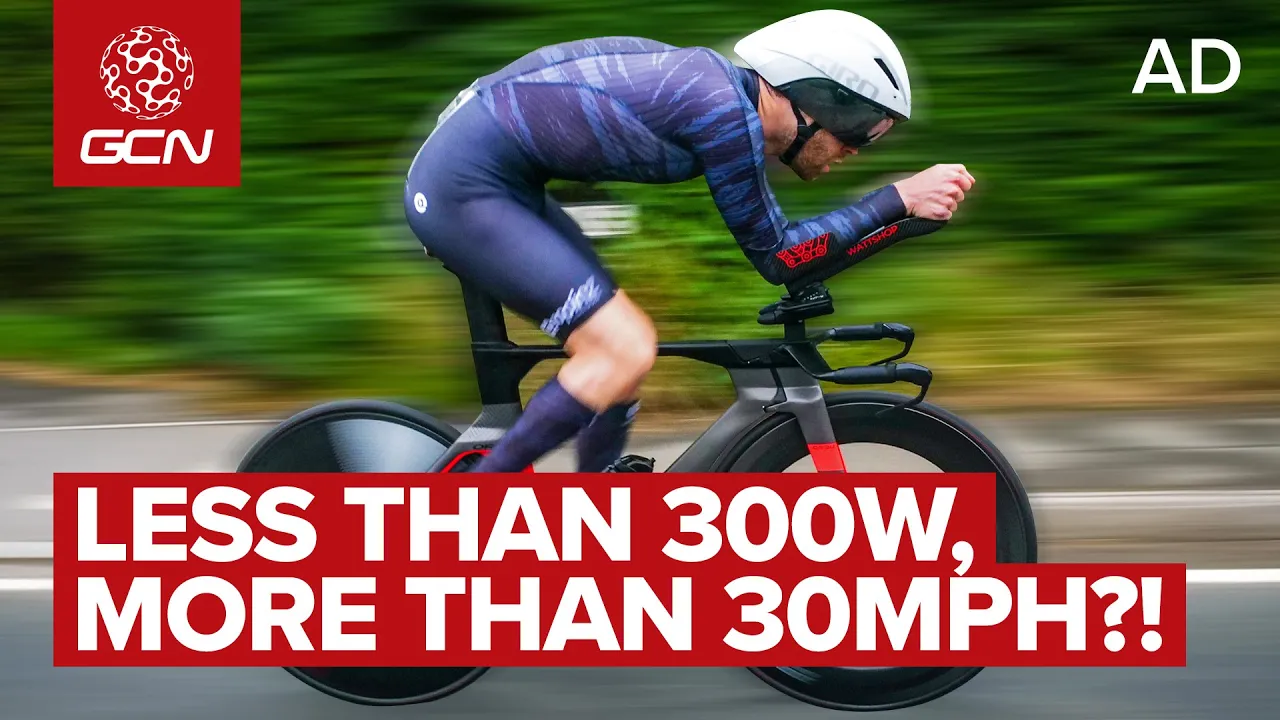
Professional cyclists use aerodynamic body fairings like Aero Bras and chest fairings to reduce drag by disrupting airflow patterns and minimizing the wake behind cylindrical body parts such as arms and torso; wind tunnel testing demonstrates these devices can improve aerodynamic efficiency by 1-4.5%, translating to time savings of approximately 9-17 seconds in a 16.1km time trial, though effectiveness varies based on individual rider physiology and existing body position.
Aerodynamic Body Fairings Tested in Wind Tunnel
Added:Fundamentals of aerodynamic drag, including the drag equation and how frontal area and drag coefficient (Cd) affect total resistance.
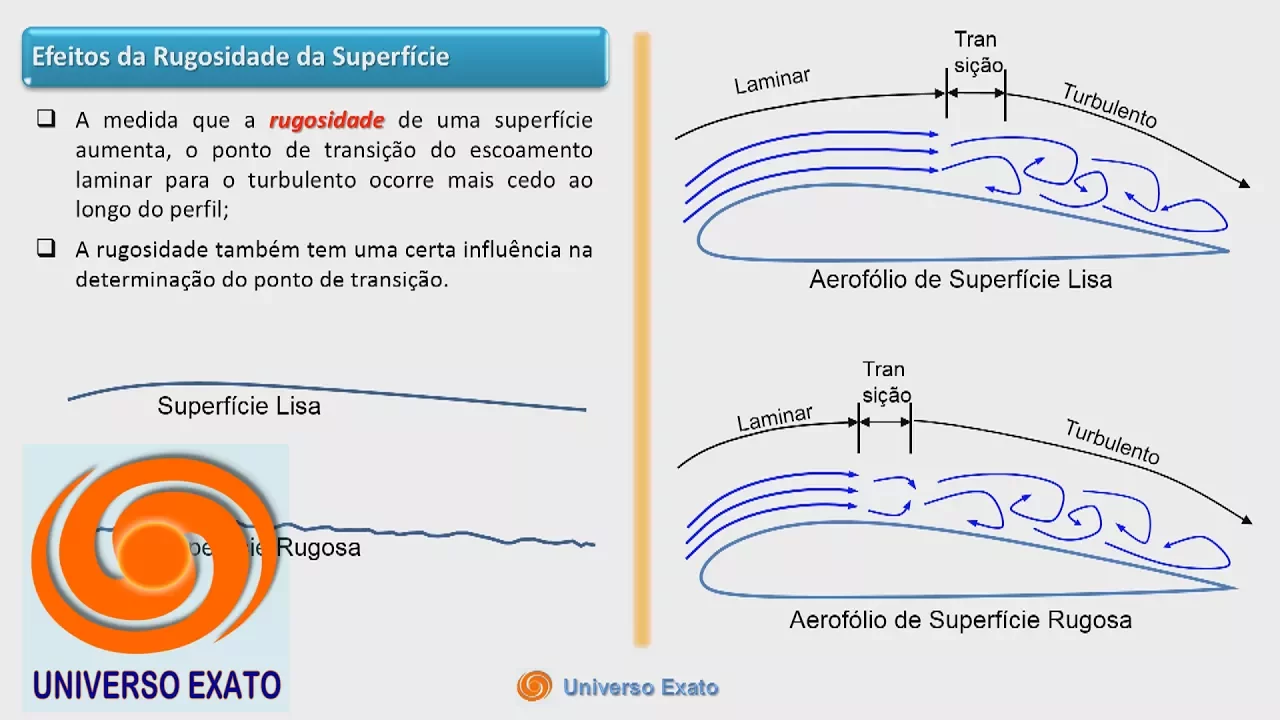
The concept of fluid flow regimes, specifically the differences between laminar and turbulent flow and how boundary layer separation occurs.
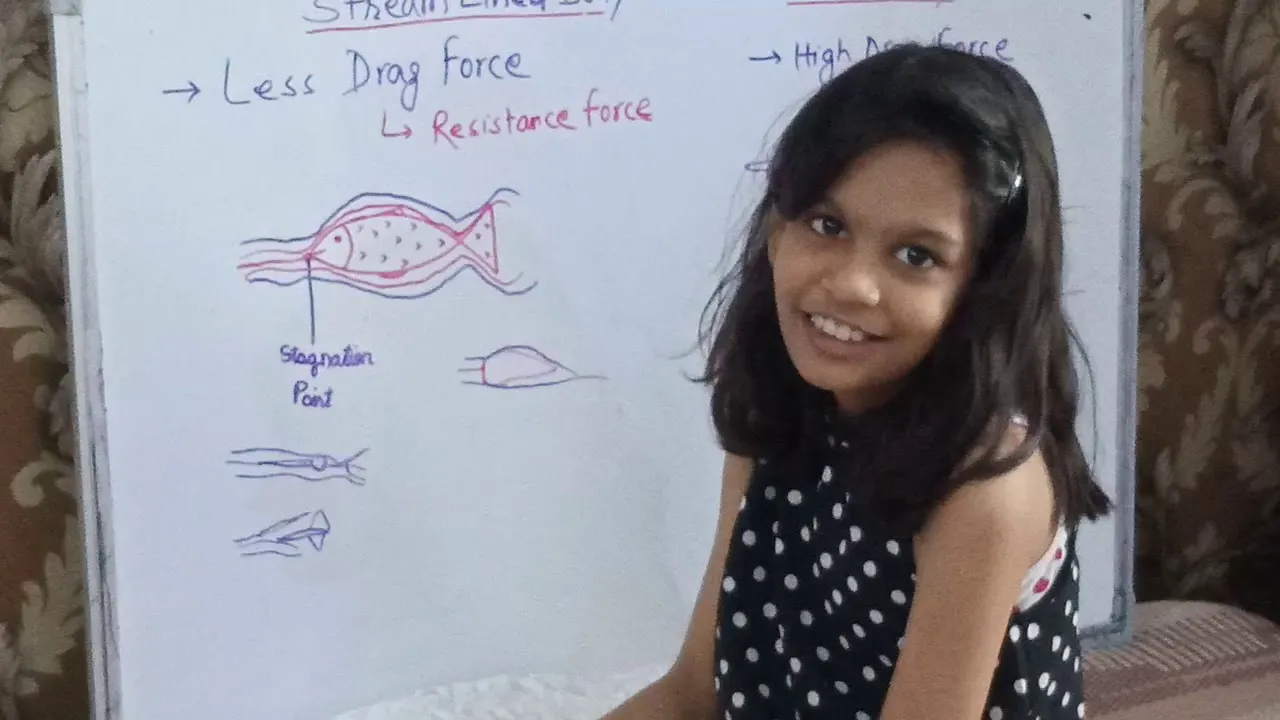
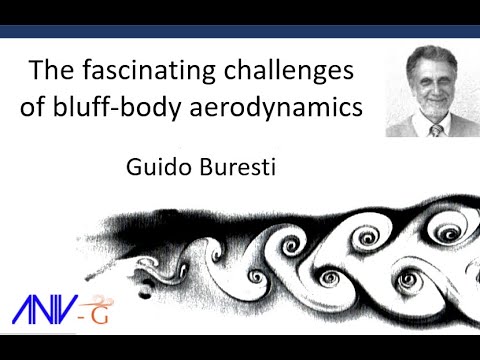
Basic principles of bluff body aerodynamics, understanding why the human form is aerodynamically inefficient compared to streamlined shapes.
The operational mechanics of wind tunnels, including how air velocity is controlled and how aerodynamic drag forces are measured using force balances.
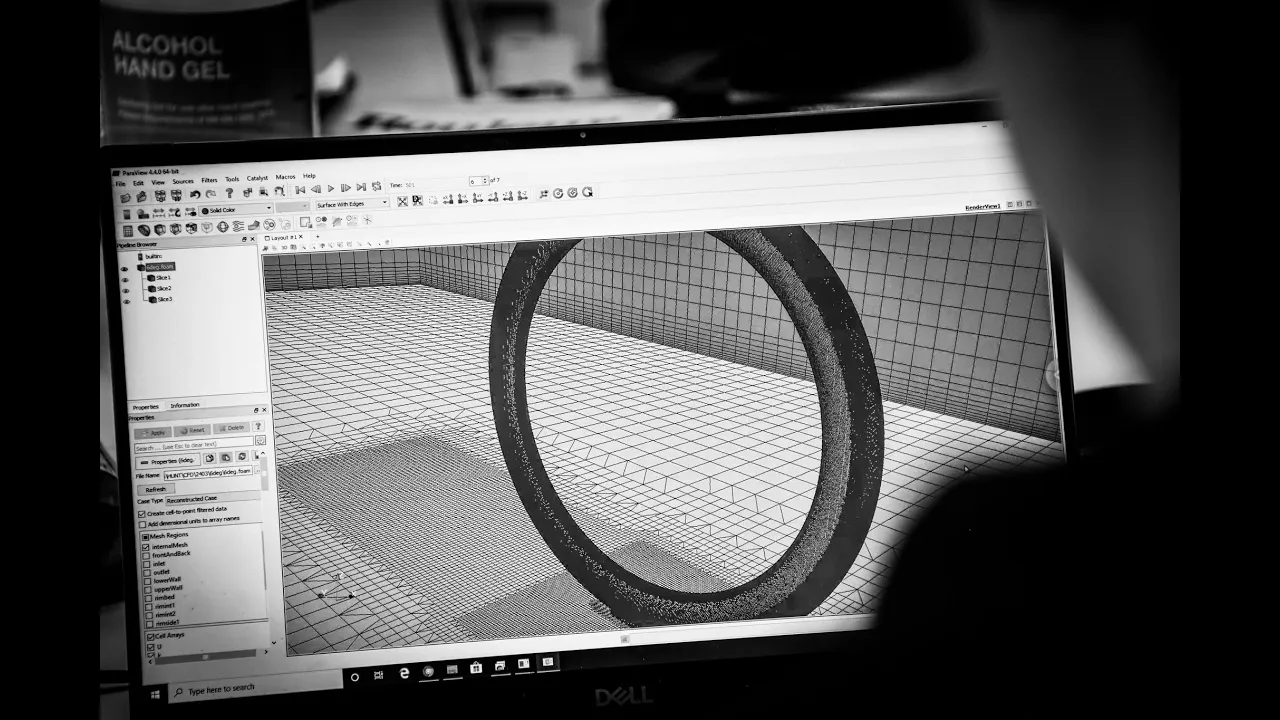
Computational Fluid Dynamics (CFD) modeling to simulate and optimize aerodynamic body fairings virtually before physical prototyping.
The trade-offs between aerodynamic optimization and human physiology, such as how fairings impact thermoregulation, sweat evaporation, and comfort.
Governing body regulations (e.g., UCI rules in cycling) regarding the legality of non-structural fairings and aerodynamic apparel in competitive sports.
Advanced sports textile engineering, focusing on how specialized fabric textures and boundary-layer-tripping designs compare to rigid fairings.
112.5K views2.8Klikes9:21Original Release: 2023-09-24
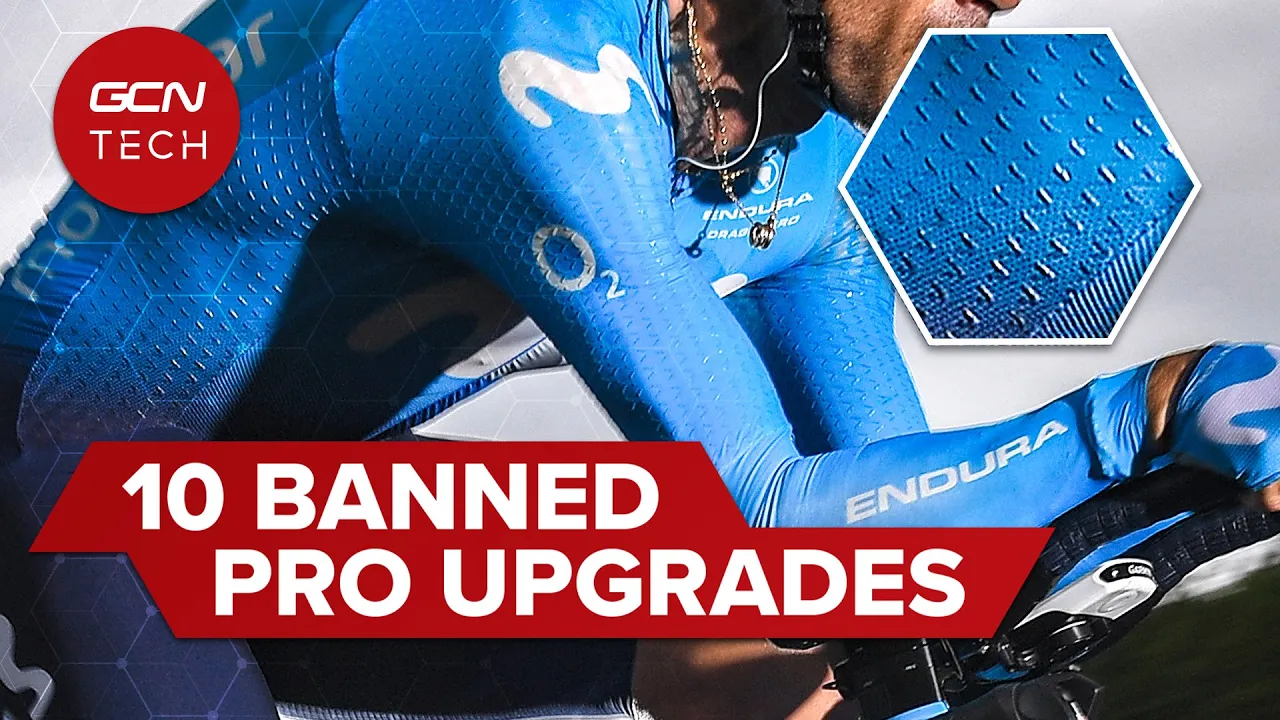
this year we've seen Pro cyclists wear this do this and even this but why a pro riders wearing these ridiculous Aero bras and strapping objects to their bodies well we're going to explain the theory behind it and head to a wind tunnel to see if it is actually faster than by how much they don't pay me enough for this yes this year we've seen pro riders wearing strange textured base layers or Aero bras underneath their clothing as well as fairings underneath their suits on their chests and even other parts of their body now presumably they're doing this because they believe it makes them faster but in a bid to find out for ourselves we've decided to head to the wind tunnel with the help of our unofficial gcn wind tunnel engineer the bike tailor [Music] big thanks again Stephen the bike Taylor for helping us out with this testing if you're after a completely custom bike fit or even some wind tunnel testing he's your man check out his website and if you like this kind of content where we're able to test things independently then make sure you subscribe to gcntech because well it helps us grow the channel and prove what we do and make more of this stuff in the future we first tested the aerodynamic base layer Aero bra in the Wind Tunnel several different brands make these now but the story of how they even came to exist and the theory behind how they work is pretty interesting so Engineers know that you can improve the aerodynamics of an object by texturing the surface and aerodynamically speaking cylinders are pretty bad shapes and that's because they have a large wake behind them they create quite quite a lot of drag and your arms are effectively cylinders as an object moves through the air it creates well what's known as a wake behind it this is an area of low pressure it's low pressure compared to the air that's hitting the front of the object which is a relatively high pressure and this area of low pressure in the Wake actually effectively sucks the object backwards it's a force that's then acting on the object and creating well drag now if you can reduce the size of a wake well you can reduce the drag and therefore make it more aerodynamic and faster still with me good texturing the surface trips the boundary layer of airflow from a smooth laminar flow into a turbulent flow and the advantage of this is that it allows that boundary layer of airflow to stay attached to the object for longer in this case my arms and because it then stays attached for longer the size of the Wake behind the object is made smaller therefore reducing the drag so clothing brands then came up with things like this this is a skin suit that's about six years old now but it has these little silicon Chevrons printed on key areas including the arm and the idea is that they trip the airflow from lamina to turbulent now this was found to be more aerodynamic than a skin suit without any patterns or silicon printing on the arms are the ones use dots and not every brand was able to do this or doing this it was deemed too big an advantage for those that were and so the UCI they banned it [Applause] which is weirdly where the Aero bra comes in is basically a loophole in the UCI rules which say that you can't have anything printed on the surface of your jersey or skin suit but it doesn't say anything about the base layer that you wear underneath so the ribbing and texture on this base layer is designed to sort of press through the skin suit or Jersey you air on top of it as you can see on my arm here question is does it actually work to the tunnel [Music] as usual we had limited time in the tunnel but we tested the Aero bra at different speeds and your and against the Baseline of no Aero bra the result well at 45 kilometers an hour I was four and a half percent more aerodynamic with the base layer at 50 kilometers an hour not so much in the region of around one percent this is kind of pretty interesting it's something we often see that something that might be super fast at 40 kilometers an hour isn't necessarily as Aero at 50 or 30 kilometers an hour but what would that equate to in the real world well for me riding a 10 mile or 16.1 kilometer individual time trial that'd be 17 seconds safe which well is loads when you consider the winning margin in Pro time trials is often much less than that it's definitely appealing but what about the Aero belly well sticking a Camelback down here top isn't a new thing Frank Schleck famously did it in 2011 which well controversially led to a UCI rule change and then Banning it but where the UCI has no jurisdiction a non-uci events well people people do it and it's led to triathletes looking well ridiculous and time trial lists looking even more ridiculous than that and quite sneakily some cyclists in UCI events have done things too so Remco Venable in the world championships time trial he had his radio stuffed down the front of his chest with some rather sneaky additional padding to help shape it and uh presumably improve his aerodynamics the question is though does it actually work and if so by how much back to the tunnel we decided to test both a cylindrical bottle or bead on if you're French or pretentious and a Camelback with skin suits being so tight they barely fit inside of it now the round bottle didn't appear to make much difference although it also didn't appear to be any slower around one percent more aerodynamic however the Camelback resulted in a significant saving around three percent we also observed chest fairings gave a slightly greater saving at your too but what does that equate to in the real world while sticking with our 10 mile or 16.1 kilometer time trial example I would stand to save around 9 to 10 seconds if I rode with my belly and the reason for this is It's theorized that it helps close the void and the gap between your thighs and your chest and therefore help make you a bit more aerodynamic but it's always worth bearing in mind that this is system dependent some Riders will stand to gain more or less from this depending on the rider so if I think of the most aerodynamic riders in the world people like Remco vanipal or Dan Bigham they already ride with a position where there is a very small gap between their thighs and their chest so perhaps they would stand to gain less from something such as this just always remember aerodynamics is system dependent so it probably will make you faster but uh well just bear in mind that your post event photo is probably aren't going to be the most flattering right as for other body fairings that we've seen people use on things like their arms and their lower legs you can assume that there is probably a significant aerodynamic benefit to doing this and that's because of the science you're effectively taking a cylinder once again but rather than just texturing the surface you're making it more aerodynamic and reducing the size of the Wake behind it by changing its whole shape into something more airfoil shaped and airfoils exhibit significantly less drag than a cylinder and that's why you see these teardrop shapes all over the place on bikes and tubes everywhere within time trials at least it would appear that this is a loophole that's probably going to get closed next year but what do you think about the results of our experiments let us know in the comments also let us know if there's anyone who would ride on your group ride with this you can name them and shame them below and uh also big thanks to the bike Taylor for helping us with the experiments and let us know in the comments what you'd like to see us test in the future I'm gonna go now love you bye
Up Next

14:16
3D Printing Filament Strength Test: PLA vs Carbon Fiber Nylon
@Clough42
709.3K views•2022-10-23
30:32
Ultrasonic Transducers: Resonant Frequency Measurement and Horn Design
@imajeenyus42
229.9K views•2017-02-22

54:16
Polymer Environmental Degradation: Mechanisms & Stabilization
@iit
1.8K views•2012-07-10

33:39
How a Student's Question Saved a NYC Skyscraper from Collapse
@veritasium
22.8M views•2025-04-26
Related Study Plans & Knowledge Roadmaps
Structured learning paths in Engineering
engineering
Building Acoustic Levitators: Physics & Arduino
01The Physics of Sound and Standing Waves
02Piezoelectric Transducers and H-Bridge Drivers
03Arduino Programming: Generating 40 kHz Signals
+ 2 more learning modules
14h5 modules
Explore Roadmap
engineering
Building Peltier Cloud Chambers: Particle Tracks
01Cosmic Rays & Cloud Chamber Physics
02Thermoelectric Cooling (TEC) Fundamentals
03Custom Liquid-Cooling Loop Design
+ 2 more learning modules
18h5 modules
Explore Roadmap
engineering
Yagi-Uda Antennas: Modeling, Build & VNA Test
01Introduction to RF and Antenna Fundamentals
02Yagi-Uda Antenna Design Principles
03Antenna Modeling and Simulation in 4NEC2
+ 2 more learning modules
18h5 modules
Explore Roadmap
engineering
ECG Monitor Design: Op-Amps, Filters & Noise
01Electronics & Breadboard Basics
02Op-Amps and Instrumentation Amplifiers
03Bioelectricity and ECG Fundamentals
+ 2 more learning modules
18h5 modules
Explore Roadmap