



![Chemical Kinetics JEE [Part-4] | Class 12 Chemistry | JEE 2022 | Path Finder | VJEE Enthuse English](https://i.ytimg.com/vi/wSZ3vdusHXw/maxresdefault.jpg)


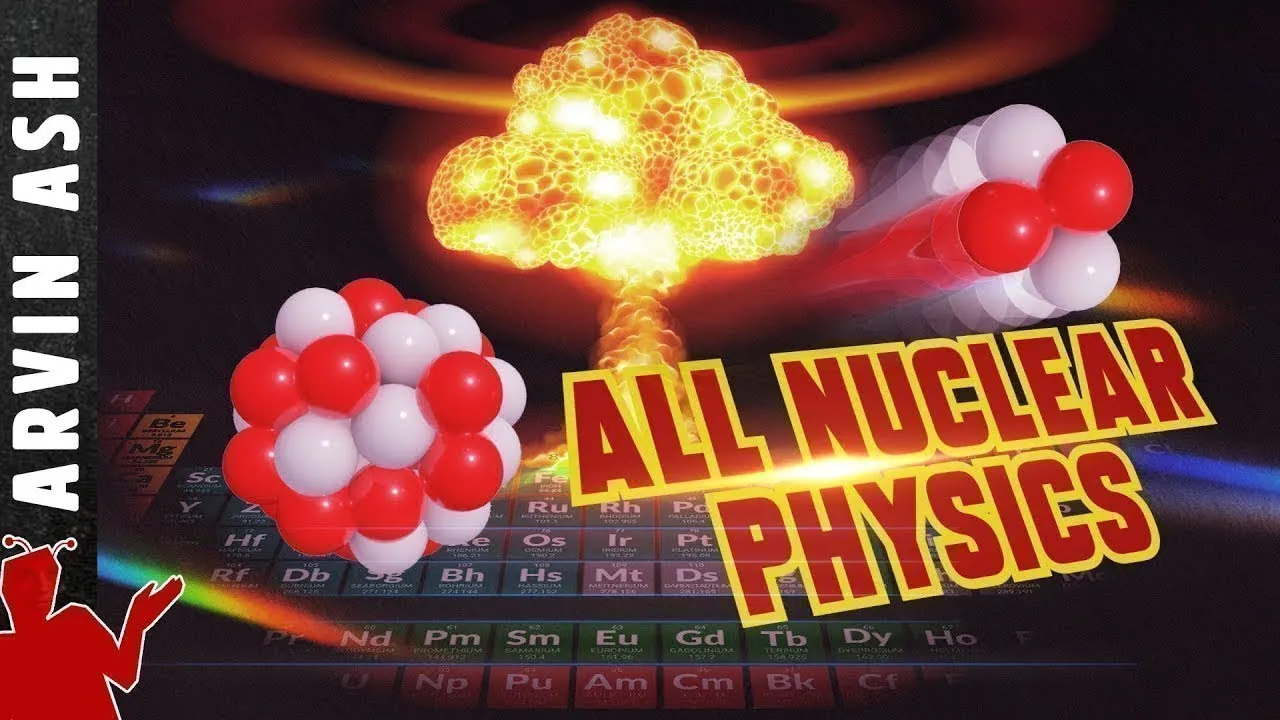








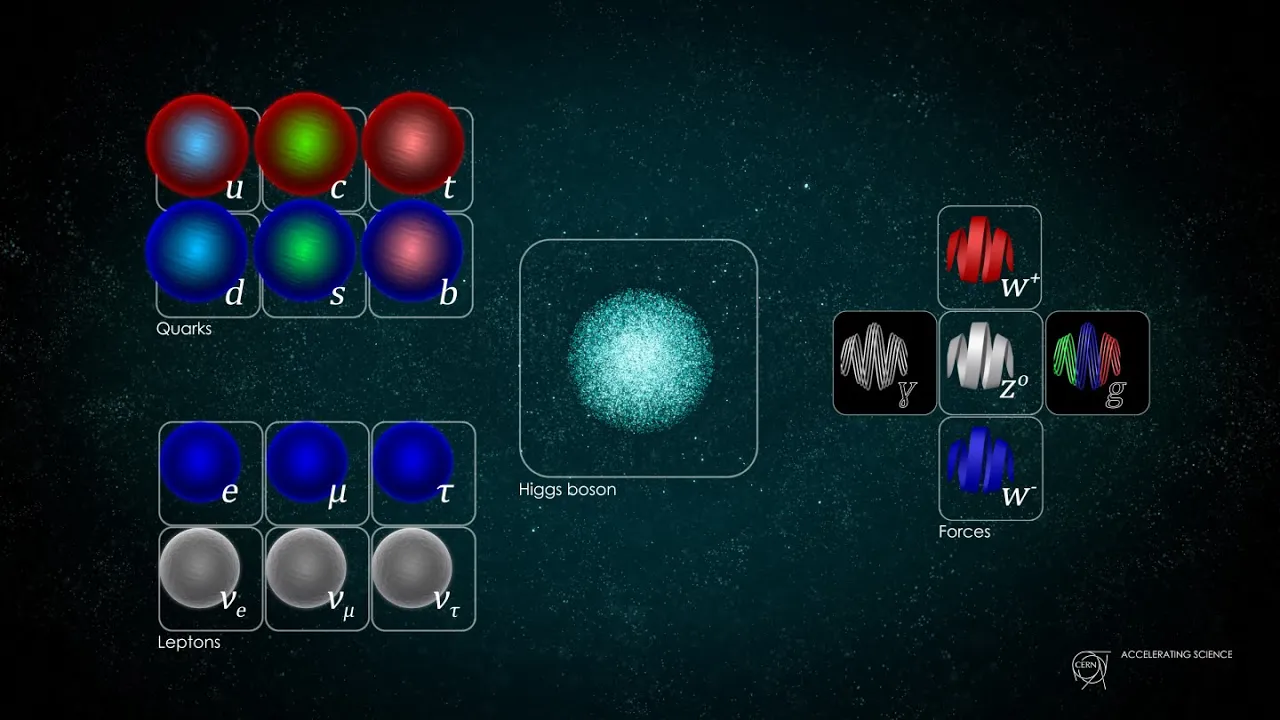

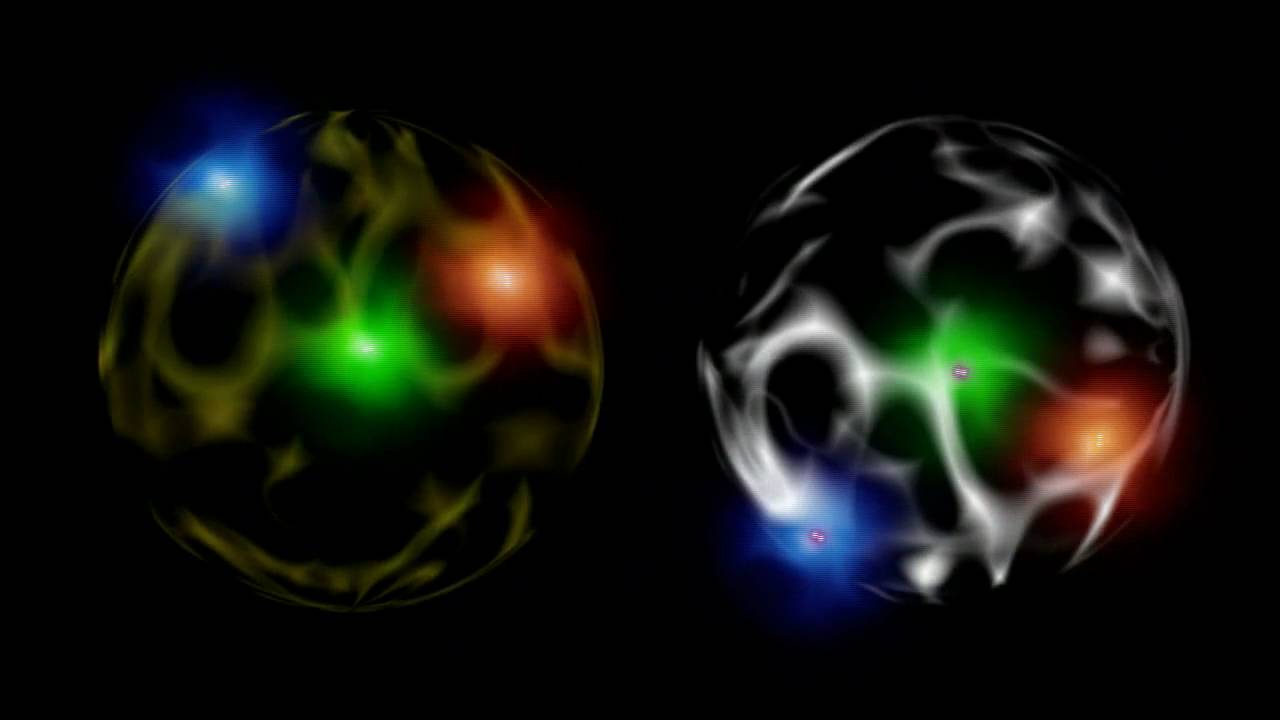


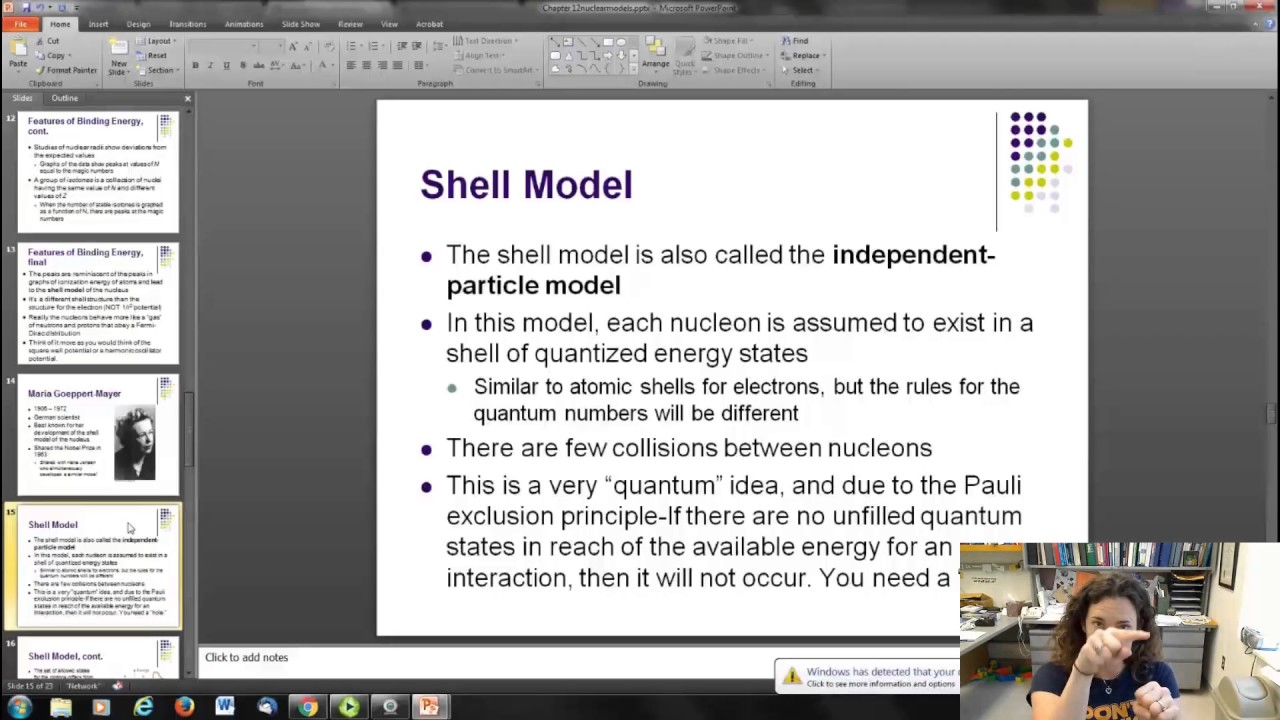

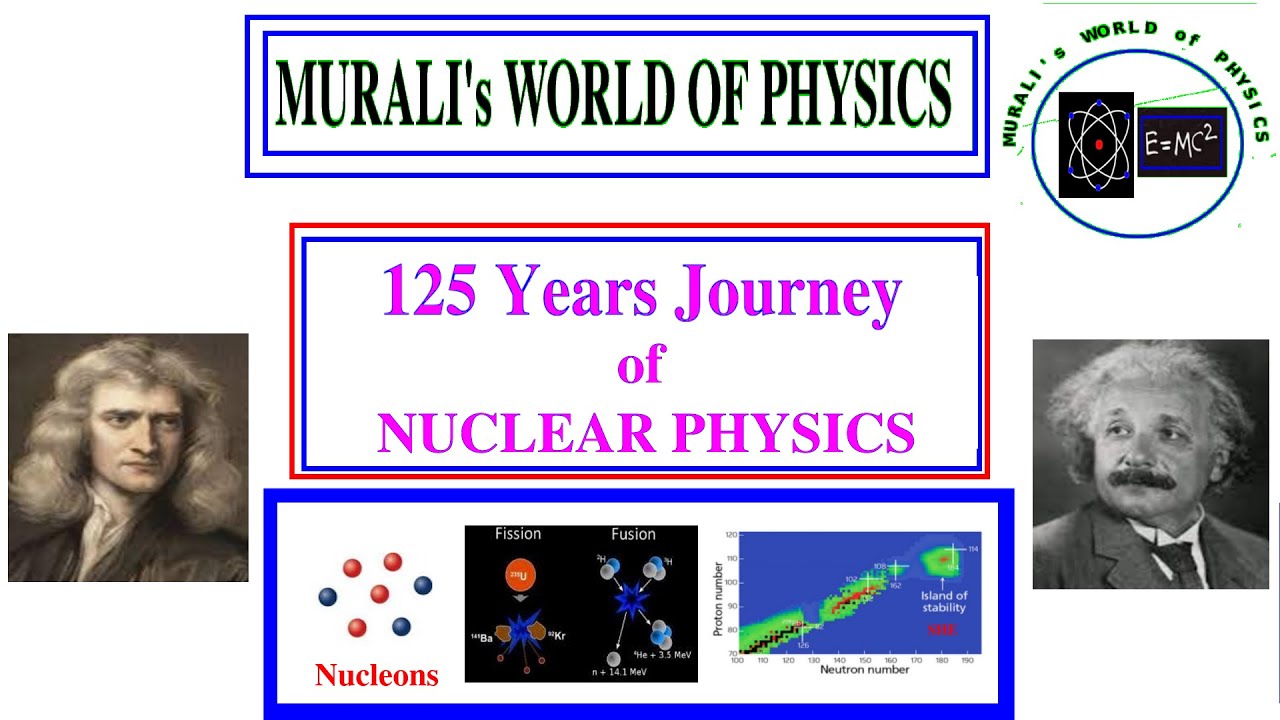

The atomic nucleus contains protons (positively charged) and neutrons (neutral), collectively called nucleons, held together by the strong nuclear force which is attractive, independent of charge, and acts only over femtometer distances. The nuclear radius follows R ≈ 1.1 × A^(1/3) fm. Mass defect occurs when the mass of a nucleus is less than the sum of its individual nucleons, with this mass difference converted to energy via E = Δm × 931 MeV. Binding energy per nucleon measures nuclear stability, peaking around iron-56. Radioactive decay follows first-order kinetics: N = N₀e^(-λt), with half-life T₁/₂ = ln(2)/λ. The three main decay types are alpha (He nucleus, +2 charge, low penetration), beta (electron/positron, -1/+1 charge, moderate penetration), and gamma (photons, neutral, high penetration).
One Shot: Nuclear Physics & PYQs for JEE Mains | Class 12
Added:good evening minions nice to see all of you welcome to the next session of modern physics where we are going to talk about nucleus in this one shot session you're going to learn everything that is needed to crack the jelly examination in this one shot session look at how the nucleus is inside an atom looks so lovely and if you thought that the nucleus is very stable and it does not move well you are a little bit wrong just like the electrons go around the nucleus in orbits even the nuclear particles have orbits of themselves and there are very advanced theories of nucleus which have been proposed in the recent times but we are going to talk about you know some basic stuff which is there in j and we are just going to scratch the surface in today's session and that's what we're going to do all about nucleus for jay with me shreyas your master teacher for physics going live hello vk yashwan yalani sam science priya hello aishwarya good evening good evening welcome all the minions out here and this is here and i not only teach on this channel we enthused but also on the regular platform of vedantu and i have been teaching not just in vedanta but even before that i was in many offline institutes and then the moment i realized how this online world is and you know what wonders we can do by you know standing in front of the camera you know there is no looking back and i love the way we can interact with each other and i also love the way that i can reach out to so many students be it from jama kashmir beat from tamil nadu beat from from probably even sometimes even outside india there are so many students who are studying from this channel because this channel is an english medium for all the students of 11th and 12th grade who want to crack the difficult competitive examinations so this is actually a very proud moment for me for being here hi minion arti hello renuka series welcome yes and welcome welcome well some deep talks going on there with between yeshwanth and so many others i guess all right so in case very nice very nice as you can see you're from andhra pradesh uh science fair is i'm not sure from where something she's written i'm not able to understand oh my god you guys have started talking in uh indonesian wow very good very good congrats minion arti okay so guys if you want to follow me for my regular posts updates etc go ahead follow me on instagram do that in case you have not done it yet and you have an instagram account all right science ps from chennai okay okay and do not forget to hit the like button down there because i need all your energy your love your support to conduct these sessions for free for you guys be between 11 bit in 12 or maybe you're a dropper student doesn't matter you have to go hit the like button and if you want more updates go smash that subscribe button as well if you have not yet subscribed to our channel all right let's begin let's begin with our class and before we begin let me also show you the timetable in brief in case you have missed any of these sessions of waves or modern physics or of mock tests please go ahead watch it in the replay and make sure that you solve the homework problems which is there in the description box below you can open the pdf of the session you will see homework problems with the solutions and the answer key so go to try it out watch all these lectures do not miss any lecture in case for some reason you are not able to attend and do not forget tomorrow is a very special thing yes valentine's day but i have a valentine's day special for all of you and with that note yes let's begin our class so tomorrow morning or afternoon i'll be conducting this session so keep an eye on that all right so let's begin with nucleus yes tomorrow is sunday yeah i know really okay so just like you know the electrons move around inside the nucleus there are protons and there are neutrons and they are very tiny this diagram is not the true representation of a atom actually the nucleus is much much much much much much smaller so if you can think of the electron orbiting the nucleus uh maybe in your surroundings maybe your house all right the nucleus will be probably this small so most likely or most of the atom is md the nucleus is very small this is not to scale please understand that and the nucleus contains some positively charged particles which are called protons and some neutral particles which are called as neutrons and that positive charge ensures that the electron stays in orbit just like the moon goes around the earth because of gravitational pull similarly the nucleus exerts electrostatic pull on the electrons orbiting it to make sure that it stays in orbit now have you ever wondered that why do these protons not ripple each other and go away from each other because two positive charges three positive charges together obviously it's very unstable so they do not like each other all right hello ankit welcome join in so there must be something else apart from the electrostatic force that must be acting on it and do you guys know what it is yes mini nrt it will be life yes it will be live yeah so what is it that holds them together and what are the neutral particles doing there anyway yes like enemies correct nuclear force yes correct two and that's what we're going to talk about before that let's see some important properties about protons and neutrons very very important note it down hello others welcome first one mass of a neutron keep this in mind guys very very important mass of a neutron 1.67 no need to remember so many decimals one point six seven four or six seven five you can say one point six and five into ten to the power minus 27 kg it's very small you can see that mass of a proton slightly you can say it is lesser than the mass of a neutron 1.72 or 1.73 you can round it off okay so 1.726 into 10 to the power minus 27 kg small difference is there but most of the times we will take it approximately equal note this down last one mass of an electron it's actually not a part of nucleus but just to give an idea electrons mass is even less 9.1 into 10 to the power minus 13 31 kg hello tornado welcome so we have a stormy weather right now thanks to our tornado well that's the weather forecast for today okay so much of a neutron is there okay so what is the charge the charge is obviously zero the charge is zero it's a nuclear particle the charge of a proton is plus e the charge of an electron is minus e keep this in mind all right next up if two or more atoms if they have the same all right atomic number what is z atomic number what are they called they have they are called as the isotopes they are called as isotopes if two or more atoms have the same atomic mass number total number of neutrons plus protons is same then they are called as isobars and similarly if they have the same number of neutrons then they are called as isotones keep this in mind lastly z plus n is equal to a this is another equation which is very simple to remember z is the atomic number n is the neutrons and a is the atomic mass number that's how it is so if you want to write carbon generally you put the atomic mass number on the top which is 12 and number of protons on it so that will be 6 12 minus 6 is 6 so it has 6 protons and 6 neutrons together it is 12 number of nuclear particles so remember one thing together protons and neutrons together all right what are they called nucleons they are called as nucleons keep this in mind all the particles inside residing inside the nucleus are called as nucleons keep this in mind okay so we've learned a lot about this i hope you have made notes all the minions so neutrons and protons together are called nucleons and z is atomic number plus neutron number is atomic mass number now having said this let us talk about the radius of the nucleus roughly it's spherical not exactly but approximately so if i have to talk about the radius of the nucleus remember this formula very very important the radius is approximately equal to keep this in mind very very important 1.1 all right 1.1 multiplied by atomic mass number whole raised to 1 by 3 in femtometers this f femto is 10 to the power minus 15 meters all right so femto is basically 10 to the power minus 15 so just like micro is 10 to the power minus 6 pico is 10 to the power minus 12 nano is 10 to the power minus 9 femto is 10 to the power minus 15 that's how it is so this is the radius of the nucleus approximately all right so this is something which you should remember all right very good so let's start doing some problems but before that some more theory points oops one sec one sec yeah okay so some time back i was just asking you right you know that nuclear particles have positive charges how come they do not repel each other they are like enemies some some of you said that yeah so sir so why did you wrote like this i'm not sure what do you mean by that and get like the symbol you mean the carbon or something else so like i was saying guys you know the particles repel each other and that is the reason why uh you must think that there must be some extra force apart from the electrostatic force which binds them together so that force is basically called as the nuclear force i mean you're a little bit late but don't worry i've just missed probably five minutes or something so you can just slide back catch up at 2x speed and arrive at this current point okay so let's talk about the properties of nuclear force so first point nuclear forces are attractive forces keep this in mind nuclear forces are attractive forces which uh act between proton neutron neutron neutron as well as neutron neutron so neutron neutron proton proton proton neutron all kinds of combination you can have this nuclear force and this nuclear force also depends on the spin of the protons or neutrons you don't have to know the formula but you should know some basic pointers it depends on the spin and it is attractive and it can act between any of those two particles protons or neutrons so understand it's not because of the charge it's because of some new kind of force all right which is called as the nuclear force okay next important point all right so just like i was saying it's a new kind of force does me does also mean that it is independent of the charge or that mass it's something different just like the electrostatic force depends on the charge not on the mass similarly nuclear force depends on some other things like the spin and those distances and all that but not on the charge or the mass of the particle okay similarly this nuclear force is the most strongest force in the universe yes in the universe it's the strongest force but for a very small distance inside the nucleus so the range is typically of the order of femtometers understand that they are very very short-range forces you cannot expect the nuclear force to act from uh you know probably from india and africa no it was not going to act so it's a very short-range force long-range forces are gravitational forces they act for a very long range but they are weak or comparative to you know the nuclear forces all right so i hope you have noted down all these pointers very very important pointers and don't worry this will be also there in your session pdf which is going to be provided to you in the telegram group and you can join the telegram group from the link provided in the description box below okay now let's go ahead and talk about something very interesting and this is the main part of the chapter as well which is called as the mass defect now this is a very interesting thing now it looks unrealistic but let me tell you this is true so if somebody weighs helium nucleus what does helium nucleus contain two protons two neutrons correct and if you wear it ah in a span let's say this is hypothetical just for your understanding and if you weigh the same particles two protons two neutrons but not in the nucleus separately you ask the proton hey you stay there hey you broke down stay there hey you neutron stay there hey you neutron stay here you four are separate you are not supposed to stay together just like the teacher in your class i'll ask you hey you are not supposed to stay together because you guys talk a lot or you are very mischievous so when you separate them their mass is more but when they are together their mass is less that's very interesting how is this possible that means there is some mass which is going off there is some loss in that mass and is this true only for helium no in fact all the nuclei doesn't matter carbon boron aluminium tin doesn't matter if you separate out all the protons and neutrons and weigh them they will weigh more but when you put it inside the nucleus they weigh less so this is called as the mass defect so the loss in mass and understand the mass of the particles separately all right separately is always more than the mass inside the nucleus very very important so that destroyed mass goes in the form of energy yes so there is a principle which says energy is conserved actually the modified statement is energy plus mass equivalent is conserved so that mass goes away but it is converted into energy and believe me think about it if you have four separate particles they weigh more right when you combine them to form a nucleus they weigh less so that loss is converted into energy so if you give back that energy to the helium nucleus again that mass is retrieved back and you will see all those four particles back separately with those original masses so it works both ways hello arjuna so remember this so four particles separately combine them together mass is less it releases energy but you give back the energy to the nucleus four particles are separated again their mass comes back to their original higher value okay so this is the principle of mass energy equivalence so keep this in mind the mass defect which is there into c square gives you the energy which will be given out or which will be absorbed so if mass is lost energy is released and if energy is supplied then i can say the mass is created that's how this works so this delta m c square is equal to e very very important equation i'm pretty sure you have heard about this provided by einstein using the principles of relativity yes cool and c is speed of light obviously now some more things that you should remember very very important things i'm going to give it to you now now usually you can put mass in kgs c in meters per second you will get energy in joules but usually at atomic scale you do not talk in joules because joules is a very big unit for atomic scale so you use electron volt and instead of kgs you use atomic mass unit and what is one atomic mass unit 1 amu is 1 12 the mass of all right 1 12 the mass of you know 12 c 6 carbon atom all right so 1 amu comes out to be all right approximately you should know this value guys it is almost the mass of a proton or a neutron 1.6 into 10 to the power minus 27 kg you should know this almost similar to mass of a neutron or a proton correct and when you express mass in amu c value if you substitute elect this energy if you convert it into electron volt then the modified formula comes out to be the energy is all right the energy is delta m into 931 mega electron volt very very important i just converted this this delta m keep this in mind is an atomic mass unit so just multiply by 931 you will get the answer in mega electron volt keep this in mind very important one amu corresponds to 931 mega electron volt so delta m amu corresponds to delta m into 931 mega electron volt is that clear very good very good very good minions now how do we use this all right so let's see so one thing which you should remember is something called as binding energy say for example i am talking about the carbon nucleus all right the proton has a mass the neutron also has some mass okay so remember this if i take the mass of carbon nucleus carbon nucleus all right this carbon nucleus mass is definitely going to be less than the mass of proton how many protons are there you can check in a carbon there are six so mp into six plus how many neutrons are there in a 12 c carbon atom six neutrons are there so mass of neutron into six it's definitely going to be less that amount which is less is called delta m all right that is delta n that is the mass defect which is going to be there and this mass defect is definitely going to give us that energy that energy is going to be delta m c square now my point is that look at this equation like this there are all right there are six protons all right there are six protons plus there are six neutrons together they will form a nucleus carbon nucleus they'll form a carbon nucleus but since some mass is lost during this process there must be some energy which is released and that energy is over here this is how you write down the equation this is how you write down the equation and this is the energy which has been released keep this in mind this energy which is released in this equation if you reverse the equation this will be the energy which will be absorbed to break the carbon nucleus into the separate entities out there all right now think about it this energy if it is more okay this energy if it is more then the atom sorry that nucleus becomes more stable why does it become more stable because think of the reverse process in order to break that carbon nucleus you need to provide more energy to split it into individual particles so if this energy is more that means it is harder for me to break the nucleus into separate protons or separate neutrons so this in a way gives me the stability of that particular nucleus but there is a more important property than that and that is called i'll come to that first but before that this energy is also called as the binding energy the binding energy why is it called the binding energy because think about it this is the energy which is released when the particles bind together to form a nucleus that is why it is called as the binding energy so if you provide binding energy the particles get separated that is why the name has been given as binding energy now if you divide if you divide this binding energy upon total nucleons present total particles present inside the nucleus so binding energy is delta m c square upon total number of nucleons present is a that is z plus n neutrons plus protons that is called as binding energy per nucleon what is it called binding energy per nucleon that means how much energy is needed per particle to separate it out from the nucleus and this entity keep this in mind this entity which you are going to get which is binding energy per nucleon binding energy per nucleon this tells you the stability of that nucleus it tells you stability of that particular nucleus keep this in mind yes is this clear everyone are all the minions understanding it so more the energy per particle more stable that particular particle is inside the nucleus so the stability of an nucleus is or it's understood by binding energy per nucleon keep this in mind very good okay now there is a very interesting graph which you should know and that is binding energy per nucleon versus different atoms per for different items aluminium carbon uh whatever ion tungsten etc what is the binding energy per nucleon and when that graph is plotted experimentally it is very very interesting because that graph looks somewhat like this look at that for hydrogen it's very less binding energy per nucleon in mega electron volt versus atomic mass number so for hydrogen it's very less as you go from hydrogen to helium to lithium and nitrogen oxygen and so on so forth sulfur and all that it keeps increasing so more the energy more the stability remember more the energy more the stability keep this in mind it peaks somewhere over here near iron and all that somewhere here ion lead and all that it will be maximum and again it starts decreasing so guys think about this graph and tell me where would or which nucleus is the most preferred nucleus somewhere around iron if you are somewhere around the ion nucleus then understand you are very stable so imagine what would let's say sns and is tungsten or maybe urine yeah uranium nucleus if an uranium nucleus looks at an iron nucleus what will its desire be what will it feel looking at yeah yes actually you are supposed to remember the rough nature of the graph and where does it become maximum and it increases rapidly here and it increases slowly sorry decreases slowly there just that's all so if an uranium nucleus looks at ion nucleus it will be like why the hell am i so heavy i need to join a weight loss program isn't it so how will it lose weight it will exercise it will split and it will split yes it will disintegrate and it would love to form this particular nucleus so that is basically splitting that splitting is called as fission look at that so through fission process it will become more stable is that clear yes yes correct similarly understand understand if you talk about these nuclei lithium helium or hydrogen they when when they look at ion or tungsten or sorry tin nucleus then understand what will happen they will feel that oh i want to become heavy they are very lean or they are very thin particles very lightweight they would want to combine together to form iron or lead type of nucleus i hope that is clear is that understood yes so that will be gaining weight while a process and they will gain weight through fusion they will merge and they will become heavy so that's how this happens so that's why you should remember this graph this has been asked by the way in different ways in j examination and bit set okay let's start with some questions guys here is your first question yes gotham yes definitely it will be enough for the mains because we are keeping in mind whatever you required for means exactly precisely those pointers we are giving not just that understand that we are also providing you pyqu's gotham okay is the hydrogen the least stable nucleus well you can say so by looking at the graph here schwann yes think about this the ratio of the mass of the density of the nuclei of this carbon and this oh sorry this i think this is calcium all right and this uh oxygen uh nuclear who has uh you know bigger mass density lesser mass density come on think about it all the options are given okay think think think think many of you are saying a yes let's see what the correct answer should be well the best way to solve this problem is find the density what is density mass of the nucleus upon the volume now what is the mass of the nucleus mass of each particle into number of particles which is a correct and what is the volume 4 by 3 pi radius cube 3 goes on the top so it will become 3m by 4 pi a comes over here and what is the radius proportional to isn't it some constant into a raised to 1 by 3 i just gave you some formula 1.1 into a raised to 1 by 3 i just told you but this is whole cube so what will it turn out to be 3 m divided by that constant cube will come so 4 pi c cube that a and a will get cancelled now what is this number this number itself is a constant what does it mean the densities of all the nuclei are roughly the same hence the answer should be a which is 1 is to 1 is to 1 correct very good keep this in mind all right let's get going to the next question so that's the answer this was asked by the way in 2019 next question coming up from 2018 an unstable nucleus at rest breaks into two nuclei which move away with speeds in the ratio of 8 is to 27.
what is the ratio of the radii of the nuclei assumed to be spherical how much is the radius let's see okay it is to seven two is to three three is to two four is to nine let's do this okay so imagine this was a nucleus it splits into two parts guys first of all understand that in this process of splitting whatever forces that dhamaka which is going to happen is an internal force so can you not say momentum is conserved so think about it if this nucleus moves here after splitting and this nucleus splits over here with speed v2 and this was at rest can i not say that initial momentum is equal to final momentum and if i know this as a fact initial momentum is zero final momentum will be m one v one and minus m2 v2 therefore i'll get v1 by v2 is equal to m2 by m1 now if this much is clear then think about it already we know the ratio of the velocities it is 8 it's 2 27 so therefore it will become 8 divided by 27 is equal to m2 by m1 now i don't know the mass but i know mass is proportional to volume so hence i can say this is density into volume 2 upon density into volume 1. what about densities remember densities are same i just proved it to you so don't worry about you know the densities it is going to get cancelled out and what is volume proportional to volume is proportional to radiuses cube so it will become r2 cube divided by r1 cube that will be 8 by 27 so now what will be r2 divided by r1 equal to this will be equal to cube root of 8 by 27 therefore r1 by r2 flip it and cube root cube root of 8 is 2 cube root of 27 is 3 so hence that's the answer yes very good 2 by 3 or 3 by 2 3 by 2 be careful it's 3 by 2 yes 3 by two lot of people think that it is two by three they forget this is what i tell guys this is very important if you would have found this out and let's say this came out to be two by three and you've seen the auction there is two by three you will mark it do not forget that you have to find the proper ratio not whatever you get so the original ratio will be two is sorry three is to two yes be careful be careful yes no problem ali no problem happens happens yes vk reciprocal now this is also an interesting problem let's see how to do this asked last year only in 2020 let's see how to do this find the binding energy per nuclear particle that is nucleon for 120 sm 50 mass of the proton is given to be this atomic mass unit that is mass of neutron is this and mass of the tin nucleus is this take all right take one atomic uh unit will be equivalent to 931 mega electron volt let's see how to do this okay the options are given don't worry about the options anyways we have to calculate the value so we'll have to start from the basics so first think about it in order to calculate the binding energy per nucleon i need to first figure out what is the binding energy and to find binding energy what do i need mass defect so how do i find mass defect difference of the masses yes so let's see how to find the mass defect guys the mass of the nuclear particles so mass defect will be mass of proton into number of protons all right so number of protons plus mass of neutron into number of neutrons this entire thing minus the mass of the nucleus minus the mass of the nucleus as a whole so what is the mass of proton the mass of proton is given 1.00783 into number of protons well that is 50 plus mass of neutrons that is also given 1.00867 into number of neutrons 120 minus 50 is 70 okay this entire thing minus the mass of the nucleus how much is it 119.902199 this is what i'm going to get i hope this is clear yes this is what you're going to get and that comes out close to yes what i have worked out i'll just tell you it comes out to be 1.09 something like that 1.0962 and all that okay approximately so that much amu that is delta m now the only step is what is the binding energy per nucleon binding energy per nucleon so that will be this atomic mass unit atomic mass number which is 1.096201 okay into remember for one amu there is mega electron volt so for this much amu it will be into 931 mega electron volt divided by how many number of particles are there count how many number of particles are there yes 120 guys 120 particles are there inside the nucleus and that should give you approximately the answer and check it out if it is around 8.5 yes 8.5 mega electron volt per nucleon very very important yes this is how you do the calculation so understand how to do the calculation that's all you can do the calculation on your own in your free time and i am here to show you the method of how to do these calculations all right so these are asked in the examination if you get such a question in the examination do not leave it because for sure you are going to guaranteedly get those marks rather than trying a difficult question so i would prefer a calculative question rather than a tough question because i know this conceptually is simple i just have to follow the method and do some basic calculations i'll definitely do that cool thank you sanjivani mohanty thank you so much thank you so much yes let's get going i'm glad to have students like you who do not just love these lectures but also attend and thank you for because of your all of your support we are growing and you know that's why i have that motivation to come over here if it was not for your love and support guys trust me i would never be here now if you uh are facing issues like uh probably you want somebody for doubt solving for all the 12 standard and the dropper students listen in i have made a plan in fact we have made a plan for all of you so if you want somebody for your doubts to be sold or guys let's say for example you have a lot of portions maybe 11th and 12th portions left which is still not done you want somebody to probably make it from medium to high or maybe you're below average and you want to go above average all right because you want to brush up on all these topics or maybe you know you do not know how to actually cover these topics because there is limited time left and you do not know which one is important what should be the correct sequence can i relate these chapters and study it more efficiently and somehow what if i tell you we have a plan which will also help you for your boards examination be it cbse or state boots and all of this combined together with test series with test series 20 mock tests which are going to cover in depth all the all the chapters all kinds of questions which you can think of or which are most expected for the next je examination what if they are there in 20 mock test with discussions and also what if you're going to get doubt solving right from morning till night somebody who is an expert in that subject gives you a clarity who answers all your queries beat from any book imagine this is like a genie for all of you and imagine you have the best master teachers in your country you don't have to travel anywhere you don't have to shift cities to get a good teacher you can sit at home and learn and choose your own flexible plan imagine that's like a boon for all of you you can save so much of time you can be safe at home and also you can cover all the topics in that efficiently in that limited time you have because all the only thing that is going to be your enemy right now is time and that's why you need something like a crash course now the usual price of the crash course is 10 000 rupees now you can see the link in the description box below you can open it up in a separate tab the scratch code starts every monday now usual price is 10 000 and usual discount we give you is 20 but today we are going to give you a discount of 30 percent and that is a limited time valentine day offer so guys go use that offer 30 off from 10 000 that makes it 7 000 rupees which is very reasonable and you will get this offer only if you if you use this coupon code shcc so do not forget to use that uh coupon code in case you want to get that 30 off or if you feel that somebody else maybe your cousin or your friend is going to benefit please share this link and the coupon code with your friend and explain him or her those benefits of joining the crash course i'm really sure many of you are already enrolled so go ahead check out the link in the description box now let me also talk about what happens if the nucleus is unstable we are talking about binding energy per nucleon and so on and so forth so let's talk about uh you know what happens if a nucleus is unstable my god princy you just read my mind you just read my mind i mean yesterday only i was thinking about this yeah i was just thinking about this hello priyanka mehta welcome welcome to this channel uh good evening vignesh hello hello hello yes sanji don't worry we are going to also plan for j 2022 so if you are in 11th don't worry you can watch all the lectures of 11th standard in short so that you can revise all the concepts thoroughly and you are very well prepared for the next year so sign and then uh there is a very special lecture i have arranged for you and people like you on monday semiconductors and communication systems so i'll tell you the important pointers and formulas and make you practice pyq so you'll get some idea so if you get a question maybe you can attempt it and if you get the marks be happy and probably you can come and tell me but even if you don't get it it's okay but i'm going to create a special lecture for all of you don't worry hello good evening good evening good evening yes princess i'll do that definitely definitely definitely no problems i i'm there for all of you so i keep reading all your comments sometimes i'm not able to uh reply to all your comments which you post on the video but i make it a point that i respond to as many comments as possible so um just make sure that you keep on posting the comments and i'll definitely keep on responding to you guys after the video ends in the comment section all right and if you are new to the channel do not forget to hit the subscribe button which is down there and also do not forget to smash that like button in case you have not done it yet all right so let's do this yeah correct khatim ali and sl yes so we are going to talk about that but before that look at this nuclear reaction you might be wondering why sir is doing a lot of chemistry these days he started with thermodynamics and then he went to probably atomic structure well that's how modern physics is okay so look at this nuclear reaction what kind of nuclear reaction does it represent fission beta decay um sigma dk fusion what is this well very good most of the minions have given the correct answer okay okay thank you thank you yes one all right so the correct answer is beta dk all right very good very good so there are three kinds of dk actually there are four kinds of dk alpha tk fourth one i was reading your chats somebody was talking about chocolates and ice cream tooth decay yes that is the fourth kind of dk keep this in mind okay so we are not going to study fourth kind of decay and probably all the doctors who are attending the lecture future doctors maybe they will study that in the future all right now oh by the way beta plus dk is also a dk so i can categorize this as the fifth kind of dk yeah so this parent decays into daughter and there is no sun out here but it's probably only daughters all right so ah the parent decays into a smaller nucleus called as the daughter nucleus and kind emit three kinds of particles all right and the three kinds of particles are one is alpha particle one is alpha particle which is nothing but helium nucleus doubly ionized then you have beta particle which is nothing but electrons at the end of the day and gamma rays it's not a particle just like electromagnetic spectrum so it's a special part of that electromagnetic spectrum yes daughters are epic i agree i agree yes so it's a gamma ray or basically a small part of the electromagnetic spectrum yes so remember these reactions very very important if there is an alpha decay the symbol for that alpha particle is four particles are there two neutrons two protons but atomic number will be two think of it that way all right atomic number number of protons will be two so total number of particles four number of protons two so that parent will decay so atomic number will reduce by two and atomic mass number will reduce by four and you have to balance the equation remember whatever is there on the top will also be balanced and whatever is there below will also be balanced keep this in mind yes and then then yes next type of decay beta dk in beta dk understand very interesting thing the beta particle has negative one negative one atomic number think of it mass wise it is zero so to balance that equation look at that the daughter has a higher atomic number by one so it shifts in the periodic table up think of it that way so here it shifts down by two places here it shifts up by one place and this is an isotope you can see that oh sorry it's not an isotope it's a isobar my bad yeah because the atomic mass number is the same atomic mass number is the same keep this in mind okay in beta plus dk this will be plus 1 this will be plus 1 and this will be z minus 1 that will be a beta plus bk and last one then you know gamma d k now you might wonder what the hell is happening out here i mean like look at this 0 0 that's a gamma ray it does not have atomic mass number atomic number okay there is a z there is a z nothing has changed it looks like that so you might be wondering why the hell did it do this well let me tell you this nucleus actually was very unstable so it was at higher energy levels it was in its excited state remember when a hydrogen atom is in excited state then it goes to ground state it comes back to ground reality it becomes very sad disappointed all right so it was excited it goes to ground state during that process what does come out photon right similarly if a nucleus is very excited it comes to ground state then it emits photons that is gamma rays correct yes so beta plus dk is nothing but i'll just write it over here beta plus dk will be symbolically 0 beta plus 1 and reaction wise it will look something like this x dash all right it will be z minus 1 plus beta plus particle so it will be 0 plus 1 that's how it will look like all right yes yes thank you i will drink some dihydrogen monoxide my god thank you so much i'll definitely drink that okay okay so having said that very important properties very important every property should be there in your head not even one property you can miss alpha is beta is gamma rays what are they i already told you doubly ionized you know helium nucleus beta rays are nothing but electrons gamma rays they are nothing but just like x-rays light infrared etc they are very high energetic rays next is gamma rays neutral yes because it is charge less photon is charge less so you know beta rays will be negatively charged alpha rays will have double charge 2e so understand next thing ionizing power alpha is when they pass through air they will have such high energies because they are first of all bulky huge occupy a lot of space alpha vertical and they are going with high speeds so they will knock out the electrons of air molecules and that's why they have really good ionizing power beta is their electrons comparatively smaller so they have less ionizing power and gamma rays they are waves so there is very low probability that the photons will strike the electrons and they will knock out the atoms so they have very less ionizing power similarly similarly okay similarly penetrating power because gamma rays are very tiny very small just like a mouse it will sneak in it will find the gaps and it will escape so they can penetrate very easily but alpha they are huge they are bulky so the moment they enter they will do this they will hit so many other particles and they will definitely not be able to penetrate it's like a big fat guy trying to enter a room full of people yes that's what is going to happen okay and then electric and magnetic field so alpha rays and beta is they will definitely get deflected because of electric and magnetic fields because they are charged but gamma rays they are photon so they will not be deflected by electric or magnetic fields last pointer speeds speeds yes their speeds are not too much but they are almost 10 to 20 percent of the speed of light alpha particles beta particles are 90 percent the speed of light and gamma rays they they are light basically so they will travel with the speed of light yes that's how it is okay you guys this is an english channel all right this is the english channel so so sorry we cannot use hindi out here all right yogesh cool no go sorry this chapter is not at all lengthy we have reached almost the end of the chapter you are doing one shot with me done done done done now few more things just 10 15 minutes more and we are done done all right look at this reaction this was in fact asked in 2005 i believe so there is a transformation denoted by some element x there is a neutron there is alpha particle 7 3 lithium which is the unknown nucleus come on think about it what is that element x what is that x come on come on come on think about it [Music] hello hello join in welcome welcome yes let's see let's see let's see how many of you get this okay no problems if you have not got it i'll tell you what is happening very interesting sorrow says b okay well so what happens is what happens is that that x element unknown plus neutron gives you lithium plus alpha particle this is that reaction now you just fill in the blanks think about it lithium three seven alpha two and four neutron zero and one now balance the chemical reaction that's all this nuclear reaction rather so this will be nothing but think about it this will be five guys seven plus four eleven so guys i feel this should be ten so i think there is only one option like that and that will be correct oh excellent a it's not 11.
people forget that this n this neutron is on this side so whatever is here is with this guy and whatever is here is with this guy so this is a special notation people just got confused they did not pay attention to that n yeah correct correct correct correct cool yes let's get going to the next one so that's why many people lost uh marks and many people mark this as the answer be careful guys but anyways you should not mark this because this number four does not match nothing so think about it okay now let's talk about radioactive decay so guys can you identify this couple since it's a valentine day come on valentine day special who is this couple come on come on come on come on who is this couple who is this couple come on come on ding ding ding think merry curie and yes the curies yes pericuri such cute names guys merry christmas such nice names don't you agree guys yeah so what did they do what did they discover yes so they discovered basically radioactivity now the worst part is i don't know you should be happy or sad about this yes so the when they discovered they did not know what radioactivity does to humans and they got affected by radiation and they died because of that radioactivity yes that's the sad part so yes okay so radioactivity is actually very very dangerous it can you will not see radiation and if you have seen some documentaries on chernobyl or any other nuclear disaster you would know that radioactivity is very bad so you know you cannot see that radiation that eventually depending on how much you are exposed your body will start reacting to it and uh basically you know it is very bad i mean nobody should go through that so sl how is that awesome well till death do them apart so i think that in a way is awesome but also at the same time sad i hope you understand what i mean yes oh my god fida i'm not sure why that is happening here but maybe internet problem just check your data speed and all that okay so let's go ahead with the formulas what are the formulas the first formula of radioactive decay if there is a parent nuclei okay this is radioactive it disintegrates into daughter nuclei then the rate at which it disintegrates the rate at which it disintegrates so that is rate of this integration [Music] this integration don't say so disintegration is derivatives and all that okay so that is directly proportional to the number of radioactive radioactive nuclei present in that sample and mathematically speaking rate is nothing but dn by dt what is n the number of nuclei present is directly proportional to the number of radioactive nuclei present so i can replace that proportionality with equal to and because it is disintegration it is decaying rate of decaying so i'll put a minus sign and i'll put a constant so this is very important law this is called as the law of radioactivity what is this lambda this is called as the decay constant decay constant now what does it depend on it only depends on the element or basically that nucleus yes nucleus yes it only depends on the nucleus what does it not depend on it does not it does not depend on all right it doesn't depend on pressure temperature and other external factors and other external factors very very important because even if you increase the pressure the electrons might get affected this radioactivity happens inside the nucleus so it will never get to know what is happening outside because it is present in a very small volume and whatever happens there is only because of those forces inside that nucleus not because of any other external factors keep this in mind and when you integrate actually and solve this equation you can get number of molecules present at any instant and that will be n naught e to the power minus lambda t this is also another important equation if you are wondering what this n naught is that is the initial number yes it is the initial number of nuclei keep this in mind okay very very important stuff all these formulas are very important very good very good very good now the last few formulas believe me okay if you have written down all these things yes the next formula is yeah the next formula is the half-life yes the half-life the amount of time it takes to reduce to half is called as the half-life so half-life all right half-life formula t half is l into log of 2 to the base e all right so in case you're not familiar with that symbol this is log of 2 to the base e all right divided by lambda this is another important formula which you should remember half life time to reduce to half the initial amount that is called as the half-life and the average life because each parent will decay after some time so if you take the average life of all the sample nuclei so that is basically your average life so average average life of a radioactive sample so the symbol for average is triangular brackets that is 1 divided by lambda keep this in mind average life is 1 by lambda the triangular brackets represent average for any quantity very good very good hello justwant welcome welcome i'm very good thank you very good ankit noted all the notes yes yes the rest of the chapter is similar to first order kinetic reaction correct correct correct very good if you have realized it now if you are noted down all these things very important the graph it looks like this initially there is a lot of molecules n naught molecules it slowly decays but as and when the sample reduces the rate of dk will also slow down you can see that because the number of molecules becomes less so the rate at which it disintegrates will also slow down so that's why the graph is exponentially decaying looks like discharging of a capacitor does this remind you of discharging of a capacitor exactly like this so this is for half for the sample to become half it takes t half time half of that it will take two times the half life half of that it will take three times the half life and so on and so forth well jasmine i wish tamil terry yeah so i hardly know much of travel all right so guys another important thing is the activity activity of a sample very very important the activity a of a sample is basically dn by dt that's all so dn by dt is called activity which is nothing but minus lambda n so remember this as well how many molecules are how many nuclei are disintegrating per unit time disintegrations per second is the activity of a sample all right no problem i understood i understood yes you're making notes that's why so here comes the first question for all of you three more questions that's it and we are done correct if n naught is the original mass of the substance of half-life period t half is five years so there is a half-life of a substance which is five years the amount of that substance left after 15 years is how much hello sonia welcome to this channel and all the new members out here i hope you are already subscribing to our channel so that you do not miss and remember tomorrow is a very special episode valentine's day special with me yes okay so let's see how to solve this question guys it's very simple actually you can solve it orally so at t is equal to 0 at t is equal to 5 years at t is equal to 10 years at t is equal to 15 years think at t is equal to 0 there will be n naught amount of molecules and not number of nuclear particles which are radioactive after one half life n naught by two will be remaining correct half of them will get decayed half of them will be remaining after more five years half of this will be remaining half of this will be remaining which is n naught by four after more five years half of this will be remaining so half of n naught by four which is n naught by eight so that's it that's the answer and not by it correct very good yes that's the option which is correct and not by it yes that's the answer option e let's get going to the next question here it comes 2019 question two radioactive materials a and b have decay constant 10 lambda and lambda respectively so a has 10 lambda b has lambda initially they have same number of nuclei keep this in mind same number of nuclei initially then what is the ratio of the nuclei of a to that of b uh sorry if the ratio of the nuclei of a and b is one by e is that constant 2.7 all right after how much time will that ratio be equal to 1 by that's the question let's solve this some options are given i don't care about the options let's see what times of lambda will be the answer after how much time will the ratio of the nuclei be 1 by e so we have to basically find the time right so let's see how to do this particular problem guys okay so think about it all right there we go okay number of molecules of a upon number of molecules of b i can do one thing i can use the formula number of molecules or number of nuclei left will be initial amount into e to the power minus lambda t that is the formula i just gave it to you and not e to the power minus lambda t that will give you the number remaining now since both of them initially had the same number that's why i will put n naught over here but the lambdas are different so a all right material a has a decay constant of 10 lambda so here i should put minus 10 lambda t material b all right material b has a decay constant of lambda so it will be e to the power minus lambda now this ratio is given to be 1 by e so this ratio is given to be 1 by so i'll just put 1 by e is equal to n naught m naught goes off so it will become i can take this guy below so it will become 1 by e to the power minus lambda t into e to the power 10 lambda t so this will become 1 upon e to the power 9 lambda t that is 1 by e now take reciprocals so e raised to 1 will be e to the power 9 lambda t comparing both their powers 1 will be 9 lambda t therefore t will be equal to 1 by 9 lambda that should be the answer yes i hope this is clear yes yes very good very good very good very good okay cool shall we go ahead and there we go 1 by 9 lambda that's the answer now the last question for today there is a radioactive nucleus or a and the half-life is t it decays into a nucleus b okay at t is equal to 0 there is no nucleus of b at some time t the ratio of number of b to that of a is 0.3 then what is t v 1 y looks very confusing don't worry i'll help you out how to solve this particular question so don't worry about the options guys just remember there is some t log of 2 log of 1.3 somewhere so we need to somehow get to this particular point so let's see how do we do this okay so first of all let's try and visualize what exactly is happening so there is a radioactive material a which decays into b okay cool at t is equal to 0 so let's see when the time all right when the time is 0 there is no nucleus of b but there is only some nucleus of a so let's say the nucleus of a number present is n naught the number of nuclei present is n naught just assume that after some time t there is some amount n a and there is some amount n b please understand this is the amount remaining of a this is the amount which is formed of b the daughter don't you see from this particular diagram that n naught should be equal to n a plus nb because if there are 100 present and now there are 80 left so 20 would have decayed to form the daughter so 80 plus 20 will be 100 that's what this equation says correct now now let's do this let's do this a cha the ratio of the number of b to that of a is given to be 0.3 the ratio of b to that of a is 0.3 let's do this n b divided by n a is equal to 0.3 now what is the value of the time given by okay i got an idea i know n a plus n b is not so i know what to do i can use component o use the property of component let's do this and this is point three is to one let's use the property of componento so it will become n b plus n a divided by n a is equal to 0.3 plus 1 divided by 1 now what is nb plus n a it is n naught so n naught divided by n a is equal to 1.3 divided by 1.
okay cool now what now what to do well i think i can use my radioactivity equation and probably that will help me remember the number of nuclei left which is n a will be original number e to the power minus lambda t this is the radioactivity equation left is equal to original e raised to minus lambda t isn't that correct now think about it now think about it what is n a oh well from here i get it n a is nothing but n naught divided by 1.3 so why not use it over here let's use it n naught divided by 1.3 is equal to m naught e to the power minus lambda t m naught n naught you can see that m naught and n naught goes and therefore it will become 1 by 1.3 take this downstairs it will become e raised to lambda t flip it upstairs so it will become e raised to lambda t is equal to 1.3 now write it in the logarithmic form so it will become log of 1.3 to the base e is equal to lambda t well now hardly anything is remaining now t will be equal to log of 1.3 to the base e divided by lambda now do not forget what is the formula for half-life half-life t is log of 2 to the base e divided by lambda so lambda is log divided by half-life they have given the half-life is t keep this in mind so therefore that small t which is there that will be equal to log of 1.3 to the base e divided by lambda lambda will be log of 2 to the base e into t yes into t so that would be the answer that would be the answer yes yes this is how it is so you need to understand that initially a was present b was not present a uh the amount of a molecules left is an a decayed were nb so the decade is basically the daughter nucleus n a plus nb is n naught and the next thing is ratio of b to a b to a is 0.3 so using component o i got this and i know n b plus n a is nothing but n naught so i got n naught by n a is 1.3 and n a is nothing but n naught divided by 1.3 last steps were using the decay constant or d k equation and just use of some mathematics and logarithms that's all cool very good very good very good that's how you solve this excellent now i have kept yeah you can see this is the answer i think the t is missing over here so ignore that okay so these are some questions which have given to you for homework you have to try it out on your own without looking at the solutions which are there on the next page so these are the options given this is the question given that you can see the options nuclear sorry the solutions etc everything is given on the next slide so don't look at the solutions or the answer key so three questions have been given to you as homework now how can you get this homework questions you can join the telegram group join the telegram group you will get the pdf of today's session at the end you will see these homework questions so do solve them uh today itself so that you can just put aside nuclear chemist nuclear physics for now after this because this much is enough for cracking your g mains examination yes oh my god ankit your birthday is on 19th february yes definitely remind us and definitely will wish you yes and for all the 12th and the dropper students do not forget we have a special plan for all of you where we are going to solve all your doubts from morning till night there will be 15 full syllabus and part test series along with discussions with teachers like me also special sessions from pool kids are unanswered to give you special tips and strategies before the examination and also we have planned live lectures yes along with the recordings so that you can brush up on their theory and all the 11 and 12 standard syllabus will be completed in these sessions and these crash courses have been designed exclusively so that you can crack the upcoming jee entrance examination so to know more about it go ahead in the description box you'll find a link for the crash course just open it up check it out first and then join the crash course as soon as possible because the next batch is starting this monday so i'm pretty sure you don't want to lose out on that opportunity and i'm telling you now this discount which is there of 30 percent so right now the course fee has come down from ten thousand to seven thousand i'm telling you for sure the scores fee is going to go up from tomorrow or maximum by monday so if you don't join it i'm pretty sure you have to shell out unnecessarily one thousand extra so i don't want you to do that so please go ahead join the link join the course using the link which is provided in the description box below and use the coupon code shcc only then you will get the discount pass it on to your friends or relatives in case you think they will benefit from this and if you are new to this channel hit the subscribe button so that you can get all our awesome lectures and videos out there thank you guys very much for being here uh you want to sing a song tomorrow maybe i don't know let's see how it goes and uh guys if it's your birthday or if it's a special thing do let us know we'll definitely make sure that we all wish you together and you guys will definitely feel special about it is this for only class 12 above yes for class 11th we have the pro subscription uh eduna all right uh so what are the topics that an early starter can do psi uh depends whether we are in 11th or 12th that's one thing and say i can respond to you in detail can you just put up it uh put this up as a comment below in the session all right just put it up as a comment below in the uh in the video i'll definitely respond to you in detail if that works for you inside okay so go hit the like button as well guys okay science free i definitely will wish you two okay so okay cool cool inside very good very good i says i have applied for february attempt only due to lack of money coming next attempt uh i think so it should be open up uh it should be opened up very soon uh but i wish i really hope that people like you who are so enthusiastic uh should definitely attempt the examination please don't worry about money i use i'm pretty sure you will get back all the money and that will get a lot of money once you join or get a seat into iit's don't worry full support from our side and that's why we have started the youtube channel so that you can get quality free education from the top most teachers in our country okay neet exam jagdish nobody knows probably the announcement will happen next week so as soon as it happens definitely we will uh make it over here itself okay don't worry okay cello bye bye take care yeah thank you thank you thank you thank you bye bye take care see you tomorrow and also day after tomorrow bye bye take care
Up Next
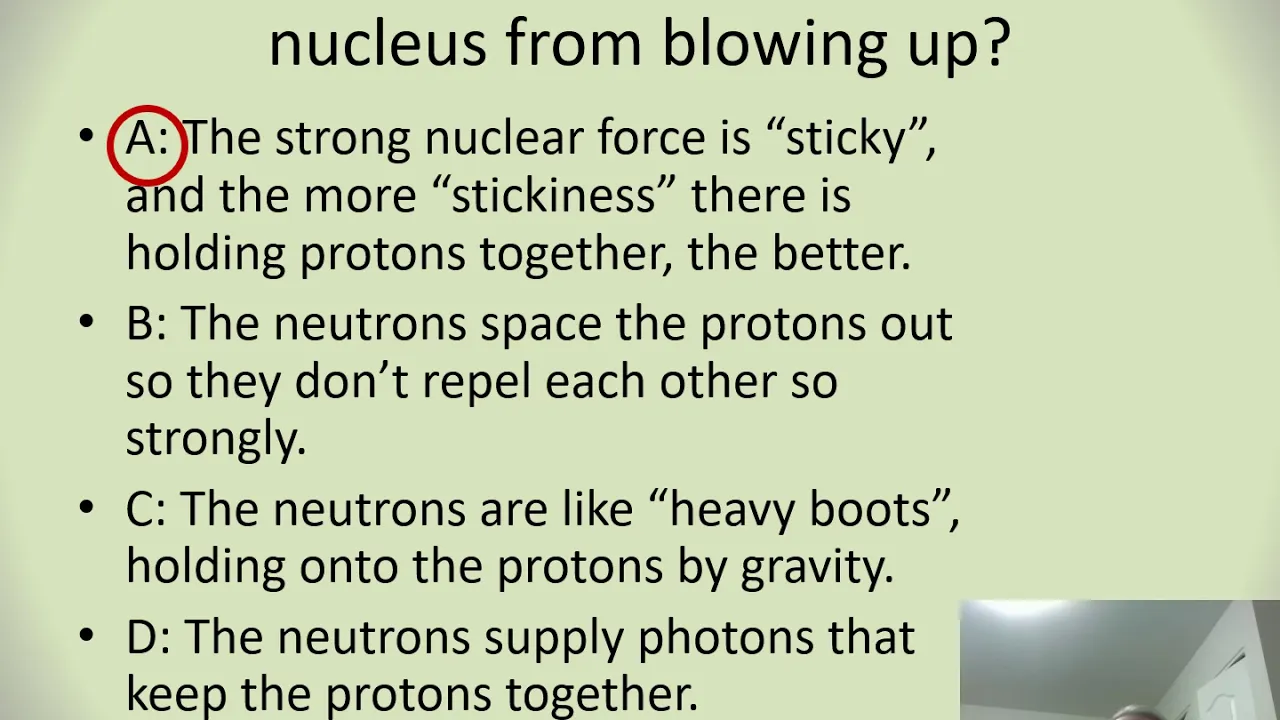
Nuclear Physics Fundamentals: Protons, Neutrons, and the Strong Force
@BYUPhysicsAstronomy
176 views•2020-03-29

21cm Hyperfine Transition in Neutral Hydrogen: Radio Astronomy Basics
@AaronRobertParsons
12.4K views•2011-10-13

NMR Spin Physics I: Zeeman Effect, Resonance Condition & Larmor Frequency
@nptel-indianinstituteofsci8064
2.3K views•2024-01-17

Entropy and the Second Law of Thermodynamics Explained
@veritasium
27.5M views•2023-07-01
Related Study Plans & Knowledge Roadmaps
Structured learning paths in Physics