







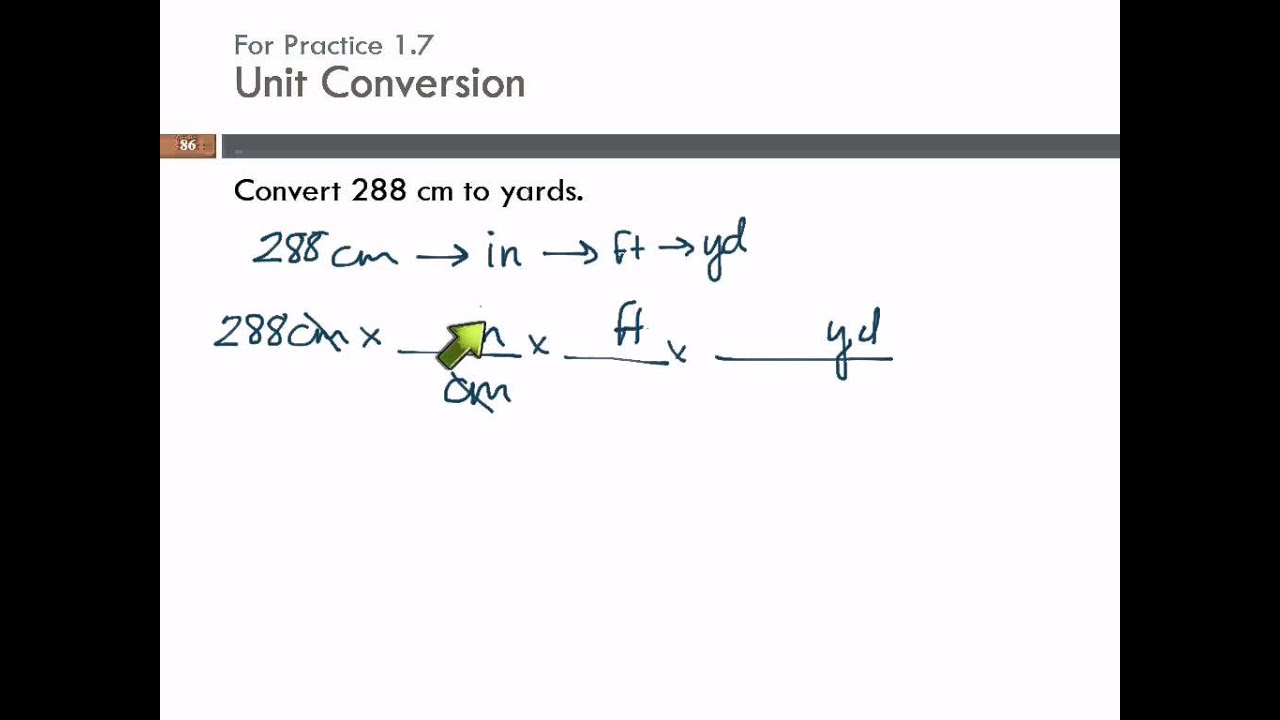



![DƯỢC LÝ [CTUMP] - Thuốc điều trị tăng huyết áp | ThS.BS Lê Kim Khánh (Đã hậu kỳ)](https://i.ytimg.com/vi/OLCEPrVE_pE/hqdefault.jpg)

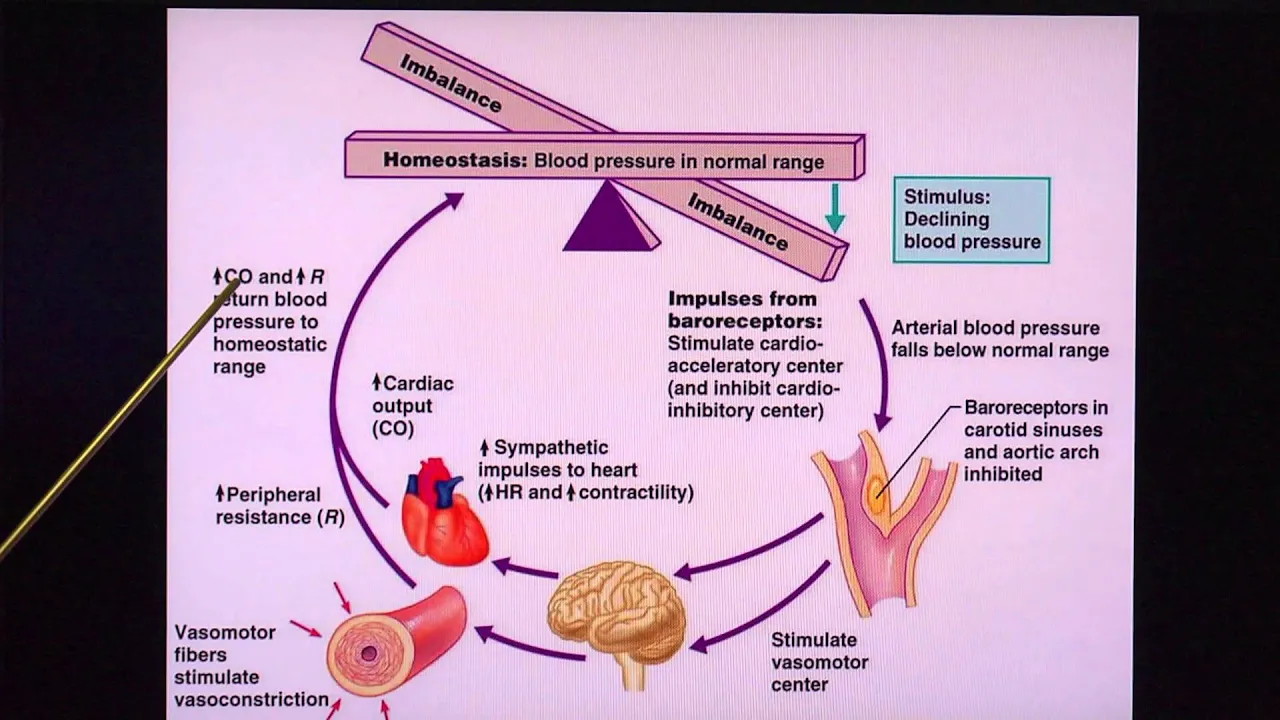



![[#3] Microcirculação: FORÇAS DE STARLING | MK Fisiologia](https://i.ytimg.com/vi/g8yHtk_xE0o/maxresdefault.jpg)





Blood flow follows principles similar to electrical circuits, governed by Ohm's Law of Hemodynamics (Flow = Pressure Difference / Resistance), where resistance is inversely proportional to the fourth power of vessel radius; laminar flow follows Poiseuille's Law (directly proportional to pressure difference and radius^4, inversely proportional to viscosity and length), while turbulent flow occurs when Reynolds number exceeds approximately 2000; cardiac output equals heart rate multiplied by stroke volume, averaging 5 liters per minute in humans.
Hemodynamics Explained: Blood Flow, Resistance & Cardiac Output
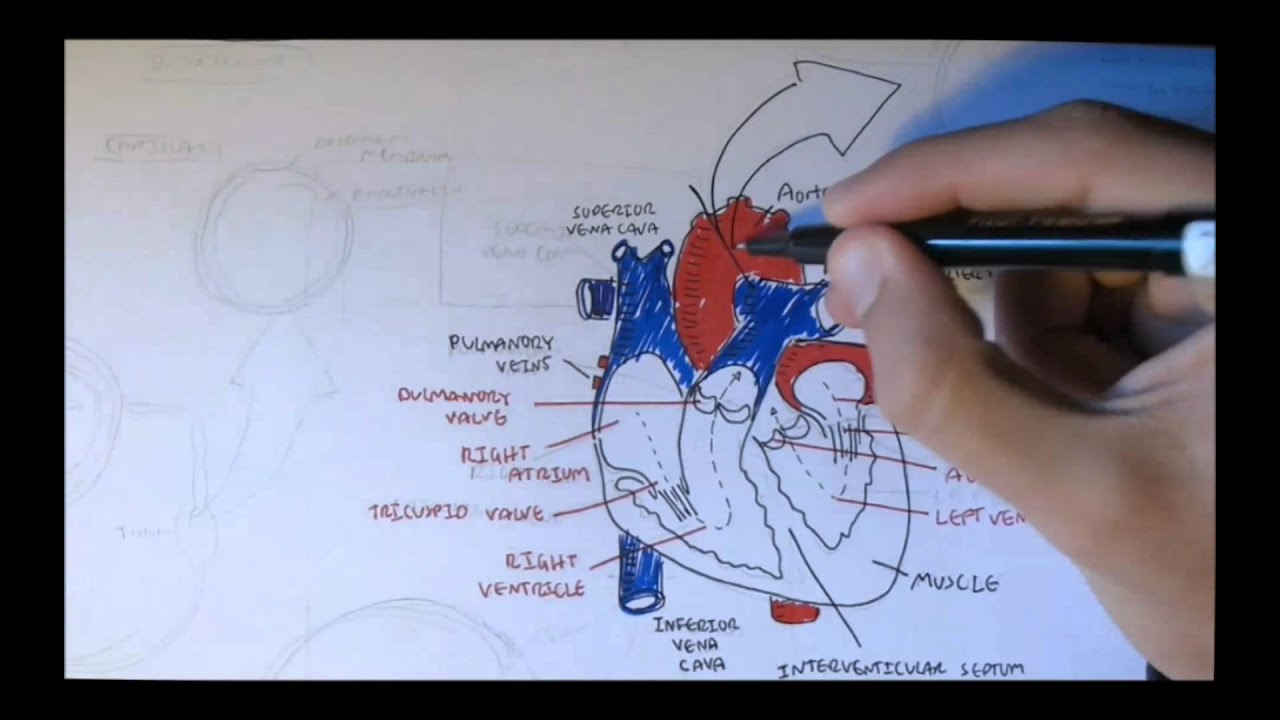
Added:Basic anatomy of the cardiovascular system, including the structure and functions of the heart chambers, arteries, veins, and capillaries.
Fundamental concepts of fluid mechanics, specifically the definitions of pressure, velocity, flow rate, and fluid viscosity.
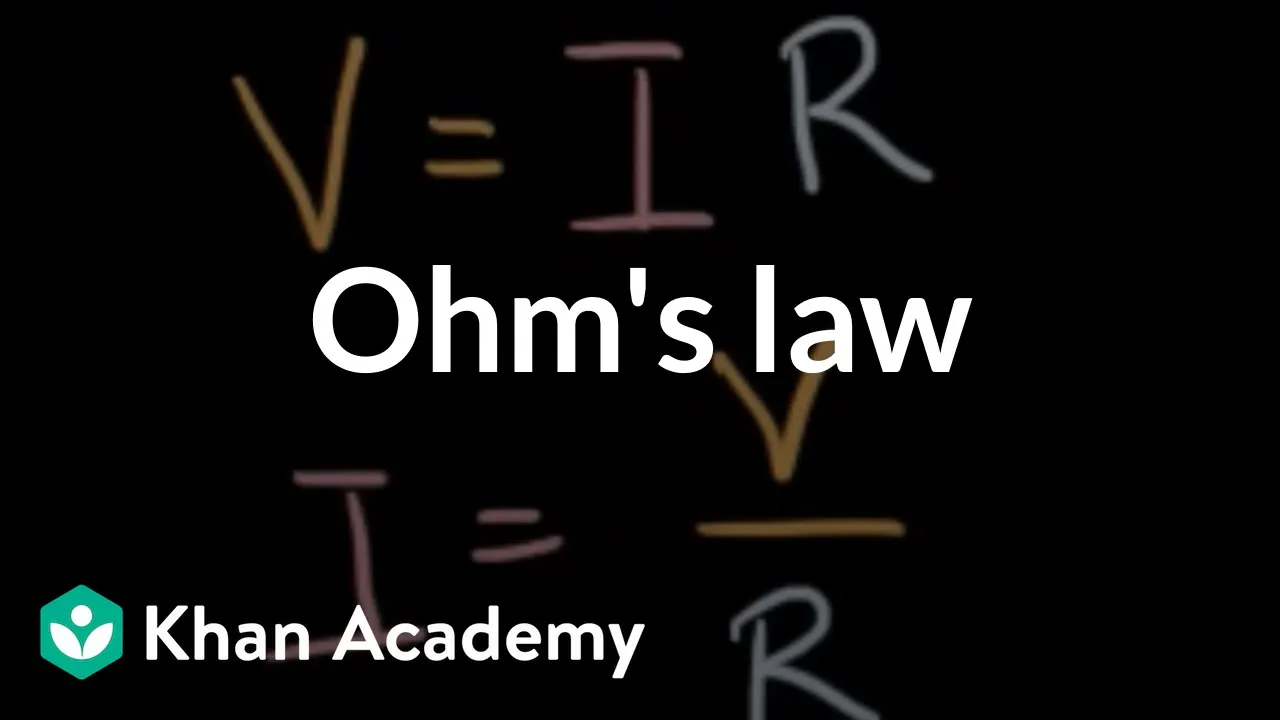
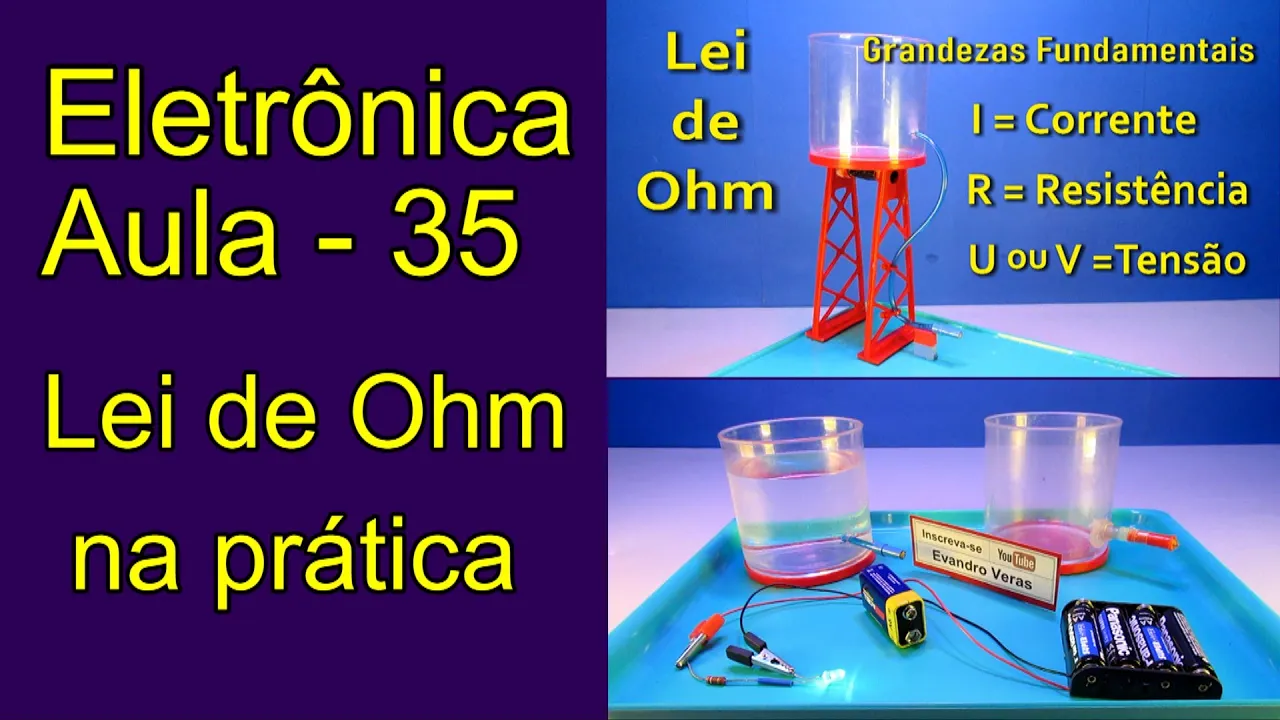
The basic physics of Ohm's Law ($V = IR$) and how the concepts of driving force, flow, and resistance behave in electrical circuits as an analogy.
Algebraic proficiency required to understand and manipulate mathematical equations containing multiple variables, such as radius and viscosity.
The physiological regulation of blood pressure, including baroreceptor reflexes and hormonal systems like the renin-angiotensin-aldosterone system (RAAS).
Clinical pathology of hemodynamics, such as how atherosclerosis, hypertension, and valvular heart diseases alter blood flow and resistance.
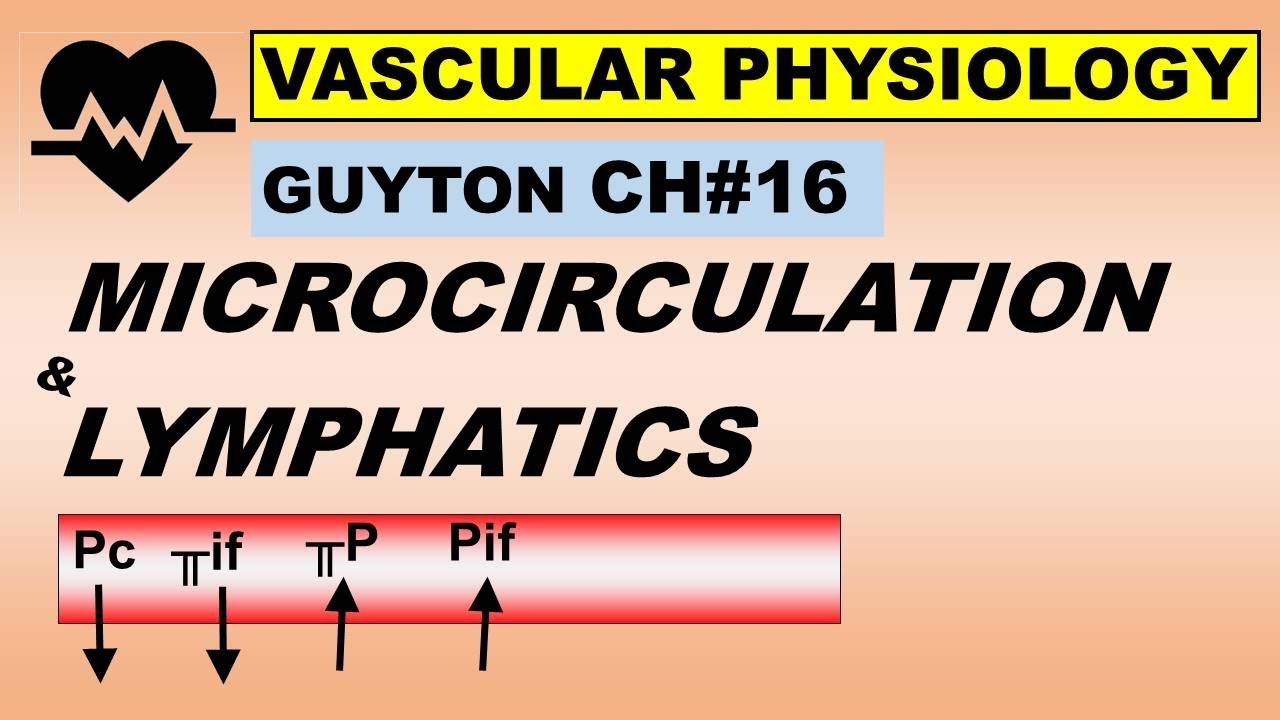
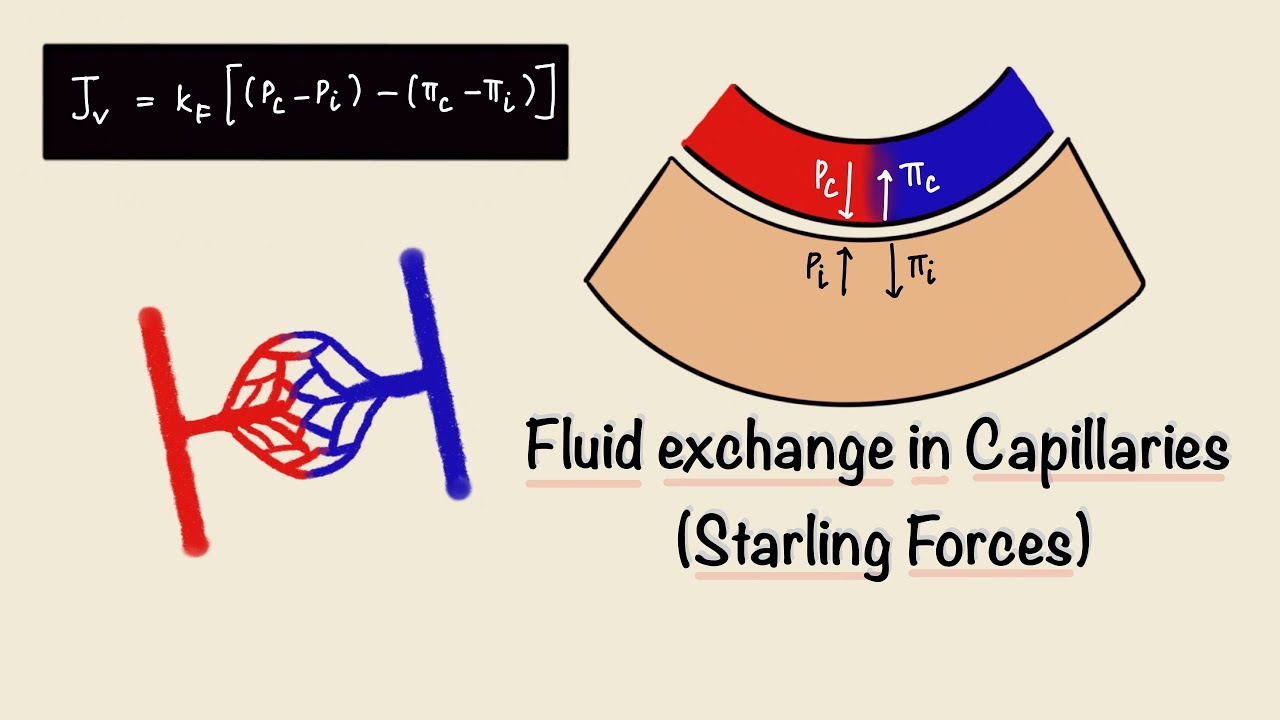
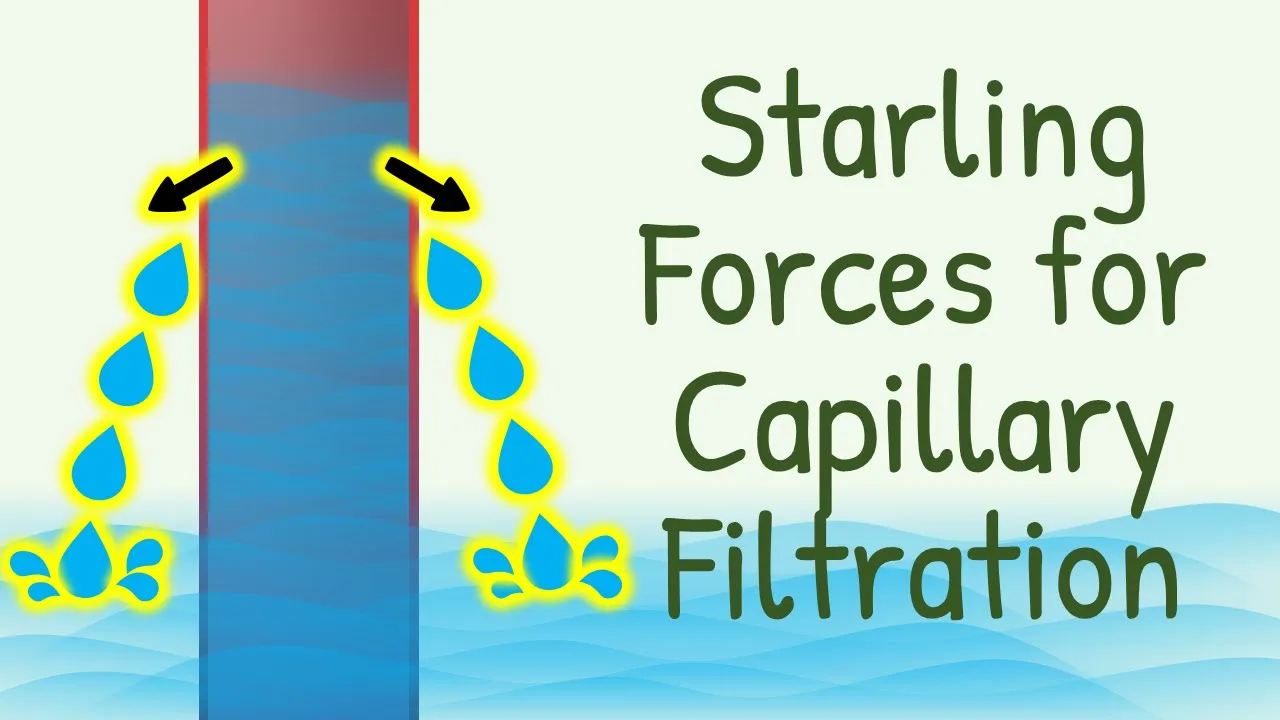
Microcirculation and Starling's forces, which explain the physics of fluid filtration and reabsorption at the capillary level.
Advanced hemodynamic monitoring techniques used in clinical settings, such as Doppler ultrasound, arterial line monitoring, and Swan-Ganz catheterization.
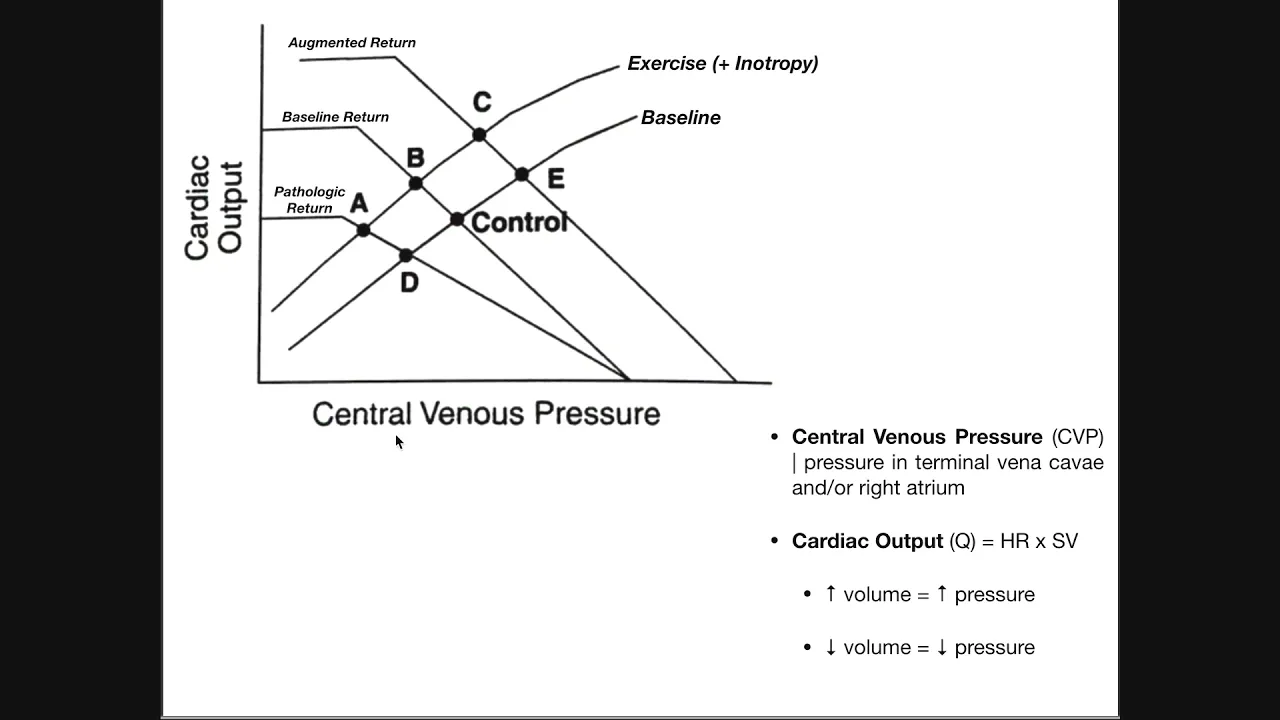
The integration of cardiac output and venous return using Guyton's cardiovascular function curves.
610 views21likes8:00Original Release: 2023-02-17
[Music] hello everyone welcome to 10 minute physiology in today's video we're going to talk about the physics behind blood flow so with that let's give it a go so I'd like to begin by first describing to you the importance of pressure in blood flow so let's just bring in a blood vessel and this blood vessel has two sides side one and side two and each of these sides has a specific pressure so let's just say in this first instance we have side one having this pressure inside two having this pressure so the pressure inside one is greater than the pressure inside two so which direction will the blood flow in well the blood will flow from side one to side two and this is because fluid will always flow from the direction of higher hydrostatic pressure to the area of lower hydrostatic pressure so what if we were to reverse the scenario where side two has a greater pressure than side one well in this case the blood would flow in the opposite direction from side two to side one now what if we were to take the two sides and make the pressures equivalent which way would the blood flow well in this case the flow would actually be equal to zero and the reason why is because there is no difference in pressure between the two sides so this brings up a very important point that is described well by Ohm's law of hemodynamics so Ohm's law of hemodynamics basically states that the flow is directly proportional to the difference in pressure so you need a difference in pressure in order to have flow and what we see with Ohm's law is that the flow is equal to the difference in pressure divided by the resistance of the tube so this then brings up into the next segment what is the resistance so in order to understand what the resistance is let us bring in a tube and this tube divides into two segments this segment and this segment and as you see here each of these segments has a different radius so this segment has a radius equal to three units and this segment has a radius equal to one unit so how does the resistance differ in these two segments well in order to understand that we have to know the relationship between radius and resistance so the resistance is going to be indirectly proportional to the radius and specifically the radius to the fourth power so in other words a small change in the radius will greatly affect the resistance so if you were to compare the resistance between these two segments you would see that this segment with a radius equal to one unit has a resistance 27 times larger than this tube so the radius is the biggest determined of the resistance so now that we understand what resistance is let's talk about the equivalent resistance or the aggregate resistance which is something that is very important to understand for blood's vessels now the equivalent resistance for blood vessels can be calculated in the same way that we calculate it for electrical circuits so let's take a look at the equivalent resistance and how to calculate it for a series circuit so a series circuit looks something like this where we have two resistors in series and let's just say that resistor one has a resistance of two ohms and resistor two has a resistance of two ohms so what is the equivalent resistance of this circuit well in order to calculate this for a series circuit you would have to add the two resistances together and what we would get is a an equivalent resistance of four so this particular circuit has an equivalent resistance of four so what if we were to take the same circuit and make it into a parallel circuit How would the equivalent resistance differ well in order to calculate the equivalent resistance for a parallel circuit you would use this equation and what we would do when you put the numbers into this following equation and solve for the equivalent resistance what you would get is an equivalent resistance equal to one so what we see here is that even though we have the same two resistors by orienting them differently so in this case by organizing them into a parallel circuit we decreased the equivalent resistance so this brings up a very important point that resistors in parallel have a lower equivalent resistance than resistors in series so this is why when you look at the aggregate resistance of all the capillaries that they have such a low aggregate resistance the reason why is because all the capillaries are basically organized in parallel which basically causes the equivalent resistance to be very low so now we're going to talk about the two types of flow and the first one is laminar flow so laminar flow looks something like this where you basically have a fluid and this fluid is flowing in a particular direction and what you see here inside this fluid is that the velocity vectors which are represented by the white arrows are all organized parallel to each other and this fluid has a specific direction in which it's traveling in so laminar flow is when fluid Flows In A streamlined fashion the fluid has a direction and we can calculate the flow of laminar Flow by using poissai's law so POI size law is the equation that describes laminar flow and what we see here is that flow is going to be directly proportional to the difference in pressure and the radius so the greater the difference in pressure and the greater the radius the greater the flow rate and this should make sense because remember that the radius is going to be inversely proportional to the resistance and if you remember Ohm's law of hemodynamics Ohm's law states that the flow is equal to the difference in pressure divided by the resistance and resistance is indirectly proportional to the radius so by increasing the radius we decrease the resistance and therefore increase the flow rate so that's why these two factors are directly proportional to the flow rate and what we see in the denominator is that the flow rate is going to be indirectly proportional to the viscosity of the fluid symbolized by Ada and the length of the tube which is symbolized by L so now that we understand what laminar flow is let's talk about the second type of flow called turbulent flow so turbulent flow actually looks like this and it has no particular direction and this is why it's called wasteful flow because it really has no direction and therefore it wastes energy now in order to determine when a fluid will become turbulent flow you use a specific equation that calculates Reynolds number which is re so Reynold's number is equal to 2 times the radius of the tube times the velocity of the fluid times the density of the fluid divided by the viscosity of the fluid and basically when you plug all these numbers in when the number equals around 2000 and starts going above that the flow is said to become turbulent so the last thing that we'll talk about is cardiac output so cardiac output is can be calculated by multiplying the heart rate and the stroke volume and the cardiac output basically describes how much fluid your your heart is pumping out per unit time and for the average human the average cardiac output is going to be around 5 liters per minute so that's it for this video I hope this video helped you gain a basic understanding of the Ohm's law of hemodynamics how equivalent resistance works and the general definition of what cardiac output is and I hope to see in the next video thank you for watching and I hope to see you next time [Applause] [Music]
Up Next

28:01
Hemodynamics Explained: Cardiovascular Physiology & Fluid Dynamics
@StrongMed
60.9K views•2022-04-21

12:53
21cm Hyperfine Transition in Neutral Hydrogen: Radio Astronomy Basics
@AaronRobertParsons
12.4K views•2011-10-13

32:32
NMR Spin Physics I: Zeeman Effect, Resonance Condition & Larmor Frequency
@nptel-indianinstituteofsci8064
2.3K views•2024-01-17

27:14
Entropy and the Second Law of Thermodynamics Explained
@veritasium
27.5M views•2023-07-01
Related Study Plans & Knowledge Roadmaps
Structured learning paths in Physics
physics
Nuclear Physics (Decay, Fission & Reactors)
01Atomic Structure and the Binding Force
02Radioactive Decay and Half-Life
03Nuclear Fission Mechanics and Chain Reactions
+ 2 more learning modules
12h5 modules
Explore Roadmap
physics
Soft Matter (Polymers, Colloids & Rheology)
01Foundations of Soft Matter & Thermal Forces
02Polymer Physics and Macromolecules
03Colloids, Surfactants, and Self-Assembly
+ 2 more learning modules
38h5 modules
Explore Roadmap
physics
Analytical Mechanics: Lagrangian & Hamiltonian
01Mathematical Foundations: Calculus of Variations
02From Newtonian Mechanics to Constraint Dynamics
03The Principle of Least Action & Lagrangian Mechanics
+ 3 more learning modules
28h6 modules
Explore Roadmap
physics
General Relativity (Spacetime & Cosmology)
01Foundations of Relativity: Special Relativity
02The Geometry of Spacetime: Equivalence Principle & Curvature
03Einstein's Field Equations: The Mathematics of Gravity
+ 2 more learning modules
55h5 modules
Explore Roadmap