

![endergonisch vs. exergonisch/ endergone und exergone Reaktionen [Biologie, Oberstufe]](https://i.ytimg.com/vi/i9u75veRUBg/hqdefault.jpg)

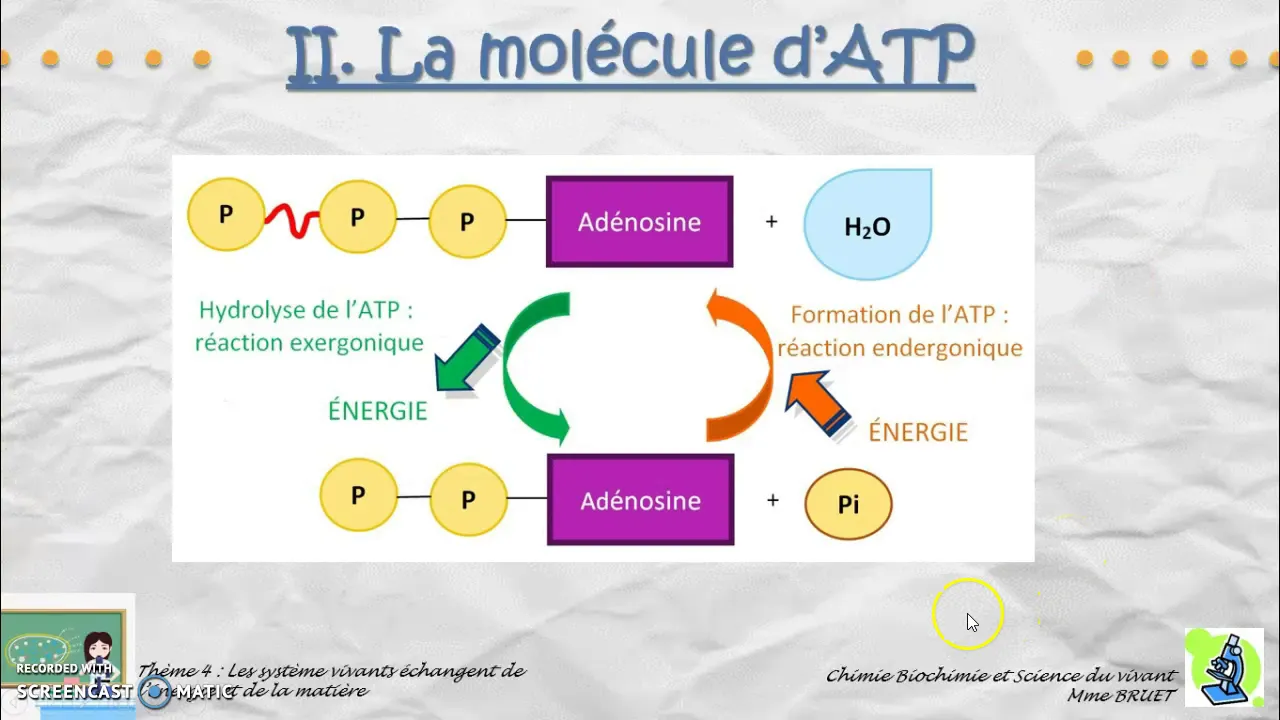

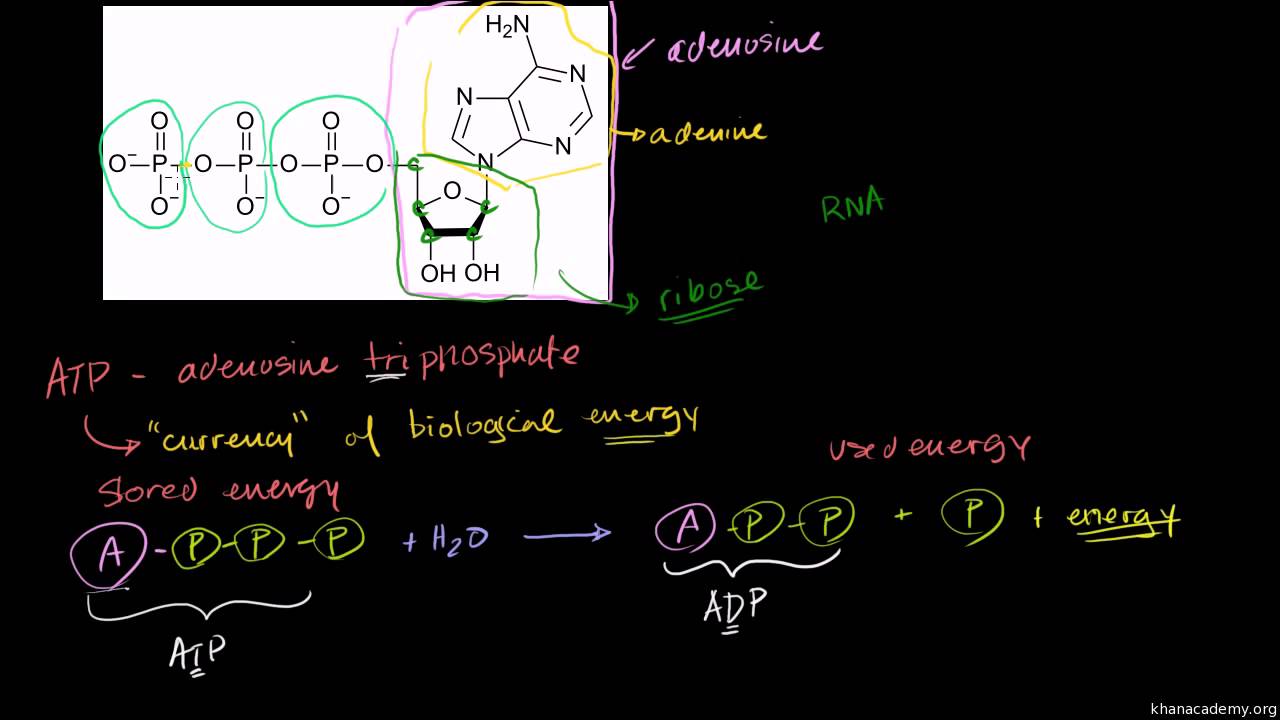

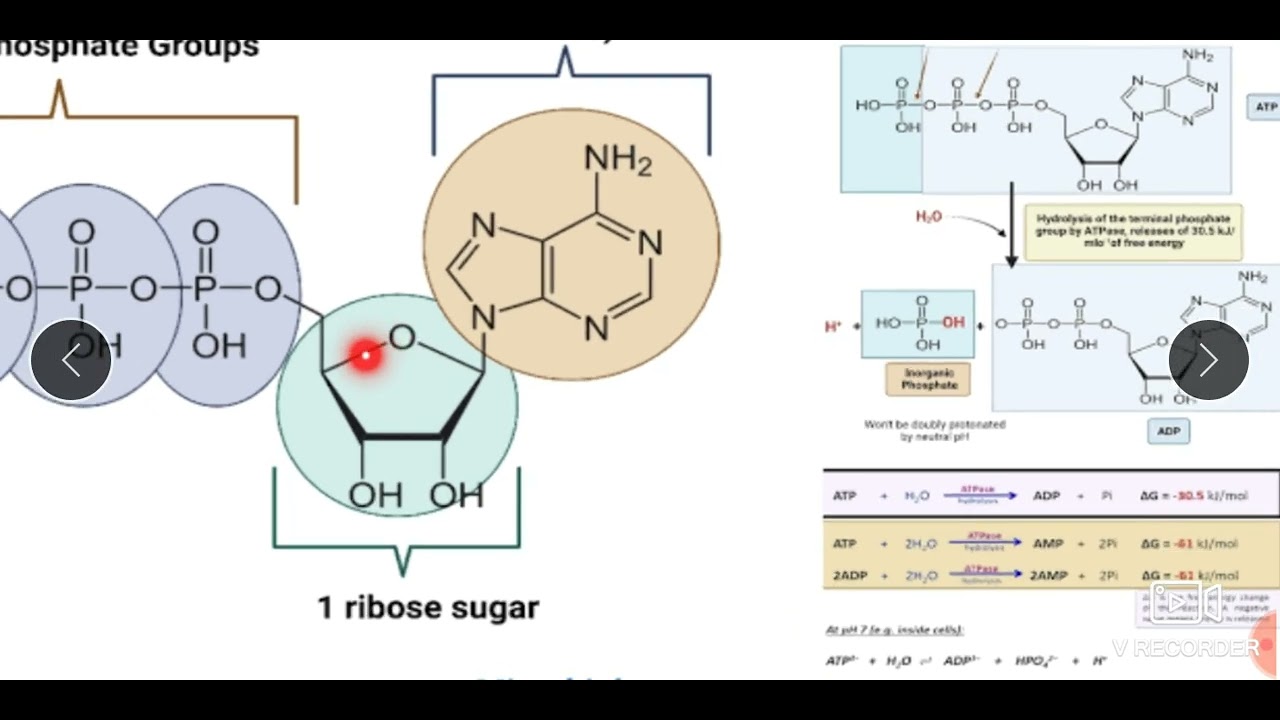








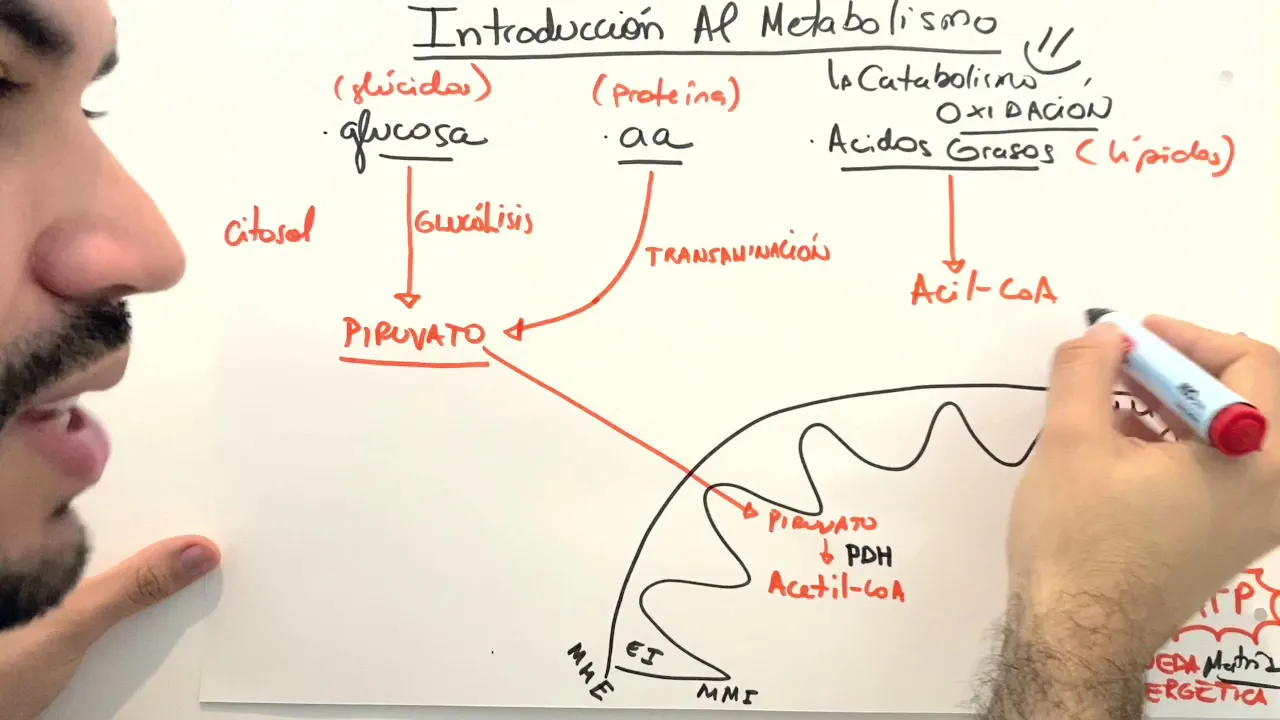

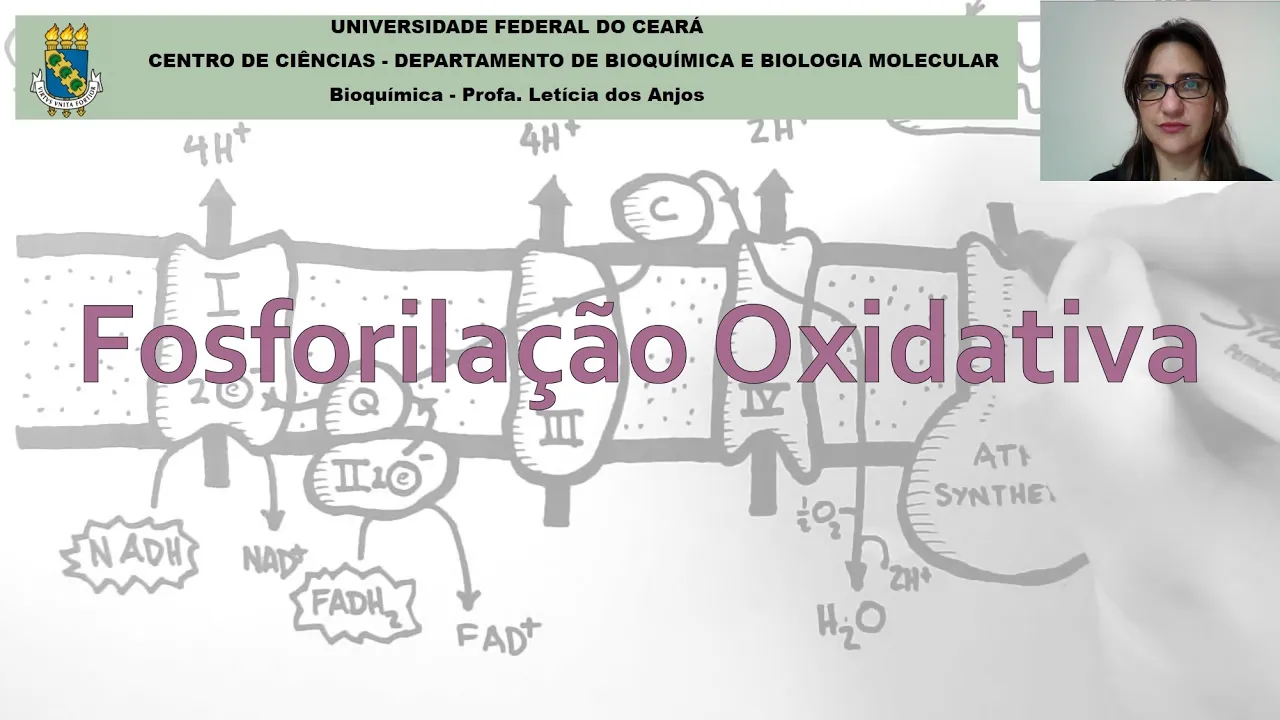
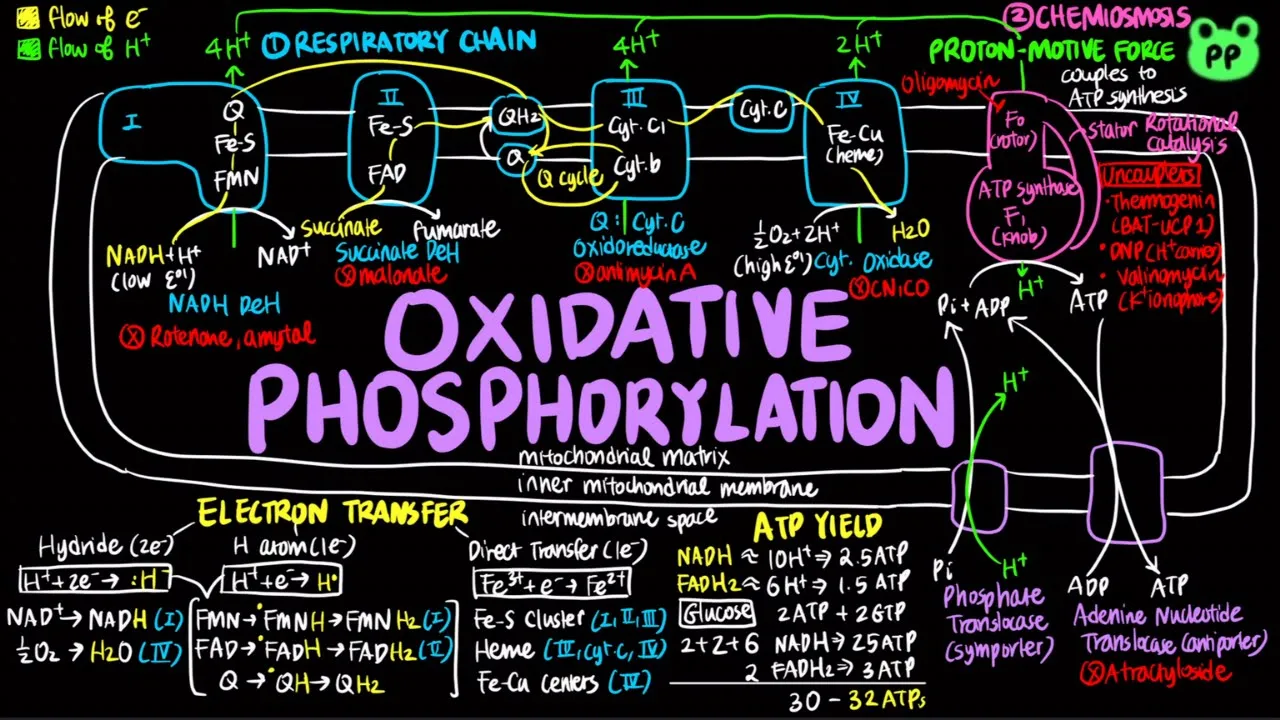


Bioenergetics studies the thermodynamics of energy conversions in living systems, where ATP serves as the primary energy currency. Non-spontaneous biochemical reactions are driven by coupling with spontaneous reactions, typically ATP hydrolysis, which provides sufficient free energy to make the overall process favorable. Oxidative phosphorylation in the inner mitochondrial membrane harnesses energy from electron transfer (via NADH, FADH2, and coenzymes derived from vitamins like B3 and B2) to create a proton gradient across the membrane. This proton gradient, with higher H+ concentration in the intermembrane space and lower in the matrix, drives ATP synthesis through ATP synthase, producing approximately 3 ATP molecules per NADH oxidized.
Bioenergetics: Thermodynamics of Energy Coupling & ATP Hydrolysis
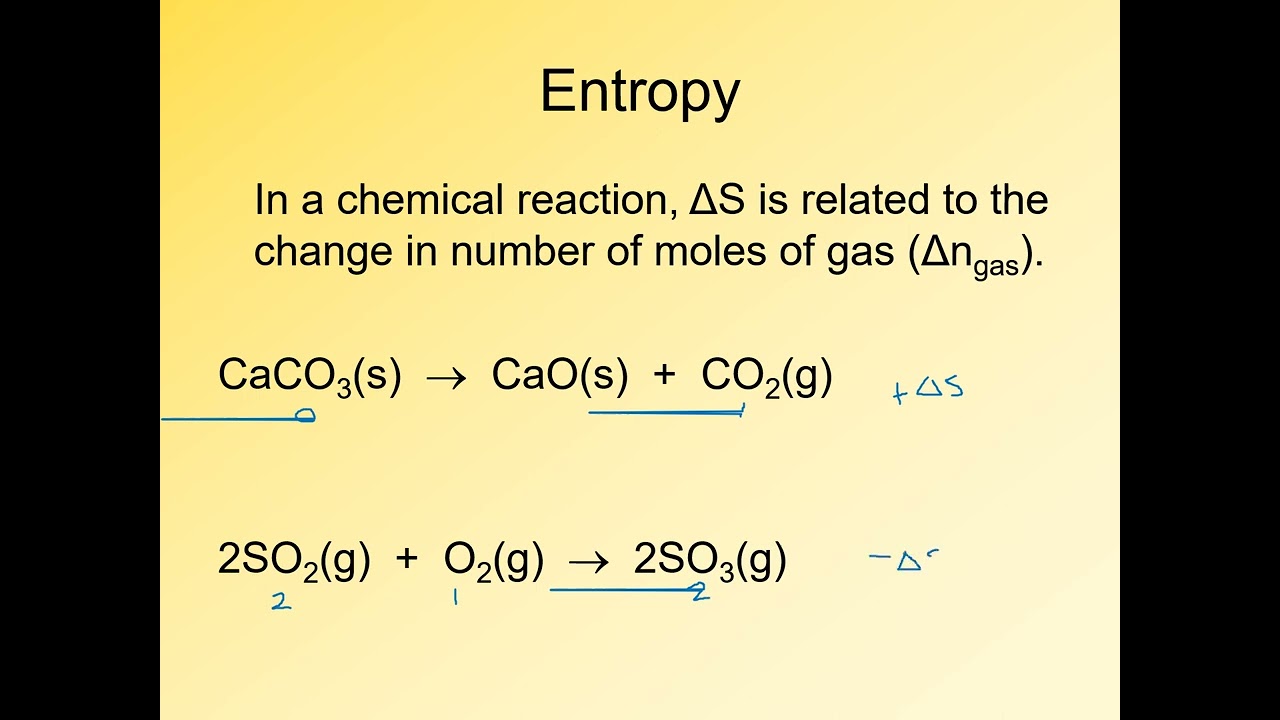
Added:The Laws of Thermodynamics, particularly the concepts of Gibbs Free Energy (delta G), entropy, and enthalpy.
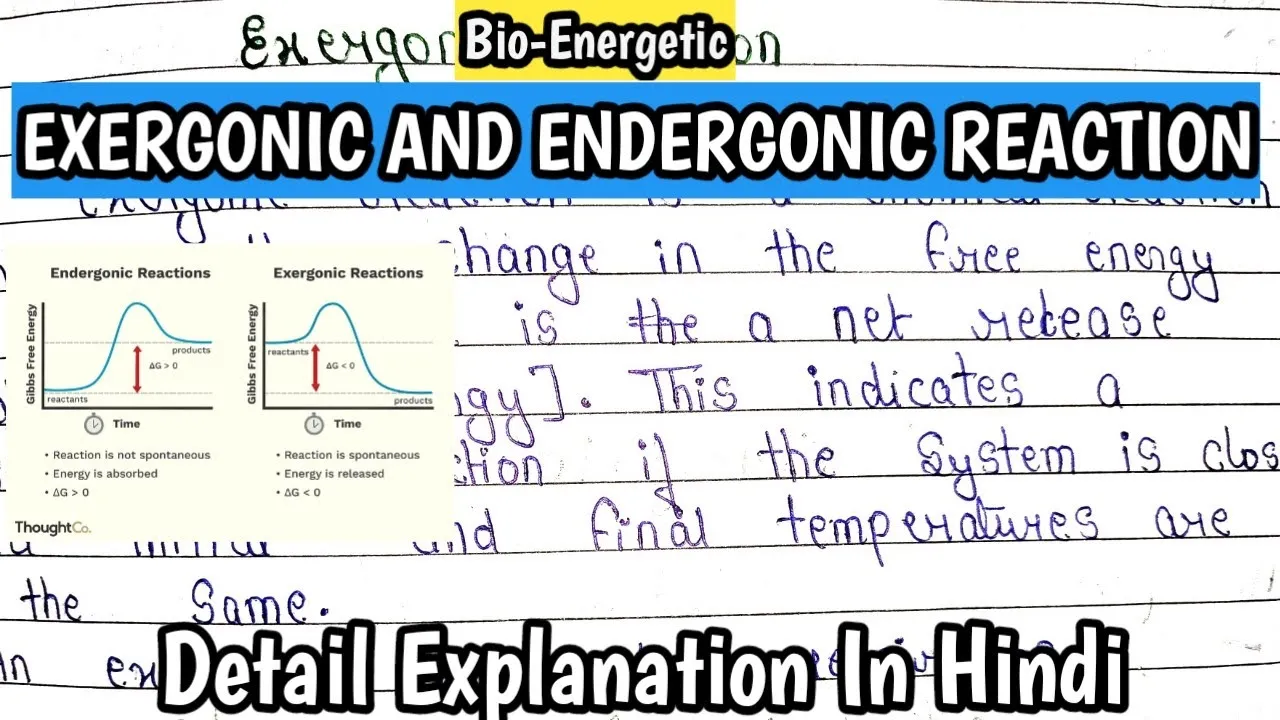
The distinction between exergonic (energy-releasing) and endergonic (energy-requiring) chemical reactions.
The basic molecular structure of Adenosine Triphosphate (ATP) and the nature of phosphate bonds.
The fundamentals of reduction-oxidation (redox) reactions, including the transfer of electrons and oxidation states.
The detailed macromolecular mechanics of the Electron Transport Chain complexes and the rotational catalysis of ATP Synthase.
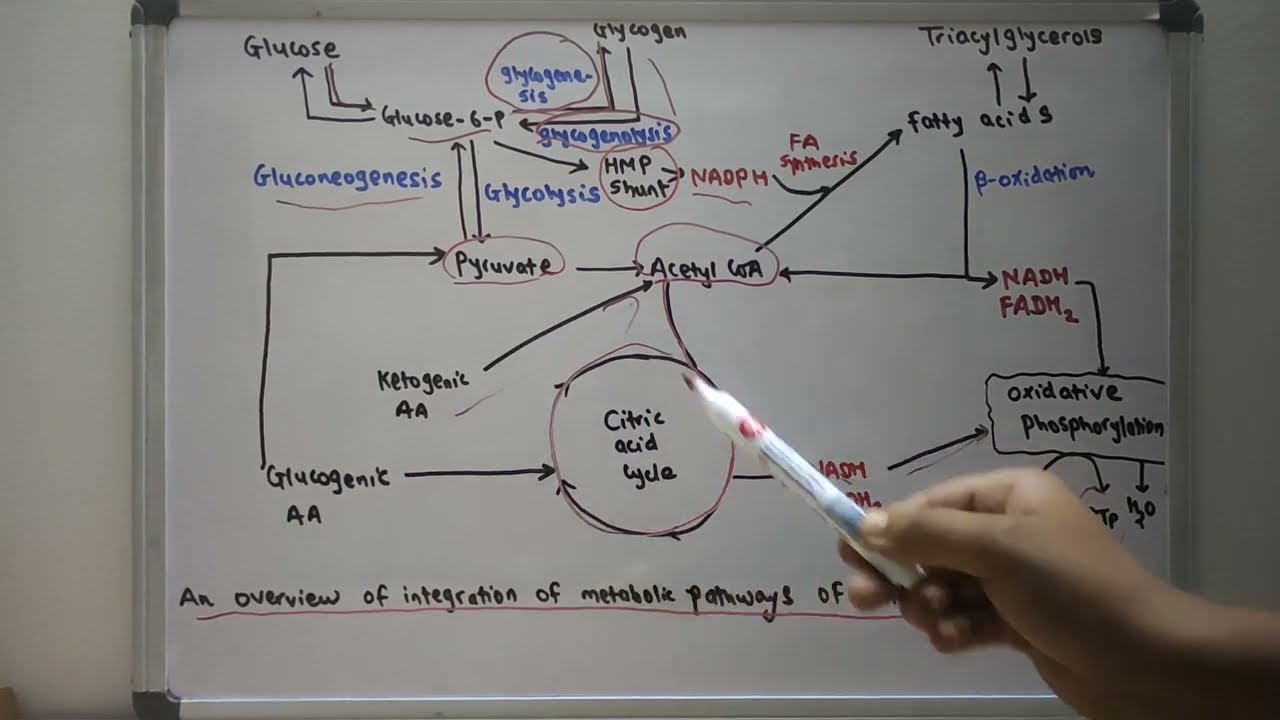
The integration of bioenergetics with core metabolic pathways, such as Glycolysis, the Citric Acid (Krebs) Cycle, and Beta-Oxidation.
Physiological regulation of cellular respiration, including allosteric control of key metabolic enzymes by ATP, ADP, and NADH ratios.
The biochemical impact of metabolic inhibitors (such as cyanide and carbon monoxide) and uncoupling proteins (UCPs) on the proton motive force.
86K views432likes59:38Original Release: 2008-01-30
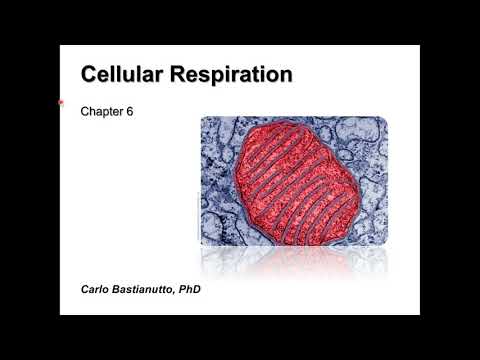
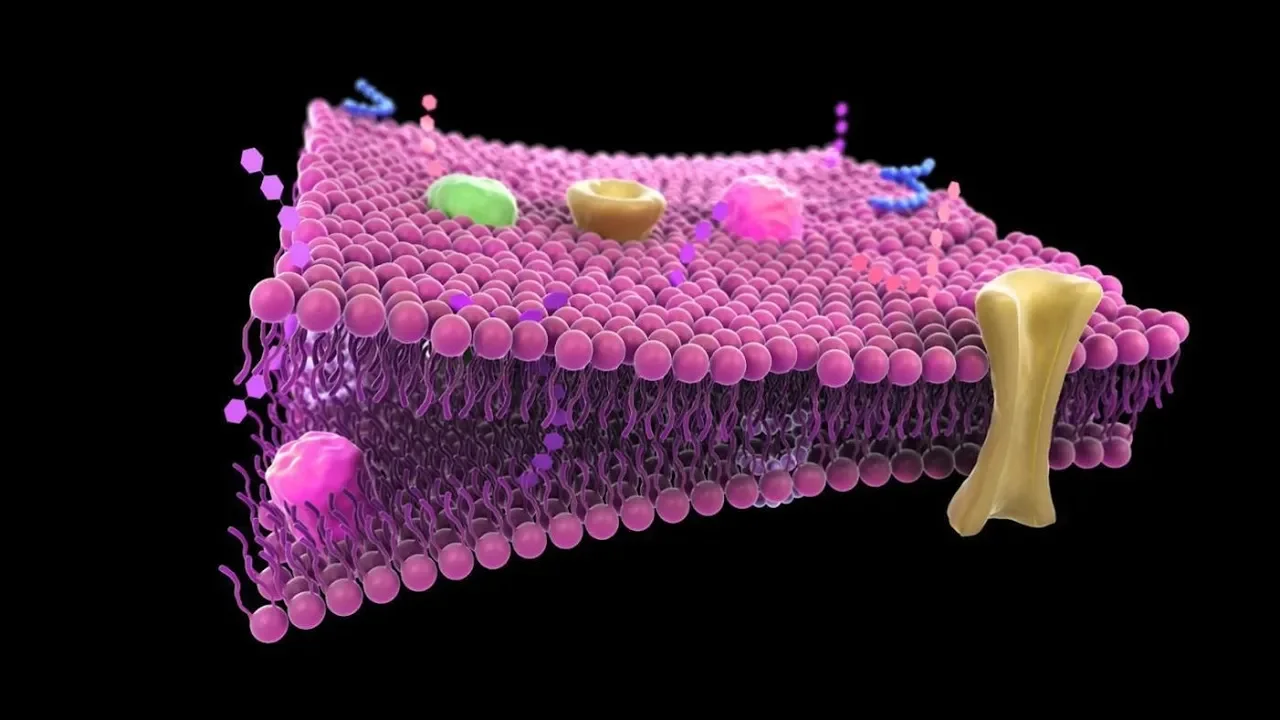
[Music] oh [Music] We Begin our lecture on bioenergetics which is the final part of this course and uh we'll be speaking of certain aspects of the energy of systems and mostly later on the metabolism of carbohydrates now if we consider the bioenergetics of life we consider the thermodynamics of energy conversions in living systems and we have seen before how we look at ATP as the source of energy and it will be more apparent now when we see how this energy of the breakage of the high energy phosphate bond is actually going to give us a lot of the energy that is required to drive these processes so we have the free energy from ATP and other High high energy compounds then the free energy from electron transfer from one molecule to another in ordinary oxidation reduction reactions where again we'll be using some compounds that we have considered that have been derived from the vitamins then we will be looking at some metabolic pathways and involved in that we will be looking mostly at the breakdown of glucose how glucose is broken down in the body and and in that there will be certain not very many but some organic reaction mechanisms and there will be some studies based on how the energy is utilized in the processes in glycolysis or the tri carboxilic acid cycle where we have the final breakdown of glucose now when we consider biochemical energetics usually the energy is actually harnessed by a process that is called oxidative phosphorilation this is an aerobic process an aerobic process means it is a process that requires oxygen this oxidative phosphorilation is the process by which ATP is formed and you realize that since ATP is the currency of energy we require its formation at a very high level as well because its breakdown is going to to finally drive a lot of other processes that are going on okay so the formation of ATP is extremely important and oxidative phosphorilation is the process in which it is formed as electrons are transferred from nadh or fadh2 to Oxygen by a series of electron carriers now we won't go into the details of all the mechanism but we'll just look at a broad overview of how this oxidative phosphorilation system works and how actually ATP is formed now this process of oxidative phosphorilation occurs in the mitochondrial membrane you have all heard or studied from your school days that mitochondria is the PowerHouse right and what we look at it now is a bit more detail in now the fact that it is the PowerHouse is because it gets you the source of energy that is ATP okay it in its inner mitochondrial membrane which if we look at at the structure of uh mitochondria we have this mitochondrial system this is you know a picture of mitochondria and what we have here is we have the membrane we have a charge across this membrane and in here if you remember these fos are called christe these fos actually there is this intermembrane space and there is is the inter cellular space the cytoplasmic space the intermembrane space and the outside of the membrane okay so there are these three features that we're going to consider in the charge gradient across the membrane and we'll see how important that is in driving what is called a proton pump okay because this proton pump is essential for the formation of ATP which occurs in the inner mitochondrial membrane but before we get into that we'll just look at the basic aspects of energy and equilibrium and how they are related in other terms like Delta G and all that this is something you have studied before but in general when we consider any energetics or any equilibrium we look at a Delta G factor and we know that at equilibrium this value is zero we have here certain products and certain reactants a plus b going to C plus d at a definite temperature and associated with that we can get a specific equilibrium constant and with the equilibrium constant we know that when we have a negative value for the Delta g0 Prime we are going to have a spontaneous reaction now the prime usually refers to if not mentioned otherwise it refers to a biological system where the temperature is 37° centigrade it is not your normal Delta g0 where the temperature is 25° Centigrade so if not mentioned the Delta g0 Prime T has to be 37° Centigrade now if we look at the variations if we just consider you can see how different the variations get now the calculations here have been done at 25° Centigrade for the Delta g0 Prime but in normal cases when the temperature is not meant it means you use 37° Centigrade for your calculations now if we consider just one mole concentrations of reactants and products what you will see here is how the order of the equilibrium constant changes more than 100 fold for a relatively smaller value of the kilj per mole Delta G changes now this you have to be very careful about this is due to the Ln feature that you have here okay since it's is an exponential dependence what you have is even if you have just a 12 KJ per mole difference here you're looking at a 100 fold difference in your equilibrium constant okay which means your reaction is going to get to equilibrium at a much different rate then obviously if you had just your energy at this forward now when you consider the Delta g0 Prime values here you understand that this means you are going to have a forward spontaneous reaction this is at equilibrium and this goes in the backward Direction a non-spontaneous reaction now when we consider the energetics bioenergetics requires energy coupling you do not have a continuous spontaneous reaction usually because that is going to form a large amount of products you might not need all those products all the time so the process the whole process of the formation of the reactants and of the products from the breakdown of the reactants in the enzymatic processes has to be tightly regulated okay because you understand remember we studied feedback inhibition what was feedback inhibition it was where you had your final product inhibit the initial enzyme right so what you're doing here in this case is you have a spontaneous reaction that drives a non-spontaneous reaction the energy is coupled in such a way that the free energy changes of these reactions are additive okay and what we have is these enzyme catalyzed reactions they are interpreted as two coupled half Reactions where you have the energy of one compensate the energy of the other more than compensate where you are going to get a value that is going to be making the specific reaction spontaneous in nature now what happens is at the enzyme active site the couple reactions are kinetically facilitated which means they go at a specific rate but the individual half reactions are prevented you do not have just a certain half reaction go on but when the enzyme active site has both the reactants there is a coupled reaction that goes on and the free energy changes of the half reactions are summed to yield the free energy of the coupled reaction which usually gets to a spontaneous reaction a negative value we'll see I have a an example here so essentially what we're looking at is we're looking at a standard free energy change here so if we have a half reaction that goes from A to B and another half reaction that goes from B to C then we can have the overall reaction go from a to c and the standard free energies of both of these are going to be additive now it may so happen that you do not have the B component present in both cases that is one such case another case may be you have a completely different reaction that is actually going to provide the energy for this reaction to go forward okay that would be a normal bio chemical coupled reaction and in most cases we get the energy from the ATP breakdown okay so what are we SP speaking about we are speaking about this high energy bonds of ATP this is a structure that you now recognize and what we have here is we have a very large negative Delta G of hydrolysis meaning that this breakdown is extremely spontaneous in nature now the basis of the high energy of hydrolysis of ATP is due to the resonance St stabilization of the products that you get it is also due to the electrostatic repulsion between the negatively charged oxygen atoms in ATP where are these negatively charged oxygen atoms they are here so you would not have them one beside the other all the time so it would be relatively easier for it to break off to give you a DP plus pi or a MP plus PPI and also we have a high solvent energy of the products which amounts to the high energy of hydrolysis for ATP now when we have this the reactions that require the breakdown of ATP are such reactions that are going to have a positive Delta G by themselves okay so if we look at such an example for example the enzyme hexo KY hexokinase a kyes is a transferase enzyme that transfers a phosphate group okay it does not usually get the name it is a transferase but a kisee is a specific type of transferase that transfers the phosphate group now in the reaction catalyzed by the process glycolysis which we'll be studying in detail when we go to the glucose breakdown the first step in the glucose breakdown is the formation of glucose 6 phosphate now the formation of glucose 6 phosphate from glucose plus pi is a plus value of 14 KJ per mole so by itself it is non spontaneous so you will will not have your glucose with the help of the enzyme hexokinase now this name hexo means it is working on a six membered carbon ring or your six member glucose carbon sugar here so it it is a hexos it is the kyes working on a hexo so it is a hexokinase which means that it is going to be involved in the transfer of the phosphate ion from just the pi in this case two glucose giving you glucose 6 phosphate now as I just mentioned this overall reaction has a positive Delta g0 Prime however if you couple it with the hydrolysis of ATP ATP hydrolysis gives you ADP plus pi and we have a very large negative value here for the breakdown of ATP and when you couple these two reactions together what is happening is you have ATP plus glucose form ADP plus glucose 6 phosphate giving you an overall favorable Delta g0 Prime of the reaction so this makes this reaction spontaneous so this is what would you would call Energy coupling okay and the structure of the enzyme active site from which H2O is excluded prevents individual hydrolytic reactions but it does favor the couple reaction okay you understand the that the enzyme active sites are extremely specific in the way they work you have seen certain enzyme active sites and how they actually work hexine we will not go into the details of how hexokinase works but for understanding the energetics what you have to realize here is that the non-spontaneous reactions are coupled with other reactions that are spontaneous in nature in this case ATP hydrolysis but this together will give you a favorable energy which makes the reaction go forward now Nature has chosen certain specific hydrolysis reactions for the specific types of non-spontaneous reactions for in this case we need ATP hydrolysis but in some cases if the energy is enough to be compensated by another specific hydrolysis or another electron carrier or whatever then this it may not require this amount of energy for for the coupled reaction and then what is chosen another hydrolysis is chosen to couple it so that we do not have too much extra energy okay now we can have this also this is another case where we have two separate reactions that occur in the same cellular compartment one is spontaneous and the other is not that would be typical of a coupled reaction and it is coupled by a common intermediate okay for example if we look at a hypothetical example that involves PPI we have a plus ATP going to B plus plus PPI okay now this particular reaction that occurs in enzyme 1 has a positive Delta G okay now it having a positive Delta g means it is non-spontaneous so if we want to Form B from a we have to have a corresponding compensatory reaction that is going to have a Delta G that is negative then we can couple it with this reaction to give an overall spontaneous reaction and the energy has to be such that it has to be obviously the negative value has to be more than this in magnitude right so if we look at enzyme 2 that is breaking up the PPI into 2 pii it gives us a Delta G 0 Prime of minus 33 K per mole which more than compensates for the spontaneity of this one right so the overall spontaneous reaction is going to give us a + ATP b+m + 2pi okay again we are looking actually at an ATP breakdown right but we are not going to ADP plus pi in this case the first reaction itself is forming ATP is breaking down into amp plus PPI and the reaction which couples or which actually provides the energy for the for first reaction to go forward is the PPI breaking down into 2pi Okay so so what happens is this pyrophosphate is often the product of a reaction that needs a driving force okay and we have this breakdown now if you look at both the examples that I showed you both of them are breaking down ATP okay which means that ATP has to be produced somewhere okay if you don't have enough production of ATP obviously none of the these reactions are going to be possible so we are going to look at generally how ATP is formed in a very simplistic manner now we have looked at these molecules before okay we'll go into some of the details of what we looked at before we considered these when we studied vitamins and coenzymes okay nad+ is a coenzyme that reversibly binds to enzymes okay that is what is a co-enzyme and fad is a prosthetic group that remains tightly bound to the active site of an enzyme and we will see how these are utilized basically in the process of oxidative phosphorilation to actually give you ATP production in the production of ATP and these Flavin we look at what these molecules are the Flavin nucleotides are tightly bound to what are called flavo proteins okay so the proteins that have The Fad or the Flavin nucleotides are called Flav proteins and these are required in the reactions of oxidative phosphorilation to give you your enough the energetics or whatever is required for the production of ATP now this is something we studied before where we are looking at vitamin B3 nasin here where we have two co-actor forms that were NAD and nadp they are not tightly held they are the co-actors and they are reused for reaction after reaction okay but what are we do not use them in the raw form here what we have to transform them is to nad+ or nadp now what happens in these reactions is we have an oxidized form and a reduced form what are these forms when we're looking at nicotinamide adenine dinucleotide we know that we have the nicotinamide adenine D nucleotide okay a nucleotide has a single phosphate a d nucleotide has these two phosphates and we have a nicotinamide an adenine and a d nucleotide so we have n a d it is an electron acceptor okay we will see what changes because we're not the rest of the molecule is not going to be required the only difference in na this is NAD plus this nitrogen has a plus this particular nitrogen has a positive charge to it the only difference that we have between NAD plus and nad+ is this two prime o on the adenine nucleotide is phosphorilated so we have NAD D+ okay so we have nad+ here and this is nadp+ sorry we have nad+ when we have the O here we have nadp+ when we have the phosphate here now we have therefore the features of nad+ or nad+ are that we have the nicotin amine that has been derived from nasin okay so this is derived from the vitamin vitamin B3 niin it accepts two electrons and one proton that means a hydride and goes to the reduced State nadh similarly we have nadp+ and nadph okay and it's similar as I said it only has this extra phosphate at the two prime position so the variations that you're looking at is NAD plus nadh so if we just if you look at the previous Slide the rest of this molecule is required for recognition for the entic process but for the nad+ going to nadh it is only this part that is the nicotinamide part that is required so we refer to the rest of this whole portion as R nothing else but r that is exactly what we have here so R is the rest of the N plus so we have the N plus here now what it does accept is two electrons and a proton this becomes it loses its plus it has an additional H so it is now n a DH without the positive charge okay so what it accepts is two electrons and a proton the electron transfer reaction can be summarized as nad+ plus 2 electrons plus H+ that is going to nadh or it is also written as nad+ plus 2 electrons plus two protons going to nadh plus H+ now you have to recognize here that the reactions that nad+ or for example when we do F when I'll just show you fnm fmn and um f a d as well these reactions are going to occur in now these co-actors or prosthetic groups are going to be required in enzymatic reactions that are going to be of what type of a Redux type right because either the hydrogen has to be taken away or the hydrogen has to be supplied so in that case we cannot have the ATP come into the picture okay so when it is a certain dehydrogenase enzyme or an oxy type of enzyme it will require NAD Plus or fmn or fad for the particular reaction to go forward okay so you have to recognize in the energetic procedure what sort of a transformation is taking place because each of these are transformation steps breakdown steps okay that we're going to study and as we go through them we will see that obviously when you want to add a phosphate with the help of a kisee that is going to transfer the phosphate you cannot use any of these you have to use ATP right but when we have a Redux reaction that is going to use your um uh a Redux reaction that is a dehydrogenase or an oxidase you will require nad+ and nadh and depending on the enzyme that you have you will either use this or we will use fmn and F A okay so basically what we have this is one example where we have ethy alcohol going to acet alide okay where we are looking at nad+ this going to nadh plus H+ so basically what happens is the oxidation involves removing two protons and two electrons from the substrate n+ so what is your your substrate is going to the product where you are removing two pro protons and two electrons from the substrate and where is this going this is going to nad+ to form nadh right nad+ is taking up these two protons and two electrons it accepts a hydride ion that is the equivalent of two electrons and a proton it adds this to the nicotinamide ring and the additional proton is released to water okay so basically any reaction that is going to require the removal of two protons is going to use nad+ NAD plus is going to take up those two protons okay that's as simple as how it actually works the other one that we're going to be using in O oxidative phosphorilation for fad or fmn is derived from this vitamin riboflavin vitamin B2 okay and the structure there is a Flavin mononucleotide where what we have is we basically have this ISO Alo oxazine ring okay now this ring this ISO Alo oxazine ring Al oxazine ring is what is required here and what is going to be taking up the hydrogens okay so again when we're looking at it we have this is flavine mononucleotide up to this part why mononucleotide because we're talking of one phosphate when we have flavine adenine dinucleotide we have the adenine here we have the other phosphate here okay so we have fmn or f a d okay so but each of these we are going to refer to all of this portion as R okay now then depending on the energetics of the process depending on what is utilized or what sort of uh whether it's fmn attached to the enzyme or F A attached to the enzyme the reaction will will proceed accordingly but basically what is going to happen is this ring is going to do what take up the hydrogens how is it going to do that we have a reduced substance we have fad we have a dehydrogenase that takes so the H2 from the reduced substance is taken up by The Fad similar to similar to NAD plus going to nadh okay so we have fad going to fadh2 okay this is an example of where we have cytochrome electron system in the electron transport chain so we have the reduced substance going to an oxidized substance with the help of a enzyme a dehydrogenase in this case that is going to abstract the hydrogens from the substance from your reactant and give it to fadh2 give it to F forming fadh2 okay so what happens is we have this is the rest of the Ring you now recognize this is just the top portion that we're interested in so we have fad the hydrogens are taken up by this nitrogen and this nitrogen so we have one here and one up there so we have the hydrogen addition in two steps finally getting from fad to fadh2 okay for so what happens is we have our R Group here our F A and what is going to happen we have the two protons taken up by the two nitrogens on fad and it is going to give you fadh2 so we have F A plus two electrons plus two protons going to fadh2 and where is it getting these protons from it is getting them from the certain substrate that has to be converted to to the product which will not have the two hydrogens this is an example where we have succinate suxin dehydrogen ISE so what is it going to do abstract the two hydrogens now in the abstraction somebody has to take it up as simple as that what is going to take it up Fad in this case is taking it up and what is happening to fad it is forming fadh2 okay so this is also a reaction so saate dehydrogen is loone will not work it has to have first of all it has to have a place to put these two hydrogens fad takes up the two hydrogens forming fadh2 and in the event you get your fumerate from saate okay so we also have fmn going to FM nh2 here you are having a release of your NH3 okay so basically the reactions are going to have proton transfers electron transfers in your changes now in these systems we looked at some examples where we have nad+ going to nadh fad going to fadh2 or fmn going to fmn H2 now what is happening in these electron transfer systems all of you know nonsti equation right now when we consider the biological systems the electrons are transferred from one molecule to another just in a normal electron transfer reaction okay but these can occur actually in four different ways in biological systems what are these different ways we can have direct electron transfer that is one possibility we can have them transfer as hydrogen atoms that contain a proton and an electron and this is a common mechanism for the oxidation of carbon atom carbon compounds that we just saw using enzymes called dehydrogenases okay we can have hydride transfer the hydride transfer we saw in the process of NAD where it takes up the hydride so the NAD plus goes to nadh right so we can have direct electron transfer we can have the transfer as hydrogen atoms we can have hydride transfer or we can have direct reaction with oxygen usually in Aerobic systems where you have oxygen available you can have direct reaction with oxygen as occurs in certain oxygenase reactions so these are the four processes by which we can have electron transfer all of these are Redux processes okay all of these will be using Redux enzymes reduxx enzymes are either dehydrogenases or oxidases okay so we can have just direct electron transfer we can have hydrogen as hydrogen atoms that contain a proton and an electron we can have hydride transfer or we can have a direct reaction with oxygen in the presence of oxidases okay so the enzymes that we're looking at are dehydrogenases and oxygenases so when we go to the breakdown or the whole metabolism say of carbohydrates as soon as you look at the reactant and the product you should first of all be able to identify what is going on if it is losing hydrogens then you know that you have to have you are having an reduxx reaction take place now in the process that a redox reaction is taking place the enzyme therefore that you will be using is either a dehydrogenase or some sort of oxidase a reverse process that is going to happen then in that case you have to have a co-actor that is going to be nad+ or you have to have the prosthetic group fmn or fad okay so when you look at these reactions you have to recognize the type of enzyme that is involved whether the reaction is of a Redux type whether the reaction is a transferase type whether the reaction is an isomerization where the enzyme will be nothing but an isomerase okay when we study the different um processes of um metabolism of the carbohydrates we will see how the each of these enzymes you should be able to recognize how each of these enzymes require a specific co-actor or a specific prosthetic group for it to work okay now in the energy coupling in Iron transport we have say the transfer of S1 S2 in utilizing the breakdown of ATP to form ADP Plus Pi we have a coupled reaction okay so we are coupling this usually to a certain chemical reaction when we require the energy we are using hydrolysis okay we are using hydrolysis of ATP why is it so efficient is because of the resonance stabilization and certain other factors that I mentioned so the hydrolysis of ATP in the coupled reaction is going to give us the the possibility of ion transport but we also have to remember that we have to produce ATP okay now this is what we have in you recognize this now as a membrane okay and we have a certain enzyme that is going to act as a proton pump okay now what happens here is let me just show you the picture you're looking at say this is your mitochondria the outer surface of the mitochondria so this is also a membrane okay so we have a lipid by layer here we also have an inner membrane that has these fos so this is the cross-section of your mitochondria now this is also a lipid Bayer these are FES are called christe okay oxidative for so what what is this this is the outside of the mitochondria this is the outer membrane of the mitochondria this is the intermembrane space this is the inner membrane of the mitochondria okay so this is the inner membrane this is the outer membrane and this is the intermembrane space it is not outside the mitochondria it is within the mitochondria but outside the intra the intracellular space of the mitochondria the in the internal space but rather it's called the internal Matrix rather okay so it's away from this Matrix but also away from the outside of the cell it is this area where so this is the place the inter membrane or rather the in inner membrane where the process of oxidative phosphorilation occurs okay now for the production of ATP we need H+ ATP reactions occur in the mitochondria the reactions that we just mentioned the couple reactions occur in the mitochondria so the ATP has to be present in The Matrix of the mitochondria for the reaction to occur what happens therefore is this H+ is required for the production of ATP okay now if we go back to the slides here we have what is called a positive side that is called the P side and we have a negative side called the N side okay let me just go to the next slide which is going to be which one um yes this one we have the Matrix side that is the nide so in my diagram this is the n side The Matrix this is the P side that is the positive side okay so what I'm going to do now is I'm going to blow up a part of this region so what you have to understand here is we have the whole mitochondria here we have the inner fos of the membrane of the inner membrane that are called christe of the mitochondria the spelling of christe is this we have the chiste of the mitochondria we have an intermembrane space that is the P space and we have an n space which is the Matrix okay now when we look at therefore a single fold so this becomes a single criste now and we have our outer membrane so this is my Matrix this is my inter membrane space okay what happens here is here I have a positive charge which means I have a larger number of protons here outside or rather in The Matrix I have what is called the N side it's very difficult to sort of mention an inside and an outside here you understand because all of this is actually inside but this is intermembrane and this is Matrix side we have a relatively less part or the N side is more negative now for the production of ATP or first of all we have to realize that we need ATP inside the Matrix so the ATP production has to be inside but for the ATP production we need protons okay and the protons are on a higher at a higher concentration in the intermembrane space so what you have to do is the way the we have a certain protein that is called ATP synthes which we look at the structure in a moment where we have the protons that have to get in here and ATP is produced here the ATP has to be produced in the Matrix because all the reactions are going on in The Matrix but it requires a large amount of protons for it to occur that means what has to happen is protons have to be pumped from the inside to the outside against the proton gradient because there are there is a positive charge on the outside here there is a negative charge on the inside but since we require the protons for the ATP to be produced protons have to be pumped where to the inter membrane space okay that is what we have here so we have a p side and we have an N side the N side is the negative side okay where is this n side it is the Matrix of the mitochondria where is this P side is it is the intermembrane space of the mitochondria this is where a higher concentration of protons exist but we require an even more amount of protons for ATP to be produced so what you have to do is protons have to be pumped from this to that side okay that is essentially what is happening now because of this negative and positive side here you have a membrane potential developed okay what is this membrane potential we have a membrane potential developed so when an ion is transer F transported from negative to positive Delta s which is the membrane potential is positive because you are going from a negative value to a positive value so what is the Delta side it is a positive value okay now when you have the Matrix side The Matrix side is the nide that has a low proton or low hydrogen ion concentration a low proton concentration a negative electrical potential the intermembrane side which is the C2 concentration in this case has a high proton concentration and has a positive electrical potential so when you're looking at the Delta G values you have an rtln what is your product in this case it is going to the intermembrane inside so it is C2 by C1 you have a ZF Delta s which is nothing but your NF it is the potential now when you consider the low H+ concentration and the high H+ concentration you can link the logarithm of the hydrogen ion concentration with the pH right so if we just work this out I have my Delta G my Delta G is RT Ln C2 by C1 where is my C2 my C1 is low H+ my C2 is high H+ and you have to remember that the high H+ is in the intermembrane space and you're still pumping in H+ to that space why because you have to make ATP this is plus your z f Delta s okay now if we want to convert we know what do we know we know that the pH is equal to minus log of H+ concentration we know this right so all all we have to do is relate this with the pH so we can write this 2.303 RT it is going to be log of C2 minus log of C1 plus your other part fine so what do we have here then it is going to be your 2.303 r t a Delta p h where what what is this Delta pH going to be equal to then the pH of that's the N going to pH P side what is the where is the low h plus it is on the N side where is the high pH it this is on the high H+ is on the high H+ means low PH fine so we have this relation this is your Delta G so basically what you are doing is you are using this relation based on the Delta pH what is this Delta pH it is the difference of the hydrogen ion concentrations between the Matrix and the intermembrane space this is the membrane potential what what membrane potential it is the inner membrane potential okay so we have the energy associated with the proton gradient now when we look at the energy available from electron transfer it is conserved as a proton gradient and what happens is when we transfer this when we have this reaction of any nadh going to nad+ you recognize that if nad+ is going to form nadh there has to be a reaction that is going to get it back to nad+ so it can be reutilized right just like you would have the enzymes so similarly as we are breaking down the ATP we have to produce ATP okay and we will we will look at the production of ATP also so there are certain reactions for example this reaction that will more than compensate for the amount of the Delta G 0e time that you need for this proton pump okay you see how what a very large amount of energy this isus 220 K per mole and this energy will be utilized for your proton pump to maintain the proton gradient and why do we have to do that we have this proton pump we have the H+ to produce the ATP okay that is why we require this okay so this is what the proton pump is we have our specific requirement where the protons have to be pumped from the negative side to the positive side for the production of the ATP so we have basically the picture of the mitochondria here this is the outer membrane and both of these are lipid Bayers we have an outer membrane we have an inner membrane within the inter membrane space is high H+ ion concentration we have a low H+ here the hydrogen plus is pumped from the lower H+ concentration to the high H+ concentration because excuse me ATP is there's a uh protein called ft it's called F1 F0 F1 ATP is ATP synthes that does nothing but synthesize ATP okay and the proton gradient this proton gradient drives protein reactions on the in membrane which allow them back into the center of the mitochondria which uses this to generate ATP from ADP because essentially what you want to do is you want to produce ATP okay which is why you are pumping all the protons into the intermembrane space for the production of ATP now this ADP the purpose of this oxidative phosphorilation is to use the energy to make ATP that is accomplished in two steps first we have the proton gradient then we have a transfer of electrons through a series of systems okay we're not going into the details of the systems but this is the essential reaction that takes place where n is about three so it means that we have to pump in three protons for the production of one ATP okay so three protons have to go from where we have have to get for the ATP we have to go from ADP plus pi NH + P that's the positive end to ATP plus H2O in the negative so in The Matrix side the ATP is produced right that is why the why is it produced there it's because all the reactions that are taking place are in the they don't happen in the inter membrane space all of the enzyme enzymatic reactions occur in the Matrix space now what actually I'll just show you this this is where we have the intermembrane space where we have you see a large number of positive we have a protein that is called the ATP synthes uh the details of which we'll do in the next class where we're looking at a series of reactions that are actually going to get us into the formation of ATP so what we learned today was how we can actually have derived from vitamins specific co-actors and co-enzymes that are going to result in coupled reactions we have ATP ATP the hydrolysis of ATP is going to give us enough energy to couple with another non-spontaneous reaction to give us a spontaneous reaction like the example that I showed you with hexokinase where we are going from glucose to glucose six phosphate and we are getting the phosphate from the breakdown of the ATP in the dehydrogenase or oxidase reactions we are using nad+ or fmn or fad that are going to be coupled with enzymes such as dehydrogenases or oxidases because they have to lose the compounds have to lose their hydrogens and these are going to be utilized or in the Redux reactions they are going to be taken up so either you have to have a reduction or an oxidation and based on what reaction you have you are the enzyme is going to have as a co-actor either NAD Plus or fad okay so what we'll see in the next class is how this ATP is actually formed and we will then go on to the metabolism of carbohydrates thank you [Music] we continue our discussion on biochemical energetics and what we learned last time was that we need the process of oxidative phosphorilation to create ATP now we're going to see how that process actually works in the inner mitochondrial membrane okay and basically what we have in an aerobic process or an oxygen requiring process is this energy is harnessed by this oxidative phosphorilation now now what happens in oxidative phosphorilation is the formation of ATP now ultimately there's going to be an electron transfer system that is actually comprised of a number of electronic systems they are termed as different complexes we have complex one complex 2 complex 3 and complex 4 each of these complexes are highlighted by a set of proteins and apart from the proteins there are special co-actors and prosthetic groups that are extremely essential for the process to occur now what we're going to see is how this complex actually helps in the transfer of the protons from the inro from the inside that's the metric side to to the intermembrane space and then we will see the action of what is called ATP synthes in the production of ATP so what we're going to look at is the oxidative phosphorilation which is the process by which ATP is formed as the electrons are transferred from nadh or fadh2 to Oxygen by a series of electron carriers and this actually occurs in the inner mitochondrial membrane we looked at this picture last time where we found out that even though there is a high proton concentration in the intermembrane space we still need to pump protons from the inside that is a matrix side to the intermembrane space so that atpa which we will see later can actually produce the ATP that is required for the energy for the functioning of all things in the body now so the purpose of this oxidative phosphorilation is to use the energy to make ATP now the way this is accomplished is in two steps first the energy is conserved as a proton gradient across the inner mitochondrial membrane okay H+ we have associated with the H+ what the electrons okay so we have to have systems that are going to allow or take up these electrons and then provide a balance in the whole system of events okay now this is what we have in our system we have this is the outer mitochondrial membrane I'm going to go at this a bit slowly the circles that you see there what are those circles those are the polar head groups of the lipid B layer fine this is the inner mitochondrial membrane okay now in the inner mitochondrial membrane I I could probably show you this better okay so here we have are polar head groups so dangling here we would have the lipid B layers right these are the lipid chains similarly here also we have our fatty acid chains hanging from our polar head group right now what we have here is here what is this space this is our intermembrane space here is the Matrix of the mitochondria The Matrix of the mitochondria okay now what you have in this Matrix is remember here what do we have we have a high H+ concentration inside here we have a low H+ concentration what are we doing we want to pump H+ to the other side why to make ATP okay this is this is the system the poe remember I mentioned Poe in the in mitochondrial membrane that is eventually going to provide the H+ or transfer the H+ into this Matrix so that we can produce ATP okay now we're going to look at this this system in a bit detail what we have is we have here certain complexes okay now each of these complexes you can see is what it's kind of an integral membrane protein [Music] he e [Music]
Up Next
12:31
Chemiosmotic Hypothesis Explained: ATP Synthesis Step-by-Step
@NEETatRenuka
6.4K views•2018-05-01
50:12
Bacterial Communication: Quorum Sensing and Biofilm Formation Explained
@JHUAAP
12.6K views•2011-06-28

57:47
Introduction to Microbiology in Wastewater Treatment | Biological Systems
@iit
237.5K views•2007-12-26
7:08
Bacteriophages: Earth's Deadliest Killers and Future Antibiotics
@kurzgesagt
34.6M views•2018-05-13
Related Study Plans & Knowledge Roadmaps
Structured learning paths in Biology
biology
RNAi: Biogenesis, RISC & Gene Silencing
01Molecular Biology Foundations: DNA to Protein
02Introduction to RNA Interference (RNAi)
03Molecular Biogenesis of miRNA and siRNA
+ 2 more learning modules
10h5 modules
Explore Roadmap
biology
Mycorrhizae: Signaling, Biophysics & Ecology
01Foundations of Mycorrhizal Symbiosis
02Molecular Signaling and Root Colonization
03Biophysics and Bioenergetics of Nutrient Exchange
+ 1 more learning modules
11h4 modules
Explore Roadmap
biology
Circadian Clocks: TTFL, SCN & Periphery
01Foundations of Molecular Biology & Gene Expression
02Introduction to Chronobiology and Actograms
03The Core TTFL: Molecular Architecture of the Clock
+ 3 more learning modules
14h6 modules
Explore Roadmap
biology
Population Genetics: Math, Drift & Selection
01Genetic & Probability Foundations
02The Hardy-Weinberg Principle and Baseline Models
03Mathematical Modeling of Natural Selection
+ 3 more learning modules
18h6 modules
Explore Roadmap