





![Glenn Loury & John McWhorter [The Glenn Show]](https://i.ytimg.com/vi/qK7o-Vn5IEw/hqdefault.jpg)







![Thomas Sowell: Black Rednecks and White Liberals, Hoover Institution [Enhanced] [Complete]](https://i.ytimg.com/vi_webp/kB_m5-xBy0Q/maxresdefault.webp)



![BLAMING THE POOR: Poverty as Punishment | [Radical Responsibility]](https://i.ytimg.com/vi/6k3DkEY0YHU/maxresdefault.jpg)




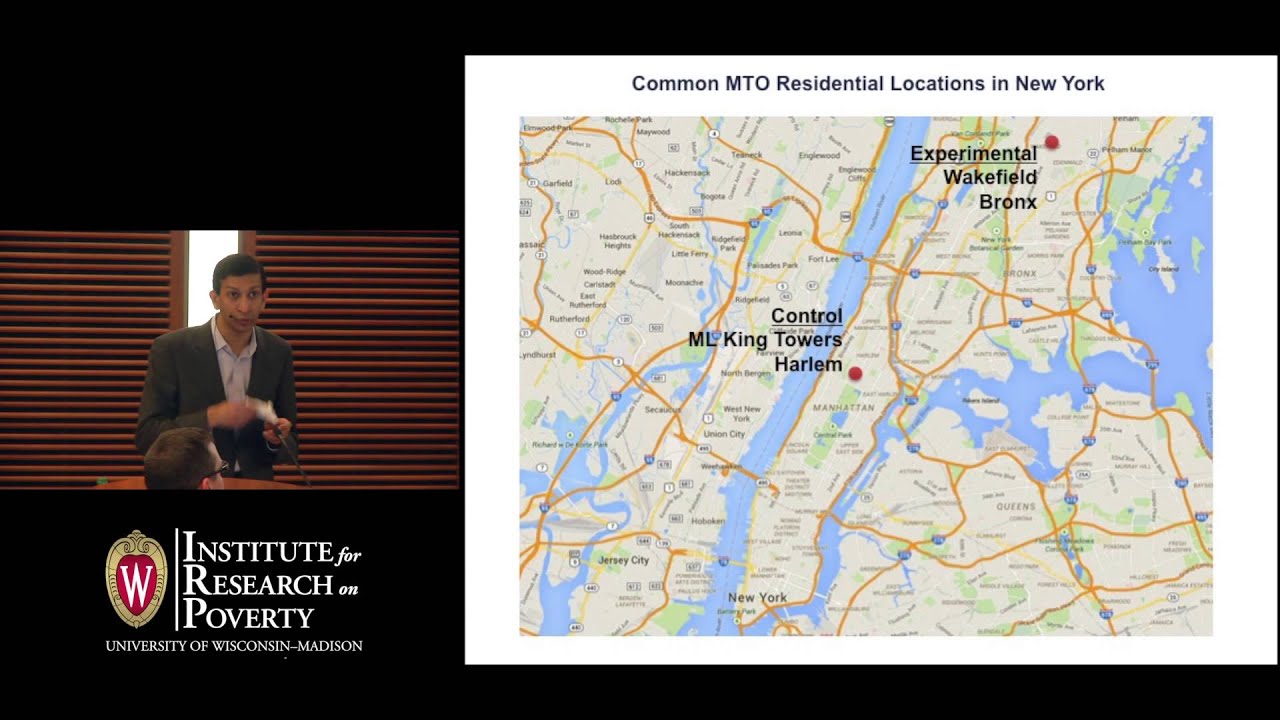
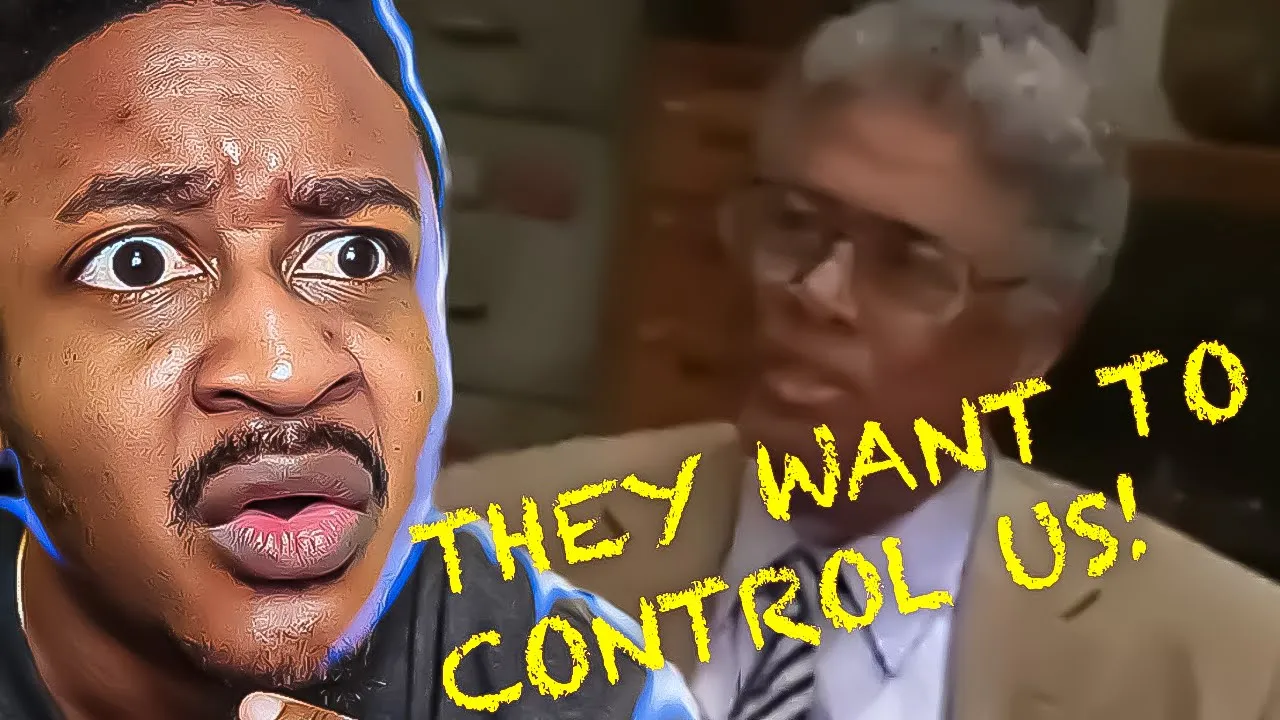
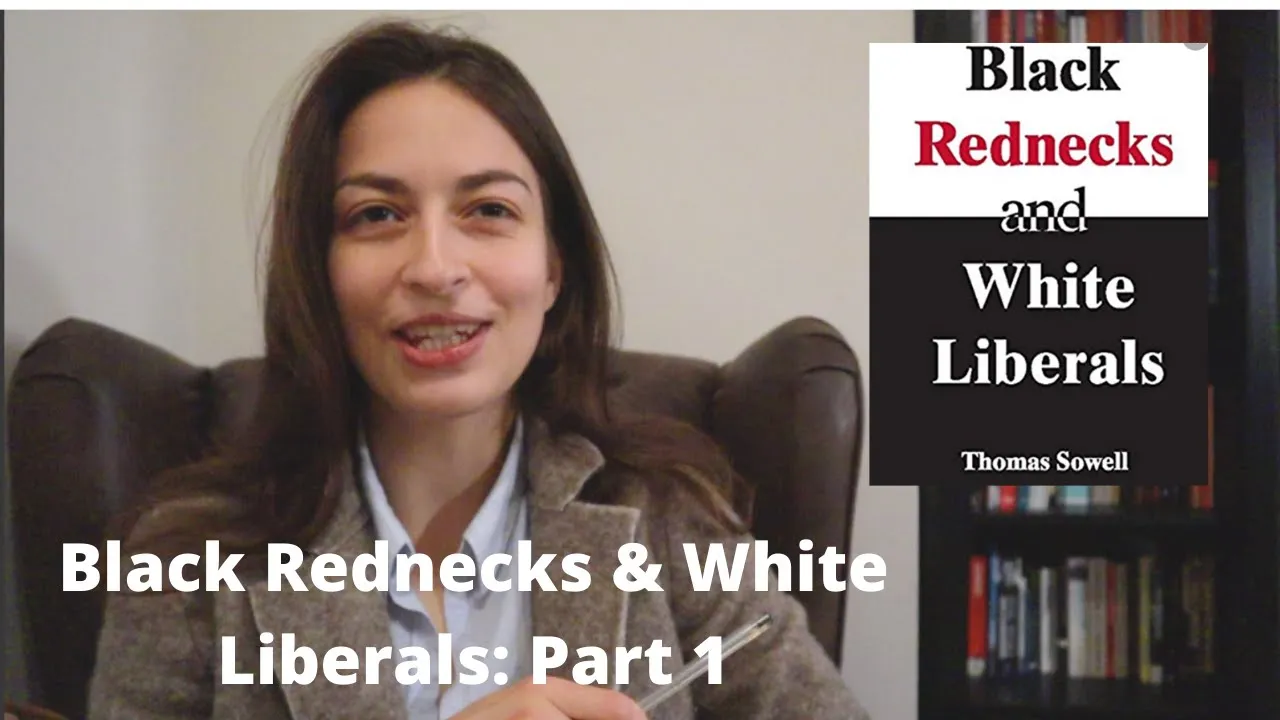
Thomas Sowell argues that cultural heritage significantly impacts success outcomes, comparing West Indians (who achieved greater success despite shared experiences of slavery and racism) with African Americans in Southern ghettos (who adopted redneck culture with values like disrespect for education and violence). He suggests that African Americans were robbed of their authentic African culture and adopted surrounding white culture, explaining similar outcomes between these groups. Sowell emphasizes that individuals should take personal responsibility for their success rather than blaming systemic racism, noting that post-slavery progress occurred when New England values of hard work and education were introduced.
Joe Rogan Explores Thomas Sowell's Cultural Analysis and Race Theory
Added:Familiarity with Thomas Sowell's classical liberal economic philosophy and his general skepticism toward state-driven social engineering.
An understanding of the distinction between cultural explanations for socioeconomic disparities versus structural or systemic explanations.
Basic historical knowledge of the Great Migration and the distinct regional cultures of the American South, including the Scotch-Irish heritage.
The conceptual difference between equality of opportunity (procedural fairness) and equality of outcome (proportional representation).
A deep dive into Thomas Sowell's seminal book 'Black Rednecks and White Liberals' to examine his full thesis and historical evidence.
Analysis of scholarly critiques of Sowell's cultural arguments from mainstream sociologists and historians who favor structural analyses of inequality.
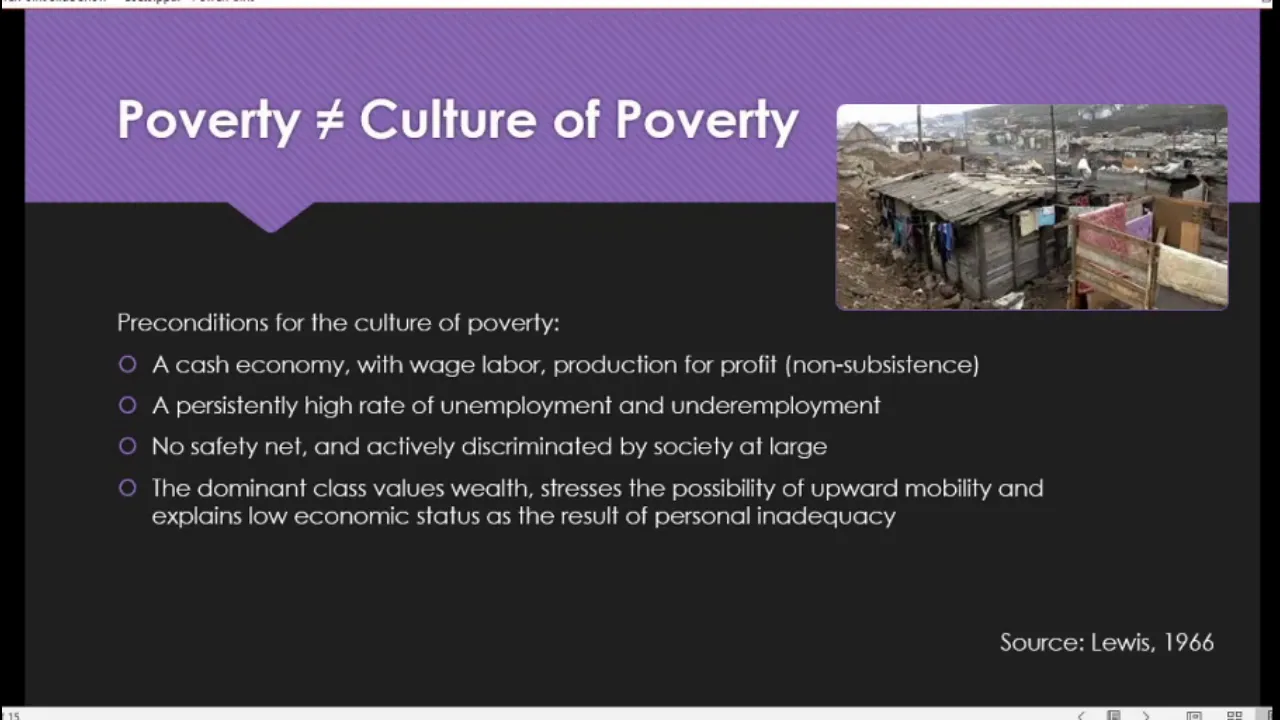
An exploration of the 'culture of poverty' debate in sociology, contrasting Sowell's views with those of scholars like Oscar Lewis and William Julius Wilson.
Application of empirical data analysis to evaluate how policy differences (such as welfare systems and education reform) impact socioeconomic mobility across different demographic groups.
1.1M views57Klikes10:58Original Release: 2022-04-08
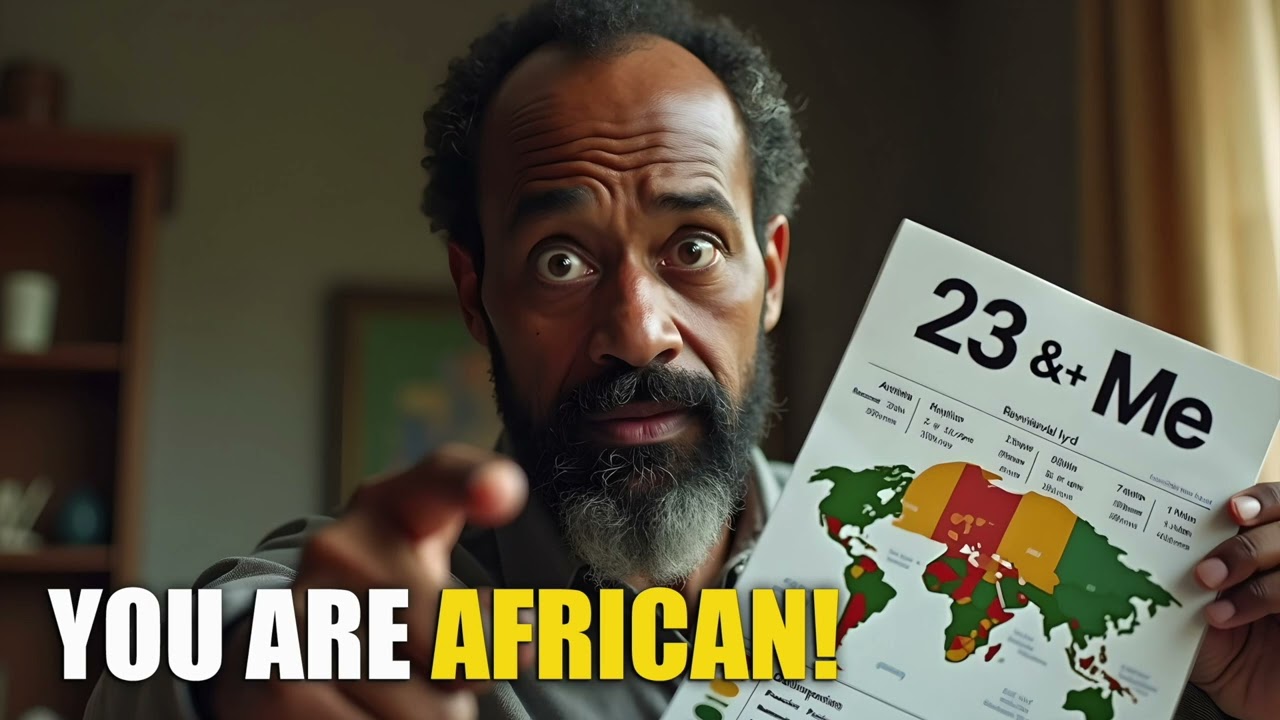
so uh do you know thomas sowell i know that name why do i know that name thomas soul is a big uh famous conservative he's at uh stanford um he's at the hoover institute i think anyway so you know within this i mean first just to set all this up we should set up briefly how does culture work right and the way culture works is that it like genetic evolution it works based on blind copying so what ends up happening is that you are in awe of people right you look up to people and so you blindly copy the things they do and specifically you start by blindly copying from the outside and then you work in thomas soul is a black guy right and thomas sol has for years and years and years been trying to fight racism but he's been trying to fight racism by having a conversation about culture right and the fact that there are essentially two different sort of you know to we're speaking broadly here right but this is for the purposes of communication we're going to tell a simple story to start off with right so broadly speaking he puts two different cultures of people with dark skin next to each other and one culture is these people from the west indies and one culture is this people group of people who grew up in the south with slavery and all that sort of stuff now what one group the west indies group does really well so a lot of the successful black people people like colin powell are originally from that cultural heritage the other group is the group that you find in ghettos and african-american communities and all that sort of stuff they don't do well right they don't get good education they you know shoot each other they're all these sorts of things and the reason why seoul has been telling this story is because he's been trying to say you know when liberals look at the people in ghettos they say ah racism that's why they're not succeeding and sol is saying no it's not because if you look at this group from the west indies they also came from the experience of slavery there was slavery in the west indies they are also black so they also face racism and yet they do well so it has to be something else and that other thing is the fact that okay because i'm i'm just now being uh introduced to thomas soule as well and i'm be honest i was i was shocked by his position when i first met him through these videos and because of where i'm from you know i'm from where this gentleman i don't know this gentleman's name but the ghetto where they shoot each other and they're not doing well that's where i'm from the ghetto i don't know why people see that i don't like that term man well i'm not i know a whole bunch of people from the hood who are doing well who are doing really well all right and i know a whole bunch of people who are not and it's um but for their own reasons and whatever is stopping them is is what's stopping them i can't speak on their lives but thomas soul hits hard and he's like nah if you want a thing you go for the thing stop complaining stop with all that victim stuff i don't want to hear it everybody can do it you know i mean it's much better than it was before you have it um you have a very very good do your thing and if you're not going to do your thing it's on you shut up and keep it moving well so it has to be something else and that other thing is the fact that these black people who are in the south there's always been a big question were black people robbed of their culture or did they preserve their authentic african culture and what seoul is saying is that they were robbed of their culture and so they picked up the culture of the people around them and the people around them were rednecks and if you look at yeah that's what he said we got our culture african-americans in the hood got our cultures from rednecks the white redneck culture and the black redneck culture they have a lot of the same values they don't particularly respect education they love jesus they use violence in their conflicts and um they you know there's there's just you know a lot of the same values and a lot of the same outcomes and even ebonics which is you know black english is actually all from the west of england so it's actually this what it's from the west of england so for example if you go to places like cornwall um there used to be this amazing um uh these amazing ads on british tv right for this uh this devon custard or whatever and they would always say devin knows how they make it so creamy and they all talk like this right and so it doesn't sound like black english but they do say things like will you be doing that and we be doing this and you be doing that and they be doing that and so there's the use of that copula b right where instead of saying i am you are he is she is they are they just say i be you be we be they be which is the classic feature of black english african americans that's crazy that is crazy bruh that is wow wow i see the tie-in oh man i see the tie-in hey and just for a moment if you like this type of content please do me a favor and hit the subscribe button also the notification bell so that next time we put out content you'll be the first to be notified right thank you the point is is that mind blower mind blower now let's imagine that how do you think that thomas soul has been received by liberal america don't like him no at all not well and so far well at all has a book called black rednecks white liberals okay and and that's because you come off as a whenever you're black and you go against black culture um you go against black culture because he's actually for black culture but when you're not speaking um they're same language they're saying yeah we need reparations we need this he's like no what's that going to do what's reparations going to do ain't going to do anything matter of fact it set you back welfare has been setting you back this has been setting you back that has been set you back and people look at him as you uncle tom you sell out you boot lickin um you all this other negative bs man only because all because we don't want people to have their own private thoughts their private understanding of things and that's the bs that i'm trying to get rid of on this channel right here that's what i want to get rid of um so yeah let's go and finish checking this out right here uh hold on one second dang it man be more fluent his whole point is that you know if you actually and you know again like soul is you know he researches the out of this stuff he really does if you if you look at the experience of african americans after slavery after slavery they do really they they start to make real progress right and a large part of the reason why they make progress is because you start to get a lot of people from new england either you know black people from new england or white people from new england who come down and sort of reshape the culture they create these schools and they're teaching those new england values right it's those puritan values of hard work tenacity all that sort of stuff and so there's all this progress and you have people like booker t washington and booker t washington was an actual slave and then after he got his freedom he got to go work an assault mine which is literally the worst job ever and in booker t washington's up from slavery he tells this great story about seeing a schoolhouse right and that you know he thought that going into a schoolhouse was about as close to heaven on earth as you could get wow like this is a dude who wanted an education really really wow and that's a lot of what you find in the you know early black experience in you know the post slavery period and in fact you know blacks you know before sort of world war ii actually had higher rates of marriage than whites all of these sorts of things that you know are now supposedly a problem and then there's this turnaround right the black experience starts to go south right it starts to get worse and what year is this around this is post world war ii right so um so post slavery black people experience uh a rebounding they're starting to make something progress yeah and i mean you know if in terms of books to read like you know just of because a large you know a large part of what i'm trying to do in general is really let's move to the place of all people are created equal like let's remove all these stupid distinctions right and really live that principle and the problem is that in order to really live that principle you need a new narrative that beats slavery so you know it's not if you go and talk and you need to and you need to amend the the fifth the fifth amendment and the 13th amendment if you want everyone to be equal it's necessary dr racist you can't just say uh racism is bad like that doesn't destroy racism right right what destroys racism racism is bad they know you know people who are violent in the ghettos or they see crime or they see a lack of education where they see that africa is poor and you're able to tell a better story that makes sense of the things that they know but also comes out with the conclusion oh we actually all have the same potential yes we do actually all have the same potential um and as much as we try to hold people's feet to the fire for past sins um things are going to continue to get worse um should people be held to the fire for past sins um only the people who blatantly um committed those sins and got away with it and are just living what they're they're gonna feed up and sipping the pina colada right now those people probably everybody else if they're not here anymore let's move forward not move on but move forward i think there's a distinction it's just one that i can't really 1000 explain because i don't really have that i i don't know i just don't i can but you might not understand it because i my communication is improving but i probably confused the hell out of someone and offend a few people while trying to explain the thought that's in my head which i never intend to do but per usual i want to hear what you all have to say about this in the comments below and if you have yet to hit that subscribe button please make sure you do so on your way out the door once again guys i am van and now we are all the lfr family and i look forward to seeing you on the next video and hopefully inside the patreon as well you all have been amazing love y'all
Up Next

12:15
Museum Origins: From Curiosities to Colonial Legacies
@crashcourse
128K views•2024-05-02

33:02
The Great Schism of 1054: Causes and Consequences
@SacredCathedrals
113.5K views•2026-02-19
91:57
The Geopolitics of the Ukraine War and the Rise of Global Autocracy
@JordanHarbingerShow
468K views•2025-04-19
17:05
Understanding the Cold War: Superpower Conflicts and the Road to Détente
@OverSimplified
46.1M views•2019-01-24
Related Study Plans & Knowledge Roadmaps
Structured learning paths in History
history
Byzantine Iconoclasm: Theology, Art & Politics
01Foundations of Byzantium and Early Christian Images
02The First Iconoclasm: Leo III and the Crisis of Images
03Empress Irene, Nicaea II, and the Second Iconoclasm
+ 2 more learning modules
9h5 modules
Explore Roadmap
history
Iranian Revolution (Causes, Events & Legacy)
01The Pahlavi Dynasty and the Roots of Discontent
02The Spark of Rebellion and the Rise of Khomeini
031979: The Fall of the Shah and the Climax of the Revolution
+ 2 more learning modules
8h5 modules
Explore Roadmap
history
Mali Empire: Mansa Musa, Trade & Timbuktu
01Foundations of the Mali Empire
02The Trans-Saharan Gold and Salt Trade
03The Reign and Pilgrimage of Mansa Musa
+ 1 more learning modules
6h4 modules
Explore Roadmap
history
1947 Partition: Politics, Borders & Legacies
01Foundations of British India and the Divide
02The Political Negotiations and the Mountbatten Plan
03Drawing the Boundary: The Radcliffe Line
+ 2 more learning modules
8h5 modules
Explore Roadmap