![Global Trend | Chapter 3 Part 1 [ ኖቶችን "Temari Pro" አፕልኬሽን ላይ ታገኛላችሁ | ከ Playstore ]](https://i.ytimg.com/vi/Zk6EkSMW2yU/maxresdefault.jpg)

















This lecture traces the historical evolution of global economic systems, beginning with barter economies and feudal reciprocity, through the emergence of mercantilism and classical liberalism, to the establishment of the Bretton Woods system after World War II. The system, designed by John Maynard Keynes, used the US dollar as the numeraire currency pegged to gold at $35 per ounce, supported by institutions like the World Bank, IMF, and GATT. However, the Vietnam War's financial burden led to the Nixon Shock in 1971, ending the gold standard. This transition triggered oil shocks, stagflation, and ultimately the Third World debt crisis, demonstrating how global economic arrangements are shaped by political decisions and can lead to significant economic instability when hegemonic powers fail to maintain institutional commitments.
International Political Economy: From Bretton Woods to Neoliberalism
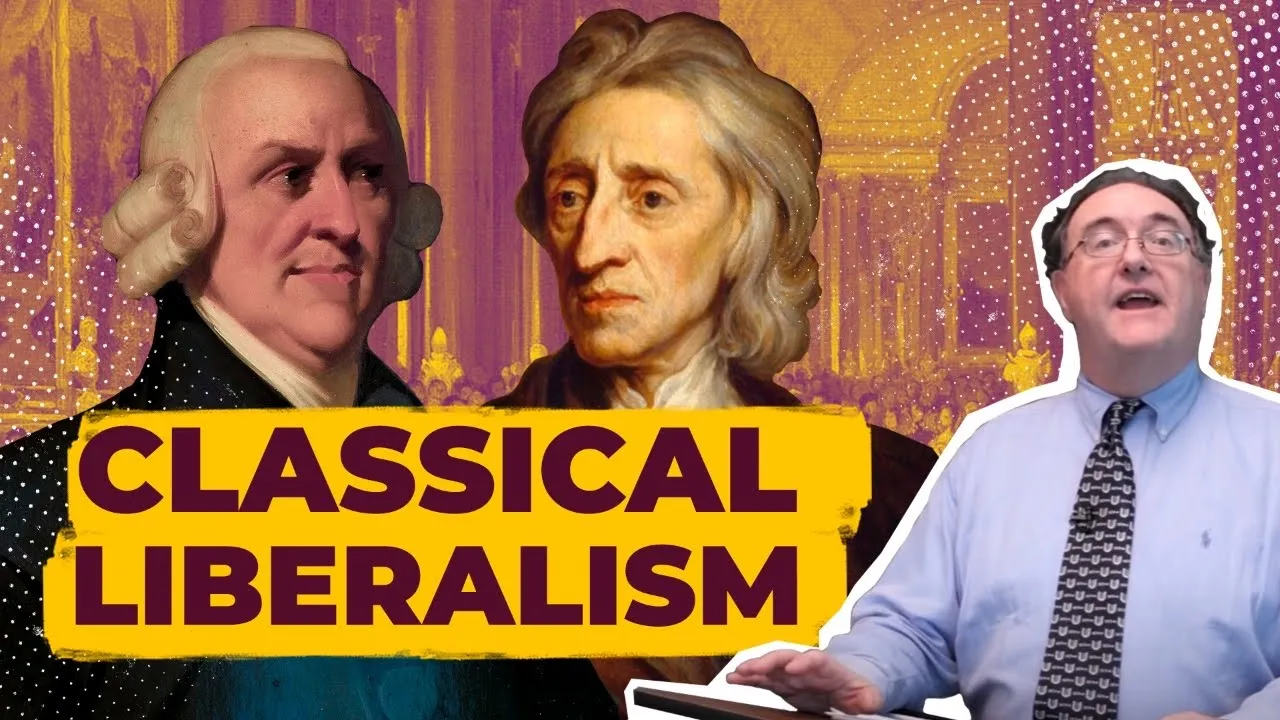
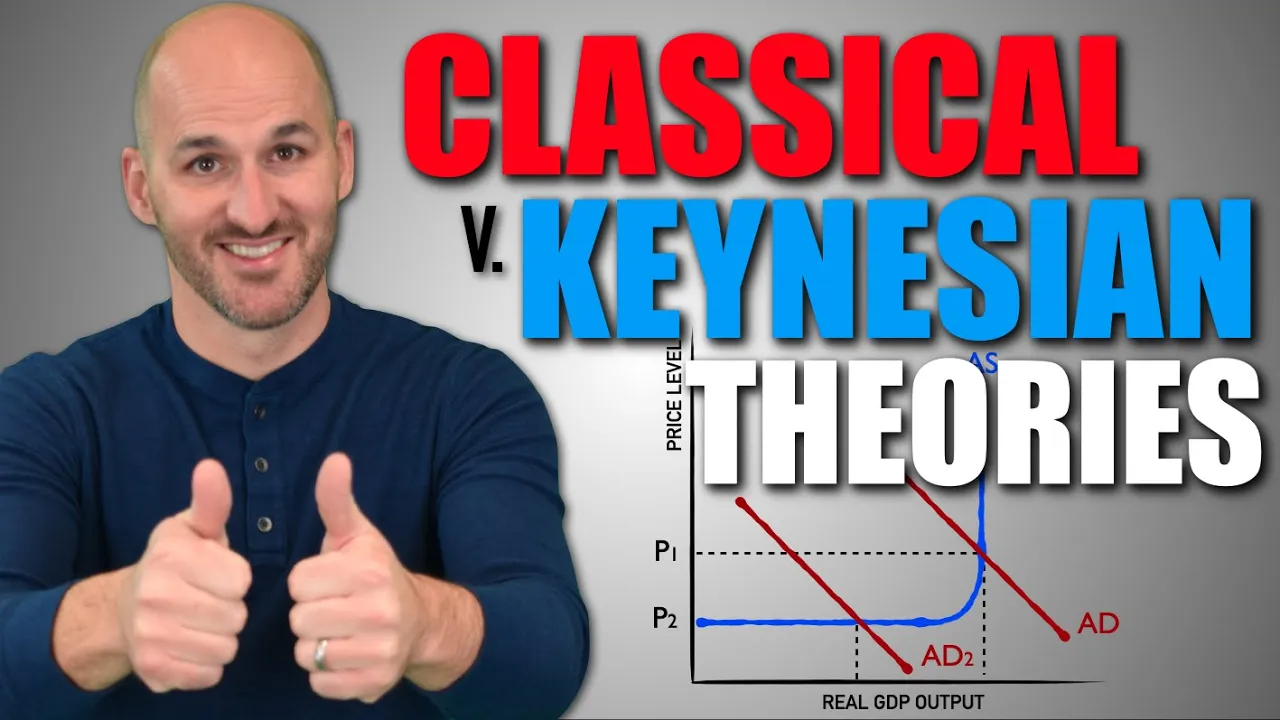
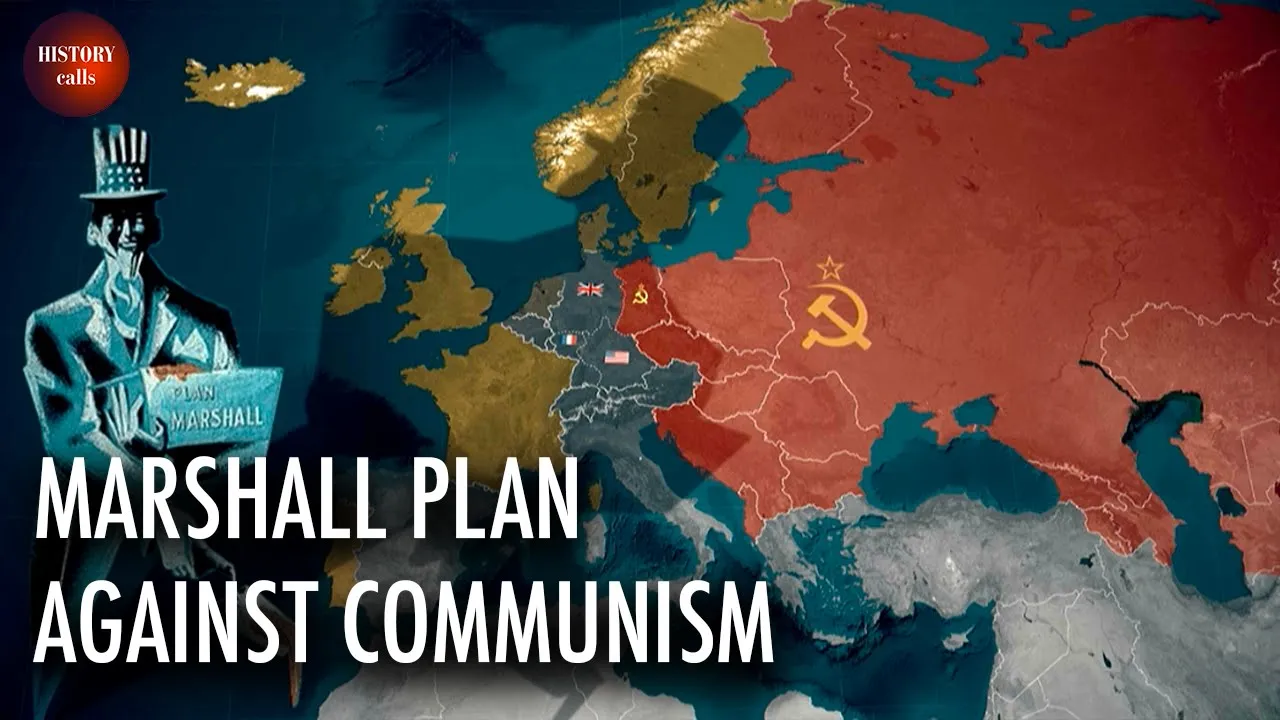
Added:hey everyone and welcome to our first of our economics lectures uh well i say economics lectures then i'm immediately concerned that i'm going to scare people because they're like i didn't know this was a class about economics it's not an economics lecture it's a it's a it's a lecture if you want to put it in those terms about political economy which is kind of a different subject it's about how politics and economics intersect and it's about some of the global issues arising from that intersection but it's interesting as well because it's usually you know we get into these topics at the end of the semester so it means we've already come quite far it means we're already making a lot of progress towards our final exam believe it or not so um what we have coming up in the next couple of modules this one and the next one and i think the one after that are some discussion about economic uh issues and um i in a manner maybe a little bit different to the way we've worked this in the uh other modules that we've looked at i'm actually kind of interested in these subjects and i'm and i have um some concerns with the way the textbook approaches the division of labor between the different topics so i've mixed and matched a little bit and so you'll find for example in this module some commentary on um spike uh peterson's work which is your work for assignment uh this week and then i also have some commentary on paul comics chapter which is the assigned chapter for the next module uh so uh what are we going to look at today then well i want to spend my time talking about some of the things that spike peterson talks about but my concern with the spike peterson chapter is that it doesn't fully give you enough background on some of the key historical developments that led to the emergence of what we're calling neoliberalism now she does a great job telling us what neoliberalism is she does a great job telling us especially what the human uh implications of neoliberalism are but if we want to know ourselves where it comes from and the sort of economic history that led to its emergence if we want to ask questions about that kind of thing we've got to turn i think a bit more to comic and maybe even i have to step in and do some lecturing that's not from the textbook because not none of the chapters really answer these questions to me anyway in a satisfactorily sort of rigorous manner although they're all very very good in their own right in terms of what they do they don't do things like explain the emergence of the post-war economy uh and and keynesian economics which is something i really want to focus on with you guys they don't explain the nixon shock uh president nixon's a shock to the us economy and the global economy and also they're a bit out of date so they don't go into contemporary things like occupy wall street and that kind of thing so um without all sort of put on the table then maybe we should just make a start here so in this slide we just introduce ourselves to the idea of international political economy and very briefly all we need to know really is that ipa is the study of the relationship between politics and economics as you see here in the slide one of the points we try to raise is that it's important to study the relationship between politics and economics because it disabuses us of one very very important cliche that many many people seem to fall afoul of and that is this idea that somehow the state and the market are opposed to each other you hear this on glenn beck all the time you know he says oh my god if the state's involved it's socialism well that's not exactly fair because in fact the state is involved even in the most capitalistic of marketplace operations or configurations the state is right there it has to be there you see because um it it there are all kinds of rules and laws to be enforced in order to make the marketplace work and so this opposition between the state and the market is actually quite complex even in a free market there are these norms and institutions at work just think for a minute about how for example if you wanted to record a music album in the united states and put it on the market here in the united states but somebody was to get a hand a hold of it and put it on the internet in india you know what sort of protection would you have against people in india downloading your music for free um well um one of the things that's been going on right now through the development of international institutions is the elaboration of what we call global copyright law which actually allows you some protection there as a american citizen or an irish citizen uh against people copying your work in australia or japan or new zealand or whatever right so um you have the same equal protection uh through those international laws as you do here just domestically in the united states one of them people that has understood this sort of need of the state a need of the market excuse me for a state in some shape or form is of course the man in the photograph here and that's john maynard keynes who we'll actually be talking a little bit about in the course of this lecture and um the the point though really is just to sort of emphasize that if we want to understand what ipe is um we have to make sure that we understand that the state plays a very important role in it um i wanted to start by going to spike peterson's uh work where she talks about a kind of what i regard to be a kind of a pre-history of today's global economy she gives us in just a couple of pages of sort of a snapshot overview of um of a lot of the things that have been going on um over the millennia uh over the last millennia in terms of the development of a global economy so that's kind of interesting for us she talks about uh the barter economy of course where exchange was was kind of primitive and people here didn't really think about the market as a thing separate to the rest of human life they just swapped things they needed with each other in order to help them get by and so exchange was very local there weren't far away markets that you'd bring to bring your goods to because you didn't really have the technology to transport large amounts of stuff and the stuff would also be quite perishable so um really this was just kind of local exchange and part as she says it was all part of reproducing everyday life now of course economics today is still part of reproducing everyday life but we do it on such a vast scale and with huge complexity and interdependency in our economic chains so we need to sort of try to understand how we get from the barter economy of market exchange to contemporary markets and we'll try to do that in this lecture um so then um spike peterson talks about uh feudal economies and the principle of reciprocity here being uh basically this idea that um a monarch or king would assign a land to a lord or a noble and that land would then be the nobles are the lord's land to assign to peasants in exchange for things like um working the land or you know labor um in exchange also sometimes for military uh recruitment military power so both of those things were were sort of there in reciprocity but um as spike peterson observes um the other thing about that system was that it was very um sort of culturally uh dogmatic so it wasn't so much a question of uh like you might have today where you have some flexibility in the market and people can move from a lower class to a higher class um back then there was literally no mobility at all um or if there was it was it was it was in a very sort of strange and and probably stealthy manner but it was very very rare and um this it is said is largely to do with the sort of the fact that the fact of the way the the nobility system was set up the aristocratic system had been set up to suit the interests of um of of those in power obviously but but that's not to denigrate the fact that there were very real religious convictions that kept the lower classes in their place as well and of course even the nation states didn't have a lot of power because they were of course accountable to the dictats of the vatican and the idea of christianity the idea of christendom being a sort of a domain or a place where christians were sort of respecting the strictures of the bible so um spike peterson then goes on to observe how in the 15th century the state started to centralize there were new sort of emerging technologies we've talked a little bit about that in our other class on territorialization and the territorial state and then also she notes that around about this time these technologies facilitate the emergence of a merchant class and the merchant class of course is very very important for our story because they are not necessarily aristocrats and they are not necessarily part of the nobility system they are trades people but they are generating wealth from what they do all of a sudden the new technologies are allowing them to develop wealth and they're also putting them in antagonism with the aristocracy who um you know could expropriate profit and did expropriate profit from a lot of economic activities and so there would be some resentment there between the merchant class and the aristocracy for sure now by the 1600s of course a lot of these developments are still going on but something else emerges that um displaces the role of what we've called already this sort of dogmatic christian attitude that the economy should be governed in a christian fashion and that kind of thing and what we're calling this is rationalist thinking or i guess we could say the enlightenment or the emergence of science as well would be another way of putting it and what this means is that human beings are becoming more maybe educated and aware of their own power in the world and they're starting to understand that uh not everything needs to be explained through the perspective of the church or the church the perspective of the church's teachings that maybe there are scientific explanations for a lot of things you know so we've already discovered america we've already discovered that the world is round and this kind of thing it's all sort of turning the european order on its head so um what does this mean then for the way people are thinking about for example the way that merchant class that we were talking about a minute ago might be thinking about its relationship to political power so we've just been saying about how the merchant class uh through rationalist thinking uh might have uh you know changed its attitude towards the church it's seeing the advances of science it's seeing that perhaps um the experience of faith is a more personal thing and that it doesn't necessarily say in the bible that you have to have an entire country configured in and around religious teaching um that that you know you can have a personal relationship with god that kind of thing so um there's definitely a bit of separation of church and state going on here in people's uh attitudes and those that those changes and attitudes are going to be reflected in the way political life is run as well because you see for example a lot of questioning of the monarchy and around that time and so we can say that this is the birth of mercantilism the birth of an era where the mercantilist class becomes empowered and they start to think very differently about the state they're kind of more nationalistic or patriotic if you will about the state they want to see the state thrive and survive the monarchy is of course still there but it's their um more as a sort of a a constitutional monarchy i guess you could say are that starting to emerge in some states in other states like france of course they completely get rid of it all together so there's something like that to consider but what's really remarkable is how a lot of these mercantilist countries are starting to uh uh think about um their relationship to the world of course i'm juxtaposing different time frames here we haven't quite reached the french revolution yet if we're still talking about mercantilism but it part it's part of the same conversation but really mercantilism the evidence of mercantilism emerges with the arrival of the spanish and portuguese empires through the dutch and the british trading empires as well the interesting thing is that these countries as the historian michelle foucault reminds us and this is not in your textbook but he reminds us that the nation-states of these mercantilist powers came to rethink their understanding of what the economy was right the marketplace specifically the foucault says as a concept became re-understood then as something you've kind of got to leave alone this is where the french word laissez-faire comes from uh we still use that word in english today laissez-faire economics we say which is like let the market be let the market be alone don't let the state intrude too much into the marketplace because you'll interfere with the natural dynamics and tendencies within the market towards prosperity and so this is sort of the era that's starting to emerge here of classical liberalism which is this idea from an economic perspective at least that you should let the market be alone and people that we associate with this movement include adam smith and david ricardo who are people we'll be talking about again in the course of these lectures um so um let the economy be maximized uh internally is the name of the game here and externally hitch the power of that wagon to your imperial project i think that's the that's the basic uh mandate or or or mantra of mercantilism and then you have in the 1800s you have industrialization uh which changes the game a little bit again because instead of having the merchant class in power you have the industrialized classes in power and they have a much different attitude towards uh towards the market they are going to be somewhat mercantilist at first but eventually these are the guys that are going to want to sell their goods overseas and eventually these are the guys that are going to sort of um transition through the regime of imperialism to get to what we call today globalization but we're jumping ahead of ourselves um what spike peterson emphasizes and i think that she's interesting here when she does this is how industrialization changed the relationship of many many people to the land right because the peasants as we mentioned the majority of people used to live on the land at the pleasure of the lord but the enclosures acts of the 18th and 19th centuries pushed people off the land and into the new factories in the cities the new factories were coming along they needed workers and the peasants were just the people for the job so the lords shut down the the estates pushed the peasants off the land and then they found them the peasants found themselves um struggling to find a way to put food on the table so instead of working in um sort of a sustainable relationship with the land they were now going to receive wages and they were going to be finding themselves at work in the industrial factories so um one of the things we have to talk about um after the enclosures is of course the advent of the great depression which shuts down the era of classical liberalism we've been talking about up to that point in time people had um you know really sort of vested a lot of faith into the idea of a free marketplace but the great depression showed how large vested interests especially corporate interests could um damage trust in the marketplace and so uh we have um by the time of uh world war one uh you know that this classical liberal system has to contend with the fact that on the one hand it has collapsed demand for goods people are not doing well economically there's very weak economic prosperity but also equally the classical liberal era couldn't elaborate an international framework uh that's strong enough to prevent what we call in political economy better than april better than neighbor policies right so we this is a an interesting point for us because beggar the neighbor policies of course are uh where countries are going to start playing games with each other to try to get an edge on each other economically speaking and even in america you know this great depression problem um really hit or impact a lot of people um of course you probably all know from your history books about franklin delano roosevelt's plan for the new deal but look at the kind of situation he was dealing with right people say that that maybe he was a statist or even a socialist but it wasn't clear that the private sector the private economy left to its own devices as the classical liberals were advocating was going to be able to fix itself um the in the great depression they had chronic deflation the price of goods and services was collapsing because of the lack of demand unemployment in america was at 25 which is just staggering and prices in britain between 1929 and 1932 dropped by one-third which is just a really terrible indication of the state of the british economy at the time so it's natural then i suppose that nation-states were going to start playing bigger than neighbor policies right they were going to try to competitively devalue their currency for example to make their products more attractive to people overseas who would be buying those products for a cheaper price say if i want to buy a german car with my u.s dollars if the german currency is devalued then that car is going to be cheaper for me to buy right so um the result of course is as we say a two-edged sword while state exports may have benefited the germans would have been selling more cars this was only possible in the short term because the other states would of course then respond by devaluing their currency as well so you end up with this competitive spiraling devaluation and we need to talk about someone here the man in the photograph earlier on john maynard keynes um he uh saw that this kind of crisis of competitive devaluations actually led directly to world war ii he believed that it was the economic hardship of the recession at the end of world war one and that was going to lead to world war ii so keynes's solution was not so much socialism but to get the government to step into the economy as franklin delano roosevelt did in the end and um to try to stimulate um a a using the government to stimulate an economic response so this is some people might say it's socialism but in fact from his point of view it was simply just a way to get industry restored and private industry actually did support this so there was not a lot of sort of anti-communist kind of remarks going on then as there seems to be today so the new system would fix uh exchange rate currencies um this is important the the problem of course had been the competitive devaluations of the currencies but now those currencies were going to be fixed according to an international system and in order to police this system you'd of course need one very strong country with a very strong economy that would be able to hold up the system should it fall into turmoil and the way this was going to be done was by getting the us dollar and the u.s government would would sort of contribute the u.s dollar as the numerator currency which is going to be used by all the countries uh to engage in their international trade and uh in order to allow the countries to get to to to sort of feel confident in the promise of the us dollar the us dollar was going to be priced at 35 per ounce of gold and and this was going to be the way that things were going to be done uh quite long into the future so this is the birth of what we call the gold standard after world war ii john maynard keynes had really managed to influence a lot of people and this was going to allow countries to trade with each other in confidence that the currency that they were using was going to stay at the same price they could um put us dollars cash into their uh into their central banks and use the cash in their central banks to modify the value of their own currency relative to that numeraire as they needed to so many people say that in fact this move towards the gold standard was the key uh turning point in turning the world economy around after the two great wars after the great depression and that this system actually was able to produce about 30 years of tremendous prosperity all around the world and that if it hadn't been for the us dollar as serving as the numeraire at the time then none of that would have been possible in this slide we're looking at the bretton woods institutions which were named after the conference that keynes had with harry dexter white and a couple of other really important people after world war ii as they sat around the table to try to come up with a framework for understanding what the world economy was going to look like after um after world war ii um they you know we were just talking about the numeraire idea and we were talking about um the importance that keynes attached not because he was a socialist he believed in capitalism but because the world economy had seen been so badly managed by the classical liberals um and had led to world war one they said and world war ii especially with the great depression and the sort of conflictual beggar thy neighbor politics we were talking about of these sort of competitive devaluations of currency between the wars um you know they were going to try to do it right this time they were going to try to have the rules of the global economy much more concretely established after uh world war ii and they were going to try to have a system in place wherein not only that the rules of the economy were were there for all to see but also that there would be a sort of a measure of fairness in the world economy that nation states wouldn't have to engage in better than neighbor politics anymore so one measure we've already put in place of course is the numerator that that's allowing nation states to hold cash that's not theirs and and uh and and basically avoid having to hold gold but holding on to cash that's not there's cash that's actually the uh the cash of another country um into their central banks as a way of guaranteeing their own stability because they know that the cash that they're holding on to is is is is committed to a certain amount of gold so it's as good as gold if you know what i mean and what other mechanisms were they going to place apart from this uh this numerator well we see three of them here on the screen one is the world bank two is the gatt which stands for global agreement on tariffs and trade which eventually becomes the wto world trade organization and then thirdly the imf the international monetary fund and so all of these three entities are going to together try to help provide the stability that's necessary to the world economy and and and give people an understanding of the rules of the world economy as we move forward um into the next 20 to 30 years after world war ii the world bank of course still exists today um it's a interesting organization it has um a mandate uh after world war ii to try to give development loans to impoverished countries around the world um as they uh struggle to develop and it gives them a an access to cash credit rather which is going to help them to develop themselves so that they don't have to feel rivalry with other countries they're going to have access to cash access to credit the gat currently today known as the wto or world trade organization was established to try to create rules about trade so that nation states could not find that there were being for example we mentioned that copyright case earlier on uh this was the beginnings of this sort of idea that nation states would be able to count on other nation states enforcing the rules of their products and they're honoring the the copyright and the trademarking of their products in other countries so it's just basically another way to increase trust between nation states as they get in trading relations and then thirdly the imf the international monetary fund there in case nation states run out of cash in the short term it's there to provide short-term overnight lending uh to make sure that nation-states can stay um uh flush with cash so that they don't have to tap into uh that we've seen recently with cyprus for example the big fear that the cyprus government was going to have to tap into the savings of its population in order to meet some payments it was required to pay well the imf the original purpose of the imf was to prevent that sort of thing from having to happen because the imf could step in and provide loans for liquid countries um should they have um should they have short-term liquidity issues so um these uh these three uh institutions plus the gold standard that we've been talking about uh mean that we basically have a sum total of four institutions uh there was supposed to be a fifth by the way but it never happened it was supposed to be the international labor organization um it exists it definitely came into existence but it never really developed the government types uh powers that these other institutions developed these other institutions have quite a lot of power so um why don't we have the bretton woods system today a lot of these organizations still do exist they all exist actually but they're nowhere near as powerful as they used to be and that's because the numerator system the gold standard system we were talking about fell apart and it's the case that the vietnam war was a very expensive war for the united states to fight it required it to uh increase its domestic uh spending and borrowing uh the um question is why does that matter well because remember the u.s had committed the dollar to a certain amount of and if the us is going to start printing money then does it have enough gold in its central bank to support um each dollar in other words is the dollar still going to be as good as gold does each paper dollar bill represent a certain amount of gold which is plausibly located in the u.s treasury uh investors started to lose faith that that was the case and so the uh the the the u.s dollar starts to lose value uh meaning that they had to prop up the us dollar to maintain its parity with gold right if you increase the supply of anything of course you know what happens right the more of something you have the less the less scarce it is and if something is um less scarce than it is intrinsically less valuable right no one bothers to buy or sell um air because it's abundant whereas gold is very very scarce so it's expensive so the thing you need to understand here is that as the value of the us dollar started to drop people began to lose their nerve about the remember the whole numeraire system was based on the idea that you could hold you're as good as gold dollars in your bank in indonesia or your central bank in australia or ireland or japan or wherever and that it would be worth so much money in gold and and you could use that good as gold cash to trade as opposed to holding on to a whole myriad set of currencies the value of which was constantly going up and down so um the the the numerator system was very very effective at providing stability but the the uh the pin in the kerplunk uh game if you know what i mean does anyone play kerplunk anymore look it up on google if you don't know what kerplunk is um but the pin that was holding up the whole thing was was the commitment of the us dollar to gold and once that was gone people would prefer to hold actual gold over the us dollar and so they shift in their holdings in their central bank from dollars cash to gold bars and this puts a huge pressure on the price of gold and also puts a huge downwards pressure on the price of the dollar so um people knew at some point that if this kept happening that the us would have no choice uh because than to break its linkage with with gold um because people could come up and and indeed as the french did famously in a very dramatic fashion they sailed a pocket battleship of the hudson and parked it off uh the uh manhattan uh harbor and uh demanded for their um dollars to be converted to gold so um that is uh of course nothing quite like a um you know a bit of drama to to herald the end of an era but it was just a little bit of theater that the french pulled off to to try to make the point i guess that if the us was going to try to have its cake and eat it too if it was going to try to fund the vietnam war through printing money and at the same time maintain the numeraire then it needed to check its priorities so of course nixon says uh we can't do that and so they finally overnight decide to drop the linkage and of course it leads to panic uh nations like west germany um left the bretton woods system by 1971 and the united states dollar because people weren't holding it in their central banks anymore dropped by 7.5 on a global exchange rate basis so that um really just gives you an impression of how important this uh commitment to gold of the us dollar was for the global economy and of course it the risk right what's the risk the risk is that if you lose the dollar then you might end up going back to beggar the neighbor politics and that's what you don't want to see happening but that's what many people believe did happen so now that the us is revealed to the world as being weak what's the next step well we have a series of oil shocks we have stagflation and we have a debt crisis many people saw the nixon shock as a sign of u.s weakness would the u.s be able to continue as the world hegemon and that's an important word which we haven't used so far in this lecture but hopefully you understand what i mean if i tell you that a hegemon is like an empire without the colonies right um and a hegemon is a power that exerts tremendous influence over the governments of the rest of the world but doesn't own them or doesn't sort of directly intrude upon their affairs so the u.s saw itself as an economic hegemon of the world and it was going to lose the status perhaps after leaving the gold standard so if you want to think about the term hegemon as a world policeman that's fine by me but now that the u.s was not playing by the rules what happens when the police don't play by the rules there's a loss a loss of trust in the police right so the question is is the global institutional arrangement going to start falling apart and actually i'll give you the end of the story it doesn't or it doesn't fully surprisingly even though the us hegemon is not there um a horizontally organized framework see the us had sort of asserted itself vertically over the whole institutional framework but if the countries of the world were going to be able to continue to coordinate their economic management together then you don't need verticality because they're doing it horizontally instead so the question is is that going to happen two important events are really going to test the metal of the world to survive this post-u.s hegemony scenario one is that opec and oil prices go up and we have this oil shock in 1973 and the result of course is stag inflation the us economy is not growing at home but it's importing inflation right so you have um inflation not because of a booming economy at home the economy at home is stagnant but you have um your primary imports your oil etc becoming very very expensive because opec are getting their act together and starting to collaborate with each other to take advantage of the new situation so clearly it is testing the post-hegemonic situation so what happens next then is that the developed countries in retaliation to this start to see that they need to protect their domestic sectors more and so we have this thing for example the multi-fiber arrangement of 1973 which allows the developed countries i.e the prosperous countries to protect themselves from these price shocks from the rest of the world and they are going to basically invoke this multi-fiber arrangement in order to prevent competition from newly developed countries so you can start to see the feeding chain emerge here the opec countries which are newly industrializing newly emerging economies are making a power play in the absence of a global policeman the developed countries respond to this by putting in place the multi-fiber arrangement and then what happens is that the people at the very bottom the the third world countries are going to take a real hit because the markets that they've been counting on in the developed world for their cotton t-shirts and that kind of thing are no longer going to be available to them and so what are they going to do that's the real question so what happens then is that the middle eastern banks had issued these what's what are known as euro dollar loans or petrodollar loans to the poor countries of the world but after things like the multi-fiber arrangement the interest rates on these loans are going to go up dramatically why because it's not clear that these countries have robust economies are excuse me they have decent economies i suppose but their access to markets has been constrained by things like the multi-fiber arrangements so if their access to markets for their primary products is disappearing then what can they do what are they going to do they're screwed in a way right so they um the the countries that had lend them the money in the first place see quite obviously that these countries won't have these uh revenues coming in to pay off their loans and so the interest rates go up quite dramatically and this leads to what we call the debt crisis they were already in quite debt and now they're basically going to struggle just to pay off the interest rates on their debt so that obviously leaves them in a very very bad situation and in fact um it's a situation that lingered for decades afterwards and still many people would say today that we're still uh that that third world debt today is still a major problem quite precisely because of what happened in the 1970s
Up Next
Geoeconomics Strategy: Liberal vs Developmentalist Blueprints
@StrategyStuff
130.4K views•2018-12-02
Impact of Yuan in Indo-Russian Trade Amid Sanctions
@WION
261.9K views•2022-07-01
Behavioral Economics Explained: Rationality, Nudges, and Risk
@crashcourse
1.1M views•2016-03-12

The Age of Easy Money: Fed & Inflation | Full Documentary
@frontline
21.2M views•2023-03-15
Related Study Plans & Knowledge Roadmaps
Structured learning paths in Economics