



![คุยหัวข้อ ดนตรีคลาสสิค คลาสสิคตรงไหน ฟังอะไร ฟังทำไม [Write สาระ LIVE Ep.42]](https://i.ytimg.com/vi/OwdtrD_quKA/maxresdefault.jpg)
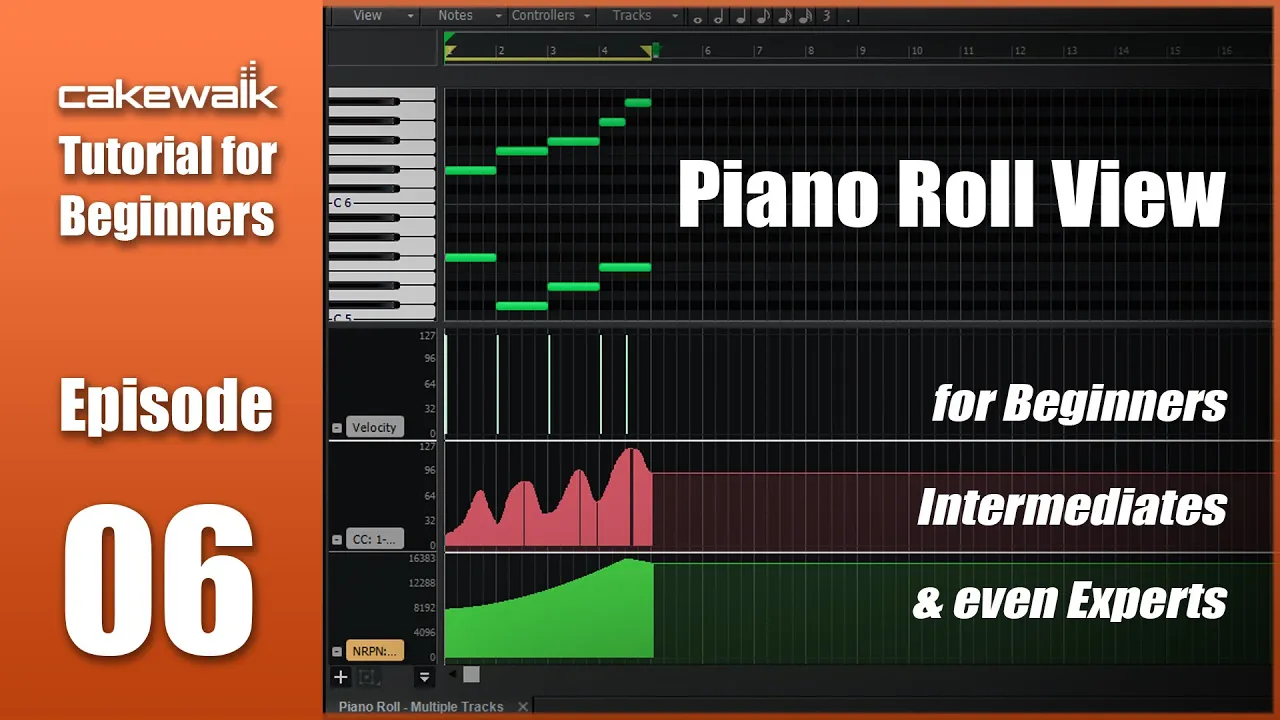


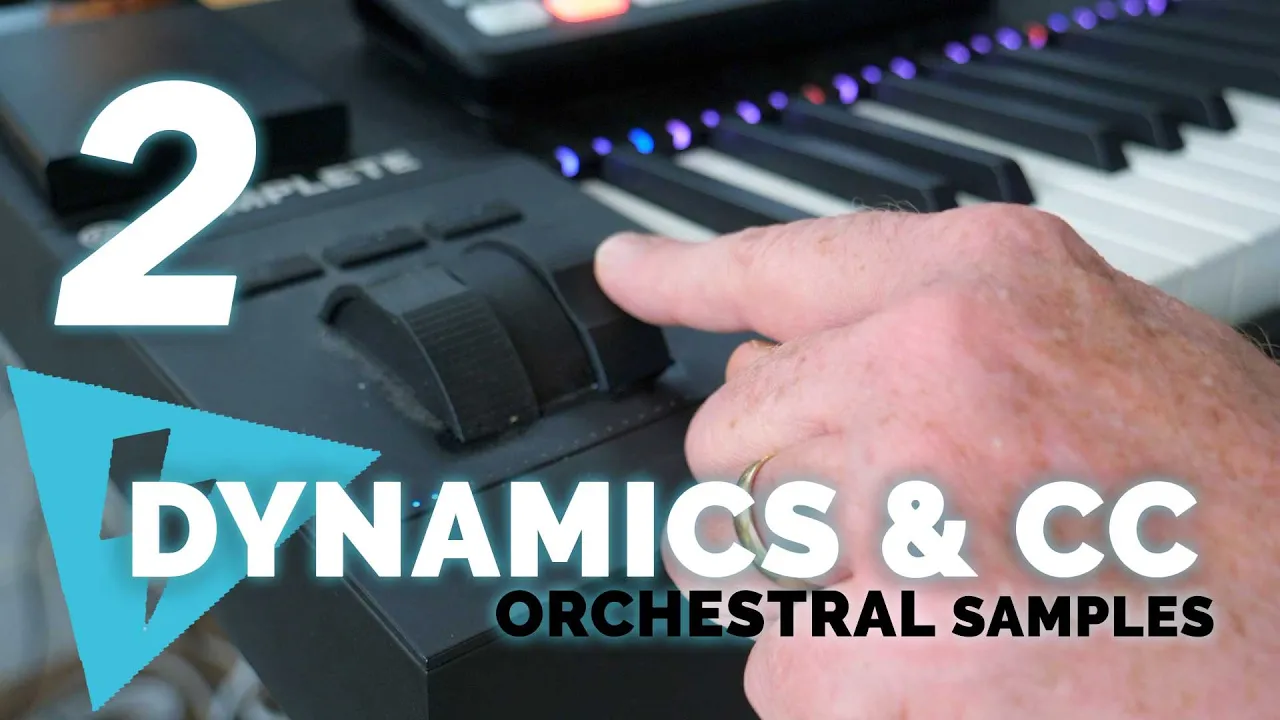


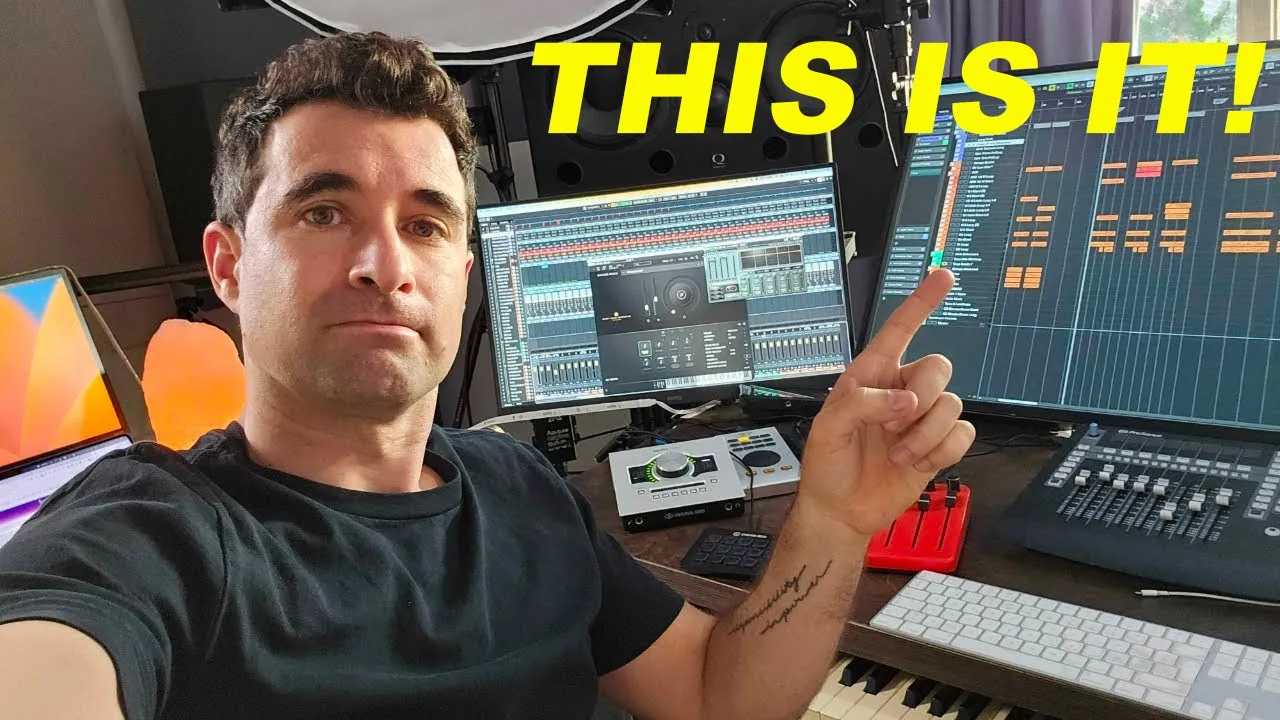
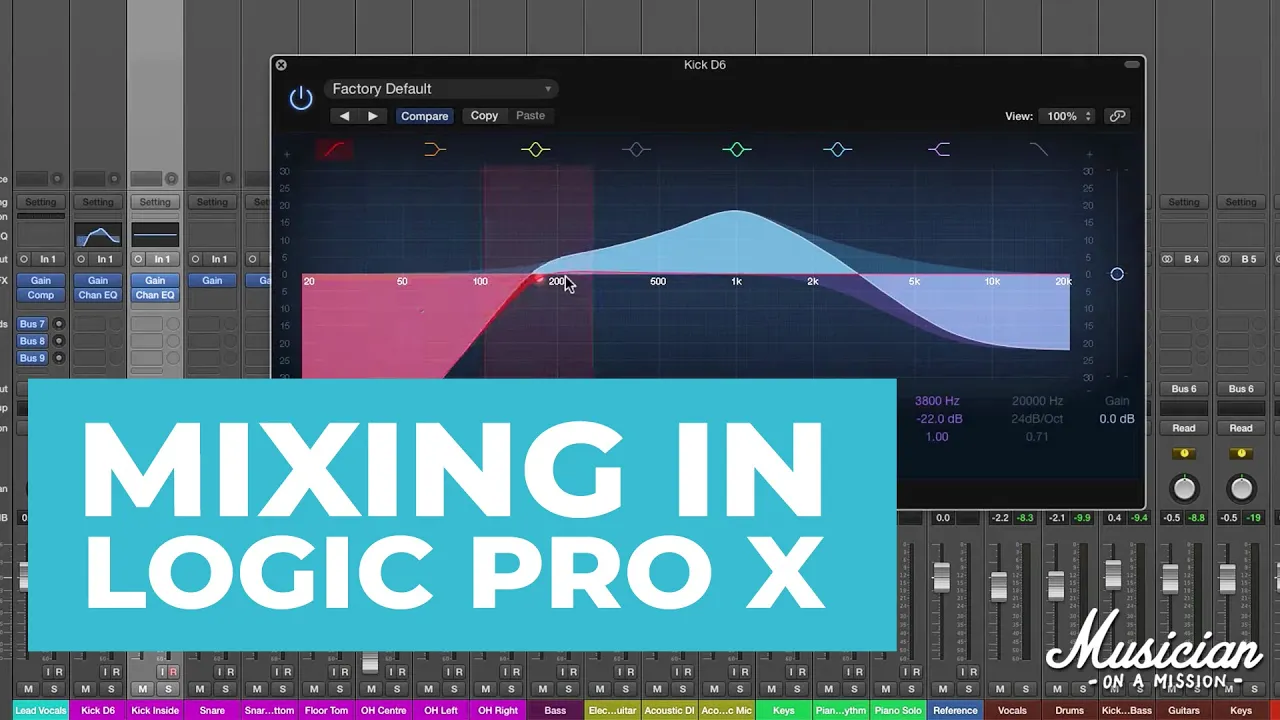


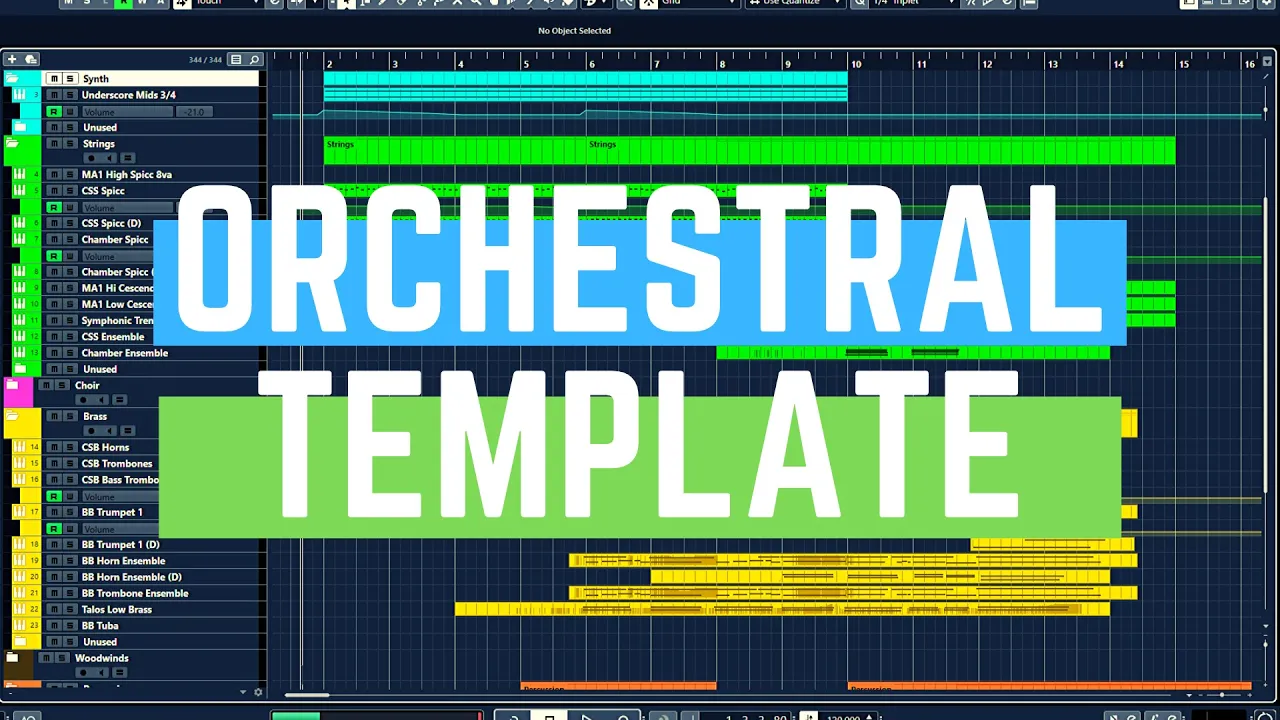
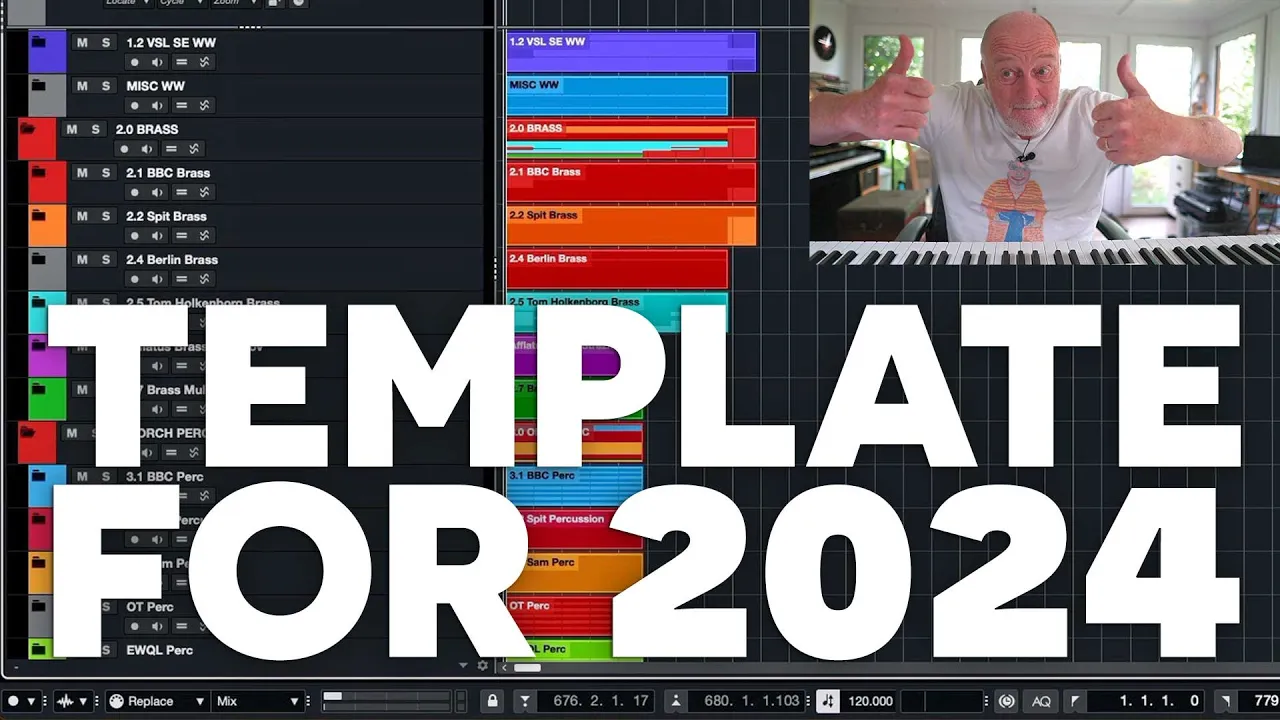


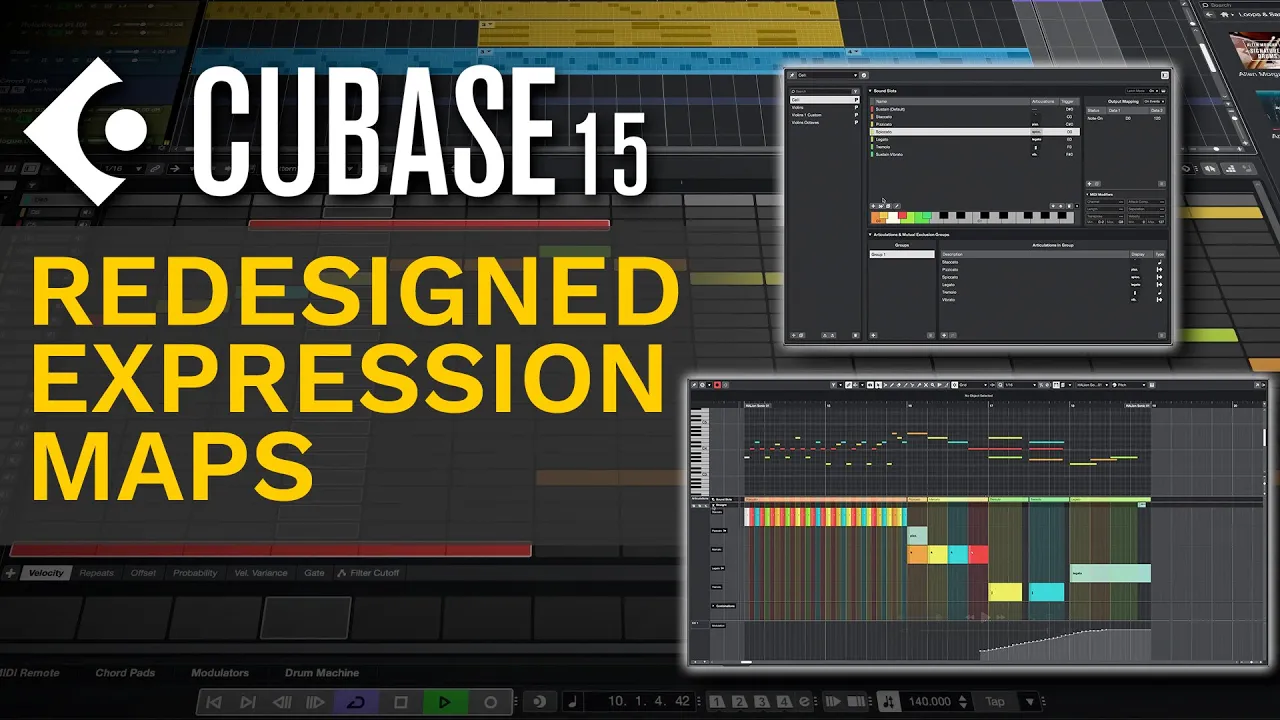
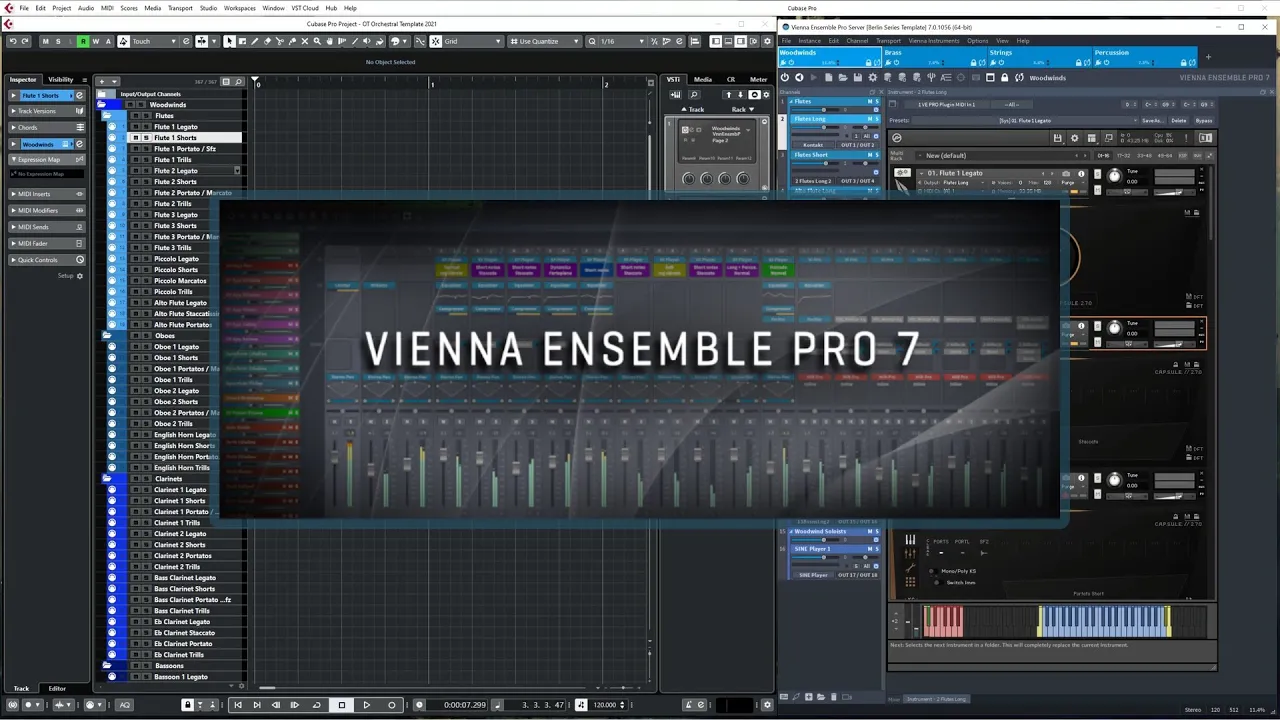


This video demonstrates how to orchestrate classical music in a DAW by using the mod wheel to create natural, expressive dynamics for orchestral instruments, showing that anyone can create authentic-sounding orchestral mockups without extensive piano skills by playing parts in real-time with subtle note arcs and dynamic variations.
Orchestrating Mozart's Lacrimosa in Cubase: A Step-by-Step Tutorial
Added:Familiarity with the Cubase interface, specifically MIDI sequencing, track creation, and using the Key Editor.
Basic knowledge of orchestral instrumentation and the typical structure of classical ensembles (strings, woodwinds, brass, and choral SATB).
Understanding of MIDI Continuous Controllers (CC), specifically CC1 (Modulation) for dynamics and CC11 (Expression) for volume shaping.
A foundational grasp of music theory, including reading orchestral scores and understanding chord progressions in classical compositions (specifically Mozart's Requiem).
Advanced mixing and spatialization techniques for orchestral mockups, focusing on EQ, panning, and algorithmic/convolution reverbs to create a cohesive hall sound.
Creating and optimizing a custom orchestral template in Cubase to streamline workflow for larger, multi-library projects.
Studying advanced expression map programming in Cubase to automate articulation switching across complex sample libraries.
Transitioning from classical mockups to hybrid orchestration, blending traditional symphonic elements with electronic and cinematic synth elements.
223.9K views9.2Klikes24:58Original Release: 2021-02-19
[Music] [Applause] hello everyone welcome back dom here and this video is going to be really special we're going to do something really cool on this video i'm going to show you how to recreate mozart's lacrimosa from his last work requiem in cubase using just two libraries and i'm going to do everything completely from scratch right after this [Music] [Music] recently i did a video analyzing the course on lacrimosa the ascending scale part and i had an arrangement done in cubase for this so today i'm going to show you how i did this how i created this from a completely blank cubist project with not even one midi note in it so let's get started i'm going to show you the libraries that i use the techniques i'm going to show you how i orchestrated how i treat the dynamics everything and it's going to be lots of fun on this video i'm honestly going to try not to edit the midi notes because i have very strong feelings when it comes to arranging for orchestras inside a daw and i'm going to talk about all these things today while i'm creating this piece so first things first meter the meter is 12 8 and as you can see i've added a time signature here and and as you can see i'm taking advantage of oh this is a guts and guys like the click patterns inside cubase one of the things that i had to struggle with when i was working with other daws and i was arranging things like this was that you know you have compound time signatures of seven eighths and you have no idea where you are when here you can see that i have 12 eighths but every three beats every three eight notes cubase gives me an accent okay because i've created this next bar okay so this is very important when you write in this kind of time signatures so that's the first step try and use the click pattern editor there and just try and change your pattern so that it helps you when you are creating things like this when it's 4 4 it's not that big of a deal but here i need to know where you know i am at any given time so let me talk about the libraries that i'm going to use today i'm going to use just two libraries okay just two of them and the first library is iconica here it is this is going to take care of all of my orchestral parts okay the orchestra is going to be iconic up for everything and for the choirs i'm going to be using east west hollywood choirs which is an incredible library but the most important thing about this library is that it has a world builder so as you can see i have written all the words in phonetics right in there which i took from the book actually and i have created the text there in phonetics so let's get started in order to do this i want to do this right so at first i thought you know what i'm going to use my book here i have the lacrimosa i could approximate it and basically do it you know by ear but come on let's do it right okay but then i thought okay i'm going to text my good friend john barron who actually does quite a few videos for doricle the notation program that i have right here and that's actually what i use all the time when i'm orchestrating and i'm creating parts from musicians and she was kind enough to send me a rendition of the requiem for doricle so i can see it right there and i don't have to flip the pages so thank you john guys please leave some love at the dorico youtube channel because the guys are amazing they're all amazing musicians you know respect so here's what i can do here i can see the entire score in doricle which is really useful but i can also see the part so let's say i want to start with the viola i can go right there and i think i'm going to start with the viola because this is the first instrument that kind of gives me the harmony now i have to say i'm not gonna play the entire piece i'm going to orchestrate just the part that mozart wrote until he died so it's the first eight bars but it's going to be lots of fun so let's get started now that's a tricky bit because this is in the alto clef so if you're not a viola player like myself it's a little bit of calculation that has to go inside your brain in order to play the right notes because this for example looks like a c but actually it's a d okay now let's go ahead and play the violas and the way that i'm approaching this is i take a look at the dynamics it's piano right so i'm going to go but you have to keep in mind that the strings like the violins the first violins play that's the kind of the rhythm so even though this could be i have to i'm going to lift the key a little bit earlier so that i leave space for the violins later on okay let's try and play the viola and you will see that the thing that i'm going to be doing a lot for this is i'm going to be using the mod wheel to control the dynamics and i think this is the most important tip that i can give you when you're orchestrating for casual instruments like violins viola cellos brass flutes all these things most of the times the notes have an arc they are not static they're not like so even a tiny bit of mod wheel not feel feel the rhythm feel like you're breathing these notes into the instrument okay like a real player would do you can kind of feel feel the music and these are single notes even if you're not a keyboard player you can do this so let's get started let's record that viola first [Music] [Music] [Applause] [Music] [Applause] crescendo and there we go we have the violas now let's move on to the second violins and it's exactly the same philosophy let me change the score a little bit here and go to my second violins and there we go also another tip try and add a little bit of mod wheel at the very beginning while you have the pre-count so that you know your cc controllers don't jump very abruptly okay and you get this like you know things if you've ever orchestrated for since you will know what i mean [Music] breathing [Music] okay i did a little bit of longer notes there but i think it's going to work well with the arrangement now let's move on to the first violins okay now this is a very important part and this needs a lot of expression this you cannot do if you don't use the mod wheel okay [Music] so i might exaggerate a little bit more with the mod wheel but that's where you can add your own tone to the piece let's try that [Applause] really renas i love the first violins in line it's it's like you know it's like i don't know about you guys but uh you know these things you know they convey so much feeling and so much expression it's really unreal now let's move on to the next part i think i'm going to take care of the basset horns now and i think i'm going to play both of them at once okay let's do this there we go now i have the basset horns there we go the closest thing to a basset horn for a more modern orchestra would be the clarinet but that was the original orchestration that mozart wrote for back in the day it was basset horn so it goes like this so the corny debaceto coming at bar three so i think i can pick up from here maybe more wheel [Applause] [Music] let's go to the fagoti now they also start a thing on bar 3 so i can take it from the same spot let's see [Music] by the way the sounds are really incredible they're so expressive let's keep recording and here all these little noises in the background like real musicians played this that's what i like about iconic it sounds so nice and so authentic let's move on to okay what do we have next we have the trumpets okay the trumpets actually let me go to the trumpets and they play only on bar eight so let's go straight here okay and they just play a forte you know in octaves and they couple them with the timpani's you know in the classical era so let's do this and now straight away i'm gonna do the timpani's because i'm pretty sure that they just couple the trumpet right yes yes again on bar number eight let's do this [Applause] i love it i love it so much okay let's see what else we can do i think i'm going to ride the bases now so this is the basso continuo this comprised of like cello or double bass but you know also organ sometimes it really depends on the time and the period but for this one what i've done is i have um iconic ensembles patch along with the 2d to solo pipes from helium sonic so so i have this nice organ there as well to give me a little bit of low end you know to make it a little bit bigger so let's see and let's go to the basso continuo and let's go to i mean violent cello will be fine for this one and we're going to start on bar three let's do this [Music] crescendo yes nice okay i think now i'm going to do the trombones and the trombones it's something that i'm not sure if that was originally written i'm not entirely sure my book says that there are no trombones but on some other religions i found trombones so i'm going to just lay down a couple of trombones this is i've named it also but it's actually like a tenor trombone and what i'm doing is as you can see i'm trying to make every note a little bit dynamic i haven't touched any of the midi notes i haven't touched any of the controllers this is all played in real time i'm not even editing it and let me show you for example if i go here you will see that here is my controllers i mean ignore the after touch this is just what the complete control you know does when i press the keys but what you care about is this one okay see the trombone see what i've done right here see it's always like a little bit of an arc whoop it's like a [Music] you know so it goes higher and higher and higher and this is how you can get really dynamic orchestrations right if you play [Music] static notes it's going to sound fake that's not how a real instrument works okay most instruments they have a little bit of an arc when they play especially when this instrument entails breathing or using a bow or all these things you know this is all like a very physical act you can't really say okay it's going to be this is not a musical thing you know this is when you create a library you tell to your players just give me the straightest note that you can give me with the same dynamic and then you just record multiple of these notes let's move on to the bass drum bone again this i'm not sure if mozart actually wrote these parts but why not let's include them and this is how it sounds [Music] so let's record this [Music] all right and i think we've come to the part that you've all been waiting and this is the choir so let me show you how i'm going to do the choir i'm going to take the sopranos first i think i'm let's go to the sopranos here even though i know the melody by now but that's even more important now i have to use the mod wheel and as you can see by the way i'm not using like a million controllers i see many people have like tones and tons of controllers which i also do so this is a very valid thing to do but if you play your parts one by one like i do here and you do it carefully just the more wheel can get you to so many different places okay let's do the sopranos okay i think they start on bar three yeah let's do this [Music] foreign [Music] [Applause] [Music] [Applause] [Music] guys it's so satisfying doing this i hope you enjoyed this by the way if you enjoyed it subscribe to the channel hit the like button let's move on to the altos so the altos go let's do this [Music] [Applause] [Music] [Music] tenors [Music] so [Music] [Applause] [Music] and basis [Music] so [Music] so [Applause] and i think we're done that's it the entire piece is here now and i want to stress with this video i mean this as you can see is something that pretty much anyone can do even if you're not a keyboard player right the thing that i want you guys to take from this video is that you don't need to have incredible piano skills i'm obviously reading the score and i know how to read notation but honestly even if you try to figure out the midi notes this will help you immensely if you try and play the thing instead of just entering the notes in the key editor it's always going to sound way more natural and bear in mind this is completely unmixed untouched i haven't touched the dynamics i haven't touched anything i haven't mixed it you can get away with many things if you orchestrate well and if you do like your mock-ups like this it's very very important so don't worry about mixing if you get it right at this stage then the mixing is going to be just a terry on top it's just going to be the icing on the cake of course i would mix this properly but in the meantime let's listen to this if you enjoyed this video guys make sure to subscribe to the channel because it really helps me make more videos like this for you hit the like button and share please please please share this video i want everyone to know that you can actually do this and it's not like a dark art you know it's something that you can do very easily so let's listen to what we've done let's listen to this mozart [Music] masterpiece [Music] so [Music] [Applause] [Music] this is mozart ladies and gentlemen i'll see you in the next one bye bye
Up Next

5:30
Dr. Harry Edwards on the Origins of Sociology of Sport
@tiagoblizzard
38.9K views•2009-07-20

12:54
Triumph of Orthodoxy Icon: Byzantine Art & History Explained
@BenCallan
2.1K views•2024-08-06

9:49
FastAPI vs Flask vs Django: Choosing the Right Python Web Framework
@TechWithTim
302.5K views•2024-05-26

1:42
Game of Thrones Opening Credits: A Cinematic Analysis
@gameofthrones
46.3M views•2011-04-18
Related Study Plans & Knowledge Roadmaps
Structured learning paths in General & Interdisciplinary Studies
general-studies
Elevator Engineering: History, Physics & Cities
01From Hoists to Safety Brakes: The Dawn of Vertical Lift
02Hydraulic vs. Traction: The Engineering Physics of Elevators
03Modern Speed, Safety, and Algorithms
+ 2 more learning modules
12h5 modules
Explore Roadmap
general-studies
Rubber: Material Science, History & Geopolitics
01Origins of Natural Rubber & Mesoamerican History
02The Chemistry of Natural Rubber & Vulcanization
03The Geopolitics of the Rubber Boom & Colonization
+ 2 more learning modules
12h5 modules
Explore Roadmap
general-studies
Containerization: Evolution, Logistics & Trade
01Ancient Trade & Bulk Cargo: Amphorae to Barrels
02The Industrial Revolution & Cardboard Packaging
03The Containerization Revolution: Malcom McLean
+ 2 more learning modules
12h5 modules
Explore Roadmap
general-studies
Textile Tech: Evolution, Labor & Global Impact
01Pre-Industrial Textiles: Handloom & Cottage Industry
02Mechanization: The Spinning Jenny to the Power Loom
03The Factory System & Global Labor Transformation
+ 2 more learning modules
10h5 modules
Explore Roadmap