Dr. Harry Edwards pioneered the sociology of sport as an academic discipline in the late 1960s, challenging the academic community's dismissal of sports as beneath serious sociological study; his 1968 Cornell University dissertation became the first integrated textbook analyzing sport as a social institution, driven by the events of 1967-68 and his subsequent work as a scholar-activist with Major League Baseball and the Golden State Warriors.
Dr. Harry Edwards on the Origins of Sociology of Sport
Added:Deep Dive
Basic understanding of sociology as an academic discipline that studies social institutions, power structures, and cultural practices.

Introduction to Indian Society | भारतीय समाज का परिचय | Mukesh Joshi Sir
316.2K
Sociology has distinctive characteristics that differentiate it from other academic subjects. Unlike subjects requiring prior knowledge, sociology can be understood from the beginning—even young children possess basic social understanding. The family is the smallest social unit, forming the foundation of all larger social organizations. Sociology knowledge is primarily acquired informally through family life and social environment, not through formal education. This informal knowledge can be either helpful or hindering when formal study begins. Unlike formal knowledge requiring systematic planning, informal knowledge is unstructured and acquired naturally through daily experiences.
Click to watch →

Introduction to sociology
20.5K
Sociology is the scientific study of society, social institutions, and social relationships, examining how individuals interact within groups and how social structures shape human behavior; it encompasses five basic social institutions (family, education, economic development, government, and religion) and helps us understand the interconnectedness between individuals and society through systematic analysis of social phenomena.
Click to watch →
![Processo de Socialização: Instituições Sociais [2/3]](https://i.ytimg.com/vi/YPRk8yTSR8w/hqdefault.jpg)
Processo de Socialização: Instituições Sociais [2/3]
108K
Social institutions in sociology are cultural patterns of behavior and action decided collectively, not physical places. They guide individuals to make decisions and act within society. The family is a key example, supported by state laws and defining roles like parents and children. Institutions are dynamic and can reformulate according to societal needs, such as non-traditional family structures. Other institutions include marriage, work, school, and the state. These institutions shape individual behavior and are integral to the socialization process, teaching people how to act appropriately in different contexts—informal with friends, formal in job interviews, and serious in professional settings.
Click to watch →

What is Sociology? | College Majors | College Degrees | Study Hall
83.5K
Sociology is the scientific study of how individuals and groups interact and behave collectively, examining topics like race, gender, social issues, and human behavior through both qualitative and quantitative research methods; sociology majors develop valuable analytical and communication skills that prepare them for careers in fields such as market research, public relations, human resources, and social work, though the field requires rigorous study of research methods and statistics rather than being an easy major.
Click to watch →
Soziologie studieren: Was macht man da überhaupt?! | alpha Uni
218.4K
Sociology is an interdisciplinary field that examines human behavior, social relationships, and societal structures through both theoretical analysis and empirical research methods, requiring students to develop analytical skills, maintain curiosity about everyday social phenomena, and apply sociological perspectives beyond academic settings into real-world contexts.
Click to watch →
Deep Dive
Awareness of the historical context of the 1960s Civil Rights Movement, which heavily influenced the intersection of racial politics and athletics.

The Journey of the African American Athlete (pt 2)1950-1996
39.8K
Following WWII, the civil rights movement shifted from requesting rights to demanding them. Brown v. Board outlawed school segregation while Rosa Parks sparked the Montgomery bus boycott. Sports reflected societal racism: Joe Lewis fought abroad while black soldiers faced segregation; Jesse Owens shattered Aryan myths while US racism persisted. Jackie Robinson symbolized integration's promise. In tennis, Althea Gibson broke the color barrier in 1950 after facing discrimination and examinations. Golf's Caucasian clause prevented black competition until Charlie Sifford's admission in 1959. Black colleges led integration while developing champions like Wilma Rudolph, who overcame childhood polio to win gold at the 1960 Rome Olympics, becoming the first female athlete achieving international acclaim. The 1960s brought escalating protests, making neutrality impossible. Jim Brown and Bill Russell refused separation from racial struggles. Muhammad Ali became champion in 1964, demanding respect. When drafted, he refused, declaring he wouldn't let white people define him. By 1968, Harry Edwards called for Olympic boycott, arguing sports mirrored society's limitations. Tommie Smith and John Carlos raised gloved fists during the medal ceremony, with Smith explaining the right glove signified power within black America, highlighting double standards compared to when a Czech gymnast protested Soviet occupation without consequence.
Click to watch →

Herb Boyd - History from the Black Perspective check1
1.7K
The 1960s civil rights movement was instrumental in helping African Americans develop a sense of peoplehood and historical consciousness. This movement began to give African Americans a sense of their collective history and identity despite the systematic negation by white historians who sought to erase them from historical narratives. The movement helped establish that African Americans have a legitimate place in the broader human story.
Click to watch →

"Sunday Sit In" 11/28/21- Massive Resistance/Passive Insistence: Race in Sports during Civil Rights.
1.1K
The 1960s brought forward black American athletes. Looking back at Jesse Owens' time, they wouldn't give him the time of day despite his gold medals from the 1936 Olympics. Once sports became more of a daily segment on TV that everyone was watching, it helped accelerate the integration process. For young athletes, their entire universe was comprised of sports and sports figures. They looked up to athletes like Willie Mays, Hank Aaron, and Ollie Madison. They didn't understand or have any idea that the teams they saw on screen would disintegrate once they left. They needed camaraderie with teammates to be good because losing was unthinkable.
Click to watch →

1 スポーツの歴史(9月28日)
101
Sports have been connected to civil rights movements and racial discrimination. In the 1950s-1960s, the American Civil Rights Movement sought to end racial discrimination. The Civil Rights Act of 1964 legally established racial equality, but discrimination continued. This led to various protests by Black athletes, including Muhammad Ali's refusal to be drafted for the Vietnam War and the Black Power salute at the 1968 Mexico City Olympics.
Click to watch →
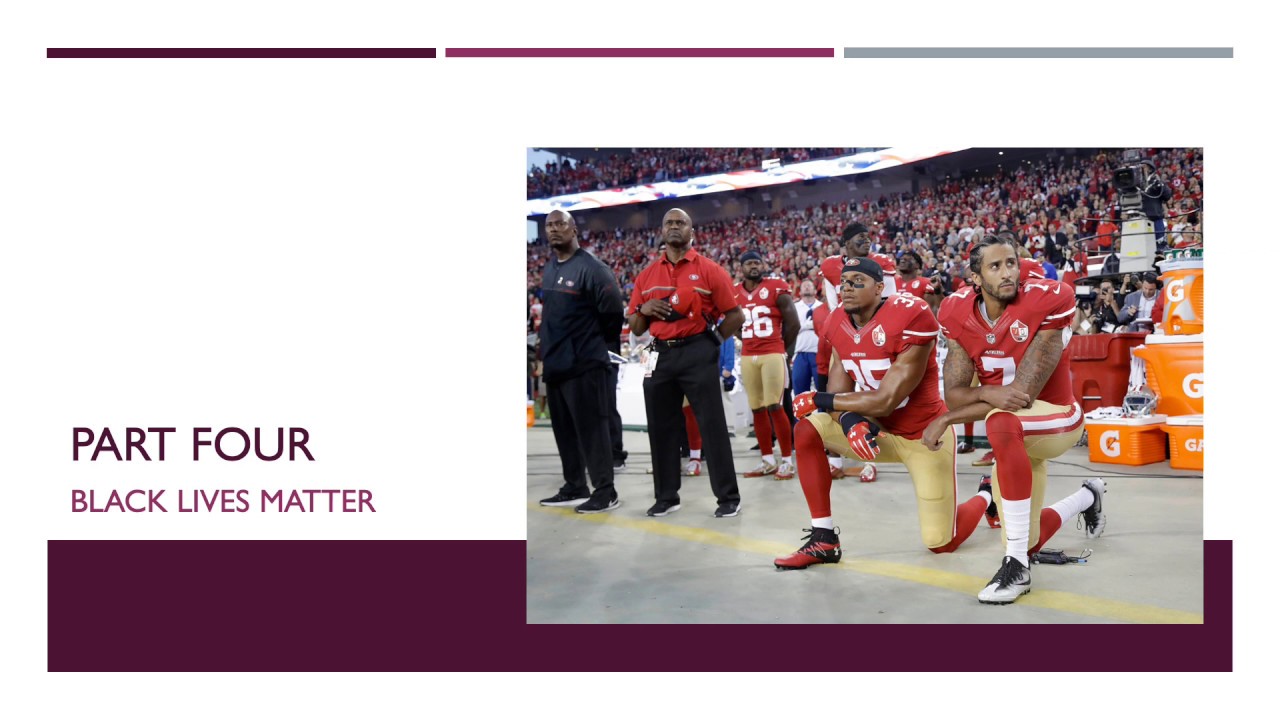
Sports and African American History - Black Lives Matter (HIS/POS252L)
459
This segment examines how African American athletes engaged in political activism during the 1960s civil rights era. Muhammad Ali's refusal to be drafted for the Vietnam War in 1967, despite being the reigning heavyweight champion, represented a bold stand that cost him his titles and years of his career. He received support from Bill Russell, Jim Brown, and Kareem Abdul-Jabbar, who had also converted to Islam. These athletes were influenced by Malcolm X and Stokely Carmichael, who rejected non-violence and endorsed Black Power. The 1968 Mexico City Olympics protest by Tommie Smith and John Carlos, who raised black-gloved fists during the national anthem, symbolized the Black Power movement. Additionally, Curt Flood's 1969 challenge to the reserve clause and Oscar Robertson's 1970 lawsuit for NBA free agency demonstrated athletes using their platforms to fight for economic and structural changes.
Click to watch →
Deep Dive
Familiarity with how academic institutions historically defined 'legitimate' research and the traditional resistance to studying popular culture or recreation.

A CULTURA POP tem lugar na Universidade? Tolkien, Asimov, Lovecraft e o desprezo da academia
38.2K
Academic institutions historically resist studying pop culture literature, as evidenced by the speaker's experience as a comic book scholar who faced skepticism and ridicule from colleagues who only studied traditional literary canons like Machado de Assis, Borges, and Dostoevsky; however, through persistent research and eventual institutional recognition, works like comic books can achieve academic legitimacy, as demonstrated by the speaker's successful doctoral defense on comic book theory that attracted significant attention and praise from the academic community.
Click to watch →

L'impertinence au cabaret - Table ronde Les pouvoirs du rire
120
Cabaret studies face challenges in academic legitimacy because cabaret is associated with the popular, pleasurable, and bodily - elements academic institutions traditionally resist. Academic work on cabaret is often considered 'illégitime' or 'indiscipliné' because it deals with subjects that don't fit traditional academic frameworks. Academic institutions struggle to legitimize work on popular culture because such work doesn't fit the traditional model requiring complexity and distance. The academic imperative to work on subjects 'people don't understand' conflicts with popular culture's accessibility. The body and popular culture are excluded because they are associated with the visceral and vulgar, reflecting broader principles of domination that privilege intellectual abstraction over embodied experience.
Click to watch →

The Sleeping Beauty: Locating Aesthetics in Cultural Studies |Prof Manu Mangattu |Govt Nehru College
581
This section examines how academic institutions resist research on popular culture through five instances: (1) A research proposal on 'Sachin Tendulkar as an aesthetic experience' was rejected by a literature professor principal as 'non-literature' and 'not useful'; (2) Students submit proposals on popular novelists like Amish Tripathi and Chetan Bhagat, which the same lecturer now rejects as 'pulp fiction'; (3) A video of Novak Djokovic gifting his racquet to a young boy was objected to in a literature WhatsApp group as 'not literature'; (4) When searching 'popular Indian novels' on Google, results show Aravind Adiga and Arundhati Roy, not popular authors like Chetan Bhagat, raising questions about who decides literary value; (5) The contrast between mass films (watched by majority) and class films (winning awards) illustrates how evaluation systems undervalue mass appeal. The key terms are: non-literature, popular sport, celebrity, non-academic, non-useful, non-canonical, pulp fiction, and lacking in literary merit.
Click to watch →

Robert Thompson Full Interview
69K
Academia traditionally resists studying things that provide immediate pleasure, believing that if students find something enjoyable, it should remain outside serious academic inquiry. This creates a paradox where popular culture study is seen as beneath academic standards precisely because it appeals to students who might otherwise be disengaged. Popular culture studies have become somewhat of an academic ghetto where topics that don't fit into established organizations like the Modern Language Association are relegated. This marginalization reinforces the low/high art distinction by positioning popular culture study as secondary to more prestigious academic fields, despite the intellectual value of studying contemporary cultural phenomena.
Click to watch →

Shared Fantasy: An Interview with Gary Alan Fine: Jaakko Stenros: Ropecon 2022
376
In the 1970s and early 1980s, studying trivial domains like little league baseball and Dungeons & Dragons was considered unimportant by mainstream sociology. When Fine submitted his manuscript to the University of Chicago Press, the board initially resisted publishing a book about Dungeons & Dragons despite positive reviews. They required a third reviewer before agreeing. The book was published in 1983 but only released in paperback 20 years later in 2002, demonstrating the slow academic acceptance of leisure studies as legitimate research topics.
Click to watch →
Deep Dive
An introductory understanding of sports as a reflection of societal values, social stratification, and inequality (race, class, and gender).
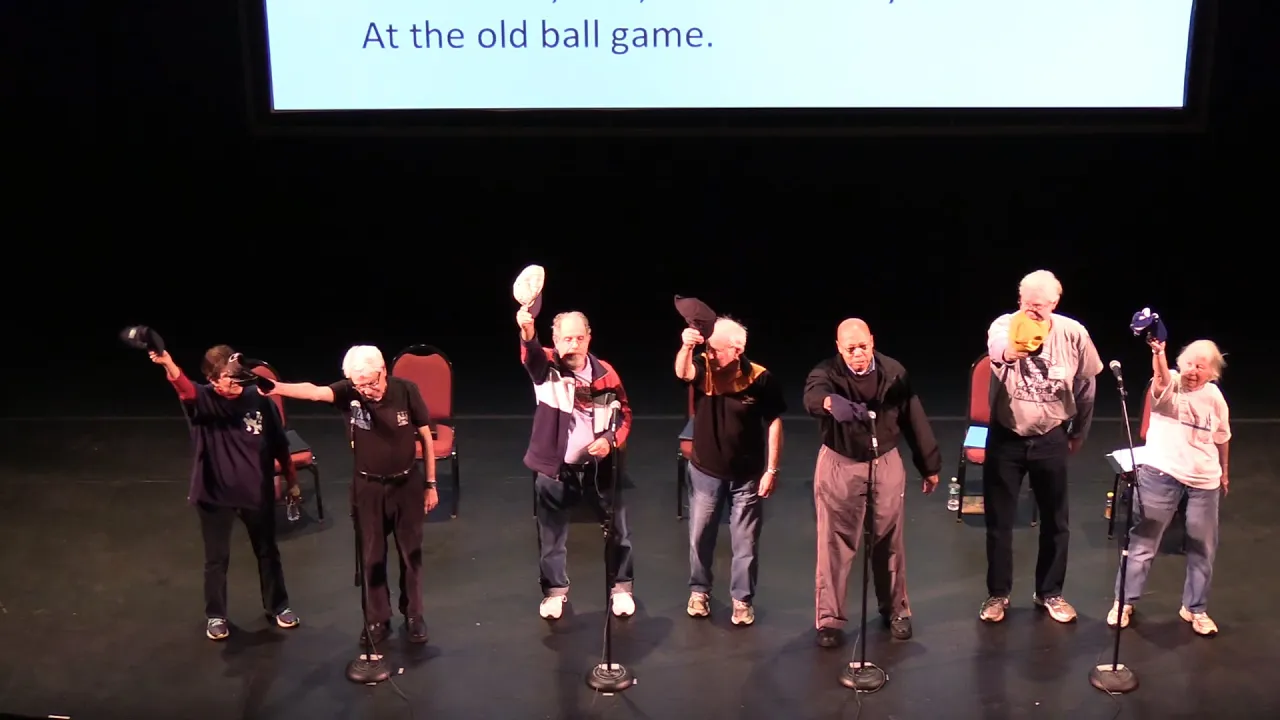
OLLI VOICES Spoken Word Ensemble on Sports and Culture: Race, Class and Gender
599
Sports serve as a powerful lens through which societal values, inequalities, and progress are reflected and challenged, as demonstrated by landmark moments from the Black Sox scandal to Jackie Robinson's integration of baseball, Billie Jean King's fight for equal pay, and contemporary athlete activism, revealing how athletic institutions both perpetuate and challenge systemic barriers of race, class, and gender.
Click to watch →

Sociology of Sports
49.5K
Sports serve as a mirror reflecting society's values, beliefs, and inequalities, where money drives the industry, racial and gender disparities persist, and youth are socialized into competitive frameworks that prioritize winning over holistic development.
Click to watch →
スポーツ社会学_1
236
Sports reflect and mirror broader social issues, serving as a 'miniature society.' Key areas where sports reflect society include gender issues (e.g., female boxers' eligibility debates, transgender athlete participation), economic disparities (e.g., Olympic vs. Paralympic athlete funding), nationalism (e.g., national anthem debates), and media commercialization (e.g., streaming exclusivity affecting accessibility). Understanding sports requires understanding these social dimensions.
Click to watch →

مراجعة تحليلية لمقرر علم الاجتماع الرياضي الفصل الأول مدخل علم الاجتماع الرياضي
340
Sports function as a mirror that reveals both positive and negative aspects of society. The choice of which sports a community focuses on reflects its priorities, history, and even colonial influences rather than purely athletic considerations. Sports expose social tensions including class differences, ethnic tensions, and gender equality issues. The disparity in funding, media coverage, and salaries between men's and women's sports reveals deeper societal biases. Sports provide a clear, direct measure of the prejudices and structural inequalities present in society. While sports celebrate values like hard work and perseverance, they also expose social problems. The stadium becomes a space where different social groups interact, temporarily dissolving barriers between people of different economic, cultural, and religious backgrounds.
Click to watch →

📚 SLST PG XI-XII 2025 | Sports Sociology in Physical Education | ⚡ Full Syllabus Quick Revision 🎯
202
Sports Sociology is important to understand how society affects sports and how sports can change society. It helps address discrimination, promotes equality and fair play, and develops team spirit and social values. Sports serves as a powerful social phenomenon that brings people together, overcomes differences, and builds relationships based on cooperation and mutual respect. Key social values developed through sports include discipline (following rules), teamwork and cooperation, respect for others, leadership qualities, fair play, responsibility, time management, social inclusion (regardless of gender, race, religion), unity and peace, and leadership and decision-making skills.
Click to watch →
Prerequisite Knowledge
- Concept 01Basic understanding of sociology as an academic discipline that studies social institutions, power structures, and cultural practices.
- Concept 02Awareness of the historical context of the 1960s Civil Rights Movement, which heavily influenced the intersection of racial politics and athletics.
- Concept 03Familiarity with how academic institutions historically defined 'legitimate' research and the traditional resistance to studying popular culture or recreation.
- Concept 04An introductory understanding of sports as a reflection of societal values, social stratification, and inequality (race, class, and gender).
Subsequent Learning
- Step 01In-depth study of the Olympic Project for Human Rights (OPHR) and the political significance of the 1968 Mexico City Olympics protest.
- Step 02Examination of modern athlete activism and the sociopolitical impact of contemporary movements led by figures like Colin Kaepernick or the WNBA.
- Step 03Analysis of commercialization, exploitation, and labor rights in collegiate and professional sports through a critical sociological lens.
- Step 04Exploration of intersecting advanced topics in sports sociology, such as gender equity (Title IX), media representation of minority athletes, and global sports diplomacy.
Pioneering Field
Academic Bias
Career Impact
Pioneering Field
0:03Playing Section
- 1
Established sociology of sport as academic discipline, first integrated textbook.
- 2
Challenged academic norms viewing sports as unworthy sociological study.
- 3
Used Super Bowl viewership analogy to justify scholarly importance.
Value-Neutral Positivism in the Sociology of Sport
While Dr. Harry Edwards' pioneering work in the sociology of sport is defined by critical conflict theory and active social advocacy, an alternative perspective advocates for a positivist, value-neutral approach to the discipline. Proponents of this view, drawing from Max Weber’s concept of value-freedom (Wertfreiheit), argue that the primary goal of sports sociology should be the objective, empirical study of sports as a social institution, detached from political activism. Critics of activist sociology contend that blending scholarship with social advocacy compromises scientific objectivity, potentially leading to biased data interpretation and undermining the academic credibility of the field. From this perspective, the sociologist's role is to neutrally analyze and explain the social structures of sport rather than use the discipline as a vehicle for social justice or political mobilization. This creates a foundational tension in the field between objective scientific inquiry and activist-oriented critical theory.
Deep Dive
In-depth study of the Olympic Project for Human Rights (OPHR) and the political significance of the 1968 Mexico City Olympics protest.
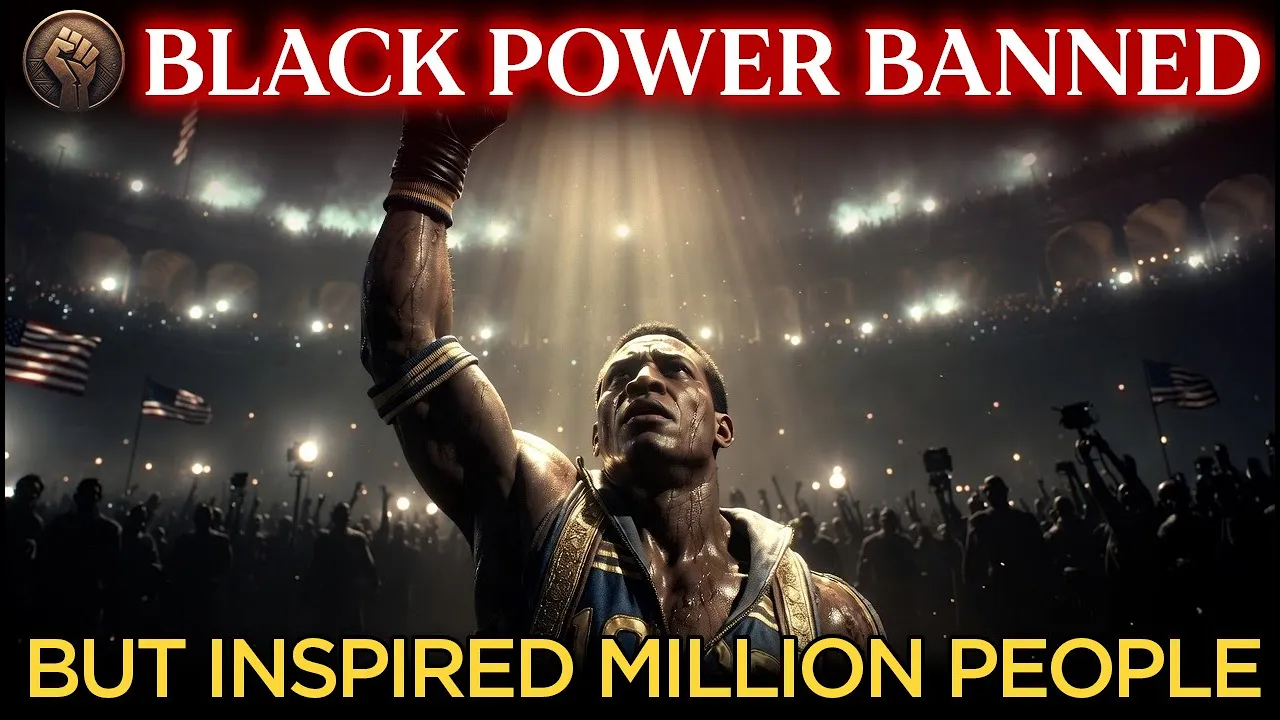
1968 Olympics: Black Power Salute Got Athletes Banned But Inspired Millions
172
On October 16, 1968, during the men's 200-meter sprint medal ceremony at the Mexico City Olympics, gold medalist Tommy Smith and bronze medalist John Carlos raised their black-gloved fists in a Black Power salute while wearing only black socks. This 90-second protest during the American anthem became one of the most powerful moments in sports history. The year 1968 was described as an earthquake that shook the entire planet, with the Tet Offensive in Vietnam, the assassination of Martin Luther King Jr., and the assassination of Robert F. Kennedy creating a context of global unrest. Dr. Harry Edwards founded the Olympic Project for Human Rights in October 1967, challenging Black athletes to boycott the Olympics. Smith and Carlos chose a third path: compete, win, and then protest. They had less than 24 hours to plan the most iconic protest in sports history, incorporating symbolic elements like black gloves representing Black Power, black socks symbolizing Black poverty, and beads representing lynching victims. On October 16, 1968, at 7:30 PM, Smith, Carlos, and Norman walked into the Olympic stadium with 68,000 people in the stands and cameras from every nation on Earth. Both Black men wore only black socks, Smith's black scarf was visible, Carlos's beads glinted, and Norman's OPR badge shone on his chest. The star-spangled banner began to play. Smith and Carlos turned toward the American flag, then bowed their heads with eyes cast down toward the ground. Then they raised their fists—black-gloved, powerful, unwavering, thrust into the Mexican sky. Smith's right fist represented Black Power and strength, Carlos's left fist represented Black unity and solidarity. Both men were frozen in that position for 90 seconds, the entire duration of the anthem. The stadium reacted immediately with gasps rippling through the crowd like electricity, then boos—loud, angry, hateful. White spectators screamed, 'How dare you? How dare you disrespect America? How dare you disrespect the flag? How dare you be ungrateful?' Some people cheered, mostly Mexican students and activists sympathetic to the civil rights struggle who understood what it meant to live under oppression. But most of the crowd booed, with the sound overwhelming and hate pouring down like rain. Within hours, the media exploded. The New York Times headline read 'Two black power advocates ousted from Olympics.' The Los Angeles Times called it an embarrassment to America. White American journalists lined up to attack them as ungrateful, anti-American, militants, radicals, and troublemakers. Brent Mooberger of ABC called them 'a pair of dark-skinned stormtroopers'—using Nazi imagery against two Black men protesting racism. The white media did not want to discuss why Smith and Carlos protested—the black socks representing poverty, the beads representing lynching victims, the scarf representing Black pride, the bowed heads representing refusal to accept oppression. They only wanted to talk about the gesture itself, calling it militant, violent, and threatening. Avery Brundage, 81-year-old IOC president with Nazi sympathies, called the protest a deliberate and violent breach of Olympic principles. He gave the US Olympic Committee an ultimatum: expel Smith and Carlos immediately or he would expel the entire American Olympic team. Brundage had the power, votes, and support of other white National Olympic committees, and was willing to destroy the entire American team to make an example of two Black men who dared to speak truth. On October 18, 1968, 48 hours after the salute, the USOC caved. They issued a statement that Smith and Carlos's actions were contrary to standards of good manners and sportsmanship, expelling them from the team and ordering them to remove themselves from the Olympic Village immediately. They were given hours to pack their belongings and leave Mexico City, banned from all Olympic facilities, treated like criminals, terrorists, and enemies of the state. The message was intentional: protest equals destruction, speak equals exile, challenge white supremacy and we will destroy your life. For the rest of the 1968 Olympics, no other athlete made a protest as bold as Smith and Carlos. The system had successfully terrorized Black athletes into silence. Smith and Carlos flew back to the United States, where the real punishment began. They arrived home to death threats—hundreds of letters and phone calls promising to kill them and their families. Before the Mexico City Olympics, both men had lucrative offers waiting—professional sports teams, endorsement deals, coaching positions. After the salute, those offers vanished overnight. Tommy Smith signed with the Cincinnati Bengals in 1969 but was cut after three seasons. He applied for coaching positions everywhere but was rejected. The word had gone out: 'Tommy Smith is trouble. Tommy Smith is a militant. Tommy Smith will bring politics into your program. Do not hire him.' He eventually became a teacher at Santa Monica College. John Carlos had it worse. He cycled through odd jobs—grocery store, nightclub bouncer, Puma shoe factory—just to survive. The financial stress destroyed his marriage. In 1977, his wife Kim committed suicide. He blamed the 1968 protest for her death, not because he regretted standing up for justice but because he understood the cost. The system had punished him so severely that it killed his wife.
Click to watch →
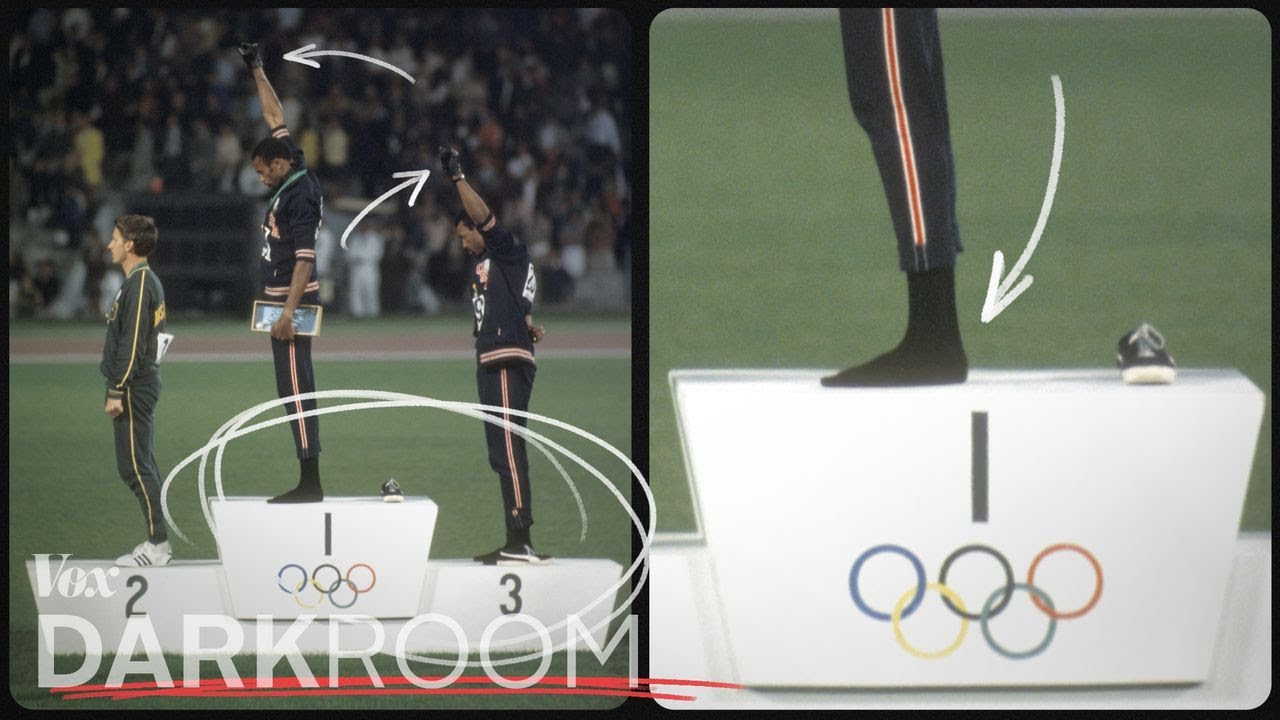
The story behind this iconic Olympics protest
3.3M
In 1968, American sprinters Tommie Smith and John Carlos raised their black-gloved fists during the US national anthem at the Mexico City Olympics to protest racial injustice in America, representing the Olympic Project for Human Rights (OPHR) coalition founded by Dr. Harry Edwards; this silent protest, which included wearing symbolic items like black socks and buttons reading 'Olympic Project for Human Rights,' drew attention to systemic racism despite the fact that Black athletes had previously been celebrated as symbols of racial progress in American society.
Click to watch →

Democracy And Diversity CLASS 10 CIVICS CHAPTER 3 WITH FREE NOTES @Mainpointstudy
93.5K
Democracy is a form of government where people elect their representatives through voting. Diversity refers to the presence of different types of people in society, including different skin colors, religions, genders, languages, and cultures. The 1968 Mexico Olympics protest by Tommy Smith, John Carlos, and Peter Norman became a powerful symbol of the struggle against racial discrimination. When the American national anthem played, Smith and Carlos raised their fists wearing black gloves (symbolizing Black Power) and removed their shoes to protest discrimination against African Americans. Peter Norman, a white Australian, supported them by wearing an Olympic Project for Human Rights armband. The protest highlighted that African Americans face discrimination based on skin color despite being citizens. The athletes' sacrifice (losing their medals) became a powerful symbol of the struggle against racial discrimination. Social differences originate from two main sources: (1) The accident of birth - circumstances that cannot be changed, such as caste, religion, skin color, gender, and physical challenges; and (2) Personal choices - decisions people make about their occupation or lifestyle. Both types of differences can lead to social division and discrimination.
Click to watch →

Photos That Ruined People's Lives
590.8K
During the 1968 Mexico City Olympics, American runners Tommy Smith and John Carlos won the 200-meter finals and made the black power gesture on the awarding platform. Peter Norman, an Australian athlete who took the silver medal, supported them. Norman had talked to Smith and Carlos earlier that day and knew about their protest plan. He suggested the black gloves they wore and put on a civil rights badge on his tracksuit. However, in Australia at the time, the political climate was bad and unforgiving. Norman was barred from any subsequent Olympic trials, and Australia did not enter any sprinters for the 200-meter race at the 1972 Munich games. He faced depression and alcoholism, and was left out of the ceremonial lap of honor at the 2000 Sydney Olympics.
Click to watch →

10 increíbles escándalos o tragedias olímpicas
848.6K
The term 'Black Power' refers to the civil rights movement of African Americans fighting for equality in a society that excluded them. At the 1968 Mexico City Olympics, American sprinters Tommy Smith (gold medalist) and John Carlos (bronze medalist) in the 200-meter race, along with Australian silver medalist Peter Norman, made a powerful political statement during the medal ceremony. Both American athletes competed barefoot and wore black socks to represent the poverty of Black Americans. Carlos wore a necklace of beads honoring Black Americans who suffered under slavery. Each athlete wore a black glove and raised their fists in the Black Power salute—Smith raised his left fist and Carlos his right. International Olympic Committee president Avery Brundage ordered their expulsion from the Olympic Village, though Mexican authorities refused to enforce this. Both athletes faced years of exclusion and harassment in their home country but were eventually recognized for their actions in the early 21st century.
Click to watch →
Deep Dive
Examination of modern athlete activism and the sociopolitical impact of contemporary movements led by figures like Colin Kaepernick or the WNBA.
Malcolm Gladwell Is Lord Of All Things Overlooked and Misunderstood | Rich Roll Podcast
148.9K
The 1968 Olympics represented a pivotal moment when athletes began using their platform for social justice, challenging Avery Brundage's model that sports should remain separate from politics. Athletes face three choices: voice, exit, or loyalty. Historical analysis suggests voice proves most powerful over time. This tradition continues today with modern athletes like Colin Kaepernick, demonstrating that athlete activism has evolved but faces similar institutional resistance.
Click to watch →

Does JAY-Z make moves for the community or are they for himself?
1.3K
This segment examines the collective athlete activism demonstrated by the WNBA. The entire league joined in solidarity with Colin Kaepernick's protest against police brutality, with players from around the world supporting the cause because they saw their sisters being hurt. The league implemented a media blackout policy, focusing only on the protest issue. Despite the commissioner threatening fines, older players supported younger players, and the collective action made it impossible for the league to suspend everyone. This demonstrates that unified athlete activism has proven to be more powerful than individual actions, and that athletes need to support each other and build collective power to achieve meaningful change.
Click to watch →
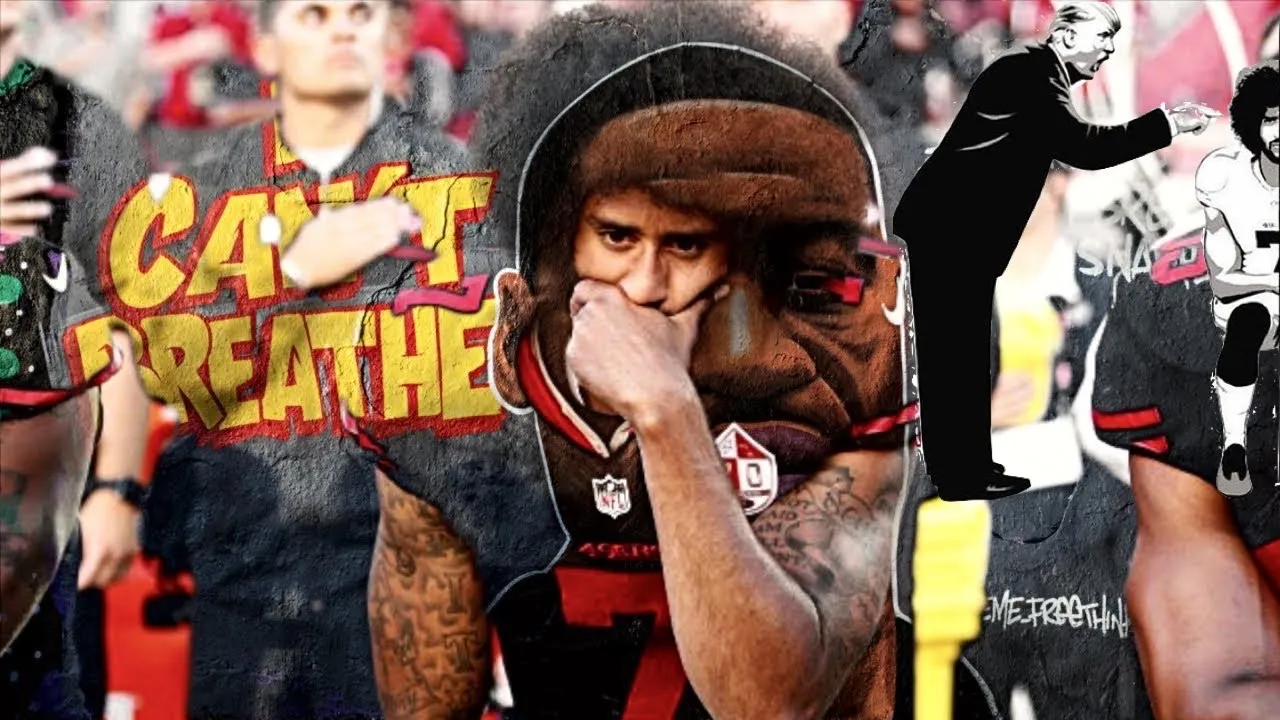
Colin Kaepernick - The MOVIE
77K
Colin Kaepernick, San Francisco 49ers quarterback, demonstrated exceptional athletic abilities including a rocket arm, confidence, and a complex offensive playbook. He led the 49ers to a historic 28-24 NFC Championship comeback victory, the largest in NFC Championship history. Simultaneously, Kaepernick chose not to stand during the national anthem to protest social injustices against African Americans, kneeling during Military Appreciation Night. Despite signing a $126 million contract, he stated his motivation was not money-driven but focused on proving himself and helping the organization win Super Bowls. After being released, Kaepernick worked out for eight NFL teams, declaring he would be ready for three years after being denied opportunities. He called on the 32 NFL owners and Roger Goodell to stop running from the truth. Kaepernick's activism challenged the narrative that he couldn't play football while protesting. NFL players supported his cause, stating they wanted the league to condemn racism and systematic oppression of black people. Kaepernick explained that racism is the biggest issue in America, noting that many white people don't realize racism is happening because they don't see it directly. Following George Floyd's death, the NFL officially condemned racism, admitted they were wrong for not listening to players, and encouraged all players to speak out, officially supporting Black Lives Matter.
Click to watch →

Colin Kaepernick: taking a stand, by sitting
7.3K
Athlete activism has evolved significantly since the 1960s. Muhammad Ali refused the Vietnam draft in 1966, transforming from hero to pariah and losing his title. In 1968, Tommy Smith and John Carlos raised fists at the Mexico City Olympics, facing suspension and expulsion. Decades later, LeBron James led his team in hoodie protests for Trayvon Martin in 2012. Colin Kaepernick's anthem sit-in continues this legacy, showing how athlete activism persists despite backlash, with each generation finding new ways to protest social injustice while facing similar consequences.
Click to watch →

Athletes & Activism: How Sports And Politics Intersect
32.1K
Throughout American history, professional athletes have used their platforms to advocate for social justice, from Jackie Robinson breaking baseball's color barrier to Muhammad Ali refusing military induction, and from Colin Kaepernick kneeling during the national anthem to contemporary WNBA players wearing protest shirts; this tradition demonstrates that athletes possess unique power to amplify marginalized voices and drive societal change when they leverage their visibility and influence to address systemic injustices.
Click to watch →
Deep Dive
Analysis of commercialization, exploitation, and labor rights in collegiate and professional sports through a critical sociological lens.

andré douglas pond cummings and Anne Marie Lofaso on Reversing Field
282
Sports serves as a microcosm of society, making it an ideal lens for examining complex social issues such as commercialization, labor practices, gender inequality, and racial discrimination; interdisciplinary approaches combining legal analysis with sociology, feminism, and critical race studies provide essential frameworks for understanding and addressing these systemic challenges in contemporary sports institutions.
Click to watch →

스포츠지도사ㅣ기출문제 해설강의ㅣ2021년 스포츠사회학
2.3K
Sports sociology is an interdisciplinary field studying the relationship between sports and society, examining how sports activities create behavioral patterns and social processes. Key characteristics include explaining social structures within sports fields, predicting human behavior, and applying sociological theories. Sports and politics have historically been deeply interconnected, as demonstrated by the Football War (1969), Heysel Stadium Disaster (1985), and Ping-Pong Diplomacy (1971). Governments intervene in sports for four main purposes: Social Integration, National Identity Enhancement, National Integration and Nationalism, and Economic Development. Parson's AGIL model identifies four key social functions: Adaptation, Goal Achievement, Integration, and Latency. Commercialism is not a social function but a dysfunction. Professional sports serves multiple functions: massification of sports, providing vitality to daily life, enhancing regional solidarity, and activating amateur sports. Commercialization has transformed sports through pursuit of professionalism, increased emphasis on heroic values, emergence of professional athletes, globalization of sports organizations, and introduction of commercial breaks.
Click to watch →

December 2017 Public Forum Topic Analysis by Belen Mella
4.5K
Pro arguments emphasize that college athletics is a $10 billion business where athletes perform services under contracts (scholarships), are subject to coach control, and receive payment. The Northwestern case found scholarship players are employees who may unionize. Student-athletes work 32+ hours weekly on sport-related activities, exceeding NCAA limits. They face strict regulations on social media, interviews, and off-campus jobs. Fair market value for Division I football and basketball athletes ranges from $121,000-$514,000 annually, compared to $60,000 in scholarships. The National College Players Association reports 86% of athletes live below poverty line. Sociologist Krystal Beeman found athletes, particularly African-American males, feel exploited after careers end. Schools waste money on stadiums rather than academics.
Click to watch →

Anne Marie Lofaso on Reversing Field
299
Sports law serves as a microcosm of broader societal issues, examining how commercialization, labor practices, gender dynamics, and racial inequalities manifest in professional and collegiate sports, with key topics including the neurological effects of performance-enhancing drugs on athletes' brains, labor disputes like the 1994-95 baseball strike, and the differential treatment of pregnant athletes compared to temporarily disabled male athletes.
Click to watch →
The BEST Decision Cam Ward Ever Made was Sitting Out!
113.6K
This extended discussion reveals how college athletics operates as a system of mutual exploitation where multiple stakeholders—including universities, coaches, media networks, and student-athletes—use each other for personal gain. The conversation exposes how universities leverage student-athletes to build programs and attract attention while providing minimal tangible benefits; how coaches seek better opportunities regardless of loyalty; and how media reduces athletes to entertainment commodities. The analysis demonstrates that this exploitation is not limited to one party but represents a fundamental structural problem in the sports industry.
Click to watch →
Deep Dive
Exploration of intersecting advanced topics in sports sociology, such as gender equity (Title IX), media representation of minority athletes, and global sports diplomacy.

Selfish Babies | Ep. 616
67.7K
The video presents an analysis of Title IX, the federal law requiring schools to match the gender makeup of their student bodies in sports teams. The speaker notes that Minnesota has 115 men on their football roster, which means they need 115 female athletes just to balance that single sport. The speaker argues this is a 'total travesty' and 'completely ridiculous.' The speaker contends that the real reason there aren't as many women playing sports is that not as many women want to play sports, and that men are better at playing sports and more fun to watch. The speaker argues that equality exists only in two realms: mathematical concepts and the inherent dignity and worth of human beings.
Click to watch →
Con MetLife, Seguro Sabes | Mariana Gutiérrez | 2/5: Equilibrando el juego para las mujeres
1.9M
Title IX is a US constitutional amendment requiring equal investment in sports for boys and girls, serving as a temporary gender quota that enables women to achieve equal opportunities; in Mexico, female athletes like Rebeca Bernal serve as powerful role models who inspire young girls and drive the narrative of women's football forward, demonstrating that women can excel in sports while pursuing academic and professional success.
Click to watch →
Trans Track Athlete CeCe Telfer makes a THREAT to female competitors in a DISGUSTING interview!
54.1K
The video discusses Title IX, which was created to protect women in sports and ensure gender equity. The video suggests that Title IX 'definitely seems to be going in reverse' and that it 'seems to be protecting the men' rather than women. The video frames this as a concern for female athletes who are forced to compete against male athletes, arguing that the policy changes undermine the protections originally intended for women's sports.
Click to watch →
Gender Stratification: Crash Course Sociology #32
643K
Title IX, passed in 1972, prohibits discrimination on the basis of sex in public schools. Originally responding to discrimination in higher education like enrollment quotas and refusing to hire female academics with children, it became famous for its effects on sports. Before 1970, most schools only had official teams for boys. By tying school funding to equal opportunities for boys and girls, Title IX increased high school girls playing sports from 295,000 in 1970 to over 3 million today. Sally Ride benefited from Title IX's tennis scholarship, leading to her becoming America's first female astronaut.
Click to watch →

DELUSIONAL Woke Liberals Get A SLAP OF REALITY
56.4K
This segment examines gender equality in sports and the legal framework surrounding it. Participants discuss why tennis is always asking how players would do against the opposite gender and suggest men and women should play together. The conversation covers Title IX, explaining that multiple states (Oklahoma, Louisiana, Florida, Texas, Mississippi, Montana, Idaho) have sued the federal government over new changes to Title IX regulations. The discussion also addresses transgender athletes in sports, with participants explaining that a trans man won the National Championship and was subsequently banned from competing professionally, reflecting the ongoing debate about fair competition and eligibility.
Click to watch →
Pioneering Field
Academic Bias
Career Impact
Pioneering Field
0:03- 1
Established sociology of sport as academic discipline, first integrated textbook.
- 2
Challenged academic norms viewing sports as unworthy sociological study.
- 3
Used Super Bowl viewership analogy to justify scholarly importance.
Value-Neutral Positivism in the Sociology of Sport
While Dr. Harry Edwards' pioneering work in the sociology of sport is defined by critical conflict theory and active social advocacy, an alternative perspective advocates for a positivist, value-neutral approach to the discipline. Proponents of this view, drawing from Max Weber’s concept of value-freedom (Wertfreiheit), argue that the primary goal of sports sociology should be the objective, empirical study of sports as a social institution, detached from political activism. Critics of activist sociology contend that blending scholarship with social advocacy compromises scientific objectivity, potentially leading to biased data interpretation and undermining the academic credibility of the field. From this perspective, the sociologist's role is to neutrally analyze and explain the social structures of sport rather than use the discipline as a vehicle for social justice or political mobilization. This creates a foundational tension in the field between objective scientific inquiry and activist-oriented critical theory.
Basic understanding of sociology as an academic discipline that studies social institutions, power structures, and cultural practices.
Awareness of the historical context of the 1960s Civil Rights Movement, which heavily influenced the intersection of racial politics and athletics.
Familiarity with how academic institutions historically defined 'legitimate' research and the traditional resistance to studying popular culture or recreation.
An introductory understanding of sports as a reflection of societal values, social stratification, and inequality (race, class, and gender).
In-depth study of the Olympic Project for Human Rights (OPHR) and the political significance of the 1968 Mexico City Olympics protest.
Examination of modern athlete activism and the sociopolitical impact of contemporary movements led by figures like Colin Kaepernick or the WNBA.
Analysis of commercialization, exploitation, and labor rights in collegiate and professional sports through a critical sociological lens.
Exploration of intersecting advanced topics in sports sociology, such as gender equity (Title IX), media representation of minority athletes, and global sports diplomacy.
38.9K views192likes5:30@tiagoblizzardOriginal Release: 2009-07-20
we have come a very very long way since 1967 but the reality is that most of it has been compelled by developments at that time my dissertation that I finally ended up writing coming out of 1968 Cornell University was titled sociology of sport and and it became the first integrated textbook focusing on a sociological analysis of sport as a social institution up until that time sport had been relegated to physical education sociologists didn't feel that it was uh up to their standard as an area of career Focus or analysis and one of the big challenges that I had was convincing even the people at car that sport was worth looking at that despite 105 years of Sociology a major institution an increasingly important institution had been overlooked and bypassed mostly out of academic arrogance that this was beneath us to deal with these physical activities and the thing that finally convinced them that hey yeah you can go ahead and write your dissertation in this area was when I asked the question during a committee meeting committee conference my committee that was overseeing my disseration how can we believe as sociologist that a diad a two-person relationship or a Triad a threepers relationship is worthy of analysis that includes volumes and hundreds of dissertations but a 100 million people watching the Super Bowl is not worthy of Investigation from a sociological perspective it seems to me that that's a bit upside down they had no response to that other than okay go ahead go ahead and do it and at the end of it it became my dissertation was published as the first integrated textbook in the sociology of sport now that is was driven that was driven by the events of 1967-68 my work as a consultant was driven by the events of 1967 and 68 even at Berkeley where I was on a faculty for 31 years the sociology of sport was seen as less of an academic uh research area of career interest than a fascinating teaching interest that class in and class out logged 600 700 800 I had one class up there that had 1100 students in it because everybody is interested in sports but in terms of my actual standing in the department as a research PhD and so forth they said come on this is this is Sport they felt pretty much the way my commited did initially at Cornell this is Sport this is this is not sociology this is not serious sociology I mean that guy that's sitting in a class with five graduate students only two of whom even understand what he's talking about that's a serious sociologist you know and so at the end of the day I said okay fine no problem so I began to move out into the field as a scholar activist and to interface with the action down on the ground with the uh sports teams and so at the end of it all I ended up five years in the commissioner of Major League Baseball's office I ended up 10 years with the Golden State Warriors in the NBA and this is my 21st year here not to speak of having lectured at every major institution in this country uh with a with a uh sports team and uh having uh written extensively uh in every form of publication about Sport and Society all of that was driven by events in 1967 and 68 uh erase that period from my resume and I'm sitting up in some University probably having moved on from teaching and research to Administration and maybe doing something else where you know a 6' 8 in a league educated articulate uh former faculty member at the University of California at Berkeley would pre prove useful if only as a front so I've uh uh all of this was driven by that 11 18month period
Up Next

44:47
George Orwell's The Sporting Spirit: Analysis & Summary
@englishguruforall
42.5K views•2020-11-20

12:54
Triumph of Orthodoxy Icon: Byzantine Art & History Explained
@BenCallan
2.1K views•2024-08-06

9:49
FastAPI vs Flask vs Django: Choosing the Right Python Web Framework
@TechWithTim
302.5K views•2024-05-26

1:42
Game of Thrones Opening Credits: A Cinematic Analysis
@gameofthrones
46.3M views•2011-04-18
Related Study Plans & Knowledge Roadmaps
Structured learning paths in General & Interdisciplinary Studies
general-studies
Elevator Engineering: History, Physics & Cities
01From Hoists to Safety Brakes: The Dawn of Vertical Lift
02Hydraulic vs. Traction: The Engineering Physics of Elevators
03Modern Speed, Safety, and Algorithms
+ 2 more learning modules
12h5 modules
Explore Roadmap
general-studies
Rubber: Material Science, History & Geopolitics
01Origins of Natural Rubber & Mesoamerican History
02The Chemistry of Natural Rubber & Vulcanization
03The Geopolitics of the Rubber Boom & Colonization
+ 2 more learning modules
12h5 modules
Explore Roadmap
general-studies
Containerization: Evolution, Logistics & Trade
01Ancient Trade & Bulk Cargo: Amphorae to Barrels
02The Industrial Revolution & Cardboard Packaging
03The Containerization Revolution: Malcom McLean
+ 2 more learning modules
12h5 modules
Explore Roadmap
general-studies
Textile Tech: Evolution, Labor & Global Impact
01Pre-Industrial Textiles: Handloom & Cottage Industry
02Mechanization: The Spinning Jenny to the Power Loom
03The Factory System & Global Labor Transformation
+ 2 more learning modules
10h5 modules
Explore Roadmap