










![[남천동生라이브!] 전한길 & 강용석이 스타벅스를 응원합니다!](https://i.ytimg.com/vi/Hm16VHlpEx0/maxresdefault.jpg)








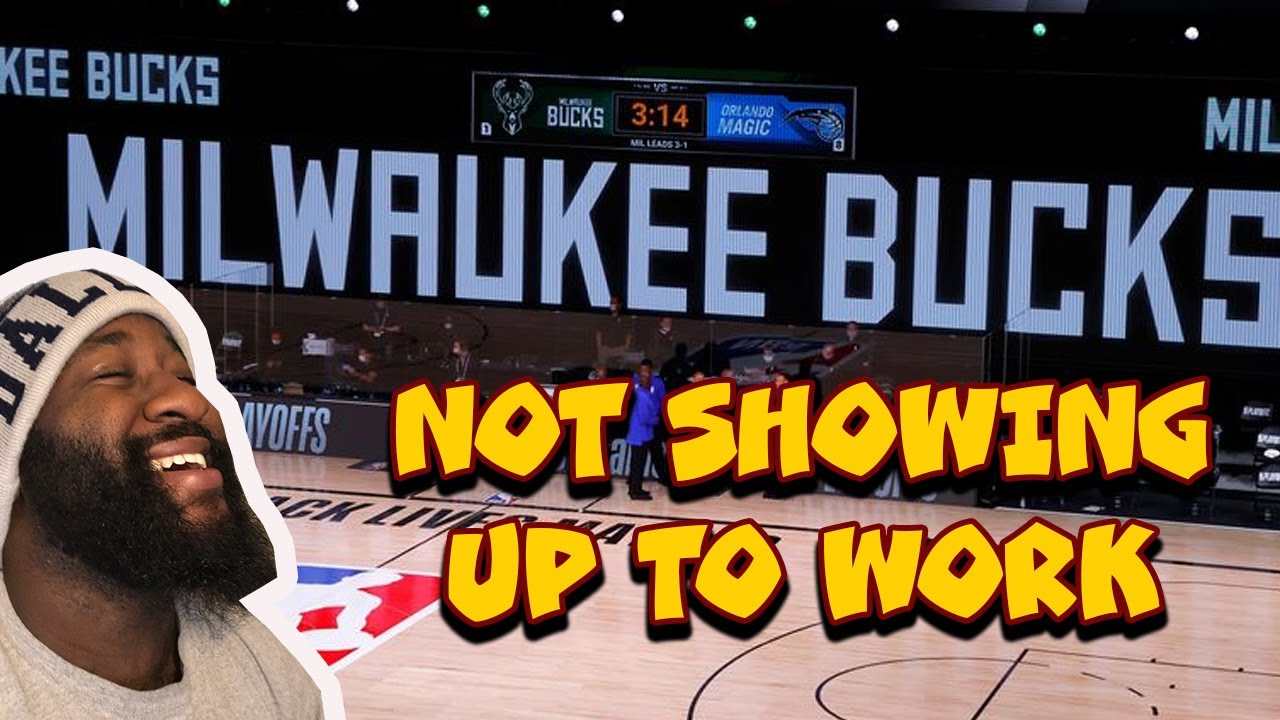
Throughout American history, professional athletes have used their platforms to advocate for social justice, from Jackie Robinson breaking baseball's color barrier to Muhammad Ali refusing military induction, and from Colin Kaepernick kneeling during the national anthem to contemporary WNBA players wearing protest shirts; this tradition demonstrates that athletes possess unique power to amplify marginalized voices and drive societal change when they leverage their visibility and influence to address systemic injustices.
Athletes and Activism: The Intersection of Sports and Politics
Added:Understanding of the Civil Rights Movement and subsequent social justice movements in the United States and globally.
The concept of a 'public platform' and how mass media and social media amplify the voices of public figures.
Historical context of how international sports events, like the Olympic Games, have historically served as arenas for geopolitical tension.
Basic knowledge of the constitutional right to free speech and the distinction between public expression and private corporate regulations in professional leagues.
Analyzing the economic and branding consequences of athlete activism, including corporate sponsorships and consumer boycotts.
Examining the policy responses of major sports governing bodies, such as the International Olympic Committee's regulations on political demonstrations.
Investigating the role of collective bargaining and player unions in leveraging athlete labor for social and structural reforms.
Comparing democratic and authoritarian state responses to athlete political expression on the global stage.
32.1K views151likes27:24Original Release: 2021-06-08
[Music] hello there i'm chuck todd and welcome to meet the press reports last summer after the murder of george floyd we saw thousands take to the streets to protest the way black people are treated by the police among those speaking out professional athletes from just about every sport and we knew focus was going to be on say her name and focus was going to be on social justice silence is no longer an option i'm fighting for my teammates and their families and their communities we needed to come together as a as a group as players and show that we believe that black lives matter it's amazing why we keep loving this country and this country does not love us back games were postponed across leagues to shine a light on this issue but this is not the first time we've seen athletes use their playing time to call out injustice in the 1950s laker star elgin baylor boycotted a game after he and two other black teammates were told they could not stay in the team hotel in west virginia in the 1960s bill russell and other black members of the boston celtics they did the same after they were refused service at a restaurant in lexington kentucky players have also used their uniforms to make a statement the phoenix suns protested arizona's immigration policies by wearing los suns on their jerseys the miami heat posted a photo in hoodies to show support for trayvon martin after he was killed by george zimmerman and just this past year tennis superstar naomi osaka wore mass with the names of black people killed by police and we have seen the national anthem has often been the soundtrack of many protests as well in 1968 famously tommy smith and john carlos raised their fists on the medal podium during the mexico city olympics colin kaepernick kneeling during the anthem in 2016 to protest police brutality against african americans and then there's the one person whose name is synonymous with athletes who protest muhammad ali ali refused induction into the u.s army as a conscientious objector he was convicted of draft evasion sentenced to five years in prison and stripped of his heavyweight title all for his political beliefs my colleague craig melvin has more on how athletes from jack johnson to ali and jackie robinson to colin kaepernick have focused the nation's attention on injustice a statue stands in philadelphia dedicated to a sports hero no not the famous one to the fictional boxer but a statue of octavius cata he was an abolitionist a civil war veteran and a pioneer in baseball his example can be found throughout history jackie robinson muhammad ali billie jean king john carlos and tommy smith colin kaepernick sports stars who fought for equality it's my job to make sure that the people out here taken care of anquan bolden retired from the nfl in 2017 to devote his life to activism what have you learned from some of those folks some of those folks who who came before you who did what you were doing now well number one i learned that we have a voice i think right now we're in an era where athletes are realizing the power of victories um which is a good thing and with that comes a responsibility you have to make sure if you're going to speak about issues make sure you educate yourself and i think that's a big responsibility that we have bolden is a founding member of the nfl's players coalition formed in cooperation with the league to tackle social justice issues important to the players following the anthem protest started by colin kaepernick i think it's important to to get the right information and i think there's a lot of people that have been in this fight um for a long time that can can point you in the right direction and i think that's another reason why athletes platforms are so great right because we have people that have been doing this work for 40 50 60 years right and a lot of times the work that they're doing no one hears about but when an athlete comes alongside of them and lifts up their voice now everybody is paying attention to what this group is doing and that's the power that an athlete platform has dr harry edwards has been a leading voice on activism in sports for nearly five decades star athletes he says get involved because they know how lucky they are they realize uh that this is an exceptional situation many of them however are still connected to communities to families kinship friends people who went to school with them other athletes who were great uh high school athletes are even great college athletes who never got to the level that they got to and are now suffering the circumstances of the average uh person in american society but these great athletes still believe in the promise of this country they could uh pack away their gear and essentially say hey i got mine to hell with everybody else but they don't do that dr edwards points out that female athletes are often the first to take up a cause despite facing racial and gender bias for proof look no further than the wnba its players wore protest shirts and held work stoppages early on this league is close to if not over 80 percent of black women we have cousins we have brothers we have sisters mothers everyone we matter and i think that's important we black women we use the people trying to tell us we shut up we don't care we're here we gonna say we gotta say we're gonna say how we feel some sports stars never set out to be protest leaders take bubba wallace nascar's only black full-time driver he felt compelled to call on nascar to ban the confederate flag from racist which the circuit did last season i mean the confederate flag debacle in nascar you caught a lot of flack for that yeah i always will but why do you think that was people i'm guilty of it people judge a book by its cover and they already have your mind made up 100 so they see just the base level of things and their assumptions made and that's it but you know there were a good chunk of folks who follow the sport that blamed you for the flag no longer being allowed to fly at nascar oh yeah no doubt get this thing out of here so i'll take all the blame it's for the better there's been a price to activism in years past muhammad ali lost his title for protesting the draft carlos and smith were kicked out of the olympics kaepernick never played again in the nfl and yet protests during the anthem became a common sight players can sit out a game to signal their outrage with the support of their teams and their sponsors but do they have the support of their fans you do know that there are still people who say when i go home i just want to watch the game i i want to keep my my sport separate from my politics what do you say to those people i would say to people that's not that's actually not true because when an athlete speaks out in favor of what you want then you're all for it but anytime an athlete speaks out about something that opposes your view then you have a problem with so it's not that you want athletes to just stick to sports it's that you want athletes to agree with you no matter if they're playing power forward on the court or wide receiver on the field safe to say you can expect star athletes to continue taking up positions on issues that matter to them outside the game craig melvin my colleague from the today show reporting for us on that one and joining me now is kevin blackistone he's a national sports columnist for the washington post frequent panelists on espn's around the horn and chelsea jane's a national baseball reporter for the washington post to also double double dip sometimes on political reporting as well welcome to both of you and kevin let me start with this cause and effect two events happened after george floyd death was killed was murder yet the commission of the nfl putting out a video suddenly acknowledging racial injustice on june 6 2020 major league baseball decides to incorporate the negro league statistics into all baseball statistics essentially um getting rid of statistical segregation in the baseball world do you put was george floyd's murder this tipping point that suddenly has made a lot of people open their eyes is it really that simple well it's not that simple but there's no question that george floyd's murder the uprising after it around this country and around the world was a tidal wave that struck much of the um racist structure um ideology um and symbolism uh in this country and and and knocked it to the ground i mean not only what you just mentioned but remember right here in this city right here in washington dc where people had been concerned and protesting for many many years against the racist name of the washington football team all of a sudden that got washed away um the same thing happened in cleveland with the imagery around the baseball team there and its name which soon will disappear so there's no question that the what we've come to call the racial reckoning in this country after the murder of george floyd was a huge factor uh in all of this in terms of sports and i should also just point out it should also remind people or explain to people that this notion of sports as being in the in the vanguard of social justice in this country has really never been that's never really been true um there have been there have been instances um where things have happened but people have refused to look at the history leading up to those incidents incidences and so that's what this really reminds me of right major league baseball doesn't deserve the credit for jackie robinson it was individuals in many ways that had to force the situation if you will chelsea you spend a lot of time covering baseball and in fact i want to highlight baseball a minute here because i think there is no locker room that is potentially more polarized on our politics than a baseball locker room uh in a baseball clubhouse more so than even the nfl i would argue certainly you don't see the same there and baseball normally has in the last 20 years has not been on the front edge of of racial injustice issues how did and yet this time you baseball pulled its all-star game um their fan base uh has not you know has not necessarily been with them there what's your observation on how baseball has made this move you know i was stunned when they pulled the game for that exact reason this is not a league that you know to kevin's point not only isn't that the you know the front of these movements but generally is sort of the last mover in a lot of these things and i think in the all-star game what you've seen is a recognition that in after the murder of george floyd you're not going to be able to do pretty much anything without making some kind of political statement i mean in the case of the you know georgia voting laws i think what rob manfred and people in the commissioner's office realized is hey whether we leave the game or not you know we're making a statement and if we pull the game then we're not going to put that statement on the players we're going to take that decision off of black players shoulders off of white teammates shoulders and say you know what we're not going to make you make that choice we're not going to put you in that position and it's a it's a very different approach than we've seen from that league and i think a really powerful reflection of the new reality under which these you know mega corporations that our leagues basically are operating under kevin i'm going to be a little bit cynical though but there's another reason why baseball did it they just didn't want the headache they didn't want the sponsors and uh being and so i look at it this way is this why actually the corporate america's sudden interest in being perhaps on the right side of an issue particularly if it if it certainly doesn't hurt their bottom line may have also made baseball feel as if hey we we've got to make sure our our sponsors aren't caught up in this either well you know attacking capitalism in this country when it comes to race is not a new idea um and i think that people for a long time who have been in the struggle um realize that and so you have to in order to affect change you have to um attack capitalism and so you have to put pressure to bear you have to bring pressure to bear on corporate america and corporate america responded um and and really that's the only way in in this society that you sometimes are going to get people to uh to to listen to how you know how you've been wrong um and so i think that that was just just opening up another chapter um from civil rights struggles um black power struggles of the past chelsea are you seeing uh as these younger players come up is this is this becoming contagious meaning younger players see the veterans speaking out and they're going to speak out too this the sort of the young millennial gen z athlete i think so and i you know focusing on baseball again like you said not a place not a clubhouse where there is generally a lot of social justice chatter it's a you know it's a largely wide sport largely conservative sport but you are starting to see a lot of people you know come up through those ranks thinking a little bit differently and thinking that this all-star game move is a good move and you know i think there's been some really interesting moments over the last few years we're starting to notice a shift in dialogue whether that's you know i saw a kind of top pirates prospect with his pronouns on his twitter account whether it's people like clayton kershaw as in in the montage earlier saying black lives matter joey vado you know saying i was wrong i didn't realize what you know my fellow teammates go through i think there is a big wave of change i think it's you know happening at the younger ages but i think it's also affecting older players particularly in baseball but i think around sports just kind of making people think about this and consider the humanity of the people that they work with in these tight-knit clubhouses kevin i don't want to reveal uh your age too much but you and i are of the same generation why did the generation of athletes that we grew up with why were they more hesitant right there's this you know whether it's the michael jordan anecdote hey republicans buy shoes too and whether he actually said that or not i will set that aside but that perception was out there that that the gen x generation of athletes said you know what we're gonna we're gonna be we're gonna worry about our business first and and and we'll let the politics go later is that first of all is that a fair characterization well you know historically and you alluded to this in the in the beginning of the the segment um there have been uh athletes of color black athletes in particular who have been outspoken uh for a very long time on very critical issues particularly those returning pertaining to race i teach a course i designed a course at the university of maryland um called uh sports protest and media to to examine that very thing you know we've had people in the 1950s people determined the last century who who have protested against this why the athletes that we grew up with were were more quiet it may be because those of us in the media at that time um our predecessors weren't covering those or reluctant to cover those who did have something to say you know um i think about somebody like roberto clemente who forced major league baseball to shut down its um opening day uh in 1968 after the the assassination of martin luther king and he was someone who was very active um in in political movements so i think a lot of it comes to the the fact that those of us in in sports media um we treated ourselves as if we worked in what we call the toy department of newspapers we pretended as if this was just games and we didn't ask people critical questions about what was going on in society we did not trust their intellect uh when it came to matters like that chelsea have you dealt with editors who said hey stick to sports um you know think about the naomi the naomi osaka situation here and look i think she she wants to compartmental you know you can make an argument that an athlete might say hey i've got something to say but at this press conference i'll talk about my my on court situation and we can have a separate conversation over here what what is how do you view your role i guess as a sports journalist and how much you should be covering what they have to say off the court it's tough i think it's a line that is still evolving in a lot of ways and to the point about editors saying stick to sports i i certainly haven't encountered that but one thing that i think a lot of you know outlets are sort of grappling with is what qualifies as straightforward reportage what is the territory of columnists who are allowed to opine you know what qualifies as opining is saying that you know someone's protesting racism or something opining you know those you know it's it perhaps some people think it shouldn't be some think it should but all of that sort of goes into the way i think that sports media is sort of trying to figure out the best way to cover athletes who you know as we're talking about have assumed a much larger role have taken on more responsibility than just kind of on-field stuff and often you know hear more about talking about what's happening off the field than they do on it you know when these players speak out they they know what they're doing you know they seek somebody out and say here i you know i have a thought about this and um you know i think it's it's important um to sort of cover the whole person i think we do that in a lot of other ways in terms of covering what they do on and off the field for better or worse and so if they want to talk about it you know i think it's our responsibility to give them that platform but do it in a way that is you know respectful to their intellect and you know respectful of what's opinion and what's fact kevin blackistone chelsea james great conversation appreciate the time that both of you gave to this and the thoughtful responses you had thanks appreciate it hey when we come back an nba star who has been at the forefront of the battle for civil rights for decades my interview with kareem abdul-jabbar that's next [Music] welcome back before he was a six-time nba champion or a two-time nba finals mbt before he was inducted in the hall of fame kareem abdul-jabbar was an activist an athlete activist he boycotted the 68 olympics he attended the 1967 cleveland summit where muhammad ali announced he would be a conscientious objector and refused to serve in the vietnam war in fact he was an activist before he was kareem abdul-jabbar his name at the gathering in cleveland was louis alcindor i spoke with kareem abdul-jabbar earlier and began by asking him to reflect on how the nba which often leans into civil rights and social justice activism has evolved since he was first drafted into the league in 1969.
well i think we went through a period there where um guys didn't understand how important it was these issues really haven't been hiding anywhere but nobody knew how to how to deal with it and just the fact that people are concerned about it and want to do something about it really has evolved into this moment and uh you know people that have not had the opportunity to use whatever tools they have to change things now see that uh hey if there's an issue that i care about i can do something about it and again that's that's a very good thing you know with with age comes wisdom but what was remarkable about you is you seem to have this equilibrium about you whether it was in 1967 1987 or or now um you know the the version of yourself in 1967 and 68 when the name calling happened how did you not snap um i i was very fortunate for me that i had good role models so bill russell and jackie robinson were you know people that i admired and muhammad ali was someone that i admired they had a knack for it they understood that uh you know american had to be led in certain ways to seeing that the right thing to do was uh very obvious sometimes that's a hard message to get across take us back to the that the uh the the ali summit in cleveland in 1967.
you look back on it now and it looks as an iconic moment did it feel as as big than when you participated as it looks today well i i thought it was an important moment i i didn't know how the nation would have looked at it but i thought it was important because these were all guys that um a lot of them were vex a lot of them had served in the army and you know they didn't really want to see themselves as being too uh accommodating to a conscientious objector but uh you know they questioned ali on on his beliefs and uh you know what he felt was important and um he convinced everybody you know he he lectured us on the fact that uh we should be there standing with him and uh you know he was very convincing and everybody knew from that moment that uh he was going to uh not step forward and uh be inducted into the army because he was a conscientious objector and uh the supreme court found that uh his uh his feelings on his subject were genuine and they supported him it was a good day how would you describe the state of race relations today in america and and how would you describe where america has been over the last 50 years well i i think we've uh gone through a series of uh a couple of periods of time where we move forward and move backwards at the same time there's a debate as to whether or not america is a racist country uh certainly there have been a lot of racist incidents in america but uh you know as to whether or not or america is is a racist country and its future is going to be involved in racism you know we're going to have to determine that we're debating that right now and i think it's uh it's an important debate and i think that uh all of the people who have had some input really have uh helped us understand any issues um let's look at what happened to colin kaepernick for example he was doing a peaceful uh demonstration about the fact that too many black americans were dying at the hands of police for no good reason unarmed people and everybody wanted to start what he was saying and say that he was un-american and that he hated the country and they hated the flag that wasn't the the issue the issue was police overreaction and uh violence toward the black community he was trying to bring that issue to the forefront and have people discuss it and uh you know look what happened to him fortunately uh people came around finally the nfl came around and apologized for not uh seeing the truth in what he he was trying to do it wasn't that he was trying to uh harm our country he was trying to get people to deal with this issue it's a very important issue yeah i'm just curious did you think to consider how sort of in general the media treated that incident and in hindsight not well right collectively the media fell in with the the uh owners it seemed that uh you know these guys are uh you know troublemakers and uh not respecting our country and our military and our flag that had nothing to do with it no i i guess what i was going to go back is is that's what you were labeled uh 50 years ago when you spoke out and i you know i guess there i thought there had been an evolution at least in how the press would cover athletes and here with colin kaepernick that didn't happen well i think some people have evolved and some people were holding on to uh you know very antiquated and wrong ideas and uh it took going through what we went through with that situation for us to get clear on it i was i was shocked last summer you know to see in the white neighborhoods that they understood why black lives matter it had to do with the uh with the murder of george floyd but it took that to to get through to people that's unfortunate but uh you know that's the way things are well the fact is you did things in 1967 that still resonate today uh and it should be a reminder to those that you know what whenever you speak out it can have an impact and sometimes it takes time cream abdul jabar it's always a privilege and an honor sir thank you thanks great talking to you that's all we have for this episode of meet the press reports this week thanks for being here when most americans think of war by the way they envision iraq afghanistan and syria well american troops are battling al qaeda and isis and terror networks but the next war is likely to be very different tune in next week we're going to look at the next war new threats and whether this pentagon is prepared for conflicts that won't look like anything that we've seen before i'll see you next time here on peacock and i'll see you this sunday and every sunday on meet the press [Music] [Music] hmm hey thanks for watching our youtube channel follow today's top stories and breaking news by downloading the nbc news app you
Up Next

8:29
Eagles Coach Reacts to White House Disinvitation Over Anthem
@ABCNews
119.1K views•2018-06-07

24:30
BRICS Pay and de-dollarization: A New Financial Order Emerges? | 55 chars
@DannyHaiphongYT
164.6K views•2024-10-22
7:33
Government Surveillance Methods: 10 Ways You May Be Watched
@BeAmazed
1.6M views•2017-04-09
10:19
Explaining the Saudi-Iranian Proxy Conflict in the Middle East
@Vox
18.2M views•2017-07-17
Related Study Plans & Knowledge Roadmaps
Structured learning paths in Political Science
political-science
Economic Statecraft: Sanctions & Chokepoints
01Foundations of Geoeconomics and Economic Statecraft
02The Mechanics of Weaponized Interdependence
03International Sanctions: Types, Implementation, and Efficacy
+ 2 more learning modules
12h5 modules
Explore Roadmap
political-science
Central Bank Independence: Politics & Policy
01Foundations of Central Banking and Monetary Policy
02The Time Inconsistency Problem & Inflation Bias
03The Delegation Model and Designing Independence
+ 2 more learning modules
12h5 modules
Explore Roadmap
political-science
Consociationalism: Power-Sharing & Stability
01Democratic Dilemmas in Divided Societies
02Introduction to Consociational Democracy
03The Four Pillars of Consociational Design
+ 2 more learning modules
12h5 modules
Explore Roadmap
political-science
Rebel Governance: Legitimacy, Economy & State
01Foundations of Rebel Governance and Statehood
02Establishing Political Legitimacy and the Rebel Social Contract
03Wartime Economies and Rebel Resource Management
+ 2 more learning modules
14h5 modules
Explore Roadmap