















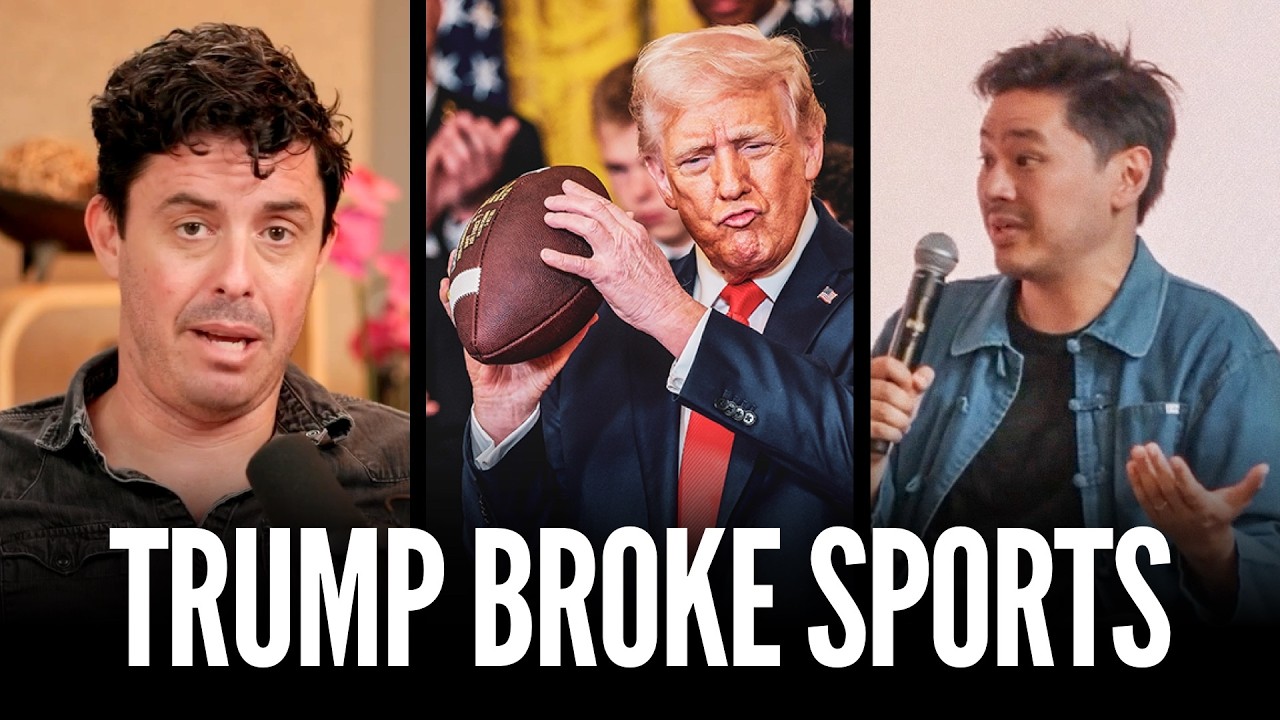


When professional athletes use their platform to advocate for social justice causes, such as Colin Kaepernick's 2016 protest against racial injustice and police brutality during the national anthem, they may face institutional backlash from political figures who view such expressions as disrespectful to national symbols. This controversy demonstrates the tension between athletes' rights to free speech and institutional expectations of patriotism, with the NFL eventually implementing policies requiring players to stand during the anthem or face fines, reflecting broader societal debates about the role of sports in political discourse.
Eagles Coach Reacts to White House Disinvitation Over Anthem
Added:The origin and social context of the NFL national anthem protests initiated by Colin Kaepernick in 2016 concerning racial injustice and police brutality.
The historical tradition and political significance of championship sports teams visiting the White House in the United States.
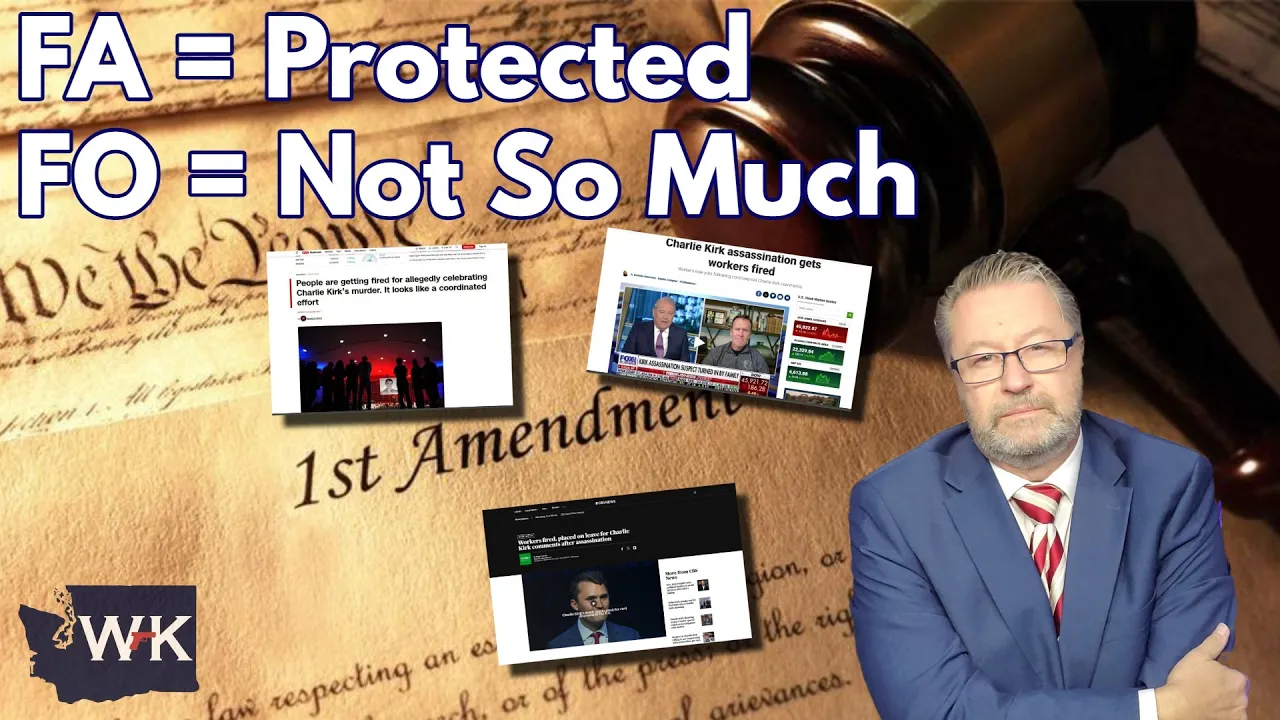
The constitutional framework of the First Amendment, specifically the distinction between government censorship of speech and private sector/employer-regulated conduct.
The concept of 'civil religion' in America, particularly the cultural expectations and symbolism associated with national symbols like the flag and the anthem.
The subsequent evolution of the NFL's official policy regarding national anthem conduct and player demonstrations.
A comparative study of modern athlete activism versus historical movements, such as the 1968 Olympics Black Power salute and Muhammad Ali's anti-war protests.
The role of media framing and polarization, examining how different news outlets covered the intersection of sports, politics, and patriotism.
The impact of sociopolitical controversies on brand management, corporate sponsorships, and public relations in professional sports leagues.
119.1K views1.1Klikes8:29Original Release: 2018-06-07
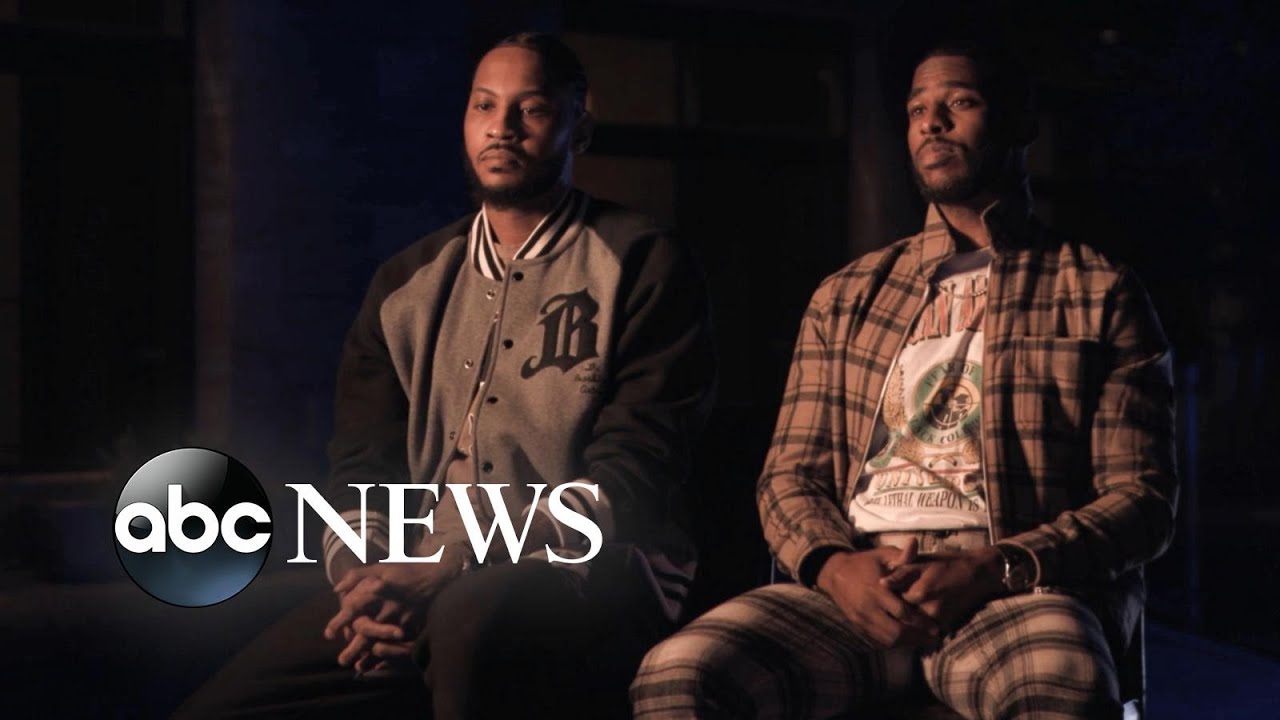
what aren't we listening to three and a half minutes of silence three and a half minutes of Statistics three and a half minutes of saying so much without speaking a single word Philadelphia Eagles safety Malcolm Jenkins addressed the media today for the first time since President Trump canceled the Eagles White House visit among the several signs he held this one which read you aren't listening Jenkins one of the leads most outspoken activists refuse to answer questions about the controversy what aren't we listening to highlighting the very issues that first inspired some NFL players to take a knee during the national anthem in the first place police brutality prison reformer Jenkins also honoring players who have protested in the name of social justice calling them true patriots and when he was finished Jenkins simply walked away from the cameras what I saw Malcolm Jenkins doing in that locker room was saying the president is not listening to my words he kept putting up that sign you're not listening he's trying to find a way to communicate to the president in a way that words seem least for him to have failed today's scene played out as the Eagles returned to the football field just one day after they were supposed to celebrate their first Super Bowl victory in the nation's capitol we couldn't be closer as a team I mean you look around this locker and we didn't have the success we had last year by not being tight defensive and Chris long a critic of President Trump refused to go to the White House last year when he won the Super Bowl with the Patriots today he wouldn't even say the president's name last couple years I haven't been interested in going to to take a photo at the White House with that individual so at the end of the day it's it I can only speak for myself that's the beautiful thing about America everybody has the right to feel however they want to feel certainly every every player in this locker room has a different view on the world and does fans do too and I celebrate that right Monday night president Trump disinvited the Eagles after became clear that fewer than 10 players would reportedly show up Eagles coach Doug Peterson says he had personally been looking forward to going to the White House we did something last season that's very special the milestone here in the city of Philadelphia our organization and I was looking forward to going down and being recognized as world champions there's an emotional connection to this team based on years of frustration and disappointment and they want to enjoy all the accoutrements of winning a Super Bowl and going to the White House is part of that celebration and that was denied to people here in Philadelphia and I think people are disappointed the White House said the Eagles disagree with their president because he insists that they proudly stand for the national anthem but not a single member of the team ever kneeled for the national anthem last season some players including Malcolm Jenkins did stand and raise their fists previous presidents have seen themselves as sort of neutral celebrators representing the country so it's their job in their mind not use it as a political event but use it as an event to celebrate a victory that that we're all proud to be Americans yesterday press secretary Sarah Sanders accused the Eagles of playing politics during questioning from ABC's Jonathan Karl the president aware that not a single player on the Eagles through the entire season knelt for the national anthem there were 80 members of the Eagles organization that RSVP'd and committed to attend this event as recently as Friday why is he acting like this is about the national anthem look if this wasn't a political stunt by the Eagles franchise then they wouldn't have planned to attend the event and then backed out at the last minute instead President Trump held an event he called a celebration of America many in the crowd White House and government employees the heated debate played out even on the White House lawn where one man took a knee in protest we love our country we respect our flag and we always proudly stand for the national anthem we always will stand for the national anthem I think one of the questions is how ultimately does the NFL respond to this I think the NFL is going to have to step up and decide where is their moral compass and it's not it cannot be directed and run by Donald Trump this latest chapter in the battle between the president and the NFL comes just two weeks after the league changed its policy on the national anthem which says players on the field must stand during the anthem or their teams will be fined those who wish to protest without penalty can stay in the locker room until the song is over Seattle Seahawk Doug Baldwin says the new rule reflects a disconnect between the league and many of its players I wasn't surprised because of the lack of empathy and the lack of understanding but again disappointed that there wasn't more progress that we haven't come further than what than where we have he's been an outspoken supporter of the athletes who are protesting what I do for the anthem I stand with my head bowed in prayer praying for safety and thankful for the opportunity to go out there and play the sport that I love the national anthem became an American flashpoint in the country's ongoing reckoning with racial injustice nearly two years ago when San Francisco 49er Colin Kaepernick first began sitting then kneeling to protest racial injustice and police brutality in America in solidarity more than 200 other NFL players coaches and even owners followed suit taking a knee or sitting for the anthem became a kind of political Rorschach test scene is either an act of nonviolent protest we back um hundred percent they're our family they're my brother or a sign of disrespect Kalani's players today are young naive and stupid you should stand for the national anthem president Trump consistently Fanning the flames of that divided view wouldn't you love to see one of these NFL owners when somebody disrespects our flag to say get that up the field right now out he's fired there ain't no dividing us you know I'm saying I guess we're all son you know what's ironic about this situation just today the president pardons somebody after listening to Kim Kardashian's pleas for that party president Donald Trump just a week or so ago he pardoned Jack Johnson the famous boxer after listening to Sylvester Stallone but when it comes to the NFL players saying they want to talk about social justice causes he doesn't seem to want to listen and I think that's what draws the ire of these players welcome everyone to the White House this is not the first time the president has rescinded an invite last year he called off the celebration for the NBA champs the Golden State Warriors after star Steph Curry said he didn't want to go the 2018 finals are happening now and basketballs biggest stars have already said the White House shouldn't count on a visit from this year's winner either I mean I know no matter who wins this series no one no one wants to invite it anyway so it won't be going said or Cleveland going I agree with Brian the way we handled things last year kind of stayed consistent with that president Trump did break the tradition of inviting league winners by not reaching out at all to the WNBA champs the Minnesota Lynx offered a team we went to DC this week anyway to perform a day of service for the Eagles it's now back to business the Super Bowl champions prepping for a new season saddled with expectations and now controversy the most important thing going forward Lindsey now some in my view is what happens August night when they line up the play Pittsburgh in the first preseason game how many players are on the sidelines how many players go into the locker room during the playing of the national anthem two more months until we find out for Nightline I'm Lindsay Davis in Philadelphia hi everyone George Stephanopoulos here thanks for checking out the ABC News YouTube channel if you'd like to get more video show highlights and watch live event coverage click on the right over here to subscribe to our Channel and don't forget to download the ABC News app for breaking news alerts thanks for watching
Up Next

76:15
Dr. Eddie Glaude Jr. — Democracy and Race in America Q&A — University of New England Keynote
@universitynewengland
10.4K views•2021-03-01

24:30
BRICS Pay and de-dollarization: A New Financial Order Emerges? | 55 chars
@DannyHaiphongYT
164.6K views•2024-10-22

58:20
How Undersea Cables Shape Global Geopolitics | Explained
@ABCNewsIndepth
561.2K views•2023-12-20
10:19
Explaining the Saudi-Iranian Proxy Conflict in the Middle East
@Vox
18.2M views•2017-07-17
Related Study Plans & Knowledge Roadmaps
Structured learning paths in Political Science
political-science
Economic Statecraft: Sanctions & Chokepoints
01Foundations of Geoeconomics and Economic Statecraft
02The Mechanics of Weaponized Interdependence
03International Sanctions: Types, Implementation, and Efficacy
+ 2 more learning modules
12h5 modules
Explore Roadmap
political-science
Central Bank Independence: Politics & Policy
01Foundations of Central Banking and Monetary Policy
02The Time Inconsistency Problem & Inflation Bias
03The Delegation Model and Designing Independence
+ 2 more learning modules
12h5 modules
Explore Roadmap
political-science
Consociationalism: Power-Sharing & Stability
01Democratic Dilemmas in Divided Societies
02Introduction to Consociational Democracy
03The Four Pillars of Consociational Design
+ 2 more learning modules
12h5 modules
Explore Roadmap
political-science
Rebel Governance: Legitimacy, Economy & State
01Foundations of Rebel Governance and Statehood
02Establishing Political Legitimacy and the Rebel Social Contract
03Wartime Economies and Rebel Resource Management
+ 2 more learning modules
14h5 modules
Explore Roadmap