



![Judge Douglas H. Ginsburg: 'I Don't Think We've Had Any [Constitutional] Crises in My Lifetime''](https://i.ytimg.com/vi_webp/95eyP_zkg-I/maxresdefault.webp)





![Federalist 78, EXPLAINED [AP Gov Required Documents]](https://i.ytimg.com/vi_webp/2_udhlFNNBk/maxresdefault.webp)

![Loper Bright v. Raimondo [SCOTUSbrief]](https://i.ytimg.com/vi_webp/YLS0lW-EDYc/maxresdefault.webp)







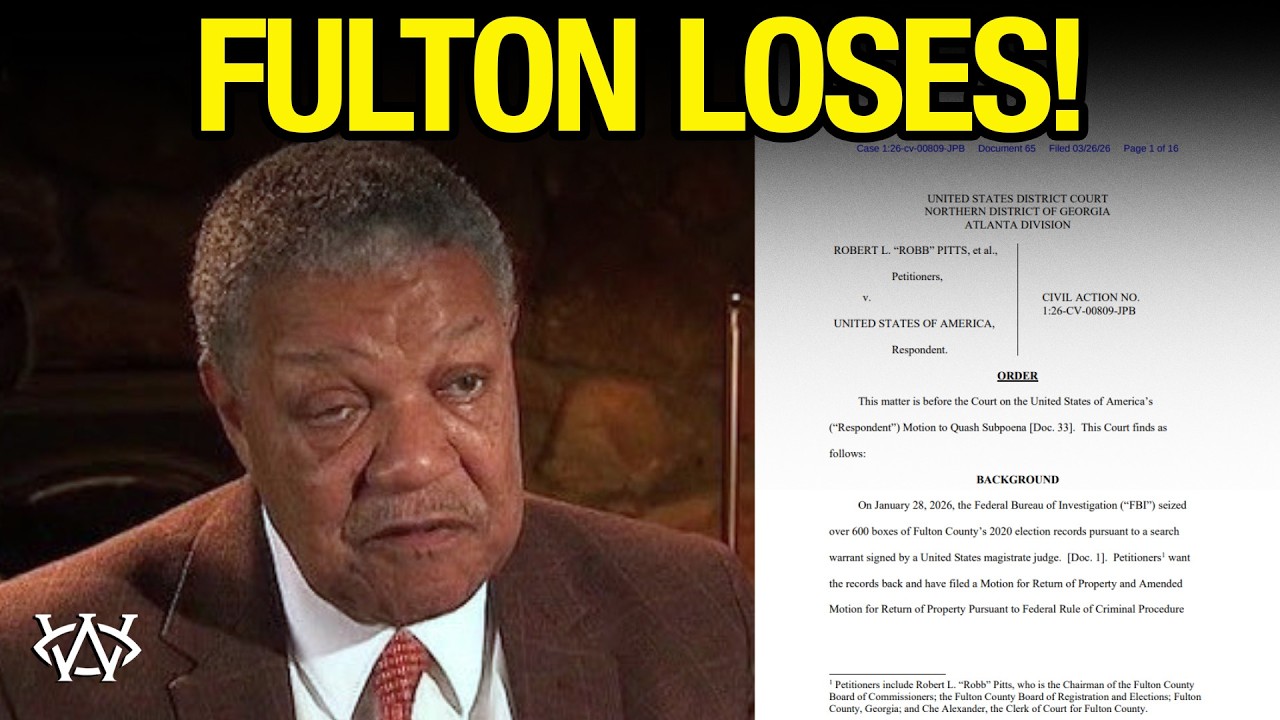
The administrative state developed through a process of constitutional continuity rather than radical break, as New Deal lawyers strategically framed expanded government programs as consistent with historical practices like the spending power and disaster relief precedents, while the constitutional history of administrative law reveals that deference to executive interpretation has roots in 19th-century judicial practices dating back to Edwards v. Darby (1827), where courts respected contemporaneous executive constructions of ambiguous laws.
Constitutional History and the Administrative State | Stanford Law
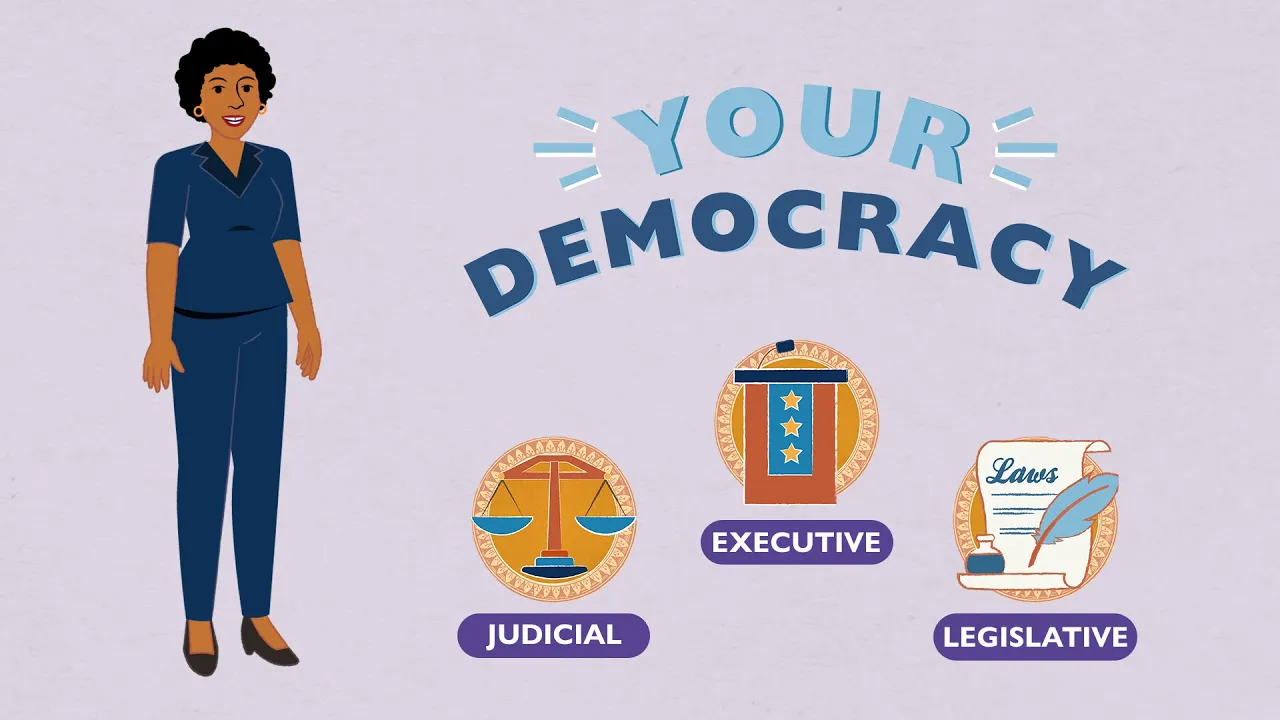
Added:The tripartite structure of the US government (Separation of Powers) and the constitutional roles of the Legislative, Executive, and Judicial branches.
The historical and economic context of the New Deal era, which catalyzed the rapid expansion of federal regulatory agencies.
The concept of the 'nondelegation doctrine,' which addresses the constitutional limits on Congress delegating its legislative authority to executive agencies.
The core principles of judicial review, establishing how federal courts interpret constitutional provisions and federal statutes.
The rise and recent dismantling of 'Chevron deference,' including the implications of the Supreme Court's decision in Loper Bright Enterprises v. Raimondo.
The 'Major Questions Doctrine' and how the modern judiciary uses it to restrict agency actions of major economic and political significance.
The 'Unitary Executive Theory' and the constitutional debates surrounding presidential control and removal powers over independent agency heads.
Procedural legal frameworks governing agency action, specifically the Administrative Procedure Act (APA) and the 'arbitrary and capricious' standard of review.
1.1K views10likes1:41:19Original Release: 2015-05-04
right straight national as and I'm GNA turn the microphone over to uh the moderator of our first panel Bob Gordon well welcome everybody and uh this is a a great panel here there are biographies of the panelists in the brochure so I won't take a long time introducing them um they'll be speaking in the following order first uh Professor Peter Strauss of Colombia who I think you could call one of the princes of administrative law uh one of the very very few uh he's written so much that he himself has probably not read at all and uh the uh uh though I must say I have a personal favorite among his outut and that's his history the Overton Park case which is marvelously informative and completely changes your mind not only about what happened in that case but about the doctrine itself uh the uh uh he'll be followed the uh he's going to give a general a very general overall perspective he will be followed by adicha bamai uh Council in the US Department of Justice uh and uh who has written the uh the an enormously long than arite the history of the administrative of administrative law and the constitution in the United States um the uh then we switch into the relative present with my colleague Michelle Lis robber and here she is and who has um the uh uh written a prizewinning and quite extraordinarily interesting book The on the history of uh the uh welfare and emergency relief in the United States uh and our final the panelist will be uh Daniel Ernst who has written WR one book about the way that the administrative State got received and legitimated in the 20th century and is now the finishing up a book on lawyers in the New Deal uh looking at lawyers and various New Deal agencies and I think it's going to be going to be an eye opener on that subject anyway welcome to all of the panelists and let's start with um uh Professor Strauss I'm going to keep fairly strict time because we have more panelists than usual but we have to finish at 10:30 e thank you is the mic working yes okay good um so uh 23 decades and 15 minutes that's a little tight um and and I ought to start out uh in part by thanking Mike for Mitch for his introduction yesterday and and saying as we'll be clear to you uh that I'm one of those amili arists um that we can we can patch things up that aren't our job as administrative lawyers today is to make the administrative State as faithful as we possibly can make to the Constitution that we have that was written um 23 or so decades ago U I want to start actually uh with here in the home of Microsoft sort of um with a with a little demonstration of something Microsoft doesn't show you uh so this is slide number one uh here's where I mean to end up um come on here's where I mean to end up that's slide number 19 uh they don't tell you you can do that you enter the number of your slide you push return and you go to that slide and then you enter one enter and you're right back at slide number one um but uh we've learned something you've learned something right you learned nothing else if you learned nothing else so so um a certain view of uh administrative law was suggested by Gary Lawson in this quotation which and and the Constitution by Gary Lawson in this quotation which you have seen many times I'm sure uh and it's this this thought has been repeated uh by my colleague uh Philip hamburger uh and picked up quite recently with with a profusion of citations to his administrative law unlawful uh by Justice thas in a couple of concurrences that appeared on the same day March 9th of this year um I would return to the original understanding of the federal legislative power and require that the federal government create generally applicable rules of private conduct only through the constitutionally prescribed legislative process and uh it's my work uh I suppose to persuade you that that shouldn't be done that and in effectively really uh can't be done and I I want to start in this with what seems to me the evident judgment uh in our constitution um that it's up to Congress to create the government the thing that is missing from the Constitution wholly missing from the Constitution well almost wholly is the government of the United States what's there is Congress and the president and the Supreme Court but if you look for the government you can only find it in these very occasional references to any department or officer thereof but it doesn't tell you what the Departments are uh or what kind of authority they have uh and um this brings to mind at least for me what's a distinct odity uh in the necessary and proper clause which isn't much noticed uh in the literature um so it says make all laws which will be necessary proper for carrying into execution the foregoing powers and all other powers vested by this constitution in the government of the United States or in any department or officer thereof well look in the Constitution for any power that is vested in the government as such or in particular in any any department or officer other than the president and the vice president and you won't find it so what what is this language doing there it's probably the residue of an earlier draft uh which named specific departments and gave them broadly defined duties uh and then said as the Constitution still does say that the president can require written opinions respecting uh the Department's head's exercise of these duties and and that draft also said that the president shall in all cases exercise his own judgment and either conform to such opinions or not as he may think proper so if that language had stayed in the Constitution passed this draft the current debates which we all know about is whether the president is a strong executive who's capable of taking any decision that may be committed to domestic government would have been settled by The Constitution's language but that language didn't stay in Constitution it got dropped so that what remains in Article 2 is just that the president may require the opinion in writing of the principal officers of each of the executive departments there they are again on any subject relating to the duties of their respective offices and those of you who who know the writing that I've done in the past will be aware that I put a lot of emphasis on this and also the take care that the laws be f F executed as if somebody else was actually going to do it uh passive voice uh as indicating that in this constitution the president's role is to be overseer and not decided if that prior language had stayed his role as decider would be pretty clear but that language got dropped uh and it's a kind of conventional interpretive mood uh when you see language that would have settled an issue being dropped from uh the draft and and not subsequently adopted to say well okay they decided against that one um but uh that is perhaps uh that that's perhaps not necessary so um here we have one thing in our constitutional history uh and that the one thing that is said the only thing that is said about the president's relationship to domestic government other than he gets to appoint the heads of those departments that Congress has the right to create U is that he can ask for their opinions in writing about how they're going to perform their duties in writing might be significant that is to say it's not just a phone call or a private conversation of which there would be no record it's got to be in writing that you ask for my opinion and in writing is something that could become public might not become public but it could become public indeed Congress could might one might even think that Congress could enact a statute if it chose to requiring that those writings be made public hasn't done that probably smart for it not to have done that uh President Truman once remarked that he depended on his subordinates for advice but if that advice had to be given in public he couldn't trust it and I think that's probably right none nonetheless in writing is there and the other thing that's there is the president shall be commanderin-chief of the military commanderin-chief of the military but just only thing opinions in writing from those in domestic government who have duties that's that's a striking contrast uh and U and and for me it it has a considerable uh signif um there are those who argue that from the start at the start we really had a a strong executive voice a president who was clearly in charge um but the work among others uh of Jerry mhaw uh in this wonderful book of his about the L 100 Years of American administrative law ought to have established for all of us if we hadn't realized it before that in in fact things were much more varied than that that Congress made a variety of choices about the way in which they were structuring government from the start differing terms of office for differing officials and some of them quite independent of the president the controller of the currency um then um there's John lock on rulemaking I want to say a bit more about him a bit uh further on um but uh as against John Lock uh the idea which is there from the beginning that regulations are subordinate and they're developed by means other than the exercise of legislative power in the way in which the Constitution says legislative power is to be exercised and this wonderful early example that Jerry shut turned up of the steambot commission uh in the 1840s which was as independent as any American agency ever has been uh and also are totally successful uh well not totally significantly successful in reducing um the hazards of exploding boilers uh in uh in Steamboat Transportation so um back to John Lock just as an example of of of of one of those original views uh that can't be uh just can't be affected uh undoubtedly this is locks views View and undoubtedly locks views and moneses and others were influential uh at at the time of uh at the time of the founding but it was for a much smaller government uh than we currently have and even within that smaller government um the the LOI and perspective was quickly dispersed uh in the decision to authorize the courts to adopt rules and procedures uh now was that transferring the authority of making laws into other hand or was it transferring the authority of making regulations subject to the Constitution and subject to such laws as Congress might enact into other hands uh which which for me is the the decisional isue um moving uh forward in some sense historically um another thing about differences between perhaps the original view uh and the current view um this is a favorite passage of mine from Marberry for passages of mine from Marberry versus Madison um which um clearly doesn't apply uh in the current day and I want to point out anticipating uh perhaps a little bit what I dit is going to be telling us that it's not just about mandas uh what what Marshall says in Marberry versus Madison is if the heads of departments possess a legal discretion nothing can be more perfectly clear than that their acts are only only politically examinable questions in their nature political or which are by the laws submitted to the executive can never be made in court that was the view back then by somebody who was present at the drafting um the three lines below it uh are lines written by Harold lenthal uh on the DC circuit um that for me State the Contemporary truth about our and the necessary truth about our understanding of the constitution in relationship to delegated author Congress has been willing to delegate its legislative powers broadly and courts have upheld such delegation because there is judicial review to assure the legality of the delegations that review may or may not be sufficiently aggressive I don't want to get into just how tightly can the delegation Doctrine constrain congress's um congress's uh conferral of authority but what I do want to do is point out to you the difference between this necessary condition of the creation of authority because there is judicial review to assure legality and Marshall uh when the executive possesses a legal discretion nothing can be more perfectly clear than that their acts are only politically examinable now Marshall was talking about the Secretary of State and there remain a uh a bunch of uh a bunch of appointments for and a bunch of actors for which that may be true I'll get back to that in a couple of moments but it's not true of the head of the Environmental Protection Agency or for that matter the nuclear Regulatory Commission they possess legitimately possess the authority they possess as we current ly understand the Constitution and I would say properly understand the Constitution because the discretion that they have been given is subject when I'm teaching administrative law um I'm I'm have have rather a reputation of drawing this distinction by saying well so Marshall is writing about discretion and what we are concerned about in this course is discretion is and must be the exercise of discretion is and must be subject to judicial review it can exist only because judicial review is available as the Secretary of interior learned uh to his unhappiness in a case involving the GLE laws in South Dakota where he insisted to the a circuit that well his exercise his decision in a certain case was not reviewable cor forly for you sure you want to make that argument Council and the council said yes that's you goodbye Court you've got no business reviewing us and the court promptly issued an opinion saying there here's been an unlawful delegation of uh legislative Authority um so um solicitor general persuaded the Secretary of interior to recent uh and to discover that there were in fact even principles on the basis of which um i' I've been given a a Time warning which I'll try to uh to respect but let me show you very quickly um to uh no not that one uh two other things just to suggest the Contemporary irrelevance uh of original understanding traide versus commissioner the case that was repudiated in the PCA case I said on a proper understanding of the original understanding that the power of heads of departments to make appointments had to be tightly constrained because this after all was a protection against against political abuse so it could only be cabinet officers and then there was this weird footnote saying well we we're not talk we're not deciding about the Federal Trade Commission the Federal Energy Regulatory Commission Federal Bank uh of of St Louis U this got over uh written uh in Tree Enterprise Institute versus a public accounting uh public Company accounting oversight board uh where the court said well no no no of course the SEC is a department uh and so it properly holds the power of appointment over um properly holds the power of the appointment uh over the members of this board just they can't do it on a no dismissal ex seate cause basis and then another weird footnote we express no view on whether the commission is thus an executive department under the opinions Clause right well but it's an it's a department and the only thing that the constitution says about the president's power authority over de government beyond the appointments Clause is that he can require the opinion and writing of the principal officers in each of the executive departments on any subject related to the if the president wants the opinion from the SEC about some issue they better give him that opinion or they will have been they will have subjected themselves for to to dismissal for cause because they have been insubordinate and if anything has to be C it has to be okay well there's more that we can get to that the questions and answers but uh can we make our written Constitution work in the 21st Century lock is not available but enforcing the subordinate nature of rules that is that they have to be authorized Justified subjected to judicial check for legality is not unavailable and the distinction that Myers repudiates Myers versus the United States those are the slides I just skip between discretion and discretion has to beered right is unworkable but if the SEC is an element of the executive branch it has to be subject to presidential oversight and that means opinion that means opinions in right thanks turn this on by hitting the power or huh thank you Bob Michael Jud uh in light of uh Bob's introduction and this name card I should note that I'm not here today in any sort of official capacity but rather as an Enthusiast for obscure jurist Prudential developments during the 19th century everybody has to have a hobby with that caveat I am going to address the doctrinal roots and development of everybody's favorite administrative law Doctrine the doctrine of judicial Defence to Executive statutory interpretation now commonly associated with everybody's favorite administrative law case Chevron the basic question I'm going to ask is from where did this Doctrine come intellectually and Juris prudentially in general nowadays there are two distinct theories on offer for the doctrine's roots and then there's a third theory that was crucial to its development but is now more or less dropped by the wayside I will discuss all three the first Theory stems from the Chevron opinion itself in Chevron the court claimed the interpretive theory that it was pronouncing had Roots stretching back to the 19th century the oldest case cited by Chevron is the Court's 1827 opinion in Edwards leie versus Darby and here's the relevant language from Edwards leie quote in the construction of a doubtful and ambiguous law the contemporaneous construction of those who were called upon to act under the law and were appointed to carry its Provisions into effect is entitled to very great respect that sounds an awful lot like the 20th century notion of judicial deference to Executive statutory interpretation and look at the date 1827 that's chief justice Marshall Court territory and Edwards leie is one among many cases from that time period announcing a similar rule of statutory interpretation so what are these cases about here's my view the Edwards Le see line of cases they're not about deference to Executive interpretation qua executive interpretation rather they are about deference to contemporaneous and customary interpretation that incidentally is executive or that is persuasive because it's Executive before you object that I've basically someone agrees before before you object that I've basically no SWAT that I've basically said the same thing twice while rearranging the words let me illustrate the point with an example in the recent recess appointments case which I'm basically picking at random Justice Brier's opinion cites three opinions of the Attorney General of the United States from 1868 in the course of construing the Constitution why is that isn't it the judicial function to interpret law rather than the executive function well the obvious answer is that the court respects or defers to certain persuasive sources that are either roughly contemporaneous with the enactment of a constitutional provision or provide evidence of a customary practice under that provision the Edwards leie line of Precedence and there are a lot of them from the 19th century they apply the exact same interpretive approach in the context of statutes and how do we know that several points the cases invoke legal treatises articulating two Latin Cannons of construction I won't mangle the pronunciation of the Latin formulations but the English translations are one a contemporaneous Exposition is the best and most powerful in law and two usage is the best interpreter of laws some cases even invoke the maxims in their Latin form the cases intermingle precedence about constitutional statutory and even contract interpretation indicating that the courts were using a generalized theory of interpretation rather than a specialized theory about statutes the cases reject changed executive interpretations in favor of contemporaneous or customary practices and treatises from the early 19th century to the turn of the 20th century that discussed the cases collect them under the heading of usage or practice or contemporaneous understanding the bottom line is that on the plane of statutory interpretation Theory there was a rule of Defence but it was a rule of Defence to customary practice and contemporaneous evidence rather than the rule of deference that we're more familiar with today the Edwards Lei line of cases cited in Chevron they're merely an application of this generalized approach to interpretation which was used in constitutional and statutory cases alike and I'll just note parenthetically one of the reasons why I started down this project is I thought to myself why would statutory interpretation be conducted differently in 1828 from con inal interpretation why would there be a general interpretive framework that was different from for one than from the other so let's move on to the second theory that's on offer for the doctrinal basis for Chevron what we can call the mandamus theory which was floated by Justice Scalia in his descent in United States versus me Corporation and repeated by him just a few weeks ago in his concurrence in Perez versus Mortgage Bankers uh let me also just note parenthetically that we should discuss the marber quote that Peter mentions in his own discussion I agree with him on his interpretation of that quote it's very interesting how all these things play into one another um but I'll do that maybe in our discussion after the talks both of Justice scalia's opinions suggest that Defence can be understood as consistent with the origins of judicial review which was principally exercised through the RIT of mandamus in The Early Republic and the RIT of mandamus wouldn't issue unless the executive officer was acting plainly outside the scope of his authority and had violated a the language is ministerial Duty so what's this about why in the early American Republic did it take a rid of mandamus to obtain judicial review of many statutory questions the basic answer I believe is that during much of the 19th century there was no General Federal question Equity jurisdiction the Federalist Congress had briefly created it before President Jefferson took office the newly enacted Democratic Republicans repealed it almost immediately and as a result to get review of violations of statutory rights you had to pursue one of two options first option one way you could get review was by trying to pigeon hole your claim into a common law cause of action so to illustrate if the federal land Department issued a grant to claimant a under certain statutory Authority and claimant B disputed that Grant the legal question of the Department's statuto author Authority could and often was litigated in a trespass action between the two claimants but many statutory violations don't fit needly into a common law cause of action so let's say that an executive branch official misinterpreted the law in distributing pension benefits the person seeking the benefits would not have a readily available common law right to vindicate a claim the Second Avenue was as follows through a complicated series of opinions the Marshall Court held that although the Supreme Court lacked authority to issue mandam directly to Executive officers that's Marbury versus Madison the circuit court for the District of Columbia did have such Authority but a plain of seeking the rid of mandamus had to show that the executive officer had violated a ministerial Duty in an 184 case Decor versus paing Chief Justice T held that this standard conferred interpretive discretion on Executive officers so that the act of interpreting a statute was non-ministerial and hence not reviewable by by Mand Davis at the same time however Decor drew a distinction between direct challenges to Executive action using a RIT and cases in which the federal courts had other forms of jurisdiction so so here's chief justice T's language he says if a suit should come before this court which involved the construction of any of these laws the court certainly would not be bound to adopt the construction given by the head of a department I think what he's talking about is my hypothetical with the claim and a claim B land Department cases so the interpretive Defence that t is articulating a decator appears to be about a type of challenge the type of challenge involved in the case rather than a theory of statutory interpretation General here's the critical point between 1840 when decator is decided and the early 20th century the mandus standard loses its salience in judicial review of executive action it's basically forgotten here two theories for why that might have occurred first Congress reintroduces General Federal question Equity jurisdiction in 1875 along with various other bases of jurisdiction Pursuit against the government and the existence of these statutes has the effect of mooting out the need to use a rid of mandamus to obtain judicial review of executive action second I suppose one could connect this Juris Prudential development to other Juris credential developments on the court in around the same time period so this is the era of exp party young for example I think the court is more comfortable issuing injunctions to Executive officials than perhaps it had been earlier the bottom line is that by the time we hit the progressive thinkers and the new dealers of the 1920s and 1930s people who were very interested in expanding the scope of executive interpretive Authority they don't invoke the mandamus line of cases as precedent that's not the theory that's not the lens through which they are using that they're trying to Advocate an expansion of judicial Defence which is interesting because they could have said in 1920 or 30 let's revert to the status quo an what was going on about 50 odd years ago but that's not their Theory so the third theory is their Theory this is the one that many advocates for enhanced Defence in the 1930s embraced by the 1930s there was a fairly clear distinction drawn between questions of fact which were reviewed under a deferential standard and questions of law which were not that raised the following question what's the difference difference between law and fact in this context in an influential 1898 Trea addressing the law evidence not administrative law James Bradley faer had argued that law in fact what went to a jury and what went to a judge were not these a priori or platonic categories but rather classification in one category or the other was basically a policy decision who was the best decision maker on a particular question three decades later a young Professor named John Dickinson wrote A Treatise that picks up on theer's point citing fyer expressly from evidence law and applies it to Jud judicial review of administrative action so like faer his argument is that it's impossible to establish a clear line between questions of Law and fact and he has a somewhat poetic way of putting it so I'll quote that he says matters of law grow downward into roots of fact and matters of fact reach upward without a break into matters of law the knife of policy alone affects an artificial cleavage at the point where the court chooses to draw the line between public interest and private right this was a highly influential argument for enhanced judicial deference to Executive statutory interpretation in the mid 20th century for example the report of the Attorney General's committee on administrative procedure issued in 1941 observes that a court addressing a legal question quote might approach it somewhat as a question of fact to ascertain not the right interpretation but only whether the administrative interpretation has substantial support citing Dickson so you can see a line between fa Dickson attorney general's report so those are the three General theories for the origins of judicial Defence to Executive statutory interpretation as well as my critique some explicit some implicit of each of them let me close by offering two takeaways from the historical discussion first I think the conventional wisdom has tended to be that prior to Chevron courts pursued a multiactor ad hoc untheorized and unexplained approach to the question of when to give deference to Executive statutory interpretation I don't believe that conventional wisdom is correct there was a lot more coherence to the law of the 19th century than we have given it credit thus far and there was a lot more intellectual energy expended on deciding or trying to describe the proper meats and Bounds of these types of doctrines studying the law rather than dismissing it as part of some sort of primordial stew might give us insight into how best to create our own institutions but second one important aspect of the history is that the framework I've outlined with the Cannons of construction style approach and the Mand standard being moted out that was the legal framework that the lawyers of the early 20th century inherited and more importantly that was the framework against which the debates that led up to the enactment of administrative procedure act in 1946 occurred the APA of course has a standard of review provision which requires reviewing courts to decide all relevant questions of Law and to interpret constitutional and statutory Provisions interpreting those terms in the APA poses all the normal thorny issues of trying to Divine Congressional meaning the key point I want to leave you with is that engaging in that kind of interpretive task is only possible if we try to understand the pre-existing legal framework that Congress I was legislating against the backdrop against which it was legislating and the try to understand the doctrines it was seeking to incorporate or perhaps repudiate and that's one example of why understanding constitutional history is important to the task of understanding administrative law thank good morning uh I want to thank you all for uh inviting me to um talk to you today um about this topic um I'm going to pick up chronologically uh where you left off uh and talk about um the New Deal uh and some of the time immediately prior to it um so in November 1935 uh Harvard law professor Felix Frankfurter wrote to his longtime friend Jon Frank who was then the special counsel to the Public Works Administration and Frank was directed the defense of a federal program that built Municipal power plants that would compete with private utilities Southern power companies like the South Carolina giant uh Duke power sued the government to stop the program arguing that the federal government lacked the authority to operate that kind of a program and Frank ferter who had recommended Frank for his first government job back in 1933 warned Frank against portraying the agency as a radical Innovation instead Frankfurter advised Frank to seek precedents that would establish the pwa's Public Works programs as firmly in line with traditional concepts of federal Authority uh Frank fter was especially worried that his friend's well-known commitment to Legal realism would lead him astray he thought that Frank might decide to disregard precedent in favor of an appeal to necessity uh quote nothing frankf urged seems more important than to avoid arguments of novelty and of potentially far-reaching implications unquote and on the contrary Frank should try to quote employ familiar Concepts expressed in very familiar simple un arousing language and abandoned any effort to vindicate any realist philosophy or quote expose the bunk of old arguments quote now Frank was irritated at his friend's insistence that he abandoned legal realism uh in order to win his case but not because he disagreed with the Tactical advice Frank thought frankfurter's point was so obvious that it was in insulting to him to even make it and clearly wounded uh Frank snapped that quote my strategy has been exactly that which is suggested by you namely to assert on behalf of the government no more power than necessary uh to justify the precise action here to for taken by it you ought to know that I do not believe in trying to vindicate abstract principles and that to me the important thing is to win particular underlined cases quote furthermore Frank tartly noted that he unlike his friend the law professor had been practicing law for 21 years and that his strategy was always to quote take the homeliest illustrations in the simplest Possible English and to bring the facts of the case within the sanction of the least controverted precedence quote so to Frank this was exactly what legal realism would suggest because judges prefer to portray their decisions as flowing from precedent quote it is essential to use the particular kind of jargon and articulate one's ideas in terms of the particular kind of precedential language that so far as one can conjecture will be the most pleasing to the particular tribunal to which the argument is addressed quote obviously writing in the age before Twitter Frank knew enough not to argue in court that law was all bunk H and he resented very deeply the suggestion that he would be so naive and back and forth they went uh in over half a dozen letters that winter so beyond eavesdropping uh their spat uh what is the significance of these two friends violently agreeing that the New Deal should be defended as continuous with past practice and what strikes me is the complete absence of our current understanding of the new deal as having been a sharp break with past practice and constitutional interpretation a break that left us with a vastly expanded government and the modern administrative state from our modern perspective it's no accident that a Cadre of legal realists staffed government legal offices during the New Deal we think well they were the people who wrenched the law in a New Direction these new dealers these legal realists but even dedicated realists like Frank took as an absolute imperative that they had to portray these New Deal programs as entirely continuous with the past in the case of Public Power Social Security and the other spending Clause programs this was not going to be hard uh as realist Thurman Arnold advised then Assistant Attorney General Robert Jackson in September 1936 regarding the government brief in the Social Security cases the administration should avoid the suggestion that the Social Security Act was in any way going to extend the power of the federal government and instead should emphasize its Conformity with the past in Arnold's view the case for the constitutionality of the program was conclusive based on legal precedent quote there are no cases which have to be overruled to sustain the constitutionality of the ACT Frank and Frankfurter Arnold and Jackson were prominent members of a defense of a dense network of New Deal lawyers who created and then defended the welfare state programs of the 1930s including unemployment insurance old age benefits Mortgage Assistance Farm subsidies slum clearance Public Works programs and others its folklore that a great many of these lawyers matriculated at Harvard this has been routinely attributed to frankfurter's Skilled use of connections on behalf of his students uh less welln but ultimately more important I think to the story of the legal work of the administrative State um during the New Deal was the lawyer's connection to Thomas Reed Powell who taught nearly all of them constitutional law Powell in turn had very strong ties to the political science faculty at Columbia University where he earned his PhD and taught for many years before for returning to Harvard and it was at Colombia that Powell absorbed the then conventional wisdom that Congress had essentially Unlimited Power unreviewable by any Court to spend as it pleased in the general welfare when Powell returned to Harvard in 1926 as the sole teacher of constitutional law he brought this idea and the precedent supporting it back with him so students in his classes which included some of the most famous new dealers uh Al including aler his who um wrote the government's brief in defense of the agricultural adjustment act and Tom Elliott who defended the Social Security Act uh learned that it was settled law that Congress could appropriate funds regardless of any enumerated power and the basis for this conviction was an 1896 decision that uh then was a routine part of the Constitutional uh law curriculum uh entitled United States versus realy company uh student does anybody know what United States versus realy company was even about out other than you who read the book anybody else okay uh so it's about the sugar Bounty so file that away um students in pow's classes studied the extensive history of legislative precedents that supported government spending specifically for the relief of catastrophes and disasters and the way that the court had deferred to that history uh or that practice uh in realy company so while their law school educations had of course emphasized the far more contentious areas of Commerce public utility and Taxation it was taken for granted in Thomas Reed Pal's class that federal spending as opposed to regulation uh was basically Beyond Challenge and Powell wasn't by himself in this view this wasn't idiosyncratic uh Princeton's Edward Corwin who was a you know towering Giant in the field of constitutional law famously predicted that the spending power would lead to what he called quote the Twilight of the Supreme Court uh in the stores lecture at Yale which later became a best-selling book that went through four printings um WR around the time of Social Security litigation in fact all of the major treatises and case books on constitutional law that were in use at Harvard Columbia and uh pretty much every American law school during the time that the New Deal lawyers were educated took this exact same position so it wasn't controversial it was mainstream so faced with the Practical task of Defending programs like Public Power Social Security slum clearance and these various things lawyers for the government Drew on the doctrines with which they were most familiar what they had learned at law school and remember that for many of these lawyers um this was this work was their first job it was their first professional work outside of clerking of any significance um so they they sort of clung more rather than less tightly to the things that they learned in law school and they reached out to each other um and to former colleagues and professors to formulate their arguments and their tactics so even before The Supreme Court decision in sheor poultry came down these lawyers had already started to turn away from the very contested terrain of the commerce power and toward the extremely secure footing of the general welfare clause and the realy company precedent subsequent Supreme Court decisions uh for example United States versus Butler which was the agricultural um Administration Agricultural Adjustment Administration case underlined the importance of giving regulation a very wide birth um and made the spending power seem like a safe harbor so the question was how to most convincingly bring the administrative apparatus of the New Deal State um within the Ambit of the previous exercises of the general welfare Clause the spending power cases themselves provided very clear guidance about how to do this the briefs and opinions almost always referenced a list of federal disaster relief measures as evidence that the ability of the federal government to spend in the general welfare had long been settled so New Deal lawyers seized upon both the general principle of unfettered government spending and more specifically the right of the federal government to relieve uh calamities catastrophes and disasters to argue that the government's relief of the disaster of the Depression was fully consistent with past practices and nowhere was this clearer than in the case of social security so in the fall of 1934 President Roosevelt appointed uh the uh cabinet level committee the committee on economic security to come up with a social insurance bill and this committee was staffed by in turn a group of committees and technical advisers that included policy experts actuaries lawyers law professors and it's very well known uh for students of this people who study this period that um the structure of unemployment and old age insurance was really controversial uh Roosevelt himself and members of his inner circle favoring state level uh benefits and a federal state Cooperative program rather than what was called a straight national system the standard account of this resolution of this fight um by both participants and Scholars is that the Constitutional concerns that his fear of the Court rendered a national plan for unemployment impossible most historical accounts cite the Constitution and the old Court The Four Horsemen as having you know basically barred the door to Federal level unemployment insurance and having posed a serious threat in fact to uh old age insurance and in this telling the reason our present unemployment unemployment insurance system is so inadequate um is that the Constitution and the court prevented the implementation of any real standards and allowed the South to set essentially its own benefit levels at an outrageously low level um with no federal oversight but on inspection it turns out that this story is almost entirely false um in fact the real story of the rejection of national standards in favor of complete state level freedom is is basically the opposite lawyers law professors and outside legal and constitutional experts who were consulted by the committee agreed in 1934 and 1935 that the straight national plan for unemployment insurance Justified under the broad General Welfare Clause would be much much more likely to be approved by the court than the federal state plan that was eventually adopted and this is going to sound very familiar to readers of the Medicaid expansion um multiple Medicaid expansion decisions um in indeed the ability of congress to tax and spend directly for the relief of the unemployed was considered this is a quote constitutionally bomb proof at the time it was uh quite clearly political rather than legal or constitutional concerns and specifically the concern of Southerners to prevent Federal um interference in their racialized agricultural labor system that caused the administration to abandon all of its efforts at Federal standards over unemployment had it not been for the determined intervention of one of the lawyers on the committee who is in my mind is sort of the unsung hero of Social Security um or I suppose a you know devil of Social Security depending on your politics Barbara knri Armstrong who was a professor at the University of California law school um it wasn't for her I think old age Insurance clearly would have also ended up as a federal state program Social Security is the starkest counter example to the notion that the New Deal State uh the administrative state required uh a large scale constitutional uh shift or change in order to be upheld every lawyer involved in the committee on economic security and in Congress thought not only that the power to tax and appropriate was not only broad enough to Encompass the Social Security Act they thought it Justified a lot more than the Social Security Act and a lot more easily and to put this in modern terms it would justify Single Payer much more easily than it would justify the medicate expansion so the reason we don't have Single Payer isn't a legal reason it's a political reason and I think that's obvious to all of us now just as obvious as it was to all of them then uh what they were dealing with so why then is there such a disjuncture between our kind of retrospective account of the New Deal administrative State as having been this radical break and the Contemporary insistence that it was no break at all um now it might be tempting to chop chalk this up to historical distance that is we can now see how the New Deal brought forth this Cascade of changes that have reshaped the American state but the New Deal lawyers were surely aware of the scope no problem scope of the changes that they were defending these were after all the first national unemployment uh and old age pension programs the First Federal slum clearance programs the first national public housing programs and so forth um the problem that these lawyers faced was how to transform the uncertainty about the fate of New Deal programs into legal victories and solving that problem required treating the new deal as if it were completely unexceptionable in uh legal terms only later after the court had blessed the programs was it possible to represent the new deal as legally Innovative without threatening its existence um and in fact it made them look more heroic to recast it in those terms we now regard the New Deal lawyers in terms that uh Robert Jackson and Stanley Reid who was the solicitor general at the time for example strenuously rejected uh well beyond the New Deal which is that it reworked the constitution in the course of fundamentally remaking uh the American State uh I want to thank our hosts and apologize to all you for going a little bit fast um my contribution to this panel are some thoughts about the Constitution not in the books but in action uh where the action takes place not in Civil Society but in the state for some time now I've been studying the lawyers of the new deal and how they've acquired inserted institutionalized professional Authority within their agencies uh and in the process help keep the United States a liberal democracy lately my focus has been on two agencies created in the 100 days the Agricultural Adjustment Administration or AAA and the National Recovery Administration or NRA through which the secretary of agriculture and the president exercised um vast discretion over American Agriculture and Industry Ira Kats Nelson is called the 100 days the most radical Economic Policy moment in American history on the whole new deal lawyers kept the potential for radical change to the right or to the left from being realized during the first two years of the New Deal lawyers at tripa and NRA made the most of what the sociologist Terrence H has it called the unusual opportunity law presents to exercise moral Authority in the name of technical advice Congress had hurriedly created uh the these agencies with Broad delegations and little guidance uh as to how to resolve the innumerable conflicts the lawyers would inevitably conf confront as far as the text of the national industrial Recovery Act went for example the philosophy ER Horus M Colin observed uh the statute may lead us toward democracy in Industry it may lead us toward fascism whoever implemented the ACT would make it an instrument toward one end or the other uh at both agencies administrators came overwhelmingly from industry and sought to escape an antitrust uh regime that mandated what they considered to be outdated and destructive price competition the agency's lawyers feared that the C ization of the economy would hurt consumers small producers and labor and clashed with their ostensible clients the administrators thus Lewis jaffy characterized his time at triaa as a fight of Fringe new dealers against what actually could be pretty much seen as a scheme for propping up lots of big farmers and increasing the price of wheat jaffy accepted without question that the legal division was out to gain certain social objectives and to ensure that big farmers didn't get too much the lawyers projected their preferred policies onto their organic acts and then insisted that administrators follow them in an assertion of their technical Authority whether they or the administrators prevailed depended on the preferences and resolve the agency had when the NRA's lawyers objected that the proposed Lumber code uh would violate the policies of the Recovery Act the relevant administrator claimed not to see how the lawyers had raised a legal objection over at triaa the two aptly named Jerome Frank could not keep himself from asserting in an address reprinted in the Congressional Record that lawyers could always find a way to interpret ambiguous statute so as to arrive at the result they believed desirable as long as he had the backing of agricultural secretary Henry Wallace Frank prevailed but when he took sharecropper side in a contractual dispute with powerful cotton planners Wallace declared that Frank had nothing to stand on from a legal point of view and was merely asserting his own social preconceptions this conference prompts me to consider how the bureaucratic politics of professional Authority changed when the law in question was constitutional the question is worth asking for relation between relationships between agency lawyers and three different groups they administrators uh Department of Justice lawyers uh and Supreme Court Justices the historian Daniel Rogers has written that after the Civil War lawyers use judicial review to seize a vital chunk of power from legislators and spiral it upwards into the hands of higher state Arbiters uh in clashes with their own administrators triaa and NRA lawyers attempted a similar game of keepa away at NRA the lumber code was particularly contentious because of its unusually broad delegation of power to a business dominated code Authority when you tried to do something a lumberman on the authority recalled you ran against this government uh wall one incident that stayed with him involved the very able and knowledgeable lawyer Bernice lwin whom he could uh later remember only as and I quote some Jew lawyer they had there she said that we couldn't do something because it was unconstitutional I said well of course that may be true but so is your NRA unconstitutional at triaa Lee prman led the charge in the battle over marketing agreements in December 1933 he sought advice from his former constitutional law professor Thomas Reed Powell uh on which cases uh arising in the milk industry were most likely to survive a constitutional challenge as po reported to Felix Frankfurter Pressman hoped that Po's constitutional prognostications might serve as a lever uh to influence the policy of the Agricultural Administration whose Chief was altogether too favorably inclined to the big people well as you've just heard u u u it's not surprising that Pressman turned to Powell although no single scholar brought legal realism to constitutional law none who did was more influential than po the general tradition in the law school recalled Charles E wizansky Jr uh the Harvard Law School uh was to teach law as a kind of disembodied set of principles which you could understand without being concerned with who it was who announced them pal made wanski see the development of a single court and how particular individuals uh develop Doctrine prman in his oral histories also acknowledged pow's uh influence said that um Paul taught that you need to think think about how nine or rather five ageew warn guys would react to a case whether constitutional law was the result of a priori reasoning from text principles and precedence or something more personal to particular justices had implications for the politics of professional Authority the realist approach altered the ante required to get into the game of constitutional interpretation to a particularized knowledge of particular justices that few could acquire a full-time Court Watcher on a law faculty might acquire it especially if he enjoyed personal access to the thinking of the justices frankfurt's close relationship with Lewis brandise and his skillful cultivation of Harland fistone made him a unique case but legal secretaries might acquire a particularized knowledge of the justices too although Frankfurt are deprecated secretary who titl tattle too much on what comes to them and their con confidential relations uh particularly when their advice ran counter to frankfurter's own no one did more to funnel them from the court to the solicitor General's office other constitutional realists also valued what they gleaned from the clerks for example when wizansky attributed his successful arguments in the 1936 term to the methods of Reed uh Powell he neglected to mention that his preparations also included conversations with stones clerk in the 1935 term until early 1935 realist constitutional law held greater Sway in the New Deal agencies than in the Department of Justice the solicitor general was Jay Crawford bigs a hapless country lawyer from uh North Carolina Harold Stevens the Assistant Attorney General for the antitrust revision regarded the Constitutional realism of the agency lawyers as sophistical and opportunistic uh his clash with the agencies culminated in 1934 uh the 1934 term during challenges to the National industri Recovery Act Stevens's argument in Panama refining was a widely noted debacle and a sharp contrast to Stanley Reeds uh success in the gold Clause cases on a brief by Paul Freud Frank ferter persuaded Roosevelt to make Reed the general Council of the Reconstruction Finance Corporation solicitor general Reed staffed his office with young constitutional realists including fre and no fewer than four other Supreme Court Justices wizansky who had clerk for the hands took a 25% salary cut to join the office build is knowing how to avoid all the social prejudices of socially biased judges in presenting the strictly legal phases of contentious issues wizansky lived up to expectations his celebrated defense of Labor and Social Security statute legitimated a realist style of constitutional argument and a leak Cadre of constitutional interpreters situated within the Department of Justice well what about the agency lawyers and the Supreme Court Justices although uh conflict predominates in the histories of the Supreme Court and the New Deal uh the titles and the subtitles are you know the duel um an epic battle uh a constitutional war in which protagonists have strive for supreme power uh sort of like um Professor daber uh if you I uh think that if you take a Long View uh What uh Professor Barry kushman has called the consultative relationship between the Hughes court and the Roosevelt administration uh looms larger the conflict before the New Deal uh it's actually the day before leus croll files his uh uh ciari petition in croll versus Benson chief justice Charles Evans Hughes declared that the withdrawal from the courts of a host of controversies as to private Rights was the distinctive development of our era although some justices resisted this development Hughes did not he believed that his predecessor Robert Brooks ton had fundamentally aired in supposing that the imperious uh question of slavery could be put at Rest by a judicial pronouncement to Hughes the social forces requiring legislative delegations to administrative agencies were scarcely less imperious of course Hughes recognized that legislatur entr trusting of the business of Regulation to administrative agencies had its own perils he uh retained weight ofth evidence review of agency fact fighting but only for the small and as Mark tushnet has argued rapidly shrinking category of jurisdiction and constitutional facts further Hughes insisted that agencies more closely follow the ordinary legal manner of the ordinary courts of the land in their formal adjudications a move that empowered lawyers outside of the government but he also looked to the agency lawyers themselves to quote protect Society from bureaucratic excesses to empower him his Court held in Panama refining that the due process clause imposed on the Federal Executive an obligation to support legis uh their its exercises of a legislative power such as the codes with judicially reviewable findings of fact NRA lawyers realized that the courts had thrown them a Lifeline the requirement of findings if complied with goes a long way toward justifying delegation Milton Catz told the NRA's general counsel findings must be real findings another NRA lawyer hoped that administrators who had previously deprecated the need to support codes with facts would derive a good lesson from Panama refining for the remainder of their agency's life NRA lawyers made the most of this judicial endorsement of their technical Authority so did later agency lawyers of varying political Persuasions including Abe fores and Harold lenthal at the pinus coal Division and John Lord O'Brien uh at the war production board to conclude the history of the Constitution and administrative State surely includes sharp clashes and bitter conflict but that history also includes incremental and carefully considered accommodations aimed at making courts and agencies collaborative instrumentalities of Justice Pache Frankfurter these accommodations were not a phase of some inevitable adjustment of law to modernize Society but a political process in which Rivals jockeyed for Advantage sometimes the rivals were lawyers but the lawyers rivalry had its limits when confronted with a thoroughgoing challenge to the authority of the legal profession they closed ranks and used the Constitution to preserve a decisive role for themselves in the federal administrative State thank you um let me first ask members of the panel if any of them has a reaction to anything any of the others has said P well I'm I'm just delighted by the last passages u in U in in your presentation Dan it teaches me where how love andth thought comes from uh and I'm going to use that that's that's that's that's highly persuasive um dig and I have had a number of private conversations about his paper which is just extraordinarily well researched when you get a chance to read the whole of it um I I I hope you will but I I want to say just a word about the fact law distinction that will probably Place me in the Dickinson uh in the Dickinson Camp um it's it's an unworkable distinction as we all know there's this issue of mixed questions of fact and law uh and it's seems to me that one way of understanding Chevron and for that matter the more recent decision of the Supreme Court in Arlington city of City of Arlington versus FCC um is that it reserves the middle ground uh which will be defined by courts the extent of which will be defined by Courts for agencies that is step one of Chevron is is what's the agency's authority where is the where's the end of the this is just a question of law question and the rest of it falls within the Chevron notion now agency have you acted in a reasonable way um if you read City of Arlington carefully uh you will find that it is nine zip nine to nothing seems to be a tightly divided opinion but it is nine to nothing on the proposition that it is for the courts ultimately to say what the range of agency Authority is there's a certain disagreement about okay how our courts to go about that Scalia says nothing on the subject chief justice Roberts in his descent says well without any difference at all to the agencies uh chief justice Roberts in saying that is is giving up on the roughly 200 years of precedent that begins with the Edwards case where adicha started uh there is a solid 200 years of precedent saying that when courts decide for themselves what the law is which is ultimately their job Marbury versus Madison again they need to give appropriate weight to what agency views are not just because agencies have views but because they're a part of the government that we share which is to me a very strong motivating feature of the Edwards decision uh and that's you may recognize Skidmore you look in City versus Arlington C in City of Arlington for Skidmore you won't find it except for one mention in Chief Justice Brier's sole concurrence it's utterly hidden utterly mentioned from my perspective it has to have survived sure if I if I may uhu so just you know a couple of quick thoughts on that uh the LA act issue is very interesting uh both as a matter of intellectual history because parenthetically John Dickinson writing in 1927 expounds this Theory writing in 1947 in the wake of the apa's passage he has an American Bar associ Association Journal article where he essentially repudiates the theory uh so I don't know if he had changed his mind between within the intervening two decades or if when he put forward the theory in 1927 he uh he did it in a tentative sort of fashion and it got picked up by other people who used it more aggressively um that's just an interesting color point of course you know John Dickinson's own personal progression is not controlling law within the United States what is it seems to me is um is the text of the APA which distinguishes between law and fact and so whatever we may say or whatever questions we may have about the appropriateness of such a distinction it is enshrined in the statute and so seems to me that the proper way to approach statute is to try and get at what Congress when it used those terms uh trying to get at what they intended um in in distinguishing between law and fact um so moving on to a second point and that is the the quote that that Peter had put up from Marbury uh about um delegations of discretion to Executive officers it's very interesting and I think that I'm in entire agreement with Peter about the import of that quotation uh but it it plays out in a couple of different ways and you let me see if I can illustrate with a couple a couple of hypotheticals um so the quote just to remind you is uh and I I'm I'm paraphrasing and and taking small Snippets because I don't have the entire quote in front of me the mere political acts belonging to the executive department alone for the performance of which entire confidence is placed by our constitution in the Supreme executive for any misconduct respecting which the injured individual has no remedy there may be such a category of cases and uh in those cases the president would be accountable in his own discretion to the country uh and to his own conscience so what is Chief Justice Marshall trying to say in that passage I think what he's trying to say is something like the following I'm going to use a fanciful example that really it's not very realistic but hopefully illustrates the point uh you know let's say under the treaty power the the president uh decides not to negotiate a treaty with a particular country uh we have a new Administration and the new Administration decides to enter into the price precise same treaty with the precise same country no one would ever think that the previous decision by the earlier president was somehow liquidated the meaning of the treaty power or was an inter interpretive gloss on the types of treaties that could be entered into rather the way to look at the way the treaty power is written is that it confers discretion and Authority on the executive branch and they get to choose when and whether to make such decisions so um that I think is what chief justice Marshall was getting at in these passages now there's a separate class of Provisions in the Constitution that are ambiguous but nevertheless get filled out through historical practice so there's the recess appointments Claus case recently um which I cited and uh you know inumerable innumerable number of other cases the point I think that Marshall is trying to make is that there are two categories of ambiguity there's one category in which there has been a delegation of authority there's another category of ambiguity where customary practice will resolve the ambiguity over time and I think the same basic interpretive framework then translates into the statutory context other comments on the uh let's engage the floor if the floor wishes to be engaged well I have a question for our two new dealers the uh and that is um and that is you know what are we witnessing here are we witnessing in fact a revolution in government the uh under a pretext of constitutional continuity the uh or are we uh or are we real are we realizing revolution in government the uh which is brought about by the marshallan process the uh executive decisionmaking the uh uh which is political unreviewable and doesn't present any controversial legal problems I think it depends I think in the case of the general welfare power it's probably closer to the latter but you know these are all questions of argument you know there's no sort of exist you know these are legal arguments right so what you're asking is you know who has the better argument and that you know who knows right I mean in the case of the general welfare Clause the fact is there there was no instance of the um Supreme Court ever and still hasn't been I case of to today of the Supreme Court ever uh interrogating whether Congress got the question right or wrong of whether something was in the general welfare and then disagreeing to that in fact you know up to the point of the new deal and still today what they've said is you know this is basically not justiciable this is basically a political question we're not going to get engaged with it we're not going to interrogate the power of the purse um you know they've dropped some sort of breadcrumbs and hints and you know tiny little ideas that maybe we could in theory if something was like super arbitrary you know in some you know alternate universe that has never happened so I suppose if you were looking for kind of what's the existential reality um in the case of the general welfare power it's likely that it's not any kind of revolutionary break with the past um but again it's all a question of argument you know sure and so you know so the smartest people in the country at the time took a look at it and said that was the best that was the best and most likeliest way to win that had implications for what they did right I mean it's not just a question of like the New Deal the new the administration did what it wanted to do and then it handed it off to the lawyers to present it in the homeliest possible terms in the you know sort of plainest Possible English and to sop to come up with some sophistry for making it look uh like it wasn't a big break when actually we all know it was um they because you can see the work of actually constructing the agencies to fit uh like in the case of Social Security and Public Power to fit within the Ambit of what they thought the power gave them so so I think the answer is probably that in the case of those those agencies which are the ones that I studied um you know it's not it's not a it's not a radical break with what had happened before yeah yeah I'd have to say it depends um I mean I think that's um a good answer I mean uh one thing just the way I think you phrased the question it's just at least worth acknowledging that all this power is legislative all this power was created through legislation and delegations that were Congress was involved in right um uh in the antitrust you know so I'm looking at two uh two particular areas of public policy so the industrial policy and a anti polic competition policy and and agriculture uh I sort of and um you know I think we have an emergency uh moment the economy is grounded to a halt in uh 1933 and uh a two-year uh limited statute is passed to address it it's open-ended it continues in some ways a movement toward an trust provision ISM that sometimes had support in the FTC in the 20s and sometimes didn't it is open to interpretation it gets uh uh pushed in a very anti-competitive fashion it crashes to Earth um uh but uh competition policy uh you know continues um in U thur arold anti trust division so I see kind of a lot of competition there agricultural policy is a new beginning it's it's a new policy that lasts for a very long time and and changes um uh pretty dramatically um so that strikes me as a bigger change uh yeah I wonder if there's nothing from the floor if I can add the little bit your timing made me skip please um which is uh a um Myers versus the United States I think one recognizes as as the U Lynch pin of contemporary arguments about the necessary strength of uh uh of the presidency uh and what I would have say said and will'll say now quite briefly is that it is an opinion that first dramatically overreaches it circumstances uh and second both reiterates Marshall's proposition and fails to go forward with it so all that was necessary to decide in the case was the Constitutional constitutionality of the proposition that had underlain the CI the Civil warts tenure of office act whether the Senate could participate in removals and even as to this question the decision of 1789 on which it ostensibly rested was pretty unclear very narrowly decided and decided in the context of officers like the Secretary of State by a Congress that was also creating officers for example in treasury who were considerably independent of presidential control and then in a couple of pages of the opinion chief justice ta starts by recognizing that difference between those who must be the president's Alter Ego in matters of that department where the president is required by law to exercise Authority those are the officers that fit the Marbury versus Madison passage and others who are engaged in duties prescribed by Statute under the general administrative control of the president those are the ones that fit within Harold lethal's observation now one learns first when he was a young government lawyer and later in ethor uh for the DC circuit uh that these guys can do what they do only because we have judicial review of what they are doing and then Taft boldly asserts that Congress can make no distinction between those two kinds of officers it's a bold assertion it is unsupported by anything except his assertion thank you so I had a question for Aditya to do with and perhaps you mentioned this but I missed it um in those common law uh writ contexts during that mandamus period uh where it was private party a suing private party B uh and uh part of the question presented Ed was uh whether an agency had acted uh in a in an appropriate manner in those cases was there anything like what we would now consider to be uh Chevron Defence and what was the proportion of those common law cases to the uh mandamus cases uh was it you know was it were they outnumbered in 10 to one or was it an even split just curious to know what you had sure so with respect to the uh the first question the standard of review was essentially denovo denovo statuto review coupled with application of the Cannons of construction that I discussed you know the Contemporary and customary cannons with respect to the second question between I believe 1838 and 1880 the Supreme Court doesn't issue a rid of mandamus once to an executive officer so there's about a 40-year period during which no R of mandam issue uh and during that time there are a number of Comm uh actions a whole host of them so while I don't have the numbers that maybe gives you some perspective on just the relative balance between use of the rid of mandemus and use of common law actions to challenge statutory interpretation by 1838 to 18808 they might be plus minus one or two years um but essentially what they track is the shift from the Marshall Court to the T Court that's about 1837 1838 and then um kind of a period of dominance by people of that mindset what I'd add is that during that period uh while one doesn't have Chevron Defence one has what later came to be recognized as Skidmore deference continuously um I enjoyed the panel I got a question for Adia and then a question for the panel Adia you mentioned this Edward's case and you suggested it was contemporaneous exposition of the statute then you also talked about the practice and I wonder is it is it one or is it both because one can imagine a newspaper or a congressman making a claim about what a statute means someone outside the executive branch making a claim about what a statute means and then the practice being at variance with it what what wins is it the is it the contemporaneous exposition or is it the practice and then for the for the panel as a whole um I I find the the realist discussion that we that panel had was was very interesting what interested me in particular was why or in the realist perspective what difference does it make what types of arguments the lawyers make right if if judges are doing what they want to do why do they have any preference for what kind of arguments people make because I I would have thought it you know it's it almost doesn't maybe I'm mistaken but it shouldn't even matter what the arguments are right that the lawyers make because the judges already know what they want to do and maybe they understand that having you know arguments phrase in a particular way will conduce to them writing a better opinion but as far as the outcome is concerned I don't know what difference that should make at all so it was struck me as odd that that a realist would care about the arguments that he or she made if they thought that the judges were going to do what they wanted to do anyway I'm interested in your comments so quick response uh the the two cannons they they had two separate Latin formulations these were considered to be two different kind of interpretive approaches contemporary construction customary practice I did look I was interested in the same question that you've posed and I wondered whether there was some sort of authoritative or even you know any views on which wins out when there's a conflict between the two which you know arguably is something that we experienced recently in the recess appointments case but um I didn't find an answer uh it's not to say there isn't an answer out there it wasn't the primary focus focus of my research and so in an early draft of the paper I flagged kind of this as something to myself that maybe would warrant some followup uh and I haven't gotten there yet what is interesting uh just if I could quickly quickly add an additional comment is that um there was a fairly large body of literature that predated the creation I mean the founding of the American public there there's a fairly large body of literature by very eminent Scholars um that Thomas ruer John Lock addresses this issue and they're talking about the proper ways of doing interpretation so um there there is kind of a lot of intellectual energy that's being devoted to this and it's quite possible that we will find when we you know somebody goes through those treatises with your question in mind that there were people thinking about this question uh on the realist question I would say that that's a misstatement of the realist Insight the realist it isn't that judges are going to do whatever they want it's that judges um it's that law isn't a mechanical process and judges have um biases and predispositions and politics and they exist in the political world and so and they also have professional training and professional biases they are part of a dense network of other judges and lawyers they come from a particular institutional context and so you want to Target your argument to take account or be cognizant of those biases and rather than pretending that they don't exist and that law is like a slot machine and you just stick in the quarter and out comes the same result every time so it's not a mechanical process rather it's one that involves human beings who are part of social networks and um part of Civil Society I think that's the realest Insight uh I do think that um they viewed most of the time the justices um uh outcome in a case or decisions in a case or how they're going to come out is in Coit before the uh briefing and the argument uh and so uh very careful attention to how the individual judges think would help their uh results crystallize in a pattern that's consistent with their advocacy uh I think um wy's papers are just incredibly revealing because he writes uh by weekly to both his uh mother and to Augustus and Learned Hand so you can see the internal gossip of the new deal in the letters to his mother and you can see the uh more lyerly critique to the hands he really thinks that in the 35 term the justices are the um uh four mastiffs and uh Roberts are just making it up uh cardoo says it some point we are no longer a court and at that point they despair they they really Despair and they think we now no longer can shape something so at that point when they really think the justice is uh their minds aren't open uh then they don't know what to do I can't speak to the realist question and I haven't read the 19th century stuff nearly as thoroughly or carefully as a Dida has but all of those opinions that I have read uh and as I say they're a continuous stream running from Edwards forward um reflect an understanding on my reading that when one is dealing with a an executed opinion if you like by another element of government that is a an additional basis if you like this is not merely custom it's it's not merely the established reading it's that this established this reading was given by someone who had the legal responsibility to give the reading and that at least in the case of consistency from the beginning the Skidmore factors if you like is a special reason part of government for giving it weight seems to me a major theme of most of uh what we've been hearing this morning is the idea that I mean it's it's really a a frontal assault on any distinction between law and policy I mean at least in the old separation of power sense that the courts will decide legal questions and the executive or legislative are going to decide a a policy and that sounds right to me but uh but I wonder whether within the executive branch um there is uh the when they are behaving as law interpreters and building a body of law with liquidation along the way and precedence and a requirement of continuity uh and explanation and when the executive is able simply to announce interpretations of law um aresh it's it's new Every Morning uh every Administration is is is as free as the one before to to uh adopt a new Tac and this particularly comes up in a dites uh comments about the Edwards case and the distinction between whether deference is being given to the executive branch because of contemporary usage which is a kind of liquidation or whether deference is given to the executive branch because of its Superior Democratic uh credentials which is is partly a scalan theme in the Shevon area and I'm wondering are these two ideas of what the executive branch is doing separable or uh are they two diff can can you tell when they're speaking in one mode and when they're speaking in another or are we uh in a world in which executive deference the executive is Justified on the assumption that they are behaving in a kind of lawlike uh liquidation precedential explanation mode but in fact when they don't they get just as much Authority as when they do the the hidden question of in City of Arlington uh is what's the agency's authority um the court again as I read those opinions the court agrees non zip that that is strictly a Judicial decision uh and of course that answers from a c perspective the question of law the question of law is what's the agency's authority we decide what the agency's author what the range of the agency's authority is and and once we're finished with that we've answered the question of Law and we've answered the question of law in a way that implies that the next question really is a question that Congress committed to the executive and our function under the APA section 762a is to say whether the executive has acted in a reasonable manner within the authority that we have decided that it has and I don't find anything in City of Arlington that's contrary to uh to that although it's pretty much hidden because Scalia who doesn't like Skidmore won't mention but when you say left to the executive you mean left to the executive to decide each day as it wants or left to a an executive sort of understood over time as establishing principles and precedence Anda meaning there's that very clear distinction between the Skidmore kind of weight and what the agency does within what I've called it Chevron space you don't get skid more weight if you've been inconsistent PD versus nlrb is a perfectly good example of that um but once we've decided that this is a policy area that Congress has given to the agency then the issue is not they can reach any conclusion they have but the issue is can they have they explained the conclusion they reached in a manner that satisfies our review responsibilities under Section 762a arbitrary capricious and so forth and so on and um the court has been perfectly clear that within the Chevron space that's that's what agencies are free to do Hurst which precedes the APA U the Supreme Court starts out by saying well what's how who who gets to decide what an employee who who an employee is well it can't be the common law because that would be 48 different states that that couldn't be uh if isn't isn't Congress because if we look at the statutes Congress has been all over the map they haven't decided who an employee is with any consistency so what's left is the nlrb this is a matter of Labor policy and as is notorious the nlrb has gone from Republican to democratic administrations changes its Minds on issues within its Authority all the time and the courts have accepted that but accepted that within a framework of you have to show that you are reasonable and you can't defeat expectations that may have been created by the prior uh reading if I oh I'm sorry just I quick quick additional response I think Michael's question hits on the head the important policy debate that underlies much of this case law and the basic policy values that are intentioned with with one another are flexibility on behalf of the executive that's a value that Chevron extols repeatedly in the course of its opinion and predictability on behalf of parties who are perhaps being regulated so I think what Michael's asking and I mean I think this is true is that over time the progression of the cases which we can either characterize as you know protos skidmores or characterize them as I have as involving application of these Cannons of construction the progression is from more predictability that's the value we really care about to more flexibility that's the value we care about and what is kind of interesting I think uh you know this was raised yesterday as a question is that in some of the hour deference cases of the last few years you see sort of a reversion and you know the court is saying hold on a second we need to insert some more predictability into this system um now whether this kind of policy role it's I've always thought it's interesting Chevron of course disclaims any kind of policym function but this is policym on a grand scale how do we trade off the values predi ability and flexibility against one another that's uh that's where Chevron kind of like leads us I had a question for Michelle so if I understood um your argument it is both that the lawyers um at the time of the New Deal made strategic choices to present the programs as continuous and not requiring a radical legal break but also that it was understood um at the time as as producing less break than as we Now understand that yes both are true so I'm C and then you mentioned at the end that the that the narrative that we now have it was it was it's was talk explanation I'm curious if you could say a bit more about sure how it how that change happened how quickly um and why you think it happened sure okay so yes so yes both are true and they're not independent which is what I was trying to say to Bob that choice strategic choices were made both in agency construction um and in uh and in how to based on a prospective sense of constraint about what would be successful and once agencies were already constructed so the triaa had already happened so they had to you know sort of figure out how to defend it um the Social Security Administration hadn't happened yet so they got to figure out how to make it um so both of those things are true um and the story of how we came to see it as a radical break is a super interesting story and um I have a little bit in my book about this but basically that story emerged in the mid 1960s right around the time that Colombia was going around to new dealers and um doing their oral histories and also a bunch of Memoirs came out and uh so the the basic reason that we understand at least the Social Security the unemployment what I was talking about the formation of unemployment as a federal state program uh uh the reason that it actually happened was a political uh compromise with um the Southern very powerful Southern Democrats who were the chairman of these subcommittees uh for which uh you know agreement was needed they were a big important part of the New Deal coalition and they were horrible racists and the reason that they didn't want a Fed a federal program with any standards of any kind in the South was that they had a basically a southern system of racial ponage labor that was going to be completely dis rupted by any federal standards in unemployment and that of course was a political reality that nobody thought was deeply problematic in the mainstream in 1935 but everybody thought was deeply problematic in the mainstream in 1965 and so uh basically they were saving themselves from the taint of having made these political compromises with people who by 1965 were seen as deeply problematic and also saving a new generation of Democrats uh like like uh Kennedy and Rose and Johnson from the sort of taint of having made these compromises particularly Lyndon Johnson who was himself a southern Democrat and implicated in uh racial problems at the time so you know Schlesinger's book and Francis Perkins book all of these people started to write Memoirs and kind of cast these Memoirs out in like say 1961 62 and the story of you know well we had to give into the racists wasn't as good of a story in 1962 as it was in 1936 um so that's part of the reason the other reason is that it's just a better story you know the old Court you know is the sort of negative figure the bad guy and kind of casting everything that went wrong with the New Deal onto the old court and everything that went right with it onto the heroic actions of the lawyers who kind of stroe into you had some book titles you know the high noon conflict and you know and we really you know kind of beat the bad guys back and the old Court was a convenient foil for being the bad guy onto which all the flaws of the New Deal could be kep anything that went wrong was them and uh forget those racists like whatever and uh you know we were the good guys and so I think there was a lot of kind of you know
Up Next

11:36
NLRB v. Bell Aerospace: Administrative Law Case Brief
@professorstevenson
1.5K views•2022-04-15

4:27
US Secondary Sanctions Impact on EU Businesses and Blocking Legislation
@Bureauvandijk
1.6K views•2019-03-20
5:27
Forensic Phonetics: Speaker Identification in Legal Cases
@nptel-nociitm9240
539 views•2025-03-19

24:42
Police Interrogation Tactics: False Confessions & Legal Reform
@LastWeekTonight
7M views•2022-04-18
Related Study Plans & Knowledge Roadmaps
Structured learning paths in Law
law
Self-Defense Law: Imminence & Castle Doctrine
01Foundations of Self-Defense Law
02Imminent Threat & Reasonable Belief
03The Principle of Proportionality
+ 3 more learning modules
12h6 modules
Explore Roadmap
law
Defamation Law: First Amendment & Actual Malice
01Introduction to civil torts and the First Amendment
02Elements of Defamation: Libel and Slander
03Public Figures vs. Private Individuals
+ 2 more learning modules
8h5 modules
Explore Roadmap
law
Hearsay Rule: Trial Evidence & Exceptions
01Introduction to Trial Evidence & Courtroom Basics
02Demystifying Hearsay: The Core Definition
03Non-Hearsay: Exclusions Under FRE 801(d)
+ 3 more learning modules
14h6 modules
Explore Roadmap
law
Medical Malpractice: Law, Liability & Care
01Foundations of Tort Law and Civil Liability
02The Four Elements of Medical Malpractice
03Defining and Proving the Standard of Care
+ 2 more learning modules
12h5 modules
Explore Roadmap