

![كل دروس التيار الكهربائي المتناوب ⚡️ [ BEM 2026 ]](https://i.ytimg.com/vi/yWbXGU9Wp_w/maxresdefault.jpg)










![✅LEY de OHM y Potencia Eléctrica [3 𝙋𝙧𝙤𝙗𝙡𝙚𝙢𝙖𝙨 𝙗á𝙨𝙞𝙘𝙤𝙨 😎💯 ] Física- Electrodinámica](https://i.ytimg.com/vi_webp/U_j8Qv3C8U4/maxresdefault.webp)






![Kłopotliwe ciepło [RS Elektronika] # 25](https://i.ytimg.com/vi_webp/ko9xLmW0yn4/maxresdefault.webp)


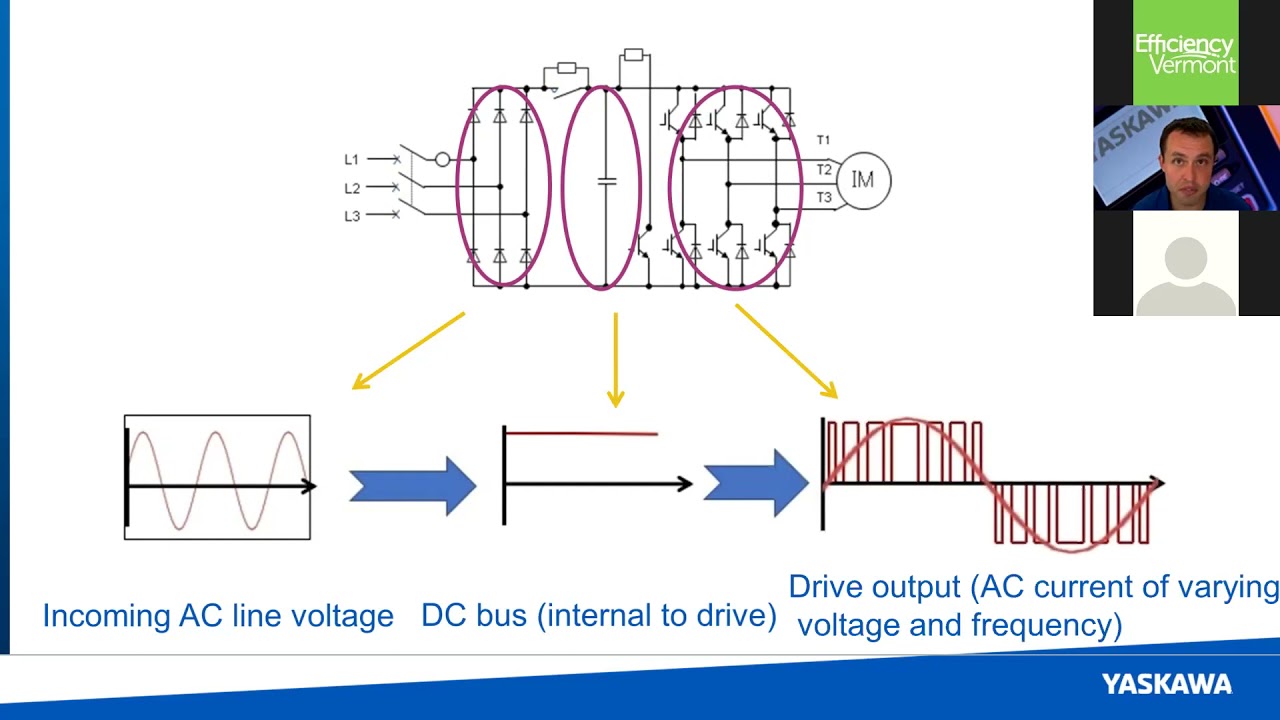

To convert AC to DC power, select a full bridge rectifier with voltage and current ratings 20-30% higher than your application needs, and calculate the required electrolytic capacitor size using the formula: Capacitance (μF) = (Current × Half-Cycle Time) ÷ Acceptable Voltage Drop, where half-cycle time is 8.3ms for 60Hz or 10ms for 50Hz systems.
Choosing Rectifier & Capacitor for AC-DC Conversion
Added:Understanding of Alternating Current (AC) versus Direct Current (DC) characteristics, including peak voltage, Root Mean Square (RMS) voltage, and grid frequency.
Basic semiconductor diode physics, specifically how a diode acts as a one-way valve for current, forward voltage drop, and reverse breakdown voltage.
Fundamental capacitor theory, including energy storage, charging/discharging behavior, and the relationship between capacitance, charge, and voltage.
Basic electrical circuit analysis, including Ohm's Law and how resistive loads draw current from a voltage source.
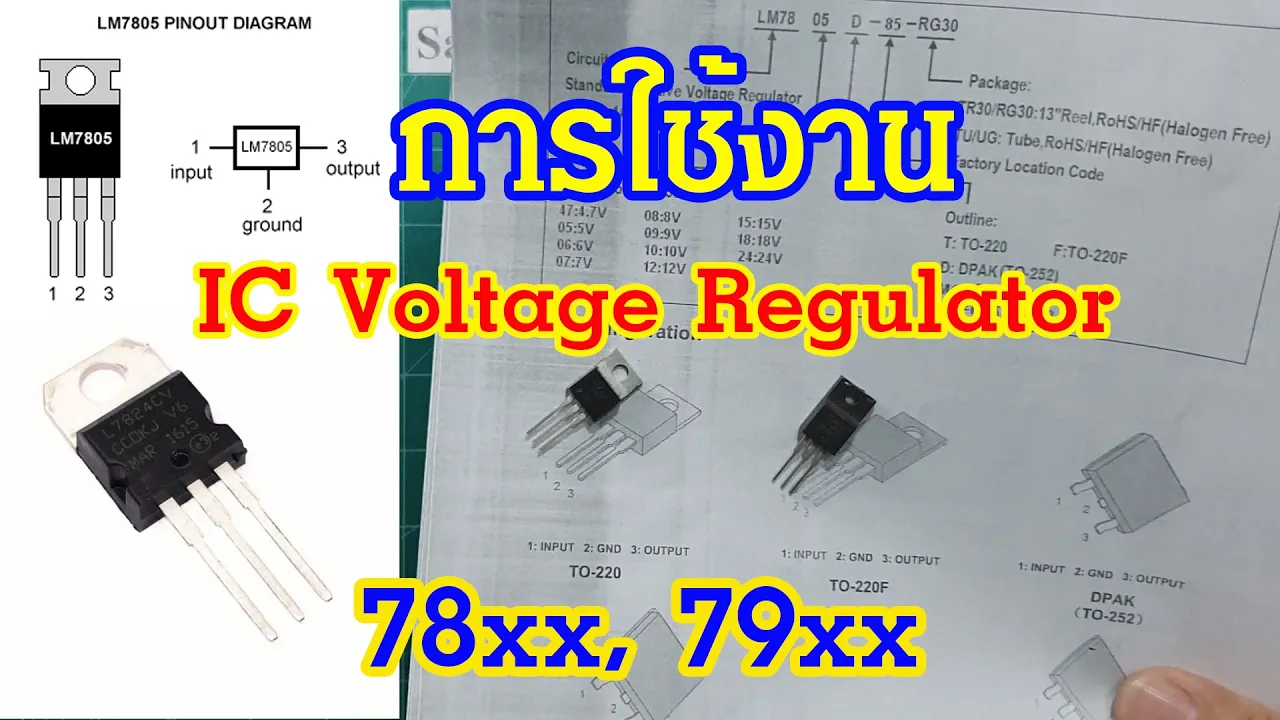
Active voltage regulation techniques, such as using Zener diodes or linear voltage regulators (e.g., 78xx series) to maintain a constant DC voltage under varying loads.
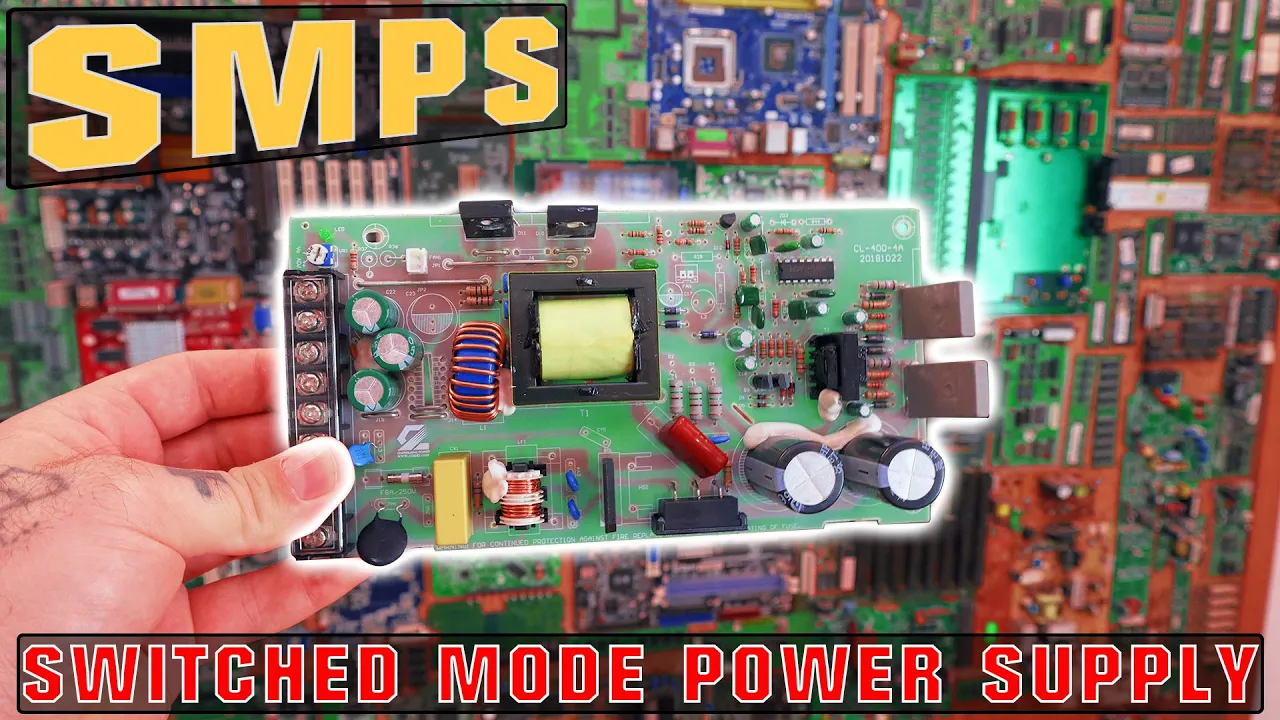
Switch-Mode Power Supply (SMPS) design, exploring highly efficient high-frequency conversion topologies.
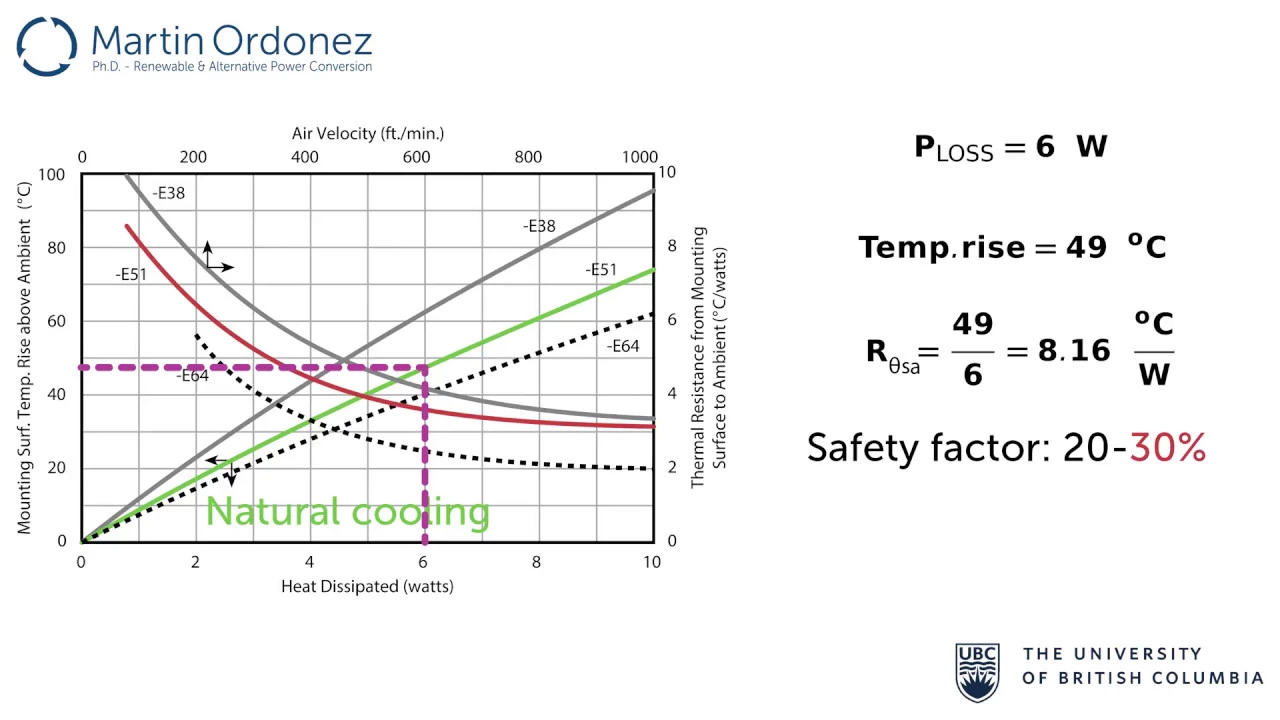
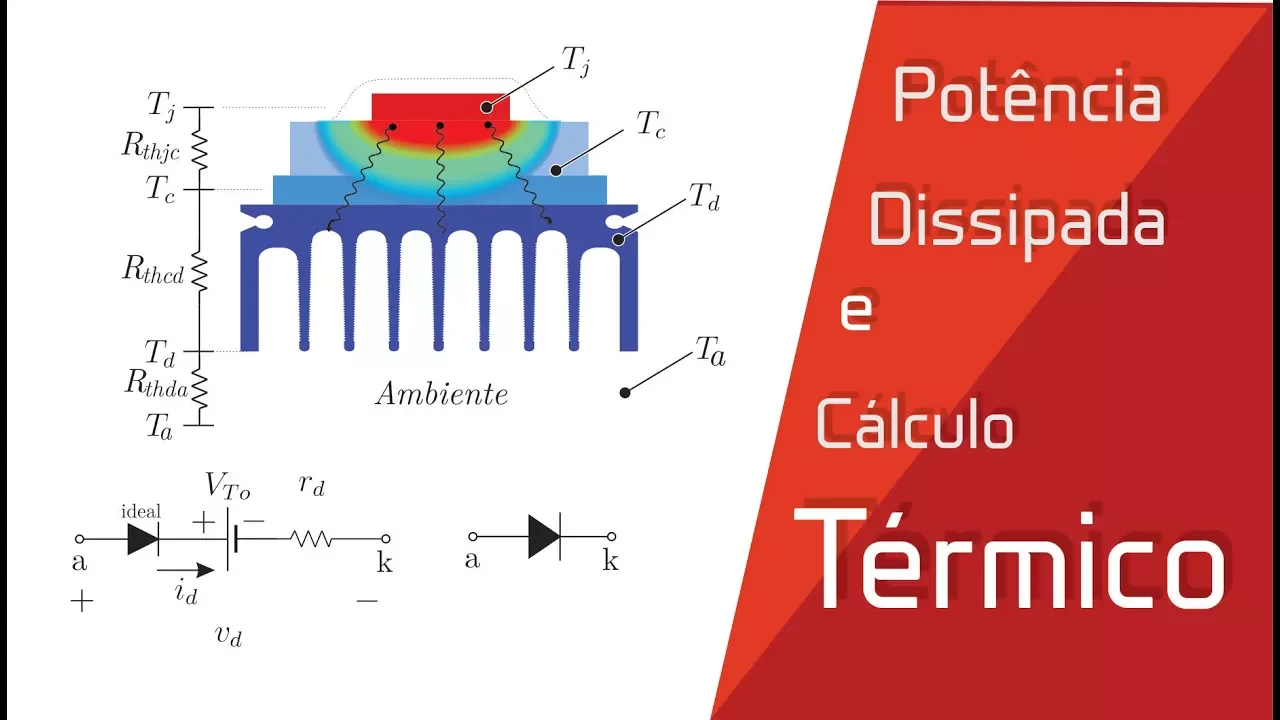
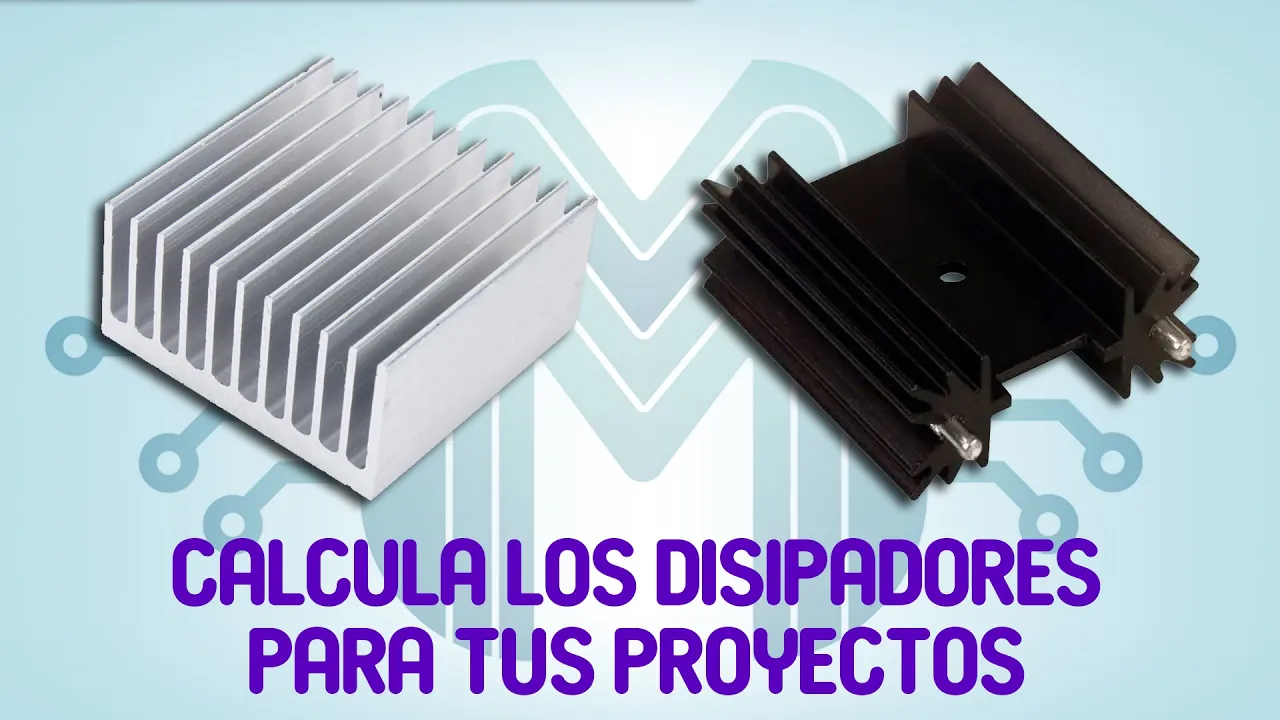
Thermal management and safety overheads, including calculating power dissipation in rectifiers, selecting heatsinks, and understanding capacitor ESR (Equivalent Series Resistance) lifetime impacts.
Power Factor Correction (PFC) and Electromagnetic Interference (EMI) filtering to comply with grid utility standards and reduce electrical noise.
238.4K views6.6Klikes10:50Original Release: 2017-09-04
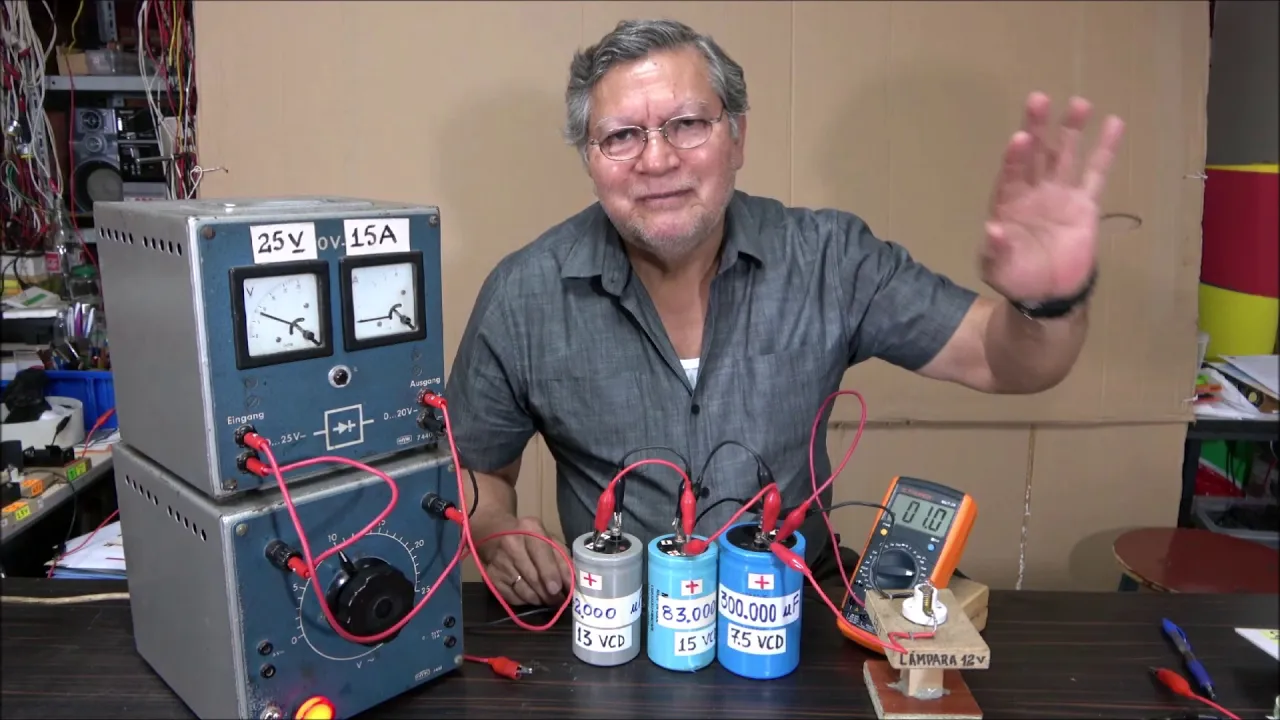
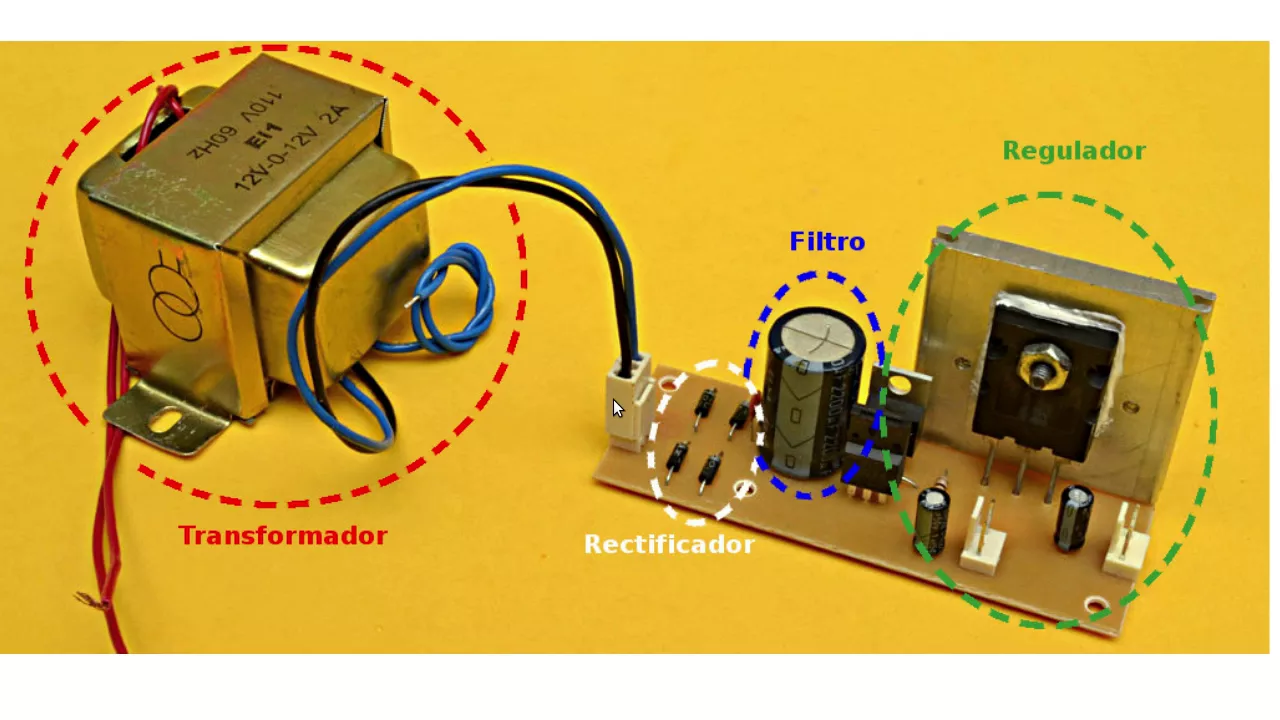
so in this video I'm gonna be talking about how you can choose the correct size capacitor and full bridge rectifier to convert AC into DC power so the previous video I was discussing transformers and also I stated the fact I needed to rectify the AC power from my transformer here to DC for an up and coming project and that's what we're going to discuss in this video and then I'll discuss how you can choose the correct capacitor and also for bridge rectifier and I'm going to go into a little bit of basic detail what these components do and how you can choose the correct voltage and capacitance etc for your specific application so let's get into the video so the first component I'm going to talk about is the full bridge rectifier so what is a full bridge rectifier well in a nutshell it's job is to convert AC to DC power if we look at the top of this example you can see we've got in two corners - squiggle marks this is for the AC power input doesn't matter which side goes to live or neutral or the output from your transformer and then on the other two corners we've got a plus and minus symbol and this is for our now rectified DC power output so our input power would go on these two junctions here and then we'd get DC power between these two points here but looking at this package it's a bit confusing to see what's going on what's inside a full bridge rectifier like that is actually a set of diodes and this configuration so for bridge rectifier is nothing more than four diodes configured to rectify AC power into DC so much like the package over here it's a full bridge rectifier we have two inputs for AC and then we get positive or negative on these two outputs here in a nutshell a diode if you don't know what it does is a semiconductor which allows electricity to flow in one direction and then blocks are coming back from the other so now let's move on to how to choose the correct diode or for bridge rectifier for your application so this is the full bridge rectifier I chose to rectify the power output from my transformer I showed earlier for my up-and-coming project and now I want to discuss how I went about choosing this forward rectifier we need to look at how much voltage it can handle how much current it can handle as well as how much heat is going to be generated when the when max current is passing through this for bridge rectifier so we need to find the datasheet for whatever for bridge rectifier or indeed diode you choose to use so now let's go have a look at the data sheet for this forward rectifier so here I have the datasheet for my for bridge rectifier if we scroll down we're going to take a look at maximum reverse voltage maximum average forward current and forward voltage drop and this is all the symbols for them vrrrm i F and also VF so let's start off by looking at the voltage so once the power has been rectified my full bridge rectifier is going to output 70 volts DC or thereabout and I typically like to add around 20 to 30% Headroom so I am looking for a full bridge rectifier that is around about hundred volts or more and the model I bought is a - oh one so I bought a forward rectifier that's rated for 100 volts so we're all good there the next thing to look at is how much current we're going to need to draw from our full bridge rectifier now my transformer can output 10 amps continuous and again I typically like to add about 20 to 30% Headroom minimum so the model I bought is a GBPC 15 so therefore it rated for 15 amps continuous so again we're all good there the next thing we need to look at is the forward voltage drop or V if now this is rated at one point one volts now what is a forward voltage drop well any diode typically has a voltage drop across it so what that means is if we put power through it we're going to get slightly less power out of it we're going to get a voltage drop in this case it's one point one volts now why is this important to consider well two things if you expected to put in five volts to your full bridge rectifier and you're going to get five volts out that's sadly not the case if you put five volts and you're going to get three point nine volts out you're going to get you're going to see that one point one volt drop a respect of the input voltage also we're going we need to look at how much heat we're going to need to dissipate from the full bridge rectifier we might have to consider adding a heatsink so we all know that voltage times current equals what's so what I'm going to do is calculate how many watts of heat is going to be generated if I pass the full 15 amps of current through my full bridge rectifier so to calculate that I'm going to first enter in my VF or forward voltage drop which in this case for my full bridge rectifier is one point one volts and we're going to times that by the maximum current of the four bridge rectifier in this case 15 amps and I hit equals and therefore we're going to get 16 and a half watts of heat generated from alpha bridge rectifier at maximum current and this isn't to be ignored that is going to be quite a significant amount of heat if it's sustained for a long time at 15 amps so we should consider adding a heat sink to a full bridge rectifier we can also see that the manufacturer had in mind that this full bridge rectifier is going to generate a bit of heat by the fact that we've got a metal surface here and we can what we can do is get a heat sink and we can bolt this full bridge rectifier to it with a bit of thermal compound to help dissipate the heat generated when we're pulling the full load through for bridge rectifier so now let's move on to capacitors so the type of capacitors were going to be shopping for to smooth out the power from our for bridge rectifier are called electrolytic capacitors now this capacitor has two ratings listed here 50 volts and 4700 microfarads let's discuss these figures so 50 volts is the peak voltage this capacitor is rated to handle any more than that and your risk of damaging or even exploding the capacitor which can be quite fun but not if you want a reliable power supply then it's bad so again we're going to be looking for a capacitor that is around about 20 to 30 percent rated higher voltage than the voltage we're going to be running so in my case it makes sense to buy a capacitors rated for a hundred volts or higher next up we're going to be looking at capacity so four thousand seven hundred microfarads is the capacitance of this capacitor I've got here but how do we choose what size capacitor we need well this is based on the frequency of the AC power rectifying the amount of current we're going to be drawing as well as the acceptable voltage drop so when power is rectified and DC after our full bridge rectifier it's not actually smooth there's momentary lapses where there's no power and what that means is we've got power no power power no power and we're going to not get a smooth voltage it's going to have ripples in it the capacitors job is to smooth out those ripples so that we get much more stable power so let's discuss how to choose the right size capacitor so here is the formula for calculating our capacitance current times half cycle time divided by acceptable voltage drop equals micro farad's so let's break this down first off we need to establish whether our wall outlet outputs AC power at 50 or 60 Hertz now here in New Zealand it is 50 Hertz AC so my half cycle time is 10 milliseconds next off we need to work out what our acceptable voltage drop is going to be so for my application the peak voltage I'm going to get after rectification is 70 point five volts DC and the minimum acceptable voltage I can have is sixty five so this gives me a difference of five point five volts DC so let's break this down this useless as an example in this example I'm drawing 10 amps of current maximum so I put in 10 amps in my calculator I'm going to times that by my half cycle time so in this example I'm going to use 8.3 so times it by 8.3 hit equals and then my acceptable voltage drop is five point five so I'm going to divide 83 by five point five and then we get a micro farad capacity of fifteen thousand and ninety micro farad's so chances are the capacitance you require is not going to be found on that off-the-shelf capacitor you might turn up an obscure number like 1111 micro farad's and you're not going to find that on a capacitor so what do we do well we buy a capacitor that's rated higher than we need but as closest to what we need to save on money when it comes to wiring your electrolytic capacitors make sure you wire them the correct way because most electrolytic capacitors are polarity sensitive and if you get it backwards then chances are you going to have a nasty explosion on your hands which does add a bit of drum or any life but does make for a rather poor power supply so other than that thank you very much for watching if you have any other questions drop them down in the comment section below and also be much appreciate if you can give the video a like and thank you very much for watching I'll see you next video bye for now
Up Next
22:33
Selecting Voltage Regulators: Linear vs Switching for Arduino Projects
@AndreasSpiess
128K views•2018-02-11

30:32
Ultrasonic Transducers: Resonant Frequency Measurement and Horn Design
@imajeenyus42
229.9K views•2017-02-22
16:09
DIY Supercapacitor Bank: Construction & Assembly Guide
@Schematix
182.7K views•2017-04-18
33:39
How a Student's Question Saved a NYC Skyscraper from Collapse
@veritasium
22.8M views•2025-04-26
Related Study Plans & Knowledge Roadmaps
Structured learning paths in Engineering
engineering
Building Acoustic Levitators: Physics & Arduino
01The Physics of Sound and Standing Waves
02Piezoelectric Transducers and H-Bridge Drivers
03Arduino Programming: Generating 40 kHz Signals
+ 2 more learning modules
14h5 modules
Explore Roadmap
engineering
Building Peltier Cloud Chambers: Particle Tracks
01Cosmic Rays & Cloud Chamber Physics
02Thermoelectric Cooling (TEC) Fundamentals
03Custom Liquid-Cooling Loop Design
+ 2 more learning modules
18h5 modules
Explore Roadmap
engineering
Yagi-Uda Antennas: Modeling, Build & VNA Test
01Introduction to RF and Antenna Fundamentals
02Yagi-Uda Antenna Design Principles
03Antenna Modeling and Simulation in 4NEC2
+ 2 more learning modules
18h5 modules
Explore Roadmap
engineering
ECG Monitor Design: Op-Amps, Filters & Noise
01Electronics & Breadboard Basics
02Op-Amps and Instrumentation Amplifiers
03Bioelectricity and ECG Fundamentals
+ 2 more learning modules
18h5 modules
Explore Roadmap