













Effective prop design in science fiction production prioritizes simplicity, budget efficiency, and practicality over complex engineering, using found objects and modular systems that can be easily modified for different characters and scenes while maintaining visual consistency and narrative functionality.
Prop Master Jim Murray Explains Practical VFX and Props
Added:Understanding the role of a Prop Master and Production Designer in film and television history.
Basic knowledge of DIY materials commonly used in crafting, such as EVA foam, thermoplastics, and various adhesives.
Elementary concepts of weathering, distressing, and color theory to make artificial materials look aged or metallic.
Standard safety protocols for using hand tools, heat guns, and chemical solvents.
Advanced mold-making and resin-casting techniques for mass-producing identical prop replicas.
Integrating basic electronics, microcontrollers (like Arduino), and LEDs into props for functional lighting effects.
The process of hybrid VFX: combining practical physical props with digital CGI post-production enhancements.
Industry standards for stunt prop fabrication, focusing on safety materials like dense foam and breakaway glass.
631.1K views14.5Klikes10:06Original Release: 2019-12-18
Adam Savage from Tested here on the set of the Expanse and I am in a particular room on the Expanse production facility. A room that is very hard for a packrat high functioning hoarder like me to not just send everyone out of the room and let me spend an hour crawling through every single box. I am in the Expanse prop lockup: every hand prop in this show, every object, every wine bottle, badge or dongle dingle greeblie gets built and stored in here. And I'm about to talk to prop master Jim Murray about some of the new things they've got to show me.
Jim, it's good to see you, sir. Good to see you, Adam. How are you? Good, thank you.
Is season 5 treating you well? It's a busy season. I'm not going to lie. OK. So you've laid out a couple of things with a specific eye towards the Expanse cosplayers. And I pay attention to the scene and clearly you do to. I do, yes.
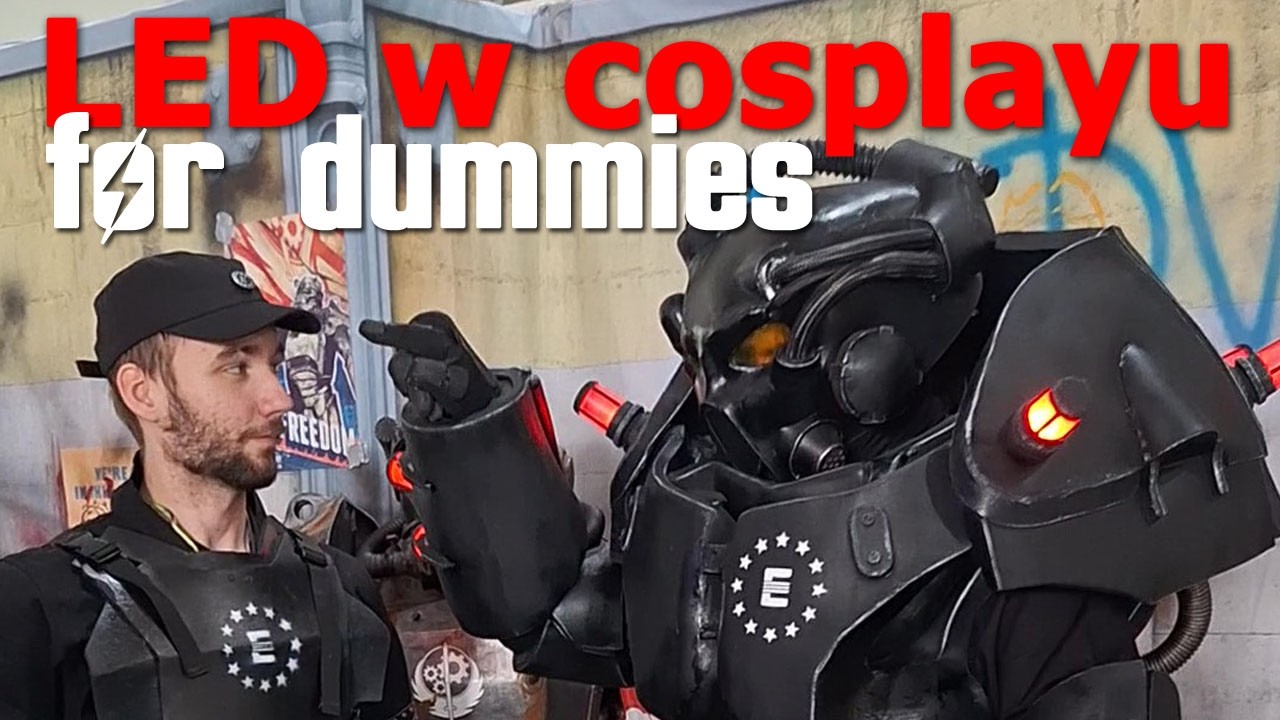
What did you want to show me? Well the one thing that they always talk about or I see in their in their posts is the boots and the boot lights and how they do that. The mag boots. Right. So, green for I'm connected to the ground. Red. It is always red but when we started the show we had to keep it really simple because we knew that we had so many boots we had to put this tech into and we couldn't make it too hard that we'd be wiring people up with little boxes and stuff. Right. So we came up with a really simple idea: these slap bracelets with the tech that's inside of them they're about $11.
So we took the tech that was inside them out and basically used that.
So your actual electronics was a found item. It was a found item so basically it was all there for us which is great because we could never build that for $11 so then we reversed engineered it into opening in the boot so every boot has this little flap that would move up that then we could put our tech into. So I've got a pair over here that's all ready to go so all we do on the day is when we're about to shoot we have like a bin full of these little little lights and we've got white tape on them so it kicks back more light and we just basically put them in and then velcro them in place so it's weak and you can even turn it on and off from out the boot yeah so we've kept it as simple as we can because there's so many of these belters that have these that we didn't want to go running around switching batteries out and putting boards on since like besides of their Pat of their waists and stuff so this is just like as simple as it gets I'll bet I'll bet your average cosplayer like me would over think that circuit exactly because you think about this big box on the light unit but we just kept it as simple as we possibly could because it was a it was a budget issue sure and it was a time of show onset and we couldn't burn through too much time putting - all these lights on for people and if we ever have any scenes where somebody comes down and the boot turns on sometimes this effects will take over for that right or we've got ones that are wired to boxes that then we can control so we can control Susan here specific exactly we do that in close-up shots and we did it with Julie Mao and see like his season one she's got a boot built for her and this I mean the ethos of the whole art direction of this show is very found object oriented absolutely yes yes part of my job is just to look through stores and find things that we could then build into other things so you have to have an eye for like how can we turn this blender into something else right or you know this this fizzy water maker into something else so did you make did you make weird stuff as a kid I did actually yes so you had the experience then of going to hardware stores as a kid and looking around and seeing like chrome toilet rings and thinking that could be a Comley exactly exactly and it's when you're on a show that you don't get this this freedom to do that where everything's drawn and you just take the drawing to a builder and they build it it's not as exciting this is a lot more fun actually oh yeah and it wakes up that like twelve-year-old your brain it does it you look and you definitely shop with different eyes when you go through a store right because you see things in different ways or what they could be or what they could be for you I mean I love being on ships and seeing a door surround that turns out to be the tie-down strap of a truck it's great all right that's what we do that's part of the job all right what else would we listen then because we had the carbs the coms were another big deal for us because in season one we had to come up with all these columns and we came up with all these wrist ideas that the columns would be on their wrists that way but we we didn't have the money to engineer anything anything like that so we pulled it all back and we basically came up with a laser cut piece of plexiglass that then would have a 3d print printed body on it and then we take we take the same boot tack the same exact night except we change the light out in it so we've got our one of our builders to change the lights out and we just it's the same light and that's exactly the same tack so we've used that for a number of different different columns now so we've got the Martian which is red oh and I like to surround the other yeah the laser cutting way and then we've got the blue that is the UN so every column in meetings I'm like is it a blue card like we basically have a language for comms now so and then that just kind of reflects the showdown as well and to save money because every comments of his effect lay over and we're always conscious about okay if there's four people in the background turn their comm away so we don't have to put a vis effect on it or that cost a lot of money but what we came up with in season two is just little acetates that we can slap on them and you can print on that yeah we print on those and then if they're playing them sideways at least there's some kind of something on there that would suggest that there's tech on tech happening you know when you guys killed me at the end of season 2 and set me as a mission specialist at a station I noticed that my mic pad that I was working on was actually interactive yeah we pushed things and things would change yeah it wouldn't and we have a whole department that's devoted to that which is great and it's nice to have the ability for sure I remember reading Ridley Scott talking about the aliens says it's all cobbled together from like parts detritus from the british aerospace industry and that the actors got in and we're like every switch turned on something and they just had the best time I'm out do you find the same thing with the actors on the show yeah sometimes if there's specific beats we'll map those out for them but otherwise they can just go crazy clicks I think they kind of get into a rhythm for it like what it is now and some of the actors that have been on the show a long time know exactly how all of this tech works and there's no yield which is nice so we have to explain it to them what is this cool looking so this site I'll just move this aside this is Melba's bomb that we used in season 3 so ty was really specific that he wanted it to have plasticine enough so oh ok so these are like blocks of plastic it yeah exactly so we just kind of made a futuristic version of this and then there would be a comm that would sit in here like that oh so you could be like a cellphone bomb yeah exact excess it's a combo yes exactly so this would light up by a simple battery that was in here and just just give it a kick and then visit facts would put anything over there okay and then the whole bomb would then we go into this carriage here right and then we've got everything on our show runs off dimmers so everything so we've got different lights inside LED lighting these are RGB right so you can make them any color you want exactly so what we do is that doesn't restrict us to say okay we're gonna make this this prop red or blue or whatever we can make it whatever color on the day we can make it pulse we can make it change colors so that's driven by the board so this gal gets connected a battery gets put in that all gets shoved inside and now we have the ability to make this whatever color so when it gets armed it could go to green it could go to radical go to whatever color we need 10-15 years ago this kind of interaction was a fantasy totally impossible yeah even like when we started the show these strip lights only came in one color so now they've but they come in all different colors now because we would have to go change the little blob out so it's just a tech has moved so quickly and it's helped us actually amazing amazing that's incredible now I see this one other piece here on the table that I'm really fascinated with this is an exoskeleton it is an exoskeleton so what this is a beautiful prop it yes it's it was a fun build for us we had probably about twelve or fourteen weeks to build it so what we did is we bought an existing exoskeleton that would be sold to like Home Depot's or anything for enhanced lifting so repetitive motions and we bought the whole system so we knew that the top half of the system would be used for Melba's Power Ripper as we needed something to help her with that and then we were gonna designate the bottom half to drummer's exoskeleton which he Berkshire back so basically all we did is just glided to their system so there's no working parts in this does not motorized or anything it's all working on Springs okay so it's just on the actors body it's gonna be it is a bit of a so when it should when she wears that the weight was on her hips and then we'd have boots that would attach into here okay so weight is distributed distributed well so and then there is an on button but all it does is engages the springs basically so once it goes into motion and she can pretty much sit in this position and then when she starts to walk it's just kind of like free flow walking um I really appreciate the color because on an even NASA strings red is right and blue is left and you have done the same yes sort of colors exactly we try to we try to stay as close to realistic as possible in the show it's a mandate binary and so yeah everything we do has to be based in science we can't go to fantasy with stuff how it seems as I'm walking around the pit that it's the same show but it's there's so much more going on that means your job has gotten much denser am i right yeah it's every season seems to ramp up and we're like okay this will be just like last season but it just gets bigger and bigger and we keep doing it and then it's it's fun because it's it's from the show that it started with with a bunch of like people on a little spaceship yeah to where we are now it's it's epic in scope it really ends like every like there's episodes with helmets and backpacks and that's exhausting because the helmets are hard to shoot with yeah but the show's gotten much bigger but I think we've all we've been here since the start so it's we're all part of it yeah so we've grown with the show well I really appreciate you showing me some of the tech specifically for the cosplayers those are my people there Mike and you know you watch them out there like putting pouring all their enthusiasm and of the stuff you build that's awesome Jim thank you thank you man thank you so much for pleasure
Up Next

10:33
Futuristic Architecture Styles Explained: Conceptual Evolution (2024)
@SahariYT
54K views•2025-07-13

26:22
Walking in the City: Urban Rituals and the Flâneur in Contemporary India
@PSBTIndia
1.9K views•2016-08-02
30:06
Adam Savage Explores Hollywood Costume Design Exhibition
@tested
301.4K views•2015-01-29

1:42
Game of Thrones Opening Credits: A Cinematic Analysis
@gameofthrones
46.3M views•2011-04-18
Related Study Plans & Knowledge Roadmaps
Structured learning paths in General & Interdisciplinary Studies
general-studies
Artificial Light: History, Tech & Human Impact
01The Pre-Electric Era: Fire, Oil, and Gas Lighting
02The Incandescent Revolution and Grid Electrification
03Gas Discharge and Fluorescent Illumination
+ 3 more learning modules
14h6 modules
Explore Roadmap
general-studies
Elevator Engineering: History, Physics & Cities
01From Hoists to Safety Brakes: The Dawn of Vertical Lift
02Hydraulic vs. Traction: The Engineering Physics of Elevators
03Modern Speed, Safety, and Algorithms
+ 2 more learning modules
12h5 modules
Explore Roadmap
general-studies
Rubber: Material Science, History & Geopolitics
01Origins of Natural Rubber & Mesoamerican History
02The Chemistry of Natural Rubber & Vulcanization
03The Geopolitics of the Rubber Boom & Colonization
+ 2 more learning modules
12h5 modules
Explore Roadmap
general-studies
Containerization: Evolution, Logistics & Trade
01Ancient Trade & Bulk Cargo: Amphorae to Barrels
02The Industrial Revolution & Cardboard Packaging
03The Containerization Revolution: Malcom McLean
+ 2 more learning modules
12h5 modules
Explore Roadmap