













![[일반기계기사,건설기계설비기사] 기계열역학Vol10. 랭킨사이클 과 냉동기 사이클](https://i.ytimg.com/vi/NOKmq-_kcws/maxresdefault.jpg)

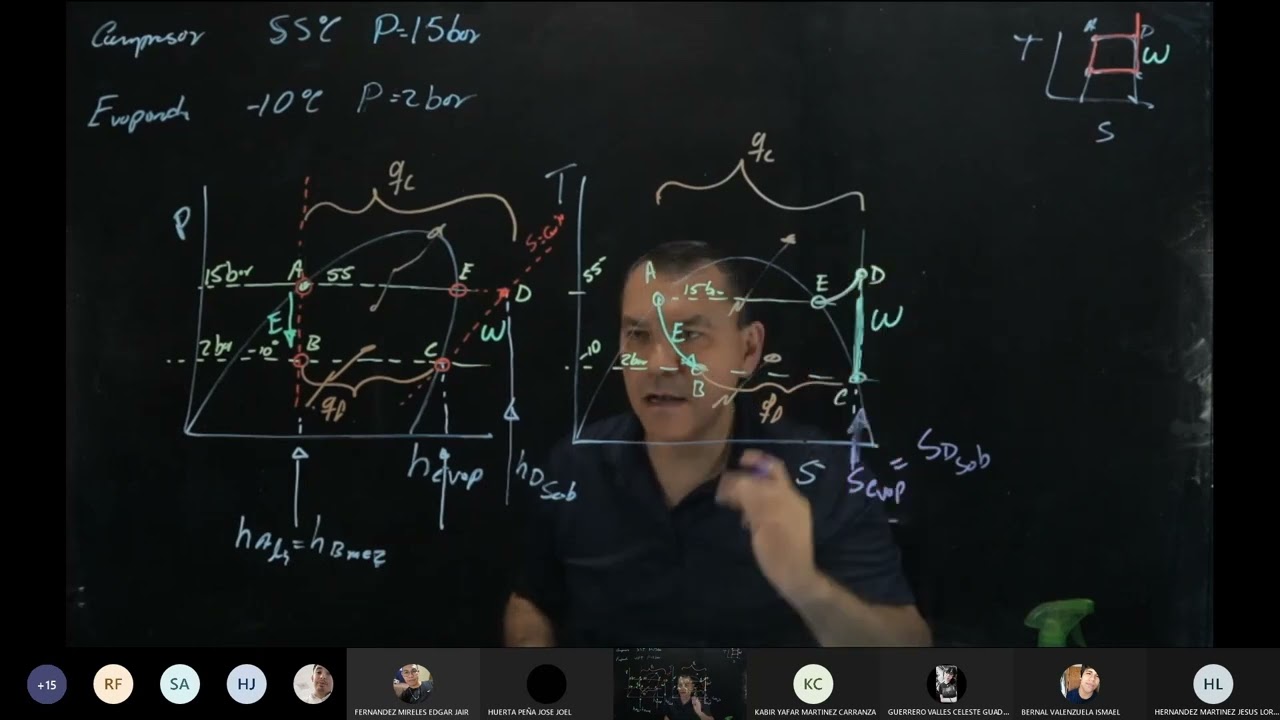






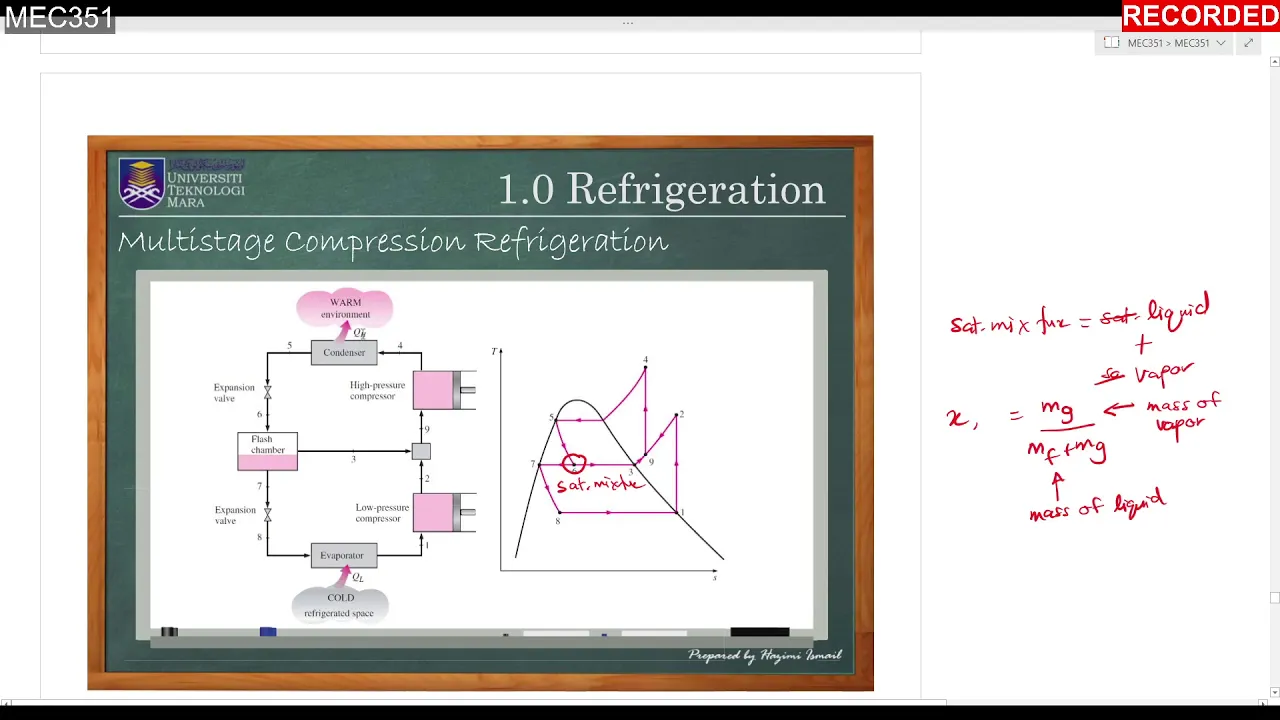
Mechanical refrigeration operates on the principle of heat transfer from a cooler interior space to a warmer exterior environment, utilizing a closed-loop system where a refrigerant undergoes phase changes: the refrigerant absorbs heat (and changes from liquid to gas) in the evaporator, gets compressed (increasing pressure and temperature), releases heat (changing back to liquid) in the condenser, and expands through an expansion valve to repeat the cycle; this process relies on fundamental thermodynamic principles including heat flowing from warmer to cooler substances, the three states of matter (solid, liquid, gas), and the fact that substances absorb heat when changing from liquid to gas and release heat when changing from gas to liquid.
Mechanical Refrigeration Principles Explained | Heat Transfer Basics
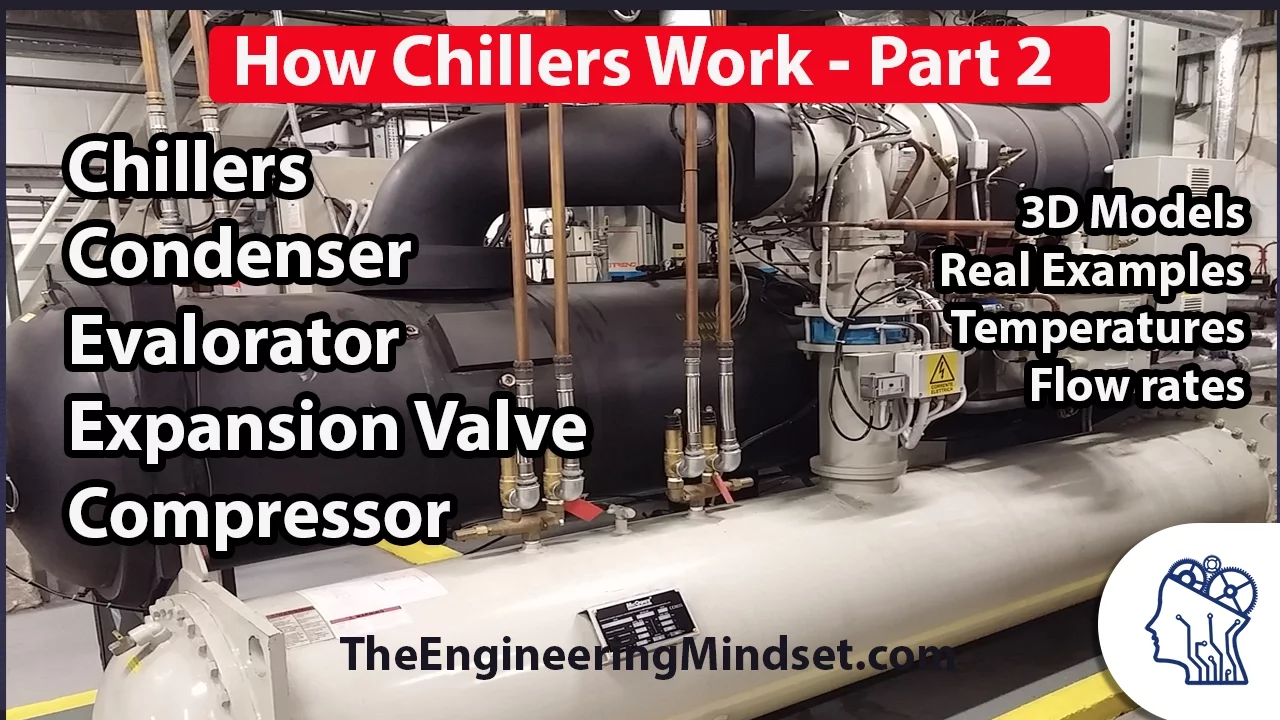
Added:[Music] n [Music] [Music] you've probably heard the story about the salesman who was so good he could even sell a refrigerator to an esimo it's not true of course Eskimos don't need refrigerators they have Nature's Own Way of keeping their food cold but in warmer climates Refrigeration is part of our daily lives we use it to keep ourselves comfortable to keep our food fresh and our beverages cold you might say that a refrigerator works by taking heat from the inside of the box and getting rid of it on the outside Refrigeration is the transfer of heat from a place where it is not wanted to a place where it is unobjectionable to do this a refrigerator uses a unit unit inside the box that takes up heat and a unit outside the box that gets rid of it these units are called the evaporator and the condenser they are tied together by connecting lines referred to as the suction line and the liquid line also in the system are the compressor which is a pump the expansion valve and in many systems the receiver a kind of storage tank a chemical substance called the refrigerant flows through the system it's the refrigerant that picks up BTUs of heat from inside the box and discard them outside in the process the refrigerant changes from a liquid to a gas then in the condenser it changes back to a liquid at the same time the pressure increases in the compressor and decreases in the expansion valve before you can understand how the system works you must learn why and how these changes take place that means learning some basic principles concerning heat to begin with take a swimming pool and Kathy who was swimming in the cold water after she has dried off she finds the air warm but Helen has just come from the steam room and she thinks the air is cold the words hot and cold are relative they're used to compare one thing to another as the girls gossip together Cathy gets warmer heat from the air passes to her body and warms her but Helen gets cooler he passes from from her body to the air heat always passes from a warmer substance to a cooler one if you put an ice cube into water the water is cold but the ice is even colder by comparison the water is warm heat will flow from the water to the ice this changes the ice which is a solid to water which is a liquid if you heat the water it turns into a vapor this vapor is a gas these three solid liquid and gas are called the three states of matter all matter around us exists in one of these three states now let's see what happens to temperature if you apply heat to the ice the thermometer reads 32° f as the ice changes to water the temperature stays constant at 32° the heat is causing the change of state from solid to liquid then as you continue to heat the water the temperature increases until it reaches 212° the water starts to boil the temperature remains at 212° heat from the flame is now being used not for a change of temperature but for the change of state remember heat is taken in for the change from solid to liquid heat is taken in for the change from liquid to gas now a change of state is always accompanied by a gain or loss of heat this is a very important Point any substance takes in heat when it boils or changes from a liquid to a gas and any substance gives off heat when it condenses or changes from a gas to a liquid here's a container filled with gas we add a thermometer to measure the temperature of the gas and a pressure gauge to measure its pressure what happens if you push in on the Piston answer the pressure increases and the temperature increases now let the Piston out the pressure goes down and the temperature goes down the rule is when a gas is compressed the pressure goes up and the temperature goes up when a gas is allowed to expand the pressure goes down and the temperature goes down it's true for any gas now let's see how a refrigerator works we'll begin at the receiver where the excess refrigerant is stored it is in the liquid state and under high pressure the high pressure forces the refrigerant through the liquid line to the expansion valve this valve causes a pressure drop the high- pressure liquid becomes a low pressure liquid this is like letting air slowly out of a balloon the air in the balloon is still under high pressure but the air that gets through expands and its pressure drops in the same way refrigerant that passes through the expansion valve expands and its pressure drops the low press refrigerant flows into the evaporat now if any of the food in the box is warmer than the refrigerant heat will flow from the food to the evaporator so in the evaporator the refrigerant takes in heat and begins to boil remember any substance takes in heat when it changes from a liquid to a gas the gas is sucked through the connecting line into the compressor as the Piston moves down the suction valve Val opens the gas is sucked into the compressor as the Piston starts up again the suction valve is forced shut and the discharge valve is pushed open on this stroke the gas is compressed remember what happens when gas is compressed pressure goes up temperature goes up the gas now at high pressure and high temperature flows into the condenser the gas is hot hotter than the surrounding air so it gives up heat to the air as the refrigerant loses heat it starts changing back into a liquid to complete the cycle the liquid refrigerant returns to the receiver now let's review the whole thing refrigerant under high pressure flows from the receiver to the expansion valve the valve causes a pressure drop the evaporator takes in heat from the box if anything in the box is hotter than the refrigerant it gives up its heat to the refrigerant as the refrigerant takes in heat it changes from a liquid to a gas remember any substance must take in heat in order to change from a liquid to a gas the compressor sucks the vapor out of the evaporator and compresses it this increases the pressure and temperature the vapor is now hotter than the surrounding air so in the condenser heat is given off to the air as the refrigerant loses its heat it changes from a gas to a liquid and flows into the receiver now let's consider some additional points that many Refrigeration students have trouble understanding in the evaporator the temperature may be very low perhaps 20 1° below Z and yet the refrigerant is boiling how can anything boil at such a low temperature water boils at 212° but other substances boil at other temperatures some higher than water some lower the refrigerant known as R12 boils at- 21° there's no mystery about it it's simply a property of the substance the refrigerant in the suction line is carrying all the heat it picked up in the box but its temperature is only about 5° above zero if you touch the line it feels cold how can something that's cold be carrying a lot of heat remember hot and cold are relative terms you know when water boils it's very hot but refrigerant boils at a much lower temperature so the refrigerant can take on heat change to a gas gas and still seem cold again the reason is because the two substances have different boiling points you have seen the basic principles of refrigeration study the system until you understand it thoroughly memorizing isn't enough you must understand what happens and why because all the rest of your work will be based on these same principles [Music] [Music] [Music] oh e e e e e e
Up Next
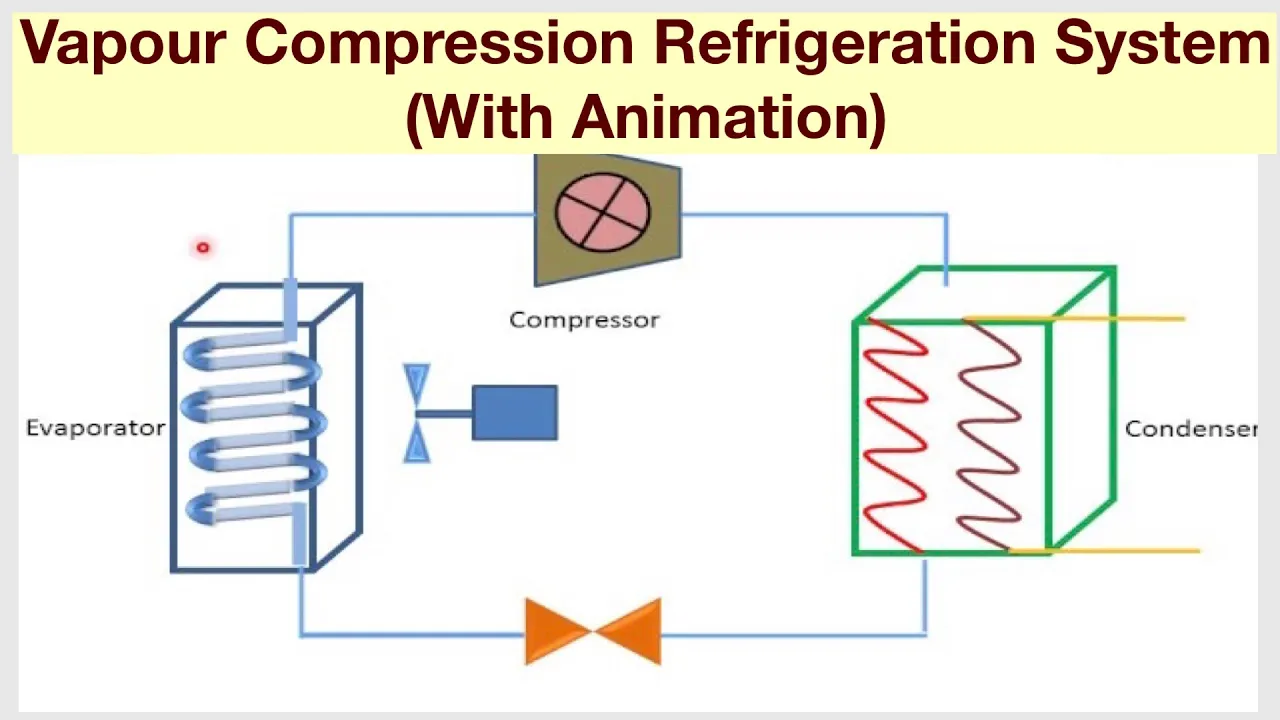
Vapor Compression Refrigeration System Explained with Animation
@LEARNANDGROW
319.7K views•2016-11-02

Ultrasonic Transducers: Resonant Frequency Measurement and Horn Design
@imajeenyus42
229.9K views•2017-02-22
Polymer Environmental Degradation: Mechanisms & Stabilization
@iit
1.8K views•2012-07-10
How a Student's Question Saved a NYC Skyscraper from Collapse
@veritasium
22.8M views•2025-04-26
Related Study Plans & Knowledge Roadmaps
Structured learning paths in Engineering