

















Medical anthropology is a subfield of cultural/social anthropology that examines how health and illness are shaped, experienced, and understood through the lens of cultural, historical, and political forces, using ethnographic fieldwork to study topics like cultural understandings of disease, health disparities, and the social determinants of health; this applied field bridges understanding and action by translating anthropological insights into community health programs, with career opportunities spanning academia, public health, healthcare administration, and policy development.
Medical Anthropology Explained: Definition, Careers & Examples
Added:The fundamental definition of Cultural Anthropology, including its focus on ethnography and qualitative fieldwork.
The concept of 'culture' as a system of shared beliefs, values, and practices that shape human behavior and perception.
The basic distinction between the biomedical model of disease (biological malfunction) and the social/cultural experience of illness.
An introductory understanding of how social structures (such as politics, economics, and history) influence human well-being.
In-depth study of Critical Medical Anthropology (CMA) and how structural violence and political economy affect health outcomes.
Exploration of foundational medical ethnographies, such as the works of Arthur Kleinman (illness narratives) and Paul Farmer (structural violence in global health).
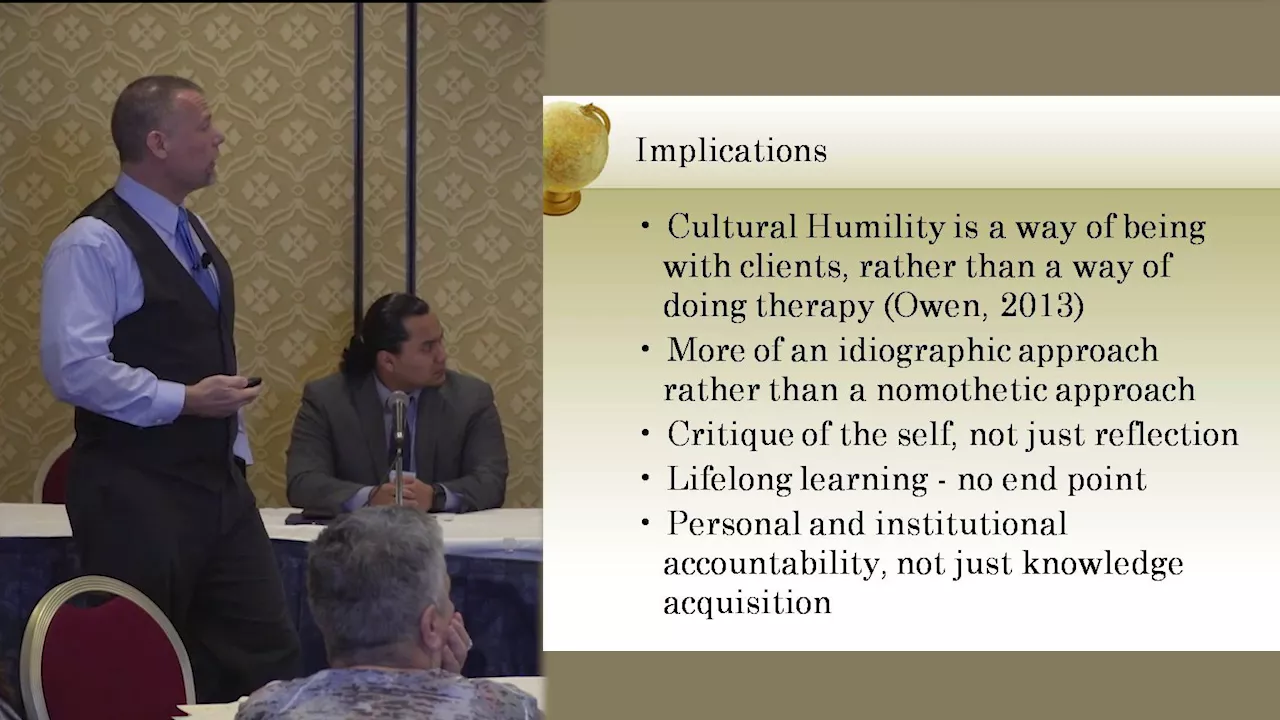
Practical application of anthropological insights in Public Health, Global Health, and clinical settings through 'cultural humility' frameworks.
Advanced concepts such as 'syndemics' (the interaction of co-occurring epidemics under social disparity) and the 'medicalization' of social issues.
20.3K views706likes9:47Original Release: 2022-02-27
hello everyone welcome back to my channel or if you're new here hello my name is olivia brown and i am currently a fourth year undergraduate student at ucla studying anthropology and today we are going to be talking about medical anthropology so i posted recently on my community tab basically asking you guys what you wanted to see and there are a few really really great suggestions and medical anthropology was the first one that i wanted to tackle so i've done videos on my channel before basically explaining the different disciplines of anthropology but medical anthropology is another one so without further ado let's just dive into it so if you guys were to look up medical anthropology online i'm going to share with you the definition that you would get i have it pulled up on my laptop right here and then i'm going to break it down even further and share with you guys some things that i think this definition does not include so first things first medical anthropology is the study of how health and illnesses are shaped experienced and understood in light of global historical and political forces now the first thing that i want you guys to note about this definition is that we aren't actually looking at medicine or illness through the medical perspective like we're not looking at it how a doctor might hence it's its own field right it's medical anthropology we're looking at medicine and illness in the context of these things like politics in the context of history and yes we're gonna dive into some of those nuances right now so the first thing that i think this definition neglects to include is that medical anthropology actually pulls from the other disciplines of anthropology and basically what i mean by this is anthropologists are looking at how language shapes disease how biology shapes disease how different social and cultural standards shape disease and to use these different methodologies from those different areas of anthropology to create the field that is medical anthropology now while i know i said we're using different methods from all these different areas of anthropology medical anthropology is technically a subfield of social and cultural anthropology now i know we're throwing all these terms out there so i'm gonna break it down for you a little bit right now but if you didn't know this already anthropology actually has four main subfields all right so you've got this big category that is anthropology up here then within anthropology you have cultural anthropology biological anthropology archaeology and linguistic anthropology going back over here to cultural anthropology within that is where medical anthropology sits i think it's really easy to assume that medical anthropology would be a subfield of biological anthropology right but we're actually not using genes or looking at biological processes to understand illness that's not how medical anthropology is conducted we're looking more so at what cultural mechanisms are in place right now that impact the health outcomes of a specific disease now that you understand where medical anthropology fits into the greater field that is anthropology again apologies if that was a little bit confusing i want to go back to where medical anthropology started and basically medical anthropology has this history of community outreach programs where basically we're using what we know about medicine and about illness to actually create safer and healthier communities now as many of you know anthropologists go out and use something called ethnographic field work in order to better understand a particular community now if you're not familiar with ethnography then i'm going to recommend that you go check out this video that i did right here but basically in simplest terms ethnography or ethnographic field work is when an individual usually an anthropologist immerses themselves in a different part of the world that's different from their own or what they're used to and attempt to better understand a certain culture or certain variables about a specified culture now when looking at medical anthropology more specifically anthropologists are using ethnographic field study to better understand a specified illness or specified health outcomes usually in these different minority communities and then from that we try to implement health programs to create safer and healthier communities also sorry about the lighting the clouds are really in and out today so hopefully that stops sometime soon now i want to share with you guys a list that was posted by northwestern university about different things that medical anthropologists will study more specifically so i'm going to open that up on my computer right now okay so i have this link right here that i'm going to open up all right so ah guys the clouds are out again oh my goodness all right so this is the northwestern page on their department of anthropology we're going to scroll down here to where it says medical anthropology and i am going to zoom in um and so they listed here i thought it was a great list so i wanted to share with you guys um issues studied by medical anthropologists include but are not limited to cultural understandings of bodies and bodily processes risk and protective dimensions of cultural norms and behaviors illness experience and social meanings of disease health effects of human ecologies and adaptive processes and biosocial factors related to disease distribution and health disparities so when looking at this list i think it becomes really clear really quickly that you're looking at things like cultural understandings like risk like what was another great one disease distribution these things that aren't the actual diseases themselves but kind of take it to this next layer of understanding where you're looking at how diseases impact a community and why specific communities are actually impacted by certain diseases more or less commonly one thing that comes up again and again in medical anthropology is this idea of discrimination and how certain health outcomes are actually worse because of the discrimination that specified populations experience and that is something that anthropologists would really dive into because we want to understand why social discrimination right discrimination that comes from our culture actually impacts a person's health and disease outcomes the next thing that i want to throw in here about medical anthropology that i really appreciate is that in most fields of anthropology i personally believe if you want to contest me on this do that in the comment section down below i personally believe that anthropology is very much an understand humanity type of field versus a let's change humanity type of field in the sense that anthropologists do their best to just learn learn learn what can we learn about humans and then there's other areas of study where we actually implement the things that we learn transform the things that we learn into policy and i think that that's where actual change is made but in medical anthropology i really do think this one stands out for so many different reasons but one of them being that when medical anthropologists actually go in to do this ethnographic work the work that they're doing tends to then get brought to that next step and say okay well how does this new information that we have about the health outcomes of this particular community how can we use that to actually improve the lives of these people and that is something that i hope never goes away from medical anthropology and starts to bleed into the other disciplines of anthropology now the last thing i want to touch on is what kind of careers you could have as a medical anthropologist the most common or probably the most well-known to people i would say is becoming a professor in medical anthropology teach the next generation about how great medical anthropology is but of course there are other options if this is not something that you want to consider or you don't want to go through all the schooling that's required to become a medical anthropology professor one option is pursuing a public health career there is a lot of similarity between public health and medical anthropology this could be a researcher in public health a writer in public health we're trying to actually work on that dissemination of knowledge right like getting people the information that the researchers have then the final thing here that i wanted to touch on is actually getting involved in healthcare so you could become a healthcare administrator you could become a policy developer a researcher you could do outreach i mean there's a lot of things that you could do and no matter what you choose from this list medical anthropologists are making an impact and i love and respect that so so much lastly i want to throw in here that if you are interested in reading anything on medical anthropology in action i'm going to recommend to you guys reading the pastoral clinic by angela garcia i'm not going to talk about it but do know i want to warn you that it is a really intense ethnography and to read trigger warnings before you get into it but i would love if you guys wanted to go check that out again i'm not going to talk about it much now because i've talked about it in so many other videos on this channel so i think that is actually all i have to say about medical anthropology today i hope that answered your guys's questions about what it is and how it actually gets done i think medical anthropology is so special and is something that people should be talking about more especially during a pandemic because people's health is i mean it's something that's always been important but i think we're thinking about it a lot more right now so i hope you guys are having a fantastic sunday and i will see you all next week in another video all right you guys bye [Music] you
Up Next

15:01
Ethnomedicine: An Overview in Medical Anthropology
@davidfazzino8956
7.7K views•2015-09-12

38:41
Astrobiology Through an Anthropological Lens: Field Insights
@georgiatechastrobiology
128 views•2021-04-14

8:17
Anthropology Research Methods: Participant Observation & Interviews
@AliviaBrown
14K views•2022-02-06
10:38
Psychology of Internet Trolling and Pranks Explained
@AzzyLand
10.7M views•2017-12-20
Related Study Plans & Knowledge Roadmaps
Structured learning paths in Anthropology
anthropology
Space Anthropology: Analogs, Culture & Habitats
01Foundations of Space Anthropology & Cosmic Imaginaries
02Extreme Isolation & Micro-Societies in Orbit
03Space Analog Habitats & Earth-Based Simulations
+ 2 more learning modules
15h5 modules
Explore Roadmap
anthropology
Legal Anthropology: Customary Law & Pluralism
01Foundations of Legal Anthropology and Social Justice
02Legal Pluralism: Coexisting Legal Systems
03Customary Law and Indigenous Dispute Resolution
+ 2 more learning modules
15h5 modules
Explore Roadmap
anthropology
Global Tourism: Gaze, Authenticity & Heritage
01Introduction to the Sociology of Tourism
02The 'Tourist Gaze' (John Urry)
03Staged Authenticity in Tourism
+ 3 more learning modules
14h6 modules
Explore Roadmap
anthropology
Modern Kinship (ART, Adoption & Chosen Family)
01Foundations of Kinship and Family
02Assisted Reproductive Technologies (ART) & Relatedness
03Transnational Adoption and Global Kinship
+ 2 more learning modules
12h5 modules
Explore Roadmap