










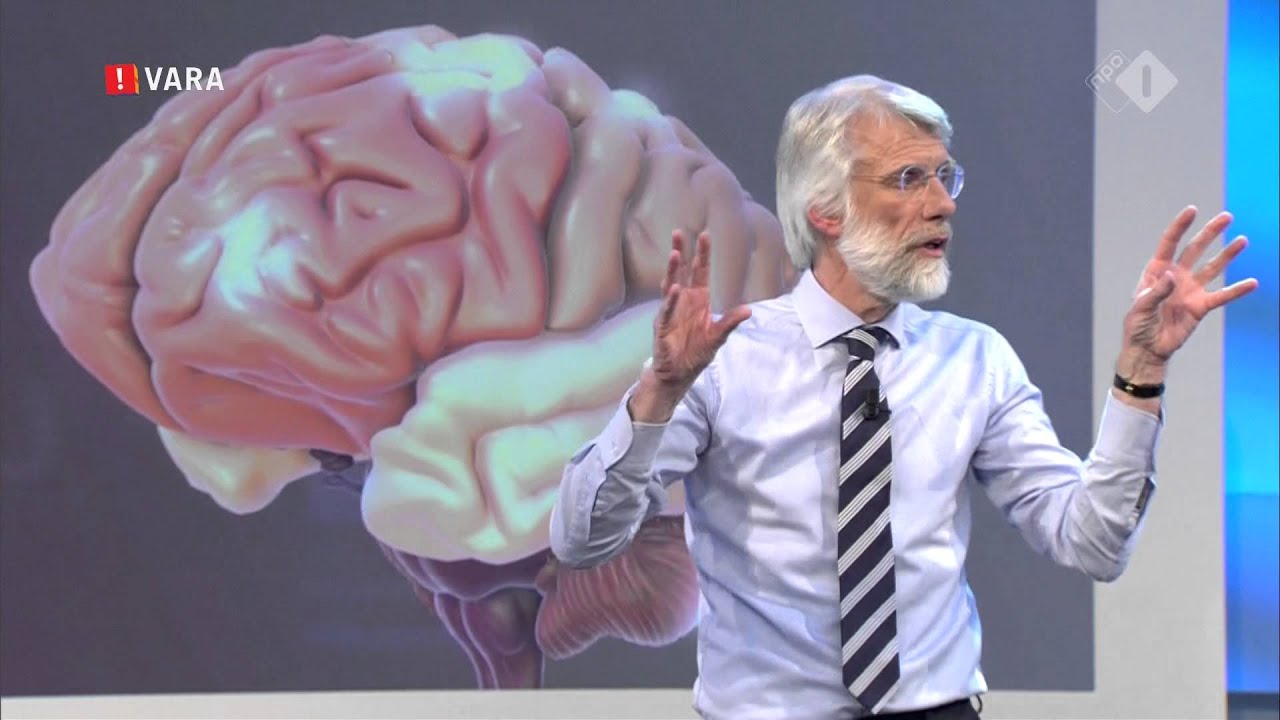



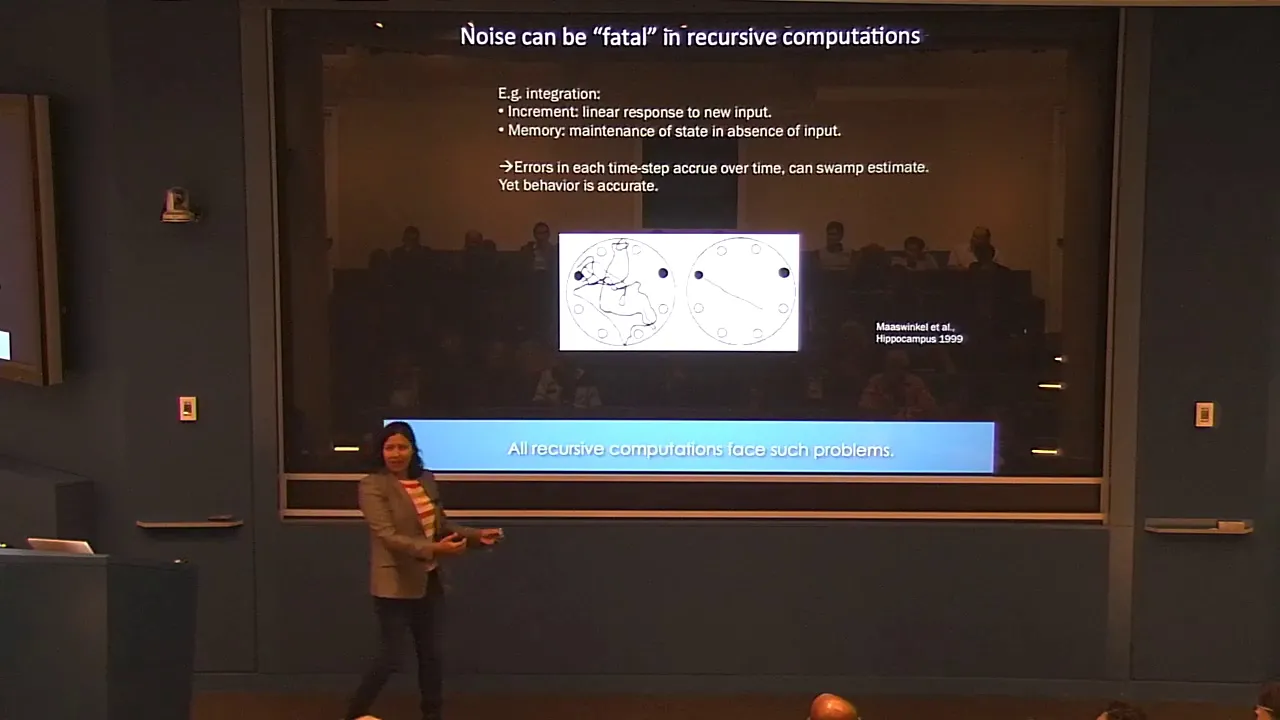


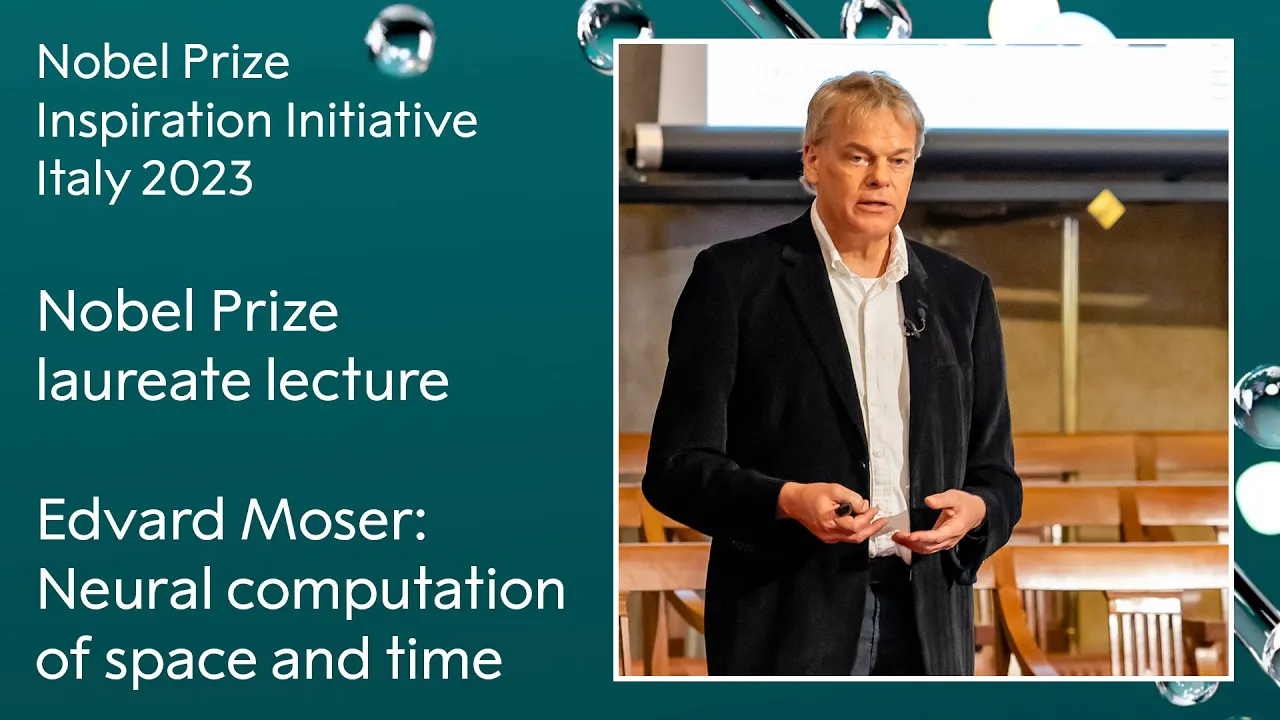






Grid cells, discovered by Edvard and May-Britt Moser in the entorhinal cortex, form a hexagonal grid pattern that creates a coordinate system for spatial navigation, similar to GPS technology; these cells calculate position based on movement and distance traveled rather than visual landmarks, and their dysfunction is linked to early Alzheimer's symptoms including loss of orientation.
How Grid Cells Map Space in the Entorhinal Cortex | Moser Research
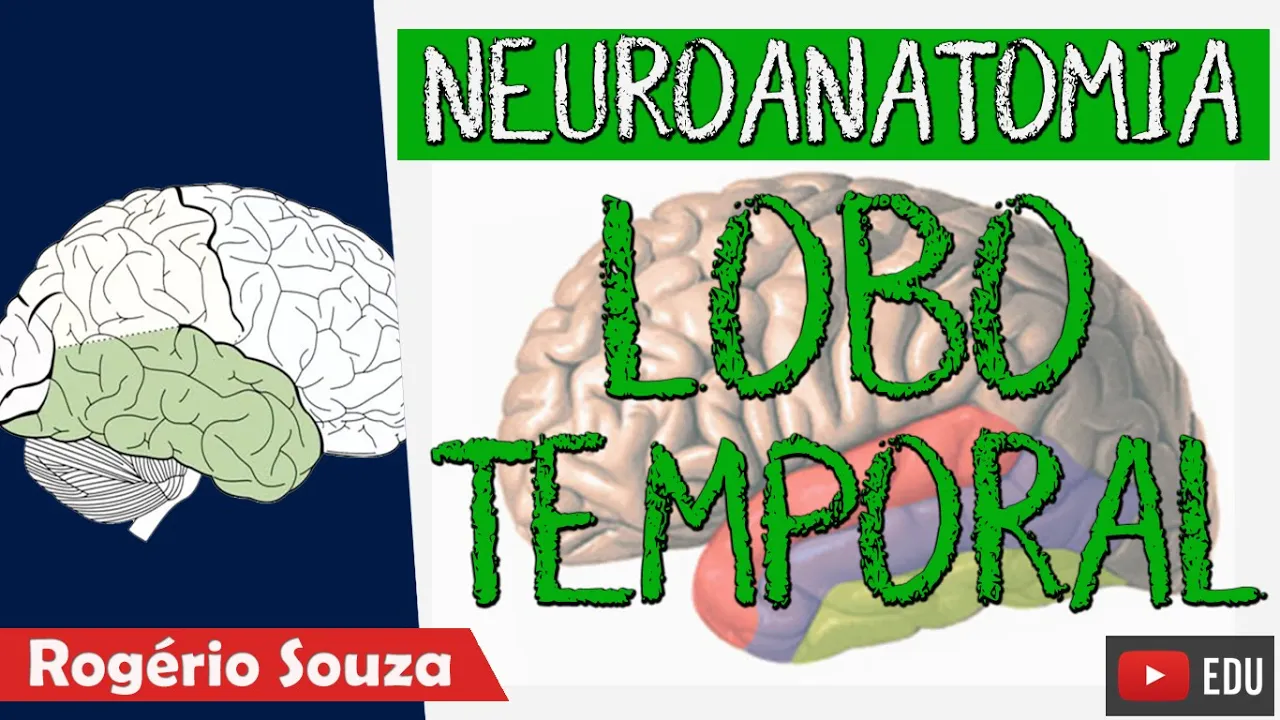
Added:Basic neuroanatomy of the temporal lobe, particularly the structural relationship between the hippocampus and the entorhinal cortex.
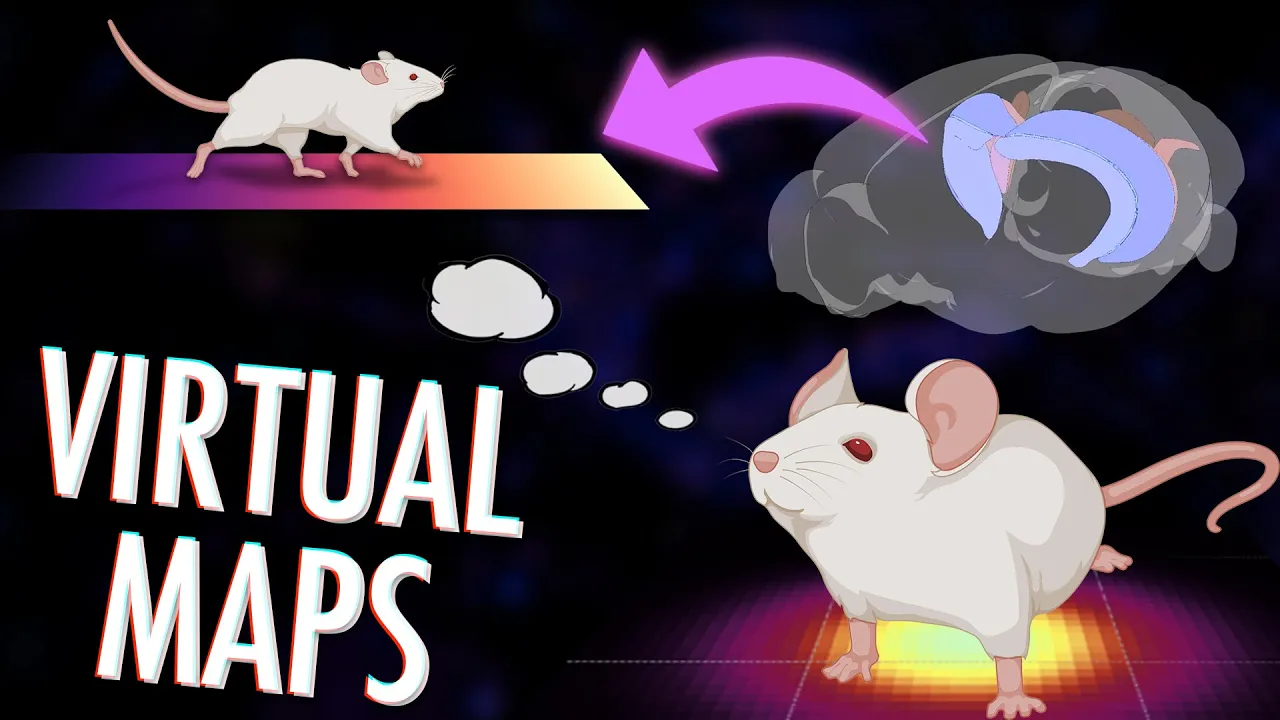
The concept of place cells, discovered by John O'Keefe, and how the brain uses specific neurons to represent particular locations in space.
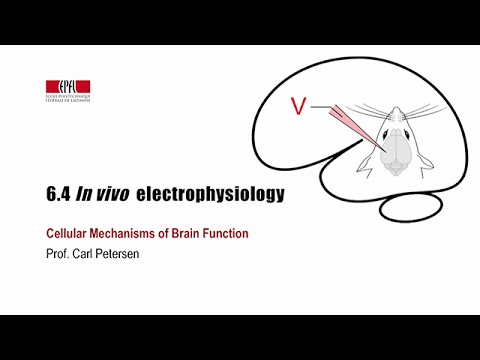
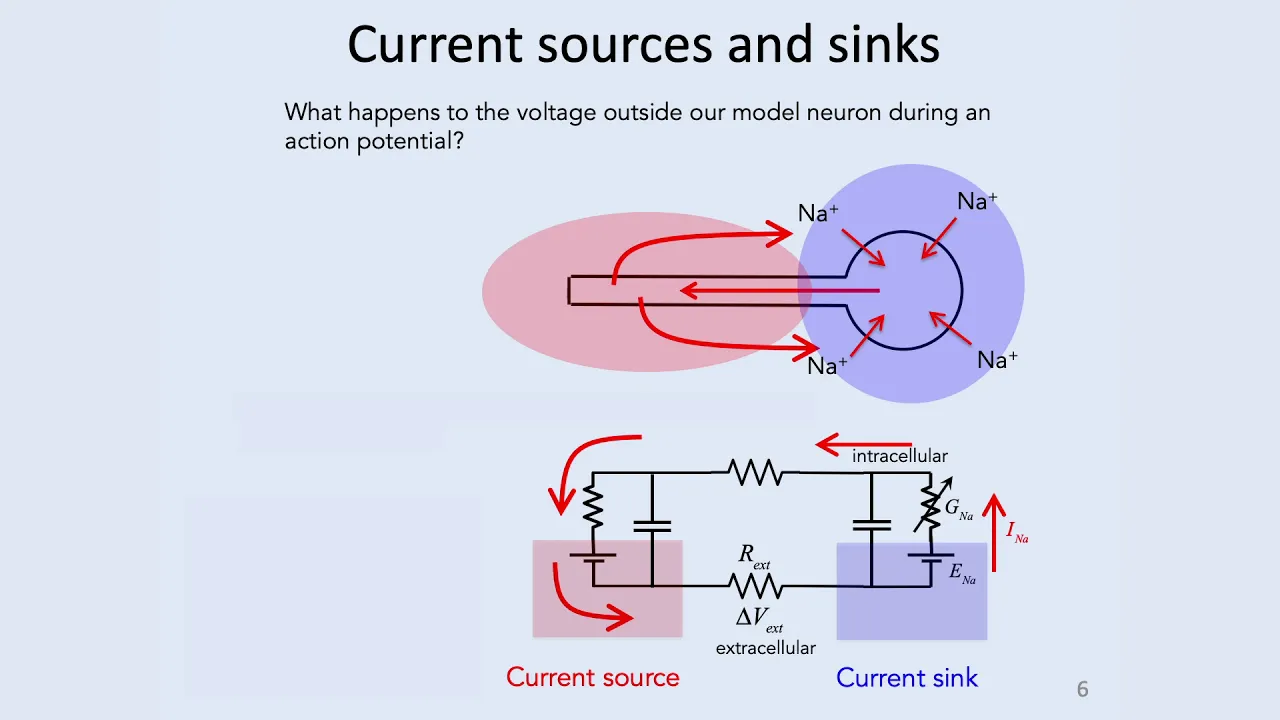
Fundamentals of neural action potentials and extracellular recording techniques used to map neuron firing patterns in moving subjects.
An introductory understanding of Alzheimer's disease pathology, specifically how early neurodegeneration affects cognitive functions like spatial orientation.
Computational neuroscience models of grid cells, including Continuous Attractor Network (CAN) models and how they perform path integration.
The integration of other spatial cell types, such as head direction cells, border cells, and speed cells, to construct a complete cognitive map.
Clinical diagnostics and translational research using virtual reality spatial navigation tasks to detect early-stage Alzheimer's disease.
Applications of grid cell mathematics and neural coordinate systems in artificial intelligence and robotic navigation algorithms (e.g., SLAM).
21.2K views250likes5:05Original Release: 2011-01-25
People had been there before.
Everybody just said no, there's no space signal in this area.
When we made lesions in hippocampus - - which is a structure that was known to contain place signals surprisingly those - lesions really didn't remove much of the placing node and that over a few years - led us to go out of the campus into a structure called entorhinal cortex which - - at that time was completely unknown territory and then we put electrodes in - there and recorded activity and then first saw that there were placed signals - there to showing whether that was in the room but more importantly those signals - actually formed a very regular pattern and that was the beginning of the - - gridcells. And then later we found that that could be a part of the way the brain - - forms a map.
What was so fascinating with this is the mathematics.
You could fit equilateral triangles between 3 & 3 spots you got perfect - - hexagons because if you put round objects and you try to pack them as - close as you can, you get text at once. And that is what the brain did with - - computing space.
The grid map is an empty map so it's like longitudes and - - latitudes without them up so you have a coordinate system. And then you have the - - communication with the hippocampus, where you have the memory and the memory for - - the landmarks for the environment for everything that is put on top of this - - coordinate system.
Maybe you can say that the similarity to a GPS is that the - - system uses the rats position and movement speed, but doesn't care about - - what it looks like around it just uses the change in position just like the GPS.
*sound of the cells* We listen to the cells and when a raft is going into these fields where in - - the environment, where the cell is where active, then you hear this really high - - popcorn sound, and it's so rewarding if you have been searching for cells for such a long - - time, and you hear this popcorn sound - it's just fantastic!
Are we listening to your brain cells?
If something is useful in biology, it's used again and again - - and that is why we can see similar mechanisms in slugs for learning as we - - see in the rats and then the distance between a slug and the rat is huge - - compared fulfilling, genetically of course, compared to from from a rat to a human.
It's the same types of cells arranged in similar layers and each cell - - group communicates more or less to the same subsets of other cells.
Of course the difference in the human brain is that it's so much more.
Both the discovery of the grid cells and all the other work is a team work.
A lot of people involved, not only migrated on me. About hundred people have been involved - - to different degrees. It includes both students - - graduate students, postdocs who come here and really dedicated come with different - - types of expertise that are and merge together and create something that none - - of us have individually, and it includes a huge support team that then provides - - specialized expertise and competence that none of us have alone.
If if you have to train people over and over again, you have to invent the wheel - over and over again.
But if you can keep a very good technical staff, - - of course that's a luxury for everybody and it takes some of the stress - away from the researchers.
It's perhaps, in maybe a decade or two - - turn out to be quite beneficial to alzheimer patient, because this area that contains - - the grid cells happens to be the same area that is first damaged in many many - - alzheimer patients.
One of the first earlier symptoms in - - alzheimer's disease is that the patient starts to lose their sense of - - orientation they can't find their way.
In a more long-term I would think that this - - also helps us understand how the brain computes in general because this is one - of the first mental functions that you are beginning to understand.
Of course we don't know, and it's extremely risky.
- (Isn't that the fun of it?) - Yes!
Up Next
95:16
Grid Cells and Neural Maps of Space – Edvard Moser (Nobel Lecture)
@aoflex
4.9K views•2014-11-03
21:55
Deciphering Neural Circuits Controlling Anorexia in Mice | Richard Palmiter
@AllenInstitute
2.3K views•2011-10-10

4:10
Vagus Nerve (CN X): Anatomy, Nuclei & Functions Explained
@Alilamedicalmedia
305.2K views•2022-10-31
13:03
How Exercise Benefits Your Brain: Science Explained
@TED
11.4M views•2018-03-21
Related Study Plans & Knowledge Roadmaps
Structured learning paths in Neuroscience
neuroscience
Appetite Regulation: Brain Circuits & Hormones
01Foundations of Endocrinology and Brain Anatomy
02Introduction to Energy Homeostasis
03Peripheral Signals: Leptin, Ghrelin, and Insulin
+ 2 more learning modules
14h5 modules
Explore Roadmap
neuroscience
Neuroeconomics: Value, Risk & Brain Mechanisms
01Foundations of Neuroscience and Brain Anatomy
02Introduction to Neuroeconomics and Subjective Value
03Dopaminergic Prediction Errors & Reinforcement Learning
+ 3 more learning modules
18h6 modules
Explore Roadmap
neuroscience
Spatial Navigation: Cells, Grids & Brain Maps
01Foundations of Brain Anatomy and Memory
02Place Cells and Head-Direction Cells
03Grid Cells: The Brain's Coordinate System
+ 2 more learning modules
12h5 modules
Explore Roadmap
neuroscience
BCIs: Neural Decoding & Prosthetic Control
01Neuroscience Foundations: How the Brain Signals Intent
02Signal Acquisition: Recording the Brain's Activity
03Neural Decoding: Translating Brain Waves into Data
+ 2 more learning modules
25h5 modules
Explore Roadmap