














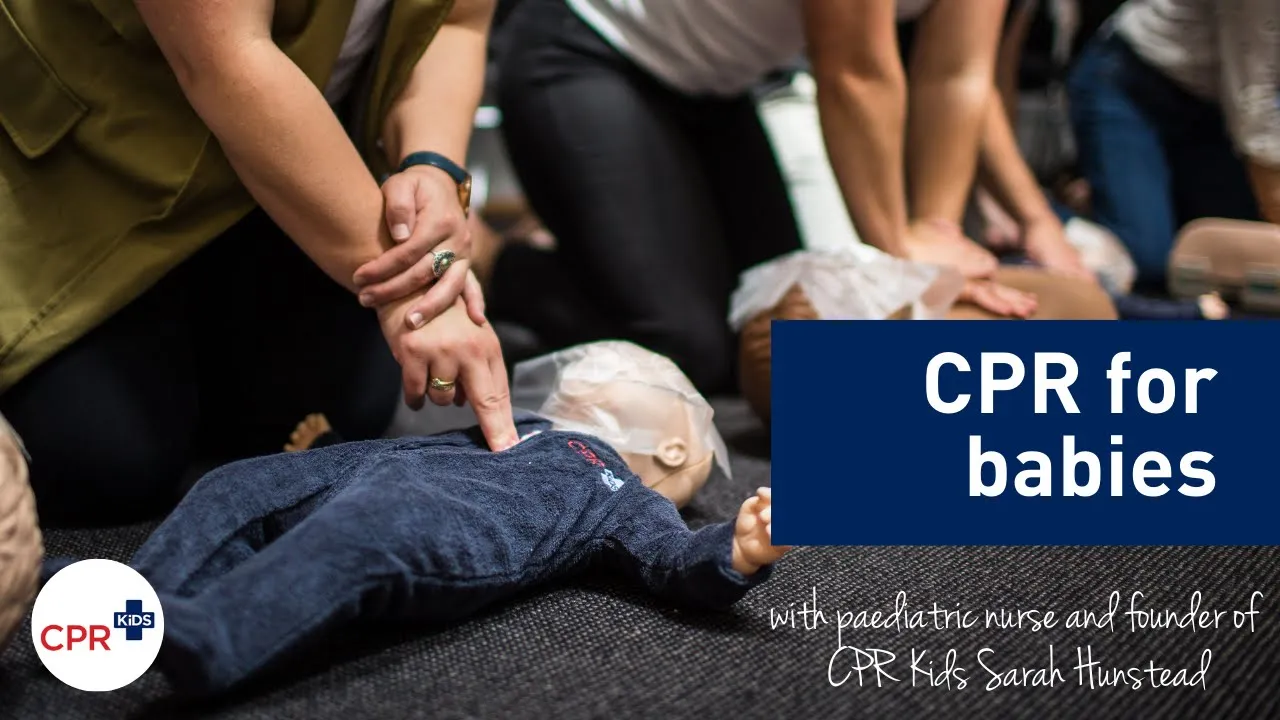




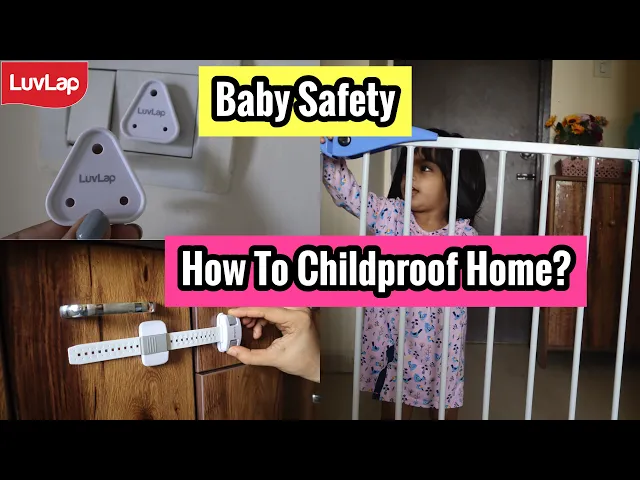

This video teaches parents and carers how to prevent, recognize, and respond to choking in babies and children. Prevention includes keeping hazardous objects (like button batteries, coins, small toys, grapes, and sausages) out of reach, cutting grapes into quarters and sausages into batons, and keeping children seated and under direct supervision during meals. Recognition involves distinguishing normal gagging (where children can clear food themselves) from true choking (where something is lodged in the airway causing distress). Response protocols differ based on age: for babies, lay them face-down across your lap with bottom higher than head and perform up to five back blows followed by up to five chest thrusts; for older children, use the same technique but hold them in your arms. Always call emergency services if the object doesn't dislodge after initial attempts.
Infant and Child Choking First Aid: Prevention, Recognition and Response
Added:we are talking about choking choking prevention recognition and response when it comes to prevention of choking there are three key things that we need to do first of all we need to be aware of different objects around our house that we need to keep out of reach of children and here are some common objects that i've actually collected from around my own home you can certainly see that you know there are so many things it's almost anything in your house that a child can choke on everything from lollipops to pieces of lego certainly sometimes things we don't even think about like leaves can actually cause a flap over a child's airway and certainly things like hair clips coins and most importantly we need to remember to keep button batteries out of reach because not only are they a choking hazard but they can also cause terrible burns in children now the other thing that we need to consider when it comes to food is the size of what we chop things up into particularly grapes and sausages now often when we think of a grape that is the perfect size to lodge in a child's airway so please always remember chop up the grapes chopping them in half it's still that perfect spherical shape to lodge in a child's airway please make sure that we're chopping them up into quarters and if you don't have time to chop them into quarters just squish them we just don't want them to be that lovely round shape when it comes to sausages often we'll just cut them into these circles thinking they're a nice small bit for a child but once again that perfect circle is the right size to lodge in a child's airway so always chop up your sausages into batons it is better for a child to chew on one of these than to have that perfect circle lodged in their airway think about other types of foods as well young children shouldn't be eating whole nuts popcorn can be quite dangerous to lodge in an airway too perfectly fine for older kids but be really cautious in the younger ones when it also comes to prevention what i encourage you to do is get your children to sit down to eat children who run around with objects or food in their mouth are more likely to choke and also make sure you keep young children in your direct line of sight it can be really tempting just to nip off and have a quick shower while your child is settled in their high chair but what's really important is that you remember that choking can be silent always keep young children in your line of sight watching them while they're eating when it comes to recognising choking in children it's really important to understand that choking is different to gagging gagging is a completely normal response you may notice when you introduce solids to your child that you know the first little while when you're doing that you'll pop a spoonful of food in their mouth and they will they will gag they will vomit that food up but then pick it up again and start eating it again and it's disgusting but it's completely normal so remember your child when they gag they may get a little bit red in the face they may have watery eyes they may cough they may vomit that piece of food up but they're not distressed and they're able to clear it themselves choking is different choking is when something is lodged in their airway or esophagus they are in distress and we need to help them if your child is choking this is what you're going to do firstly if they are unconscious you need to go through doctor's abcd if your child has what we call a strong effective cough that is they're able to take a big breath in and a big cough out then what you're going to do is encourage them to keep coughing now you may be tempted to go and stick your fingers in your child's mouth and try and dig out whatever is in there please be cautious because if you do this you may push that object further down if the object is at the front of the mouth and you can easily remove it please do so otherwise leave it there if their cough is strong and effective simply encourage them to keep coughing and watch them closely if your child has an ineffective cough or they're silent so they are or that's not a strong lung full of air in or out then we need to intervene we're going to take the baby out of the high chair or whatever it is that they're in we're going to lay them down across our laps hold them so that you're not going to drop them ideally we want their bottom higher than their head and we're going to give back blows and chest thrusts a back blow is not a whack on the back using the peel of your hand between their shoulder blades it is a firm blow to expel the air out of their lungs to try and pop that object out we can give up to five back blows followed by up to five chest thrusts so one two three four five checking after each blow to see if the object has come out if the object comes out after the first one you don't need to give all five if the object has not come out turn your child over once again bottom higher than their head and holding them firmly we're going to give chest thrusts two fingers for a small baby heel of your hand for a bigger baby or child on the centre of their chest over the hard breastbone this is not on their tummy we are not doing the heimlich maneuver in children we're going to give up to five chest thrusts one two three four five if that hasn't worked turn them back over go back into your back blows again and continue five five five five until either the object comes out or they become unconscious where you're going through doctor's abcd if after the first five back blows that the object has not come out it is important that you call for an ambulance immediately to do back blows and chest thrusts on an older child who is too big to put across your lap simply hold them in your arms back blows between their shoulder blades one two three four five and for chest thrusts simply support them hand on top of that hard breastbone remember not over the tummy and up to five chest thrusts one two three four five if your child is taller and you can't support them properly simply get them to sit in a chair to do chest thrusts or even lean them up against a wall
Up Next
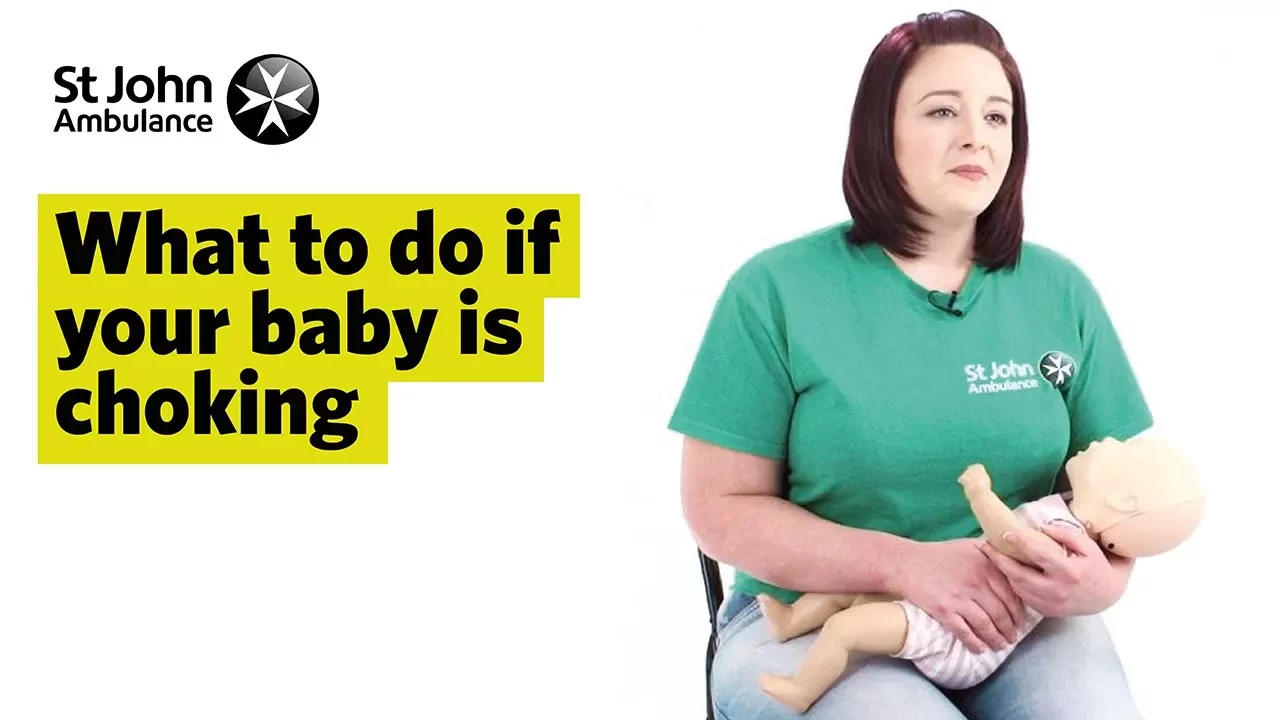
Baby Choking First Aid: What to Do & Emergency Steps
@stjohnambulanceorg
1.3M views•2016-09-07

Triumph of Orthodoxy Icon: Byzantine Art & History Explained
@BenCallan
2.1K views•2024-08-06

FastAPI vs Flask vs Django: Choosing the Right Python Web Framework
@TechWithTim
302.5K views•2024-05-26

Game of Thrones Opening Credits: A Cinematic Analysis
@gameofthrones
46.3M views•2011-04-18
Related Study Plans & Knowledge Roadmaps
Structured learning paths in General & Interdisciplinary Studies