









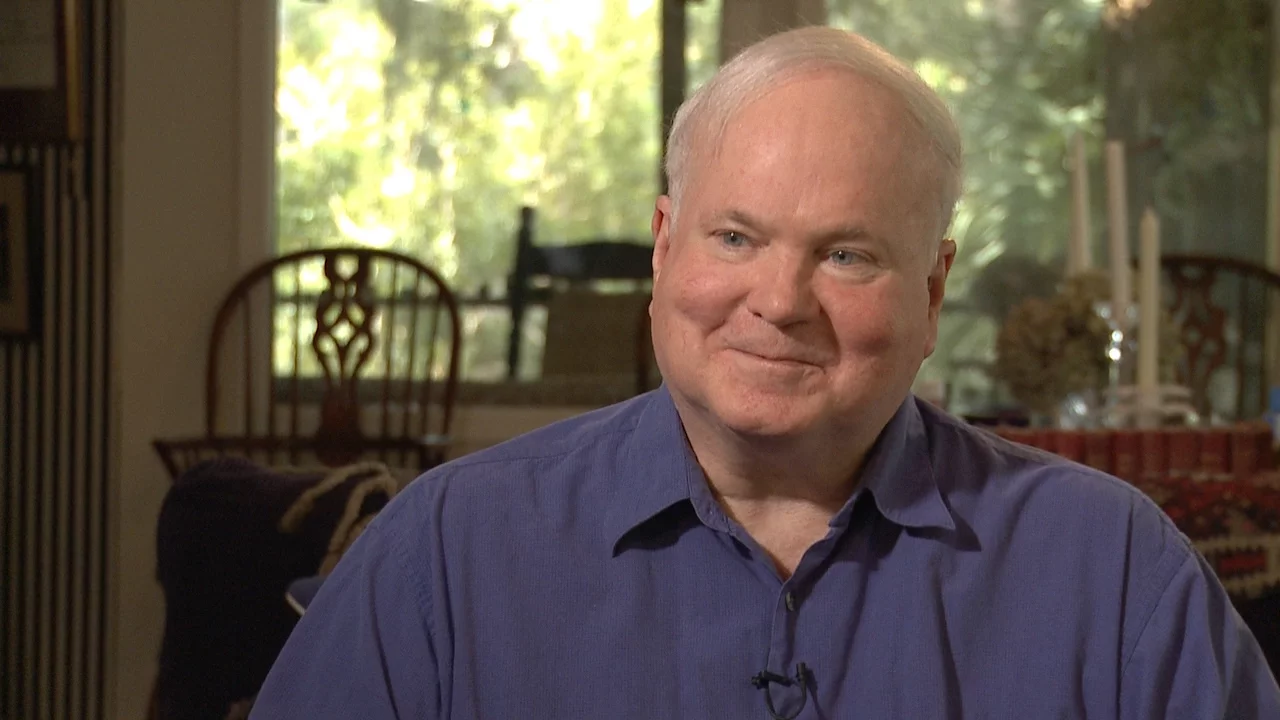












In Pat Conroy's The Prince of Tides, Luke Wingo embodies Joseph Campbell's hero quest archetype, serving as the central figure who protects his twin siblings Savannah and Tom from their abusive father Henry Wingo; despite being only slightly older, Luke bears the emotional burden of their traumatic childhood, becomes the primary activist fighting to save their home Melrose Island after his mother Lila sells it out, and ultimately sacrifices himself in a train accident that finally breaks the protective circle holding Savannah and Tom together, enabling their eventual healing and return to the Low Country.
Pat Conroy's The Prince of Tides | Book Club Discussion
Added:Familiarity with the plot, major characters (Tom and Savannah Wingo), and setting of Pat Conroy's 'The Prince of Tides'.
Understanding of the literary genre of Southern Literature, including common themes such as regional identity, family legacy, and historical guilt.
Basic knowledge of psychological concepts surrounding trauma, coping mechanisms, and generational dysfunction.
Awareness of Pat Conroy's biographical background and how his personal life influenced his semi-autobiographical writing style.
Comparative analysis of 'The Prince of Tides' with other seminal Southern Gothic and Southern literature works, such as those by William Faulkner or Carson McCullers.
Critical evaluation of the 1991 film adaptation of 'The Prince of Tides' to analyze how visual media translates complex literary themes of trauma.
Advanced study of the role of memory, narration, and truth-telling in psychological fiction.
Exploration of Pat Conroy's broader bibliography (e.g., 'The Great Santini', 'The Lords of Discipline') to trace recurring themes of toxic masculinity and institutional abuse.
641 views12likes1:04:32Original Release: 2019-08-21
welcome to the is not only an a storyteller and a writer teacher but also as someone who can talk about history and and those of you so we're going to talk about a book tonight that you have obviously heard of or how many of you is this favorite the title of this book is not my summer in New York how many of you have read recently did you remember how intense it was the Prince of tides and so those of you who read recently remind me who is this is a book about circles circles are something important to Pat Conroy in his writing in his life it's something that we talk about a lot those of us who and positions to talk about having his work from time to time if you look at the very end of the book the last say almost is on page 566 a few words from what ought to be the truth and she says I'm going to make it right so this that should be with those words of Savannah's that should be the end of it but it is not okay that's Pat Conroy messing with us that's Pat Conroy who before this book came out in 1986 had already published three novels that had already become three full-length feature films and two about Hollywood this is the first grown up of Pat Road this is the first book that involved sex and a love story those kinds of themes is wide Conroy says that ought to be the end of it but then he tosses in this cheesy little paragraph about lowing to Stevie Lowenstein I know in my heart of hearts that he that he knew that Hollywood would love that but the twins of Bathsheba and their four other Luke who was not even one year old who kept them you might argue alive when Sarah dies their mother passed out [Music] Sarah Jenkins passes on in it's Luke's little body nestled into there's that is the comfort for them through that first night of their lives and that continues to be the comfort that circle that would lead that beautiful image that doesn't come until late in the in the novel itself it is on h3 I don't want to read a bit of it there was one ritual we developed this is the young witness when we were very small that we revealed to not another living soul whenever we were hurting or damaged or sad whenever our parents had punished or beaten us the three of us would go to the floating dive into the sweet water swim out into the channel and we floated together our hands all of us together and break the surface of an explosion of sunlight and breath but on the bottom I would open my eyes to spot them shadow and see the demo figures of my brother and sister floating like embryos inside me I could feel the dazzling connection between us a triangle of wordless uplifted love as we rose touching our pulses touching toward the light and terror of our lives diving down we knew the safety and silence that motherless of that motherless fatherless world only when our lungs betray us we rise so that unity that unity that goes unbroken all their lives until Luke is killed through everything through the abuses everything there is Luke who is the stalwart Prince there is Lu who is you guys know Joseph Campbell the hero with a thousand faces if you don't know it please get to know Joseph Campbell was our leading world mythologist but he writes about this monolith the hero quest which is played out in this book study very very very briefly the hero hits the call or the call was thrust upon the hero hero sets out on his or her hero quest there are dragons to slay along the way there are helper figures there must be a delving into the belly of the whale when darkness is battled and eventually the hero rises again and must assimilate back into society if that is possible every one of us is on Hero Quest each of us is on this quest some of us through history in our lives are more elevated let's say in their hero quest when you take Joseph Campbell's tenets of the hero quest you can come through this book and you can write a scholarly paper on it published in the southern literary journal a few years back I did this in honor of Pat I did this or Pat I did this because I believed and still believe there is not enough critical material without their own Pat Conroy's work I believe that his work merits far more scholarship and has written about it but this you see is what happens very often with academics such as I who trounced upon the notion that writers who are great commercial successes and have anything worth writing about in serious ways because archetypal scholarship is something that I enjoy and because I saw it so readily with Joseph Campbell yes I focused on the Prince of ties as as the hero and when we're done with this I'll direct you how to go beat up you who are who are aficionados of the Prince of tides might be interested to check that out but so Luke is the one each of the three of them and remember they're that close in age it's not like Lucas the great big brother he is slightly older once they go through that ordeal in Atlanta with Callanwolde their children Luke no doubt the house goes without saying he goes back to Korea Luke is left as the man of the house it is Luke who bears the brunt of the burden emotionally and otherwise of this horror that is coming to their lives and obviously missed so much school they failed second grade and so throughout their growing up period the three of them were in class together it was Luke from the outset it was Luke who acts stoned that stood up to the tyrant figure Henry window when he the hero of the shining blade Campbell writes okay that it's Luke who is able to act that same here he's seven years old maybe he's turned today by them in Atlanta when Callanwolde was trying to get into the house it's Luke who picks up poker and does something when he comes back it's finding Luke who is able to can act Tom you will recall is petrified he's frozen he tells us this he cannot act Savannah goes ballistic it's it's Luke ooh when these twins turn ten and Henry can't be bothered to come sing happy birthday I like watching Leave It to Beaver engages in this who takes and kinda blasts the TV six times and says that that wonderful dark humor wealth it's Luke who is the one in those years 52 to 56 or 54 to 58 whenever it was when there were four steel horns Bam Bam Bam Bam whenever you that are put in the freezer until I can get home from the hospital it's Lou the one who can pass the wherewithal to keep himself together through this and when we listen let's fast-forward to why Allah has sold them out towards the end of book the colleton nuclear thing is coming she has sold out Melrose island the whole sold out it is a Luke who acts it is initially engages in verbal activism trying to make a stand trying to convince these people that this place is worthy of fighting for this beautiful place where we sit right now you know the past calling it makes the stand it's Luke who then amps up the activism who was the Navy SEAL who knows these tactics in order to ensure that he could come back to the low country of South Carolina and live out his days and what he deemed to be the gardener is now they go along like she Luke tries to make a stand sadly heartbreakingly Luke seals his own fate when he doesn't know that train is coming that one scheduled train that causes for them to lose their lives and but he lives those last days as one going back in time he lives in environs and Savannah and come to him and tell them they made that deal with the FBI Luke says sure I'll be on ahead Luke knows he's already told us that he would rather dive and we've been going to jail and Sally suggests that even be a conscientious objector at the homeplace on the foundation of his family and so this happens Luke dies and Savannah and Tom for the first time fall apart three days after Luke is killed is Savannah's first suicide attempt Tom's nervous breakdown comes not repeated every year of their lives physical emotional abuse not the culmination following their senior year in high school when they're all of the precipice of heading out into the wide world Savannah off to New York and Tom up to Carolina to play football and blue world about to open to these three who have survived their childhood August bird in the dog days comes and that day of Horrors it ends with three rapes and three killings and not just killings but one with a Bengal tiger soaring through the door to take one man's head off and Luke with the marble statue of Jesus decapitating his rapist and beating his head to a fine unrecognizable and Savannah blowing her rapist and then Caesar and the cleaning up of it all and the burial of three guys and be getting ready for Henry to come home for supper none of these things have been the breaking point it is the death of their brother sometimes that has broken the circle and then we come to the opening of this book this is how the call that Savannah's had another suicide attempt is going to New York to take this role of ship all right brother come say sister it's obviously himself needs saving as well Tom and Savannah are on their own he requests certainly traced this he requests and then very very easily the Prince of tides this poison Politan he was so connected to this place and I don't know how long it's been since you rushed on your Mallory's version there is that scene at the end where it is see and Belvedere says to King Arthur what shall I do how can I go home and Arthur's counsel to him is basically heal yourself and sold yourself and so this is what we find at novel's end we find that Tom is able to save his sister who has gone through this last bout who is made it out of the belly of the whale again we have to stay Luke's name we have to learn to you honor him make him live in Newark I threw my memory of him but we say those two must now come up from out of the water there's not the three of them to hold hands anymore the two of them going to have to bring the surf back together hold each other's hands and come up with food in their hearts with their and not denying the death not depressing as they have been so school so well trained so I'm gonna okay so I can say a whole lot about this book and talk about it segue into it from so many different angles but I will miss taking someone stop this just me and let's open it up to ways that you'd like to talk about it questions that you have hang on one second and now that one thing we could do those of us who are from around here it is talked about so many of the stories you know Carolina Stovall how many of you grew up knowing about Carolyn Stovall well my uncle was a shrimper so there wasn't a lot of golf in South Carolinians who went to see the tiger and the tiger pathetic creature cage and you can bet that when kids got to go to state capital you know they have their mom and daddy to take me to see happy to hire Station tutti-frutti now some of you view for Tony and some must remember to be fruity who comes to tea fruity who enlivened and brought joy to so many lives for so long in paper leading the parade you know blowing his whistle escorting people across the street 2d 3d only died at 19 I mean in 2013 he's not been gone from us very long so there are these these characters these places that we that so many of us and then the filming of the movie right I'm sure many of us have these little anecdotes to tell so I'm saying that to say I don't know how much time we want to spend with in fact how much time we want to focus on the book itself but let's hear what do you want to talk about what do you want yes have much say yes I could listen to you for your perspective this is a very esoteric question I reread the book in anticipation of coming I hadn't read it for about too many years and I was really struck by the southern way the book that Savannah wrote that was not a children's story in my estimation I mean how Conroy's first quote children's book right yeah that is of course the retelling of that horrid day the rapes and killings but of course Savannah in titling this book the southern way it's just when Savannah has taken on Renata as this woman who existed and who was Savannah's friend and who helps the Savannah get through a bad passion who then threw herself in front of a train and Savannah is taking on her identity and thinks that she's going to to flee herself by tip by doing this and moving to the west coast or something and so she she publishes this book called the southern way that is that is yes a very dark and when it is very curious isn't one reading this book in this novel the Prince of tides there is that text published I believe by Random House wasn't it so there's a readership for this book but yes you must wonder how this book was marketed and yes what it's not just Grimm brothers dark it's it's very it's dark very much an adult piece of writing so I don't know what do you think well I just kind of wondered if if one pad was writing he just he just didn't know how to bring that story forward in the book you know if it was something he struggled with and I don't know if he knew your conversations with them you might have had any discussion about that cuz reading that the second time I was like wow you know it did strike me that strange when I read it the first time but yeah there's some life experience behind me oh that is a mystery to me as well as a mystery we had so the Shrimpers daughter was Savannah's first book of poetry the Prince of tides Savannah's second book of poetry so there's this kind of you know frame tales or thing here where in this novel entitled the Prince of tides we have this poet entitled the Prince of tides by the way one thing that I wanted to make certainties to say to you which is the reason I knew I wanted to write about when I wanted to write a scholarly article was it was it was has to do with this guy James path was a student of his I was a student of his it's - it's the connection that caused Pat and I to become close friends not just friends okay part of the circle has to do with books everywhere Scott Road Rash part of him you haven't heard of him hear of him get these to your local bookseller and buy I would start with one foot in deep there was a Dickey conference some years back in Columbia South Carolina Sandra Pass darling wife Sandra King Conroy couldn't go so had asked me to go and be his date for the weekend and we were all staying on campus in Columbia Inn and Pat said the first item we should come down for breakfast tomorrow there's somebody I want you to meet mr. Dave so Pat Conroy literally introduced and I read this Ron's first book well guess what this book deals with the same kinds of things that this book deals with I never thought anybody would take on the kinds of things that deliverance does about damming the river and all the repercussions about Ron rash writes about it in one foot and even in this book was my liberation to say oh wow maybe you can Ellen maybe you can write about the low country of South Carolina maybe there's room enough for somebody else to write about okay so I knew I wanted to do this piece on print sometimes but I didn't know exactly would so in January 2004 I was interviewing packed Pat my friend I said Pat it on let's talk about this text so in the course of this interview Pat told me the most fascinating thing I could have imagined you know how autobiographical Pat Conroy is in his work Pat says Luke Wingo is the only character in that book that has no direct correlation to anybody I know he is not based on anybody I know he is a total fabrication using total now we could talk blocks and I fought a fair amount about who Luke Wingo is to act on what part of Pat Conroy is able to become the hero I think incredibly fascinating and so in Pat told me that that is what calls me to zero in on on Luke Windows specifically and do my next okay first one and they all made sense to me based on his life experience that those would be Prince of tides which I've been waiting I mean I heard it seems such a departure I'll give you my two cents so the water is wide memoir Foskey the Great Santini obviously with close ties to pilot with characters based on is his family the Lord's discipline based on a fictional ization of his experience at the Citadel the characters in this book they're still the tyrant figures father okay they're still there I mean remember Henry Wingo yes he's a shrimper but he was fight of how to write and world war ii lila isn't is another rendition of lillian you know these various imagining specializations of the emotional truth of past parents i certainly believe that the bond even though there are three of them is the condensed version of pass brothers and sisters and their intense and abiding love for one another so I think it's still the same the same story it's certainly the same story of the the young male protagonist and some rite of passage young but you know coming to grips is going through various rites of passages they all have through this book but place also is that so you got the Citadel you got back did you got the low country of South Carolina that acts so much as character in this book let's go back to the geography be starts and and back to the Prince of tides yes it's it's Tom's geography and it's everybody this Talitha has to come back to the low country everybody comes back low country but it's still the Prince of tides who is most closely connected and I love it that pat begins with those words of Tom Wingo but it's the Prince of tides who's the wound he is the land just like Arthur is the land in when the land and estate when Arthur's take the land estate right when the land when Luke when the land is suffering when the land is being robbed with them Luke and so I my fault is it's personal trauma and just I mean I kind of imagined them just pining to be here you know it seems righty some of it I mean some of the language just now that I live here and know this place also know so I kind of felt that way about it because I agree with you it was when I read it after reading these other words I went where'd this come from that yearning for don't recall that you know I tried to hear lately thinking about this and how we might possibly do this in an hour and thinking about that that period where we did talk about a rummage through a little bit trying to find those notes and I haven't come across the myth I'll get back to our and so Renard in regards mom do a lot to help coach Wingo's coach we go regain his self-esteem right he's been he has lost that very much knocked down as a man as a as a figure of the leadership getting fired with self-exile since Luke's death you know he's he has retreated into himself and away from his wife and so working with Bernard teaching Bernard being that leader that figure deserving of respect to this young man along with his you know the relationship that develops with Susan his mother and and her making him feel like a man I mean these are the misses they are definitely in this Hero Quest it is as Campbell describes it sure I can see that I can see that I can see it as a restoration of self I mean he has been the teacher he has been the coach up until he got that's what you wanted to do that's what he has done but sure I can see that filling in taking on helping fill up some of the empty space left by by taking on some of those attributes I mean we are we are witnessing witnessing him Tommy to come back to life I mean he by his own admission and he tells us a game to the game sickly I'm dead inside I'm Michelle the man I am wash up on the nobody on enough extremely so yes a strange question we know that Lucas the Prince of tides in the movie when the last thing that Spanish says to Tom before he goes back home is that Thomas the Prince of tides and does bother me like crazy honey we can't help I know in the credits if this.type worked on the screenplay with Barbra Streisand and I just wonder why he allowed that to happen that really bothered me well I think that goes back to what kathy i don't know that he had much in the way maybe someone else can speak to this more than I could stay but to my knowledge yes to some degree that second marriage till the newell was a trouble time does he think that had any influence on the book well I should think that everything there's life in one way or another good or bad or otherwise would have very interesting Kathy would you please [Laughter] grandma's standing so Pat's grandma is very much a mess I don't know so much but yes yes they are wonderful we could go on and on we could dive into the dragging of the cross to the waters this wondrous this wondrous horrible one okay so in the Joseph Campbell hero cycle you have the universal mother who is womb and - we certainly see this in lotto we have Lila who gives them magic Lila who creates the the imaginative Savannah the poet who gives loop disability to narrate this story to us with such beautiful lyricism okay Lila who teaches them about the flora and fauna of Melrose Island and makes things wonders Lila who sells them out Lila who in the end becomes far more archetypal II villainous didn't dream to be villainous he was just a son of a man who abused his children and that heartbreaking point where we find out that in part he was like he was because he didn't want to be like his father a man whose wife left him and that's what I mean about Talitha this wonderful I love this woman three laps around the world in three years independence doing what she did is wonderful except for the fact that she left this little boy at home motherless okay it's hard to come to terms with that at that young age she abandoned he we go and Henry Wingo an attempt to make sure that Lila never left him felt that he needed to be strong well how he show strength clearly was overboard to say the very least that is where that so all these characters in their wonderful larger-than-life I mean Theatre of the absurd the whole book is theater of the absurd there is that complexity it's not just that to letha's the grand wanderlust comes home with the fabulous souvenirs and Tails she has been rounded out Amos you know Pat does this beautiful thing in this book where we start out and we hate windows as we should this horrid abuse of man and we feel closer to Lila the magic created and somewhere along the way about midpoint we get to see Henry we can go aboard his life and see that he's a different man on the water there's no violence on that shrimp boat there's no publicness he isn't good father there it's a long about halfway there yet in that same set of chapters we we see Henry not just as tyrant monster but as schmuck the guy who comes up with all these get-rich-quick schemes aren't even not so quick the guy who buys the service station the one on that corner you all know that corner if you grew up in a small town or maybe not even that small you know that corner where nothing's gonna make it service stations but Henry did it and we and Sony little by little began begin to open ourselves up to this bad man as a more sympathetic character it's masterful what Congress is doing there with the narrative with causing us little by little to pretend to have to recognize the humanity in this monster this man who was once a new boy abandoned by his mother and at the same time we get the subtle shift that starts to do with with lot of trying we feel for her wanting to be part of the ecology recipe it's just and all this kind of stuff but we begin to see her and how she operates and we we witness her humiliate him we're happy for it at first we love it when he eats that dog but when she humiliates him and he's trying then in past panting up tiny increments she has done the unforgivable thing sold out the homeland and on at home she becomes far far greater at the top the book is done Henry's out of the pokey injuries you know he's gonna be a good granddad we see the reenactment of the Great Santini the reenactment on our way back to the familial connections so like we could talk about that we could talk about who you know we could pull away away from our local connections and so long and talk about narrative but what else should we talk about bad father question an observation that you've been hoping now rose as far as I know is a fictionalized version of one of a number of these hammocks we call them here in the Low Countries small in the Marschallin stop in the rivers not far offshore melrose of course is one of the many local place names not local to right here but you know there's no rose it's one of the sections of the fuss be just like colleton that we're calling Buford that you know our neighboring Collinson County and so on he started doing this in as early as the water of life has been replaced by when he called the bus chemical in Canaan he does with the geographical names people found be pretty anyway maybe perhaps on you anybody in here influenced to make the pilgrimage and stay the Gaza and I'm seeing one two three four five it was the six that's why we came to look came to look and stay you were asking about observations and we're talking about Lila I love the way that he slowly showed us her nationai shion's in terms of how especially when she was taking care of Reese's wife I mean I was just like oh my god but the image of the houses going down the river on the barges I mean you know being sold down the river kind of thing I was like priceless you know just and I mean I knew the story of Allerton and and when I first read the book I didn't so you know coming back to it knowing more about the area and the history but you just see the whole image of just those base Street mansions it's in the street of tides yes oh he's coming down the river I just thought was a great touch yes yes so back to those two life things some of you may not know who aren't from around here that this thing that happens fictionally in this book of colleton the town being dismantled abandoned for this is very much based on just a road or Bartlett's span a river site that there was a bus who were from here grew up with and it was always this scary you know drive through it you know all these signs don't stop don't you know villainous place and to know that this this town Ellenton I'm Ellen so I've you know this is to me is the and now there's new Ellenton right because they dug up the graves and they you know they Visser rated the town clearly the house is going down the river it's just something I wanted to check on the strong mansion on the fusty where we have been late was some of you remember this to that house was taken from st. Simons down the river it was quite a sight to see that house coming down the river that happened in 1986 rereading the Prince of tides this time and having the strong mention in my mind has caused me to want to go back and research what I can't remember about the strong mansion is how long we had anticipated had to spend several years that they were talking about moving this place to de fust heat and if stone did that work its way into past mine and and manifest itself with that scene of those Bay Street mansions River or it happened in 1986 what month did the pensive tides come out dude did those corporate people beat the Prince of tides and thing yes yes but when his books first came out then that brought some popularity and something to this area I wonder if even though rows place when the developers made Melrose Place it wasn't from this story I I believe that on the old class it was still going that that was one of the early place named damaris under the second thing he also would have been aware maybe of houses moved from Paris island to Pigeon Point hearing the names read them in the newspaper you know it has it has a ring what else to tell us and I said this will only take one minute but I could make it but I get to tell him with his birthday party at the air so and he said I like that story but what brought us here was my husband was a Navy pilot and with the stage we were he was stationed and making Siddeley and so we went to the base theater we sat and watched on wooden chairs the water is wide and then emotional and then I went straight seeing all the beautiful country scenes we knew we were coming back well you can call it suicide I think that was very much aware that he would not be leaving Melrose I don't I don't think of it as suicide I think of it for an hour she says so she gets on her cellphone this is early nineties she calls her manager manager call sheet police - police car from a friend on the radio says all right folks yes just just an observation every time I come over the harbor words thanking him for capturing I think many feel that way I think many people who did not grow up in the low country of South Carolina and even those who did who came to see their home place in a different way through his and their you Europe come here right yes I'm a dozen here and many people come from far away that if never been to be four before but they say when they drive in like from 95 and they first come to the marshes it's like their home it's like they've seen it a thousand times and they feel right at home as they drop in I've heard that over and over and over again because of reading because of our young and they City he paints such beautiful pictures in their minds that when they actually get here they've seen it which is quite a compliment yes it certainly is yes I mean let's face it our prince of scribes is the guy who writes about the low country of South Carolina it's great to know that so many thank you so much [Applause]
Up Next
35:12
A Streetcar Named Desire: Literary and Social Context
@drjainenglish
26.5K views•2020-04-01

40:06
Street Haunting: Virginia Woolf’s London Essay Analysis
@ExtraLiteraryAffairs
146 views•2025-01-24

6:08
Point of View in Fiction: First Person vs. Third Person
@magicalthriftyteacher
153.8K views•2014-03-31

15:25
1984: Orwell's Dystopian World and the Mechanisms of Totalitarianism
@AlternateHistoryHub
7M views•2017-03-04
Related Study Plans & Knowledge Roadmaps
Structured learning paths in Literature
literature
Graphic Memoirs: Visual Art, Trauma & History
01Foundations of Sequential Art and Visual Language
02Autographics and Processing Historical Trauma
03Visualizing Personal Trauma, Grief, and Graphic Medicine
+ 2 more learning modules
14h5 modules
Explore Roadmap
literature
Campus Novels: Evolution, Themes & Critique
01Introduction to the Campus Novel Genre
02Mid-Century Satire and the Post-War Academy
03Dark Academia and the Critique of Privilege
+ 2 more learning modules
14h5 modules
Explore Roadmap
literature
Theater of the Absurd: Philosophy & Plays
01Postwar Existentialism & Historical Roots
02Dismantling Narrative: Esslin & Absurdist Conventions
03Samuel Beckett and Tragicomic Existentialism
+ 2 more learning modules
12h5 modules
Explore Roadmap
literature
Revenge Tragedy: Justice, Madness & State
01Foundations of Early Modern English Theatre
02Anatomy of Revenge: Structural Conventions
03Psychological Complexity: Madness and Melancholy
+ 2 more learning modules
15h5 modules
Explore Roadmap