

















App Indexing is a Google feature that allows mobile apps to be discovered and re-engaged through Google Search by adding deep links (URLs pointing to specific content within the app), enabling users to find and access app content directly from search results rather than just the app store, which helps apps stand out in the crowded app ecosystem and drives both new installs and re-engagement with existing users.
App Discovery & Growth Strategies: Google I/O 2015 Techniques
Added:Fundamental concepts of digital marketing, including user acquisition channels, conversion funnels, and key metrics like CPC (Cost Per Click) and CPA (Cost Per Acquisition).
Basic understanding of SEO (Search Engine Optimization) and how search engines crawl, index, and rank web content.
Familiarity with the mobile app ecosystem, particularly how app stores function and how users traditionally discover and install apps.
Basic knowledge of digital analytics, specifically how to track user sessions, events, and conversion goals.
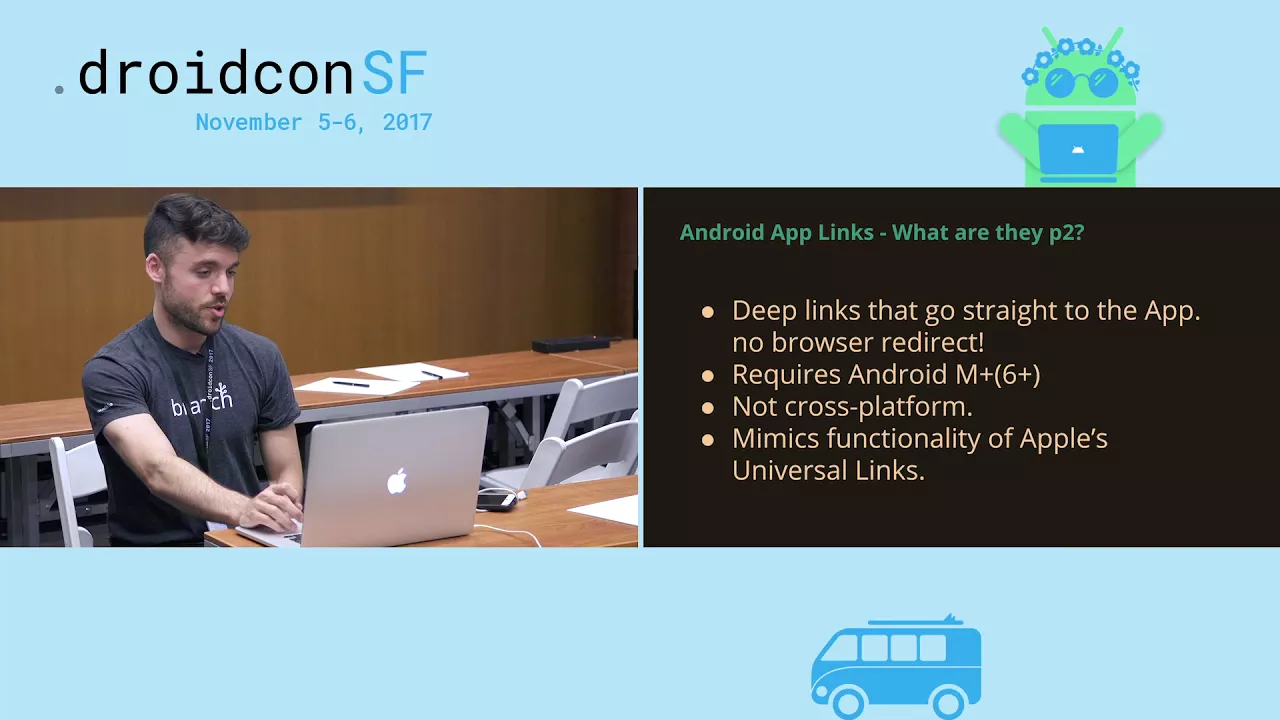
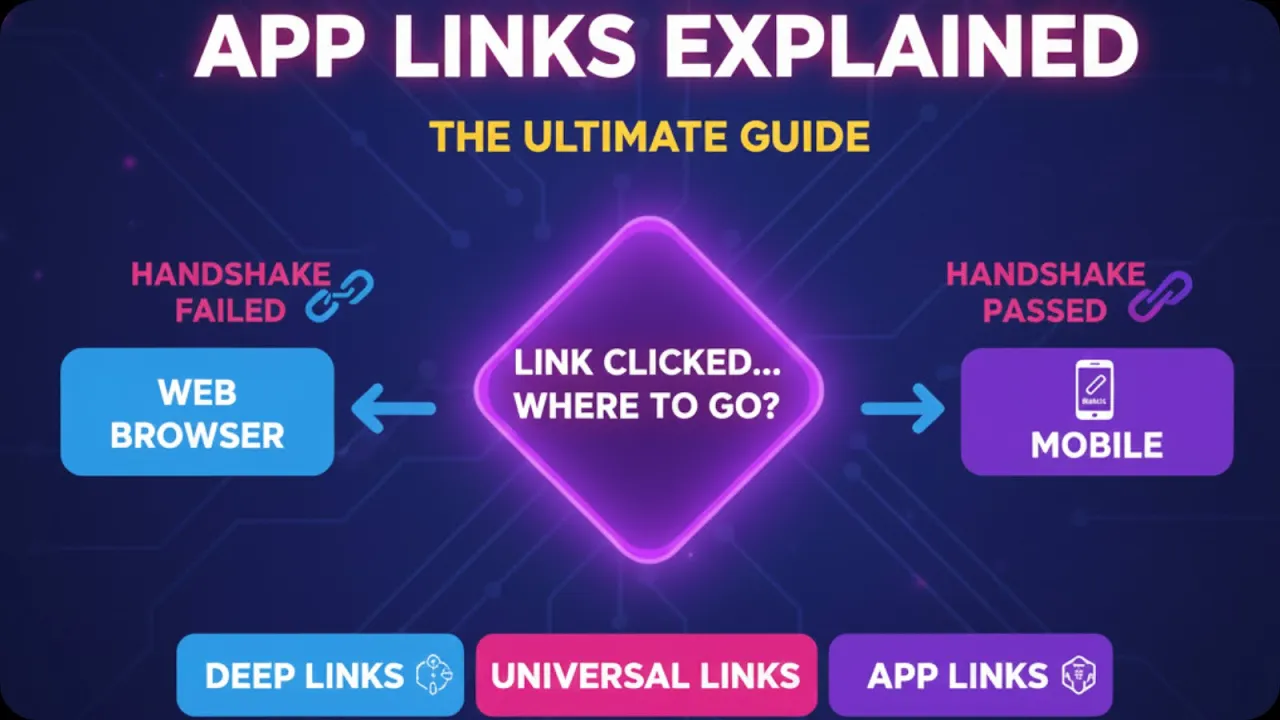
Advanced deep linking technologies, such as Android App Links and iOS Universal Links, to seamlessly connect web search to specific in-app content.
Integration and utilization of modern Google Analytics for Firebase (Firebase SDK) to track advanced in-app user behavior and retention metrics.
Designing and optimizing modern Google App Campaigns (formerly Universal App Campaigns) that leverage machine learning for automated ad placement and bidding.
App Store Optimization (ASO) strategies, including keyword research, creative asset A/B testing, and localization to drive organic store traffic.
Advanced user engagement and retention frameworks, such as cohort analysis, personalized push notifications, and in-app messaging strategies.
121.1K views111likes39:13Original Release: 2015-05-29
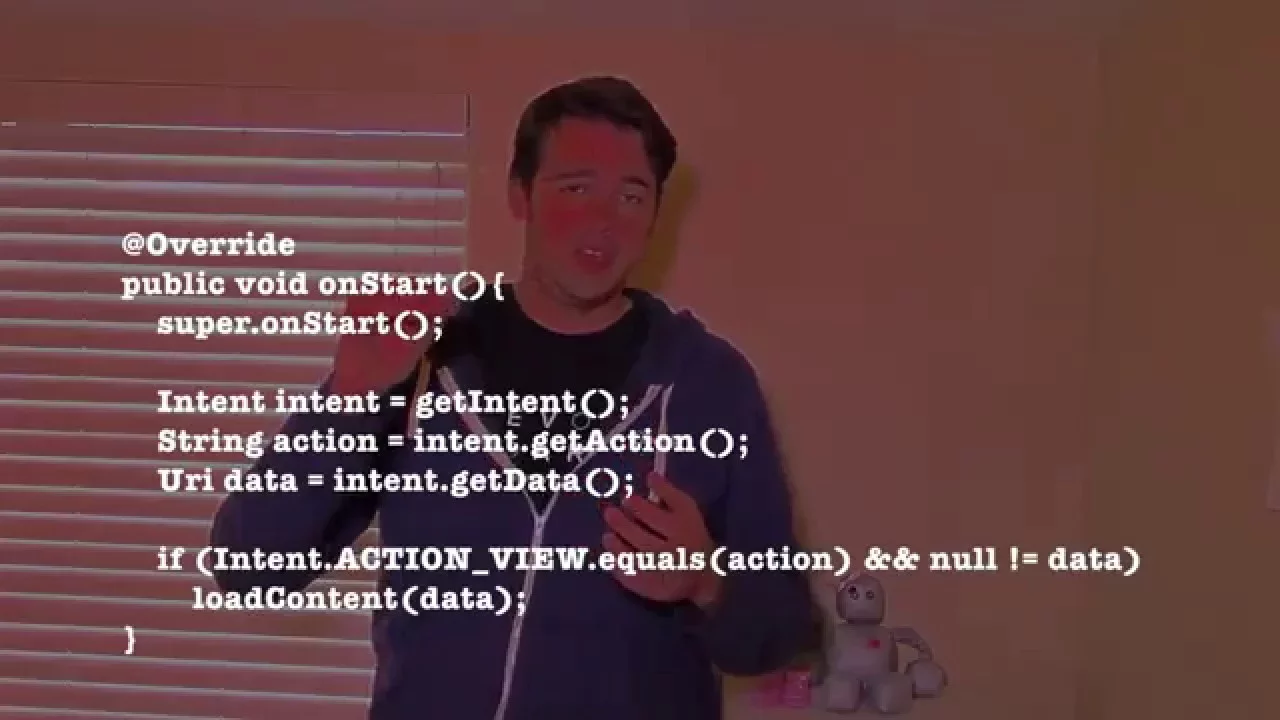
good morning friends good morning there we go I hope everybody's doing well uh it's great to see you all uh bright and early on day two of of io5 uh how many folks made it to the party last night yeah good times I thought so yeah so if you made it to the party and so many of you did thank you again for showing up uh so early um my name is Jonathan aleris I'm a vice president of product management at Google and I lead up our mobile display ads products I have here with me my good friend Scott Huffman who leads uh vice president of engineering and he leads up our mobile search engineering efforts today we're going to spend about 40 minutes talking to you about the world of apps app Discovery and how to really uh uh grow your own audience through the tools that we're providing we're going to talk about this from an organic perspective and also from a paid perspective and we're going to talk about some of the tools that we're providing to help you uh analyze the performance and analyze your user Acquisitions there are a ton of apps available in the app and the play stores today about a million uh actually more than a million apps in both of those locations and if you think about this this presents an enormous challenge to mobile app developers right you need to stand out from the crowd you need to get noticed um you need to drive usage of your app and the sheer volume of apps out there is is not the only hurdle that you face but bringing users into your app and engaging them time and time again is another challenge and you see the other stat behind me where literally a quarter of apps are downloaded installed on users phones and yet never even run once so there's a lot of waste left in the system users are spending more and more time in mobile apps this is adding up to over 30 hours per month being spent in mobile applications and what we're seeing is that some of this engagement is long periods of time spent in game but some of it is through tiny slices of time that really add up users are pulling their mobile phones out of their pockets to interact to reach for information to to to make things happen even in the real world over 150 times a day we think about these as micro moments think about it you're standing at the train platform you're waiting for the next commuter train to come you pull out your phone and you start to work on a task you start to work on something that you needed to do but then the train comes and you got to get in so you kind of just quick shut down the phone put it back in your pocket and climb in the train when you get off you want to be able to pick up that task again your day is filled with all of these slivers of moments where you can interact with your mobile devices another example you're waiting in line to pick up a cup of coffee you probably pull your mobile phone back out and you want to resume that task where you left off the reason mobile apps work so well in this space is that they don't have to worry about connectivity they can save State they can provide you with clean rich uis and they're right there to be accessed on your home screen so all this time adds up and it adds up to now over 30 hours per month spent in mobile applications and users are using more and more mobile apps over time in fact the latest stat indicates that 36 is the number of apps that the average American has on her cell phone and as I mentioned a few moments ago a quarter of those are left completely unused we've been out talking to friends talking to users around the globe really trying to understand more about how folks are fitting apps into their daily life and I'd like to take you through one of these stories sort of illustrate the power of mobile applications so this is our friend Christian this is a true story Christian is a young professional he lives in Philadelphia and he has a younger brother and his younger brother recently started running as with most uh sibling relationships they have a bit of a sibling rivalry and so Christian is very eager to go running with his brother as well and show him that he can do him one better so 5:00 a.m. Christian's brother shows up at Christian's house sounds like about the time my kids wake up which is a little early to be running but anyway uh his brother shows up at the house and his brother pulls out his mobile phone and he starts uh uh configuring his running app he's downloaded a running app that helps coaching him driving him to be a better and better Runner and Christian thinks well damn it I can't be one uped by my brother so he pulls out his mobile phone and he wants his own running app but Christian isn't going to sit there and use the same running app as his brother he's unique he's his own person and because it's rivalry he does a search and he starts uh looking for the right kind of running app for him he finds a site with the top 10 running apps and he peruses them and he finds that there's this Nike Plus running app which really um really sings to him because he's always been an avid Nike customer and he has one of those pairs of Nike sneakers that have the little chips in them so they can actually track his pacing and running and this happens every every day thousands upon thousands of times users need an application to service some need for them they have to make almost a split-second decision with a little bit of information but for Christian this app has now become an integral part of his life it sits there on his home screen and he uses it every day think about the power of the connection that was just built between Nike and Christian discoverability is the first of these challenges how do you get your app to really stand out from the crowd and today as app developers you're doing a lot of work you're worrying about optimizing your listings you've got to create beautiful videos get them out there get them published get users to watch them you probably want to optimize your keywords so that you can easily be found in searches on these Play Stores many of you realize that you should also extend your reach by you know paying for app promotion and then you probably have to deal with a variety of social channels this is an awful lot of work and at Google we're really leaning in to make this as easy as possible to really cut through as much of this as we can for you so let's talk a little bit about the assets that Google has to Bear to bring to this to this solution to really facilitate app Discovery for all of you really comes down to the fact that we have a large variety a heterogeneous set of different properties and platforms that users are interacting with on a daily basis on a minutely basis and so across search and the Play Store and the admob inapp network and YouTube we can help users connect with apps as they're going about their daily life and we're working on a whole variety of tools to help you connect with users at the right moment as they're looking for these solutions to install on their phone we understand that for app developers it is not an androidon world and I want to make sure that all of you understand this as well from our perspective we are absolutely committed to Bringing these solutions to life across platforms across both iOS and admob because for all of you you need to grow the largest audience possible and if we limit to one platform you're not going to be able to do this this is an ongoing commitment for everything that we're doing in this mobile apps space now I'd like to welcome Scott Huffman come up on stage to talk us through what we're doing on the organic side of the world to really help with Discovery and engagement thanks [Applause] Jonathan hi everyone I'm Scott and I'm one of the leads in the search team at Google uh and in particular I have the really fantastic job uh of leading up our mobile search efforts and over the last couple years we've been very focused on how can we take the great content and the great services that all of you are creating in your apps and make those A first order part of the Google search experience for our users now Jonathan talked about the I don't know hard hard problems that I think all of you face uh in this apps world uh first of all out of all those million apps that are out there how in the world do you users find out about your app uh when they have a need understand that your app is something that can meet their need and decide to put that app on their phone even once you get through that hurdle uh we all understand and Jonathan gave some of the stats that you're not done yet because users forget your app is there they don't really understand all the things that your app can do for them uh and a lot of times it sits unused so how do you get users to re-engage once the once the app is there now for us in Google and the search team this actually sounds like kind of a familiar problem uh we' We've we've seen this one before we if we go back in time way back to ancient history uh in 1998 uh here is a graph of the number of websites that were out there and there were about a million websites in 1998 lots of great things obviously there was huge growth to lead to this million websites but if you were creating a new web application it was very very difficult for you to get discovered um say that you had uh a fantastic collection of Cook recipes and you wanted to put that up and in particular maybe you just had the most fantastic chocolate chip cookie recipes how in the world would people find your site you could put yourself into web directories you could try word of mouth and and really trying to generate some buzz but it's very difficult uh for a user who says to themselves I really need an organic chocolate chip cookie recipe to bake uh to find to find you and then Along Came Google uh and other search Technologies uh and really changed the equation pretty pretty dramatically where now all of a sudden users Who had who needed that organic chocolate chip cookie recipe that's not very easy to say by the way uh could put that into the box uh and if your site was had the relevant uh best chocolate chip cook cookie recipes out there it would come up users would discover it uh and as users use that uh it would come up more and more uh and so we saw an explosion where we went from uh a million websites to over a billion websites with just even more dramatic growth because it enabled sort of the long tale of everyone who wanted to create content services on the web to be discovered uh not just in a directory but in a needs-based way where users could find you by expressing their need now here's another graph uh I didn't go backwards in the slide deck I actually went forward uh but the graph looks familiar uh this is the number of apps in in the Play Store uh and gee it looks familiar doesn't it uh we've had on the one hand amazing growth over the last few years to get to a million apps and on the other hand maybe there's a lot further to go uh and a lot more apps a lot more content and services that can be created if we can allow users to find those things I want to submit to you that Google uh is a fantastic and Google search is a fantastic place for your app to be discovered uh and for users to be able to tap into the things that you're creating uh and less people wonder about this in in fact what we're seeing at Google is that mobile users are in fact coming to Google search expressing needs many many millions of times a day uh and we're seeing incredible growth in that uh so here's here's just one stat that shows that uh that more Google searches now are taking place on mobile phones than on laptop and desktop computers in places like the US and Japan uh and many other countries and this is just accelerating users don't just tap on app icons they come to Google and they express a need uh and we want to bring your app to them when they do that now our solution to this uh problem and the way you can tap into Google search is something that we call app indexing uh and app indexing is a pretty simple idea uh what you do is basically you uh Change your app to add deep linking capability what deep links are basically URLs or Uris that point to each of the different pieces of content uh or Individual Services inside of your app uh and we have a lot of help here at the conference uh and online to help you do that we have uh uh folks giving box talks in fact there's one right after this talk that goes into kind of the nuts and bolts of how you do this uh we have folks kind of Manning a a help desk out here and so on uh after you you add deep links to your app there are a few simple choices you have for publishing your apps or your apps deep links to Google and then on the Google side we do basically what we always do we take those those deep links and we add it to to our index uh so that our index now not only contains uh content and services from the web but also from your app uh and then we apply our set of ranking algorithms to surface your app uh and in particular the individual pieces inside of your app that are most relevant for a user's query uh when users come along with those needs now even before any of this app indexing stuff of course if people come to Google search and ask for apps we're going to give them the best apps in of the kind that they ask for so for example if a user comes along and asks for cooking apps uh you know Google search is going to bring up a nice list of some of the best cooking apps uh this is something that we've been doing for a while and one thing people may not realize is that uh in fact there is a fair amount of app installation that flows through the Google search box uh in addition to what's coming through the Play Store but more often people come to Google and they ask for things that they need they don't know if they need an app they just know that they need animal-shaped cookies ideas uh and you know who who hasn't needed that uh and and what happens if a user for example doesn't have the Pinterest app today uh starting kind of from from this side uh if user says to Google animal shaped cookie ideas in addition to content from the web and other apps Google actually offers an installation uh offer for apps that have great content about that in this case one of the apps that has great content about the animal-shaped cookie ideas is the Pinterest app once a user Taps that install button they go through the Play Store install flow and when the app is installed you can see in the middle screen here uh not just an open button but that green continue button uh and when the user Taps on that continue button it in fact takes them not just to the top of the Pinterest app but straight into the content that they asked for in this case uh a lovely page full of animal-shaped cookie ideas uh and so the user has gone all the way through from discovering the app uh installing the app and then getting to the content that they were looking for inside of that app now once your app is installed uh then you can drive re-engagement through those deep links that you've provided to Google uh and whether users are looking in these examples for things like a restaurant a craft idea a movie or any of the other a zillion things that people come to Google every day to search for if your app has relevant content uh and and it is is uh ranked in the list here it'll come up whether so you see here uh some some Restaurant related apps uh some at the Etsy craft app uh some movie related apps and so on uh that allow users by expressing their need to come back to your app again and again now probably people have have heard because we've we've talked about it a lot over time that Google uses hundreds of signals uh that come together to drive our ranking uh algorithms and by making your app content available visible basically to Google uh that that content and the the characteristics of your app are able to influence the ranking uh and to help users find that app at the appropriate times now that all sounds great uh or I I'm at least I'm hoping it sounds great because I'm trying to give you the best sales pitch for app indexing that I can uh but how do we know that any of this stuff works uh well one one tool that we have is something that's called the search console and back in the day back in my my uh 1998 type graph uh this tool and and actually more recently than that the tool was called Web Master tools uh we in fact we've not only renamed it uh search console to to get away from the idea that it's just for web Masters but also added uh a lot of tools that are really focused on apps uh so that both web Masters and app developers can come to the search console and get a really nice picture analytically of what's happening with your app uh from the point of view of Google search what traffic is Flowing from Google uh that's coming in into your app and let's look at some of the results that that some of our partners are seeing uh now it's early days uh but these are these are kind of some early results but really exciting uh for our App Partners the guardian what they're seeing is that for users that have the Guardian app installed and therefore are seeing app deep links in Google search uh instead of web links they're seeing a significant increase in the clickthrough uh of those users to go into the app as opposed to users who select the guardian website so about four and a half% jump of that that click so a nice increase in re-engagement Etsy they've seen an increase traffic from from referrals things that are that are flowing through Google uh to them of over 11% and tabog who is a Japanese restaurant uh app is seeing increased app traffic to their restaurant pages so kind of the core content Pages the core purpose of their app uh of almost 10% so again early days but pretty nice results for uh something that's completely free uh and that that uh is easy for for apps to do so where are we going with all this well Jonathan mentioned that crossplatform is incredibly important for us at Google uh we understand that uh your app needs to to work across these different platforms uh and so we actually announced I think it was on Wednesday uh and began rolling out our iOS uh approach to or solution for app indexing uh and on iOS we we' started sort of the same way we started on Android which is we uh worked with a great set of Partners you see their their icons here uh to do the initial launch uh and we're just kind of checking that making sure all the pipes are running smoothly and so on uh and then we'll uh and then we'll uh open this up to everyone uh in not very long I'm also very happy to announce today that we are opening up app indexing to apps that are only exist as apps uh and not as websites so far what we've done is really worked on it with apps that have a corresponding web presence uh but there are a lot of great great apps in the world and probably many of you are making them uh that don't have corresponding web presence that still provide wonderful content and services for our users what uh this uh thing this project allows us to do is bring those apps into our index as well so things like hotels tonight visual Anatomy free uh and several others are kind of our initial Partners here here we're going to be launching this initial set of Partners uh again just to get the pipes cleaned out and and make sure that everything's working within the next few weeks uh and then later in the year we'll open this up for everyone and we're really excited about this because we think it really will open the floodgates uh of letting any app uh be a part of Google's index so hopefully I've convinced you that a great way for your app to get to be discovered and re-engaged with users is through Google search and through indexing your app allowing users who come to Google and express a need to find the great content and the great service inside your app it's it's we're seeing a lot of Effectiveness here for app developers it's completely free uh and if you want to learn more about it you see the the link here with lots of documentation uh and also the Box talk that comes right after this thanks very much I'll bring back Jonathan thanks Scott thanks Scott it's incredible to see all of this work that Scott and his team are doing to really bring apps to life within the core of what Google has to offer the world our search product seeing apps as first class citizens in search seeing all of this great deep linking technology across both platforms brings the biggest smile to my face because it just shows this commitment and it shows how much more we're going to be able to do in this mobile world when we really combine the great power that Google search has to offer with this wonderful content that you guys are all creating uh in these millions of apps we're going to Pivot now we're going to spend the last 10 15 minutes or so talking about paid advertising and talking about some of the solutions that Google is bringing to the front that's really aimed at making it easier for all of you from a paid from an advertising standpoint to reach those users to reach them effectively to reach the high value users that you need to and to automate that as much as possible bringing them into your app Scott's uh uh history about Google about the uh the work that we did to really bring websites to life web search to life is an analogy that I want to draw on as well because if we think about paid ads at Google we've generally followed along with what our friends on the organic side have done yes we do have our usual church and state uh policies but we've tried to make the ads that we show to users as native as integrated in our experiences as possible and if you go all the way back to 2002 2003 this was the very Inception of AdWords of search ads on Google and we're doing the same thing here with apps we're essentially following that that history and following that path and we're using a lot of the lessons that we've learned over the last 15 years to bring app advertising to Google in much the same way that we brought website advertising this brings me to app install ads so we have app install ads as an offering today across just just about all of our channels between search display YouTube inapp and we try to make it as easy as possible for you guys to create these creatives to get them distributed to get these ads uh targeted and put in front of the eyeballs of the right users so that you're driving high value lifetime users to your application perhaps the most exciting announcement that we've made in this space over the LA well I think since we even got started in app advertising is the fact that we are now in the process of bringing ads search ads to the Play Store we've currently been running a beta uh an early pilot with a number of advertisers this is going extremely well if you think about it the Play Store captures the very moment of intent when a user knows that she needs a certain mobile application to solve a problem the task that she has laid out before her and you see a couple of examples here uh when this launches we will show at most one ad at the top it will be clearly labeled as such as we always have and again we're seeing great results both for users and advertisers as we're rolling this pilot out uh this is going to ex uh we're going to uh expand the coverage of this we're going to get this in all of your hands uh really in the next couple of months so keep an eye on this as we roll it out YouTube has been another phenomenal channel for promotion we started working with our YouTube friends a lot more closely on this last year and we really uh uh brought some of these ads to life around the middle of 2014 uh it's still early days for app promotion on YouTube but the results uh as far as our advertisers are concerned have been phenomenal the engagement is incredibly Rich the amount of eyeballs uh and users uh that they intersect with on YouTube is is massive and I think this next quote really sums it up best so deac is a good friend of ours uh and he's the chief Revenue officer at machine Zone machine zone is one of the largest uh uh mobile games from a user and revenue perspective in the world and if if DPAC knows anything uh DPAC really knows how to acquire users and how to acquire them at scale and any of you who've done this or who've done it for a large audience know that you need to really embrace all of the channels that you have and Mach Zone and DPAC really do that they they they have tried just about all of the channels that are out there so to hear this feedback from him that YouTube provides users that are 15% more valuable than he can get from any other video platform to me says a hell of a lot and this is why advertisers are clamoring more and more for access to this great YouTube inventory we're trying to make it easy as well because as we introduce all of these new channels search display YouTube play store the last thing you're going to want to have to do is sit there and handcraft your campaigns to make sure that they work for each and every one of these so our first step in Simplicity and automation is what we're showing on the screen here earlier this year we launched the ability for advertisers to extend their existing admob inapp app promotion campaigns to the mobile web what we do is we take all of that carefully crafted targeting criteria that you have so carefully assembled for your inapp uh uh promotions we take it we lift that up and we drop it over into the mobile web space so we can find you users that are roughly as valuable at roughly the same CPI but in the mobile web rather than in app and this enables you to find new unique users that you wouldn't have acquired any uh otherwise and advertisers are seeing stunning results if you ask me through nothing more than a checkbox advertisers are extending their reach and are acquiring roughly 30 30% more unique users with nothing more than that check boox so as we started to see the success of this and we thought more and more about automation at scale we wondered if we could take this one step further and that's really where we came up with this concept for Universal app campaigns why stop with the connection between the admob network and the mobile web Network why not automate this at scale for as many advertisers as possible Universal app campaigns which has been in beta and and early pilot for the last couple of quarters and is rolling out to all of you in the next couple of months gives app promoters and app developers the simplest way to acquire valuable users at scale we're talking about roughly three inputs from The Advertiser or the app developer got to tell me what your app is we can go then find all the great information we need to about your app you got to tell me how much money you're willing to put into the system what your budget is and then you have to give me some characteristics about the type of users you want to find but this isn't like heavy-handed targeting criteria this is like find me roughly users at this CPI or this target lifetime value and that's it we do the rest and for those of you at the keynote yesterday you understand the power of the machine learning technology the artificial uh intelligence and machine learning technology that we have at Google and we essentially take these handful of inputs from you and we use our bidding algorithms our automation algorithms this massive machine Learning Systems to scan across all of these different networks between play and YouTube and and Google search and admob and we work to find the next cheapest install agnostic of channel that satisfies that goal that you've set out for us the results have been incredible advertisers have to do very very little effort here and are finding that the scale much much better than individual campaigns because they're able to find the the best way to think about this is we can acquire a set of users for you very very cheaply on the search side of the world right think about you know when those navigational type queries come in that's an exact match it's a very uh uh low cost per install but then in order to totally in order to truly grow your volume in search you may find that you see a significant step up in price uh from a cost per install perspective what Universal app campaigns is it helps us spread that out so we might find that next tranch of Cheaper users to acquire sits in the admob space or maybe on the Play Store and our bidding algorithms can work across all of these different properties to maximize the number of users we acquire for you at the least cost possible we are incredibly excited about what we're building here and we hope all of you in the audience try it one of of the things uh that's really a benefit to us at Google as we approach this app promotion space is the fact that for the better part of the last 15 years or so we've been working on ads targeting technology and we bring all of that to bear in this app's space I was talking about our machine learning uh and the key algorithm that we use in the ad space is something called conversion optimizer very simply conversion Optimizer Works to maximize the number of conversions in this case installs that we can deliver to an Advertiser given a certain price or given like a Target uh uh cost per acquisition for the app space we've tuned those conversion Optimizer models to take into account all kinds of signals about our users as they sit on our platforms so we can do these kinds of things we can bid higher for users who we believe are more inclined to make an inapp purchase overall so if you're a game developer and you rely on IAP to make a living you want to find users who are going to spend money in your app so we start to to be able to identify these and we know they're more valuable and we'll bid higher we can go even further though we can start to predict we can actually do this quite well we can predict the probability that a particular user an individual user will actually purchase in your app I got to tell you when I talk to app developers and game developers about this specific technology I mean their their their wallets come out almost instantly it's like well damn it if you can deliver me paying users I'm willing to pay whatever it takes and this is the core of what we're focused on when we talk about app promotion and we do things like expanding reach as well if that is helpful we can bid lower but we can bring more lowcost users in if you want volume the results are extraordinary when we do this right campaigns that leverage this technology are 24 times more likely to generate a buyer and therefore the cost of acquiring a buyer drops by 90% because if you're interested in buyers and only buyers you're wasting a lot of money bringing non- buers into the equation acquiring users acquiring valuable users at scale isn't the only only thing you need to do here you absolutely need to understand your data you need to understand the performance you need to understand what's working and what isn't because ultimately it's your dollars that you're paying to acquire these users and you want to make sure that those are invested the best possible the thing that really stuns me and my team uh we've been out talking about the importance of analytics in apps for the better part of the last four years and yet still our surveys indicate that only 21% of app developers actually use some form of analytic solution I have no idea how the other 79% of app developers run their businesses so we really implore you to use an analytic solution of some kind and I'm going to spend a few minutes talking about our analytics solution for this which is Google analytics for mobile apps now Google analytics has been working on on mobile app solutions for the last two to three years and they're really really becoming quite robust on the buy side now Google analytics gives you access to all of these core app user-based Concepts things like lifetime value reporting in this example you understand the value of users in aggregate as they spend longer and longer time on your app and eventually it asmp tootes to roughly lifetime value here of about $9 but you also see how that that that increases over time cohort analysis is pretty interesting because it breaks this down by days a lot of larger app developers are starting to do things like run TV ad campaigns in conjunction with what they're doing online and that's an example you see here where there might have been a TV campaign run on the February 4th date which is what's driving higher retention you need to understand how external events might be changing the types of users that you're acquiring and might be changing how those users engage with your app arpu of course is a key concept sorry average revenue per user or arpu is a key concept that most app developers care an awful lot about I want to know how value uh how much value each user is driving in aggregate it also helps you think about how you should be targeting your cost per install because in order to get a positive Roi back out of the system you can't be paying more to acquire users than they're driving back to you Jason Titus made a number of announcements on stage yesterday about our approach in this mobile analytics world and I want to reinforce those right now our analytics team understands how important it is that they remain neutral and one of the key ways to enable that and to show you that we're really trying uh uh to be neutral and to be agnostic to the media you buy or the media you track or the tools you use is we're continuing to pursue an incredibly transparent open and reliable approach to mobile analytics and we are committed to this we are incredibly committed to this our mobile app analytics tools Google analytics now supports iOS conversion tracking across over 20 ad networks that you see behind me here so Google analytics integrates not just with networks like the Google search Network or you know Google search or admob but also all of these networks on iOS and we integrate with a number of these networks on the on the Android side as well right we've got to stay open we've got to stay flexible and we've got to be as transparent as possible to continue to grow this vibrant ecosystem many of you who care about tracking installs and value across a variety of different Networks use third-party measurement uh uh Partners these are good friends of ours like the folks at tun and kachava as well as at just we've been working very very closely with all of these folks and more to make sure that you can use these third-party tools as reliably as you would use Google analytics you can now you can now integrate your third- party measurement tools tracking and reports directly into AdWords and our team have been working with the brilliant teams at these companies for the past couple of months to make sure that the data that we're pro that the data that's being pumped in is as robust and reliable as possible to summarize you've got to think about all of the ways that you can get users to engage with your app that you can get discovered because remember there are so many apps out there and it is so hard to rise above the noise Scott talked about a number of incredible ways that you can leverage all of these free tools that we offer you on the search side of the world it's amazing to see how much we've done it's amazing to see our commitment there but definitely think about all of the app indexing techniques that Scott talked about because users are coming to Google search on their mobile phones more than they ever have before and when they look for Content that you've got in your app you should be that top result remember that you can use AdWords for app promotion that we're working to make it damn simple for all of you to reach as many users at scale across all of our platforms as possible while still driving that maximum value and lastly first make sure you're leveraging some kind of Analytics tool because you're crazy if you don't and second remember that we have Google analytics which is free is robust integrates with a variety of thirdparty AD networks and is available a to all of you today and we continue to show that commitment towards openness and you know an extension to embracing our Partnerships by showcasing that all of our friends with these third-party measurement tools again like to tun and Kaba can integrate directly now into AdWords we hope you're ex as excited as we are about all of these tools that we've released over the last few weeks to really give you the power to drive your apps your businesses at scale with that we'd like to to thank you all for your time and your attention today have a great rest of your time at Google IO take care [Music]
Up Next
3:30
Optimizing Google Play Store Listings with Experiments
@GoogleDevelopers
33.7K views•2015-06-12

26:22
Walking in the City: Urban Rituals and the Flâneur in Contemporary India
@PSBTIndia
1.9K views•2016-08-02
33:12
Google Beacon Platform & Eddystone: Proximity API Explained
@GoogleDevelopers
93.5K views•2016-05-19

1:42
Game of Thrones Opening Credits: A Cinematic Analysis
@gameofthrones
46.3M views•2011-04-18
Related Study Plans & Knowledge Roadmaps
Structured learning paths in General & Interdisciplinary Studies
general-studies
Artificial Light: History, Tech & Human Impact
01The Pre-Electric Era: Fire, Oil, and Gas Lighting
02The Incandescent Revolution and Grid Electrification
03Gas Discharge and Fluorescent Illumination
+ 3 more learning modules
14h6 modules
Explore Roadmap
general-studies
Elevator Engineering: History, Physics & Cities
01From Hoists to Safety Brakes: The Dawn of Vertical Lift
02Hydraulic vs. Traction: The Engineering Physics of Elevators
03Modern Speed, Safety, and Algorithms
+ 2 more learning modules
12h5 modules
Explore Roadmap
general-studies
Rubber: Material Science, History & Geopolitics
01Origins of Natural Rubber & Mesoamerican History
02The Chemistry of Natural Rubber & Vulcanization
03The Geopolitics of the Rubber Boom & Colonization
+ 2 more learning modules
12h5 modules
Explore Roadmap
general-studies
Containerization: Evolution, Logistics & Trade
01Ancient Trade & Bulk Cargo: Amphorae to Barrels
02The Industrial Revolution & Cardboard Packaging
03The Containerization Revolution: Malcom McLean
+ 2 more learning modules
12h5 modules
Explore Roadmap