
















Successful video game adaptations require balancing faithful representation of source material with creative interpretation, as demonstrated by the Fallout TV show where the cast and crew stayed true to the game's world, tone, and Easter eggs while adapting branching narrative choices into an ensemble format, using practical effects and location scouting to create immersive environments that honor the original game's retrofuturistic aesthetic and moral complexity.
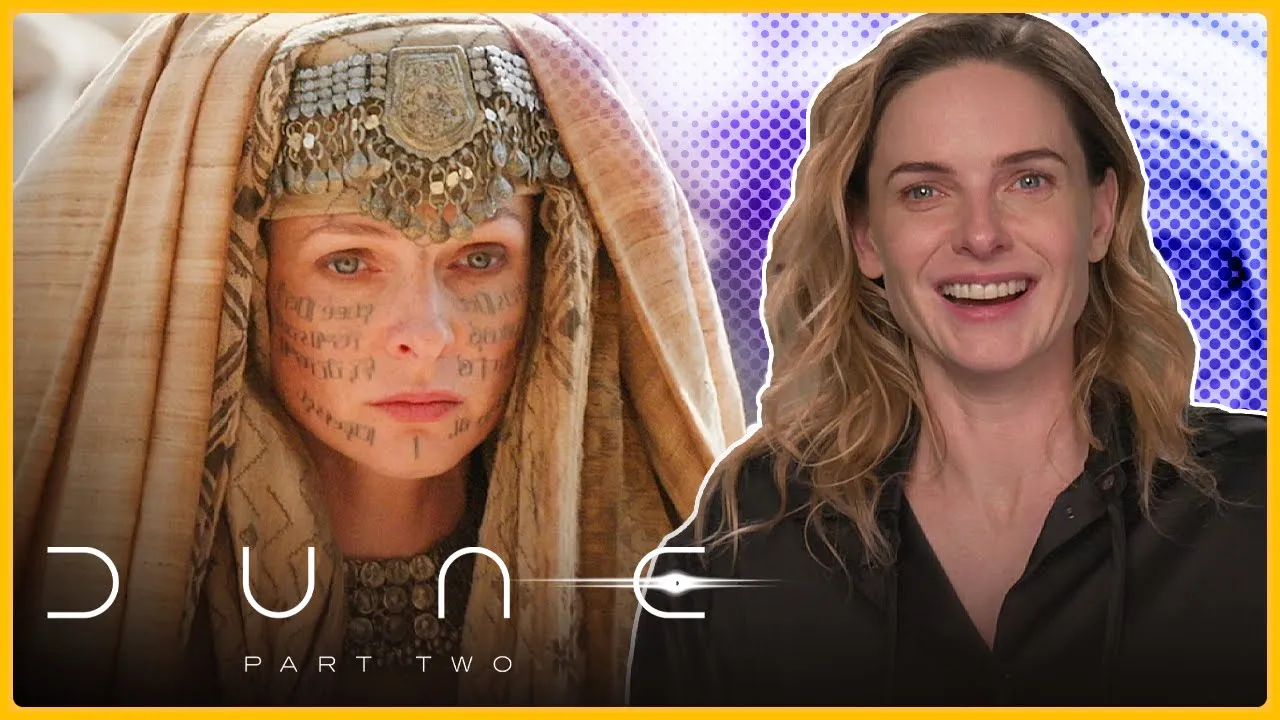
Fallout Cast on Staying True to the Game and Hidden Easter Eggs
Added:The fundamentals of transmedia storytelling and how narratives adapt across different mediums (e.g., video games to television).
The core concept of narrative 'canon' and how fictional universes maintain continuity across multiple installments.
A basic understanding of the 'Fallout' video game franchise's setting, including its retro-futuristic, post-apocalyptic, and satirical themes.
The definition and narrative purpose of 'Easter eggs' and visual motifs used to reward fan engagement.
Comparative analysis of narrative pacing: exploring how interactive, open-world choice-driven games are translated into linear, episodic TV screenplays.
The study of production design, world-building, and practical effects in adapting stylized digital assets into physical, believable television sets.
The business and creative dynamics of Intellectual Property (IP) collaboration between game developers (Bethesda) and television producers.
Audience reception theory: analyzing how adaptations manage the expectations of both hardcore gaming fans and mainstream television viewers.
284.5K views7.2Klikes46:05Original Release: 2024-04-10
can you tell me what's happened in the last 200 years holy you're an actual Vault dweller I am I thought all you dip were dead I'm going to put a a spin on if you had to live in a vault cuz I'm sure you've been asked that question a couple times if the two of you as in real you had to be a vault dweller I want to know what your greatest asset is how you'd contribute to the community but then I want to know your greatest weakness the thing that would just make you a plain old stinky member of the Vault what would make you a good member of the Vault you Ella what would so many things H actually can I say can I maybe maybe it's easier to compliment the other person it might be better Ella is an advocate for everyone else and that's the way she is on a set it's one of the most beautiful things about her but she takes care of everyone and she really wants to be you know an advocate for other people so she would be a great leader of the nicest thing he's ever said to me about I have to love hard for that sweet thank you she would do good oh gosh now I got to think of a really good one about you you know this is why I should have gone first just so tough he's so tough cool that's right that's right oh God the pressure is really on hey I would be ready for the Raiders no I think Aaron there's so many things I can't choose I think you would really contribute to the morality the moral the moral happiness the The Cult culture music wine conversation Aaron brings people together and it's always you know it's always when you least expect it and it's always like a conversation around a fire pit with a good glass of wine and good music and a good movie he's always got the best like recommendations and references and he's really about community so I think that's how you would contribute that's very nice I like that yeah you match that I'm not letting you I'm not letting you to off the hook with the negative side now I'll let you answer for yourself say I don't know we I don't know about negative thing you know I get real hungry ooh so if we you experienced that yesterday I was about to fight someone I was so hungry so if we would have run out of food if that was about to be one of those situations I would be a nightmare to live with I'd be unhappy what about you I think I'm like really really I would get depressed I think living in a vault like let's be real no sunlight no real sunlight sunlight is true uh you know maybe we're taking vitamin D but like still I think I would get depressed there'd be a closet somewhere that never gets cleaned in my place you know what I mean it would just be like what's the point you'll be in that closet he be sitting in that dark closet alone cross-legged Ella for you to tap into Lucy actually I'll use a similar kind of phrasing but I might complicate this because I think it's a more interesting question to answer from her perspective when she steps out into the waist land what do you think she thinks her greatest strength is and also fears her greatest weaknesses ooh you got good questions I think she definitely thinks her greatest strength is her morality her her commitment to the Golden Rule what does she think her biggest weakness is does she fear cuz she also walks out with confidence that everything in the in the vault is the authority absolutely and I think she believes that everybody believes that you know and she doesn't even necessarily know that there is any life on on the Wasteland and then she she you know holds herself with such Pride you know everyone's going to listen to me cuz I'm a vault dweller you trained for this and she yeah and she just has no idea I think she might be afraid that her biggest weakness is actually with Lucy I think it would be not knowing and I I think her her biggest fear kind of becomes realized I think her biggest fear is not is everyone knowing something that she doesn't know not being prepared cuz Vault dwellers love to be prepared especially Lucy oh that makes all the sense in the world right I want to jump from there to tapping into the uh the tone of the show because there I've watched four episodes now there are so many instances where your balance of comedy and just respecting the dire nature of this situation is Pitch Perfect is there a particular scene where you found that balance most difficult to hit actually yes the scene where she tries to disarm the ghoul she tries to get the ghoul to stand down when he's terrorizing this town this is a perfect example of her truly believing she's doing the right thing and believing everybody knows everyone will respect the VA dweller and everyone agrees with what she agrees with and that was hard because we tried so many different versions we tried funny versions of that and then they ended up choosing a more serious version which I really liked because it seemed like she was just kind of reciting something out of the voltech hand but like some corporate lingo that she's really ingested but it's difficult to balance the naivity the privilege that is exposed in that moment and it's better to not play it funny because the comedy comes from everyone's reaction she plays it completely straight and everyone else is like this guy you know and it it worked great but it I was worried about that speech is carrying the Squire bag as as difficult and nearly impossible it's the worst thing in the world it's the worst it's the worst it's the worst whoever made it every day I onet I would be like who made this who made this I I I couldn't wait to be done with the Squire bag but also I was the first person to pick it up and be on my spot ready to go it was part of what the the job is and I would just run everywhere with it there's a part of the military aspect of like this this is your training you know this is what you do it was as big as me you know what I huge I feel like I look like that like running through an airport now I just picture myself being at that like the first day of high school exactly books in your bag yeah that's my worst fear in the airport is I look like I'm about to go camping on the flight you take so many punches in the first couple of episodes especially what are some tips and tricks you picked up that you would suggest to somebody else who has to take a believable amount of extreme punches some tips and tricks warm up warm up warm that neck up you're you're not going to be able to walk the next day if you don't warm up properly really because it it's one thing to do it really great one or two times I have a real love for working with other stunt performers I feel like I can trust them to make a little bit of contact with me not hurt me and if it it looks real and feels real to us it it it'll it'll be real going into the camera but oh my goodness I was I woke up literally bent in half one day it's like a little Whiplash isn't there it totally is I have to touch on the power suit obviously which is just like incredible looking and the detail is exceptional what is your absolute favorite part about acting in the power suit but then I want to know the most difficult thing about acting with that my favorite is actually the raised visor is my favorite piece of it one because I can't control it myself I love the collaboration of this work it's it's why I'm I'm in it we have a a team member from Legacy who's on the sidelines with you know the the remote control to it and often it's just a sense of real pleasure to the queue coming too early or the queue coming too late or I remember my first scene with Ella Ever we we were laying in the rubble after diving through a wall and I ended up saying something like close visor cuz we had finished the scene and I was waiting for it to start to close before I could get up um and then that leads me into the worst thing about it is the the the heaviness you know I I exist mostly in the top half of the suit uh and I stand on boxes and things to make it a ey line for Ella and that is 50 to 60 PBS uh you first put it on you think this is super fun cool my arms are dragging on the ground like a gorilla almost but you know 10 minutes later you're like did we get the shot can I take this off there's a quote from you in our press notes where where you talk about some of uh Lucy's heads space at the end of the season and the questions that it raises for her future at the very end of season 1 what do you think her greatest strength is and what do you think her greatest weakness is oh again with the questions um I do think at the end of the season for Better or For Worse she is proud that she made it this far and she maybe can't believe that she survived regardless of how um greatest weakness I don't know if she feels 100% good about the choices that she's made you'll have to watch it and tell me what you think I would think maybe it's it's an insecurity that she has maybe changed a little too much I don't know I'm not spoiling anymore look out at this Wasteland looks like chaos if you as in real you had to be a vault dweller I want to know what would your greatest asset be the the best way you would contribute to that Community but then I also want your greatest weakness the thing that would just like make you a plain old stinky member of that Community oh dear I'm a very positive upbeat person you know so I think in that way I'm very similar to Hank the character that I play in in Fallout so I would say I would lead with that my weakness would be I'm somewhat claustrophobic so I don't know how long I would actually be able to stay in the vault so yeah it would be a challenge if you had to pick one member of The Fallout Ensemble to be your right hand if you were the overseer of your Vault who would you pick and why gosh I got to go with Ella the woman who plays my daughter she's so capable I go with her she she be and she's fun she got a great sense of humor so you have your fair share of experience making exceptional TV that builds massive fan bases you know every show is different every story is different but do you notice any shared qualities in those kinds of shows like something that signals to you it will have that special spark that we'll catch on you know it's a funny thing because it starts with writing of course I always say quality of writing which we have great quality of writing on the show and the other shows that you mentioned and it comes down to this weird thing of chemistry it's an alchemical reaction you there's just no way to know you just have to put these people together and you hope that the right spark happens and I think in some of the things I've been in Twin Peaks of course for example Sex in the City Desperate Housewives they are already existing when I joined them you know what I mean so they knew what that chemistry was but it really is an important part of the equation of all the actors you've ever worked with can you name someone who has a similar process to your own where like the second you met you're like we're immediately in sync but then I also want the opposite someone with a completely different approach to the work who challenged you to adapt and try something new and for the better okay I had the joy of working with Mara cross on Des Housewives she's Julie grad so we went to similar schools so we had similar education similar kind of process so she's very serious right she's great actress she really into the role the minute you stop the camera she's having fun and telling a joke and I'm exactly the same way work very hard very diligent very focused and then the minute we're out of it and we're back Jibber jabbering about something else that I love that about Marsha someone who's the opposite of me who would be someone that someone who's very serious someone who's very serious I wouldn't be Dennis Hopper Dennis Hopper just scared me in blue Val and he was also fun afterwards I mean I did this thing years ago with Anthony Hopkins that was pretty amazing and we had a long walk and talk but he was also similar to me we'd finish the scene and we'd start doing impersonations he does an amazing Clark Gable and so we would sit and just do impersonations together no I don't I think I everybody I worked with has been like who's your best impersonation my best impersonation hm I do a pretty decent walking I think everyone does it yeah you know it's one of my favorites it's one of your favorites let me see if I can oh no Perry we're here talking coffee maybe I don't know it's okay I feel like I've on the spot I'm better I'm better if it's I'm better if it just comes out of nowhere I'll take it I'll take it at the beginning of Fallout what do you think Hank's greatest strength is as an overseer of a vault but also what's his greatest weakness he's very capable Hank is so when things go off a little bit he immediately Springs into action and knows exactly what to do he's a great leader I think he sometimes overreaches so there's times when he really thinks he can he can handle something and take care of something but he really he's in over his head do you think he has any inkling whatsoever that something bad could happen in the vault or does he truly believe that they will all live out their days in 33 I think he's surprised I think that's the thing when it happens I think he knows what's happening um something is happening but it's it's more than he realizes there is there's a history there but there's a relationship there that surprises him um that he did not expect um and opens up a whole world to him um which we which we just hint at in the very beginning which we get to obviously down the road I'm always a big nerd for character backer I'm not sure if this is the kind of thing you do but is there anything you came up with in terms of hang past that we don't necessarily see or hear about directly in the show but we can feel informing your performance oh absolutely and it's actually in the script there are some flashback stuff we go back to a place in time um we don't know exactly when this place in time exists we go back to this place in time and we see s of an earlier version of Hank and this informs a lot of who he is in the current day another thing I was dying to ask you about is your collaboration with Ella and Moises because I feel like a lot of this comes from a script but when you're playing family in a show like this I feel like you can gain so much from the other actors who are playing your family members you depend on them yeah is there anything we can see in Hank that you think came from that collaboration I think with Moes in particular I mean we just have a few moments together but you can see that he's the son that Hank is you know he's he loves his family but there are certain things about his son that really bug him and you can see that in just a few of the exchanges that we have so the challenge of this was to create a relationship that the audience could could understand short kind of a shorthand that I had with both Ella and Moises just in brief little vignettes you know but that enough that you get it and you understand kind of what the expectations are and I think we I think we accomplished it you know it's it's it's tough this show features some pretty incredible sets is there anything in particular you saw in the Fallout set that made you go like I can't believe this is what it takes to make it look like that on screen yeah I mean it was it was reminiscent of you remember the first alien and you went on that ship to that point all spaceships all spacecraft were pristine and beautiful and shiny suddenly we're in an environment that's completely the opposite of that this is a working ship full of rust and dings and all this and this is what we have in our world they took these giant and this is practical by the way this actually worked this giant door they sanded they make it look Rusty they make it look real it's all believable so you feel like you're in this environment that's been around for hundreds of years still works but has gotten the patina and this and they work really hard to get that and I said this is some detail that is kind of out of this world the detail on these sets is also incredible is there anything that you noticed and appreciated in the vault set that might be small maybe people won't notice it but you hope people pick up on it maybe on a second watch you know one thing that we that we had the pit boys that we used it wasn't part of the set but it was part of the props and stuff the detail on those and the way worked and operated were pretty impressive I thought that was pretty cool how was it adapting to operating with that on your arm where it came across as normal and natural yeah it took it took a little bit of getting used to because it had a weight you know and a value um and that you had to be careful that you didn't sort of you know bang someone in the face with it but I came to love it because you know when you operate an iPhone or something your hands are you can't do anything with your hands you know or you do one hand like this this you have both hands free you're just doing like this and you can still hold your coffee Cup in his hand see I could be doing my pit boy like this like this and I'll be like okay and now I can have a sip of coffee see don't have to put it down if that's the wave of the future I'll take that versus them like being implanted in our brains or something I'm sold that's the alternative people are going to come after [Music] you ain't much stays clean up here vult first question for you is you recently mentioned that you thought we were in a golden age of video game adaptation so it was making me wonder what was it about the pilot script for this show that signaled to you was a series that was going to contribute to that it was so well written it was compelling I read a lot of scripts like every other actor in this business or producer or writer for that matter the first I read two right out of the gate and I and I I couldn't wait for the next one I couldn't wait to get my hands on the next one they were all U very compelling uh for a variety of reasons there is a reason why people are going to this now because you know these worlds have been fleshed out these worlds don't need even more fleshing out they're so good I have watched my son play games um for a few years now and and I see the way that he consumes this entertainment and for him it's about the story in between uh moments of action that keeps him coming back to to these games and there's something different every single time he plays that's a go gold mine I mean it's an inexhaustible gold mine for adaptations of these games and that's very exciting we all need new stories and I don't know that that's uh infinite right but we seem to keep making them and and our burn rate is uh has been reduced because not as much content is going to be made you know going forward so so we'll see this is a this is a good resource for them oh absolutely and I hope the content we do get going forward is of the quality and I mean it sincerely so I could talk about special effects makeup all day long so obviously I want to hear a little bit about the the ghoul makeup test process what would you say is the biggest difference between how it looked when you did your first makeup test and what everyone's going to see in the finished product great question I'm going to say out of the gate it was probably 70% there you know it wasn't a a radical departure there were so many um mockups on paper uh before we started and and the conversations kind of centered around these these drawings if I'm remembering correctly but that's how I remember it that at the end of the day it really kind of came down to these conversations uh that we were having back and forth between Jonah obviously his opinion matters more than than anyone but he he invited me to really collaborate in the process along with Vincent Van djk who did the makeup and and my dear friend Jake Garber who applied it and Geneva and and Graham and what we came back to again and again is that we want the audience to lean into this experience we don't want uh them to be grossed out by it we want them to study his face we want the goou to be handsome in a post-apocalyptic 200-year painful journey is close to handsome as he could be with having those life experiences and we want them to you know at least protect the moment where if it calls for sympathy or empathy for the journey that he's been on all of those things were factors and lastly we wanted to construct a piece that allowed my face to still be my my face and to communicate with people through the Expressions on my face I don't really pay attention to that sort of thing but to have um something that moved as opposed to just some bland kind of piece of prosthetic that that I wasn't able to evoke or to communicate emotion all that was really very very important and and all of it was thought through before we began the process great success in that respect it comes through big time I will say this really quickly the first day it was a very tough day because of the the temperature outside but the first few takes as soon as Jonah called a cut I would look at him like okay what where am I what am I doing here you you know I can't I can't exaggerate this to convey how I'm feeling I'm not that kind of person it's it's happening inside of me I feel I know it's it's real for me are you feeling it and he said Walton the best decision we made was not putting contacts in it's your eyes we see everything that you're thinking and and once I once I was assured of that reassured of that then the rest of it you know was uh I'd never thought about it again hi effective choice right there what about figuring out how he walks and talks is there any like specific classic Western inspiration you had or just any trial and error in terms of getting that to such a Pitch Perfect extent you know I watched a lot of film you know a lot of these movies you've seen them I've seen them a dozen times from The Good the Bad and the Ugly to a fist full of dollars to a few dollars more Once Upon a Time in the West Henry Fonda his performance in that was so stoic and so effortless and without a lot of movement he really barely moved at all if you combine that with what Paul Newman did in uh butcher Cassy and the Su Dan kid with this movement and this Charisma and this ability to to improv a conversation and to be loquacious when he needs to be and to disarm people you know with stories that was something else that I put in there and then there was you know Cooper Howard and and well how do these two people kind of relate and and watching Allan lad and Shane watching James aress I watched 40 50 episodes of gunm smoke watching Bert Reynolds in those episodes of gunm smoke it was a lot I I I I did a lot as far as the walk and everything else those things are not premeditated to me they're not choices that I consciously make do you know what I mean I don't try on like four or five different voices that I'm not that person what I do do is I what I try to do anyway is not control the flow of water meaning that you you put the makeup on you look at it and you think about it and it's just there it's either there or it's not there and I I have never had an experience in my life where it hasn't been there so I whether to me it's it's it's Alchemy it's this beautiful thing when you turn yourself over to an imaginary set of circumstances that this person will tell you exactly who they are you know and uh and it was a process of the prosthetic and then the the the the outfit itself I have a million more questions for you I'm not allowed you got a busy day so I will say oh come on come on one more come on come on one more it'll be okay give you one more get mad yes one more no trouble I'm glad we can fit one more in because we talked about the makeup effects we talked about the physicality of the character I was also curious to hear a little bit about his head space having lived for over 200 years what would you say I guess the ghoul understands more about the world and how it operates that gives him an advantage over the other main characters we meet in the show ABS absolutely you know I let's take this you what happens in the beginning of the first episode of of the show the first seven minutes that's how long it is 7 minutes I realized pretty early on that I was the one experiencing this catastrophic event for Humanity it's not through multiple perspectives it's just through mine and that's a big responsibility whenever you believe that you're carrying a lot on your shoulders with with having that experience but it was a privilege really uh uh to to have that and then what happens on day one after they what happens that afternoon what happens on day two what happens a week later what what do you see you know what what is right in front of you where do you go what do you eat what do you you know and so really thinking about that I just thought about it for like nine months and and the desperation and the pain that that he witnessed over such a long period of time and why the is he still alive man I mean really what what's motivating him and I've answered that for myself and uh and I think the show will answer that as it goes forward everyone wants to save the world they just they just agree on how my first question for you comes from our press notes because you joke that you didn't write movies for 2 years because of Fallout 3 I feel like some might look at that and be like that's a distraction but you never know what can influence you as an artist so is there anything about those two years of playing Fallout that you think influenced you for the better as a film and television Creator yeah there was a moment the late 2000s were really it's kind of an incredible thing to be in the generation in which we got to see video games from the very beginning like Chris and I had a pong set when we were kids uh and you know and my grandmother's house in Florida and so you go from pong to Fallout and every step in between to watch this art form form really come into its own I think in the late 2000s was the moment where as often as not in any given year if someone asked me what was the what movie did I like what movie or show did I like the most that year as often as not the answer for me would be a game when you look at these experiences Fallout 3 being a really pivotal one for me but there are there are other ones out there the storytelling look I love movies and and television but occasionally that storytelling can kind kind of get a little stayed you know every every art form kind of comes into a place where it gets a bit safe and I think at various moments films and TV have have gotten a little St a little safe a little stayed a little establishment and there was a moment in late 2000s and and it's continued to some degree although you know within gaming as the budgets of these games get bigger and bigger there's there's the possibility that things get more conservative but there was really a sense in gaming in that moment of kind of a live wire a sense that you know you really didn't know with these sorts of games and the experience of Fallout I didn't know anything about the games before I played Fallout 3 I'd never experienced them and I really didn't want to know anything I'm the kind of person I don't want to watch the trailer I just want to watch the movie playing that game for the first time it was one than else the tone of it that I was struck by it was so odd it was dark violent funny almost goofy in places and I just had never experienced anything quite quite like it I I definitely hadn't experienced anything like it in film or television so when the possibility sitting down with Todd Howard years later the possibility to to adapt it came up we just you know we jumped two-part uh question about adapting a game you love what aspect of Fallout were you most excited to bring to life on screen but then can you also pinpoint something else that was like more creatively fulfilling than you ever could have imagined to bring to life at the start of this oh wow well I think two things the world and the tone and those are such a big part of the Fallout experience with every game the the world the environment and in every game it's a different one right it's a different it's a different uh stop on on the the the I would say the world tour it's all North America but every game is a different city uh several of which I've lived in and it's always fascinating to kind of explore what they look like after the fact but it's not quite our world and that's where the tone comes in it's this Bizarro America this America that never has a moment of national self-reflection never has a Vietnam never has a Watergate and and and continues on for another Century in this kind of blustery Eisenhower mode of nuclear power toasters and and there's a certain amount of satire and social comment that goes into these games i' never quite experienced in in that that sort of Rich mixture of futurism but retrofuturism and so the tone I think from the beginning and this is why we wind up working with Geneva and Graham our showrunners bring to the table you know Geneva is like me comes from the comic book World um Graham comes from Comedy and it was bringing those two tones together that I think was one of the most the most exciting but also nerve-wracking parts of of the adaptation I love seeing that successful combo just like jump off the screen in this show thank you I always love highlighting how one can adapt something that so many people love in different ways so another two-parter but first with that can you pinpoint something from the games that you knew that was like it was so so important to adapt that Faithfully just because of how important it was to the fan base I think with these things you don't want to look down too much you want to be guided by your own love one of the amazing things about these games that is both exciting in terms of adaptation but also frightening is the sheer openness of the games means that your experience of playing the games could be very very different unlike a lot of games that are kind of more on Rails I think of some games as as kind of movies with playable bits and these are some terrific games but it's a different mold of Storytelling in in in Fallout the the game experience there's some commonalities there but the game experience is really kind of in your hands which faction you're going to join whether you're going to be good bad or or somewhere in between all these sorts of questions so we knew that we had to get more anything else the tone right but then when it came to the props when it came to the costumes very lucky to work with incredibly talented designer Howard Cummings and our incredibly talented crew who had and this is one of the the beauties of adaptation when you're talking about a universe that's been explored by the fans so uh to such an extent but then also dragged into reality by those fans at you know at at different conventions or or or Gatherings um you have a little bit of a head start in terms of figuring out how you're going to make these things and how you're going to bring them to Life Is there any particular detail that's super important to you that you hope people catch in your show O there's a lot of detail in there I think I think more than anything else I I it was a really kind of a delicious experience to have Todd Howard with whom this this whole Escapade started we sat down to have lunch I'd long admired his work and and uh and I guess vice versa and walked away from that one lunch saying okay we're going to do this having Todd come to visit our sets here in New York and walking through I these have to be some of the most beautiful sets on any project I've ever worked on and it was really the the the patina the finish of them watching Todd kind of look at the paint and the the props because one of the experiences of the games is you can pick up almost any object and look at it and examine it you pick up a book on a table as often as not it's going to have words in it it's going to have an account of someone's life from before the end of the world and so watching Todd walk around our set and pick up books and look at details was was a real thrill I know there's probably rules against this at this point in the process but please tell me you kept something as a fan no comment a I'll go back to to uh the other half of my question about adapting something with such a big fan base can you give me uh like the opposite example of that something where you had to change it in order for that element from the game to suit the television medium fantastic yeah no absolutely great question and I think for us the biggest challenge was okay if if you know games are and I think in the early days of adaptation any adaptation but with video games in particular people got stuck on the grammar right they think okay what makes a video game a video game um and they would as you know as often as not you'd see these movies where they sort of shot in the first person which doesn't work for movies and by the way not all games are first person um so you You' get stuck on the grammar for us you know we had the advantage of seeing how that didn't work necessarily and and that was fairly straightforward where we where we where we had a challenge was the moral ambiguity of the games right the ways in which you have these branching choices in every interaction you have with every uh you know with every non-player character with every other character you're interacting with you get to you get to be virtuous you get to be an you get to be somewhere in between and of course with a with an adaptation with live action you don't get to make those choices um and so Geneva and Graham's decision to make this an ensemble show you know really we talked a lot about um The Good the Bad the Ugly the great westerns and and the great TV series in which you're coming at it from three different points of view so you have Ella's character aon's character and Walton's character and they all represent different stations along that that moral spectrum they do but you also have little moments with each of them where you see those Wheels in their heads in particular Ella has a couple of shots where it's like completely silent but you can look in her eyes and you know she's weighing options there I love it absolutely I wanted to touch on the Journey of going from westw world to this because there are some similarities the adaptation element the World building and both are exceptional what are some lessons learned making four seasons of Westworld that we can see you applying in Fallout and you know maybe even making the show even stronger for it the lessons from the beginning were work with the best cast and crew you can and and especially with a video game adaptation all the more important you the premise with westw world was why people pay all this money to come to this park it has to feel real has to feel more real than the real world so any conversation about doing it with CG we doing with green screen was right out the window we had to pack a bag and drag ourselves out to Utah and in the case of westw World Singapore and Spain and all around the world to try to find all those different textures so we knew from the beginning with this one that if we were going to take away all these different things that you have in the game the open World nature of it and try to replace them we weren't going to get away with replacing them with with computer Graphics so once again dragged out the old carry-on suitcase and and dragged ourselves down in Namibia and out to Utah to make sure that we captured as much practical Beauty as possible to give the audience that sense of immersion oh you feel it I'll end with this one because it kind of leans into that idea it's something Walton mentioned in our press Notes too he said that when he first read this script he thought it was unfilmable can you give us an example of something in the script that people might think is unfilmable and explain how you actually pulled it off you know just that first shot of Lucy coming out of the vault which is such a big moment in the games you know you've been in this kind of claustrophobic Universe maybe for an hour or two if you're a bit of a gaming dunce Like Me Maybe maybe three or four hours before you fin managed to find your way out and you come out in this kind of Vista not having any idea what the world is going to look like especially for the first time you played the game so we knew for that we would have to find some pretty special locations to make that work we had seen pictures while we were working on Westworld of an abandoned diamond uh plant in Namibia um filled with sand and it didn't work for Westworld because of the masonry construction right so the American West you didn't have bricks right you didn't the bricks didn't show up for for hundred years uh so it never worked for us for Westworld any conversation even the conversation about flying down in niia we didn't even have to have that argument because it didn't look didn't look right for that show leaving my lunch with Todd where we kind of had a handshake deal to to figure this out I said okay we don't have a cast yet we don't have a story yet but I know I've got one location and we took ourselves down in Namibia and I was unprepared having looked at the pictures for all those years theyd dreamed about we actually got down there stood out looking out over it there was an early conversation about exactly where we wanted to set the game because that's such a big part of or set the series rather such a big part of the question of the games is where each you know the biggest the biggest question people ask me when they know that I know Tod is where's the next game where's Fallout 5 going to be set standing there looking at Elizabeth Bay in the skeleton Coast in Namibia and realizing to our great good fortune that in addition to looking incredible when you look at that shot there's a drone shot where Lucy is just just walked out of the Vault 95% of what's in that shot is real the only thing we really added is the abandoned Ferris wheel because we managed to find this incredible part of theia that looks almost exactly like Santa Monica Harbor it's just one of those things and we were shooting there the first day and someone walked over to me and said you know you know no one's ever shot here before which is an unusual experience for a filmmaker if you insist on staying then you will have to adapt uhhuh first thing I wanted to ask you about was working with Jonah and Lisa as EPS what is something they did for you that helped preserve the vision you had for the show and maybe also helped you exceed your own expectations for your work here yeah 100% uh I've written a lot of shows out of various budgets and all that stuff this is definitely the biggest undertaking I've ever been a part of creatively uh I don't think it would have been impossible without them without their support without their advocacy and familiarity with shows of this size this is our backdrop in Namibia uh that we went to we had three crews running simultaneously filming uh it was very much a culture of like we definitely can do this not a can't culture that was amazing on every level a script is just a script it's how you execute it that makes it what it is we owe those guys the whole show oh I have many many follow-ups to that first um cuz you're very experienced when it comes to TV but your past TV work is extremely different yeah yeah yeah I'm very experienced in in low in in guys walking into a room sitting and then leaving the room like that I'm good at that uh no one can top me on that front you're devaluing it a little it's very very high qu and you see that bleeding through in this show too which I think makes it something different well it's a great you know when you are trying to save money uh you can always have two people go in a room talk I mean theater worked like that for a few hundred years it works but um you want a little more sometimes uh when you're doing a show about the apocalypse uh we got to do that that was really to me very exciting of all your past shows which experience did you find coming in handy most making Fallout I was only on the last season of The Office uh which felt like I was saying earlier arriving to the final days of the Vietnam War where they're pushing the the helicopters into the ocean and you're sort of like what the heck you know it was a lot in terms of like the overwhelmingness of it all I remember I was on set there I needed to get a page printed and someone PA ran out bought a printer uh printed the page and then threw the printer out you know it was like that kind of energy of like throw everything at it um that was the closest to the to this I suppose that was the office finale was uh I think it was 120 page script that was not written we're still shooting it it was it was chaos and it was very fun um but that kind of prepares you for almost anything all right now two-parter about the big and small of it all because again first like big like Epic World building show for you what is something why we call baskets a Epic World building show I'll I'll take that what is something you saw done on this set that made you go I can't believe this is what it takes to make it look like that on screen but there was a moment you know the power armor I did always expect to be CG and Jonah was like no we're going to do it for real and I was like okay you know because I'm a bit of a cynic lowbudget TV feeds your cynic a little bit and then voila we had a real power armor on set not only that when it came time for the power armor to fly as shown in a clip that we see it Landing that was a blend of CG and a real guy in a jetpack flying that you've seen the videos of those guys we had one of those guys wearing half a power armor suit to get the light Reflections just right yeah that's a bit of a surreal moment where you're like it's happening and you're kind of like what have I gotten myself into um everyone's fine know everyone everyone no one got hurt that's the most amazing thing that actually really is an amazing thing that people did not get hurt making the show stunt teams need more credit than they get always literally always our our sun teams were incredible we would have we'd have crazy ass and like we also would like to try this other thing and you're like let's do it they're amazing every Department was so just the greatest so many great people to flip that idea around a little is there any lowbudget TV making technique you've used that you were able to apply to Fallout where it wasn't about necessarily going like big and with lots of like cool techniques and Technology but the lowbudget format actually served the material well yeah there was a moment in episode 7 which I can't necessarily talk about that was like we had this whole thing planned and the sun was going down and yeah there's there's moments where the bag of tricks from comedy can be useful you know where instead of having people be awesome why not have them be dumb you know and that is charming too in its own way and we have a few moments like that pepper throughout the show for sure take that I have something to look forward to now I'm going to be looking out for that in episode seven I love hearing about how things can evolve along the way so of all the characters you have in this show who do you think changed most from draft one to what everyone will see in the finish uh season Chad strangely enough Chad was Vault dweller number three at some point and then suddenly Vault dweller number three needed a name and vault number three became oddly one of our favorite characters uh just because of what Dave register brought to it and how he kind of embodies the world of Fallout a guy with bril cream and the post-apocalyptic uh America something about him just feels like the the full Spirit of of voltech and or and Fallout that's so incredible especially because of what a big presence he has in the first four episodes I'm very impressed but it's just like it's what water you you give Vault do number three a few more lines and suddenly he's he's a person and then you you cast that person and you talk to them and they're really quite funny and then you just keep I think about like some of our favorite characters from cheers like you know Paul over on the side was just a guy who had a line once in an episode and eventually became like you know a cult favorite great example I'll use that same question to tackle the different uh the different areas you create the different worlds within the world of Fallout of all of the design there what changed the most from how you originally envisioned it to what you were able to accomplish when you actually went to film it I mean the town of Philly uh truly uh was such a a massive build that you just we wanted to go back there so badly we found a again a spoiler I just we do go back to Philly gosh I told I know I'm not not even twisting my arm and I'm like oh here okay it's a the finale goes like this you know uh but beautiful highly detailed set too yeah yeah and it's just sitting there next to our production office any day that we weren't using it I was like can we just shoot some YouTube videos here what are we doing you know uh it's it's very very cool curious if you'll answer this question now did you keep anything from set um no I'm not a big guy who collects things from Set uh like I think otherwise your home just becomes this Museum of work um and yeah I I really am not a hoarder in that regard okay that's what the fans are for though we board things for you yeah yeah I think if if I were to do it uh yeah my home would be a a mess uh it is a mess but um but it's my mess at least I am living proof that that does happen if you start collecting things it's bottomless yeah I imagine when you pitch a show like this you pitch a full series Arc so are there any Lessons Learned From making season one that you think will impact the series Arc you created from the start this is my first time I think doing Eight Episodes and um the the difference between eight episodes and 10 episodes is is significant because those are the there's always a couple with a 10 episode order there's always what you call filler but sometimes filler is your favorite yeah the show really moves but maybe it wants to and maybe that's the right thing all right so no Lessons Learned okay how about that I'll take that I feel like you're on guard now no no I'm just realizing I'm incapable of learning but yeah that's not true cuz we I think do see the influence of all your past projects in here and I I quite appreciate that is there anything from The Fallout games that you are very eager to bring to life on screen that we don't see in season one that you're keeping in your back pocket for the future there's 90% of the world of Fallout is we weren't able to access you know in this Eight Episodes it's like if you're a completionist you can play Fallout for like thousand plus hours uh you know a single game and there's multiple games so there's so much much um I I hope that uh fans are um patient because we we could have tried to just get it all in and it would have been a chaos of like remember this remember this remember this and no story uh hopefully by the time we get to some of the other beloved uh pieces of Fallout The Fallout world uh it'll feel more earned and More impactful in an effort to push but not spoil anything is there any tiny detail within the games that really Appeals to you and is important to you even if it's something small that you want to see on screen just the sort of '90s attitude towards capitalism which I feel like is coming back in a cool way uh and that we're kind of questioning these things um I I I think it's was seen as Gen X being Brady and punk but I'm like yeah why not like what else are we doing um yeah that kind of stuff okay I'll take that the spirit of of the original games and that has been in all of them e
Up Next
5:22
The History of Toilets and Sanitation: From Ancient Rome to Today
@TEDEd
5.9M views•2021-06-15

26:22
Walking in the City: Urban Rituals and the Flâneur in Contemporary India
@PSBTIndia
1.9K views•2016-08-02

9:49
FastAPI vs Flask vs Django: Choosing the Right Python Web Framework
@TechWithTim
302.5K views•2024-05-26

1:42
Game of Thrones Opening Credits: A Cinematic Analysis
@gameofthrones
46.3M views•2011-04-18
Related Study Plans & Knowledge Roadmaps
Structured learning paths in General & Interdisciplinary Studies
general-studies
Artificial Light: History, Tech & Human Impact
01The Pre-Electric Era: Fire, Oil, and Gas Lighting
02The Incandescent Revolution and Grid Electrification
03Gas Discharge and Fluorescent Illumination
+ 3 more learning modules
14h6 modules
Explore Roadmap
general-studies
Elevator Engineering: History, Physics & Cities
01From Hoists to Safety Brakes: The Dawn of Vertical Lift
02Hydraulic vs. Traction: The Engineering Physics of Elevators
03Modern Speed, Safety, and Algorithms
+ 2 more learning modules
12h5 modules
Explore Roadmap
general-studies
Rubber: Material Science, History & Geopolitics
01Origins of Natural Rubber & Mesoamerican History
02The Chemistry of Natural Rubber & Vulcanization
03The Geopolitics of the Rubber Boom & Colonization
+ 2 more learning modules
12h5 modules
Explore Roadmap
general-studies
Containerization: Evolution, Logistics & Trade
01Ancient Trade & Bulk Cargo: Amphorae to Barrels
02The Industrial Revolution & Cardboard Packaging
03The Containerization Revolution: Malcom McLean
+ 2 more learning modules
12h5 modules
Explore Roadmap