




















Section 230 of the Communications Decency Act (1996) protects internet platforms from being treated as publishers or speakers of user-generated content, meaning platforms like YouTube cannot be held liable for illegal content posted by users, though ongoing debates question whether this protection extends to algorithmic recommendations and content curation.
Understanding Section 230: The Law That Shaped the Internet
Added:The legal distinction between a 'publisher' (who is liable for content they curate) and a 'distributor' (such as a bookstore, which is generally not liable).
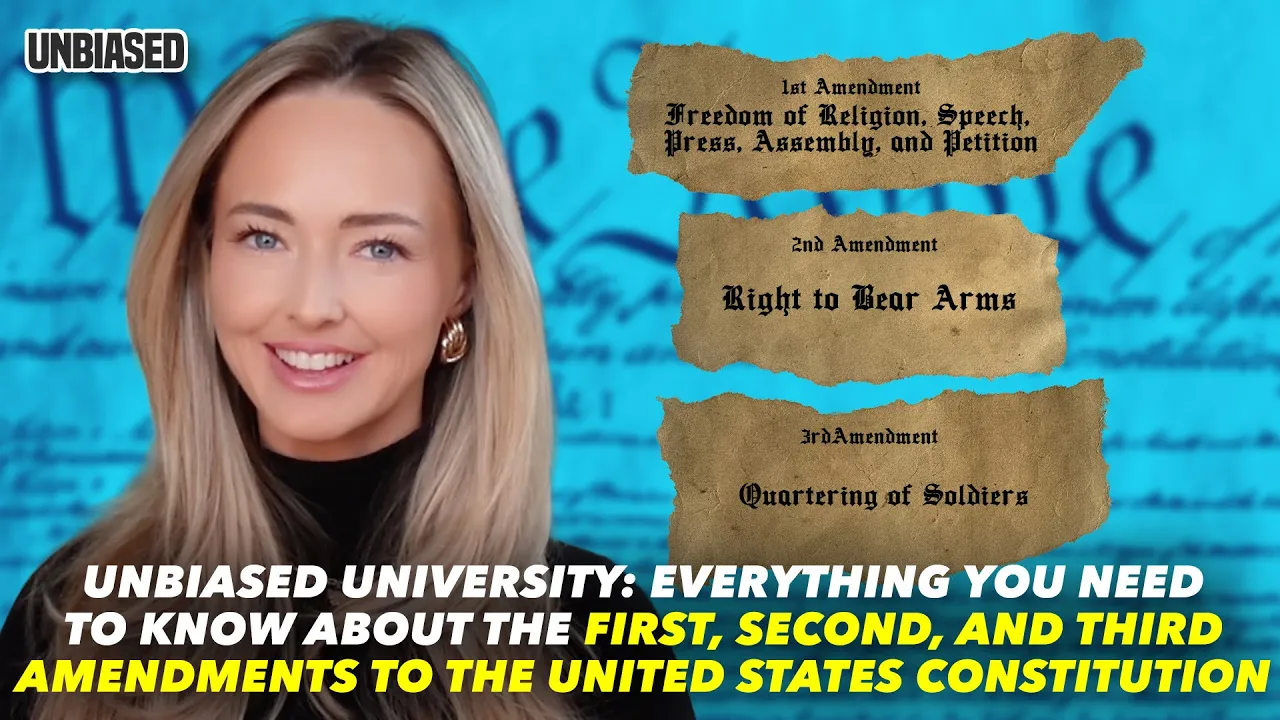
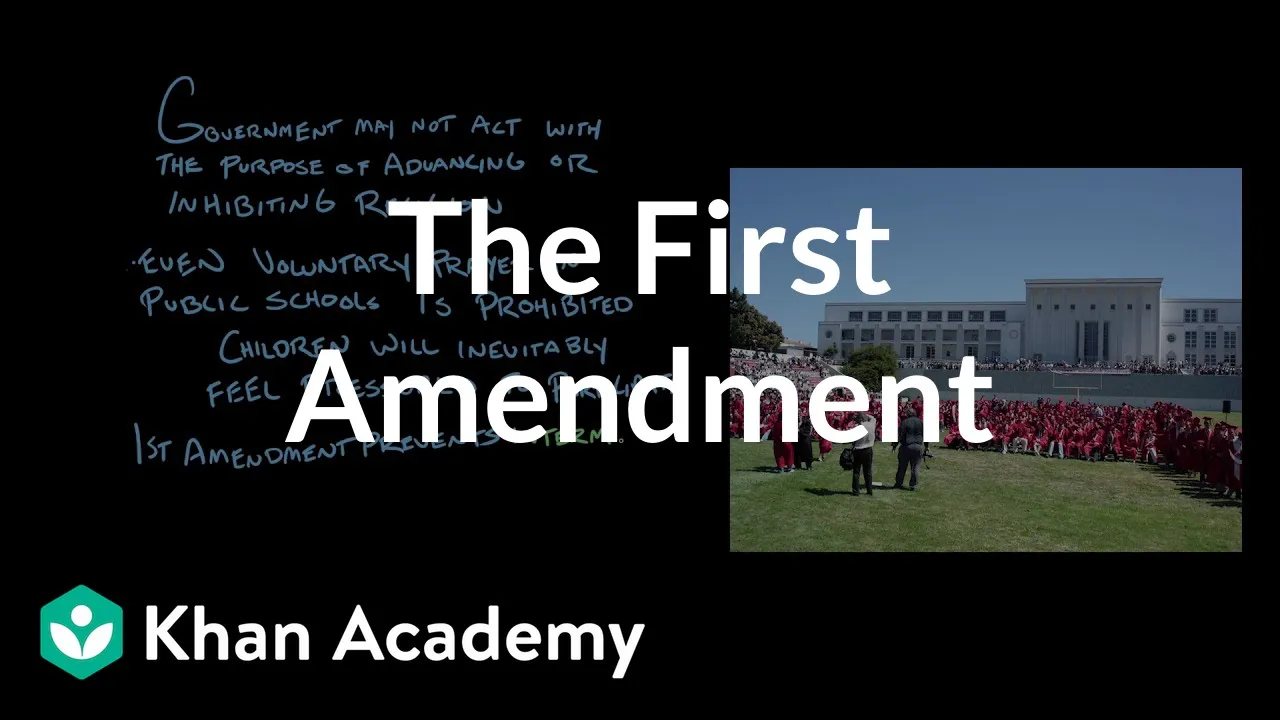
The fundamental principles of the First Amendment of the U.S. Constitution and how free speech laws apply to private versus public entities.
Basic concepts of civil liability, specifically defamation (libel and slander) and third-party liability.
The historical context of the early consumer internet in the 1990s, including how early online message boards and service providers functioned.
Current legislative proposals and ongoing political debates regarding the reform, limitation, or repeal of Section 230.
Comparative analysis of international internet regulation frameworks, such as the European Union's Digital Services Act (DSA).
The legal status of algorithmic curation and recommendation engines under Section 230 protections.
Recent and ongoing U.S. Supreme Court cases regarding social media content moderation and state-level internet regulations.
How Section 230 immunity applies—or fails to apply—to modern technological developments like generative AI and large language models.
141.3K views10Klikes3:55Original Release: 2023-03-03
Good Morning John, In August of 2019 the New York Times published an article that was titled Why Hate Speech on the Internet Is a Never-Ending Problem Because this law shields it. The law in question 230 of the communications decency act. Later that day they published the following detraction: An earlier version of this article incorrectly described the law that protects hate speech on the internet. The Frist Amendment, not Section 230 of the Communications Decency Act, protects it.
Now this is kinda funny. It’s also kinda not especially if you know the long history of people misunderstanding section 230 and what it means.
It is very difficult for all of us to figure out how to adjust to the power that the internet wields.
And when we’re doing that, it’s pretty easy to look towards, what’s probably the most important piece of legislation in the history of the internet.
Which was passed as part of a much larger bill when Mark Zuckerberg was eleven years old.
And then when he was twelve years old almost all of that law was declared unconstitutional by the supreme court but they left one section.
Section 230.
Which says, among other things, this: No provider or user of an interactive computer service shall be treated as the publisher or speaker of any information provided by another information content provider.
To explain, right now I am the other information content provider and YouTube is the provider of the interactive computer service.
And so, if I slander someone or try to recruit someone to my terrorist cell or otherwise do something illegal, you can sue, or fine, or imprison me, but you can’t hold YouTube liable for what I said.
This thing, section 230 is kind of what made it possible for the many to many internet things to exist which is good, but also bad.
It’s the thing that we love about the internet, and it’s the thing that we hate about the internet.
Right now, the Supreme Court is hearing a case against YouTube that argues that YouTube is not liable for the content in the videos on its platform, but it is liable for the recommendations of that content to people.
If the YouTube algorithm recommends terrorist recruitment videos to YouTube users then it isn’t just hosting content, it’s also kind of creating a new kind of content, which is the recommendation.
And that seems a little bit right to me. The problem though, is where do you draw the line for what counts as a recommendation. Is a google search a list of recommendations that Google is making to me? Does that mean that every internet platform that has a recommendation system of any kind, meaning all of them.
Are they liable for what they recommend, and if they are, does the internet work at all?
It looks like the Supreme Court will not find YouTube liable in this case, which I think is good. But the reality is, that there is something of a difference between the front page of YouTube being algorithmically generated for each individual user, and me searching for something and getting recommended results.
And maybe there’s a difference between those two things and chat GPT creating content that I will then read that was nonetheless created by a machine.
There’s definitely a way to see recommendation as creation, I just don’t think a law passed in 1996 did a good job of anticipating that.
And actually I think that that law had a tremendous amount of foresight and has served us fairly well.
There was a moment when the Supreme Court was talking about this when Justice Kagan said something that I want to play for you now.
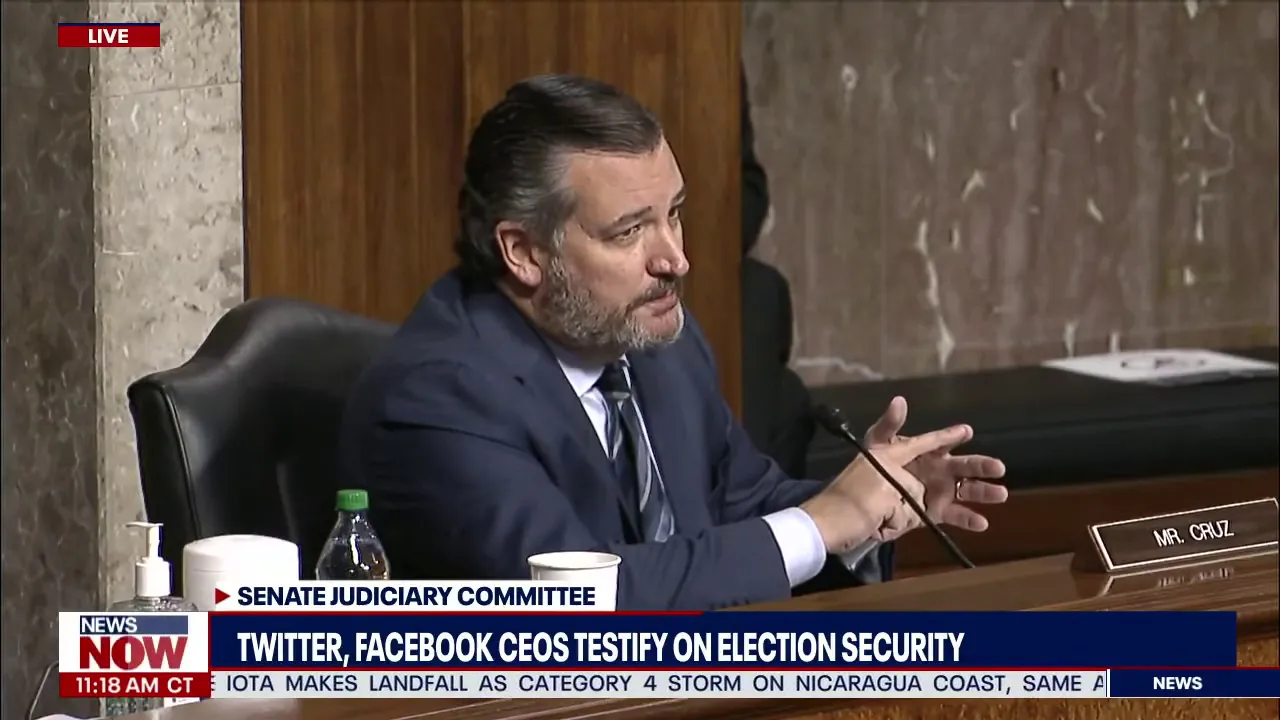
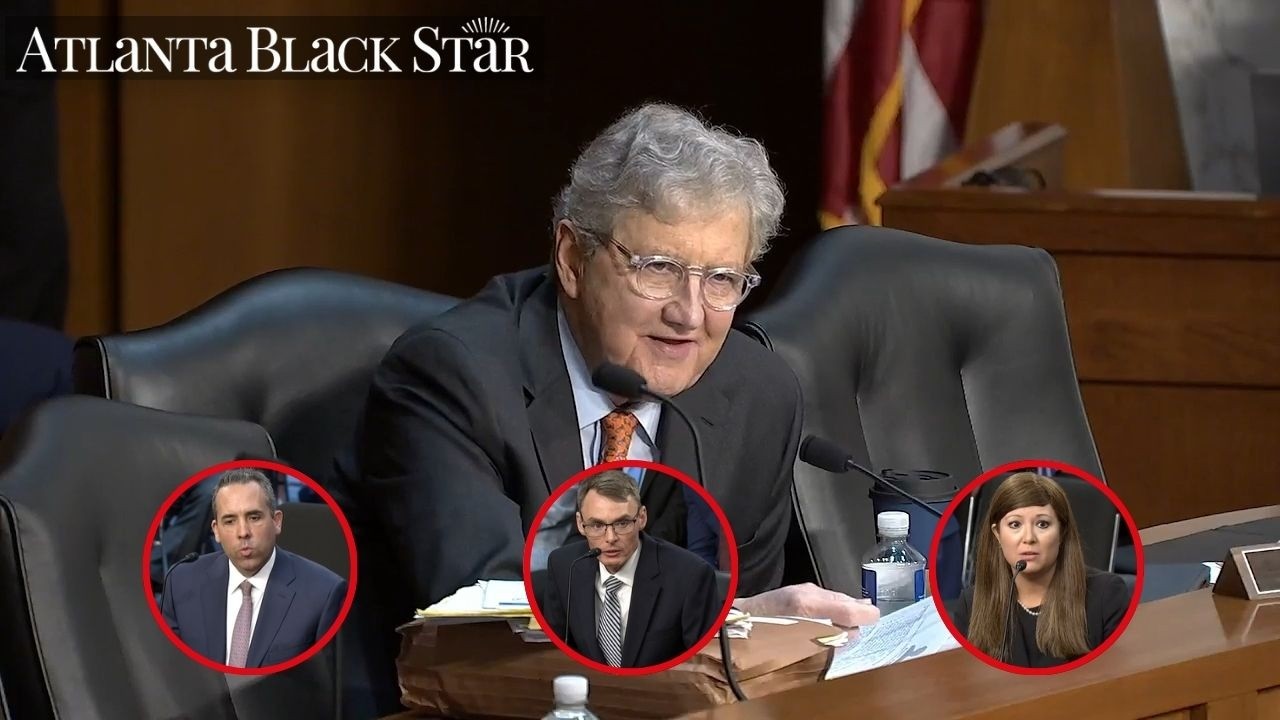
You know? Every other industry has to internalize the cost of misconduct. Why is it that the tech industry gets a pass? On the other hand, I mean, we’re a court, we really don’t know about these things.
These are not like, the nine greatest experts on the internet. (laughter is heard in the courtroom).
The implication being, we probably shouldn’t be trying to figure this stuff out based on 26 words that were written in 1996.
It should be decided by passing new legislation that considers the internet as it exists now, which is pretty different from when there were interactive computer services.
I think that we’re actually pretty dang lucky that section 230 supported the creation of this new tool of many to many communication which has, I admit, drawbacks.
But I don’t think anybody’s figured out a good and simple way to tease out all the bad parts out from the good parts.
And the times that we’ve attempted to do that haven’t had great outcomes. It’s very hard to legislate for a world that changes this quickly.
So if it feels sometimes like we don’t know how to do this. It’s because we don’t know how to do it. John, I’ll see you on Tuesday.
Up Next

1:00
How to Sue an Anonymous Party: Jane/John Doe Lawsuits
@MincLaw
950 views•2025-03-10

4:27
US Secondary Sanctions Impact on EU Businesses and Blocking Legislation
@Bureauvandijk
1.6K views•2019-03-20
5:27
Forensic Phonetics: Speaker Identification in Legal Cases
@nptel-nociitm9240
539 views•2025-03-19

24:42
Police Interrogation Tactics: False Confessions & Legal Reform
@LastWeekTonight
7M views•2022-04-18
Related Study Plans & Knowledge Roadmaps
Structured learning paths in Law
law
Self-Defense Law: Imminence & Castle Doctrine
01Foundations of Self-Defense Law
02Imminent Threat & Reasonable Belief
03The Principle of Proportionality
+ 3 more learning modules
12h6 modules
Explore Roadmap
law
Defamation Law: First Amendment & Actual Malice
01Introduction to civil torts and the First Amendment
02Elements of Defamation: Libel and Slander
03Public Figures vs. Private Individuals
+ 2 more learning modules
8h5 modules
Explore Roadmap
law
Hearsay Rule: Trial Evidence & Exceptions
01Introduction to Trial Evidence & Courtroom Basics
02Demystifying Hearsay: The Core Definition
03Non-Hearsay: Exclusions Under FRE 801(d)
+ 3 more learning modules
14h6 modules
Explore Roadmap
law
Medical Malpractice: Law, Liability & Care
01Foundations of Tort Law and Civil Liability
02The Four Elements of Medical Malpractice
03Defining and Proving the Standard of Care
+ 2 more learning modules
12h5 modules
Explore Roadmap