


![[#2] Fisiologia do Músculo Esquelético: CONTRAÇÃO MUSCULAR ISOMÉTRICA E ISOTÔNICA | MK Fisiologia](https://i.ytimg.com/vi/cIOPo2JvI9s/maxresdefault.jpg)




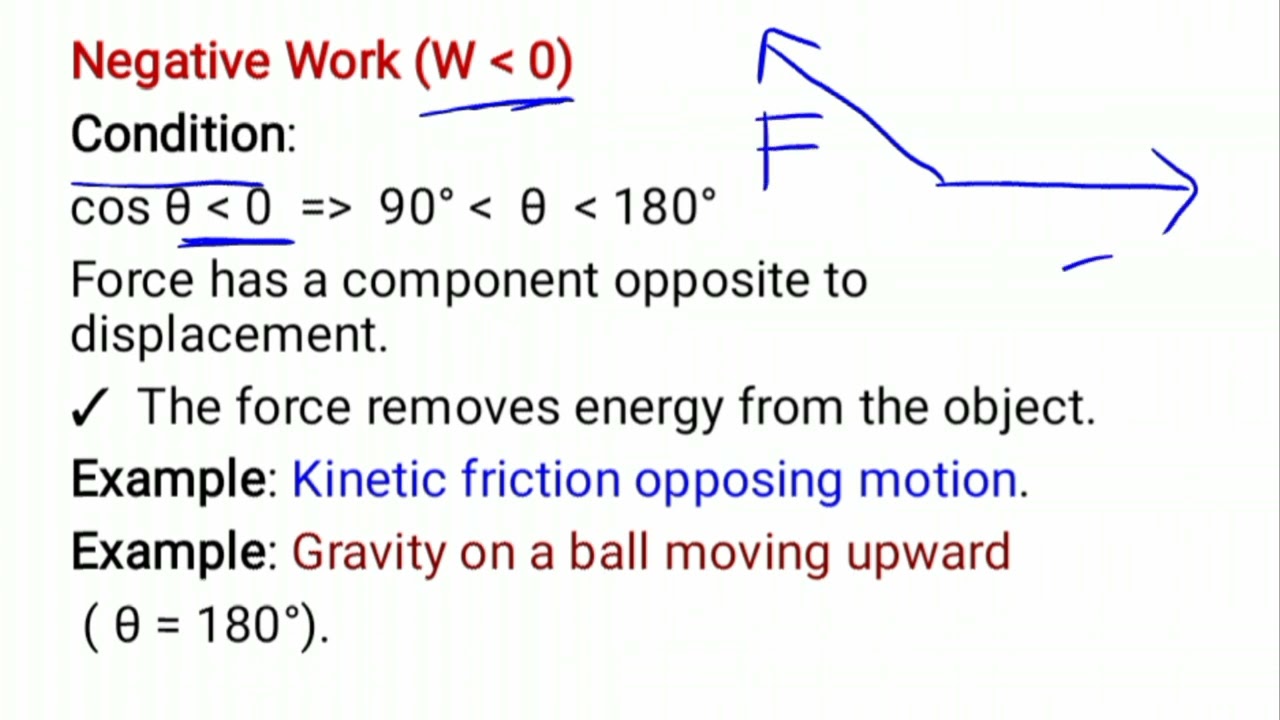









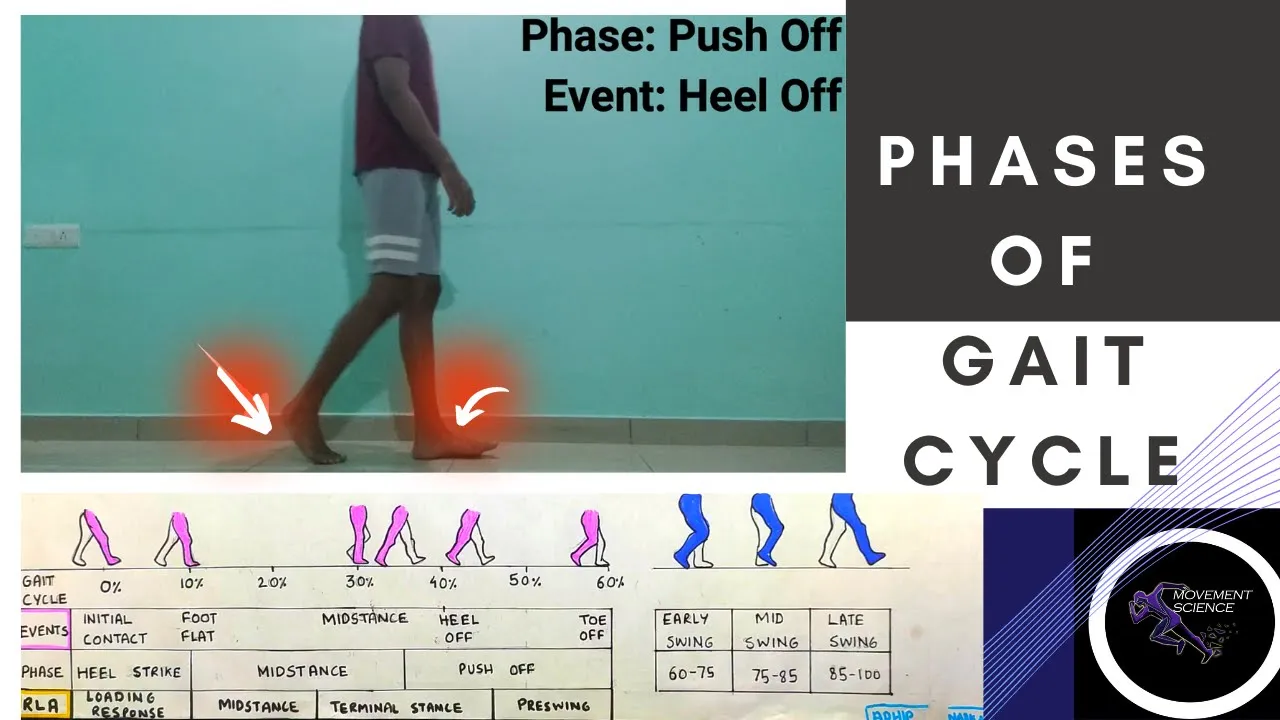
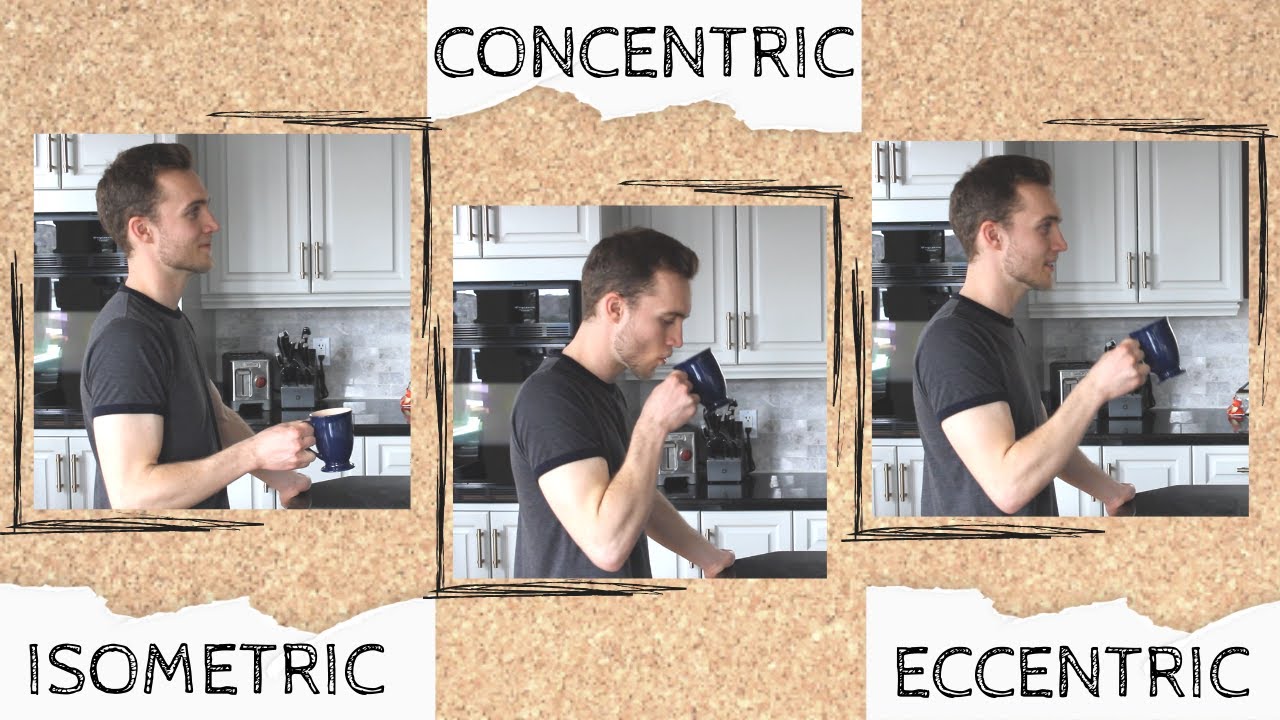
Gait kinetics involves the study of power generation (concentric muscle work) and power absorption (eccentric muscle work) during walking. In the sagittal plane, major concentric work is performed by ankle plantar flexors during push-off, hip extensors during early stance, and hip flexors during early swing. Major eccentric work is performed by knee extensors (quads) for force absorption, plantar flexors during early/mid stance, and hamstrings during swing phase. In the frontal plane, abductors perform one eccentric work followed by two concentric works to control pelvic movement. The body conserves energy through passive exchange between potential energy (highest at mid-stance when body is elevated) and kinetic energy (highest during push-off when moving forward), with optimal energy conservation occurring at an optimal walking speed.
Gait Kinetics Part 3: Power Generation & Absorption | Biomechanics
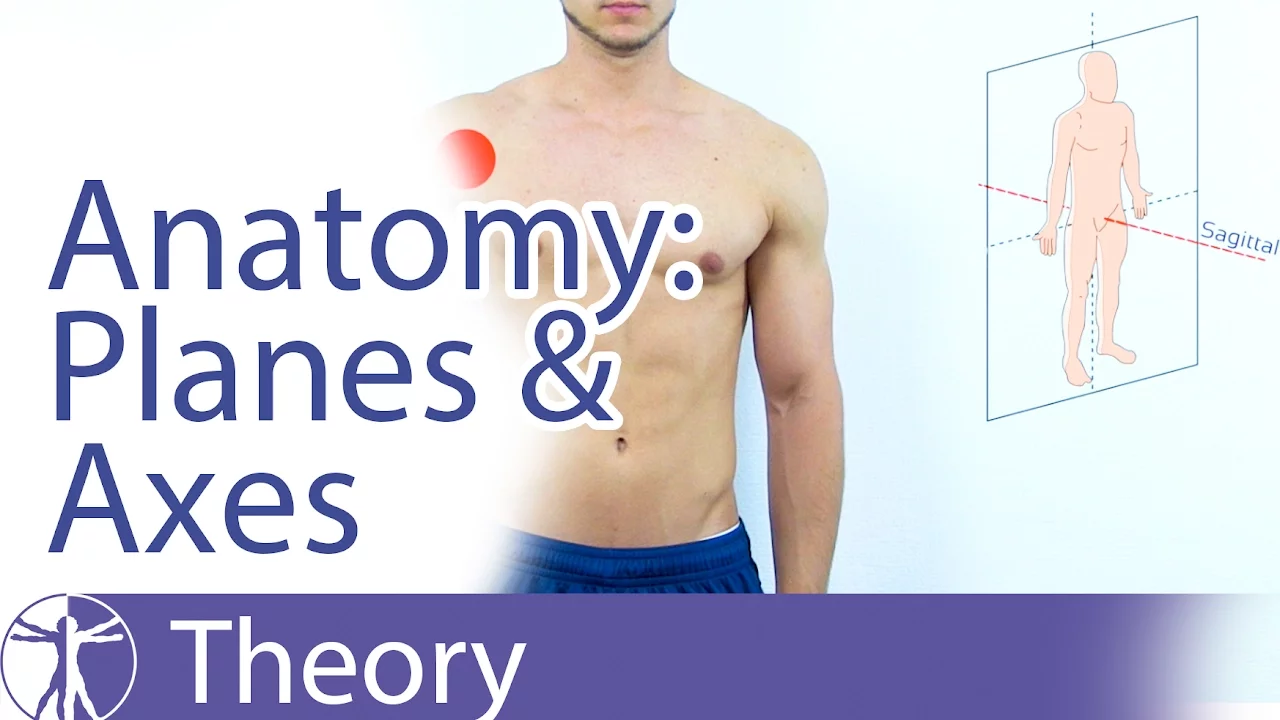
Added:hello guys this is adid welcome to my channel movement science where i simplify biomechanics with job so if you're new to this channel consider subscribing also check me out on instagram where i post pictures of my notes and also put out some daily mcqs the reference time for all the topics that i am going to cover will be mentioned down in the description so check that out and let's get started [Music] in this video we are going to talk about the gate kinetics where we will be discussing about the power under power we will discuss power generation and absorption so let's start with the topic power generation is basically the concentric muscle work okay and power absorption is basically the eccentric muscle work it is also referred to as the positive that is the concentric and negative work that is the eccentric so we will look at the power generation and absorption in the sagittal and the frontal plane transverse plane the data is not a lot so we will focus on these two planes right and if you look at the data over here there are a lot of concentric and eccentric muscle activity that occurs throughout your gait cycle so there's a whole list over here the main ones that we see but again if we distill it even further these two lines are the most important ones this will kind of form the basic framework for major concentric and eccentric muscle works that are produced during your gait right then you can expand on these by adding from here so pay attention to first these two lines and you will kind of get the gist of the video and then we will start adding more to the gait cycle right so first thing what happens is the positive work or the concentric work that we will focus on the concentric work first the most important one is the ankle plantar flexion during the push of phase so if you take joe over here when he is pushing off from the ground correct pushing off from the ground with plantar flexion that's when the concentric work of the gastrocnemius happens over here correct and that is the first positive work that is seen the most important one after this the another important concentric work that is seen is hip extension in early stance so the other leg goes for swing correct and the stance leg when you plant it on the ground and then you're going ahead if you see hip extension is happening over here right hip extension is happening and during the hip extension your gluteus muscle will be working concentrically so that is the second positive work in early stance and then hip flexion will also be occurring during the swing phase right during early swing when you're swinging your leg forward your hip flexion is happening that is the third positive work so these are the three main positive or concentric power generation that is seen in the sagittal plane and then when it comes to force absorption there is the knee extensors which work and they basically do the force absorption so here if you can see the line of gravity is going behind the knee right so if you take over here line of gravity passing behind the knee so it will tend to cause knee flexion so this knee flexion will be controlled by eccentric activity of your quadriceps ahead because quadriceps does extension right concentrically and eccentrically it will control the flexion so what it will do when the flexion is happening it will control and that is the force absorption or power absorption that is seen at the knee joint so these were the two main concentric and eccentric activities that are seen now let's move ahead and we'll see what are the other activities that might be seen so we'll try to go in an order throughout the gate cycle that way it'll be easy for us to remember so first we look at the hip joint so over here h1s the name of the power over here this and this these are the name of the power now how are they denoted s means your subjective plane h is your hip and h1 is the first power or the first thing that is seen at the hip joint then h2s would be the second and then h3s and that's how it follows and same for all the joints right so h1s we already discussed during early stuns there is a positive work that happens with the help of hamstrings and glutes right so over here if you see the grf it is anterior so it will tend to cause flexion at the hip joint but your glutes muscle over here will work concentrically to create that hip extension correct if i show you here when you are in the stance phase and driving your hip forward this hip extension will be caused by concentric activity of your glutes next we go to knee joint at the knee joint there is k1s that is the hamstring during very early stance so if you see over here at the knee joint the line of gravity is ahead so what will happen knee will go for extension correct because the line of gravity is ahead it will go for extension and this extension is controlled by your hamstring because hamstring will cause flexion correct concentrically but over here it's eccentric work negative work k1 s right so hamstring will control the extension and that would be the second thing that will be sing going ahead there is the k 2 s that is basically the quadriceps over here if you can see as we discussed over here also the quadriceps will help in force absorption so over here if you can see the grf is behind so what will happen it will cause flexion at the knee joint and this will be controlled by eccentric activity of your quadriceps so that's what i'm going to draw over here eccentric activity of quadriceps over here after this we move ahead and we see a1s over here a1s is basically the plantar flexors that are working in early and mid stance so when you are putting your foot on the ground and then you are going ahead if you can see from this position correct from this position to this and this basically your foot is going from this to going ahead and what is happening at the ankles it is going from a plantar flex position to a dorsiflex position and during this your plantar flexors will be working eccentrically see it's lengthening from a shortened position it is lengthening and it is controlling this movement ahead so again it will be an eccentric activity at your plantar flexes so that's what i mentioned here here negative work of plantar flexes during early and mid stance also another thing that wasn't mentioned over here is during the early stunts when you are striking the foot on the ground and when your foot goes from dorsiflexion to a foot flat position right plantar flexion over here gravity is pulling your foot down correct gravity is pulling your foot down but you will control this downward movement with the anterior muscles correct anterior muscles over here will control the downward moment that would be your tibialis anterior and all the dorsiflexes correct so there will be also eccentric activity of dorsiflexes which isn't mentioned in the table so that was the ankle then again we'll move up to the hips there is the h2s correct so over here h2s is basically the psoas and the rectus during the mid stance because you are going from a hip flexion position to an extension and from extension to even more extension because you are swinging the other leg correct so during this point when it's going into extension it shouldn't go too much into extension right so this extension movement has to be controlled and this will be controlled by your hip flexors and all the anterior muscles so that's what happens at the hip joint h2s your psoas and rectus during mid stance and later on will control the extension movement correct so that's what is seen at soars and rectus during mid stance that is the negative or the eccentric work this will be followed by the major a2s that is the plantar flexor during the push-off which i just mentioned over here right plant of excess will be helping you to push off from the ground and create that concentric which we have already talked about this will be followed by your k3s during k3s your rectus femoris will be working correct rectus femoris will be working in the late stance followed by this will come the h3s okay that is psoas and rectus now what happens over here is in source and rectus it is the pull-off part where after pushing off your hip will go ahead correct because you have pushed off the other leg will go for stance and your hip is going ahead so this is the pull-off where there will be concentric activity of your hip flexors because your hip is flexing correct this will come under your h3s that is psoas and rectus working in the late stance also known as the pull off which i have also mentioned over here right hip flexors working during the early swing or late stance and then finally your hamstrings will be working during the swing phase eccentrically because when you are swinging the leg gravity will be pulling your tibia down but this downward movement of the tibia has to be controlled correct it cannot just collapse down it has to be controlled and this will be done by your hamstring muscles that would be your k4s so that whole thing would be how power generation and absorption occurs in the gate i know it's a lot of it but what you need to understand is your body does not work like a robot like this movement then this moment everything happens together with agonist and endogonous contraction right that is basically power generation and absorption happens together and that's how we get a smooth gate so to have an overall understanding what you need to understand is these three things these are the power generators and power absorption that happens and you can add on some hip flexors and extensors how they do the eccentric work also the tibialis anterior and your plantar flexors so now that we have understood sagittal plane let's move on to the frontal plane and quickly finish this topic so now coming to the frontal plane in frontal plane it's all about adduction and abduction right that's what we have talked about all this while so that's what's going to happen over here also the power generation and absorption will be related to abduction and adduction so the initial part of absorption of hip forces or at the hip would be controlling the adduction so when joe is walking when he's putting his weight on the right leg what will happen his pelvis will drop this way correct so when it is dropping down this adduction will be controlled by the abductors on this side correct the abductors on this side will be controlling his pelvis falling down so what is that that is an eccentric activity because your adductors are attached from your femur to the pelvis correct so when your pelvis is falling down on this side it is lengthening and it is controlling the downward moment there will be first a negative power that will be seen or the eccentric muscle activity which will be followed by two bursts of positive energy to get your pelvis back into the same line so that's what i mentioned here h1f which will be a negative work which will be controlling the pelvis movement downward which will be followed by h2f and h3f two bursts of positive energy to get your pelvis back up and that's how the whole gait cycle will keep going on right why this is important is it will control the fine movements of medial lateral position of your center of mass when you are walking apart from this there will be also k1 f that is at the knee positive and k2 f are negative abductor activity that will be seen apart from this it is more of a passive work right with ligaments support and other things so that's all we have for the frontal plane that is the abductors working in a positive and a negative energy generation that is basically power generation and absorption next going on to the mechanical energy so what happens in gate is basically your body tries to save energy by passively exchanging the potential energy and the kinetic energy now what do i mean by this let's have a look at this graph so this is basically your kinetic energy this is your potential energy and when you combine this this is the final energy okay that is the total energy of h80 that is head arm and trunk so now potential energy increases as you increase your height correct and kinetic energy increases when you are going ahead or moving or with velocity correct so now if you see over here this is the toe off and this is the mid stance somewhere over here so during toe of what happens during to off or you can also say push off you are pushing you yourself off the ground correct and when you are pushing yourself off the ground what is happening you are moving ahead correct sudden movement is there of your head arm and trunk correct so when you are going ahead that's when the kinetic energy is very high but then as you reach somewhere in mid stance in mid stance your whole body is at a comparatively higher position compared to your stance or maybe your late swing phase or later in the stance during the mid stance you have the highest position your head arm and trunk correct so that's when the potential energy of your head arm and trunk is the highest so if you can see during mid stance your potential energy is high and it goes down and then again during mid stance it becomes high whereas your kinetic energy it will be high when you are just pushing off the ground and moving ahead and it drops during the mid stance correct when you are higher but your the movement is not that much so if you combine both of these this is what you get kind of mixture of both the energies so that's how your body by combination of potential and kinetic energy tries to kind of conserve the energy and this is accomplished by your concentric and eccentric muscle work that we just saw till now in every stride right so if a person walks very slowly or too quickly what will happen this kinetic energy might not be transferred well right so this kinetic and potential energy transfer might not be that well hence conservation of your energies will be reduced so an optimal speed for walking is very important when it comes to energy conservation apart from this another thing i just want to add over here is lower limbs overall in general walking contributes to much more energy than the upper limb which cannot be changed right so they form the basis kind of of your potential and kinetic energy exchange so to summarize this part basically your potential and kinetic energy keep interchanging between each other right at different part of the gait cycle when your body is higher that is during mid stance right that's when potential energy is high and kinetic energy is low and when your body is moving ahead during the push-off that's when your kinetic energy is high and potential energy is very low so when you combine both you get a graph like this which gives you a good understanding of how potential and kinetic energy work together and this can be accomplished by concentric and eccentric muscle activity that we just saw okay so now that we have covered this whole thing let's quickly summarize the stock so first what you need to understand over here is concentric and eccentric activity if that concept is not clear it's very hard to understand this whole topic so over here we saw that during push off your ankle plantar flexes work as a positive work then during hip extension again there is a concentric activity and then hip flexion during the early swing again concentric activity coming to the negative activity your hamstrings are there which is controlling the movement of the tibia down then also knee extensors are also working and also your anterior tibial muscles correct your dorsiflexes are working to control the foot downward so all these are the positive and negative works that is done by your muscle to transfer the energy sufficiently in the sagittal plane and then if we move on to the frontal plane that is the abduction part of it h1f which is creating a negative work followed by two bursts of positive work and then finally we moved on to mechanical energy in walking where potential and kinetic energies are interchanged during the whole gait cycle correct which is helped with the concentric and eccentric muscle work right so with that we finish off this topic that's all for today guys thank you for watching if you like my video please share it with your friends don't forget to hit that subscribe button and also like the video as it really helps me out also let me know in the comment section what other videos you would like me to cover and see you soon in the next video [Music]
Up Next
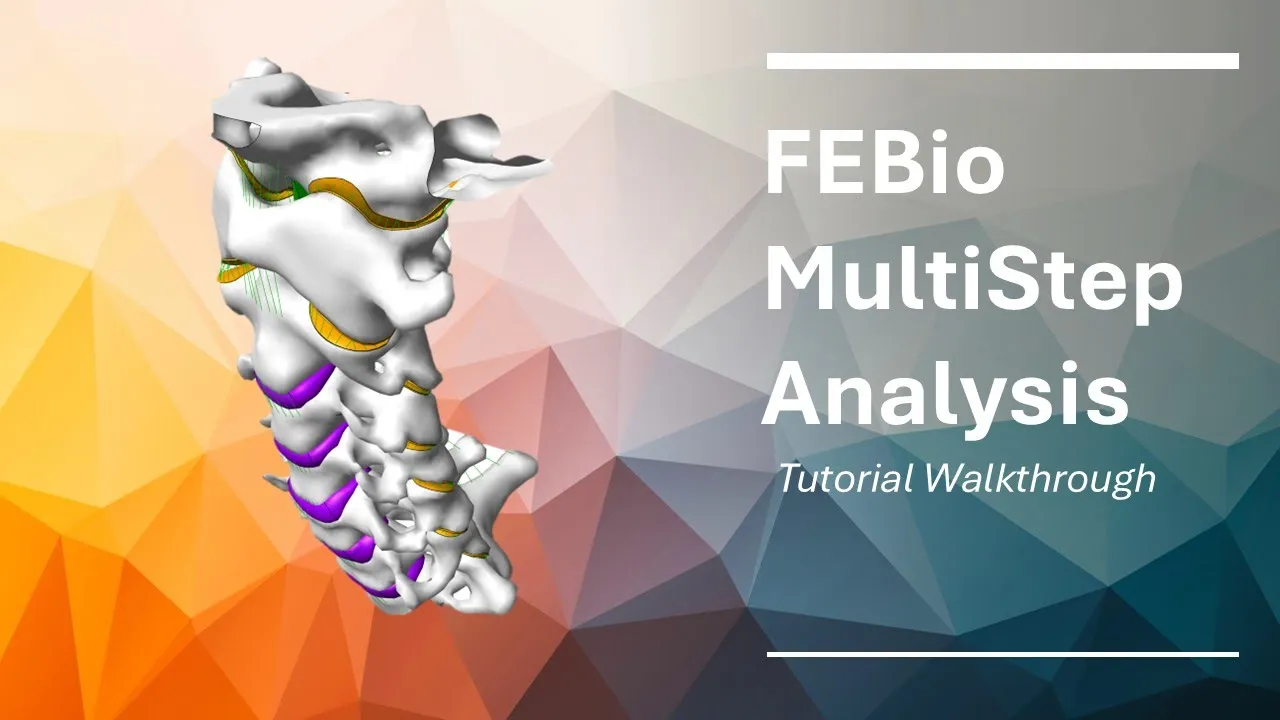
FEBio Multi-Step Structural Analysis Tutorial
@engineer_james
489 views•2025-02-27

Triumph of Orthodoxy Icon: Byzantine Art & History Explained
@BenCallan
2.1K views•2024-08-06
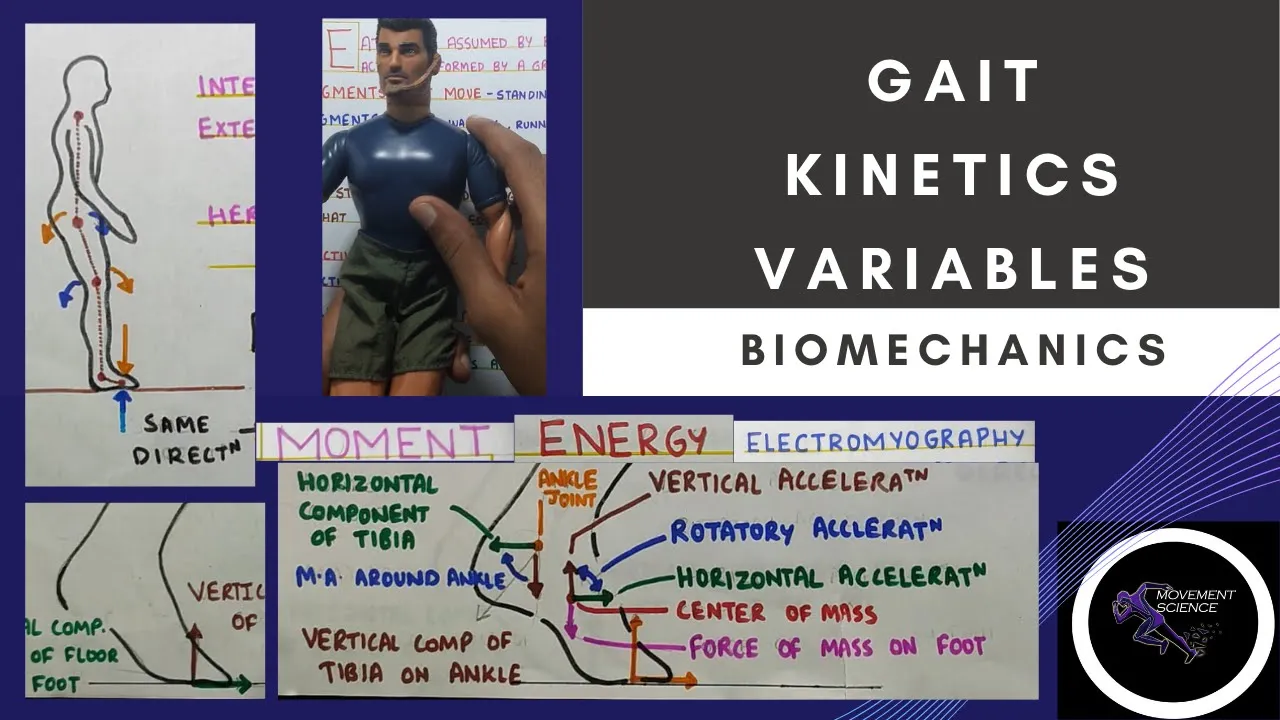
Kinetics Variables in Gait Biomechanics: A Physiotherapy Guide
@MovementScience8
19.1K views•2021-11-15

Game of Thrones Opening Credits: A Cinematic Analysis
@gameofthrones
46.3M views•2011-04-18
Related Study Plans & Knowledge Roadmaps
Structured learning paths in General & Interdisciplinary Studies