















![BTS GAITLAB | How to read the report [Step 5]](https://i.ytimg.com/vi_webp/tRoFnpGa9gc/maxresdefault.webp)





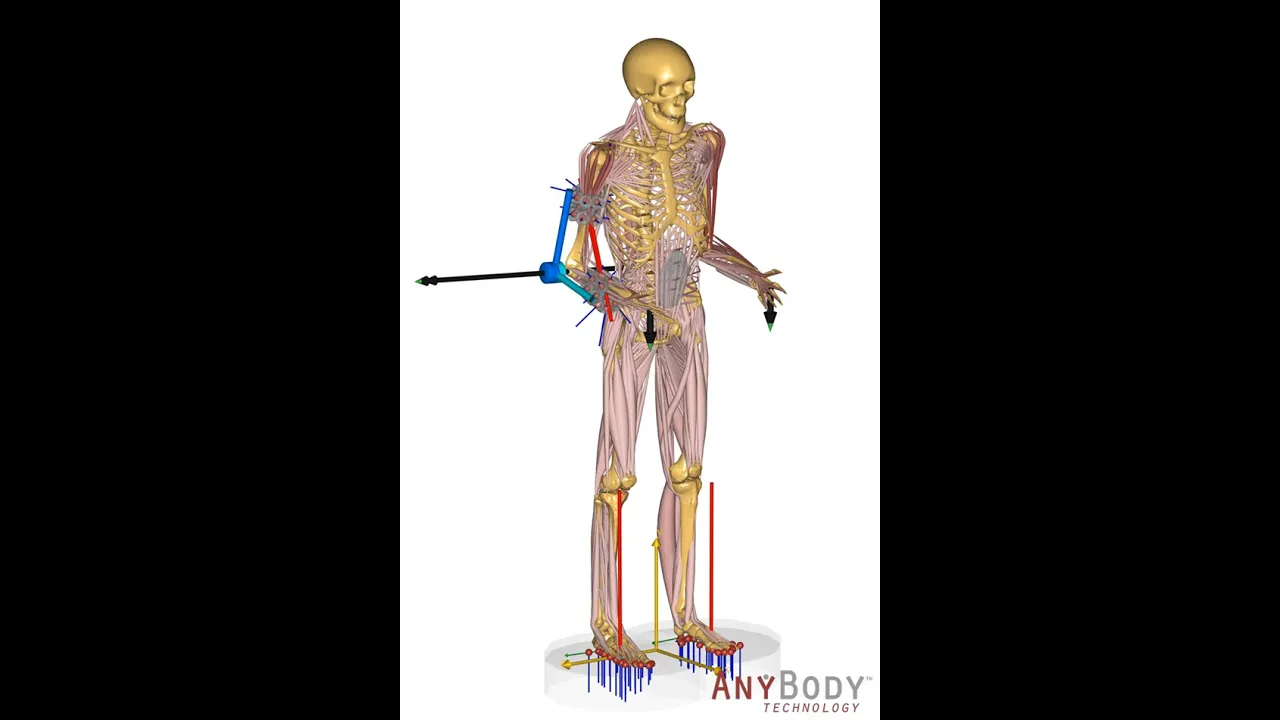
Kinetics variables in gait biomechanics include ground reaction force (GRF), which acts at the center of pressure and has vertical and horizontal components; moment (torque), which is a twisting force created by internal (muscles, capsules, ligaments) versus external forces (gravity, inertia, momentum); power generation (concentric contraction where muscle shortens with positive work) versus power absorption (eccentric contraction where muscle lengthens with negative work); and energy measured through VO2 consumption or METs. These parameters are measured using force plates and electromyography (EMG) to record muscle activation, and combined through the link segment model to analyze forces and moments at each joint along with linear and angular acceleration for comprehensive gait analysis.
Kinetics Variables in Gait Biomechanics: A Physiotherapy Guide
Added:hello guys this is adid welcome to my channel movement science where i simplify biomechanics with job so if you're new to this channel consider subscribing also check me out on instagram where i post pictures of my notes and also put out some daily mcqs the reference time for all the topics that i am going to cover will be mentioned down in the description so check that out and let's get started [Music] in this video we are going to talk about the kinetics variables the last video if you remember we spoke about the kinematics variables where it was all about the angles and the distance they discovered so it was all about the movement so this kinetics will be all about the forces that are involved in your gait cycle correct so these parameters like your ground reaction force moment power generated and power absorbed all these parameters vary in your gate cycle correct and this will vary from person to person too so this is what kinetics variables is all about so now let's start with the topic so first in this video we will have a look at all the forces that are measured so starting with your grf that is ground reaction force now when you are standing you apply certain force towards the ground right and the ground again applies certain force back at you that is your ground reaction force this is applied to the foot by the ground correct that is equal in magnitude correct and opposite in direction as you can see over here all these forces act at the center of pressure of your foot okay so if this is your foot there is a place where all the forces must be acting and a hypothetical point and that's where all the forces that especially the ground reaction force acts on the center of pressure now this ground reaction force can be divided into two components the horizontal component and the vertical component so the horizontal will be parallel to the ground and the vertical would be perpendicular to the ground so basically the resultant vector which is going in this direction right it is broken down into the vertical and the horizontal component so that's how ground reaction force is seen now this is calculated through force plates which we will cover in the next part of the video so stay tuned for that next going on to the moment moment is basically a twisting or a turning force at each joint correct now this is created by two forces internal and external okay we have seen how internal and external forces work together in posture correct in static posture we saw how the gravity will pull your body downward and all the muscles from inside will create force to keep your body upright and that's the same thing that is happening in gate there is the internal movement which is created by muscles capsules and ligaments and then there is external movement which is the inertia gravity and momentum from outside and when your body with your muscles capsules and ligaments fight these external forces a torque is created at each joint and that is your moment now these moments can be divided into positive and negative and it is called as the movement convention for example knee extension ankle plantar flexion and hip extension is seen as a positive moment or in some cases all these movements can be seen as a negative moment to and the opposite of it that is knee flexion hip flexion will be seen as a positive moment so that's how these movements work where they work against the gravity and create the twisting force at each joint to keep your body upright simple next moving on to power generation and power absorption now to put this in simple words power generation is concentric contraction and power absorption is eccentric contraction if you want to know about concentric and eccentric contraction you can go check out my video on types of muscle contraction so in power generation what happens is muscle shortens as it does the work so if you are curling up your biceps or when you're walking if you are flexing your hip what is happening your hip flexors are working over here to go ahead correct your hip flexors are working to go ahead and with the hip flexion your muscles is also working so that is a concentric contraction but an eccentric contraction is when when you are lowering down your foot your gravity is pulling your foot down but you're slowly controlling it with help of your tibialis anterior muscle over here in the front so that is an eccentric contraction so that is what power generation and absorption is so in power generation your muscle shortens with a positive work done in unit time whereas in power absorption what happens is muscle lengthens that is the work that is done within the time is in a negative format that is the joint motion and the forces that are produced at the joint are in the opposite direction correct next we come to the energy so energy is basically work done in unit time correct so in gate energy can be measured by two ways one is metabolic cost that is vo2 per unit distance that is you do consume in a unit distance say one kilometer and that would be 32 percent of vo2 max is needed to walk a distance at a comfortable speed at the age of around 20 to 30 whereas another way to count energy is through mets that is metabolic equivalent which is used and an average value for that would be 2.5 to 4 max in walking so till now we have covered all the forces that we can measure during a gate cycle now let's move on to how we measure these forces one is the force plate and the second one is the electromyography this is used to evaluate record and also read the activation of the muscle signals how do we do this we place electrodes on the skin or inside the muscle through needles and then and then when the muscle contracts it will tell us about the time of contraction and in particular which muscle is contracting at what activity so that's how electromyography works and this helps us to know the activation of muscle during different cycles of gait so now we move on to our final topic that is the link segment model where everything is brought together so when i say brought together all the data that we have collected till now the variables of kinematics the variables of kinetics all these things are brought together and final analysis is done which gives us a wide perspective about the gate how and what muscles are acting at what time of the gate cycle let's see how this is done so first your body is divided into segments at each joint markers will be put which will divide your body into foot lower leg thigh etc something like this that we saw at each joint these markers are kept now these markers that we saw these are detected through your motion analysis technology and it will be tracked by the computer correct and the forces are calculated through your force platforms that on which you are walking then your body weight gravity inertia rotational analog that is basically important to analyze all the fast moving parts of the mass okay and and all these things along with the walking velocity and your muscle activity that you get through electromyography correct data through electromyography everything is combined to determine the forces and the moments okay forces and the moments that are acting at each joint along with your linear and angular acceleration that is how fast you are going ahead and what are the forces acting at each joint everything is calculated to get a whole rounded picture correct so this is how a final picture would look like it's a pretty complex picture but let's slowly break it down so first over here as you can see the orange spot over here that's the ankle joint correct the forces that are acting on the ankle joint over here are your tibia correct the tibia force is coming down through the ankle joint so that is the vertical component of tibia on your ankle so if i draw that so tibia is coming from top right correct so tibia will be here and this is divided the component of tbi is divided into vertical component and then the horizontal component of tibia correct then if you go ahead this over here the red spot is the center of mass of your foot correct and at the center of mass there are a lot of forces acting there is the vertical acceleration over here upward because you are pushing up from the ground there is horizontal acceleration because you are also going ahead right when you are pushing up you're also going ahead so that is the horizontal acceleration and then the downward is the force of the mass on the foot correct basically your gravity pulling your foot down so that force will be acting and along with it as you are moving ahead and there is some rotatory component or rotatory acceleration that is present in this so in this way all these forces are brought together to get a final picture where you study gate in detail right so with that we finish off this topic now let's summarize we first covered the ground reaction force then we went to the moment where internal versus external movement were fighting to create a vertical stance and propel ahead correct then we saw what is force generation that is basically concentric contraction and then force absorption that is eccentric contraction then we went to energy that is work done in unit time and this is calculated through vo2 max and also through mets after which we saw how electromyography is used to record the muscle activation and then electromyography along with all the other data are used to determine the forces and moments that are acting at each joint along with linear and angular acceleration in the gate cycle to get a whole rounded picture of the gate so with that we finish off this topic that's all for today guys thank you for watching if you like my video please share it with your friends don't forget to hit that subscribe button and also like the video as it really helps me out also let me know in the comment section what other videos you would like me to cover and see you soon in the next video [Music]
Up Next
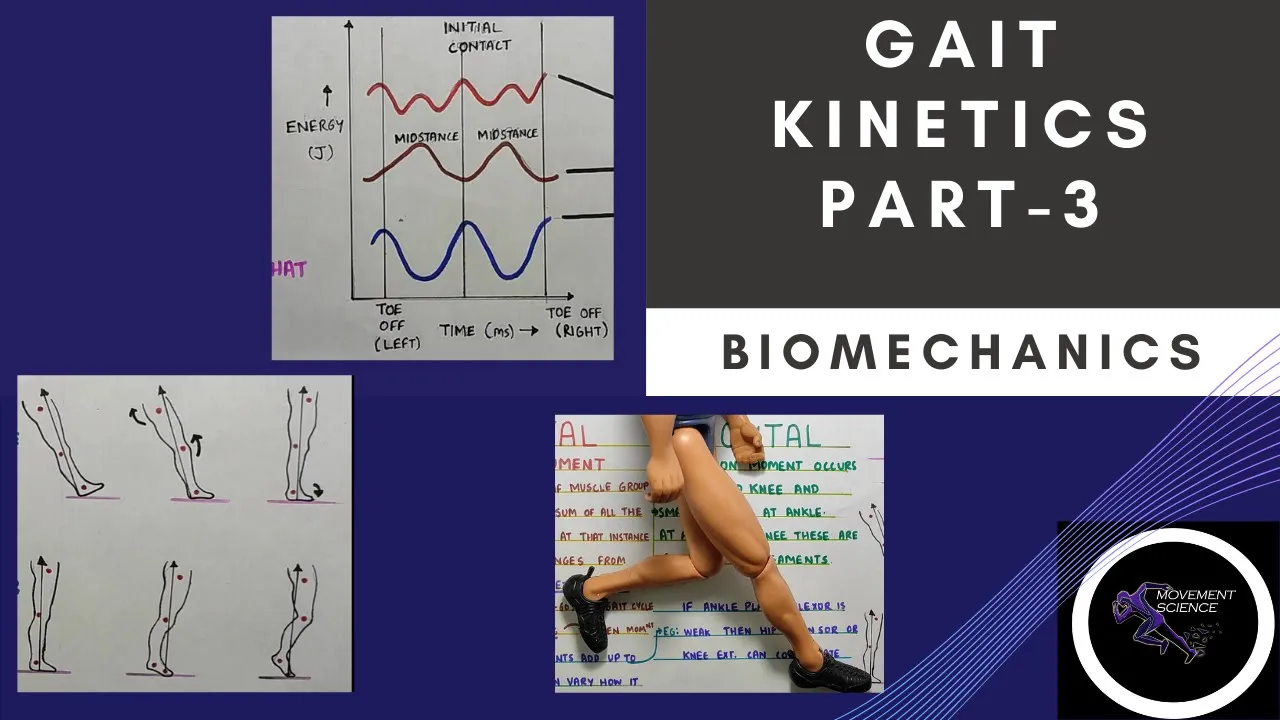
Gait Kinetics Part 3: Power Generation & Absorption | Biomechanics
@MovementScience8
16.7K views•2021-12-11

Triumph of Orthodoxy Icon: Byzantine Art & History Explained
@BenCallan
2.1K views•2024-08-06

FastAPI vs Flask vs Django: Choosing the Right Python Web Framework
@TechWithTim
302.5K views•2024-05-26

Game of Thrones Opening Credits: A Cinematic Analysis
@gameofthrones
46.3M views•2011-04-18
Related Study Plans & Knowledge Roadmaps
Structured learning paths in General & Interdisciplinary Studies