















![[풀버전] 스테이블코인 법제화와 달러 패권의 재편 | 경읽남과 토론합시다 | 이지민 작가님](https://i.ytimg.com/vi/FzQ837d8ABU/maxresdefault.jpg)
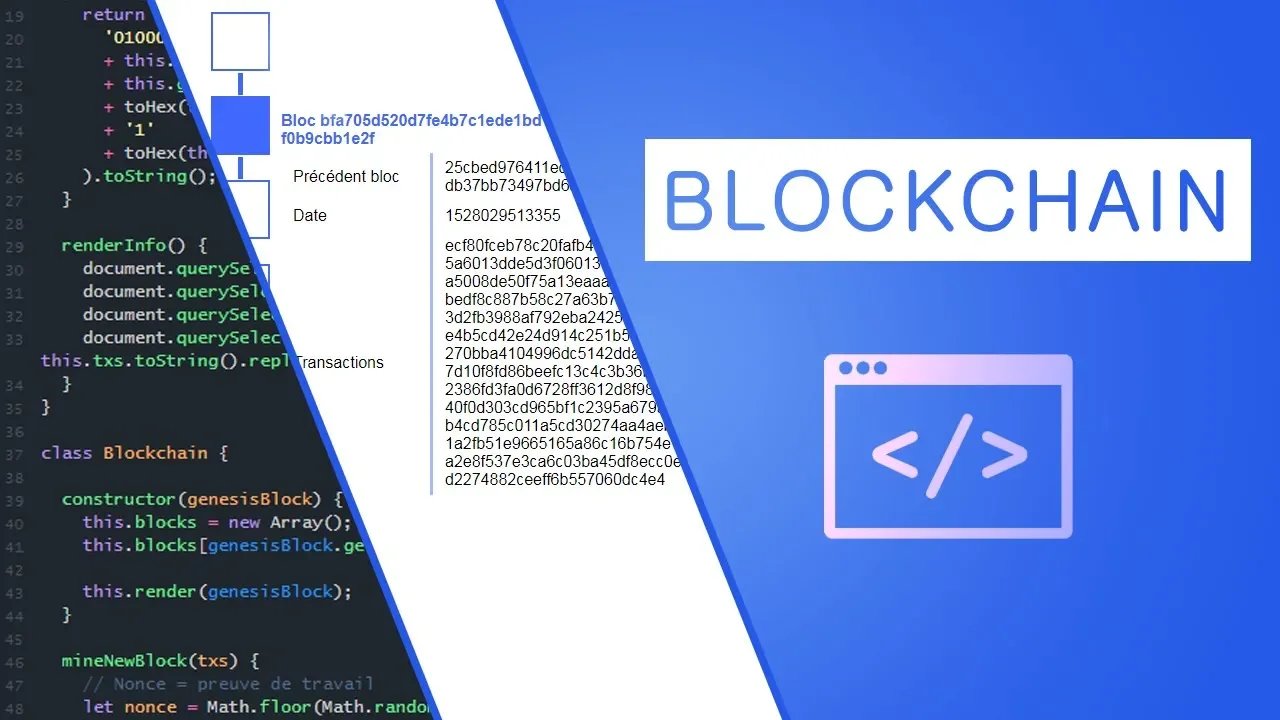
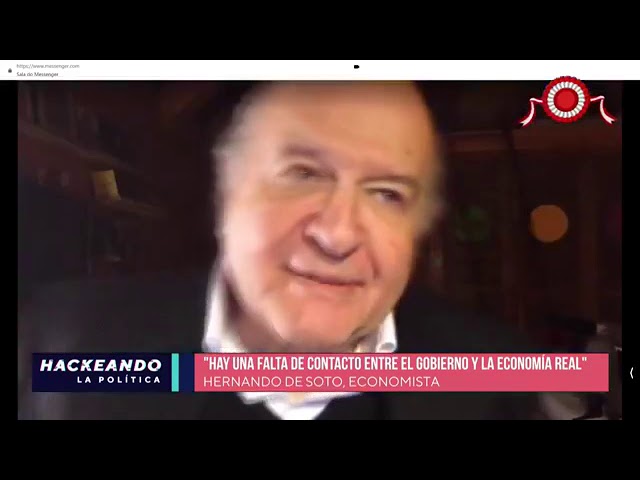
Clear, transferable property rights are essential for economic prosperity because they enable individuals to use assets as collateral, attract investment, and plan for the future; without such rights, assets become 'dead capital' that cannot generate wealth, which is why Hernando de Soto advocates using blockchain technology to create transparent, public ownership records that can unlock economic potential in developing regions.
Blockchain and Property Rights: Hernando de Soto on Economics
Added:Fundamental principles of property rights, capital formation, and their historical role in economic development.
Hernando de Soto's theory of 'Dead Capital' and how informal ownership limits economic growth in developing nations.
Basic mechanics of blockchain technology, including decentralized ledgers, immutability, and consensus mechanisms.
The concept of the informal economy and the barriers individuals in developing countries face when trying to access formal financial systems.
Analysis of real-world case studies where blockchain has been implemented for land registries and property titling (e.g., Georgia, Sweden, Rwanda).
The role of Decentralized Identity (DID) and self-sovereign identity in establishing legal identity and economic inclusion for the unbanked.
Critical evaluation of the limitations and challenges of blockchain land registries, such as the 'garbage in, garbage out' data entry problem and political corruption.
The concept of tokenization of real-world assets (RWA) and how it can democratize access to fractional property ownership and microfinance.
39.3K views1.3Klikes20:52Original Release: 2018-07-13
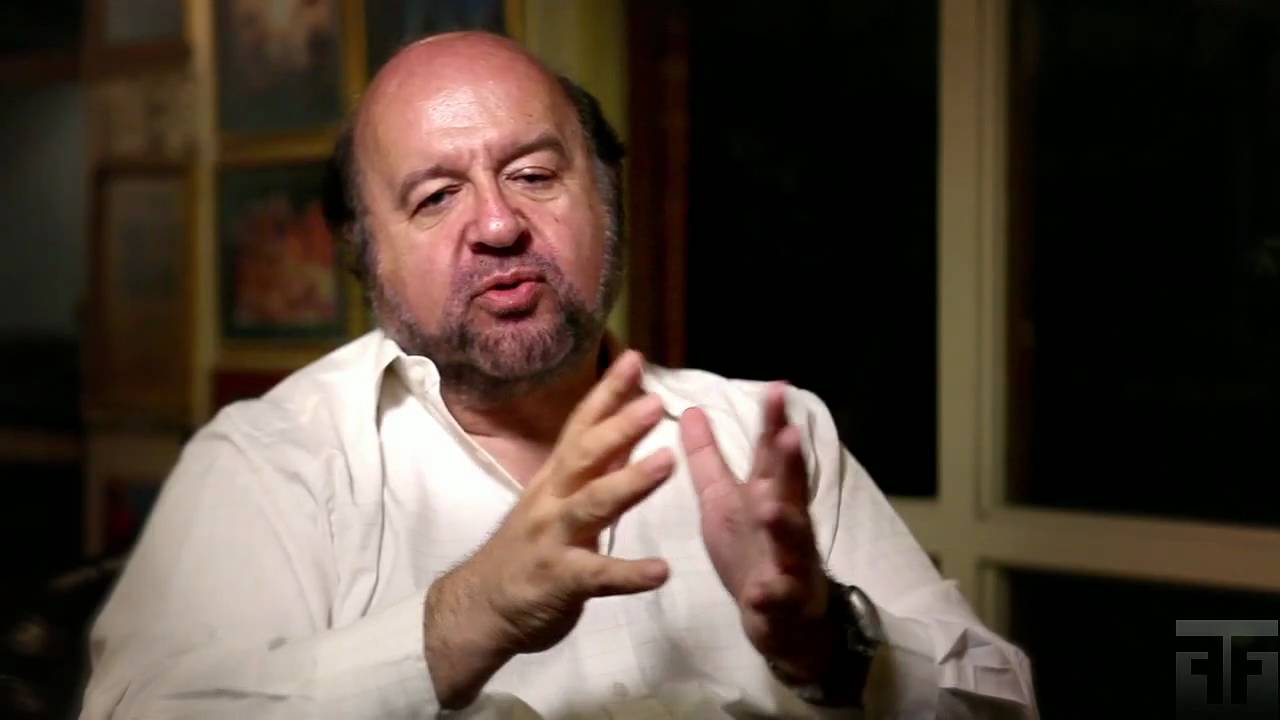
1989 was an auspicious year for human freedom in the spring Chinese students occupied Tiananmen Square erected a replica of the Statue of Liberty and called for democracy and individual rights by the fall people living in East Germany took hammers and chisels to the Berlin Wall and pulled it down unleashing a wave of revolutions that ultimately led to the collapse of the Soviet Union 1989 was also the year that Peruvian economist Hernando DeSoto published the other path the invisible revolution in the third world which radically challenged the conventional wisdom about the persistence of poverty in the post-colonial landscape this is what happens when people are helped by law instead of being obstructed by law DeSoto argued that people were pushed into the black market and informal economy because governments refused to recognize publicize him promote legal ownership of property and other assets without clear title and the right to transfer property common farmers and laborers understandably refused to invest in the land they tailed in the products they created causing what DeSoto later called the Citadel's of dead capital whose riches could never be fully accessed no one he argued would plan for the future in a world where everything you did her own could just be taken away from you in activists as much as an intellectual DeSoto has been called the world's most important living economist by former President Bill Clinton he's credited with changing policy in Peru and elsewhere throughout the southern hemisphere pushing governments to create property regimes that are public and transferable thus giving people incentives to develop and build assets for the long term what works in the United States the most successful prosperous and probably democratic country in the world should be extendable to the rest of the universe his latest endeavor involves partnering with overstock.com founder Patrick Byrne and others to use blockchain technology and social media to create totally public and perfectly transparent records of ownership reason caught up with de Soto in Washington miss June where he received the Competitive Enterprise Institute Julianne del Simon which is named for the late free market economists who believe that mankind is the ultimate resource Hernando DeSoto thanks for talking to Reason great to be here Nick thank you for inviting me your urine Towns received the Julie now Simon award what do you what do you see as the essential similarities between your thought and Julian Simon's and then what are some of the big differences I would say that I'm a disciple of Julian Simon in a certain way in the actually in the way that you pointed out about human beings being the ultimate resource and there were both probably disciples of in part Aristotle who said that potential of anything is bigger than the thing itself but the reason he said that four is because we could look at something and see its potential potential is how you see something being transformed into the future and transformations about combination which would mean as being both disciples of de Tocqueville who and this time also said that America was likely to succeed over everybody else or every other country because a the art of combining was the highest here as well as the laws for allowing things to be combined and therefore realize their potential and therefore didn't matter what kind of the world what part of the world you were in you were always gonna make a big deal out of it you are all we couldn't do something better because human beings can transform anything so how do you feel if you're following American politics at all we are now and I guess this is also true in the European Union there's this real sense that we are you know we have to close our borders we're talking about putting up trade protection parties want to stop legal and illegal immigration is that a fundamental you know kind of screw you to a long-standing not not just to an American ideal of open borders and welcoming people but to the very genius that helped make America a wealthy country well I think it's disappointing I think it's disappointing because I think that Westerners and quite realized what it or remember what it took them to become great countries or why you're Americans that came from other country became great when they were the United States there were a bunch of institutions the United States which allowed them to be great wherever they came wherever they came from and so one of the things that is crucial to doing something great is realizing for example that in the Middle East there's a lot of people that could be doing business I mean they invented the check it was more there were much more prosperous than Westerners until we decided to look at Islam instead of looking where they had the institutions to do so or not they've got businesses like bazaars and we don't look at the mess do they have limited liability can they get credit do they have property rights they have none of those things so here you've got business that also creates property so it's a pity that we are have now gone back to instead of thinking about institutions that is to say about civilizations and rather come back to looking at cultures any culture can become prosperous and it's disappointing in a way to see that the West is now concentrating on cultures instead of what it takes for a culture to be prosperous what what do you think is the kind of reset button I have you know in the United States or or in a society that starts going down a path to you know closing things off and and not refreshing itself and not maintaining its institutions what are the ways in which we can say hey let's stop that Luggin how do we reset this conversation I think you're really talking about property rights the thing is that they came in me watford ago would have called the anglo-saxon culture they came through common law common law judge-made law comes in little bits by little bits and sometimes you forget where the trend is but essentially you learn to refer to manage property privately both as individuals and collectively as a corporation as the collective and if you go to developing countries and former Soviet countries you will find that most people cannot access private property that is to say the capacity to identify something located and then transfer it that doesn't exist in most of the world as a result of which most of world wants to come to the United States and those in Africa in the Middle East want to come to Europe and there you get all your protections policies and all your could have been avoided migration problems so you know your book the other path was published or at least in English in 1989 and that was a year that was fascinating for all sorts of reasons not the least of which your book but there was the tmn square kind of protest and and shut showdown but the Berlin Wall was pulled down how has your understanding of the need for transparent and transferable property rights changed your native Peru and Latin America how has it affected other parts of the world and is the spread of that kind of your basic insight that you were just talking about is it is it really uneven throughout the world well it is uneven the good side is that some people like yourself have obviously read me and that's that's good the trouble is that in my part of the world the people have read me the most are actually on the Left the left has understood that if most of us in the third world in the former Soviet Union are poor compared to you it has to do something with property so you will actually see that the people who go out and title in the Middle East for example and protect the ledgers that are homegrown about who owns what it's the Islamic state it's al Qaeda it's the FARC it's The Shining Path so the people that say they read Hayek or they say they read Milton Friedman or they say that read my phone Mises in my part of the world the generator think about their property and other other people's property the guys were thinking of also giving it to the poor so they can prosper and not be a threat at least for selfish reasons are you are you optimistic about Latin America I mean in many ways since 1990 or 1989 things seem to be better the the continent is more stable Venezuela is a nightmare but it's us kind you know that in Cuba are the last truly communist countries so are you hopeful about your your home region well yes we have we have made progress there is no doubt that we follow the traditional lines we've got lower tariffs we have more open borders and therefore we have larger markets there's no doubt about that we're doing better but we're still countries of mainly poor people and poor poverty isn't as we all know a reason for revolting against the system unless unless you're not surrounded by poor people anymore and you're surrounded by some that are wealthier you then it becomes a problem so now there's a second generation if you want to of of inhabitants of Latin America were those that are not so prosperous compared to those who did become prosperous and I'm fortunate I think there's still a majority so there is some danger there we still need further reforms and they have a lot to do with who owns the assets and who can transfer transfer them across borders not so much who owns them as whether you are actually certified to own them in such a way that you can be identified and cross the borders into larger markets yes in 2001 raisin was privileged enough to excerpt your book mystery of capital and in one passage you talked about Cairo Egypt which has stayed with me since I first read it and you talked about Cairo as a citadel of dead capital you know because it's as vast you know tomb of the once the greatest civilization on earth and you wrote the institutions that give life to capital that allow one to secure the interests of third parties with work in assets do not exist here what are those institutions beasts I yeah I mean there's the ownership title transferability how do you how do you get a society what what will it take for Cairo or for Egypt to revive itself and can it happen from within or does it always happen from without no it'll happen it will happen if it comes from within it's a big society it's an old society it's why society and it did give me a give you an idea of Cairo about 70% of all assets in Cairo cannot be identified through any ledger who owns it you don't know only about 14% of business organizations in Cairo are officially registered and therefore have access to corporate law what does that mean it means not that you don't know people's addresses but you do know where the addresses are it doesn't mean that you know you don't know where the buildings are or the factories art you do know where they are it means they don't have limited liability which is that means that every time they go and make a transaction it's like a poker game where they have to put all their chips because they can't limit their liability it also means that they can't get credit outside their neighborhood credit comes from credibility and they're not credible outside a small order all that means they have no economies of scale what can you do when you don't have scale it also means that they cannot pledge their assets when you pledge that's how you get investment I get investment because I give you a title or a share - part of my wealth or my future wealth so they've got none of the instruments to move ahead and yet they've got all these bazaars and they have actually a a class that in spite of all its limitations all these this illegal sectors just the value of their buildings is about three hundred and forty billion dollars now when you talk about a rescue mission of the IMF to Egypt and they say I think we're gonna put in two billion dollars I mean obviously the assets that are needed are right there in the middle of Cairo but for that you have to be proud for decide to look at your own people in a non-traditional way so one of the most fascinating things I think that you're working on these days is the idea of using blockchain technology to create better more transparent registries and you're working with people like Patrick Byrne of overstock.com and other people who are really invested in in you know the possibilities of blockchain how would that work and how will that help kind of revive these you know kind of give CPR to these Citadel's of debt capital well the thing is that it's American technology new technology can be a lot of help block change simply because it can handle an enormous amount of information and use distributed ledger systems and have these platform contracts that are extremely useful but it's not only that it's for example what we recently just learned in Peru in spite of that that's been around for a long time is that every time we had to communicate to people that they owned things but it would be a good idea to record them in the simplified way is to actually take a canoe for the next four for the next four days and then record etc we now found out that we don't have to address them 4,000 or 5,000 at a time I just addressed a whole bunch of them with one call using Facebook and I address 2.5 million out of 30 million Peruvians there's 18 million that actually have Facebook accounts so we can put them on google map and we can use Facebook and you combine that with blockchain we could get the whole place going in no time we couldn't do that five years ago does that and does the publicity of you know who owns what or what people are up to does that also help limit the power of the state to or the powerful people to just unilaterally take what what may or may not be there yes of course the first thing interestingly enough that they don't like about blockchain for people is a poor people don't want to hide what they own they want other people to know that they own it and they shouldn't take it so the fact of the matter and to actually have a presence so the fact is that being legit legitimate and be having a document is what gets you through I mean even now that I've come to visit the United States the first thing I was asked as I got off the plane was who are you and they looked at my passport and checked it three or four times had to put my four thumps there once you got me identified I could come into your country okay most of people in my country can't do that the idea that is using a distributed ledger people will be able you know ownership will be public and then how do you get to the point of transfer ability though is that a you know and you were talking about transferring across borders and things like that what kind of revolution that's that's not really a technological revolution right that's more of a political or social revolution that people are allowed to own and transfer property freely well let's put it this way we have discovered that all over the world and you know we who are not Europeans that are not North Americans they're 90 percent of the world have actually recorded our our assets but as opposed to yours which are on the internet are globally available and have been for some time even before the internet ours are not so who they are secured by local Ledger's that is to say that identification is local so when Indiana Jones gets to the place he's supposed to go he looks at the local ledger and he can identify everybody but he couldn't have done that if he stayed back in Indiana right now the thing therefore is that what you have to do is what MacArthur did when he went to Japan he didn't go in and say everybody now can get title according to the American system he said first of all I want each of your individual Ledger's the ones that are guaranteed by local institutions of Japan to record once these recorded and they're inside and they feel protected because they've come inside not only as individuals but protected by their institutions then you start doing so tightly because people feel safe if you go and that's why tightly for programs fail generally when they come from the west where you going say I want to consider you as an individual that come from one of the Lahaina Mexico but I don't care about what a lotta come in by yourself they won't come in because they've got to come in as institutions once they're in then you do the D massification but that's a huge you have in your act you're asking the conquerer to be humble and to understand the local place rather than just tell everybody what to do well Napoleon did it MacArthur did it you forgot about in Vietnam and you forgot about in the Middle East so remember MacArthur remember Jefferson remember Napoleon and you'll see that the magic is easy a final question when did you describe the moment when you had your kind of initial insights that you that your country was not poor that your people were not poor in that it was the you know it was the the institutions or the failing of the structures around that trapped you know that trapped people in in an active world but not in a not in a world where they could actually govern govern themselves and prosper actually is when I closed when I closed a couple of books and opened my eyes I had associated with some friends in putting a gold dredge in the Amazon was I think the first one and with a gold dredge so it's you you the water flows through and you pick up a little bit so it floats in the middle of the river and you just dredge and we did it with some Bolivians and Rio Tinto's Inc unfortunately we did it just when the price ago started coming down but we we didn't even really make money we just ended up even but I hadn't seen it because I'm not a miner I just was in charge of trying to see if we could get some funds and I brought in some of our funders and we started going down the river who was supposed to be our concession it's a property right and as we went down the river we started to you know there was some gold washing plants on the side and I asked our manager for these guys are in our concession he said oh these are called chichi cables these are you know like in the California Gold Rush bunch of guys the long beards and they're panning the gold and watching the gold and they just kept on appearing as we kept on going down the river and so our German Bester's I said you know why don't we kick them out if this is our place and the manager our manager said well because of the dredge we're 50 and so far in our concession we've calculated that there's 2,000 of these outlaws then I started realizing that most of us in the third world were outlaws and then I started saying what does it take to actually get a concession I saw that we had took three law firms a whole bunch of guys and most Perez don't have three law firms and don't have the cloud and don't have the contact and this when I realized that market economies weren't only just about freedom there were about good institutions well we will leave it there I want to thank you we have been talking with Hernando DeSoto he is the author of course of the other paths in the mystery of capital and he's the 2018 Award recipient of the Julian Julian El Simon award given annually by the Competitive Enterprise Institute Hernando DeSoto thanks so much Thank You Nick for a reason I'm Nick Gillespie [Music]
Up Next

16:31
Western Aid Critique: William Easterly on Development Economics (2007)
@aljazeeraenglish
18K views•2007-05-31
5:07
Impact of Yuan in Indo-Russian Trade Amid Sanctions
@WION
261.9K views•2022-07-01

9:58
Understanding Housing Prices and Zoning Laws: The Supply and Demand Puzzle
@ReasonTV
97.5K views•2023-06-16

113:18
The Age of Easy Money: Fed & Inflation | Full Documentary
@frontline
21.2M views•2023-03-15
Related Study Plans & Knowledge Roadmaps
Structured learning paths in Economics
economics
Sovereign Debt: Defaults, IMF & Restructuring
01Introduction to Sovereign Debt & Government Bonds
02Debt Sustainability & Credit Ratings
03Anatomy and History of Debt Crises
+ 2 more learning modules
12h5 modules
Explore Roadmap
economics
Market Design: Matching Theory & Gale-Shapley
01Introduction to Market Design and Price-Free Markets
02Two-Sided Matching & The Gale-Shapley Algorithm
03School Choice Systems and Mechanism Design
+ 2 more learning modules
10h5 modules
Explore Roadmap
economics
Impossible Trinity: Forex, Capital & Policy
01Introduction to Monetary Policy and Central Banking
02Exchange Rates and International Capital Flows
03The Mundell-Fleming Model
+ 2 more learning modules
8h5 modules
Explore Roadmap
economics
Healthcare Economics: Market Failures & Systems
01Introduction to Healthcare Markets and Market Failure
02Asymmetric Information and Adverse Selection
03Moral Hazard and Insurance Design
+ 2 more learning modules
12h5 modules
Explore Roadmap