



![52歲農民工登上熱搜!耗時15年,走訪18國,多位科學家揭示最殘酷社會真相:我們為何無法擺脫貧窮? [Unsolved Mystery Stories | Xiaowu]](https://i.ytimg.com/vi/w94hL6-DMZk/sddefault.jpg)






![[ULTIMO MOMENTO] BATALLA ENTRE PELOSI Y MCCONNELL PARA AYUDAR A 40 MILLONES DE DESEMPLEADOS](https://i.ytimg.com/vi/JAmYdZnEb8c/maxresdefault.jpg)





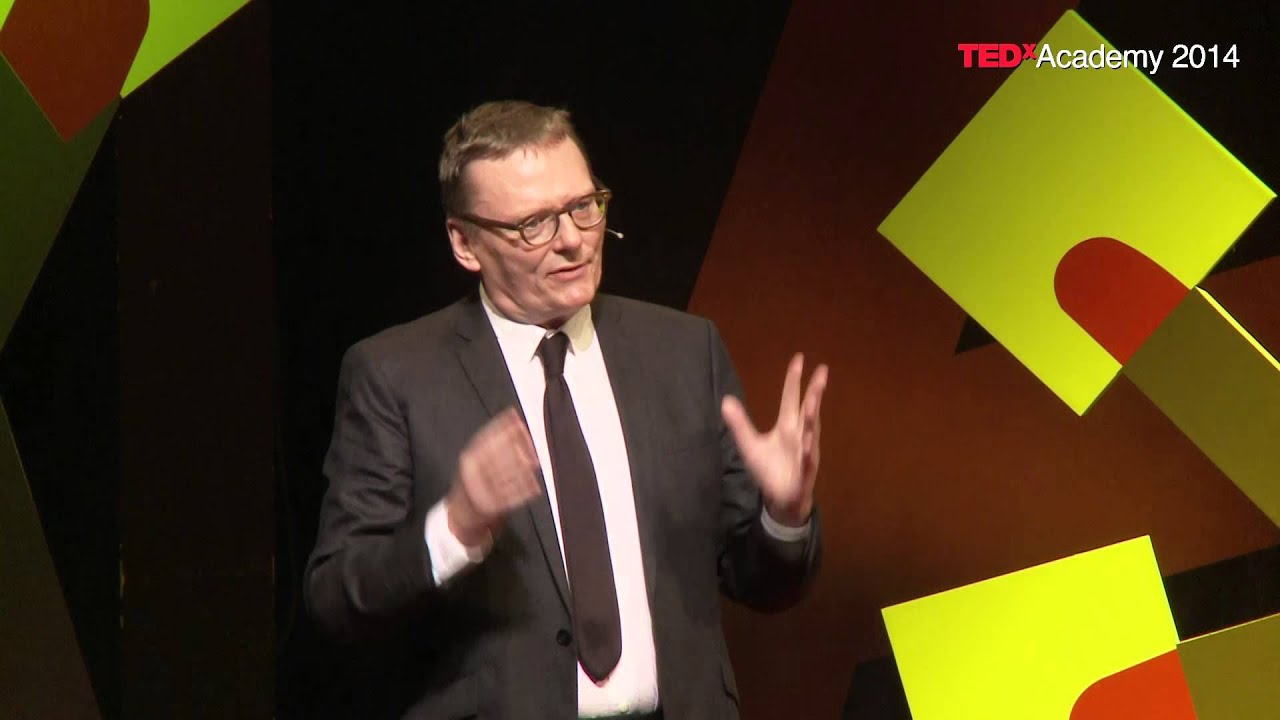




Western aid to developing countries has often failed because it props up corrupt dictators, makes governments accountable to donors rather than their own citizens, and focuses on spending money rather than ensuring aid reaches the poorest; effective development requires bottom-up approaches with local accountability, market-based solutions, and social entrepreneurs rather than top-down bureaucratic planning.
Western Aid Critique: William Easterly on Development Economics (2007)
Added:Basic concepts of international development, including the distinction between bilateral and multilateral foreign aid.
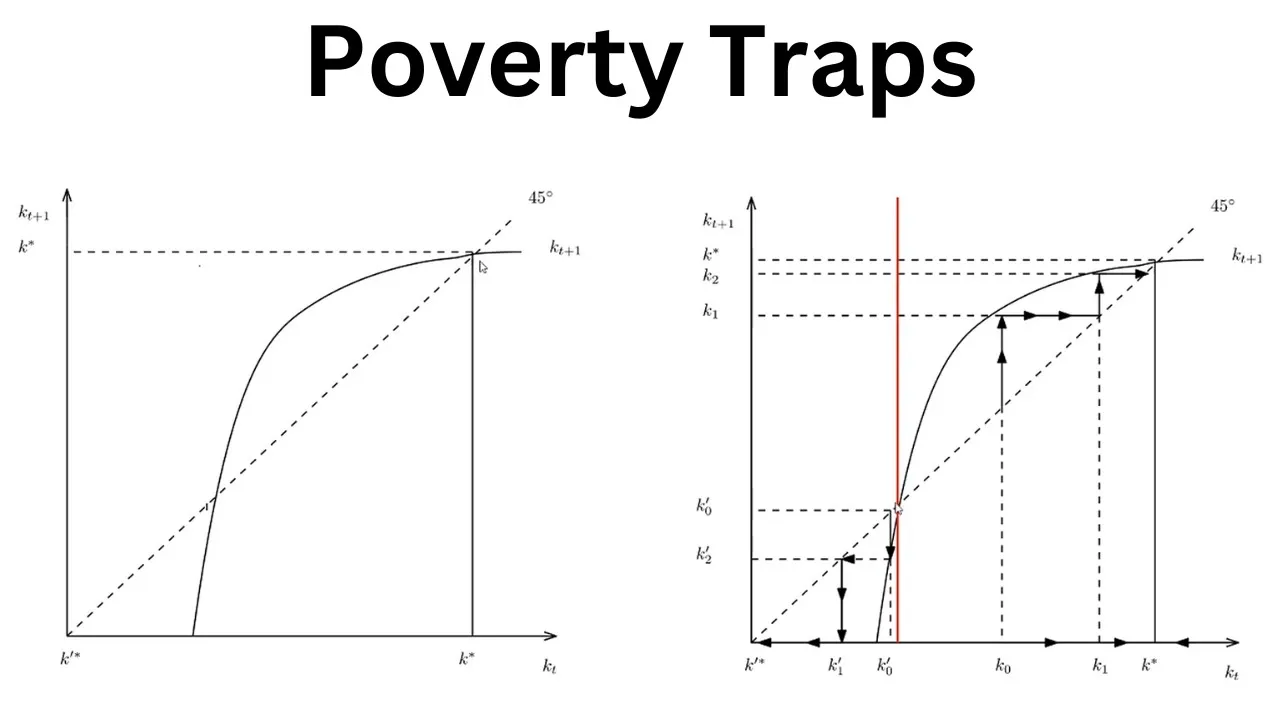
The 'poverty trap' theory and the 'financing gap' model, which historically justified large-scale capital transfers to developing nations.
Fundamental macroeconomic indicators such as GDP growth, inflation, and the role of institutions in economic development.
The distinction between top-down centralized economic planning and bottom-up market-driven coordination.
The Great Aid Debate: A comparative analysis of William Easterly's 'Searchers' philosophy versus Jeffrey Sachs' 'Planners' approach to ending poverty.
The application of Randomized Controlled Trials (RCTs) in development economics to measure the micro-level effectiveness of specific interventions, popularized by the Abdul Latif Jameel Poverty Action Lab (J-PAL).
Alternative development paradigms, such as unconditional cash transfers, microfinance, and 'trade not aid' initiatives.
The study of institutional economics, specifically how extractive versus inclusive political and economic institutions impact long-term prosperity as theorized by Acemoglu and Robinson.
18K views55likes16:31Original Release: 2007-05-31
hello and welcome take up The White Man's Burden The Savage Wars of Peace fill full the mouth of famine and bid the sickness cease these lines from a poem by British writer rajad Kipling date back to 1899 and reflect the Western world's attitude back then towards the poor of developing Nation it was not all that long ago that some schools in the west used to raise Aid money by asking children for pennies for black babies or something similar well in recent years Aid to places like Africa has gone through an evolution with something of a battle between those who believe it's all about giving money and those who think that that does more harm than good it's a cause that has attracted Hollywood and music industry celebrities such as Bono or Bob gof calling for detr for Africa so have the hundreds of billions of dollars of Western Aid to Africa helped or hurt the foreign Ministers of the G8 have just been meeting in Germany in advance of next week's G8 Summit with yet more Promises of aid for Africa one prominent American Economist has argued for years that the West has failed and continues to fail in its eight plans for the poorest of the poor Professor William E teaches economics at the New York University and is co-director of the University's development Research Institute he spent 16 years as a research Economist at the World Bank his latest book the white man burden takes its title from that rard Kipling poem I quoted you Professor eastley joins us today to explain why as he puts it the West effort to Aid the rest have done so much ill and so little good professor it's good to have you with us nice to be here sah obviously that first question has to be taking into consideration the title of your book why so much ill and so little good well there's really two big factors one is that Aid money often props up corrupt dictators and makes them stay longer in power makes the governments poor countries more accountable to the aid donors than they are to their own people and second just throwing money at the problem really hides the whole question of whether the aid is really reaching the poor there's so much focus on just the amount of money spent that nobody is asking is this Aid money actually reaching the poorest of the poor but isn't that more a situation that occurred uh you know 10 or 15 years ago haven't people started to ask the right questions and hasn't there been a lot more accountability in where the money goes and what's done with it uh the aid agencies always claim that they are new new and improved versions of their old selves uh that's that's their answer to every criticism yes that was true back then but now we're better unfortunately none of the the indicators either anecdotal or in the statistics that I study show any signs of improvement give us I mean give us the reason you chose that title The White Man's Burden for your book well I see a continuity between the the old sort of racist attitude towards the rest of the world and what is now no longer so explicitly racist but still very paternalistic attitude towards the West uh people like Bano and Tony Blair they say things like it's up to us to save Africa and I I find that incredibly patronizing and rather insulting frankly to Africans uh Africans can solve their own problems just like the rest of us now you do suggest that you know there is uh you know there exist this sense of moral duty I guess uh to to help the poor whether they need help or not so I mean does that imp they don't want the help well U of course they would like the help if it was provided in in an effective way and that left them lots of autonomy to to choose what they want unfortunately both of those conditions are violated Aid is put kind of forced down the the throat of the poor countries with lots of conditions attached which often destroy the effectiveness of the aid and the poor have very little voice very little ability to give any feedback on whether they're getting what they want or not they're completely powerless so how do you think Professor how do you think the uh Aid programs for places like Africa and developing nations have evolved over say say the past quarter of a century uh well they've gotten a lot better at public relations that's that's the positive uh that that's what gives the impression of positive progress uh unfortunately the uh you know the hard facts don't support the idea of progress U Africa continues to be the the poorest region in the world even though it's the most Aid intensive region in the world it's had had the worst economic growth that basically had zero rise in living standards since Independence despite $568 billion in Aid going to Africa over over that time period now I know uh there's been criticism often that uh developed nations are being forced to westernize when they'd rather look to modernize to what extent do you think that's true yeah I think there's something to that I think um the the more the the real General issue is the idea that W the West is forcing the poor countries to change in ways that the West thinks are best and that's really a destructive approach because it either it either has no effect which is of course useless or if it does have an effect then there's a lot tremendous resentment towards the West because Outsiders are forcing you to change nobody likes that I mean would uh would Americans like it if uh you know Canada told us how to run our our government or our our fiscal policy know of course not and uh people in poor countries are just the same Professor you know of course in um the g8's going to meet next week and uh they made an ambitious plan in 2005 at the Glenn Eagles Summit to provide a comprehensive Aid package for Africa and the developing world let's have a look at some of the things that they' they've suggested for example you know doubling of Aid by 2010 uh that's an extra $50 billion worldwide and 25 of that for Africa writing off debts uh of 18 of the world's poorest countries a commitment to end all export subsidies uh World WTO set a 2030 deadline uh more accountable governments universal access to HIV AIDS treatment by 2010 funding treatment to with the bed nets a big issue fight malaria saving the lives of you know 600,000 children every year full funding to eradicate polio 2015 all children to have good um education and Healthcare uh where possible those I mean those all sound very good and sound like worthy goals surely there should be some uh support for that kind of idea well there's most of the attention has been attracted by this pledge to double a and doubling of Aid has this great symbolic role whenever whenever anyone starts to worry about the problems of poor people anytime in the last 50 years they have always called D for D exactly doubling of 4 and eight I've actually documented this in about you know 10 different Aid documents going back into the 1950s so it seems to be like a token but of course you know this is just the this by itself does not necessarily accomplish anything these are the costs of helping poor people these are not the benefits that you bring to poor people uh stressing the aid money spent and doubling the aid money spent this would be like you know General Motors saying oh we're going to double our cost isn't that great you know don't the shareholders love us well that would be ridiculous for a private firm and it's actually equally ridiculous for the aid industry well let's let's see I mean I've spoken over over the last uh couple of years to a number of key players talking about issues such as uh Aid and development and so on one of them was obviously a very prominent uh character in all this Bob gof and this is what he had to say when it came to well as he describes a Eureka moment they think there's a Eureka moment well you didn't make poverty history of course not it's a strapl line but we did begin and it's a difference in 20 years we could only deal with the symptoms 20 years ago we truly began to De with the structures of poverty this year last year and dealing with the structure of poverty you feel that's not the case well first of all I'm really strick by how Bob gof uses this word we you know we are starting to help them again it seems to be the The White Man's Burden in action or maybe the the white band's burden in the case of the rock stars uh and no I don't see any evidence that that this money is dealing with the structures of poverty it's not creating economic growth like I I said before there's been zero economic growth in Africa in terms of uh having celebrities involved Bono and B gildo of course they did raise public awareness surely there's some good coming coming out of that then I I will grant that there's some good coming out of that that there's more public awareness um unfortunately the the way they channel that awareness is into really simplistic ideas like doubling 4 and8 I know some of your ideas go to head-to-head with some of your uh you know your peers um one of them of course being someone who's made a big name for himself in the public eye and that's Dr Jeffrey saaks and here's something he said uh when I I interviewed him about the issue of poverty and and some some action mhm we're uniquely the first generation on the planet that could see to the end of extreme poverty if we choose to do so it's amazing that's that's a bold statement that we could see the end of poverty I know you tend to think of that as very utopian don't you yes yes uh you know he's kind of one-upping Bob Bob gild off on The White Man's Burden he not only uh you know saying we can save the rest of the world but he's offering this kind of utopian vision of in his book he actually lists the the Trinity of prosperity for all the end the end of poverty Prosperity peace democracy that all of this you know we will achieve and presumably obtain the the lion lying down with the lamb and who knows what else of course you your critics would say well what would you suggest then at least he's being positive well it doesn't help to be positive if you promise things that can never be realized and for which no one will be held accountable for realizing uh what I the kind of things I like to propose are are concrete things that somebody could take responsibility for doing like getting malaria bed nets to people at risk of malaria take responsibility for whether the bed nets actually arrive or not whether they are used whether they're successful in preventing malaria that's the kind of specific thing that I you feel not being done because I know you're against the top down approach aren't you yeah it's not being done because although there's uh plenty of programs to provide bed nets it's done in a very top down kind of way as you said by people who are really kind of like almost like Soviet Central planners in their mentality you know that we decide how much how many bed nets uh Tanzania needs and then we ship them off and then you just magically expect them to to work to prevent malaria actually it takes a lot of bottomup feedback to get the program to work because you need to find a way to work with local people so local people actually use the bed nets and and actually be protected from mosquitoes at night rather rather than having the Nets diverted to the black market or just sit around in their package unopened as has happened many times Professor I'll ask you to address an email that we got from Rene pman in the Netherlands it was one of the emails we got when we said you were coming on and reney pman says to some extent you cannot guarantee or control the development because local authorities have so much to say in the actual situation I'm presuming you agree with that I totally agree with that I think in the end Aid could do a little bit of good by providing something like a mosquito net but Aid by Outsiders cannot achieve development only homegrown development is the only kind that works only the the people themselves can can climb their own way out of poverty that's the way poverty has always ended and the way it will always end in the future how how do you avoid duplication I mean if people are saying we desperately need these you know we need bed nets for example we need these medicines how can you avoid that voice going out to so many different agencies that there is duplication and again a lack of coordination surely there has to be some kind of person at the top or people at the top helping to coordinate oh well there have been uh thousands of attempts to coordinate by people at the top which have all proven in a completely ineffective because basically for the same reason that Soviet Central planning didn't succeed in coordinating all all the consumer demands that had to be met by the Soviet economy it's just impossible it's impossible to control such an unwieldy bureaucratic apparatus so you shouldn't rely so much on bureaucracy to solve the problems of poor people so so give me a path uh that you would consider appropriate say for example there's there's a pool of money for example in the United States there's a need for it in say a part of uh Tanzania how would you propose a line uh of getting what's there to those who need it yeah well I think what we need to do in in Aid is really ship the mindset away from this kind of central planning bureaucracy mindset to think of the role of uh private entrepreneurs and market economies you know they find ways to find new and creative things new and creative ways to meet the needs of consumers aren't they the on might sell the bed nets that's the problem they could sell the bed nets that that would be fine you know that would work a lot better than the a bureaucracy sorry I meant on the black market I mean they aren't they the entrepreneurs uh well we can you know change their reward system so that they sell them to the people who are going to get malaria and uh you know that doesn't mean that all efforts have to make a profit there's such a thing as social entrepreneurs that find new and creative ways to meet the needs of poor people you know the great example of which recently is Muhammad yunas winning the Nobel Peace Prize for his great micr credit schemes that make it possible for poor widows to lift themselves out of poverty with small loans from his gine bank you know these are the kind of entrepreneurs that we need in Aid we need a lot less bureaucrats a lot more entrepreneurs kind of searching for solutions that work Consulting from the bottom up to get feedback how how many people do you find in in you know in your business or sorry in your um uh line of expertise do you find agreeing with your point of view because obviously the the publicity goes to those who say more money big development you know the Jeffrey sacks and the Bob gofs they're the ones who making the headlines uh well that's a that's a very difficult question to answer neutrally since uh oh in the sense that means I'm biased but um do you feel that you have a fair amount of support for your IDs or are you battling are you battling Upstream uh no I feel like there's a lot of support in the in the economics profession that I talked and the whole development practitioners profession that you know the people that I interact with there's a lot of support for these ideas uh I I find a lot of good give and take with development practitioners and other economists and and frankly there's almost uh you know very little almost you know very little support for uh for the kind of simplistic approach that Professor saaks takes what do you expect to come out of uh the G8 Summit uh next week then what would you hope would would be more in line with what you'd like to see I'd really like to see you know accountability get serious uh you know there accountability is a word that people already use because you know bureaucracies are very ingenious in capturing whatever whatever word you might use to criticize them but people don't really understand what accountability means it means you know individual responsibility to achieve a given task and if you don't achieve it there's some consequences for you you know you're rewarded if you do achieve so if you get bed nets to successfully prevent malaria in a given area of Tanzania you're rewarded and if you don't you're P You're penalized now that's true accountability and that's been completely missing in Aid that's one of the many reasons Aid has not worked well so just a very quick thought 20 seconds to go change at the World Bank you were there 16 years Economist and research Economist wol forits out zik in what what do you think will change well zik doesn't have much of a track record and development so it's hard to say but I hope they move away from this utopian Vision that seems to be so popular these days Professor William M Le thank you very much for joining us sir my pleasure thank you thank you for being with us on the next show we speak with one of the most prominent anti War movement leaders Cindy Shihan who announced this week that she was resigning from the movement temporarily to figure out her next step don't forget if you have any thoughts about pressing issues around the world send your emails to Riz al.net we'll see you next time Street talks coming up next that
Up Next
11:57
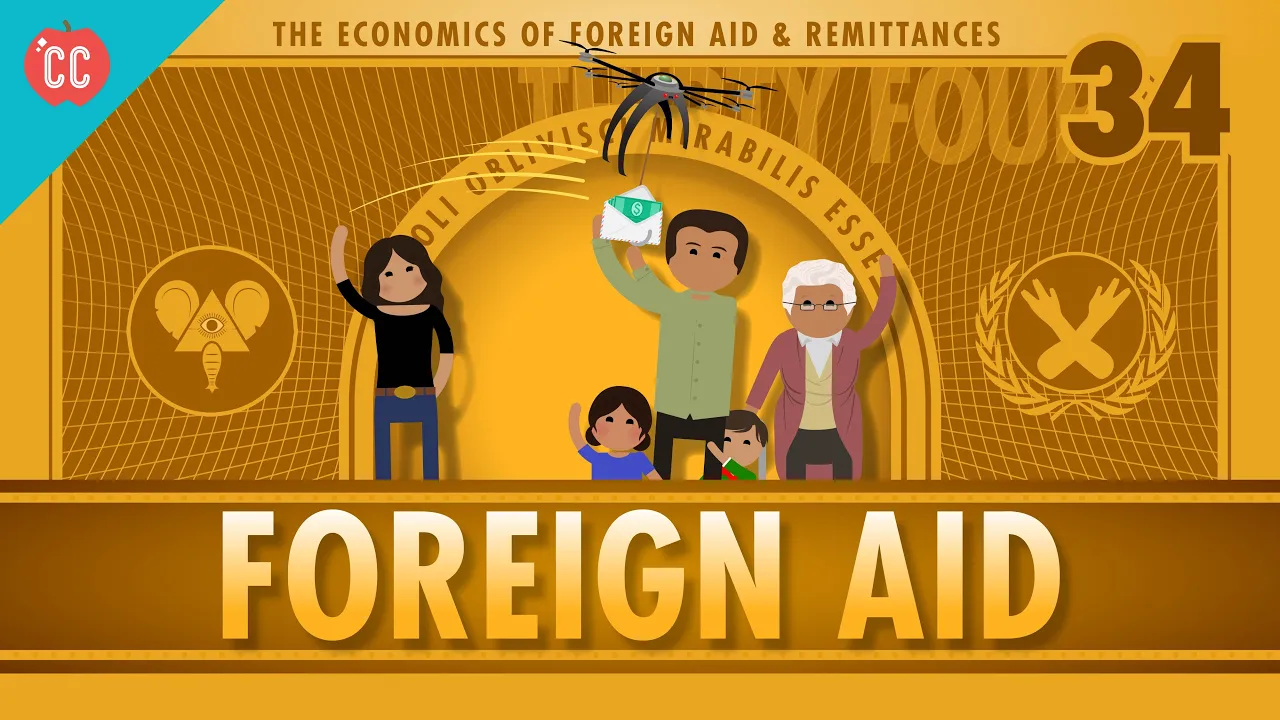
Foreign Aid & Remittances: Crash Course Economics #34
@crashcourse
402.3K views•2016-05-27
5:07
Impact of Yuan in Indo-Russian Trade Amid Sanctions
@WION
261.9K views•2022-07-01
10:33
Behavioral Economics Explained: Rationality, Nudges, and Risk
@crashcourse
1.1M views•2016-03-12

113:18
The Age of Easy Money: Fed & Inflation | Full Documentary
@frontline
21.2M views•2023-03-15
Related Study Plans & Knowledge Roadmaps
Structured learning paths in Economics
economics
Sovereign Debt: Defaults, IMF & Restructuring
01Introduction to Sovereign Debt & Government Bonds
02Debt Sustainability & Credit Ratings
03Anatomy and History of Debt Crises
+ 2 more learning modules
12h5 modules
Explore Roadmap
economics
Market Design: Matching Theory & Gale-Shapley
01Introduction to Market Design and Price-Free Markets
02Two-Sided Matching & The Gale-Shapley Algorithm
03School Choice Systems and Mechanism Design
+ 2 more learning modules
10h5 modules
Explore Roadmap
economics
Impossible Trinity: Forex, Capital & Policy
01Introduction to Monetary Policy and Central Banking
02Exchange Rates and International Capital Flows
03The Mundell-Fleming Model
+ 2 more learning modules
8h5 modules
Explore Roadmap
economics
Healthcare Economics: Market Failures & Systems
01Introduction to Healthcare Markets and Market Failure
02Asymmetric Information and Adverse Selection
03Moral Hazard and Insurance Design
+ 2 more learning modules
12h5 modules
Explore Roadmap