






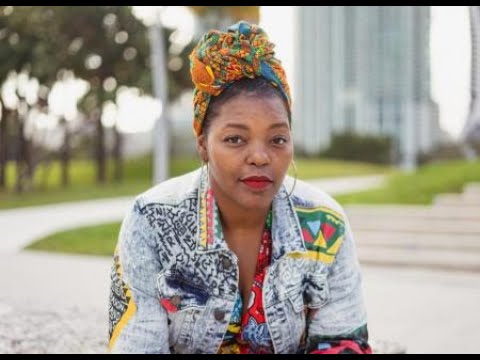









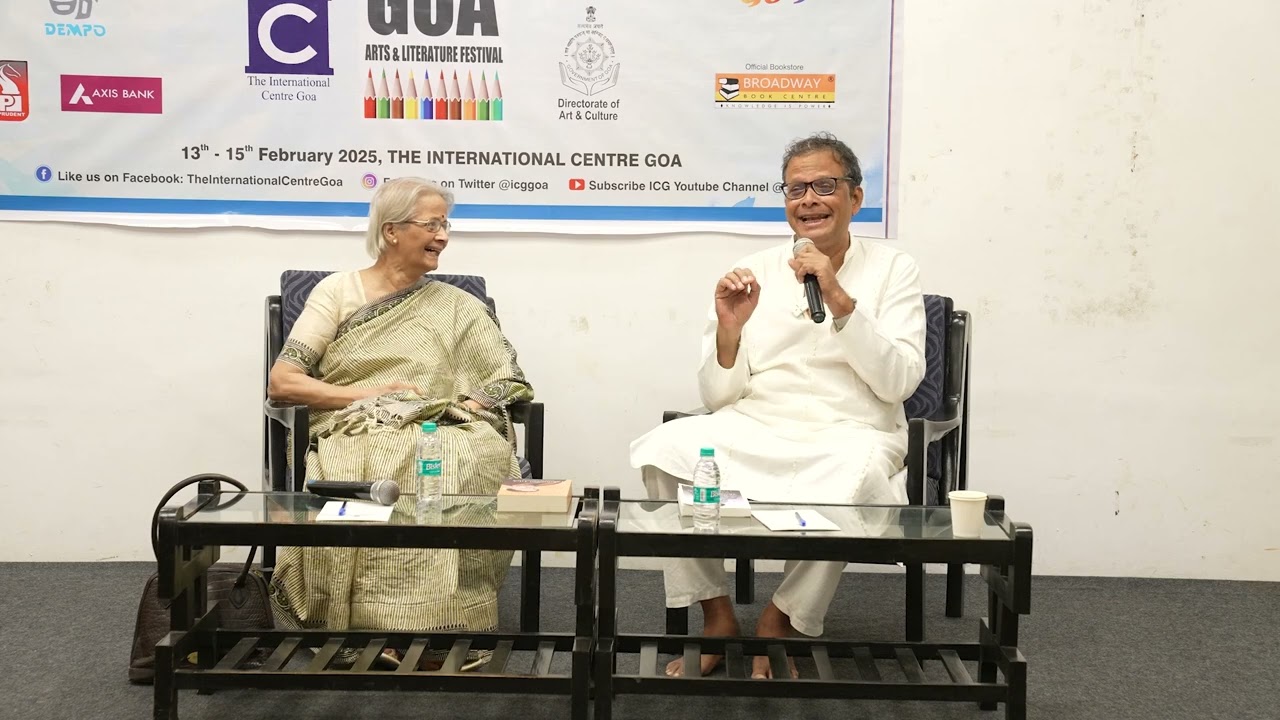
Poetry serves as a powerful platform for young people to express their voices, challenge injustice, and become global citizens. The book 'Woke: A Young Poet's Call to Justice' is an anthology of poems by Mahogany L. Browne, Elizabeth Acevedo, and Olivia Gatwood, illustrated by Theodore Taylor, designed to help young people understand their power to speak up and make change. The authors emphasize that poetry allows young people to express themselves authentically, challenge stereotypes, and engage with important social issues like racism, justice, and identity. The book encourages young readers to find their voices, challenge authority respectfully, and recognize that their perspectives matter in conversations about social justice.
Contemporary Black Poetry for Young Activists | Woke Anthology Discussion
Added:Understanding of basic social justice concepts and the history of systemic inequality in the United States.
Familiarity with the role of literature, particularly poetry and oral traditions, in historical protest and social change movements (e.g., the Black Arts Movement).
An introductory grasp of intersectionality—how race, age, and identity overlap and influence one's social experiences.
Basic knowledge of contemporary youth-led activism and its platforms.
Critical analysis of Mahogany L. Browne and Jason Reynolds' poetic techniques, such as voice, rhythm, and imagery, in 'Woke' and other works.
Exploration of creative writing workshops focusing on spoken word and protest poetry as tools for personal and community empowerment.
Study of community organizing principles and how youth can safely and effectively advocate for social change.
Investigation of literary curation—how anthologies are compiled to represent diverse voices and teach social justice in educational curricula.
1.1K views13likes1:07:17Original Release: 2020-05-22
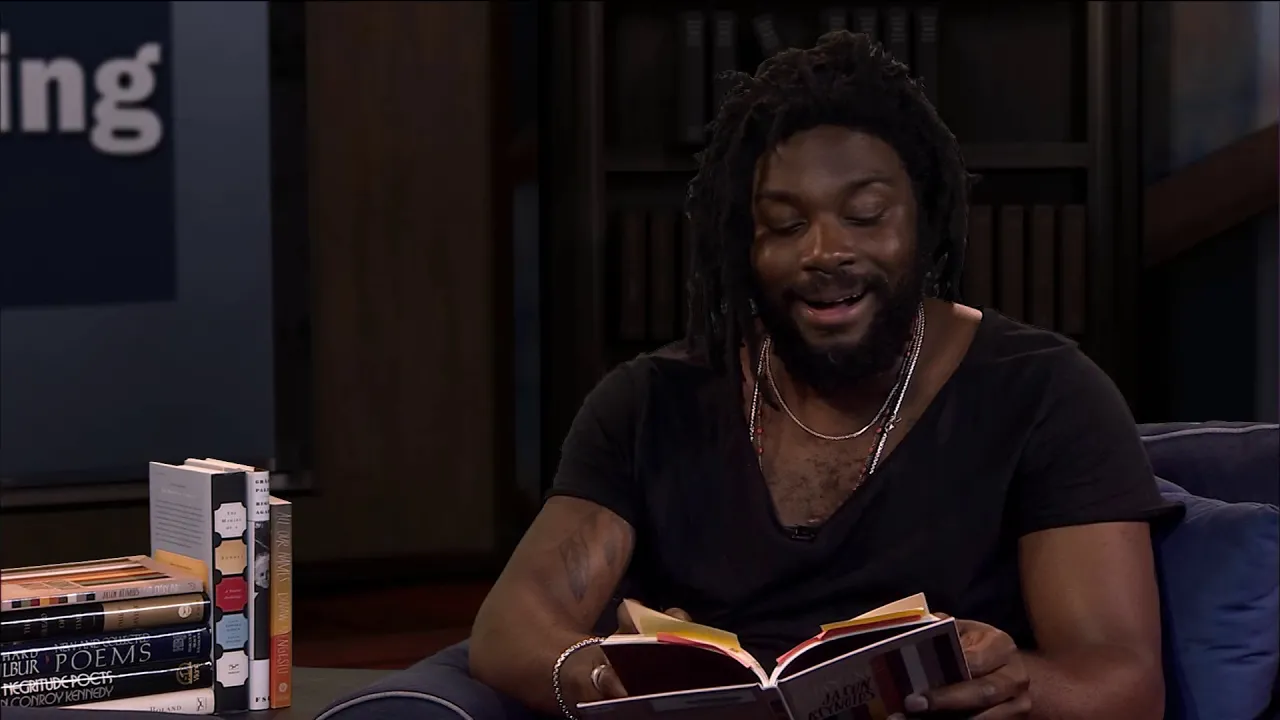
I'm so excited that you're all here wherever you're tuning in from my name is Alison is photo as Melanie said I'm the head librarian at the Center for fiction and I'm so excited to be able to introduce these two amazing authors today I just want to say one quick word about our kids week program we are able to reach out to New York City school kids all school year long and bring them onto into our building to meet with authors and discuss their books with them we are also able to give a copy of the authors books to each student who participates and whenever you make a purchase such as buying one of our wonderful authors books today you are helping us continue that and helping us to provide our community with a love of reading and writing from an early age so thank you so much for being here and now without further ado I'd like to introduce our two authors today starting with friend of the center and lovely person mahogany Elle Brown mahogany is a California born a Brooklyn based writer organizer mentor and curator she has published several books of poetry and facilitates performance poetry and writing workshops throughout the country she is an Agnes Gunn pabich kaanum Harrison V poets hounds Rauschenberg fellow and current the current artistic director of urban word NYC her previous works for young readers include wolf baby and black girl magic here she's joined today by the phenomenal Jason Reynolds a number one New York Times bestselling author a Newbery Award honoree a Prince Award honoree a two-time National Book Award finalist a Perkis Award winner a two-time Walter Dean Myers Award winner an N double ACP Image Award winner among many other stellar honors to go right at a time reading the awards the 2020 to 2021 national ambassador for young people's literature he his books include when I was the greatest the trek series and long way down which received a new very honor a prints honor and a Coretta Scott King honor he lives in Washington DC and you can check out his ramblings at Jason writes books calm you both so much for being here and I'll hand it over to you Thank You Allison thank you I was I actually got shy for you Jason the bio is bananas but also the work in turn the work is next to the bio like you are you are you know an idol for so many including myself so I'm excited to share this space and time talking about wolf folks already in the chatter what is this book exactly there you go it's called suggest it is an anthology of poems it is a collection of homes it is an encyclopedia of poems when thinking about the the building blocks of young people becoming global citizens and it is written alongside with Elizabeth Acevedo Olivia Gant would and every picture is illustrated by the very great Theodore Taylor the third and when I say great I mean he did misty Copeland's children's but he did Shaquille O'Neal's children but he did Oh what the president did the DJ and he started DJing for hip hop he's our founder cuckoo her yep he did cool hurts like he's I know I had no no comida so one remember your history and hip-hop history is vital and to each of wheedies rice Chex eat a lunch before you do something that's gonna be recorded forever thanks moe so what young poets called to justice I'm excited to talk to dive into it to read some poems and then talk about why we started where we started I think the first place to begin is how I came and begged you to do the forward and and what made you say yes and then if you could read it yes first of all you may beg me just ask me we're really the original story of this the original story of this is when you first started with the concept of this thing we talked about it and and I was on boy and then life got in a way and then what the only thing I could actually offer the book was that was the forward but I knew just could have known you for so long and you know it's interesting because my accolades and these sorts of things are the estranged appendages that I try to ignore I think whenever we talk about you we also have to acknowledge that you are a staple in a poetry community you are a pillar in the poetry community a lot of Yahoo are listening a lot of your favorite poets specifically your favorite black poets contemporary black poets have had to have had to have had the privilege of coming through Haagen al Brown I won't call their names because I won't put them on blast but just no but if you like a puppet right now that's that's that's new ish over the last 10 years a good chance they've had to they've had to sort of bump into and work with it and come through the sort of the camp that is mahogany al Brown and her and her suitors you know the integrity of poetry that she brings forth and so when you ask me to do it for me it's like one is too homey and to the homie is connected to that just great and so I can't not stay yes or at least offer whatever it is that I can so when I had to offer at that time was the forward and the poem that precedes it and so I read the poem and then read the foreword that is that right moment yes okay I grew up in a house in a family where my mother allowed me to talk back talk back she said I'll back you really won't let that boy talk back just no nuts disrespect me I'm still your mother but know that no ain't just no and if you want to talk back talk back but I'm going hear you unless you say it like you mean it and to mean it don't mean it got to be said mean I'm still your mother remember that you still a human remember that so stand up straight lock your shoulders open your chest and say your human thing so I can hear you cross the room cross the world over all this noise hmm whoa a young poets call to justice it is in book form exactly what my mother met hmm it's a collection of proclamations megaphone into young world that they are human therefore have the right I'd even go as far as to say that they had the obligation to talk back to speak up to connect with fortifying elements outside of them as well as those that exist within mahogany Elle Brown Elizabeth Acevedo and Olivia gasps we are together beacons shining light on prejudice resistance self acceptance French intersectionality and inclusion they are also serving as beacon builders each of the poems poems acting as blocks strengthening and heightening every young house that reads them nothing is heavy handed here because Brown Acevedo and GAD would clearly understand that soft handedness works better hugs handshakes the ladling of shared soup hand claps finger snaps a wave goodbye peace signs fist in the air and solid dirty palms reaching up for what's clearly an attainable sky justice looks like many things to my mother to me it was often the freedom to talk back the freedom to own a voice with woke nose is that to the Future poets by poets I mean it will look like those pings and also much much much more oh yeah when I was writing it is funny I was thinking back to like my childhood and thinking about the things that happened in my childhood that that have made me into whoever it is that I've sort of become and the the lynchpin that the cornerstone of my style was the ability to say what I would like to say in my house I was never muzzled I was enough muted I was never made small from the baby thing even when she disagreed with me and even when I disagreed with her even if I was 10 years old I could say I'd agree as long as I stood on my square I was allowed to disagree partly and and and and audibly respectfully but confidently and so now and ain't enough for me to say what I need to say when everybody needs to say it's a powerful thing thanks mom yeah mom's is the greatest she she built a fire starter but I also I'm wondering learning and growing up with that kind of rearing how different were you received once you got outside those doors outside of a space that you know expected you to speak up for yourself and know what you were talking about like what how different is the question I'm sure I was John but some especially if you're an adult right I was never the kid to be like to to to roll over or accept whatever you say just because you got a Johnny hey if you say something make me know hey nobody nobody deserves anything that they don't earn including respect Hey including respect you want respect come come make me care right and that's the kind of kid that I was because of the house I was raised in on the flip side at all I also think I also think it's sort of a caught people off guard because people have an expectation of a little black boy growing up you know what I mean because it wasn't that I was just talking back but I was talking back thoughtfully I was thinking I was thinking through things and and trying to figure out what I stood for what I felt you know I do mind my own thoughts I do mind my own psyche and consciousness and I think a lot of people were just taken aback because because there's this because because people lean into the stereotype that young black people don't have the ability to express themselves and a healthy way and that's just not true it just doesn't always look like you want it to look it's a fee for me right Mike just because it makes you uncomfortable don't mean isn't that healthy for me back by that as well right okay well we need some things wait till I do it I think I'm gonna start with right to the reason that that I'm yeah the reason that I think I began the project in this way when I when I came to Jason and and Olivia indi very much was like how do we create an anthology and it's like like how do we create these building blocks to have these conversations of very large ideas and put them into something that that is tangible and accessible that young people can do and they they're already doing they just don't understand that they're doing it yet they don't know like this is what it means later so I want to start with one of the Great's which is called McKay right and responding to his work not just in the title which is after one of his poems but also in the the form the form of it and I'm gonna show you what it looked like his boy it's so beautiful these pictures right - after Claude McKay if we must live let it not be in silence each shadow surrounding a right to be outraged let us not sit hands crossed while our stomachs growl upset full of bad food and assembly-line ideas listen closely our bodies bubbling up angrily at the lives we have been fed if we must live let no one decide how our hearts beat or how our songs should be sung or if our neighborhoods are worth protecting or if we are allowed to walk in stores freely if we must live let it be a true life one full of choices and opportunities one that isn't designed to push us into a corner keep us quiet and formidable keep us without unique opinions and educated understandings if we must live and we must let it be with our fists in the air to remind the people that we will speak up for what is right we will always stand up against that which brings us harm we would demand what it's just not only for our own lives but for the lives that are impacted by injustice let us to fight for a better day everyday for everyone and folks are always like oh my god it's so powerful my god it's it's it's so big it's so much but really when you think about speaking up and and and how powerful you just speaking up is against silence what you're what you are acknowledging is you know the power in us standing together and there are power in numbers right there are power in numbers but when you are silent Audrey Lord said it will not protect you but it also means that you are complicit you are saying it is okay for what I'm saying that I know is not right that I feel it's not right it is okay right before you continue I'm sorry continue is it okay if I read the original Mackay poem because people don't people don't know the poem if we must die where that plan comes from you know I'm like it's a direct response to a poem that is such an important poem and you've written such an important response to that poem can I can I in this part can I just read it right quick so it has to give some context okay so the other so the Claude McKay poem goes like this if we must die let it not be like hogs hunted and penned in an inglorious spot while round as marked the mad and hungry dogs making their mock at our accursed in lot if we must die oh let us know believe that so that our precious blood may not be shed in vain then even the monsters we defy shall be constrained to honor us though dead Oh kinsmen we must meet the common foe though far outnumbered the show us brave and for their thousand blows deal one deathblow what though before us lie on the open grave like men will face the murderous cowardly pack pressed to the wall dining brook fighting back that's you that's right and so and so I think it's dope to think about Claude and what he was saying if we must die at a time where death was imminent right and then now and that now these years later the fact that you and I could even have this conversation is a real to discuss if we must live right how relative it is it ain't changed right I love having that discussion with young people now because they know better than we do we a lot of adults are responding to things that go viral but young people have been aware of it you know some may may become apathetic because it happened so much and there's no fanfare but I live in Brooklyn and memorials on the corner don't stop it's never stopped and in us not finding the people who have murdered these young people doesn't stop it's never stopped now we're having larger and harder conversations because it's caught on camera and it's spread out through the world right so I think how relevant Claude McKay is then to now like that that literally is imperative like we we got to know we got to know who made the cannon possible he make became impossible yes and so and I know that young people always get [ __ ] they're like oh what I'm supposed to do go out and start a riot it's got a protesting and and that leads me to the poem that I want to share which is activism everywhere again I like showing the pictures don't got to see it our voice is our greatest power when we stand together we can speak up against mistreatment we are saying that we will not be silent about the mistreatment of people we are saying that we will not be silent we are standing tall and firm because we believe in equity and equality we are standing tall and firm we are not yielding or bending because the conversation is uncomfortable we are not yielding or bending we understand activism happens online and offline in the streets picketing and in the classroom teaching on the blogs writing on the internet sharing information it happens everywhere it is active it is energy it is resisting to be comfortable when we all have yet to feel safe and free yeah yeah and so small right like it's just like it's a blip we teaching this poem about this point cook young people like when you not empowered right reminded of your power when you are reminded that your voice matters your you matters like you saying something means something and the collective we becomes larger and makes real change like right now I remember that I was in a school in Brooklyn I don't know I wasn't I was it was a black school in the black neighborhood I might have been in clean I don't know but I remember there was a moment yeah you're always guys sort of like the knucklehead was talking to these cracking jokes in the crowd and so you know for me that's fine I'm all about it right so I'm like yo yo you won't come up on stage yeah usually I usually and usually in these moments I surely you'd be like nope right but he was like so he comes up on stage I'm like so I give him a mic before my glare broke my gray say whatever he was saying I say on the microphone so that everybody in the crowd are here all right and again I think he gonna be like now I'm just playing I'm just playing he like all right right microphone when he takes the microphone then the moment he's holding the microphone that's when the nurse kick it right so now so now he's nervous right yeah and then he says and he says something like that like one Gray says like yo and the acoustics in the gym echo out right so it's like yo no yeah you can hear his voice right and we it's the more in the moment he does this all of a sudden he turns around and looks at me his eyes are about this big all of a sudden now because you not because he was afraid but because he never heard his voice that big and he started and then he started to talk one of the microphone and laugh and crack jokes and he kept like if you say something listen you know say something he'll listen and it was all about this moment this is a this is a moment in his life where suddenly his voice is made big and it changed everything and then he gave them back and was like your mother interrupts their life but thanks for that becomes monthly and he went inside and we went on about the show right and then but it's an amazing thing to think about what happens if what happens when you find out your voice matters sheesh the world changes the pivot is bananas yeah and I mean in it and it's obvious so many of us were not raised the way you were raised when you get to talk back and not have to flinch you know me like I was raised young people think like what do the kids say in a place right children and Here I am out here promoting nods on back speak up ask our questions don't be comfortable challenge challenge challenge like do that challenge everything challenge everyone I'm not saying be reckless you know so for that young man that finally hear his voice be that big I mean I feel that now like that I get chills thinking about what that must have felt like and I and I see them seeing themselves not only in the words that you've written but like in so many moments or like the young poet laureates they just had their reading and to see someone who's under 21 these are youth poet laureate of the nation and understand like oh I get to talk about environmentalism now right in an innovator that's not just recycled like no what are you putting on your face like you know I'm like that's really cool sure is there anything in the in the book that you have that you think I don't know it's asking young people to look at who their voices will reach what they yeah I want you to share one one that's funny to me there's a the poem the poet spin was poem that you wrote the poet's pen it's gonna be weird to read one of your poems in front of you but I'm gonna do it poets I think listen here's the thing I think you know Baldwin always talked about how when the fights when their civil rights during the civil rights that are in the marches in the protest the hosing and the dogs he was not there and and it hurt it hurt him it made him feel ashamed that he wasn't there while it's trampling you're friends with being murdered history then he came home not to America and he still didn't Angela in the protest and the reason why is because for him he said it was it was equally as important that someone document things that someone write about time Toni Morrison was the same way by the way funny Morrison was not in the street right Toni Morrison was in the publishing company right trying to figure out how to amplify voices to make sure that that like that that was her position and I think everybody has a part to play I myself as a writer I myself as a writer I would like to believe that I could do a little bit of all the things but but where my power lies most isn't and I recognize that and oh and so this poem the poet spin is managing the first line of this poem is is amazing what does the silence of a people sound like weak applied to stop right there we could just in the poem that's really I'm gonna use it for like after the grand for one of my own books like what does the silence of a people sound like I actually might make it a prompt for one of my write write write joints with your permission yeah yeah okay one more time let me go up on that what does the silence of a people sound like maybe the silence you hold in your chest the silence before a body fall to the ground the silence after a cried pierces the air the silence when listening for newborns breath or does it sound like it worked growing toward the Sun does it sound like a moon moving above the crashed waters as it sounds like a poet and the poet spin moving against the paper speaking stories about home city and the single mother song moving against the paper speaking stories about farming and the father's wishes her graduation ceremony moving against the paper speaking stories about bicycles folks and trading cards clicking hello to passers-by assailants can sound like many things that is why we choose to write poems as a people's Almanac for those unable to speak I hope and pray that someday people look at the work that I've done over over my life as the people's Almanac for those who have been unable to speak I don't really know for me in the tradition from which I've come right and there are many traditions that we all have many different ways that we approach our work but for me I don't know if there is another reason to do this the toil of writing is far too tremendous for it to be for it to be arbitrary for it to be great for me to be careless about it it's too hard to do it it's it you seem saying like like writing is too difficult for me to not try to make it matter for someone who doesn't have the ability to utilize their voice in the way that can be heard it's that simple and so this poem really means something to me it struck me in an interesting way and it's a more and not just as this sort of like inspiration you know yet we love the word inspiration I want to be inspired it's like no I want to be charged right it needs to make countability right so for me this poem this poem is ism this is language of accountability are you doing your job as a writer are you doing your work now everybody ain't got to feel like this right but for me and mine are you doing your work to make sure that you are alleviating the weight and the people coming up after you for the people who are around you who don't have the opportunities you had I'm a fortunate black man right a fortunate black man who gets to live a big life right that's real the least I could do is make sure that I justify why it was given to me and honor the people who won't get to live like this by making the work about their lives feel real whole and and and necessary I love that you carry not obligation but understanding like the accountability of of who you are in your position like you have a position of privilege that a lot of people that we grew up with that raised us that are that died for us to be here we'll never know and some people don't really move in that way they're like I'm here I would you know I am NOT an idol you know they pull the Charles Barkley I am NOT romantic idyll heroes like Google dope and you but you are but hear me like you still are you don't get to excuse that you get to choose your choices resonate with someone specifically because there are so few of us in a spotlight and you you got you got to come to terms with that and whether you just choose to say you know I throw it away I don't care and I'm willing to you know try and sleep at night and and hopefully you'll like yourself 20 years from now or I'm gonna take I'm gonna take this position seriously and it's just natural giggles but there there's something at stake here and I like that you I like that you write like that and I fear if I write like that me writing like that will be accepted in this new space because poetry resides right like that is our platform what do you stand for and when someone finds out that you are fake when someone finds out that that poem you wrote is really just like you shouldn't you know game but it ain't really your life there's so many opportunities that are lost right like us why are you here you must be a true seeker I thought that meant you know when you say you Apollo it I didn't mean that I didn't I don't think you plagiarize I thought you were into the craft even when you just you know I'm a performance poet I'm a slave go like all these things that you want to you compartmentalize your discipline that still means like there there is something there that you have to atone atone with and because I come from that space when I come to the page for four young people specifically I'm not swayed I'm more so like let me say this cuz yeah I mean like what do I care about book sales enough to lie I feel like young people being waiting for someone to tell the truth speak it plain don't tell it's like you okay the truth um let me think now you got me all charged speaking of truth so blown out stars whisper about justice I wanted to make sure that as much as I was writing about these small building blocks to larger ideas we talked about intersectionality which was coined by kimberlé crenshaw we talked about I talked about Trayvon Martin and Mike Brown and and Akai Gurley I don't I tried not to anyway but you know go over it sweetly like and then someone died no like look up the names look up image feel like you need to be shook and and shaken away you know I mean like it's not just a thing that happened so long ago the reason image Hill's name still resonates because it is happening right now Ahmad Aubry is Jared you know like all of its the same James Byrd all all that is the lineage of lynching so blown out soon American word one of our greatest exports so in that blown out Stars whisper out whisper about justice there's another poem in here where I say the names in a poem where I'm trying to explain racism which was intense talking about explain racism to a kid yeah I mean like why don't they like me I've never had to do that and this is my attempt but the poem I'm going to read is the one that's before it and it's about justice I think as someone who funds like my art funds justice work like I'm always if I get some something in like here's my poem go to it if I can donate if I can use my platform to help people who are doing that work I want to but I also wanted to be able to talk to young people about what justice work can look like and it's of course in the form of a metaphor what if the crowd were a forest how would you keep it from catching on fire tonight the horizon is lit up like the brightest bulb the town sits beneath the blown out stars the town vibrates with a nameless sound but the wind the wind remembers their names and someone somewhere whispers injustice right then the flames grow legs and arms and hands with the booming heartbeat now remember the forest can you see the crowd the young wildling the necessary weeds the patch of wildflowers scattered the manicured brush of lush and wilting leaves growing growing growing what if the sky rained what if all the force of people needed was water what if all the breathing bodies required to live and thrive and graze and grow in harmony was justice hmm words so I felt really like is that enough is that enough and so then of course I wrote the poem they're like now my name everything now right because I want I want the moment of like oh you know you coined it with nature and I really turn to nature a lot here which is what I think culture 19 is doing so it's like nature's had enough get in the house wash your hands relax chill out let us let us reboot right so thinking of that as justice as like nature and nature resetting itself and if we can just envision that because we were so kind and generous to nature and generous to animals to pets like people are nice and affects the neurotic people so I wonder if I could do that and have a conversation about justice how to do and how to make it a accessible the Pullman wanna breed now is the one that I talked about before hand and it's about prejudice and racism Amari explains the frowns on her little brother and this is totally fictionalized like I said I've never done it before my daughter her name is Amari and I don't have a son so it's all I was building right this house the idea of the poem being a house I just want to be able to have many doors for people to enter and find themselves in even if you can't get in the front door maybe the back door so this is one of those attempts at creating a new door when my friends walk through the convenience store almost always someone follows them it's like the shadow of distrust looming above their bronzed skin they say it's cuz we look different well my babysitter walks through the store no one ever follows her it's like a cloud of light guides her path to each aisle she says she probably reminds them of the mother from old black-and-white TV shows when I tried to explain some other little word of what it means to be judged what it means to be ignored what it means to be silenced I can only think of Brown versus Board I can only think of Jim Crow I can only think of the Thirteenth Amendment my little brother is too young to understand the 13th amendment abolished slavery and involuntary servitude in the United States but my little brother knows what a smile means and my little brother knows what a hug means and my little brother knows what a friend is when we go to the park with our babysitter and I watched the clouds move above his curly curly hair I feel like anything is possible I tried to explain to my little brother what I learned in history class and why I'm so sad I want to tell him about Jordan Davis or Trayvon Martin or Emmett Till stories from long ago and just yesterday that I read about people who look like us and our friends and our neighbors when he grabs my hand and squeezes the words get caught in the tears threatening to run from my eyes I want to cry because my brother is my little brother he's my favorite person and he doesn't care about how different I may look just that I'm as beautiful and friendly as our grandmother and I miss kind and curious as our grandfather so instead I lead him to the squeaky swing set and think I'll wait another day to explain to him what it means when someone doesn't like you without ever saying hello I think his think it's um it's funny I was just thinking that you were reading I think it's so important that we continue to create poetry well I quote you for young people about these things as I'm sitting anything about my own mic started you know when I was like 12 11 13 I wasn't reading much but I would occasionally going to my mom's room and open up Nikki Giovanni's my house and try to figure out what she was talking about or open up cotton candy on a rainy day and try to figure out what she was talking about and I wonder what it was there's there's so much shel silverstein and she loves to show silverstein by the way like I you know this ain't no slight could cuz I can't do what he was doing you know me with the sidewalk ends and running that enlighten adding we're brilliant for what people what they are and would be a typical meditation but there's not a there's not a lot of poetry with young people in mind about things that young people are actually living through and this particular time and that might be sighs we think about the industry industry that we operate in it's something to think about maybe you have way way Hudson into the collection car thing lift every voice I'm messing in that but I was but it i messing it up but I'm sure people in the comics I know I'm talking about I'm blowing it and I shouldn't blow it cuz I owe these people very well and it's so much of somewhere there there's like that one but there aren't many books I mean we love the novel inverse right we're doing novel inverses which is which is good novels inverse which are all fantastic but it'll be dope to think about a proper collection of poetry for teenagers like whoa you know I mean around the things that matter to them mine but don't shoot it or a cookie cut it or go egg shell it right just this poem voice thank you poems that that are meant for them I we have to start making a ship it's the same thing we're staying right like writing stamp was all about writing a book about the thing that about history directly related to their lives in their voices for them you know I mean and I think we should probably figure out how to do the same with with poetry yeah one I think it makes readers and more writers and two I think it would make it wouldn't it would it would it would it would confirm their suspicions you know I mean it will confirm their suspicions that the world is broken it will it will confirm their aspiration to fix it it will continue to sort of fortify them as they sort of deal with the quests and and in the back for occasion between irresponsive being irresponsible and being irreverent and figuring out what that means and which one is the one that matters most all these things we can do through two poems yes I'm to think about I think you should do it okay again yeah yeah poetry for young people right I don't know why I know it man oh gee ain't been like yo we should do we got all these blah blah blah we should do a big sort of thing poetry for young people yes important contemporary poetry at that ya contemporary hold your young people I think there are a couple of small presses that have done it like toss the earth was one but I did that with lines and Jeff Kagan Trenchard and Adam Faulkner and jive poetic and I know right bloody did something called courage for young girls and it was an anthology for teenage girls and actually one that I used to teach with call from totems to hip-hop but like those are massive right like I do agree that there needs to be something that is responding to the contemporary voice and also like we have this whole series of youth poet laureates now what would it like how dope would that be you know they're pretty and even full of books that exist on a smaller presses like we just got do a better job of blowing the books up that's right yeah I mean I got I hate the fact that we only operate within a specific machine and it's like it's allowed I mean you use you people don't know but you are a publisher and you put out a lot of people who became these big these big poets in our country but they can't do your press when no major house will publish them right and I think we need to figure out ways to make sure we're giving place matches to the kids but to the people who love the kids right you know right so it can't be maybe folks are moms profess his father and they do a bunch of stuff where they you they with children or with young people often young people as artists and publish their books and put them out all over the city and all over the country come on everybody mouse press check them out they're dope okay oh I literally my hope my chat was closed the whole time when it comes to justice work she's one of them the pivot person that's like whatever you want to do with justice work I got you let me help that is imperative but I want to talk to who brought me here really I think like this is you don't care I know you don't care we talked about it yesterday but it is always important for me to like do my rightful nod and and bow at people who bring me into spaces because it's a rarity that folks ever think I need help or I need a hand you know I have been doing this for 20 years 20 years I run the Nuyorican for 13 years but for 20 years I've been a full-time writer a poet writer journalist writing was my life so when it came to poetry that was the response from me missing journalism but when it came to me writing poems for kids Kwame Alexander said something at furious flower conference like just turn that join to a kids book and I was like wait what that's I don't understand but it was you who had already been talking to me about why a novels and I kept on being like yeah yeah Jason like only you can do everything because like I told you at peaches in bed-stuy shout-out to to them and the brownstone my crew what I told you like you are literally top five storytellers of our time and and I don't even mean hard time I mean of generations time like now our past you know our our elders and the future you're going to be top five period because I just see it I see how you can connect dots for people in a way that's the otherworldly and so I wanted to nod at you and say thank you for like keeping on like mo no you gotta try it you gotta try it and because of you I finished my first why a novel which will be added yeah in January chlorine sky but also it was it was how I got woke woke baby and black girl magic like you walked me through and and I wanted to share one of my favorite passages that you wrote from patina it's from the track series you should just get the whole collection it's poet in books just get it I'm gonna read to you what made me actually cry as a black girl who learned how to braid hair who then came to New York as a writer the double XL they sold the company so my they sold the company so my internship was cancelled like the paid portion they're like you to work for free but so the paid portion was cancelled so I made it living in New York City as someone braiding hair right so when I read this I I cried like a second which is great I do Maddie's hair every Sunday for two reasons the first is because Mom Li can't do it if it was up to her Maddie's hair will be in two afro puffs every day either that or mom Li would have shaved it all off by now it's not that she don't care she does it's just that she don't know what to do with hair like Maddie's like ours my do but mom Li nope she never had to deal with nothing like it and there ain't no rulebook for white people to know how to work with black hair and her husband my Uncle Tony he ain't no help ever since they adopted us every time I talk about Maddie's hair Uncle Tony says the same thing just let it rock like he's gonna sit in the back of Maddie's class and stinkface all the six-year-old bullies and barrettes right but luckily for everybody especially Maddie I know what I'm doing been a black girl all my life the other reason I always do Maddie's hair on Sundays is because that's only Seema and she don't want to see Maddie looking like Shane got she ain't never been nowhere and so Maddie's hair is done we get dressed as in dressed up all the way up Maddie puts on one of her church dresses white patent leather shoes that's most people only wear on Easter Sunday but for us for my every Sunday it's like Easter Sunday I put on my dress to run a comb through my hair until it cooperates ugly black ballerina flats because my don't want me looking fast in the house of the Lord then mom Lee drives us across town to Barnaby Terrace my old neighborhood right and so then I just want to give you the moment I'm almost done just chill out so I can I picked up the can of beans and shipped them in her ear like one of them Spanish shaker things and just like that she calmed down and let me tilt her head forward so I could braid the last section the bit of curls tightly wound at the base of her neck I did my finger in the gunk on the back of my hand and massaged it into Matty scalp then I stroked grease into the left over bush ball tugging it straight then letting it go watching it shrink back into dark-brown cotton candy so annoying he's so good you're annoying then came the beating today 30 braids so three red beans on each braid 19 beads I used tiny bits of aluminum foil on the ends to keep the beads from slipping off even though I knew they would they would anyway they wouldn't sleep up anyway but who got time to use those little rubber bands not me and definitely not Maddie I love that that is literally my favorite yes crying yes symbolic details did you understand like this book is so good like it's my favorite one I let that book know as well is exercising I always tell people when I was writing but when I started to write Bettina and I want to make sure we get questions mo could only got like 10 minutes but when I started writing for Tina there was all this chatter going around around me about whether or not I could write a girl a girl protagonist and and my defense was always like of course I could write a girl because girls are human beings right so yeah you start from the fact that they're human you're almost there right and I grew up around a bunch of black girls who neighbourhood with black girls my whole family is black girls and black women and no nothing I will always try to do even now as I continue to sort of deconstruct my own misogyny right like because it's there right I'm a man in America so it's there and I'm as I sort of continue to work on that and I do a lot of that stuff this was an exercise in seeing right can you see them right like this cuz you know them know me you know them just cuz you know them don't mean you can see them right and so I I wanted to make sure that I wrote this little black girl from a place of somebody who loves it right I love you patina all the patinas in the world I loved I loved patina I told you it's 15 years ago I wrote you a letter about how much I've seen you how much I loved you and how much I saw you when when you felt like people didn't speak people can see what you were trying to do and I think that's something that's sort out dying on every time I won't always get it right but this was sort but it but I would damn short try every single time for the rest of my life to defend black girl Rosenblatt women and the stand-up the black girls in black won't be the best I can because they because they surely stood up for me and my whole life man so she's about the patina yeah I love it I love that you have the courage to do it and I love that you it it feels like someone who's watched someone lovingly you know what I'm saying because anybody can write about something that they've observed but not many people can write it with with loving and knowing hands so as someone who raised I think I hit you afterwards like yo I also was the boy in the neighborhood brave people here so it's like I knew you know me I know all that oh yeah you please right here you know I mean you get that thing right that you get that blue magic into that comb and you caught it and you pull that thing back and you party like that listen I didn't get me started a good physique and it gave me starting overhand underhand can I read one more poem and it from this book right here and you can take some questions what book is that right there what's that hey ice for this book is kissing caskets - mahogany elf round book this is a but this to me this is to me this is the jam this is my favorite of all of the mahogany Brown books this is not a children's book but with languages language you know sambar right we went because we do regardless that's that Christmas right there I just wanted there's a lot of poems in here that are really inspiring but the one I want to read is called bowling alley snitch which I love I love and its simplicity but also like cuz I just know it I just know all right bowling alley snitch third grade adoration and grandma where her yellow polyester something snazzy beautiful Chad every week light-skinned beautiful ad for curly hair Chad pink teddy bear sweatshirt was my [ __ ] I told her I like chat face grandma in her yellow polyester to tickle and I don't know where the joke is makes me sad say you don't want to share my french fries Chad don't wanna be my friend Chad don't want to sit next to me my pink teddy bear sweatshirt go ugly it ain't pretty no more it's just stupid and pink I looked at Grandma her that tooth looking back a number so soft in my chest I almost forget it lived there yo so look this is a fiber poem about so many things to me about so many things to me and I'm sure so many things to you but just as a beautiful piece about a boat to me about about young childhood in this case young girl hood the yearning for a thing that feels so close and yet feels so far away it is the distance of the thing that feels the most normal and and I think there are a lot of us who grow up like that there are a lot of us who there are a lot of us who sleep with yearning as the softest pillow right like that I guess the normalcy right this idea of desire and want as the thing that feels most like normal and at the moments where it feels close are the most electric moments of life but boy does it come down hard when light shows itself as laugh and of course now we get a little older and you realize well we can also bend some of these things right we can we can make a look but when you're young that feeling of this is just the way things are that is captured so perfectly and so few words in that poem yeah my grandma shout-out to Coco she she's like softest pillow someone said it yes is in zel yearning is a softest pillow all right everybody that's your writing prompt for today get it happy y'all okay some questions you minutes yeah minutes the questions poetry is one genre students don't gravitate to what poets influenced you as a team you know I read no problem I wasn't at the team I mean for me when I was 15 here's what I said when I was 15 that's when I thought I write it that's when I started sort of performing poetry and so I was looking at back then there were all these poets I mean this is a long time ago the 90s and there was like Saul Williams was a young poet Jill Scott was a young poet back then and we were all kind of sniffing around them but when I got a little bit older than that that's when I discovered the Harlem Renaissance and Black Arts Movement honestly it really did I mean it changed me reading Langston Hughes really make the huge right now still is like woof yeah I mean we've gotten so far from that style everybody sees that style is like rudimentary and overly simplistic and it's like yeah you try to do it you know I mean really yeah the creativity of Mary Baraka like using sort of languages using using sound as language was huge for me because language right like percussive language on a page was crazy for me would you look to in you again it's funny because my first poet that I memorized was James Weldon Johnson and I won the oratory competition in fifth grade reading that poem by the time I got to high school and I was an AP English I was reading Dante's Inferno we were asked to do a remix and so the poet that I thought best to remix it or poets was NWA and I turned in the remix of Dante's Inferno with NWA lyrics to which the absolutely not yummy and literally that was the end of my love affair with poetry being told that what I said was poetry what I thought was poetry what I knew to be poetic wasn't enough I gave up and I didn't return the poetry for another five years so it was James Weldon Johnson they kind of Raisin Bran with you know the with the tried and true so there were only so many poems that we were able to like really because we didn't have books back then we just had like kiddos but James Weldon Johnson was the one I remember and then by the time I got to high school I was like oh NWA is that that's that's poem yeah you know I mean and and in that told me I did not come back home I was 21 see me long for the prisoner but a person has the question what they like butcher is hard for young people young people love hip-hop poaching there are no right the way that we frame it and teach it makes it difficult right but if you explain to them that the lyrics that rap every single biggest poetry then they realize they've already loved it it 11 poetry for a long time they just don't know that's right that's right it's not telling them not telling them no Laura please that telling them not can you recommend a short guide to writing poetry oh that's a question for you he like actually I got him right by my bedside because I mean it matters I got writing down the bones which is like that's your go-to that's like stellar work then I got like madness rack and honey with Mary Rose that's not no that's my book holy moly it's good it's good stuff actually I can't see all the way from over there no madness I can't honey holy moly talk about a book writing with annie dillard and I got poetry handbook by Mary Oliver which is tiny or wrong and of course the life of poetry would Muriel Rukeyser those are those are like easy go Tunes but then if you like looking for some more academic critical lanes kind of thinking I think um what is the writing the writing the write imagination with Toni Toni Morrison writing in the dark and it's out why are why is blackness always an accent crumb from like formal text so those are my kochu and they all work like you can pull something from any of them and tailor fit it to your class hi my name is Lexi and I'm 12 I want to know what books you guys reading during quarantine mister Jason I love your book so much with five holes you are so inspirational with ten O's thank you whoo that's what you Jam Lexi first of all Thank You Lexi appreciate that what books am I reading right now Lexi I'm gonna be honest with you it's been a tough time for the kid man I'm read I am reading something and I'm gonna tell you what it is but I just want to tell you like if you're struggling right now like if you're having a tough time with reading or writing me - like it's been it's been brutal so right now I'm reading aloud this which I've read before but I'm reading it again this is this is not something that you maybe you want to read it maybe not but this is a the making of a straight it's a massive book but this is like the Bible when it comes to writing and I just because revisiting some things trying to sharpen up my tools a little bit I'm reading elizabeth Acevedo's new book which i got in the mail in a couple days ago called clap when you land and that is one of the best first pages I've read in a long time brilliant brilliant book I'm I'm reading this joint right here which is called the vanishing have Bennett it's an adult novel and it's pretty dope I'm sure think what else am i reading for kids not that you can't read that by the way if you got your mom's good with it I'm good with it you know I think what am I reading right now for kids I'm reading a lot of cement mat out yet that people want me to blur so I read a book by this brother from maker that's genius so I'm reading that I'm reading Brendan Kylie's in the book which is dope not out yet which is I'm about to read Lamar jobs this new book so I I'm reading something that it hasn't come by yet but definitely like I Liz I said it was flat when you man saw the book was really dope really really smart as all I can think of I'm so sorry but my brain is kind of fried the quarantine is definitely affecting me so but thank you so much for the love homie and I'm working on something new so hopefully please we're more question I can can dismount wit which is made you a poet as I do well you broke up a little bit what was the question what made you appreciate poetry as much as you do yeah so here's my theory this is a good question so here's my theory poetry is the piano of literature alright and what I mean by that is if you're a musician the theory in music is that if you can play the piano then you basically can understand how all the other instruments work right because you under because you can see all the nudes in front of you if you could do you know use both of your hands do all these things then picking up a guitar is a lot easier understanding the violin is a lot easier playing the clarinet it's like you can you can figure out other instrument if you understand the piano poetry is the piano right if you can if you can bite down on poet news what I've learned over the years because coach was my first discipline and and earlier today an interview and a brother said well what would you tell people who are struggling to write things outside of poetry and that's how people all the time I have never looked at anything else that I've written as anything other than poetry so all the novels in my mind are just poems there's no stories in my mind are just poems right the same mechanics that I used or that I was trained to use as a poet the way to manipulate language there wait a minute you laid space and format like all of those who have tools and devices that I learned as a poet the poetic devices are the same things I use in my prose and so I realized how important poet jewels and how powerful it was when I started to write longer work because I realized that I had a age at hand because I knew how to wield the sword very differently because I started as a poet yeah I love that it's the piano that's that's a great analogy we got we got to make that a little trap but by itself that moment right there poetry for me honestly it it presented itself to me in a very different way I was told to shut up a lot as a young black girl growing up and poetry was the one way that I could get away with everything I didn't have to be quiet it was a performance it could be angry it could be sex it could be whatever my mood was and because it was considered art and in entertainment a source of entertainment I got to tell the truth without the instant repercussions of being a kid of being a young person and when I came to poetry again as an adult because like I said I did for a lot of love what I was just like oh I can do whatever and then they were like there was someone that said I'll give you an F you don't fix this and that changed a lot for me but when I came back to poetry it was because in journalism there's very specific marks you have to hit and in in one sense I was writing an honest story but the editor decided that it was too honest and said so said that if we print this we're going to lose our advertising dollars and so I turned back to poetry like it was an instant pivot not not me understanding why but just knowing I needed to because writing couldn't leave my life it's my blood milk it is literally how I'm able to move right like that's it I'm very clear on on how I'm here today is because poetry allowed me to see my purpose and to know that whatever hurt I was in during it would pass because I had this this access to releasing my feelings and not letting him bottle up in my body so then I turn upon and felt so free it was of her tongue clicks all over again and I just think right well really 18 years ago because for two years it was journaling heavy to the point I thought I was doing journalist like yo you be too poetic like people don't talk about being a seagull and cascading like he flows you here I think it never left me it allowed me to to traverse the the world of literature but it never left my never left my bones though I could I'm like 1 psi like 1 PSA before we get out of here link fall for all the teachers in the room and the librarians in the room let's figure out how he can start reincorporating fantasy a magic back into the classroom through literature I do not know why fantasy books and magic books are not used more often in the classroom I recognize that some of them are really really long right but if there are other ones that we can use that work we need to figure out ways I CS Lewis was taught in school but Chronicles of Narnia was taught in school right like like a wrinkle in time was taught in school right and so I don't understand so as the national ambassador right now I'm gonna put on my ambassador hat for a second and say let's figure out how to make sure that we keep the options of literate literature being taught in the classroom to teach device and all the other things they'll use the literature for in the classroom let's not block out quote unquote genre fiction like we just shouldn't block it out like it doesn't make sense right it makes you be awarded they should be taught like it doesn't make sense and I don't understand why we get this elitist nonsense this hierarchy that some literature that Blasi you lousy block you wanted to teach imagination let them read that right and they'll see just how far their minds can go don't be afraid of because all I'm saying and I don't even write it but I got a lot of friends who do and they can't strange so I'm also box but don't be scared of me and fantasy for your classrooms the mic yeah Ray Bradbury was taught in school I'm so confused why we're not doing this anymore I don't know anyway alright I'm there the hierarchy okay I mean it does yes Mindy children of blood and stone no matter which theory is very excellent PSA the end way especially because you're writing one right now yes I'm reading something magical yes you are magical you who have asked yes this recording will be available immediately after it ends on this platform and it'll be on the center for fictions website tomorrow so thank you very much everyone come back and see us and buy their books love you today you too one magic word up I'm gonna go back to this chat I missed
Up Next
53:21
Queer Misery in Film: A Defense of Complex LGBTQ Narratives
@JoseMariaLuna
205.4K views•2024-06-27

40:06
Street Haunting: Virginia Woolf’s London Essay Analysis
@ExtraLiteraryAffairs
146 views•2025-01-24

6:08
Point of View in Fiction: First Person vs. Third Person
@magicalthriftyteacher
153.8K views•2014-03-31

15:25
1984: Orwell's Dystopian World and the Mechanisms of Totalitarianism
@AlternateHistoryHub
7M views•2017-03-04
Related Study Plans & Knowledge Roadmaps
Structured learning paths in Literature
literature
Graphic Memoirs: Visual Art, Trauma & History
01Foundations of Sequential Art and Visual Language
02Autographics and Processing Historical Trauma
03Visualizing Personal Trauma, Grief, and Graphic Medicine
+ 2 more learning modules
14h5 modules
Explore Roadmap
literature
Campus Novels: Evolution, Themes & Critique
01Introduction to the Campus Novel Genre
02Mid-Century Satire and the Post-War Academy
03Dark Academia and the Critique of Privilege
+ 2 more learning modules
14h5 modules
Explore Roadmap
literature
Theater of the Absurd: Philosophy & Plays
01Postwar Existentialism & Historical Roots
02Dismantling Narrative: Esslin & Absurdist Conventions
03Samuel Beckett and Tragicomic Existentialism
+ 2 more learning modules
12h5 modules
Explore Roadmap
literature
Revenge Tragedy: Justice, Madness & State
01Foundations of Early Modern English Theatre
02Anatomy of Revenge: Structural Conventions
03Psychological Complexity: Madness and Melancholy
+ 2 more learning modules
15h5 modules
Explore Roadmap