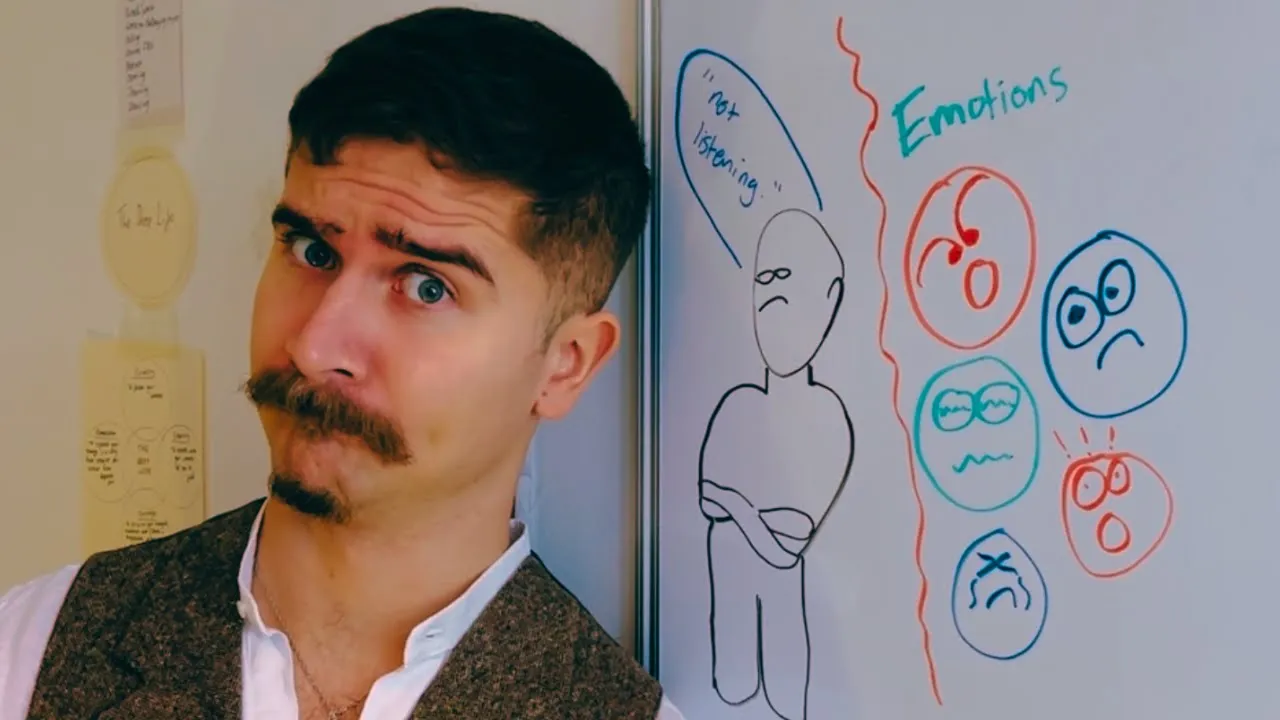
![슬픔, 공포, 분노는 인류에게 필요했다!? [부정적 감정의 존재 이유]](https://i.ytimg.com/vi/60GMo6pzecQ/maxresdefault.jpg)


















Loneliness is an evolutionary adaptation functioning as a social pain signal, similar to physical pain, that evolved to protect humans from genetic extinction by ensuring social connection; this signal manifests through altered neural processing in the temporoparietal junction and ventral striatum, causing lonely individuals to perceive threats in social interactions, experience diminished reward from positive social encounters, and develop maladaptive responses that perpetuate isolation, ultimately affecting gene expression and physiological health.
John Cacioppo on Loneliness: The Need for Social Connection
Added:Basic principles of evolutionary psychology, specifically how negative emotions can serve as adaptive survival mechanisms rather than just pathology.
An understanding of the human nervous system's response to stress, particularly the sympathetic nervous system and the physiological effects of chronic stress.
The fundamental psychological theories of attachment and the inherent human 'need to belong' as documented in social psychology.
The conceptual distinction between subjective loneliness (the perceived discrepancy in social relations) and objective social isolation (the actual lack of contact).
The specific biological pathways of chronic loneliness, including its impact on cardiovascular health, gene expression (conserved transcriptional response to adversity), and immune function.
The field of social neuroscience, exploring how the brain processes social threats and social pain in ways similar to physical threats and pain.
Public health policies and clinical interventions designed to mitigate the systemic effects of the modern 'loneliness epidemic' in aging and vulnerable populations.
The sociological and technological impacts of digital communication, social media, and remote environments on human connection and perceived social isolation.
33.7K views371likes1:15:59Original Release: 2009-08-17
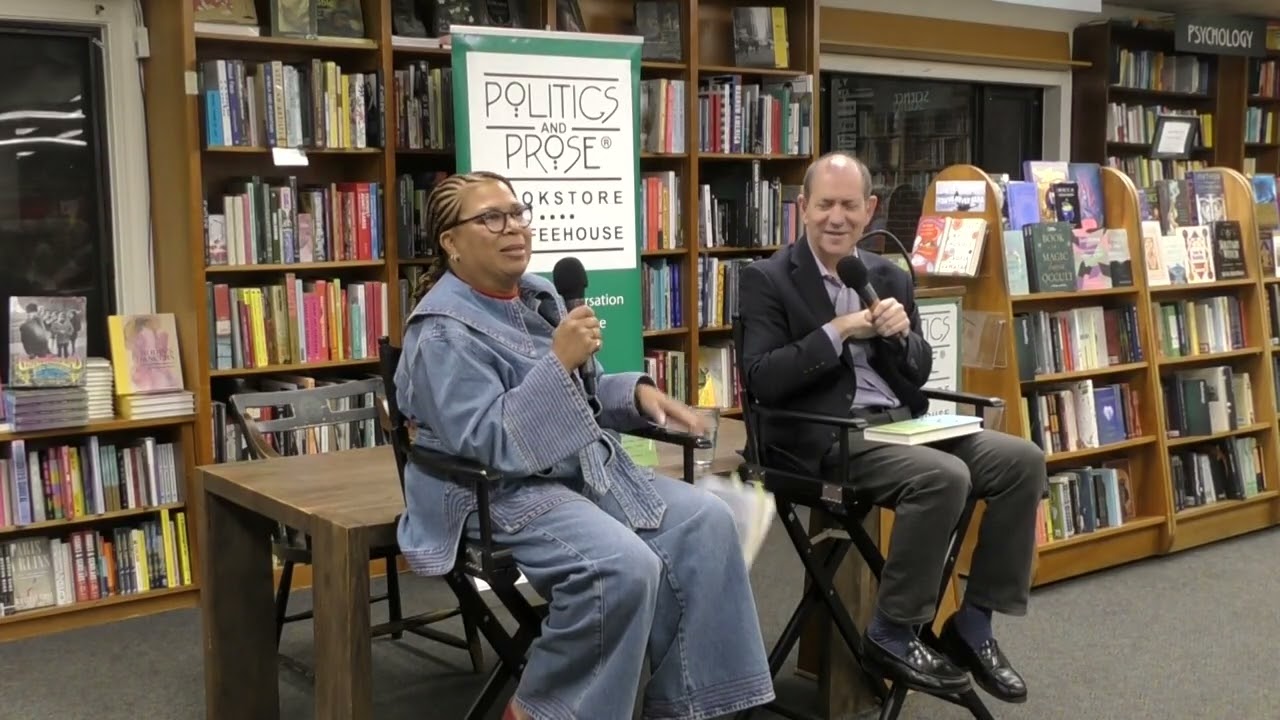
this is a production of Cornell University I'm Professor Elaine wethington from the department of human development and the department of sociology and it's my pleasure to introduce John Copo who's the author of U loneliness um and it's not it doesn't reflect his own life I don't think no it doesn't reflect his own life at all he's he has a he's very distinguished psychologist he's the and Margaret Blake distinguished service professor at the University of Chicago he's the director of the University of Chicago Center for Cognitive and social Neuroscience um he's been elected to the American Academy of Arts and Sciences and the Society of experimental sociologist and actually too many organizations to list just about every honor you can get as a psychologist he has he has earned um so I'll let you take it away thank you much thank you for for being here let me just tell you a little bit about why why we wrote the book and I'd like to make this more of a dialogue than a than a monologue so I'm just going to make a few opening comments and then just have a discussion with you okay um I started research on loneliness about 15 to 20 years ago and it really was uh a result of my serving on a MacArthur network uh it was a MacArthur Network on mindbody integration and the the effort was to understand the the connection between mind and body mind and brain so we had a bunch of brain Imaging people come on join us please and um typical of scientists in the 20th century had a lot of neurophysiologists in the group endocrinologists they took mental imagery as the quintessential piece of the mind to understand because that's something that occurs within the cranial Vault and so therefore it was something they could kind of put their hands on and I thought boy if you wanted to study the mind you would not and really wanted to get it fundamental in human nature mental imagery wouldn't be at the top of my list you know there was you have this image is this image that one rotated 80 degrees or 100 degrees or is it this other image that was the way you test mental imagery now the people doing this are friends and so I don't want to say that that isn't important work but it's not what it means to be fundamentally human so the subtitle of this book is human nature and the need for social con connetion and the question I really have had in my career is what are we fundamentally what is our species about uh why do we behave as we do and uh uh this book we used a particular approach to answer that question so let me go back to this this meeting with this group it was actually in Bergen Norway if you've ever been to Bergen Norway you know that it takes forever to get there and typical of these networks you take a day and a half you get to Bergen Norway and you never leave the meeting room of the hotel with no windows right so we could have been any place and they were talking about this brain uh this uh mental imagery and I said wait you know it is true that the computations involved in the mind occur within the cranial Vault but we're not limited to that there are things like how well how we connect with other people that are important that are fundamental to what we are as an organism now honestly this was long enough ago that the internet wasn't around and they looked at me like I was on crack like what are you talking about uh you know we're scientists what do you mean there's things outside uh and so I've come to and in fact we talk about this in the book um you know we at that point the model for the mind and brain was software and Hardware of computers now I'm happy to say that if you had a solitary computer connected only to the electrical outlet you wouldn't have a very powerful computer right computers today are powerful because of the capacities we have from them through collection of connected computers right and in those computers all the processing is being done within that box I'm not a you know I'm I'm a scientist I don't think that there's things going on in The Ether on the other hand those devices are wirelessly connected and there are special devices designed by Engineers to allow them to be connected well The Internet's been around 20 years we've been broadband and mobile connected for for hundreds of thousands of years as homodance and in your brain are specialized devices that allow you to connect I have found it surprising that I've had to explain to some of my colleagues in in the Center for Cognitive and social Neuroscience who studi language and the Brain basis of language that language is there for purposes of communicating with other people not just to talk to themselves and that always comes as a shock right because you tend to look at Language by looking within an individual what's the effect of this word versus another word but we are inherently social species we're not the only social species we are just social with an exclamation point so we take an evolutionary biological perspective on this uh in evolutionary biology it's about the reproduction of the genes that determines what what evolves and Steven Dawkins is uh famous for his book selfish Gene and from that we've derived that selfish genes provide or produce selfish organisms kind of a good example of that is the Sardine the Sardine is ready to swim at Birth okay sardines swim together in schools some Predator like a swordfish comes up and they create these very Dynamic looking fishballs if you want to kind of model that behavior it's Collective Behavior if you want to model it put little dots on your computer and program them all to swim to the middle and you get that Dynamic okay so you can see why Dawkins model had such a profound impact it says that the social behavior you do see is selfishly motivated it sounds like Milton Friedman's 1970 economics paper what's good for me is good for society right I don't think that's right I don't think that explains evolutionarily humans and a handful of other species and I'm going to use Dawan selfish Gene notion to explain why we have the longest period of abject dependency of any species okay it isn't your ability to reproduce that determines what makes it into the gene pool for sardines it is for sea turtles it is they go to the beach they birth hundreds of babies they swim back to the ocean they're on their own the more I birth the more that are likely to survive humans have litter sizes of one by far the mode right by far the most frequent litter size and they have incredibly long periods of ABC dependency they would not survive very long if not for adults parents who cared enough to take care of them and they were cute enough solicit that nurturance even in moments when you'd like to kill them or at least get some sleep right so we have not our ability to reproduce that's important for what makes it into the gene pole it's the ability of our Offspring to reproduce and that changes everything now let me say that again let's go back 70,000 years ago you may be out on the Savannah hunting with another because together you may capture a big game and you can't eat it all until before it goes rancid anyway so there's no loss to your selfish interest in hunting together well the truth is for the most part you're not able to kill those big game you're barely surviving on what you can find if you've ever seen Survivor Man on TV he is skilled and he has trouble surviving right I wouldn't last four days out there and that's really much more the condition that that we lived in in an evolutionary time well if you have barely enough to survive and it's tough enough fighting off the wild beast why would you put put yourself at risk for others for weaker than you Offspring why would you share your food if you don't you're more likely to survive you're more likely to procreate you may in fact have many such offspring that you leave behind do your genes make it into the gene pool no it's not your ability to reproduce when you have periods of object dependency in your Offspring you CH it's the same evolutionary principle it's the genes that determine what gets reproduced but now those genes have to struggle for a different behavioral mutation now it's going to select for things like empathy and altruism and cooperation and care and attachment and just like hunger thirst and pain I mean Pain's not something that any of us enjoy but let me tell you if you didn't have physical pain in your system you likely would not survive there are rare cases of this it is very difficult to keep these people alive because they break things and they don't know it they develop diseases and they don't know it they have no pain signal to say that there's something wrong in their body so it's very hard to maintain the body well I'm suggesting that the nature of humans collectively connected humans is so critical to our ability to survive and for our genes to survive that we have a pain signal that signals we're becoming disconnected just like physical pain except this is social pain for purposes of protection of the genes it is just a mutation just like the one that produce physical pain and it led to our Offspring being more likely to survive long enough so that they too reproduced so what is loneliness in that context it is that signal that we're becoming disconnected so we see it both phenetically and ontogenetically when you're born you need others historically evolutionarily we need others in fact if you look at what where we are now it is only because we specialize and we can trust one another and we work as a collective that we have become such a formidable species and we have achieved what we have uh to date but these things can also be slippery slopes if we go back to just selfish interests to betrayals then we get predictably what we've seen recently in the marketplace with a few doing very very well at the expense of the many so part of the book also talks about in the latter chapters we talk about well what does it mean for our culture and I didn't put this in the book but kind of the joke I will tell you is that if right now in our society we kind of stigmatize loneliness we do not use the question do you feel lonely in our research because people will underreport especially males and they don't want to admit that if hunger were a stigmatized as loneliness we'd have a lot of anorexics walking around so part of the thing is because it's matized we don't take it as a signal that something's wrong and we should do something about it instead we take it as it's neuroticism it's depression it's this it's that and I just have to kind of buck up and and and be a you know just get over it and that's the wrong advice that would be like if you're hungry and you thought well I just have to get over it h that's not the case that's not actually your options if you're in pain if you've R sleeping you roll into the fire roll off you know if you feel disconnected that's a signal and if you respond to that signal you don't have some of the dellarious consequences that we've actually been able to document so that's kind of by way of overview I'm happy to talk about tons more but let me instead let you talk and ask questions or make comments and let's have a dialogue that sound okay so uh might be something that you discussed yesterday I'm sorry I missed your brown bag in MVR what's your view then on the American idea of the nuclear family vers versus the extended family because that does tend to isolate well you you probably know the demographic data as well as I do what's happening with the nuclear family is it's not so nuclear anymore right we have what was it this if I can just remember some of these stats there's about 10 years ago 1990 so it's more than 10 years ago now uh one in five families were headed by a single parent household that's now one in three um the average Network size in 1984 uh uh has been haved over the last 20 years mcferson and all published an American sociological review article in 2005 that showed in 1984 the number of confidence the modal number of confidence the most frequent answer was three in 2005 the most frequent response to the question of how many confidence do you have was Zero the number of people living alone has increased dramatically in part it's because we're aging but I've looked at the US C buau data for middle-age adults and it's increasing there's increasing isolation even within that we're not unique I looked at the uh data for China I just was in China and the same changes a single child uh policy has reduced family size but you also have with urbanization a huge uh social re location of people they have an empty nesting problem in China that's their term for it and it's not our empty nesting problem the empty n ing problem in China is that there is a child a mother and grandparents the father has gone to the city to work and that's called empty nesting and so you have a very different uh demography there as well so I think we're seeing kind of this segregation by age which I think is not ideal there's much less intergenerational support uh and I think we're you know we see social Mobility as something that that compromised this inner generation connectivity and support we move from families and villages to you know it's very cheap to move labor around uh but that that sacrificed those kinds of uh other Village type organizations and so you had a nuclear family and now those nuclear families are disintegrating with increased uh divorce rates with lower birth rates in a number of the ethnicities in America um and the later marriage dates well I I I bring that up because if you know loneliness is is a pain that that we want to fix yeah menopause is an amazing way just go evolutionarily to get cheap extra parents with great knowledge and so you'd think that the nuclear family would have deteriorated back into an extended right family much sooner so you're you're speaking about what what might be the opportunities I mean I think we have to realize that we've seen this decimation of the the extended family over the last 150 years I mean there's no time for evolution to operate on that we see the cost of it but I mean Evolution hasn't had the chance to try to repair that mechanism but I think partly and this is what the latter chapters are about we've kind of made this appeal to say wait let's just think about whether what we're doing fits our human nature I honestly think that you know Milton freedman's notion of what's good for me is good for society is what led Dickens to write the book about Scrooge right now Scrooge didn't end up a particularly happy person he only ended up at the last moments of his life realizing that he had lived a world life life not worth living and connecting with others and not just harboring money was really what it was about that was really what was closer to what made him happy we review this uh study that we did we have longitudinal data from a populationbased design what does that mean that means that we randomly identified people between in 2000 between 50 and 67 years of age Half Men half women um uh Hispanic African-American or Caucasian in equal numbers and we've been following them since that point in time all right every year we drive them into the lab we do extensive testing physiological psychological sociological economic and we've looked at what makes them happy all right well if you look at just correlations income household income is correlated with happiness Scrooge was right these economists are right well the nice thing about our data is we can look longitudinally and I'm happy to report that money did not predict happiness so how much money you were making making didn't prod if you had a big increase you weren't happier a year later if you were happy and you were less lonely you made more money next year that's the reason for the correlation right well think about your workplace our workplace relies on people being able to get along we're doing a lot more problem solving together we're managing larger teams even the customer service agent if they're really grumpy and nasty isn't as likely to get that raise right so we actually found the income to be the consequent not the cause of this happiness and and social social connectedness so I think I mean I think the data are there I think we just haven't put it together because the economist Guided by kind of this notion of let's let's pursue selfish interest uh has had a big impact on how we organize labor and U work settings and the market collapse of recent days may be a prime time to rethink that but that's why I like the Charles Dickens Christmas Carol I think it kind of captures where we might be going and where perhaps we should be going if we want to do things closer to our own our own human nature there is an implication about uh where moral reasoning came from right so I think about much many of our gut impulses is having been sculpted by Evolution for purposes of of promoting effective social interaction and by the way that doesn't mean that it doesn't contribute to culture culture and biology in fact are hand inand they work together they're not antagonistic um they're different take language there's different languages but we seem to have the genetic capacity in fact need for language we're compelled to kind of make make communication with others make some kind of symbol system or verbalization to do that kids babies do that from the beginning they're kind of G and we shape that into language right but we're born with that capacity but what it looks like varies a lot so you see that difference across cultures as as well and that's kind of one of the the features again of Being Human if we understand that nature we can then take these conventions and practices and tune them so that they're actually more productive they make happier more productive individuals rather than kind of trying to swim upstream against what we're inherently designed to do eel Wilson talked about genetics as being a leash but it's it's an elastic leash but you you want to kind of know something about that leash uh you wouldn't want to try to house humans in isolation for instance that's just not a healthy process uh we reserve that for people who we can't control by any other means uh either through ostracism or through solitary confinement and that's we now know that to be a fairly cruel form of punishment the people in Maximum Security Prison who are retained in those settings for a long period of time or are having a great deal of psychological problems I mean schizophrenia kind of they have schizophrenic type breakdowns we're not designed to live in isolated settings questions so is lonely if you don't ask questions I will all right um so is a loneliness the same thing as being alone people often ask that and the answer is absolutely not but that's often because there are other people in your head so we were talking about writing when when you write at least when I write but most people with whom I've spoken when you write you're you're alone I I you can't really write at a party and try to do it as a collective act it doesn't mean you don't have individuals who are editing but you when you're writing you're sitting there kind of working on your own but it's enormously social activity because you are writing for people with people I mean I have students and colleagues and I have a particular audience that audience isn't uniformally positive I have that reviewer out there who nobody going to raise this or that objection and but you know there's still it's a social kind of act and you then follow it up with you know great opportunities like this to meet people so it's it turns out it's a solitary act but it's a social act in my head and we find in other animals when you isolate them it has very deletar effects when you forcibly isolate everything from a fruit fly to a chimpanzee fruit flies isolated die earlier did you know that it's a PN proceeding from the National Academy of Science paper I think came out last year it's true across a variety of different species social species forcibly isolated have deletar physiological consequences right we don't regulate as well when we're isolated right but we find we're very symbolic creatures and it isn't the object of isolation that matters as long as we're not being forcibly isolated it isn't the objective it's the subjective so a good case in point is kids leave leave home and go to college freshmen perhaps it's the first time they've left for an extended period of time they're now living on a dorm floor around more people than when they were at home and they felt incredibly isolated this is just classic you know isolation loneliness goes up a lot then it filters back down during the course of the next 10 to 15 weeks we've seen it in our own research uh that's a case where it's not that people are alone it's that they feel disconnected from others when we look at Lo and individualistic versus collectivist cultures uh the United States is an individualistic culture uh China is a collectivist culture uh Denmark is an individualistic culture Italy is a collectivist culture loneliness is actually higher in the collectivist than the individualist cultures so let me unpack two things there how do you know whether it's an individualist or collectivist culture a simple marker is watch how they eat watch how they share food in America kind of the Happy Meal is uh the quintessential American meal right you get it in a box it's placed in front of you and everything there is yours and no one else's and they all have their own box right at factory meetings I don't know about here at Chicago we get our little boxes and we all sit at our faculty meeting eating the food in our box in China uh you have this huge Lazy Susan in the middle of the table and you can't even move the Lazy Susan to the food you want because 18 people around the table will have their Chopsticks go like that right you have to be it's an amazingly social act to try to just get the food so you you have to be aware and sensitive to everyone else in Italy they don't have lazy Susans they have great big pots that they they pass around right it's a very different way of eating so you can kind of tell whether it's collectivist or individualist I mean a cheap and easy way it's just watch how they eat okay well there's still a lot of family style restaurants in Indiana and the South right then but they're Europeans who go in who are used to this Southern European kind of style right um and there there is individualism and collectivism in America in fact uh Wendy Gardner at Northwestern University is primed Americans to think about think in Collective way she has them Circle the pronoun we in in text and Americans look like Chinese in solving problems when the Chinese Circle I and me they start to look like Americans so you can actually we we all have these capacities right it isn't it isn't an unique way of thinking it's how is it that we are in practice thinking most of the time so why is it that loneliness is greater in collectivist cultures it's because when you're in a group where the default is everybody's connected and you're not so imagine that you're at this you know everybody's connected at this table but you're the one not everybody's sharing a common Bond and you're not this is why mixers are such a bad idea for freshman right because you go there and you feel isolated and I don't know anyone and I feel really awkward and look everybody else is talking they all know each other I actually think transferring in may be worse than the Freshman experience because they in fact are already connected and you're kind of the interloper in that setting so again that's an example of where psychologically our perceived isolation is much more important than the objective isolation I can be in solitude and be perfectly happy or I can be the last one chosen for the team that I really wanted to be on I'm still on that team but I feel isolated and horrible I don't know about you but I've certainly been in that position many times and it you know it's it's a stinky position to be in and that's the kind of perceptual process that that seems really important so some people think of it as you know objective isolation uh it's it's not um go ahead did you have a question no um one of the so does that mean that in a collective Society everybody feels like they are outside the group question it grows with time so that you're inside the group no so most people don't feel lonely that's true in America that's true in all countries in fact what is the opposite of lonely trust me I've thought about this and thought about this so I finally came up with the following answer what's the opposite of not thirsting what's the opposite of not being in pain normal yeah so what's the opposite of lonely normal okay and I think that's I mean I think they do have something in common all of them are aversive states that signal something important to your genes survival usually you're survival but you know at least your Gene survival and so in all these cultures most people do not feel lonely what makes you feel lonely bereavement losing a significant other we have people in our study who've been married for 50 years happy happy happy then one of them dies and they're miserable absolutely miserable being miserable and then they have more friends and family around than they did before it was just their spouse before that right and yet their misery is very high if you look around and everybody else feels connected as in in uh some of these Southern European countries or China that's when the pain is even greater so you have this existential isolation as well like I'm I can't participate I can't consume the the salubrious connection that everyone else is enjoying if you're in Denmark or in parts of America no one seems to be connected anyway so it's still hurts but it isn't you don't have that additional social comparison making it worse okay so I guess to Reas the question to make it sound a little bit better because Denmark America are very individual capitalistic you Pro us do the collectivist Nations feel more loneliness because they actually are aware that there's supposed to be a connection yes it's basically a social comparison process it's those who do feel lonely that small percentage who have been isolated for some reason it's especially Salient because they know culturally that uh the norm is for everyone to be connected and have people with whom they're eating and they don't they're not in that circumstance so um the number of times that they move is even more painful in a collectivist culture than in America by the way the number of times you moved over the last 10 years is related to how lonely you feel freshmen who come in to college and I'm sure it's true here it wasn't the highest state when I did this the number of miles from home just the you know how many miles from your residence is your home address that's a predictor of loneliness it's not perfect but that's a predictor of loneliness and we've we looked at this initially because we wanted to have lonely and non-lonely kids that we were going to follow and we wanted them to be equal on as many properties as possible and we found in surveying 2600 kids that the most lonely kids there were the foreign students so okay we can't use them because there's too many other things we'd never be able to match so then we took non-foreign students and we looked at well what do these kids differ on if it was not physical attractiveness it was not height it was not weight it was not household income it wasn't intelligence it wasn't education we we got permission to download everything that the registar had on them and we looked at all of it we took photos we had four different judges rate their physical attractivness people differ in physical attractiveness but it was unrelated to loneliness it was miles from home and it was interesting the lonely kids dislike their roommates more than the non- lonely kids they dislike their sweet matate that was an even bigger difference floor mates even more Hall mates even more so it wasn't just that they had bad roommates there's this so there's this well again if you think about it in evolutionary times loneliness is a danger signal right it means you are in danger and what happens when you're in danger well one thing is you become a lot more hostile to people around you a second thing is that you become less willing to take another person's perspective I mean if I'm in danger I don't have the luxury of taking your point of view because I'm the one in danger right and so we did a brain Imaging study what what the research shows is that lonely people don't display as good of social skills now in kids if you teach them better social skills their loneliness tends to decline in adults it doesn't and that's because when we give we and others not have given scales the lonely adults have the same social skills they don't use them why don't they use them well if I'm taking my perspective I'm not going to know the social skills I might deploy as well as if I'm taking your perspective if I've got your point of view in my mind then I'm going to be able to draw on the social skills I have in a more effective way we did a brain Imaging study where we looked at so basically I we're showing positive pictures of people and equally positive pictures of objects I now subtract the hemodynamic response of the brain in response to those two pictures all right I have negative pictures of people negative pictures of objects I'm going to subtract those two so I've got these hemodynamic responses I'm now going to correlate all those voxels of the brain with the loneliness of the participant across people how do lonely versus non-lonely brains differ when doing social information processing in positive or negative context taking out the affective int all right well let me start with the negative what we found was the negative picture of people versus an equally negative and arousing picture of an object activated the visual cortex of the Lonely individual more than the non-non individual if I'm expecting a dangerous nasty world and now there's a negative picture involving a person I'm riveted to that picture Okay so greater visual cortical activity now as you follow this information processing stream forward you get to an area called the temporal parial Junction so temp temporal is down here parietal is up here occipital where vision is is back here so it's traveling forward the tpj bilaterally what oh and that's more active in our non- lonely people what's going on the tpj is the area that controls the tension that allows you to take the perspective of another person I mean that's a pretty remarkable achievement in terms of attentional control I can move outside of my head and move into your head right well that's not something that's done miraculously there's neural Machinery there that allows me to do that and of course we evolve such machinery for the same reason we evolved wireless cards for computers it's because being able to get inside your head allows me to now communicate work more effectively with you and care for you when you're in need and I need you to survive so that we can both survive right well if I'm feeling excluded and in danger I'm less likely to do that so it's the tpj and the non only that's more active so it's not that one brain was more active it really depended on what part what was that part doing that determined what was good reactivity kind of a quick story about what about the positive picture since you Broach that topic it isn't the reverse pattern it's a very different pattern we did an experienced sampling method study with their students which means we beat them randomly 63 different times during a week and we found out that the lonely and non lonely students were in the same situations they were with people just as long they had the same number of uplifts and hassles most of the uplifts are social this is no surprise just watch what makes you happy in a day most are going to be social all right the events were the same the lonely individuals rated them as less uplifting okay so now let me go back to the brain Imaging study these are pictures of other people they don't know right what do we see well positive pictures elicit ventral strial activity ventral stum is an area of the brain in the lyic lobe that's active when you have reward if I show you an ice cream cone and I give you an ice cream and you chaste the ice cream cone you'll get vental stal activity unless you don't like ice cream right if you like it like I like it boom big big amounts of ventral strle if I think you know ice cream and 24-hour banking are equally positive to me cuz if it wasn't for 24-hour banking I would never have any cash ever I don't know about you who who who's out around during banking hours right so and online banking I can't draw cash out I need the 24 so that's a really important technological innovation I don't show vental trial activity to 24-hour banking I like it I'm really grateful it's really good it isn't an emotional attachment ice cream is all right so what do we see we took pictures that lonely and non-lonely rated equally positively so it's not that just like 24-hour banking versus ice cream we then looked at what differed in response to the social nonsocial positive pictures it's eventual strial activity and it was much much more active in the non- lonely than lonely when looking at the people so I kind of think it is non- lonely people looking at other people have an ice cream response right like this is not that they're interacting they just see another couple have a sweet interaction and they go that makes you feel good right it's like having a lick of ice cream a lonely person looks at it and it doesn't have that same response now they recognize it's good it's like look 24-hour banking I like that but it's it doesn't kind of give you that extra boost in the day uh and so we think that helps explain why the uplifts of of positive interactions with others is actually less powerful for lonely than non- lonely the brain's just processing the information in a different fashion they actually showed more strial activity to the nonsocial then social well if I'm worried about somebody betraying me that may well be why we we get that differential response so do you see I don't know I'm grateful you're here left left field question I think do you see decreased loneliness then in people diagnosed maybe with ADD because of the the attention to the situation problem that they have that's less loneliness ad it's sounds like good question yeah it sounds like if you can't really pay attention to the fact that you're lonely or you with your your your tbj there the the focus on the ice cream if you can't really focus on the ice cream you I've we haven't looked at that here's my guess it's it's the answer is no that they'd be lonelier and there are two two studies I'm going to give you as to why that's a case one is that this uh feeling of this uh activation of threat doesn't have to be conscious uh I mean you know the jol do story of you're walking through the woods you see something you jump back you look down and it's a curv stick why did you jump back well there's an his argument is there's that's the amydala it's monitoring for threats and a curv stick has the evolutionary significance of it could have been a snake if it turns out to be a stick it's no big deal you just go on watching if it was a snake and you hadn't jump back you perished there and so we've been we've evolved to to monitor for threats well our notion is that what these lonely people are doing is that's the default State and it's not like they're aware of it any more than you were aware that you were looking for that curved stick or snake it's that we now have Prime that in lonely individual specific to social threats so one of the ways we thought of testing this because that's a little bit hard to say okay how do you empirically test that we thought well sleep now that's not an obvious answer but let me tell you why we thought of sleep if in evolutionary time standing with the stick by yourself trying to offend off wild animals isn't daunting enough when are you even more vulnerable it's when you put that stick down and fall asleep if you have a safe social surround then you don't have to remain vigilant for threats now I mean I don't mean you consciously deliberately making this decision I mean the brain's default State the brain's default State need not be concerned about the evolutionary threat that it's facing when closes its eyes and loses Consciousness and loses awareness of whether there's anybody even in the context right if you are lonely if you have this feeling of threat because of disconnection then the brain's vigilance needs to be maintained and so we tested sleep and what we found we put them to bed we put these kids these were undergraduates we had them in the clinical research center in the hospital we laid them to bed at the same time we awaken them in the morning at the same time we also measured their sleep 5 days in a row in their homes and their residences and we found a exactly the same thing it is that lonely individuals don't sleep less long they have more micro Awakenings micro Awakenings they're not even aware of it if anyone has uh known anyone with sleep apnea the spouse knows the other one has sleep apnea but the person who has the sleep apnea is probably clueless right but what the person who has the sleep apnea will say is I didn't sleep very well last night I'm tired that's what micro Awakenings do what are micro Awakenings it's not that I'm not suggesting lonely people have sleep apne I'm suggesting that there's this increased vigilance when you're at a hotel room for the first time you usually don't sleep as well as the next night it's because all these new sounds your brain sitting there calling alert because there's potential danger well you find out very quickly that no it's just you know it's a hotel room blah blah blah and your brain relaxes with it adapts to the new sounds right so this just the level of vigilance that's looking for those kinds of dangers and that's one of the reasons why I think you know it's it's below strategic the second reason and and ADHD should be susceptible very susceptible to that the second has to do with one of the important ways in which we connect with others and it's simpler than you might think um you've seen on campus two people walking along you know on sidewalks maybe walking toward each other and they're walking with different paces and their arms are doing different things I mean it's clearly two separate people so I I I'm this geek this is you I think about things in terms of kinetics sometimes so just instead of looking at people imagine there's light dots on them and it's a dark field so you can actually quantify the periodicities as you see them all right well they're clearly out of sync they're they're two different entities moving together well lo and behold it turns out they're greeting each other they say hi Hi and then they walk off together all of a sudden that light dot pattern is synchronized now you have a single unit they're walking in page their arms are moving together they're coordinated in their movements it's like a single unit they fall into synchrony all right well again Geeks like you do things like one of those makes one of them a Confederate and you vary how much you fall into synchrony with the other one a little bit completely a lot not at all all right okay they walk off they talk that session's over you run and you catch the true subject Confederates G so you're asking the subject so how much did you like that person how much reported you fit how willing are you to work with that person in the future the greater the synchrony the greater the liking the Rapport the willingness to work with the person in the future that occurs spontaneously it people don't think about synchronizing it just happens not everybody falls into synchrony one of the Callins uh I've been doing some radio one of the callers was a self-described autistic and said I can't connect with normal people I said he said did you study autistics and I I said no we did population based which means we you low frequency characteristics you just don't capture in population-based research I said but work by Ralph uh suggest that autistic individuals find eye gaze aversive do you find eye gaze aversive he goes yes said okay and I told him the synchrony story if I and if you've ever dealt with an autistic individual they kind of look at you like this I mean they don't like eye contact it's a it's painful to them well if I'm looking like this the only synchrony we're going to see is gross what's called low frequency gross body movements right we're not going to see the fine coordination that requires that we look at one another right and for most of us that's kind of discombobulating first of all to have somebody not look at you because we're used to that secondly to have just gross body movements coordinated is not full synchrony so we don't feel there's a rapport they don't feel there's a rapport right so I said so that may be why it's hard for you to connect with people who are used to eye contact are there individuals with whom you do have report and do fill a synchron he goes yes I said who he said well there's these two guys and you described at best aspur and they also find eye contact a verive well you've got this gross body synchrony and that's all that they're paying attention to so you can see how that so I think ADHD May well show poor synchrony for the same reason you're suggesting it's not that it's intentional but if I'm flitting around then I'm out of phase or out of synchrony with the other it's both phase and synchrony that are that are going to be important to have this sensor report so that would be my guess it's empirical I haven't tested it but that would be my guess that they may fail for that reason to achieve some of the Rapport and synchrony that we see in non-adhd kids it's a good question though I it's I love testable questions have you ever looked at loneliness in kids that were ra slightly differently say homeschooled or were not allowed to watch TV because it seems like when you meet a bunch of new people the first thing you talk about is a TV show and that's how you connect or pop culture or if you're totally isolated from something like that it seems so hard to relate to other people yeah we we haven't again we haven't looked at homeschooled versus not uh the the studies we've done are either kind of these large cross-sectional studies uh occasionally we've done experiments on small numbers or these longitudinal and we have a couple longitudinal the Chicago Health aging social relations is the one for which we have the most intense data but we also do a lot of work now with the health and retirement study which is a nationally representative sample measured every two years of 20,000 people but even then it tends to be older adults and so homeschool was such a low probability event you don't see that distinction there so I can't I can't answer specifically to that but we do look at cultural differences so drawing from that what I find amazing is it doesn't take cultural similarities to have connection right and if you've ever traveled in a foreign country you probably have recognized that when you first get off the plane you realize that things are really different and there's a sense of isolation right but it doesn't take very long I mean I'm always amazed because I I'm have no verbal abilities in English and zero Beyond English right I mean so I go to these other countries and I'm always at a loss for language um and yet it's remarkable how effective people can connect and communicate and get what's needed and even enjoy people without language connections um and so I I think it's for the same reason it may be an obstacle initially but people quickly overcome those knowledge differences because there's so much in common that I think these synchrony aspects are much more important than the specific content per se and that's why kids who do transfer in you know there's a there's a a obstacle initially but that obstacle turns not out not to be formidable and they start to transcend that and and then form those other common issues unless the kid responds inappropriately to the initial obstacles and that's what chronically lonely people do is they they respond inappropriately kind of maladaptively what happen is they want to connect but they also come to expect rejection and it hurts so they act in a self-protected fashion and that's paradoxically self-defeating and that so when that happens that's a slightly different process and that's partly what the book is about is if we realize what loneliness is and respond like a hunger queue instead of it being a neurotic personality which it is not we have data that's just the wrong conception then you overcome it just like you do Hunger but if you starved yourself because you thought that was a Neurosis then you'd get so emasculated you wouldn't be able to go find food and that's you know at that point people start to engage in protective behavior and that's when they get into kind of longer term isolation problems yes so what are the things that nurture a sense of connection in people who are in that lonely place you've said they're not going to be um they have a hard time taking other people's point of view so that training in social skills for adults is not so helpful the empathy work is not so helpful the uplifting experiences aren't going to be perceived as uplifting there's something that you've described in ter which I am translating in terms of the work of mirror neurons which has to do with synchronicity that's sort of pre-verbal and so I wonder if if I work in a program a peer counseling program called empathy assistance and referral service here ears and uh and it's sounding to me like there's some kind of nurturing that could be done that we don't know about yet or that I'd like to hear more about so I think partly it's if we can understand what function loneliness serves and get a more accurate depiction of it I again if we treat it like hunger thirst pain understand what it is then we know that this isn't something to deny it's not something to stigmatize it's information that should be used if we also know that feeling kind of we're not feeling endangered on purpose any more than we're jumping back when it's a curv stick on purpose this is how our genes have been selected and it gives us our Humanity I mean loneliness is simply that cuute but if we didn't have this architecture if it hadn't been sculpted we would not be the generous kind empathic people that humans can be we're capable of of amazing evil but we're capable of amazing um uh an awe inspiring Good Will toward one another as well and so it's kind of realizing that there is this machinery and mere neurons is actually one of the systems that we talk about because that's one of those mechanisms responsible for the invisible threads that allow us to be connected empathy anterior insula is a really important neural mechanism in terms of allowing us to connect and feel for another person so you know all of these things have evolved that make us able to connect and care for one another and of course that's why our genes survive is because we're able to care from one another yeah yeah we can betray each other remember what Caesar said in the last words each too Brutus well his theory of Mind wasn't working very well that day right so we we also have those mechanisms were we're capable of betrayal but we're capable of kind of deducing betrayal before it occurs because of those capacities so you can see how all of this has an evolutionary base so trying to understand what all of that how all of that Machinery works together so now if I feel isolated I'm going into that mixer or that new place and I kind of understand the reasons I'm feeling threatened the reasons I don't want to approach the reason when I approach and I see and some kind of ambiguous Behavior I I might want to respond in a way that says oh I was just I knew that she was going to betray me or do you know do something to hurt me you go wait be real I don't treat myself good all the time why should my friends treat me well all the time we all do things like that right so it gives us an alternative interpretation for things that we see it gives me instead of saying that person cut in line because they thought they could do something to me it was a personal assault no just a jerk they cut in line and it tells me more about them than about me right and we have to understand we get in these social orbits so partly the interventions for loneliness is teach them social skills and teach them not to be shy to assert it well I think that can be good but I also think that can be incomplete so the story I tell that kind of captures social orbits is we all know people who are adorable connected people and we know those who are not so much kind of negative depressive lonely isolated hostile cuz that's the consolation those are all the people on the bus driven by loneliness all right okay now let's say that latter person has been going through therapy now knows to be assertive be less shy be positive right so they go in and just by chance they're acting a little grumpy and this adorable person is acting grumpy I don't know about you but the way I act toward My adorable colleague when she comes in and acts grumpy is what's wrong what can I do what's right I mean I push her back up into that social orbit yeah that colleague who's I described not so kindly I go oops gotta go sorry right and so you know so let's say they're they're they're self-aware people they look at that behavioral difference and they go back and they yell at their therapist say it's not me it's them well there's some truth to that I mean we have to kind of recognize that there's some truth to that so it's recognizing we you know we kind of got ourselves into this circumstance it's going to take a while to get ourselves out it it can work but one has to be patient the other thing is there's all kinds of ways in which we feel like we have no control when we're lonely but we're The Architects of our social reality if I'm expecting someone to betray me there's a prisoner dment game that demonstrates this beautifully if I expect somebody to betray me and they act you know prison dma you can cooperate or you can betray the likelihood how long it takes you to betray be you to betray your partner is equally long whether you're lonely or not the partner in this study used a TI ATT strategy which means they did whatever you did on the prior trial the subject is totally determining what happens nobody ever figures this out it's one of the more remarkable things about you know our entric existence we don't realize we're totally determining what's happening in this game so the lonely non- Lon cooperated at the beginning they both Betrayed at about the same trial number the difference is when the nonon person betrayed their partner betrayed the next trial yeah yeah yeah they went back to cooperating and they'd betray and then the partner betray and they'd go back to Cooper operating and it was a high level cooperation across the game the lonely person was waiting right they know that they're going to be uh you know they're under this threat surveillance they know that people aren't trustworthy blah blah blah when their partner betrayed which by the way was because they had betrayed the last trial they said see and the Betrayal rate increased so cooperation plummeted they ended up at the end of the study saying that SOB I had no control over the circumstance and that's I mean you can see that's an that's a legitimate honest they're not fabricating that's their honest perception it isn't accurate but it's an honest it can be an honest perception without being an accurate perception right so that's the kind of world that a lonely person can create well once you realize that then you start giving people the benefit of the doubt and there's one other quick kind of Distinction I think is important to try to capture with this and that is lonely individuals are hungry right they're in a need State just like hunger thirst and pain they're in this need state for social connection and when you're really really hungry or you're really really thirsty and you have poisonous water what do you want to do you want to drink you want to drink all of it sometimes it's not so healthy for you and if you've ever talked to a person who's been kind of isolated and lonely you feel like you're being eaten alive right they just it's a little too inant a little too aggressive a little like back off so it's not so much I understand that motivation but it's not so much about eating as it is feeding feeding and so when I have 5 seconds on radio programs they say well what would you say to do I say go work on a soup line do community service feed other people literally feed other people because you find out that people are really nice they're really grateful they're really decent this is fun and I'm getting nourished while feeding other people now I I want to add a caveat lonely people are also more sensitive to uh can be uh placed in scam situations more so you want you know it's not be positive you know don't worry it's not about just do things for others because you can put yourself in a situation where you're being exploited so it's it's be real that's really the story is be real select carefully who your friends are and then expect the best but be very careful in selecting your friends a neuroeconomics game we did called the ultimatum game uh the nature of the game is this I'm giv $10 I'm giv aaine uh any amount I want she can either take the amount she's given and I get to keep the rest or she can say no I'm not willing to take this in which case I don't get to keep the rest okay well if I an economist says I should offer her the smallest amount possible if that's a dollar I should keep nine offer a dollar and she should take it right that's the that's the rational Choice people don't do that they think that's unfair which itself is a really interesting again in an evolutionary context it makes sense that it wouldn't be acceptable there's this repulsion and and she will forgo that dollar or $2 or $3 in order to cost me that9 eight or $7 and it shapes my behavior to be fair right so that's that's what the data show lonely individuals are more likely to take the dollar now they're really angry about it which is the interesting they're angry but they take the dollar why well if I really want to connect I'm willing to negotiate a bad deal but it's interesting that I'm willing to NE it but I start off really angry with you so here's a case where the people aren't Sinister the lonely person is negotiating a deal they don't actually want to live with right and so there's that going on as well not only are they willing to talk to people who aren't as kind but they're also with equally kind people willing to put themselves into less satisfactory circumstances in their own eyes and so again those are the kinds of things I mean it's not a simple answer but I that's why I find it interesting I think humans are wonderfully complicated and loneliness is this really interesting window into how it is that we've evolved to be as interesting and Powerful a species as we are and and you know kind of a side benefit is it's kind of told me something about loneliness itself as an aversive State and it's a much more positive story than I thought when I started out I mean when I started out the science scientific view of loneliness was its depression its neuroticism its overall negativity its hostility it's just not very nice people and isn't it good that they die early was kind of the kind of the notion and that's just completely wrong all of our research we do both cross-sectionally and longitudinally and everything that we see cross-sectionally we have seen longitudinally which means it's not true of these people it's true of humans it's true of all of us occasionally I'm asked so is there going to be a drug for loneliness or wouldn't we better be better without it well I I'm afraid that you know do you want psychopathy as the dominant mode I mean if you have no feelings for others you're not affected by disconnection I think we'd have a lot of psychopaths and we do have drugs for it heroin knocks out feelings of loneliness it knocks it out in rats it knocks it out in humans and if you've looked at what happened to heroin addict mothers with young infants the infants suff NE suffer neglect not abuse so much as neglect because they just don't have any need to connect so I would hope we don't have any long-term pharmacologic treatments that eradicate feelings of loneliness because it really does contribute to us being The Splendid species I've come become a fan of our species actually as a result of of This research and other species that have these long periods of ab dependency so I before I never thought about does this species have long periods of ab dependency or not now I do and if you think about if you watch like elephants do uh whales do uh other great apes do and you start to see kind of an adaptation that looks a lot more like us than you might otherwise see yeah dolphins do right right right and so it's really it's kind of a it's kind of a cool feature and it's this Dawan selfish Gene producing social brains and Splendid species it's kind of how I think about it there's also a a kind of a heroic ideology about Solitude don't you think in art in popular art yeah as you've been talking I've been thinking about the movie the Searchers where um many of you in this room have never seen the Searchers because you don't watch movies before 1990 right but it's it's the romant it's it's a completely romanticized um um portrayal of the solitary man right and what he achieves and how admirable admirable he is and how the loneliness but interestingly it has kind of an unhappy ending and that his loneliness is never assuaged he turns way he he saves he saves his niece he brings her back to her family but he himself turns away he can't rejoin the human race again it's just a perfect portrayal and one of the things about loneliness is it's not limited to other people I mean so it turns out loneliness has three mental Dimensions just like rooms have height width and depth and the content of those rooms can dramatically differ but it has those three dimensions it turns out loneliness as a construct has these three dimensions one is intimate connectedness and it's really the extent to which others affirm who you think you are or want to be the second is relational connectedness all face-to-face relationships and when people think about loneliness that's what they think about and that's one of the three dimensions the third is collective Collective connectedness and it's identities after 911 when we all felt that very close to one another that's the collective presence when you have a Red Sox fan or New York Yankee fan and they're really wrapped up in that team I mean come on they're not they're not the baseball players but they get involved that's the collective connectedness and that Collective connectedness can extend to other abstractions this is I'm going to come to Solitude that's why I brought this up so you know you think about team spirit and that's that's kind of this means that that identity is really great our our school spirit well what about Spirit Beyond right so we've started working with theologians to look at Classic religious practices and whether the science that we've been talking about connects with what is evolved in religion as ways of connecting with God now it's not a scientific question as to whether they're there is a God or not right it is a scientific question about your belief in God particularly variations in your belief in God because whether there is a God or not I can't determine but if there's variability in your beliefs that has to be unrelated to truth unless God is coming and going which I presume not so instead that variability is a scientific question right and so we've looked at what does isolation or loneliness do to those beliefs we can experimentally make people lonely or not right when we experimentally randomly assigned people to two groups this group is made to feel lonely this group isn't the group is made to feel lonely their belief in God increases all right two of Hubble Telescope photos too I Hubble Telescope photos I had as my screen saver I printed them on Photo stock my graduate student took them downtown Chicago handed them out and asked questions that were dispositional but not anthropomorphic like does this have movement um does is this strong and then asked anthropomorphic questions does this have free will okay it's a Celestial body like the Crab Nebula right does this have free will uh does it have theory of mind okay honestly they're not marking seven on a seveno scale they're marking two versus one on a seven-point scale but it's different so they Mark those and then they failed out a three item loneliness scale The Loner they were the more they made anthropomorphic attributions to those celestial bodies we then went back to the university we randomly assigned people to lonely and non lonely the lonelier we made them feel the more they anthropomorphize celestial bodies it's true of gadgets it's true of of pets it's true of fictional characters avatars we haven't seen a Target and so you think about Solitude in religious practice going off by yourself as a way of getting close to God that's that's a standard practice that's a notion of mon isolating themselves right are doing these long Journeys and meditation well indeed if you feel isolated you will start anthropomorphizing more about any number of things including God now that doesn't mean God doesn't or does exist it means those religious practices have evolved for viable psychological reason and it's Again part of this connecting at a at a broader Collective level yes please in a lab how long does it take you to make people start to feel lonely we've used a couple different techniques and it depends how strong we want the manipulation to be so if we want it to be if it doesn't need to be real strong and it really depends on what we're looking at so if we don't want it to be particularly strong we can simply have you fill out a loneliness scale and either have have there uh the scale of you know you're saying U I feel there aren't others with whom I can talk and it's uh uh we're saying frequently or or occasionally so you're just saying yes no to frequently or occasionally well if the words are frequently you're going to say no most of the time if the label that on the scale is occasionally you're going to say yes more often saying yes to those items will make more accessible those events and you'll feel lonlier than the other group all right simple as that all right that's a very subtle one uh We've also used hypnosis where we hypnotize people and we put them remember we have these three dimensions we put them into each of those dimensional aspects and make them kind of think about it their loneliness goes up a lot and their personality changes dramatically that's that's how we know these other characteristics are passengers on the bus instead of driving the bus because when we manipulate loneliness all these other things fall into place or we go the opposite direction and so that's that's our very very strong manipulation pretty stunning but but it works it works by the way we always have to disabuse them within a relatively short period of time and when we do the hypnosis we give them the loneliness scale at the end to make sure they've returned to base rates because it has deleterious consequences I mean it does a number of different things right bomb Meister at Florida state uses a different technique and I've been tempted but I don't think we could get it through our B he gives them personality feedback and uh and he gets they get feedback on two scales one is an extroversion scale and they they're told honestly their extroversion level and they read it and they go huh that makes sense and then they're given another personality scale feedback and depending on which experimental Condition it's one of three in one condition it's kind of neutral information because that's a control condition and another they're told that um even though they've lived a fairly healthy accident prone life so far this says that as they AIDS they're going to suffer many many broken bones and they're going to suffer uh chronic pain throughout their life all right now stunningly enough undergraduates buy this all right the third and that's a negative future control group the third is that well you have friends now and you have family but as you age your friends will drift away and you're going to live a life alone for the rest you know you'll end up living alone and an isolated life that's it right doesn't sound as bad as the you're going to live with broken bones the rest of your life but that's the and that's the that's the loneliness condition not his label my label that's his future alone condition I call it the loneliness condition right that manipulation does the same things we find cross-sectionally in our lonely non- lonely studies and that is it completely disregulated their ability they don't persevere at cognitive tasks on difficult cognitive uh tasks they do more poorly on a self-regulatory task they take shortterm rewards so if I have this not very tasty drink that's really nutritious I drink less of it if I have this really tasty but bad for you Cookie I eat more of them if I'm in that future alone comp compared to just a bad future bad bad uh you know broken bone future condition in our own research we find our lonely older adults exercise less and take more of their caloric input in fats and sugars that are non- lonely when we look at what that's due to self-regulation mediates it so it's the same process we do a dichotic listening task they show poor ability to change their attentional control than our anomy uh participants and so it seems like that's that's how it's manipulated and it you use it when you want to study these very specific effects then you have to make sure that you put them back in a normal stance Roy does the other I I don't I don't know that I mean I would worry that you can't actually disabuse them about that future alone and that it's a very costic mental state so we don't do that one well also the fact that you can actuate those changes um that could um continue makes me wonder if you couldn't actuate positive changes that would also well that's been suggested I I think that's really the problem is most people are not lonely right and those who are lonely you're going to get regression to the mean so to show an effect you really need to be working against regression to the mean that is if I'm if I'm up here on loneliness over time I'm likely to migrate back down a little bit right I might migrate up later but I don't have much else to go except down and so to show a treatment effect you have to work against that if I can move you in both directions now that's a better test and so that's that's the problem with with this kind of work you want to be able to experimentally test it in both directions but for very good ethical reasons you're limited to weaker test so one of the things that we're trying to do is to develop a non-human primate model of this so that we can and even then you can only isolate an animal for 30 days because after 30 days the animals start showing sufficient distress for ethical reasons you will stop it but that's long enough to study some of the very specific physiological effects I haven't even talked about the physiological effects much of our research is really about not about the mind but about the brain and the biology and I just to give you a snippet we've demonstrated that loneliness impacts all the way down to Gene transcript gene expression inside cells so it affects the trafficking of glucocorticoid receptor signals on lucco sites and the transcripts that carry that signal to the nucleus of the cell and what that nucleus of the cell is doing to DNA and then the RNA transcripts going out and affecting cocine circulation loneliness actually for very specific and understandable reason affects Gene transcript so it's a it's a kind of a very interesting biological story as well as psychological story it fits together well but then if it's Evolution it should I mean these what's Evolution acting on it's acting on genes which are what are producing these Messengers through R transcripts yes so um previous previous with the degradation of of families from nuclear to single parent and I'm I'm assuming a increase in loneliness uh overall given our Evolution that loneliness is a pain receptor that we want to avoid why are we de evolving I think that's an interesting question yeah well we're de evolving in the short term right again we're talking about fact if you just go back a 100 years in America uh it wasn't you know it wasn't me me me was united we stand divided we fall that was kind of the national slogan it's only been the last part of the 20th century that we started to see this strong emphasis on the individual I I think we forget that it's not actually an American ideal you know the marble man wasn't actually the the icon of America until that advertising campaign and and economics didn't press as much it's about you know your personal benefit that's good for every body until Freedman made that argument in 1970 and when he published that article he could he a lot of people uh argued against that position and over time that has kind of dominated the economic view there's two two assumptions underlying rational Choice Theory one is uh we want returns in the short term and the second is it's you want what's good for you and you just think for a moment rational Choice Theory could be based on two other assumptions those are not tested assumptions those are assumptions it could be what's good for me and others either what's good for me and not at anyone else's harm or what's good for me and others right so you can think about 2 by two this this poisonous box is when it's good for me and bad for everybody else kind of the marketing the marketing the market debacle with um these guys riding instruments mortgages and vehicles that no one actually understood and that didn't have support well that was good for them and I guess you heard the emails that were on the Press about GE I hope I get out of this before this house of cards collapses I mean so that's that's in that cell that I would want us to avoid right okay well if you had economics avoid that particular cell and it wasn't only about short-term interest but about a sustainability I would suggest rational choice would produce economic prescriptions that you might actually a collective group of individuals might say was wiser I don't know for a fact but I would think that if it was about sustainability and what was good for society as well as individuals that we would have wiser economic decision-making and so I'm actually hopeful that we will see this and we'll kind of modify some of the things that we're doing as a society so any society is going to go up and down if um if you've read the book collapse some societies don't get it right and then they collapse but other societies learn from their errors and and end up doing things better so I I kind of think evolution is going to win on this one and loneliness will be treated in an appropriate fashion I personally hope that America learns in the short term from that but that's my bias I mean that's just obviously something that you could argue with on empirical grounds and you know it' be it' be a good argument I think time will tell them Evolution doesn't guarantee it always gets it right it just guarantees that in the long run it's likely to get it right and if we mess it up really really really badly like like some meteor has occasionally done to Earth it'll just reset and then it'll get it right again for the long term I'm just I'm just personally worried that given our understanding of genetics and our Darwin and our Dawkins can we really trust ourselves to follow Evolution because of our inherent knowledge of it that's a great so I think what's important and that's why I said you know I would like to have this argument because I don't think anybody anybody who says they've got the answer you should kind of worry about but I do think the right question is what is our nature and I don't mean nature versus nurture I mean what is our nature that's been sculpted by genes and environment the thing that people sometimes forget in that argument is that the genes are selected because of the environment because it's adaptable in that environment so genes in environment are not a contest against one another uh it's it's like asking what's responsible for the area of a triangle the height of the width you're going both and that's what Gene environment are they actually work together and so I think that's the right question is what is our nature and try to design systems that don't push uphill against that nature and I think that's a question that needs to be asked by interdisciplinary Scholars with historical perspectives and it's a great debate that will help shape should help shape public policy and I think this you know if the book is anything it might be it ends as a call to have that debate and we've certainly laid out a different picture of human nature than is out there as the individualist looking at the mind as if it were a solitary computer but um I it's really meant to be a not an end to that that call any other questions well let me thank everyone I've it's such a it's a delight for me to actually get out and meet people and and uh have this opportunity so I want to thank you all very much for coming and if anyone would like to chat a little bit more I'll hang around a little bit longer and and be nice to meet you thank you very much [Applause]
Up Next

38:23
Modern Loneliness and the Impact of Dating Apps on Human Connection
@functionalmelancholic
120.3K views•2025-05-10

68:32
Cognitive Skills for Differentiated Instruction | Teacher PD
@BrainWareLearning
631 views•2017-12-17

9:55
Thinking, Fast and Slow: Daniel Kahneman Animated Book Summary
@FightMediocrity
2.3M views•2015-06-05

6:40
The Nocebo Effect: How Beliefs Can Cause Real Harm
@CGPGrey
10.4M views•2013-12-23
Related Study Plans & Knowledge Roadmaps
Structured learning paths in Psychology
psychology
Neuroscience of Creativity: Networks & Training
01Foundations of Creative Cognition
02The Cognitive Neuroscience of Insight & Fixation
03The Triple Network Model of Creativity
+ 1 more learning modules
15h4 modules
Explore Roadmap
psychology
Imposter Syndrome: Etiology & CBT Framework
01Defining the Imposter Phenomenon
02Socio-Developmental Etiologies
03CBT Fundamentals & Thought Distortions
+ 2 more learning modules
15h5 modules
Explore Roadmap
psychology
Adult ADHD: Executive Dysfunction & Scaffolding
01Neurobiology of the ADHD Brain
02The Core Triad of Executive Deficits
03Executive Dysfunction and Emotional Regulation
+ 2 more learning modules
12h5 modules
Explore Roadmap
psychology
Loneliness: Evolution, Neurobiology & CBT
01Evolutionary Origins of Human Connection and Loneliness
02The Neurobiology and Physiology of Chronic Loneliness
03Maladaptive Social Cognition: The Psychological Loop
+ 2 more learning modules
12h5 modules
Explore Roadmap