Transitional justice is a systematic approach that societies use to address their violent past by balancing accountability and reconciliation, avoiding the traps of impunity (where perpetrators remain unaccountable) and pure revenge (where cycles of violence continue), thereby enabling stable, lasting peace and democratic development.
Transitional Justice: Addressing the Past for Lasting Peace
Added:Deep Dive
The distinction between retributive justice (punishment) and restorative justice (healing and repair).

When I Refused to Pay Off My Sister’s $15K Debt, My Own Mother Drained My Bank Account Overnight
61.3K
Restorative justice differs from retributive justice in its focus on what is done with the ground once the weeds are pulled. Retributive justice (an eye for an eye) focuses on punishment, while restorative justice focuses on restoration and potential. The narrator describes how her family had treated her like a field to be stripmined, taking her energy, money, time, and love while leaving her barren. The $350,000 she received was not just reimbursement but restoration of her capacity to grow, representing the graduate degree she never pursued, the travel she never booked, and the life that belonged solely to her.
Click to watch →

Coronel Queimou o Povoado — Lampião Voltou do Inferno Pra Vingar!
19.6K
This segment explores restorative justice through Lampião's treatment of Pereira. When the crowd demanded Pereira's death, Lampião refused, stating killing him would be 'pity' since Pereira showed no pity to victims. Instead, Lampião imposed restitution: rebuild all burned houses, compensate families of the three killed, and provide land for the settlement. This demonstrates the philosophical distinction between retributive justice (punishment through death) and restorative justice (punishment through restitution and accountability).
Click to watch →

Richard Rohr on His New Book "The Tears of Things" | Greenbelt Festival 2024
134.1K
Mature prophets like Ezekiel and Jeremiah move beyond retributive justice (punishment for wrongdoing) toward restorative justice (restoration and healing). Ezekiel repeatedly declares 'I will restore you' multiple times in succession, demonstrating a shift from punishment to restoration. This represents the reorder stage of wisdom where the emphasis shifts from making wrongdoers pay to helping everyone heal and return to wholeness.
Click to watch →

20 Hábitos para Transformar tu Vida y Alcanzar tus Metas | Patri Psicóloga - Roca Project 25
743.7K
Retributive justice focuses on punishment and making wrongdoers suffer for their actions, while restorative justice focuses on healing and restoration. Research suggests that punishment alone doesn't improve people or restore order—it only creates discomfort. True learning and growth come from understanding, empathy, and finding ways to repair harm. This principle applies to parenting, workplace discipline, and how we handle conflicts in all areas of life.
Click to watch →

EXCLUSIVA: CEPEDA LOGRÓ HISTÓRICA ENTREVISTA Y ES VIRAL EN TODO EL MUNDO: DIEGO RUZZARIN LO HIZO
37.7K
Justice should not be merely retributive (punishing and restricting freedom) but also restorative and reconstructive. Restorative justice allows for the recovery of both victims and those who caused harm, recognizing that the possibility of restoring society requires acknowledging victims while also attempting to recover those who caused damage. This approach understands that perpetrators are products of their material conditions.
Click to watch →
Deep Dive
Fundamental concepts of international human rights law, war crimes, and crimes against humanity.

Lok Kem Sok Talk About Dom Neng Laor
1.3K
War crimes are serious violations of international humanitarian law committed during armed conflict, including intentional attacks on civilians, targeting of civilian infrastructure such as schools, hospitals, and religious sites, and use of prohibited weapons including chemical weapons. Crimes against humanity involve widespread or systematic attacks against civilian populations, including murder, extermination, and other inhumane acts. Both categories require specific intent (dolus specialis) and are prosecuted under international criminal law. The Geneva Conventions of 1949 and the Rome Statute of the International Criminal Court establish the legal framework for prosecuting these crimes.
Click to watch →

What is the difference between International Humanitarian Law and Human Rights Law (HRL)?
183
This section introduces three core areas of international law: international law, human rights law, and international humanitarian law. State accountability requires states to respond according to human rights frameworks they have committed to, exposing themselves to scrutiny from other states, international civil society, and international bodies including courts. International humanitarian law applies during armed conflicts, protecting civilians' right to life and dignity. Severe violations constitute war crimes, while crimes against humanity involve systematic violence targeting populations based on race, nationality, religion, or ethnicity. The crime of aggression involves unjustified armed force between states.
Click to watch →

Part 1 - Hawaiian Society of Law & Politics Symposium
3.4K
The body of law for war crimes is within public international law but has different features. The first body is the law dealing with the use of force, relating to the prohibition of aggression and annexation. The second is the law of armed conflict (international humanitarian law), which governs the conduct of war and treatment of persons under control of parties to the conflict. The third is human rights law, which has developed since WWII and is binding on the US and countries worldwide. International criminal law applies to both domestic crimes and international crimes, with the most famous institutions being the International Criminal Court, Nuremberg Tribunal, and Tokyo Tribunal. War crimes are specific violations of the laws and customs of war that elevate them into international criminal law, subject to prosecution by international tribunals and courts worldwide under universal jurisdiction.
Click to watch →

الملف الانساني والمحكمة الدولية مع د محمد الزين
11.5K
War crimes are serious violations of international humanitarian law committed during armed conflict, including: (1) Intentional killing of civilians; (2) Torture and inhumane treatment; (3) Rape and sexual violence; (4) Pillaging and looting; (5) Forced displacement of populations. Crimes against humanity are widespread or systematic attacks against civilian populations, including the same acts as war crimes but committed as part of a state or organizational policy. These crimes are subject to universal jurisdiction, meaning they can be prosecuted regardless of where they occurred or the nationality of the perpetrators.
Click to watch →
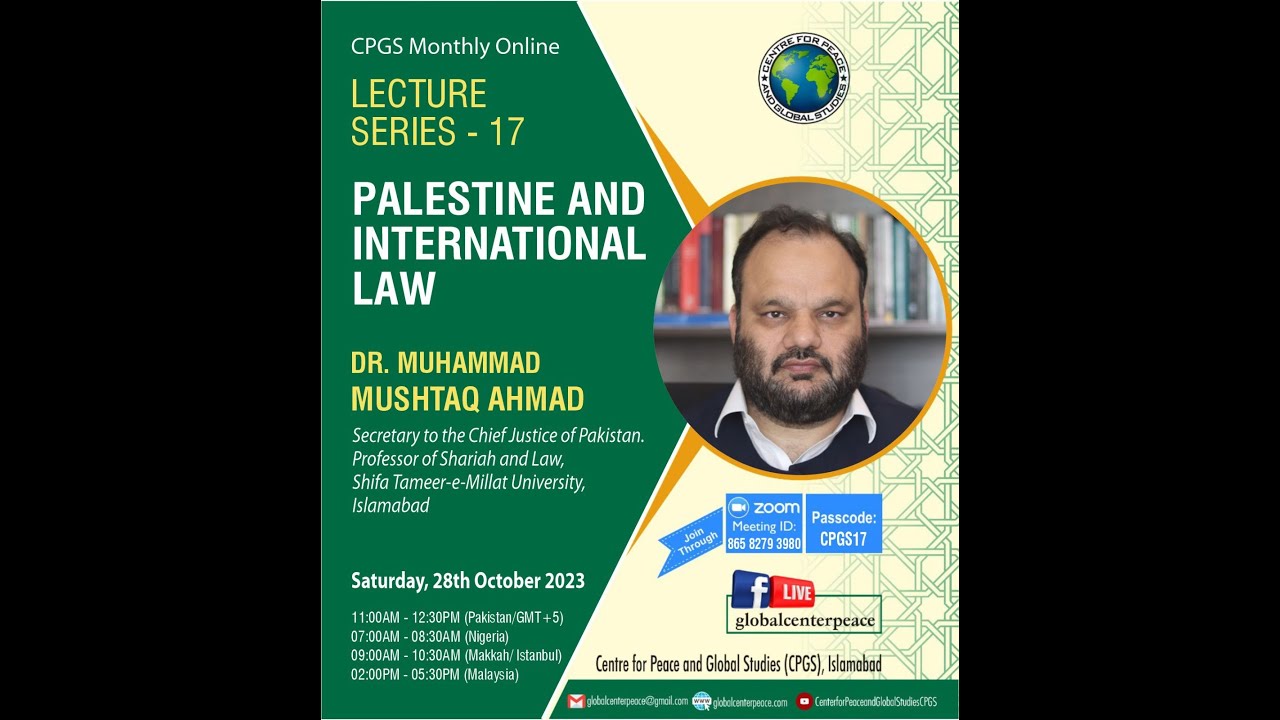
Palestine and International Law by Dr. Muhammad Mushtaq Ahmed
784
Certain violations of international humanitarian law are called 'grave breaches' in the Geneva Conventions. These serious violations are called war crimes when committed during war and can also be considered crimes against humanity even when committed in peacetime. For war crimes, war must be an essential ingredient, but for crimes against humanity, war is not required. In the context of prolonged occupation, which is considered a continuation of war, these violations constitute both war crimes and crimes against humanity. The International Criminal Court (ICC) was established by the Rome Statute of 1998 and began operations on July 1, 2002. It has universal jurisdiction and can try and punish individuals accused of war crimes, crimes against humanity, and the crime of aggression. There are three ways cases can be initiated: when a member state brings a case, when the UN Security Council sends a case, or when the ICC prosecutor initiates a case based on sufficient evidence.
Click to watch →
Deep Dive
The basic stages of conflict resolution and post-conflict peacebuilding processes.

Using Peacebuilding Tools: Military Might Doesn't Always Do It
384
Conflict resolution progresses through three distinct stages. Peacemaking involves bringing fighting to a halt through diplomacy and envoys, creating a breathing space for negotiations. Peacekeeping follows, sending troops to patrol and keep parties apart after a ceasefire—traditional peacekeeping emphasizes neutrality from neutral countries, while robust peacekeeping allows enforcement actions. Peacebuilding creates conditions for sustainable peace through disarmament, reconciliation, economic development, and addressing structural violence. Each stage builds upon the previous, with success in one stage enabling progress in the next. The most effective peace outcomes occur when there is outside security guarantee, as demonstrated by the Sinai Peninsula between Israel and Egypt where US troops helped maintain peace.
Click to watch →

Kunci Jawaban 3.3 Siklus Resolusi Konflik (DETEKSI DINI 3)
2.1K
The conflict resolution cycle consists of four sequential stages: (1) Conflict Prevention - parties plan efforts to prevent conflict from occurring; (2) Peace Building - parties build trust and mutual understanding; (3) Peace Making - parties negotiate and reach agreements despite ongoing hostility; (4) Peace Keeping - efforts to stop violence and maintain peace. Each stage represents a different phase in resolving conflicts, with parties progressing from prevention through building relationships to formal agreements and finally maintaining peace.
Click to watch →
Sosiologi Kelas 11 - Resolusi Konflik, Pencegahan, Rekonsiliasi, dan Transformasi
2K
According to Fisher, the conflict resolution process consists of eight sequential stages: (1) Prevention - preventing conflicts from arising in the first place; (2) Non-violence Prevention - preventing violence from occurring within conflicts; (3) Management - handling conflicts when they occur; (4) Termination through Peace Agreement - ending violence through mutual agreement; (5) Reconciliation - restoring relationships after conflict; (6) Restriction or Avoidance of Violence - limiting violence through positive behavioral change; (7) Transformation - addressing broader social and political sources of conflict; (8) Source Transformation - redirecting negative power from conflict sources into positive power.
Click to watch →
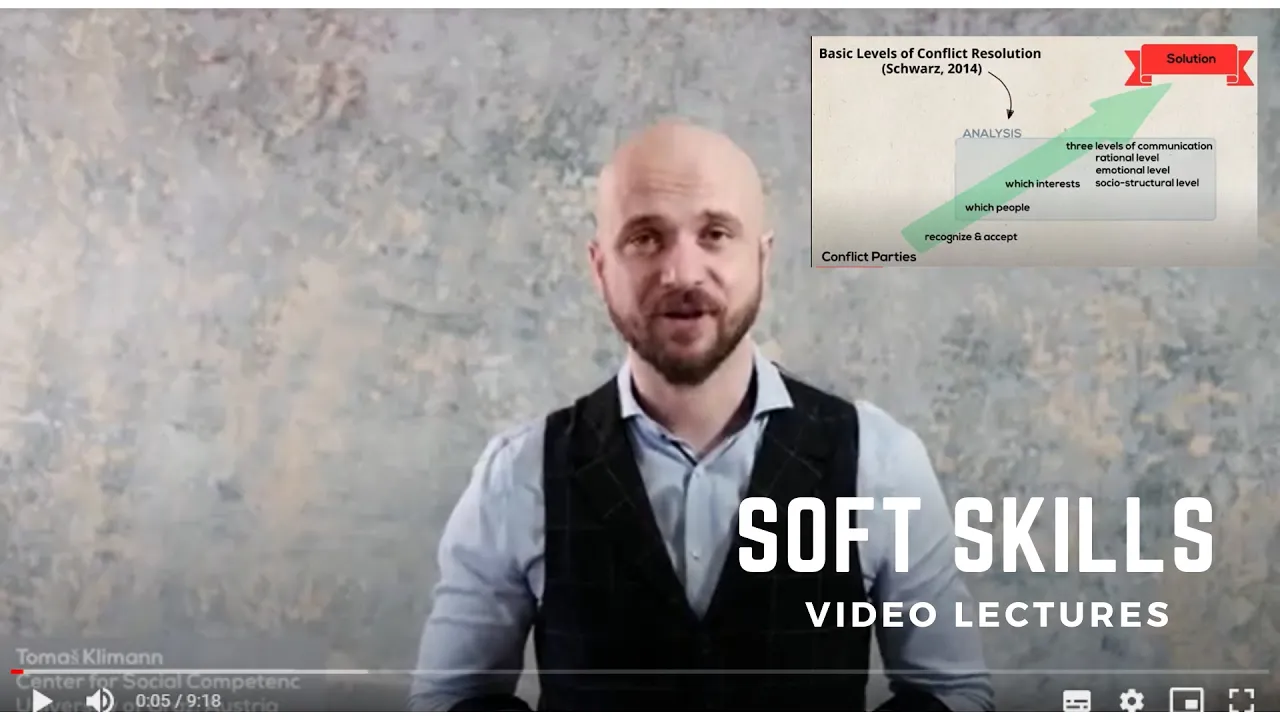
Introduction of the Basic Levels of Conflict Resolution (Gerhard Schwarz, 2014)
364
According to Schwarz's model, all conflict resolution variants can be reduced to a six-stage basic model. These six stages are: escape, extermination, subordination, delegation, compromise, and consensus. This hierarchical structure provides a framework for categorizing and analyzing different approaches parties take when resolving conflicts, allowing practitioners to estimate the current chances of reaching a consensus.
Click to watch →

Peace Building: Gandhian perspective Prof. Jeevan kumar @ ICCHNB-2015,BHU.
2.3K
Peace building involves four sequential processes: (1) Conflict prevention - ways and means to prevent conflicts before they erupt, (2) Conflict resolution - addressing conflicts that have already begun, (3) Post-conflict resolution - addressing root causes to prevent recurrence, and (4) Institutional and civil capacity building for good governance and democratic development. This concept, developed by Boutros-Ghali in 1992, provides multiple avenues for healing troubled societies.
Click to watch →
Deep Dive
The role of global institutions such as the International Criminal Court (ICC) and the United Nations in international law.

Important International Organisations | All in One Class |United Nations | UPSC | CLAT | SSC | DULLB
9.8K
This segment covers the International Criminal Court (ICC) and its role in international justice. The ICC was established in 1965 in The Hague, Netherlands, and operates independently of the United Nations. It prosecutes individuals for genocide, crimes against humanity, war crimes, and crimes of aggression. The court has a unique structure with different branches including the Presidency, Chambers, and Registry. The segment also covers the UN system, including the International Labour Organization (ILO) headquartered in Geneva, Switzerland, which promotes workers' rights and has a unique tripartite structure with representatives from governments, employers, and workers. The ILO has won the Nobel Peace Prize for its contributions to labor rights and social justice.
Click to watch →

UN Defends ICC as Trump Administration Moves to Isolate Court | APT
1.5K
The International Criminal Court (ICC) is an independent international organization separate from the United Nations Secretariat that serves as a critical component of the international justice system, bringing accountability for serious crimes and supported by a vast number of member states; the UN Secretary-General emphasizes that international law, including the UN Charter and Universal Declaration of Human Rights, were created by sovereign member states and have provided protection and relief to millions of people, though these frameworks are currently under threat and attack.
Click to watch →
Trump's Strait Of Hormuz Plan Sparks Global Debate After Blunt UN Response | WORLD NEWS
3.1K
The International Criminal Court (ICC) is an organization separate from the UN Secretariat but remains a critical cog in the international justice system. It is supported by a vast number of member states and helps bring accountability for serious crimes. International law, the UN Charter, and the Universal Declaration of Human Rights were created by sovereign member states and have brought protection and relief to millions of people.
Click to watch →

International Law For CUET LLM | Lecture 1 | By - Legal Narrative
1.4K
The UN has six principal organs: General Assembly, Security Council, Economic and Social Council, Trusteeship Council, Secretariat, and International Court of Justice. The International Criminal Court (ICC), established by the Rome Statute (1998), is the first permanent international criminal court prosecuting individuals for genocide, crimes against humanity, war crimes, and crimes of aggression. Unlike the ICJ, which deals with state disputes, the ICC prosecutes individuals for serious international crimes.
Click to watch →

American Retreat from International Agreements/Treaties/Organizations I IAS I UPSC I DOWNLOAD PDF
301
The International Criminal Court (ICC) prosecutes individuals for genocide, crimes against humanity, war crimes, and crimes of aggression. Crimes against humanity include intentional killing, enslavement, and persecution. The ICC operates independently of national courts and can prosecute individuals regardless of official position. Global governance institutions work to establish international law, promote human rights, and maintain international peace and security, though they face challenges in universal acceptance and effectiveness.
Click to watch →
Prerequisite Knowledge
- Concept 01The distinction between retributive justice (punishment) and restorative justice (healing and repair).
- Concept 02Fundamental concepts of international human rights law, war crimes, and crimes against humanity.
- Concept 03The basic stages of conflict resolution and post-conflict peacebuilding processes.
- Concept 04The role of global institutions such as the International Criminal Court (ICC) and the United Nations in international law.
Subsequent Learning
- Step 01Comparative analysis of historical Truth and Reconciliation Commissions (e.g., South Africa, Rwanda, Colombia).
- Step 02The design and implementation of reparations programs (material vs. symbolic) for victims of mass atrocities.
- Step 03Institutional reform and vetting processes (lustration) to rebuild public trust in post-authoritarian states.
- Step 04The politics of memorialization and how collective memory shapes national identity and prevents future conflict.
Trap Avoidance
Future Via Truth
Trap Avoidance
0:00Playing Section
- 1
Avoids impunity and revenge to ensure stable, lasting peace.
- 2
Addresses justice and reconciliation for war-affected societies.
The Peace vs. Justice Dilemma
This perspective challenges the assumption that prosecuting past human rights abuses is a prerequisite for lasting peace. Critics and political realists argue that prioritizing criminal justice can destabilize fragile transitions. Forcing powerful perpetrators to face trial may incentivize them to resume fighting, cling to power, or derail peace negotiations. In such cases, pursuing immediate justice risks prolonging conflict and causing further suffering. Proponents of this view advocate for pragmatism, suggesting that peace and stability must be secured first through amnesties, political compromises, or even deliberate 'collective amnesia' (such as Spain’s post-Franco 'Pact of Forgetting'). Additionally, critics argue that standard transitional justice models are often Western-centric legal impositions that focus excessively on individual criminal accountability while ignoring the structural, socioeconomic inequalities that originally sparked the conflict.
Deep Dive
Comparative analysis of historical Truth and Reconciliation Commissions (e.g., South Africa, Rwanda, Colombia).

"Ramaphosa Is A Coward" - Rob Hersov EXPLODES On South Africa’s President In FIERY Rant
25.6K
South Africa and Rwanda developed distinct approaches to post-conflict reconciliation. South Africa's TRC allowed perpetrators to confess and receive amnesty, enabling forgiveness while acknowledging atrocities. Rwanda's model, implemented by President Kagame after the 1994 genocide, required killers to admit crimes to victims' families and perform community service in pink overalls for one year before forgiveness. Both approaches recognize that prosecuting 50% of a population is impossible and that moving forward requires balancing justice with national unity. The speaker notes that despite these efforts, underlying animosities persist, and South Africa faces ongoing challenges including 60% youth unemployment and economic instability.
Click to watch →

SCP Roberto Cornelli: Memoria e giustizia
377
Three distinct approaches emerged for addressing mass atrocities: South Africa's Truth and Reconciliation Commission prioritized national healing through confession and amnesty; Yugoslavia's international tribunals focused punitive justice on individual perpetrators; Rwanda combined international tribunals with traditional gacaca courts for community-based justice. Each approach reflects different philosophical commitments about whether punishment, truth-seeking, or reconciliation best serves long-term peace. South Africa's model prevented further violence by giving perpetrators a path to redemption; Yugoslavia's tribunals risked reinforcing nationalist narratives; Rwanda's hybrid system addressed the massive scale of atrocities but carried risks of private retribution. Colombia's 2016 peace agreement with FARC exemplified comprehensive integration, including victim participation in negotiations, special jurisdiction for peace with restorative elements, land reform addressing root causes, and symbolic reparations like environmental restoration. Successful transitions require combining mechanisms tailored to specific historical contexts while preventing recurrence through non-repetition guarantees.
Click to watch →
Research for Social Justice: Western’s Royal Society College
209
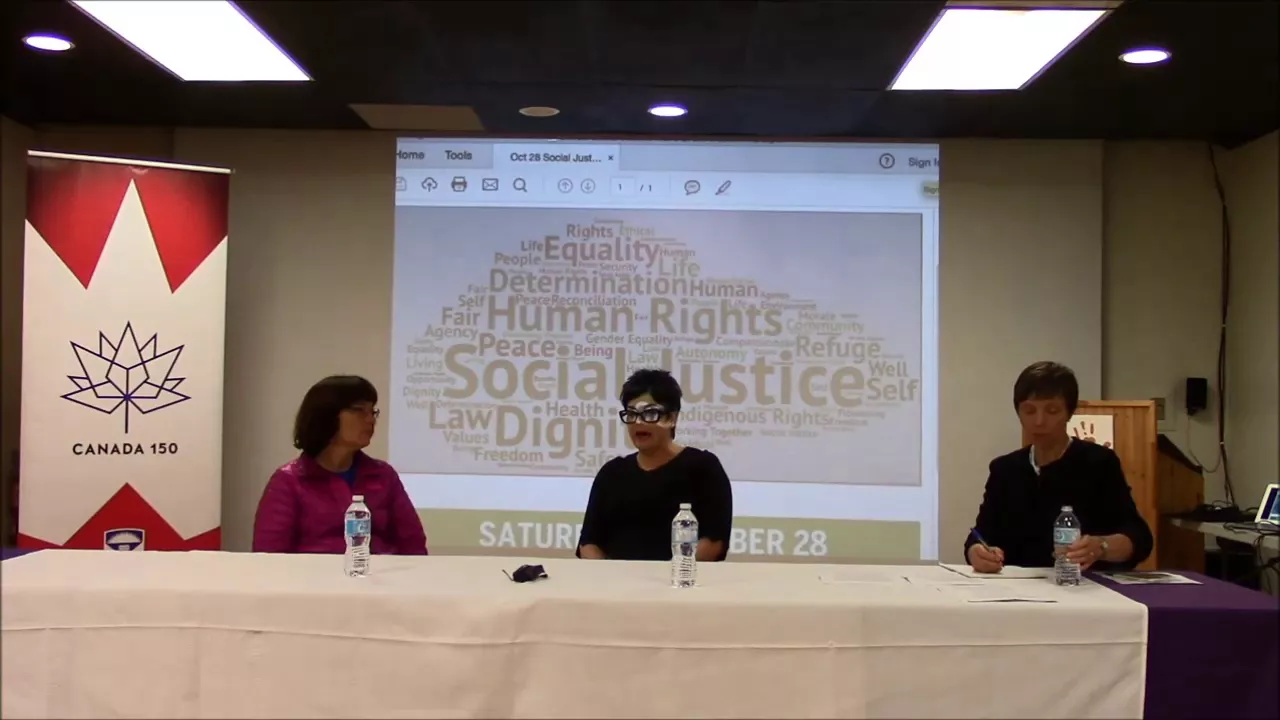
Comparative analysis between Canada's Truth and Reconciliation Commission and South Africa's TRC reveals important differences in approach. The South African model emphasizes understanding implications of truth rather than simply uncovering it, recognizing that hasty steps toward reconciliation risk missing structural relationships that continue causing disparity. Canada's position as a nation with unapproachable reputation makes it difficult to address its own injustices, requiring researchers to look elsewhere for comparative insights and alternative frameworks for understanding reconciliation.
Click to watch →

Revisiting the TRC and gacaca courts:have reparations been a reality?
431
International law holds individuals accountable but not governments, leaving structural violence like genocide and apartheid unaddressed. Rwanda's Gacaca courts started in 2002 with compensation provisions, but the compensation fund law tabled in 2001 remains unimplemented. Civil society actively participates through memorial activities and grassroots support. The ICTR has requested an assessment study on unresolved reparations. South Africa's TRC, described as the largest survey of human rights violations, deliberately skewed racial representation to include whites as victims. Critics argue the TRC's mandate was limited because it only looked at specific cases rather than systemic apartheid, lacked gender perspective, and created unrealistic expectations about transitional justice outcomes.
Click to watch →

Rev Devon Dick on TRC in Jamaica
1.1K
This segment compares Jamaica's and South Africa's Truth and Reconciliation Commission approaches. Jamaica's process began after the 1980s political violence that killed over 800 people, while South Africa's TRC emerged from apartheid. Both nations used TRC models to address historical injustices, though Jamaica's approach included forgiveness campaigns and political leader confessions alongside formal inquiries. Both processes faced criticism about victim needs and resource allocation, yet both emphasized that reconciliation requires truth, repentance, and justice working together. The Baptist World Alliance Congress in Durban provided an opportunity for cross-national learning between these two nations' reconciliation journeys.
Click to watch →
Deep Dive
The design and implementation of reparations programs (material vs. symbolic) for victims of mass atrocities.
California Reparations Update: Progress or Pandering?
40.8K
Effective reparations programs should focus on creating wealth rather than creating dependency on systems that have historically been insufficient. The speaker emphasizes that the main battle after approval is ensuring reparations effectively create economic independence for Black Americans. There is debate about distribution methods: some advocate for direct cash checks similar to those given to Native Americans, while others prefer structured programs for education, entrepreneurship, and healthcare. The speaker argues that direct checks are preferable because programs often involve white administrators who may skim funds. The speaker also suggests using the Freedman's Bureau as a model, proposing to reestablish a similar institution to manage reparations distribution, similar to how the Bureau of Indian Affairs continues to operate today.
Click to watch →

Dutch Cover-up: The dark side of reparations | Redacted with Natali and Clayton Morris
80.9K
Symbolic reparations like monuments and apologies may be more meaningful than financial payments, as descendants note words cannot buy anything. The Netherlands already has a large monument to the slave trade. Meanwhile, modern slavery continues with child soldiers, human trafficking, and forced labor occurring today in Africa and at U.S. borders. Some argue attention should focus on current oppression rather than historical reparations, questioning whether symbolic gestures address real ongoing harm.
Click to watch →

VÂNĂTORII DE SECURIŞTI - FILM DOCUMENTAR (ANTENA 3 / 20.10.2013)
366.5K
The video discusses Romania's proposed law requiring convicted torturers to pay victims from their pensions. The speaker criticizes this as symbolic rather than material, noting that processes take years and few torturers remain alive. The law divides a single pension among multiple victims, making it impractical. This illustrates the challenge of providing meaningful reparations for historical crimes, where symbolic measures often replace substantive justice due to practical and political constraints.
Click to watch →

Conversatorio: La ruta no sancionatoria como escenario de reconciliación
1.9K
Reparation can be individual or collective, material or moral, or symbolic. Individual reparations are the State's responsibility, recognizing victims and providing indemnification. Collective reparations must be material but also symbolic and visible. Germany in 1945 received claims for World War II crimes and began paying economic reparations. In addition to the main trial, there were 12 thematic trials including one for doctors who authorized extermination of mentally deficient people, one for jurists who repressed political opponents, one for SS, one for concentration camps, one for the High Military Command, and one for industrialists who enriched themselves with the war. A more important symbolic repair occurred when German Chancellor Willy Brandt knelt before Holocaust victims in Auschwitz in the 1960s, representing Germany's forgiveness for what should never have occurred. For victims, it is important that those responsible personally participate in reconstruction tasks, possibly building monuments with victims' names in affected communities.
Click to watch →

DIPO OPEN 2022 Round 3 - Room A8
127
This debate examines whether past evil regimes should be allowed to provide exclusive material compensation to victims in exchange for partial or complete erasure of their atrocities from historical records. The Opening Government argues that material reparations are justified because they provide immediate, tangible benefits to victims who need resources for survival, education, and rebuilding their lives, while alternative approaches like truth commissions and investigations are impractical due to destroyed evidence, dead perpetrators, and lack of political will. The Opening Opposition counters that such compensation is inherently abusive because it exploits power imbalances, steals agency from victims, and prevents them from fighting for their rights, while also failing to provide genuine redress for historical wrongs.
Click to watch →
Deep Dive
Institutional reform and vetting processes (lustration) to rebuild public trust in post-authoritarian states.
А. СОТНИК: «РОССИЯ ВЛЕТЕЛА В ЧЁРНУЮ ДЫРУ»
287.9K
The speaker explains that opening archives and conducting lustration (a process of vetting officials for past collaboration with authoritarian regimes) is necessary so that future generations understand that such 'subtlety' will not be repeated. The speaker clarifies that lustration is 'just a procedure, not divine judgment or a Stalinist troika.' The speaker raises questions about who would conduct lustration (judges, potentially foreign experts) and whether it would be total or selective, involving department heads who made decisions.
Click to watch →
Live Q&A Cârtițele din servicii. S-a pierdut încrederea în Armată. Poliția Română insistă penibil
7.7K
The speaker discusses the concept of lustration (vetting and purging former regime collaborators from public institutions) in the context of Romanian post-communist transition. The speaker argues that Romania failed to properly implement lustration, leaving former Securitate agents and their associates in positions of power. The speaker connects this to the current situation, suggesting that many individuals in key positions today have backgrounds in the former secret police and are therefore predisposed to protect Russian interests. The speaker argues that proper lustration would have prevented the infiltration of pro-Russian elements into Romanian institutions.
Click to watch →

Гайдай | Доній: Влада тікає від виборів! Війна — лише привід? Себастьянович
8.5K
Lustration (vetting of former regime officials) is essential for democratic transition. The most effective form of lustration is reducing the state apparatus itself, as this removes the positions that corrupt officials occupy. Those who worked in the previous regime should be excluded from public service, and the most effective mechanism is requiring military service as a condition for continued public employment. This ensures that those who cannot defend the country are removed from positions of power.
Click to watch →
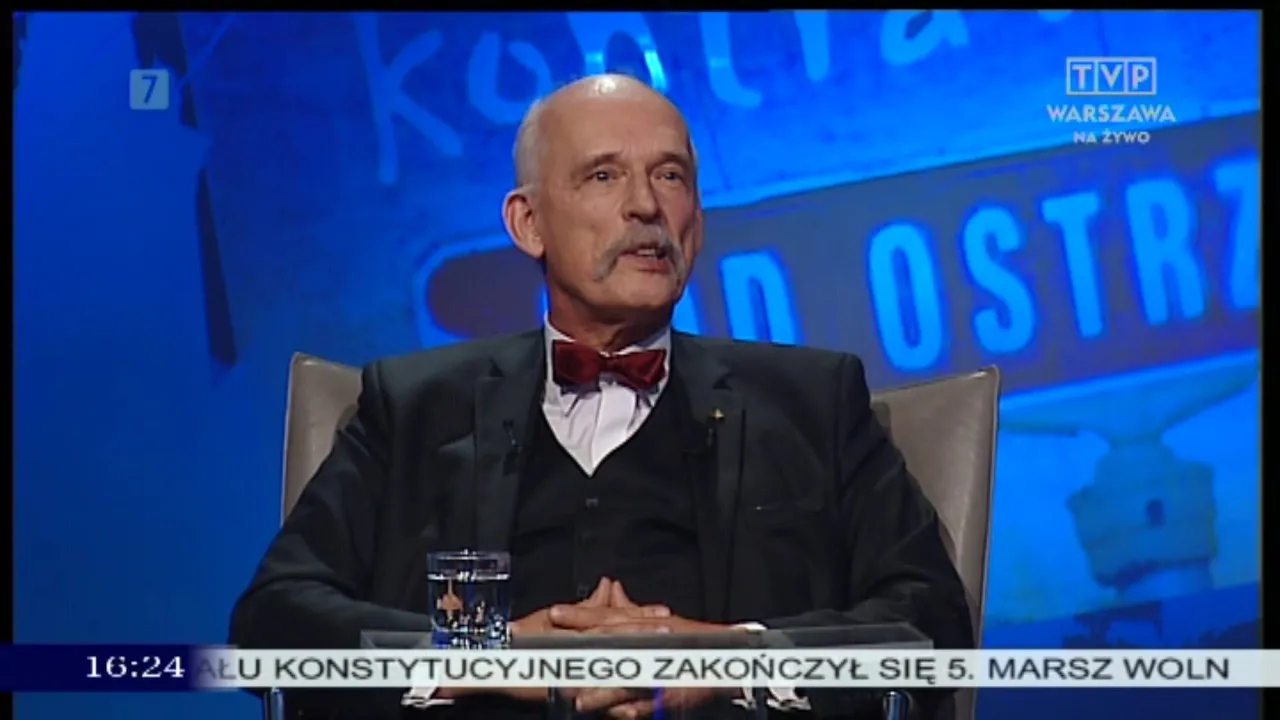
Młodzież kontra 543: Janusz Korwin-Mikke (Partia KORWiN) 13.12.2015
293.2K
Institutional reform requires addressing systemic failures and historical legacies. The speaker advocates for lustration of judicial and prosecutorial institutions to remove agents from communist-era security services. He argues that institutions must be cleansed of individuals with conflicting loyalties to ensure proper functioning. This illustrates how institutional reform requires both substantive changes and personnel changes to address historical legacies that undermine current institutional integrity.
Click to watch →
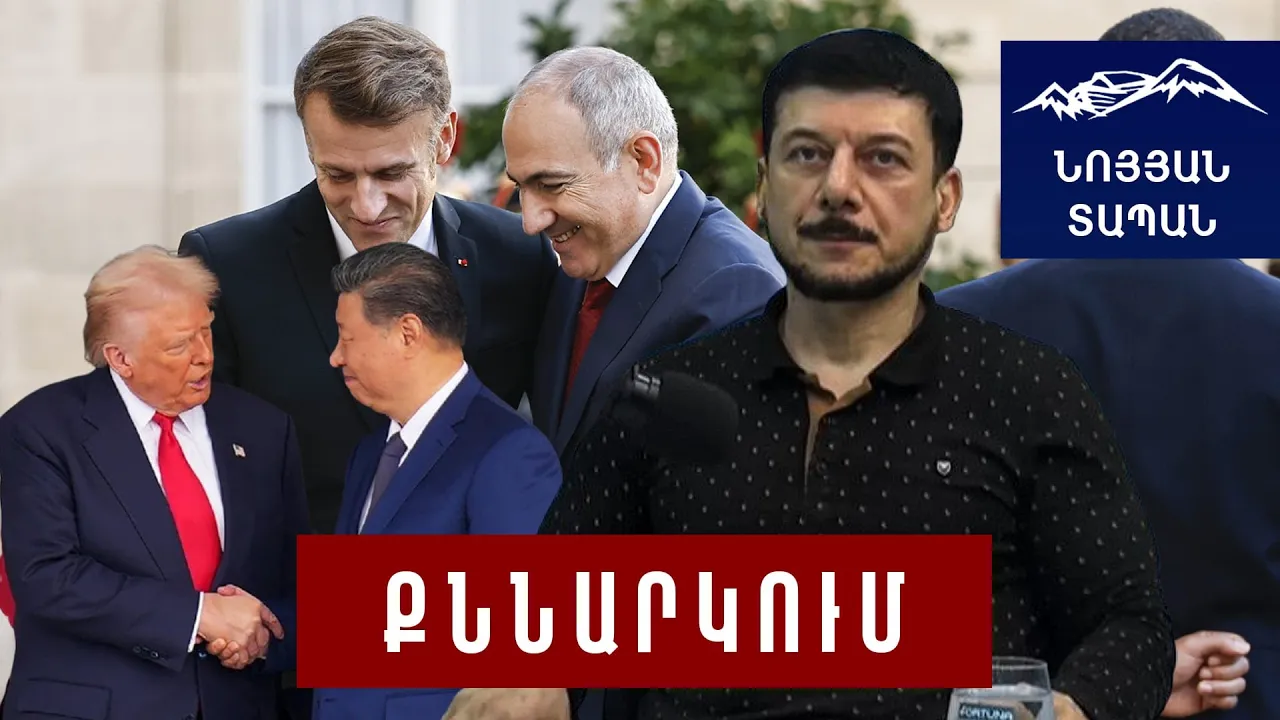
Վեթինգը դարձել է հրամայական. Փորձ է արվում տապալել ժողովրդավարական կարգը. Հովսեփ Խուրշուդյան
36.5K
Lustration is the process of screening public officials for past involvement in authoritarian or criminal activities. Vetting involves examining backgrounds and conduct of individuals in positions of trust. In democratic transitions, these processes are essential for ensuring that those in power have not been involved in human rights violations. Without thorough vetting, former authoritarian officials may retain influence in democratic institutions. The challenge is balancing thorough vetting with the need to avoid excessive fear of Russia or other external powers. Professional standards in democratic institutions require adherence to legal procedures to function effectively.
Click to watch →
Deep Dive
The politics of memorialization and how collective memory shapes national identity and prevents future conflict.

Путин про Чубайса - Симоньян написала книгу - Двойники Путина - ГубинONAir
19.5K
Different nations handle the memorialization of war dead in fundamentally different ways. Russia has virtually no memorials for World War I veterans, despite hundreds of thousands of casualties, while Western countries have extensive memorials for all sides of conflicts. This selective memory affects how societies understand their own history and the meaning of sacrifice. The question of what wars were 'worth fighting for' and how to memorialize those who died remains a fundamental challenge for all nations.
Click to watch →

【ぼくらの国会・第235回】ニュースの尻尾「わたしはリベラリスト」
91.2K
Historical memory and national identity are closely connected through how nations commemorate their past. The speaker discusses how different nations handle historical events differently, with some creating comprehensive war memorials while others lack such institutions. The absence of war memorials can indicate a failure to fully confront historical truth. The speaker argues that nations have a responsibility to create comprehensive war memorials that include both successes and failures, and that the absence of such memorials affects a nation's historical consciousness. This reflects how collective memory shapes national identity and how memorialization serves as a mechanism for national reconciliation and historical education.
Click to watch →

Every Species Endorsed Earth’s Slavery—And Earth Responded With Fury That Erased Civilizations
39.3K
The Federation held annual memorial ceremonies in the same chamber where the original enslavement vote occurred, deliberately preserving scorch marks from the liberation battle as reminders and warnings. Ambassador Young J reminded attendees: 'We gather here to remember what happened in this chamber. To remember what came after, to remember the cost of tyranny and the price of freedom.' Historian Hyun documented everything—testimonies, documents, images—to ensure humanity never forgets. This demonstrates that preventing future atrocities requires continuous commemoration and documentation, as peace is merely the pause between wars and forgetting enables evil to return.
Click to watch →
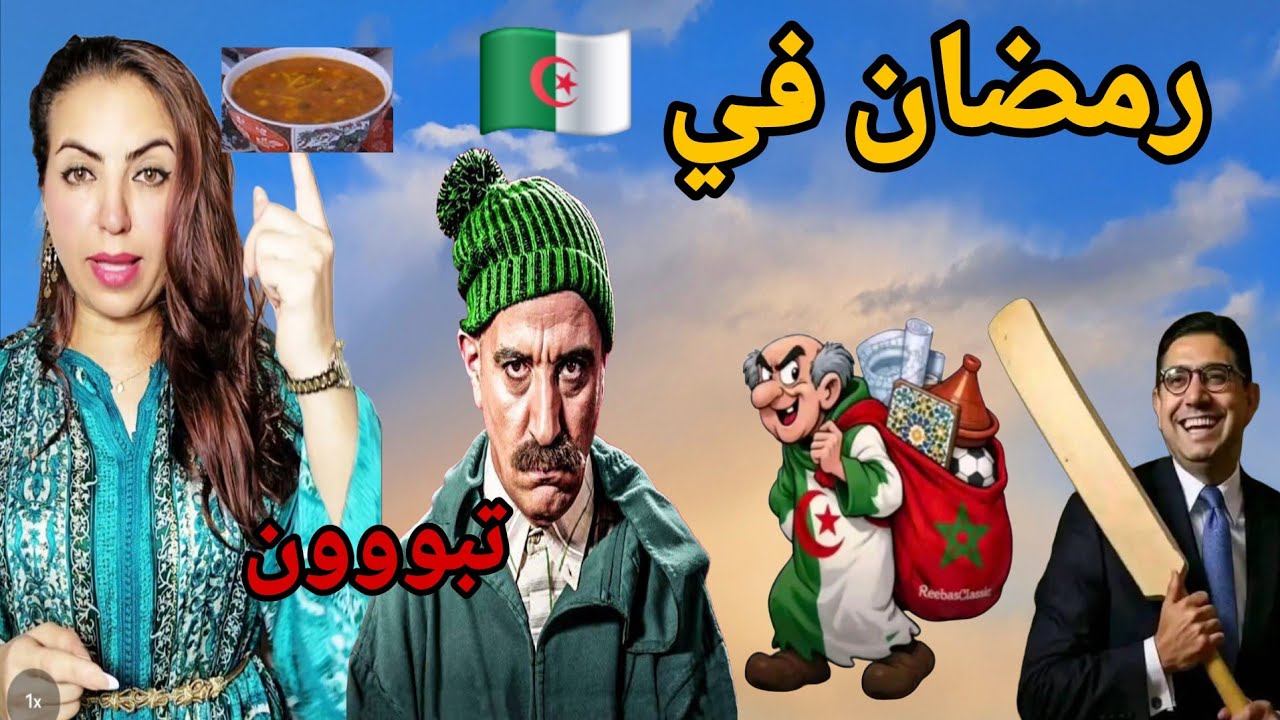
الحريرة مغربية وشوهة جزائرية 😂وبوريطة يرد على تبون دعم غزة بالأفعال وليس بالكلام 🚨🙆♂️
48.1K
This segment explores the complex relationship between historical memory, memorialization, and national identity. The discussion centers on skull decorations (jama'at) displayed as memorials to martyrs in Algeria, with one perspective viewing this as disrespectful to the dead and another seeing it as a form of historical remembrance. The conversation also addresses how educational content shapes national identity and perceptions of neighboring countries, with one perspective arguing that Algerian schools teach hatred toward Jews, French, and Moroccans. This illustrates the tension between different interpretations of how to honor historical figures and the challenges of maintaining respectful discourse about historical memory in public spaces.
Click to watch →

봉하마을이 두 명에게 당했다
13.2K
This segment examines how political figures are memorialized and remembered through various practices. The video describes a political pilgrimage from Mokpo to Bonga Village, visiting the regions of two former presidents. The speaker discusses how President Moon Jae-in is being 'resurrected' and 'worshipped like Jesus Christ' after his death. The segment also covers the organization of large-scale memorial events, including performances, sound systems, and various activities, raising questions about the funding and resources behind such events and their role in political culture.
Click to watch →
Trap Avoidance
Future Via Truth
Trap Avoidance
0:00- 1
Avoids impunity and revenge to ensure stable, lasting peace.
- 2
Addresses justice and reconciliation for war-affected societies.
The Peace vs. Justice Dilemma
This perspective challenges the assumption that prosecuting past human rights abuses is a prerequisite for lasting peace. Critics and political realists argue that prioritizing criminal justice can destabilize fragile transitions. Forcing powerful perpetrators to face trial may incentivize them to resume fighting, cling to power, or derail peace negotiations. In such cases, pursuing immediate justice risks prolonging conflict and causing further suffering. Proponents of this view advocate for pragmatism, suggesting that peace and stability must be secured first through amnesties, political compromises, or even deliberate 'collective amnesia' (such as Spain’s post-Franco 'Pact of Forgetting'). Additionally, critics argue that standard transitional justice models are often Western-centric legal impositions that focus excessively on individual criminal accountability while ignoring the structural, socioeconomic inequalities that originally sparked the conflict.
The distinction between retributive justice (punishment) and restorative justice (healing and repair).
Fundamental concepts of international human rights law, war crimes, and crimes against humanity.
The basic stages of conflict resolution and post-conflict peacebuilding processes.
The role of global institutions such as the International Criminal Court (ICC) and the United Nations in international law.
Comparative analysis of historical Truth and Reconciliation Commissions (e.g., South Africa, Rwanda, Colombia).
The design and implementation of reparations programs (material vs. symbolic) for victims of mass atrocities.
Institutional reform and vetting processes (lustration) to rebuild public trust in post-authoritarian states.
The politics of memorialization and how collective memory shapes national identity and prevents future conflict.
21.5K views146likes3:16@theICTJOriginal Release: 2012-07-10
societies that deal with a violent past can fall in two very difficult traps one is a trap of impunity not touching the past At All by not touching the past at all what can happen is that the powerful violent sectors that cause violations continue to be uh powerful and probably will continue to be violent another extreme and another danger is the possibility of pure Revenge you need to make sure that peace uh however difficulty reach needs to be stable and Lasting and this can only be achieved by addressing the demands of justice and the demands of reconciliation uh among uh you know members of societies that have been affected by War and by humanitarian disaster the first thing that we want to do in the implementation of transitional Justice measures is to provide recognition to victims and again I think that the fundamental thing is not simply to recognize the great suffering that they have endured although of course this is a very important part of the way in which you show respect for them the fundamental type of recognition that at least in my experience victims are looking for is precisely the recognition the recognition as equal citizens as people who bear rights and that can act on the rights that they have is trying to reestablish dignity for those community members and a sense of what is right and what is wrong in in its most bare form which by virtue of what has happened has been so turned on its head that you know the worst kind of behavior has become normalized I think it also can help to strengthen institutions um to helped to begin to remake institutions either through the exercise of the courts which failed people for many years oftentimes or through actually the reform of those institutions as well as part of transitional Justice um and I think it can help people to think about what it means when you live in a place full of Injustice it's essential to really wrestle with the past it's essential to confront the past it's essential to have the truth about the past so I see transitional Justice as a way to address the past so that one can have a future it is only if you address the past that you can have a more prosperous and peaceful future and hopefully a democratic future if you simply try to cover the past if you don't have accountability if you don't have truth then you're much much more likely to Simply repeat those conflicts and I think that is at the heart of it what transitional Justice is about
Up Next

12:17
Restorative vs Retributive Justice | Reconciliation & Forgiveness Explained
@pjmora
768 views•2014-08-20
4:27
US Secondary Sanctions Impact on EU Businesses and Blocking Legislation
@Bureauvandijk
1.6K views•2019-03-20
5:27
Forensic Phonetics: Speaker Identification in Legal Cases
@nptel-nociitm9240
539 views•2025-03-19

24:42
Police Interrogation Tactics: False Confessions & Legal Reform
@LastWeekTonight
7M views•2022-04-18
Related Study Plans & Knowledge Roadmaps
Structured learning paths in Law
law
Self-Defense Law: Imminence & Castle Doctrine
01Foundations of Self-Defense Law
02Imminent Threat & Reasonable Belief
03The Principle of Proportionality
+ 3 more learning modules
12h6 modules
Explore Roadmap
law
Defamation Law: First Amendment & Actual Malice
01Introduction to civil torts and the First Amendment
02Elements of Defamation: Libel and Slander
03Public Figures vs. Private Individuals
+ 2 more learning modules
8h5 modules
Explore Roadmap
law
Hearsay Rule: Trial Evidence & Exceptions
01Introduction to Trial Evidence & Courtroom Basics
02Demystifying Hearsay: The Core Definition
03Non-Hearsay: Exclusions Under FRE 801(d)
+ 3 more learning modules
14h6 modules
Explore Roadmap
law
Medical Malpractice: Law, Liability & Care
01Foundations of Tort Law and Civil Liability
02The Four Elements of Medical Malpractice
03Defining and Proving the Standard of Care
+ 2 more learning modules
12h5 modules
Explore Roadmap